

Chroma Medicine, Led by David Liu and Backed by GV, Files IPO After Securing Nearly $300M Without Disclosing Pipeline Details

Chroma Medicine
Genetic Medicine Developer

GV
Google's Investment Fund

Atlas Venture
Early-Stage Venture Capital Firms

Newpath Partners
Biotechnology Investment Firm

Sofinnova Partners
Venture Capital Firms

Cormorant Asset Management
Hedge Fund

Casdin Capital
Life Sciences and Healthcare Investment Firm

Janus Henderson Investors
Global Asset Management Firm

Omega Funds
Venture Capital Firm

T. Rowe Price
Venture Capital Firms in the Technology Startup Sector

Wellington Management
Investment Management Institution

ARCH Venture Partners
Venture Capital Firms

DCVC Bio
Venture Capital Firm

Mubadala Capital
Asset Management Institution
All living beings are imbued with spirit, and their intricacies often surpass our imagination. Seemingly minor anomalies and changes in organisms can give rise to a burgeoning frontier discipline. For example:
Calico cats carry genes for both yellow and black coat colors. According to genetic principles, when a female cat’s two X chromosomes carry the yellow and black genes respectively, her fur should appear brown. Why, then, do calico cats exhibit a patchwork of yellow and black rather than a uniform brown color?
In the late stages of World War II, the Dutch experienced a period known as the “Hunger Winter.” Children born during this period tended to have smaller body sizes. Can the effects of famine be inherited?
For twins raised in the same environment, we might expect them to exhibit identical behaviors and personality traits. However, this is not the case in reality. Why is that?
These issues can all be addressed by a popular emerging research discipline—Epigeneticsto explain.
Epigenetics not only plays a crucial role in gene expression, regulation, and inheritance, but is also vital to human growth and development, as well as the pathogenesis, diagnosis, and treatment of diseases such as cancer and inflammation.
In recent years, as research into epigenetics has deepened, scientists have discovered enzymes capable of precisely adding or removing epigenetic modifications. This means that it is now possible to regulate gene expression through precise editing of the epigenome. Astute investors have also taken note. In 2021, two epigenome editing companies secured substantial Series A funding rounds, one of which was Chroma Medicine.
In November 2021, Chroma Medicine (“Chroma”) announced its formation with $125 million in financing. The seed funding was provided by Atlas Venture, Newpath Partners, and Sofinnova Partners. The Series A round was led by Cormorant Asset Management, with participation from Casdin Capital, Janus Henderson Investors, Omega Funds, T. Rowe Price Associates, Inc., Wellington Management, and all seed investors. The proceeds will be used to support the continued development of Chroma’s epigenetic editing platform and the advancement of its targeted therapeutic pipeline.
In March 2023, Chroma announced the completion of a $135 million Series B financing round. The round was led by GV, with new investors including ARCH Venture Partners, DCVC Bio, and Mubadala Capital. The proceeds will be used to advance the company’s therapeutic programs into clinical development and to continue investing in its core epigenetic editing platform.
Currently, Chroma has not disclosed specific project details. However, its CEO, Catherine Stehman-Breen, revealed that Chroma has already initiated several projects and is working to conduct human clinical trials as soon as possible.
For many years, Dr. David Liu (co-founder of Beam Therapeutics and Prime Medicine) and Dr. Keith Joung (co-founder of Beam Therapeutics and Editas Medicine) had sought to establish an epigenome editing company to translate their prior research in epigenetic gene editing into practical applications.
In 2016, Italian scholars Luigi Naldini and Angelo Lombardo published an article in *Cell* on epigenetic editing targeting endogenous genes to achieve gene silencing, reporting a framework for the mechanism of action of epigenetic editing and laying the foundation for subsequent research.
In April 2021, Jonathan S. Weissman’s team developed a novel epigenetic editor based on the CRISPR system.CRISPRonandCRISPRoffThis system can precisely regulate DNA methylation modifications and gene transcription, independent of promoter CpG structures, thereby exerting regulatory effects on the vast majority of gene transcription. This study is also regarded as a milestone in the field of epigenome editing over the past decade.
Centered on this research, three renowned U.S. venture capital firmsAtlas Venture、Newpath PartnersandSofinnova PartnersWith this momentum, Dr. David Liu co-founded Chroma Medicine alongside several leading academics in the field of gene editing, venturing into epigenetic gene editing technology.

Chroma Founder (Image source: Chroma official website)
1、Luke Gilbert: Assistant Professor at the University of California, San Francisco, with appointments in the Department of Urology, the Department of Cellular and Molecular Pharmacology, the Helen Diller Family Comprehensive Cancer Center, and the Innovative Genomics Institute.
2、J. Keith Joung: A leading figure in the field of gene and epigenetic editing, and a professor at Harvard Medical School. He is also a co-founder and advisor to multiple biotechnology companies, including Beam Therapeutics, Editas Medicine, Pairwise Plants, SeQure Dx, and Verve Therapeutics.
3、Liu Ruqian(David Liu): Director of the Merkin Institute of Transformative Technologies in Healthcare and Associate Director of the Broad Institute of Harvard and MIT. His research combines chemistry and evolution to elucidate biological mechanisms and enable next-generation therapies. His primary research focuses include the engineering, evolution, and in vivo delivery of gene-editing proteins, such as gene editors, for the study and treatment of genetic diseases.
4、Angelo Lombardo: Assistant Professor at Vita-Salute San Raffaele University and Group Leader at the San Raffaele Telethon Institute for Gene Therapies. His research team was the first to develop a hit-and-run approach for targeted epigenetic silencing, demonstrating durable and efficient epigenetic silencing across multiple cell types.
5、Luigi NaldiniProfessor of Cell and Tissue Biology and Gene and Cell Therapy at the San Raffaele University School of Medicine, and Scientific Director of the San Raffaele Telethon Institute for Gene Therapies in Milan. His research focuses on developing new strategies to overcome the major obstacles to safe and effective gene transfer, and has pioneered innovative solutions that are being translated into new therapies.
6、Jonathan WeissmanHe is a Professor of Biology at the Massachusetts Institute of Technology, an Investigator at the Howard Hughes Medical Institute, the Landon T. Clay Professor of Biology at the Whitehead Institute, and a member of the National Academy of Sciences. His research focuses on how cells ensure that proteins fold into their correct shapes, the role of protein misfolding in disease and normal physiology, and the development of innovative tools for broadly exploring the organizational principles of biological systems.
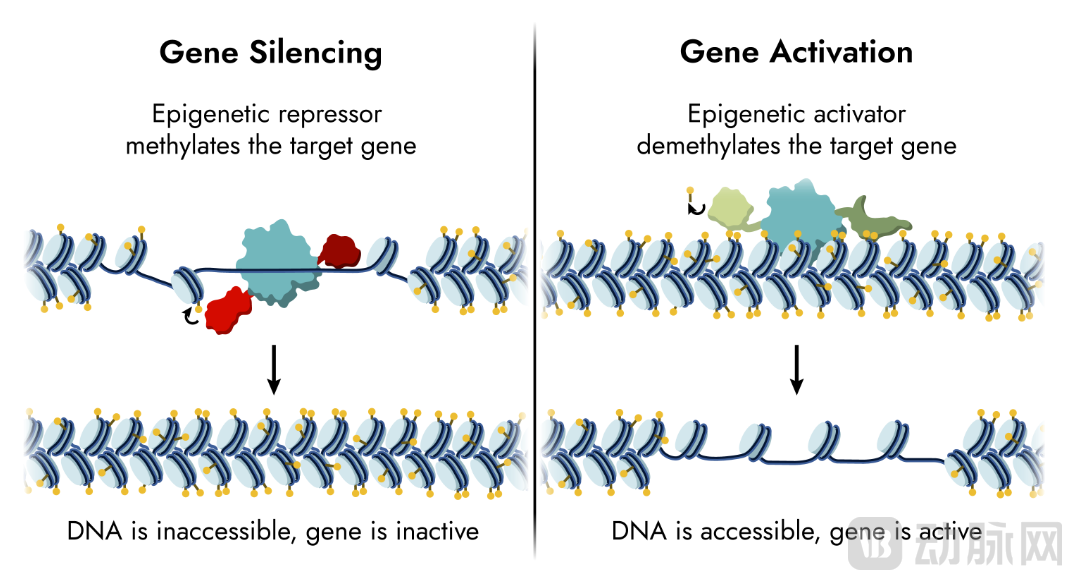
Chroma’s Epigenetic Editor (Image source: Chroma official website)
Chroma’s novel programmable epigenetic editor combines DNA-binding domains with modular epigenetic effector domains to target genes and control chromatin conformation. The DNA-binding domain specifically targets genes intended for silencing or activation. The effector domains establish specific and durable methylation patterns, thereby regulating chromatin conformation and determining whether a gene can be transcribed. This approach effectively mimics the cell’s innate mechanisms for controlling gene expression.
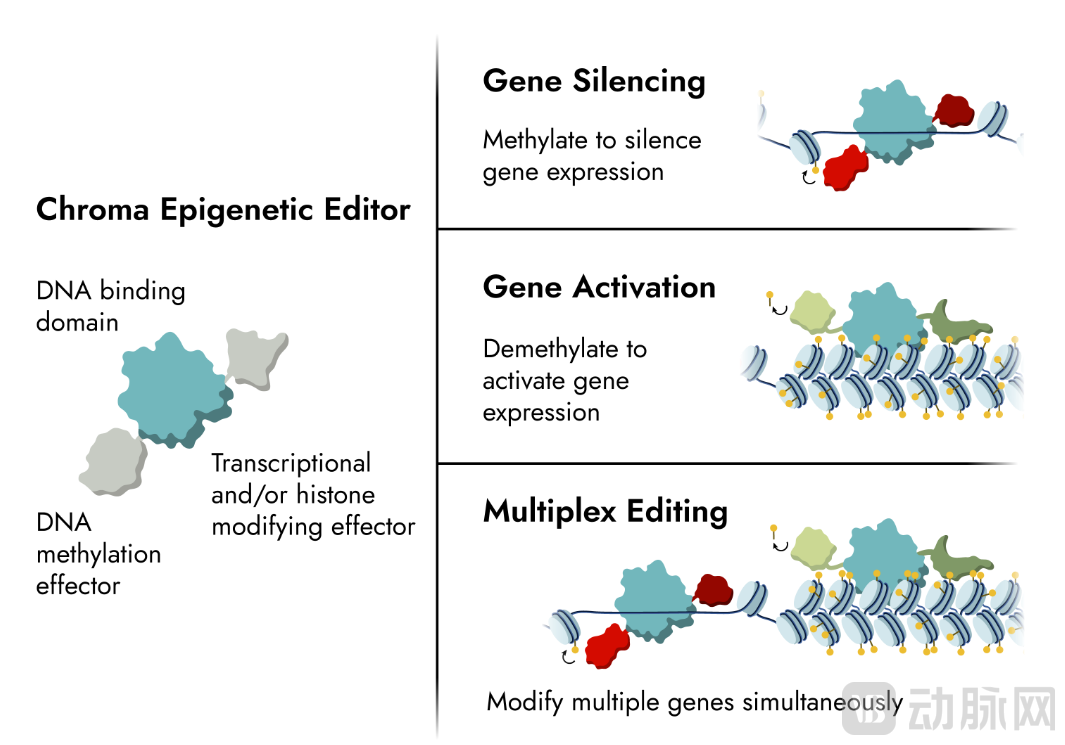
Epigenetic Editing Platform (Image source: Chroma official website)
Chroma, with its modular and flexible platform, is able to develop drugs for a variety of diseases, whether requiring gene silencing, activation, or simultaneous targeting of multiple genes.
By leveraging the cell’s intrinsic gene regulatory mechanisms, Chroma’s epigenetic editor can completely eliminate the expression of target genes. In contrast, traditional editing methods indirectly modulate gene expression by cleaving DNA, thereby activating unpredictable DNA repair pathways and potentially leading to immunogenic DNA truncations or protein mutations. These advantages make Chroma’s epigenetic editor the preferred approach for genome regulation.
In May 2023, at the 26th Annual Meeting of the American Society of Gene & Cell Therapy (ASGCT), Chroma Medicine presented two reports, one of which was titled “Development of a Human PCSK9-Targeted Epigenetic Editor with Durable, Near-Complete In Vivo Silencing Efficiency,” demonstrating the application potential of its epigenetic editing platform.
At the ASGCT meeting, Chroma presented its epigenetic editor targeting the human PCSK9 (hPCSK9) gene. hPCSK9 is a well-established genetic target; the PCSK9 protein it encodes binds to low-density lipoprotein receptors (LDL-R) on the surface of hepatocytes and promotes their degradation, thereby elevating plasma low-density lipoprotein cholesterol (LDL-C) levels. Consequently, reducing PCSK9 gene expression or inhibiting the binding of PCSK9 protein to LDL-R can lower plasma LDL-C levels, thus helping to prevent cardiovascular disease.
Chroma noted in its report that preclinical studies conducted in humanized mouse models demonstrated efficient, durable, and specific silencing of PCSK9 by the epigenetic editor in transgenic mice. Over an observation period of at least five months following a single dose of Chroma’s epigenetic editor, PCSK999%Silencing: No off-target changes in gene expression or methylation were detected.
In November of the same year, Chroma presented its latest preclinical data at the American Heart Association (AHA) Scientific Sessions held in Philadelphia.
Data indicate that a single dose of this editor in humanized transgenic mice resulted in effective and sustained reduction of in vivo PCSK9 levels over a 10-month follow-up period. The data further demonstrate that this silencing effect was maintained before and after partial hepatectomy in mice, a standard surgical model for inducing liver regeneration. In non-human primates, circulating PCSK9 levels were significantly reduced.80%, leading to reduced levels of low-density lipoprotein cholesterol58%。
Epigenetics Is Emerging as a Key Trend
Compared with genomics, the overall development of epigenetics is still in its early stages, with industrial translation mainly concentrated in the fields of clinical testing and drug research and development. In contrast to China, the epigenetics industry abroad has started earlier and developed faster.
In November 2022, Merck & Co.’s $1.35 billion acquisition of Imago Biosciences undoubtedly ignited the epigenetics market. Prior to this deal, German biotechnology company MorphoSys had already acquired Constellation Pharmaceuticals for $1.7 billion in 2021, gaining control of its two innovative epigenetic oncology pipelines.
As research in the field of epigenetics continues to deepen and mature, researchers have discovered that epigenetic modifications are closely associated with the initiation and progression of tumors.
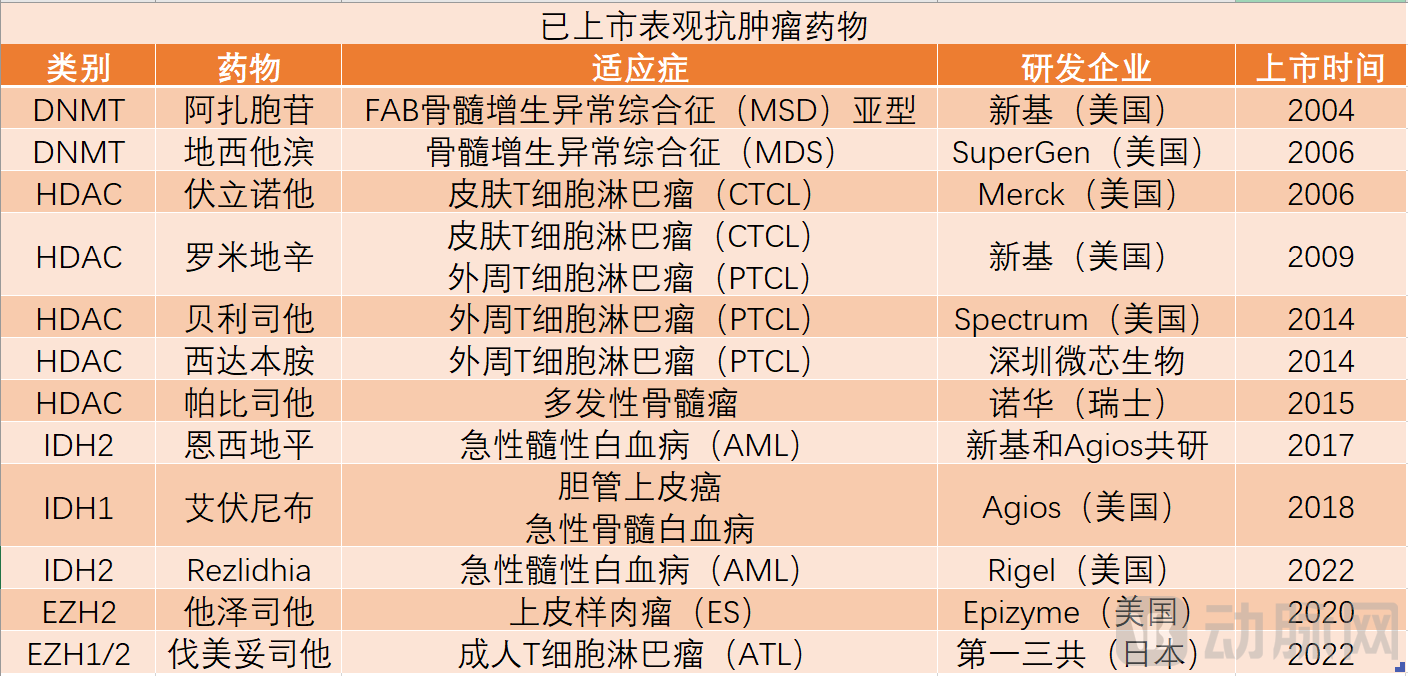
(Incomplete statistics; chart by VCBeat)
Given the cutting-edge nature of the technology, there are relatively few companies in China that are truly focused on the field of epigenetics. The main players include Sailan Pharma, Epigenomics Tech, CStone Pharmaceuticals, Chia Tai Tianqing Pharmaceutical, Simcere Pharmaceutical, Hutchison MediPharma, Hengrui Medicine, Haihe Biopharma, and Sinovant Sciences.
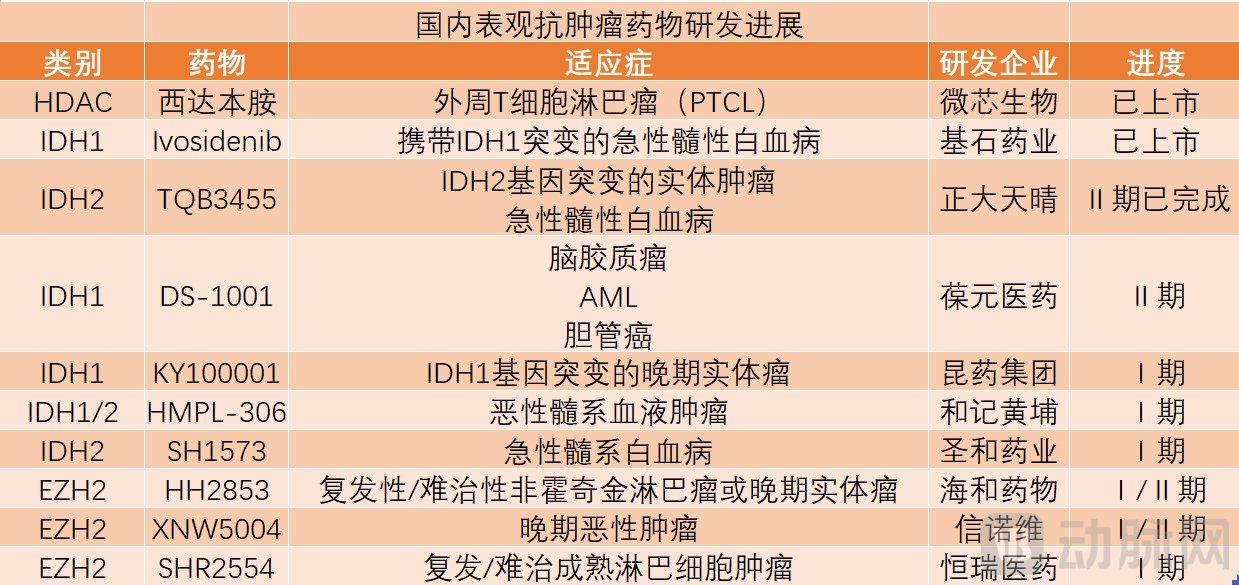
(Incomplete statistics; chart by VCBeat)
Currently, the development of the epigenetics industry faces significant challenges. On one hand, this is due to the inherent complexity of epigenetics. Each mutation can lead to changes in DNA, histones, or chromatin structure. In turn, these epigenetic alterations can impact one or more different cellular activities, such as transcription, replication, or DNA repair. On the other hand, there is the issue of the therapeutic window. The therapeutic window for epigenetic inhibitors is typically narrow, necessitating the identification of optimal treatment regimens that balance pharmacokinetics, target inhibition, safety, and efficacy.
Since the FDA approved the first epigenetic drug, azacitidine, in 2004, the application of epigenetic therapies has successfully transitioned from theory to practice. Currently, the therapeutic scope of epigenetic drugs is gradually expanding from hematologic malignancies to solid tumors, demonstrating broad prospects for development.