

Epic Bio, Backed by Li Ka-shing's Horizon Ventures, Advances Epigenetic Gene-Regulation Platform with IND-Ready Pipeline and Proprietary CasMINI Technology
Epic Bio
Gene Technology Developer
In August 2023, Fierce Biotech released its list of the “Fierce 15” biotech companies of 2023. Published annually for many years, this list highlights innovative and promising biotech firms and is highly regarded within the global biopharmaceutical industry. Notably, Epic Bio (hereinafter referred to as “Epic”), founded in 2018, made the list.
Fierce Biotech’s 2023 Fierce 15 (Image source: Epic official website)
Epic is a gene-editing company based in California, USA. By employing technologies such as reducing the size of CRISPR-engineered proteins to enhance therapeutic potential, it has attracted interest from investors and major pharmaceutical companies. In July 2022, Epic announced the completion of a $55 million Series A financing round, backed by investors including Horizons Ventures (the investment fund under Li Ka-shing). The following April, it secured additional investment from SOLVE FSHD.
What propelled Epic onto this list? In 2021, the company’s core technology for reducing the size of CRISPR-engineered proteins was published in Molecular Cell, and by 2023, Epic had submitted an Investigational New Drug (IND) application based on this technology. This strong momentum and high level of attention are undoubtedly linked to its founder, Lei Qi.
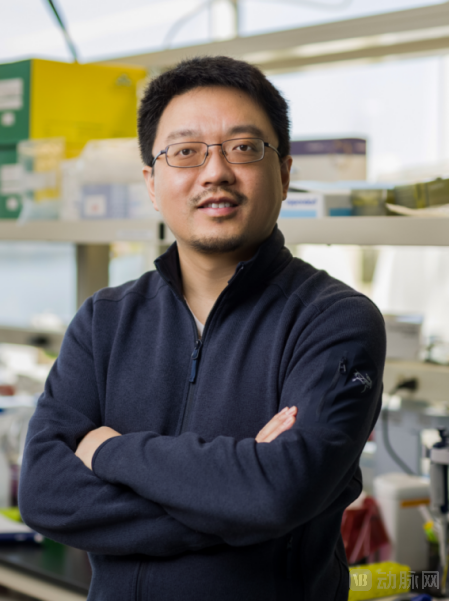
Qi Lei (Image source: Epic official website)
Pioneer in Genetic Medicine, Lei Qi, was born in Weifang, Shandong Province, and serves as an Associate Professor at Stanford University. He holds a bachelor’s degree in mathematics and physics from Tsinghua University. During his master’s studies at the University of California, Berkeley, he studied under Professor Steven Chu, a Nobel Laureate in Physics. He later transitioned from physics to bioengineering, where he worked under the supervision of Professor Jennifer Doudna, a pioneer in CRISPR gene editing and Nobel Laureate in Chemistry.。
Qi Lei is also a co-inventor of the CRISPR patent that was awarded the Nobel Prize. His research focuses on developing tools to regulate gene expression without altering the underlying DNA, thereby extending CRISPR gene editing into the field of epigenetics. He has led his laboratory team in further expanding the CRISPR technology toolkit for precise gene regulation, including epigeneticGenome Editing (CRISPRa and CRISPRi), live-cell DNA/RNA imaging (LiveFISH), three-dimensional genome manipulation (CRISPR-GO), CRISPR-based antiviral therapeutics targeting RNA viruses (PAC-MAN), andDevelopment of CasMINI (the smallest Cas protein functional in human cells)。
Epic has licensed the ultra-compact DNA-binding protein CasMINI for human use through an exclusive license from Stanford University. CasMINI is the most compact known to dateThe Smallest CRISPR System Functioning in Human CellsCurrently, systems based on Cas9 and Cas12a CRISPR-associated proteins consist of approximately 1,000 to 1,500 amino acids, whereas CasMINI comprises only 529 amino acids. CasMINI can drive high levels of gene activity associated with Cas12a and enable robust base editing and gene editing. Moreover, it exhibits high specificity without producing detectable off-target effects. Additionally, CasMINI mRNA can be readily encapsulated into lipid nanoparticles or other RNA delivery vehicles, thereby expanding its cellular entry pathways.
Epigenetic editing platforms dynamically control gene expression,
Establishing a Comprehensive Library of Transcriptional and Epigenomic Regulators
Genes may play a decisive role within an organism, but they do not determine all external phenotypes. Even those with identicalEven monozygotic twins with identical DNA may exhibit differences in height and facial features, which can be explained by epigenetics.
The epigenome is a natural system that controls gene expression.,ItExtensivePresent in the chromatin of human cells,Determinant Geneexpression levelsEpigenetic markerswithGenetic CodeThe distinction lies in its dynamic nature across different tissues and at different time points, rather than exhibiting the high stability characteristic of the genetic code.The epigenome does not requirePermanent Editing of DNA,Brings tremendous therapeutic prospects for modulating cell activity.
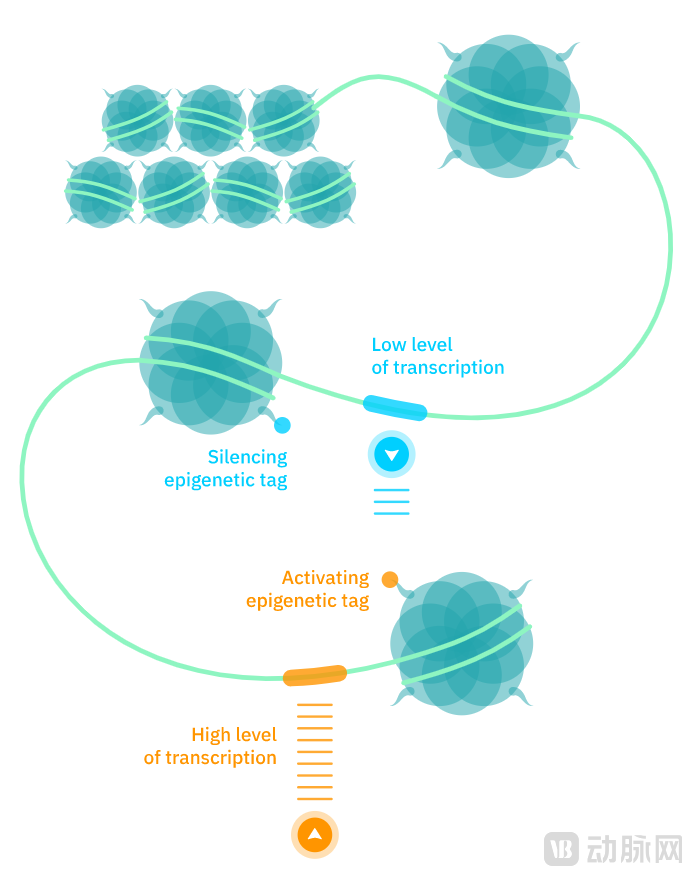
Epigenetic Markers (Image source: Epic official website)
Epic Leverages Epigenetic Editing Technology to Establish a Therapeutic Platform for Dynamic Control of Gene ExpressionofTreatmentMethods.Without changingDNASequenceunder such circumstances, precisely upregulate or downregulate gene expression in vivo and in vitro.ThisPlatformPassive voicereferred to as the gene expression regulation system (GEMS), it willDNA-Binding Proteins、One or more customizedGuideRNAandOne or more modulatorsCombined together,Developmenta novel gene therapy drug.
Once paired with a customized guide RNA, the DNA-binding protein can recognize and bind to the target sequence. Subsequently, the modulator can tailor gene expression through various mechanisms, including activating or inhibiting gene transcription, or adding or removing epigenetic marks at the locus.
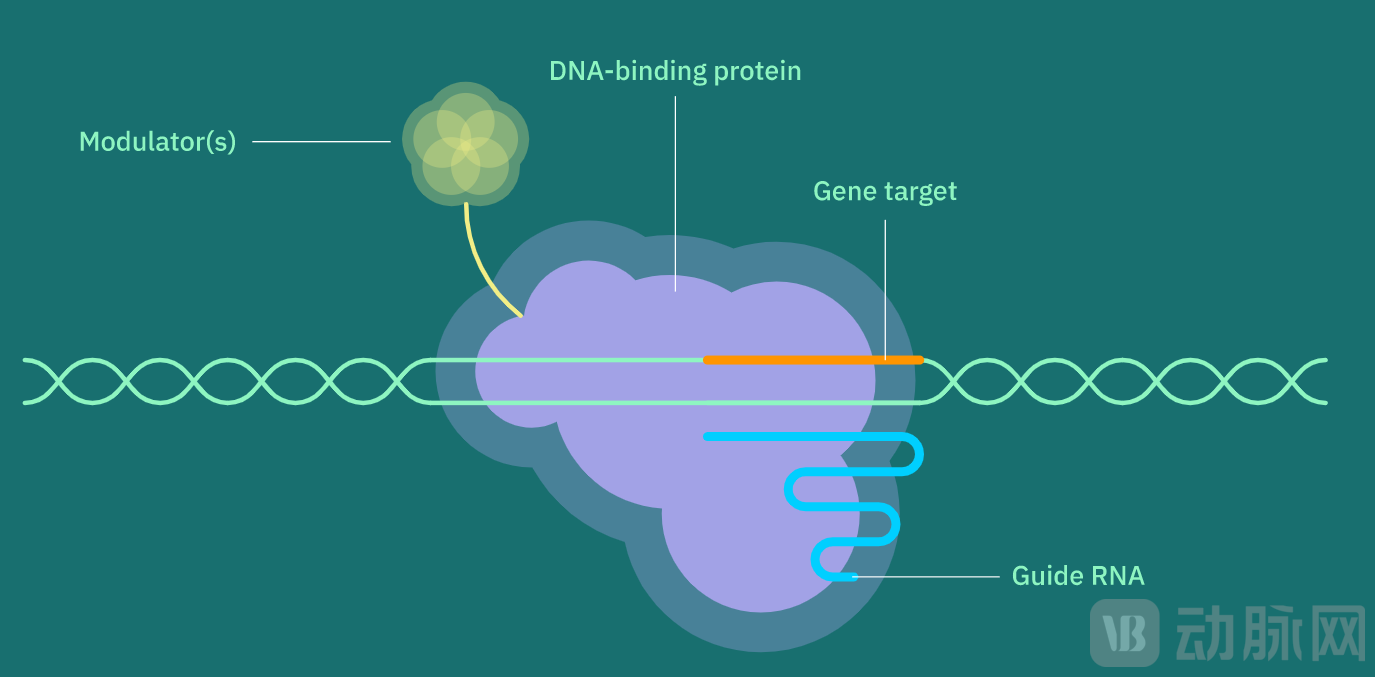
GEMS (Image source: Epic official website)
·DNA-Binding Proteins
Epic leverages gene and protein engineering to optimize Cas DNA-binding proteins, thereby enhancing potency and specificity, reducing immunogenicity, improving deliverability, and expanding into new application areas.
· Guide RNA
Epic has established an innovative functional screening platform for the rapid identification of guide RNAs. Customized guide RNAs enable precise and specific gene targeting within indications, while minimizing the potential for off-target effects.
· Modulator
The modulator toolkit includes novel activators and inhibitors that enable precise control of target gene dosage. It also comprises enzymatic effectors capable of writing or erasing novel epigenomic regulators, such as histone modifiers, DNA (de)methylases, and chromatin remodelers, to induce sustained changes in gene expression.
Existing modulators are limited in variety and do not target all sites. AndEpic states that the company has established the largest existing library of transcriptional and epigenomic modulators, and continues to expand this library through its discovery screening platform and specialized research efforts focused on designing novel modulators.. With a vast library of modulators, it is possible to design an endless array of modulator combinations to drive specific behaviors of target genes.
GEMS combines advanced functionalities with computational genomics capabilities to enhance the modularity and flexibility of gene-editing therapeutics. By targeting regulatory regions of genes, these drugs are not constrained by mutation types and can fine-tune transcription, thereby precisely regulating gene expression both in vitro and in vivo. A single GEMS therapeutic can cover most or all genetic subtypes of a disease, meaning that one GEMS therapy has the potential to treat the majority of genetic variants associated with a specific condition.
Epic has currently announced five R&D pipelines, targeting the following therapeutic areas: facioscapulohumeral muscular dystrophy (FSHD), heterozygous familial hypercholesterolemia (HeFH), alpha-1 antitrypsin deficiency (A1AD), retinitis pigmentosa type 4 (RP4), and retinitis pigmentosa type 11 (RP11). Among these, EPI-321 is advancing the most rapidly.
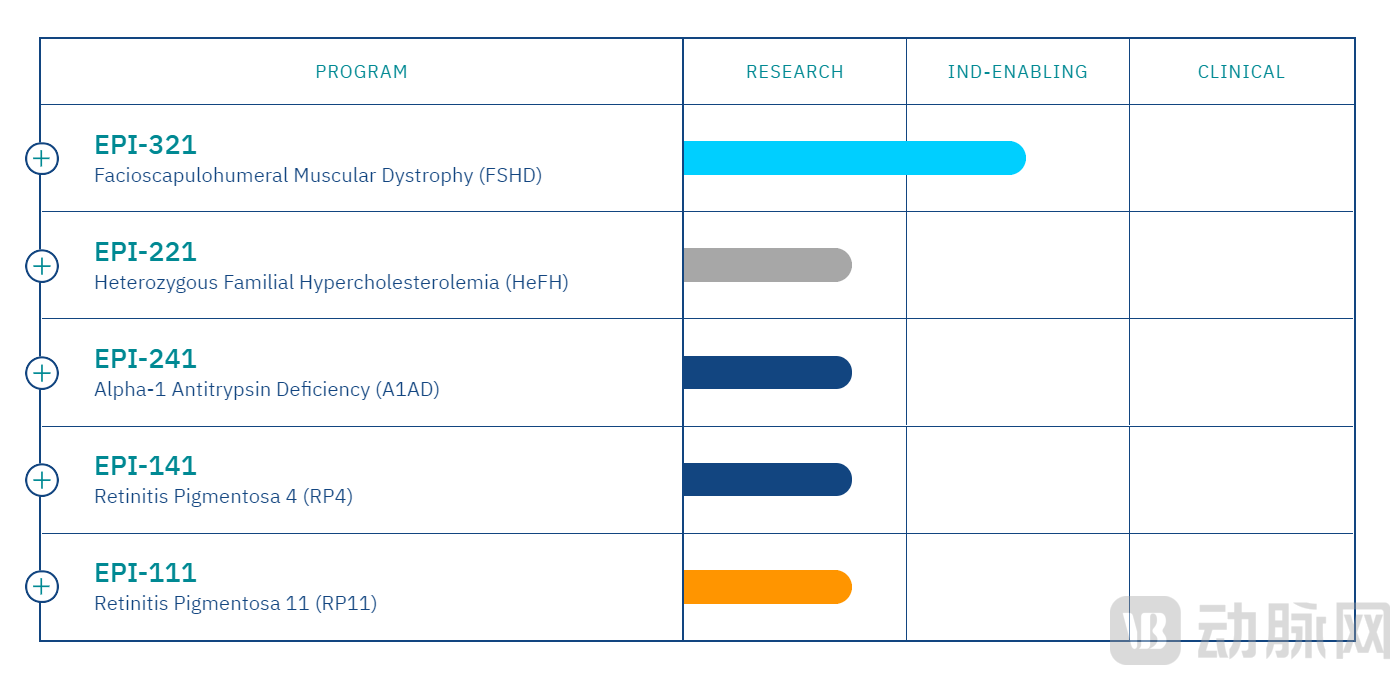
Drug Pipeline Chart (Image source: Epic official website)
EPI-321 has been granted "orphan drug" designation by the U.S. Food and Drug Administration (FDA). If the therapy ultimately receives approval, it will qualify for financial incentives and seven years of market exclusivity. The company plans to initiate Phase 1/2 clinical trials of EPI-321 in the first half of 2024 to evaluate the safety, biological activity, and preliminary efficacy of the therapy in patients with facioscapulohumeral muscular dystrophy (FSHD).
There is currently no cure for facioscapulohumeral muscular dystrophy (FSHD). The disease is caused by hypomethylation of the D4Z4 region on chromosome 4, which leads to toxic expression of the DUX4 gene (under normal conditions, the D4Z4 region is hypermethylated, thereby suppressing DUX4 gene expression). EPI-321 can remethylate the D4Z4 region and inhibit DUX4 expression, thus preventing further muscle cell death and demonstrating therapeutic potential.
In addition to in vivo gene therapy (for treating genetic diseases of the eyes, muscles, or liver), miniature CasMINI can also be applied ex vivo (e.g., to engineer superior tumor-killing lymphocytes or reprogram stem cells), holding promise as a therapeutic approach for treating genetic disorders, curing cancer, and reversing organ degeneration.
In October 2023, Kite, a Gilead Sciences subsidiary specializing in chimeric antigen receptor (CAR) T-cell therapy, entered into a collaboration agreement with Epic to develop next-generation CAR-T cell therapies for combating various types of cancer using Epic’s proprietary gene regulation platform. Under the terms of the agreement, Epic will employ epigenetic editing technologies to modulate gene expression for T-cell engineering and develop vectors targeting indications selected by Kite. Financially, Epic will receive an upfront payment from Kite, along with future payments contingent upon achieving specified development, regulatory, and commercial milestones.

(Image source: Kite’s official website)
CAR-T cell therapy currently holds significant advantages in treating hematologic malignancies. Leveraging epigenetic regulation to support its development holds promise for reaching a broader population of cancer patients. From in vivo gene therapies to ex vivo applications, and from treating genetic disorders to combating cancer, Epic is continuously uncovering new possibilities in the field of gene-editing therapies through epigenetics.
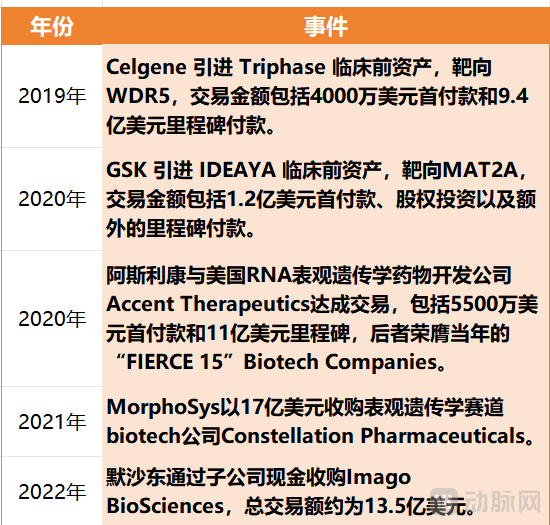
In recent years, numerous collaborations and acquisitions have also emerged in the field of epigenetics.
Since the initiation of China’s first clinical trial of a gene-based product for hemophilia in 1991, the field of gene therapy has garnered significant attention. Gene-edited cell therapies offer numerous advantages, such as high transduction efficiency and targeted cell enrichment. Consequently, China has introduced various supportive policies. The “13th Five-Year” National Plan for Scientific and Technological Innovation proposed the development of advanced and efficient biotechnologies and called for research into key technologies including immunotherapy, gene therapy, cell therapy, stem cells, and regenerative medicine. In 2021, the Center for Drug Evaluation (CDE) of the National Medical Products Administration (NMPA) issued the Technical Guidelines for Long-term Follow-up Clinical Studies of Gene Therapy Products.

Advantages of Gene-Edited Cell Therapies (Source: Sullivan’s “Blue Book on the Current Status and Development Trends of the Gene Therapy Industry”)
Driven by favorable policies, Chinese cell and gene therapy (CGT) companies, represented by Bioray Laboratories and Rayfulmed, are actively expanding their pipelines of CRISPR-based investigational therapies. Notably, Bioray Laboratories’ CRISPR gene-editing product BRL-101, designed for transfusion-dependent β-thalassemia, has become the world’s first successful case of treating severe β0/β0 thalassemia using CRISPR gene-editing technology.
According to Frost & Sullivan’s analysis, China’s cell and gene therapy COM/CDMO market will be the fastest-growing segment, with a compound annual growth rate (CAGR) of 51.1% from 2020 to 2025. Innovative pharmaceutical products grounded in CRISPR and more advanced gene therapies hold substantial market potential.