

PuYuan Care Files IPO Prospectus: Scaling Human-Centric Elderly Care Across 31 Chinese Cities
“Being in a familiar place, having truly trusted friends (relatives), and living life as one pleases”—in the book Saying Goodbye to the World from the Comfort of Your Own Home, these constitute the essential conditions for an ideal elderly life.
To some extent, it is precisely for this reason that among the three elderly care models—home-based care, community-based care, and institutional care—a large number of older adults have made the same choice: to age in place. Currently, under China’s “9073” elderly care framework, approximately 90% of older adults receive care at home, about 7% rely on community-supported care, and roughly 3% reside in institutional care facilities.
“But this does not mean that this landscape possesses extreme stability,” said Chen Xiang, founder of Puyuan Care. “It is a mutually coordinated organic system. There is ‘fluidity’ among home-based, community-based, and institutional care settings, particularly between home-based and community-based scenarios. Therefore, home-based and community-based settings are the key focus areas for the development of China’s elderly care industry.”
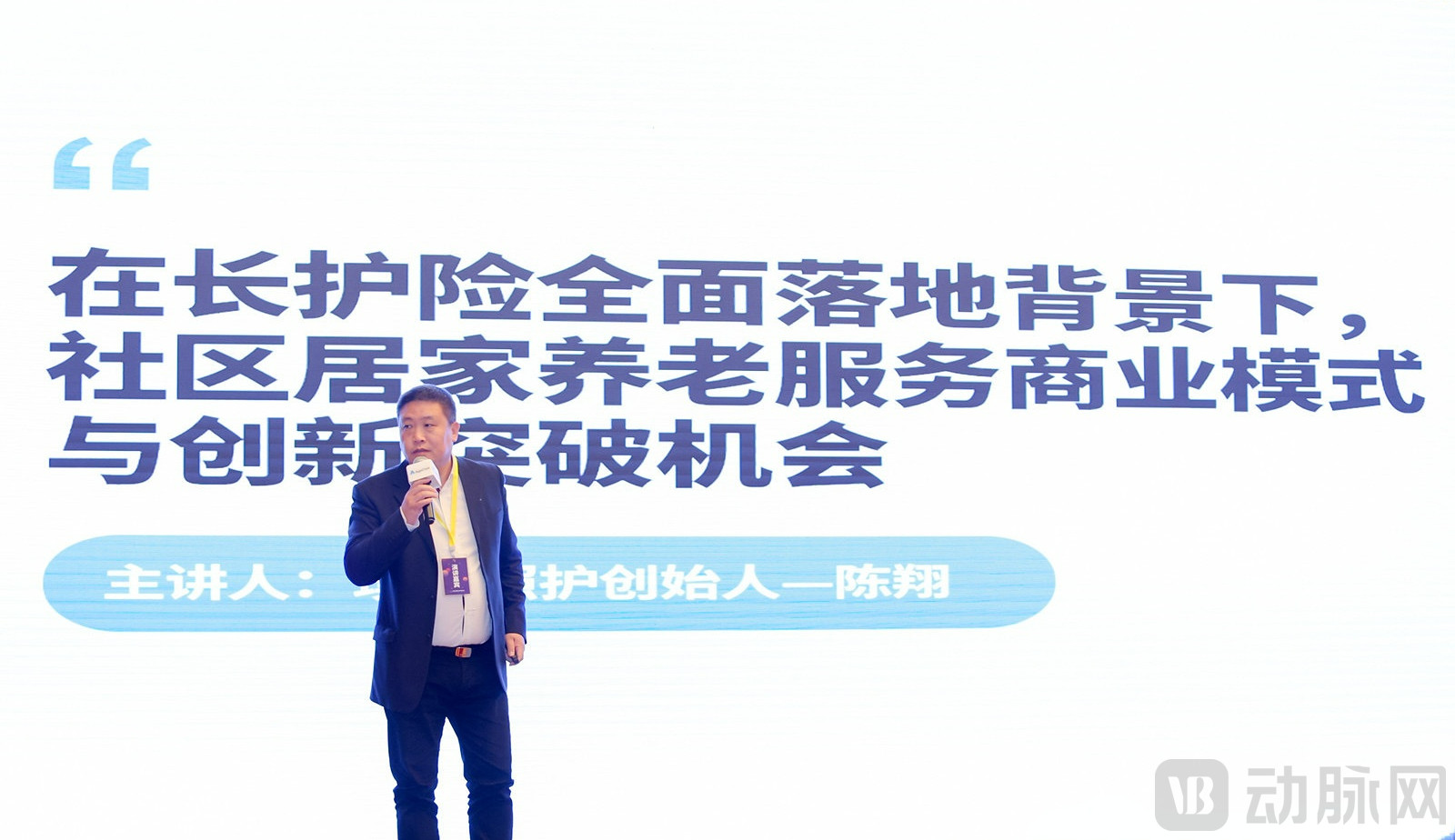
Chen Xiang’s statement is accurate; the focus of China’s integrated medical and elderly care services indeed lies in home- and community-based settings. However, practical challenges do exist.
According to the "Report on the Development of China's Elderly Care Industry" released by the China Research Center on Aging Science, by the end of 2022, the number of people aged 60 and above in China had reached 280 million, among whom approximately 44 million were disabled or semi-disabled. In other words, tens of millions of elderly individuals require care services. Coupled with the aforementioned trends in elderly care preferences, home-based and even community-based settings remain their primary choice. However, compared to nursing institutions that have relatively comprehensive medical, rehabilitation, and care facilities and services, home- and community-based care, which is still in its early stages of development, faces challenges such as insufficient service supply.
Therefore, how to improve the supply of elderly care and nursing services in home and community settings has become an urgent issue to address and a key focus for many enterprises. Among them, Puyuan Care, established in 2017, has expanded its business presence into provinces and municipalities including Jiangsu, Sichuan, Hubei, Hunan, Fujian, Guangdong, Guangxi, Yunnan, Zhejiang, and Beijing, adapting to local conditions and exploring diverse business models.
Moreover, according to founder Chen Xiang, Puyuan Care has already achieved positive profitability. Compared with 2022, its revenue in 2023 also doubled. How has Puyuan Care, established for over six years, borne entrepreneurial fruit in the soil of home-based and community-based elderly care? In nearly an hour of communication, Chen Xiang revealed the ins and outs to VCBeat.
In the interview, Chen Xiang repeatedly emphasized to VCBeat the “public welfare” nature of Puyuan Care. This is because both the industry in which it operates and its inaugural business are closely tied to the long-term care insurance system, which carries a strong public welfare attribute.
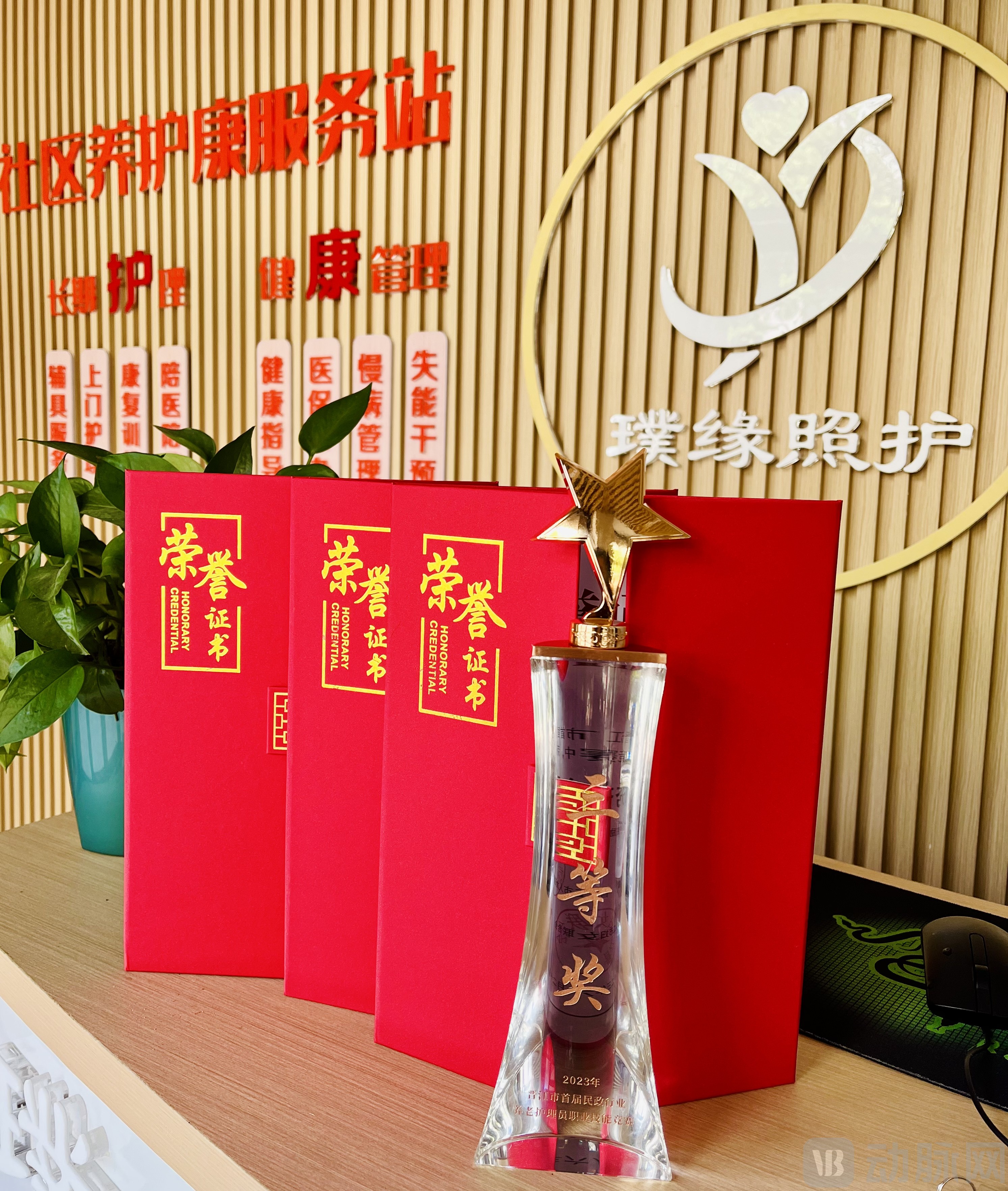
In 2016, China officially embarked on the exploration of the long-term care insurance (LTCI) system. Under the basic payment model of LTCI, pilot cities allocate a certain proportion of funds from the urban and rural resident basic medical insurance fund to long-term care insurance accounts. In addition to premiums paid by residents themselves, provincial and municipal governments provide premium subsidies. The LTCI payment system clearly demonstrates its strong public welfare orientation.
Chen Xiang has repeatedly emphasized the “public welfare” nature of Puyuan Care. In addition to its core business of undertaking long-term care insurance services, this attribute is also reflected in its advocated corporate value of “people-oriented.” Puyuan Care has established its own code of conduct: “Two Respects and One Reverence.”
“Two Respects” refers not only to respecting the elderly but also to honoring caregivers. After all, a primary objective of providing high-quality elderly care services is to enable seniors to age with dignity, which inherently relies on the diligent efforts of caregivers. Therefore, just like clients, caregivers deserve equal respect. Furthermore, Puyuan Care proposes that “the elderly should no longer passively receive care services, but instead participate in high-quality elderly living with a proactive mindset.” This means encouraging seniors during service delivery to perform tasks within their capabilities or slightly beyond them, thereby enhancing their sense of participation and boosting their confidence in their own physical abilities.
“And Yi Jing” refers to respecting professionalism and believing that professional matters should be entrusted to professionals. So, in the field of long-term care, how should we concretely understand the term “professional”?
First, it is evident that the gap in long-term care protection in China is trending toward expansion. According to the report “Discovering Opportunities in China’s Commercial Nursing Insurance: A Study on Long-Term Care Protection in Urban Areas of China,” the shortfall in long-term care service protection for the elderly in urban areas of China amounted to approximately RMB 921.7 billion in 2021, equivalent to about 65% of the total demand for long-term care services. This indicates that 65% of long-term care needs in China remain unmet. Consequently, enterprises are required to possess the capacity for large-scale service delivery, including nationwide chain operations and standardized service capabilities.
Secondly, according to reports on China’s medical insurance system, many cities currently concentrate the benefits or services of long-term care insurance (LTCI) on medical nursing, thereby neglecting assistance with activities of daily living for disabled individuals. In other words, from the perspective of service content, LTCI offerings are currently inadequate. Consequently, there is a need to engage service providers in the LTCI market to deliver high-quality and diverse care services.
So, how does Puyuan Care respond to the aforementioned issues?
To answer this question, we must begin with the evolution of Puyuan Care’s business model.
Since its establishment, Puyuan Care has iterated through three versions of its business model. From 2017 to 2018, it operated under Business Model 1.0, during which Puyuan Care primarily focused on long-term care insurance (LTCI) services, secured its first LTCI operation qualification, and officially launched its LTCI business in Kunshan. From 2018 to 2019, Puyuan Care continued to focus on LTCI services, gradually expanded its service scope, and began to establish a basic business model.
As for Version 3.0 of the business model from 2019 to the present, Puyuan Care has expanded its business boundaries on one hand, gradually extending from long-term care insurance services to community-based elderly care services; on the other hand, Puyuan Care has been continuously summarizing its experience and establishing multi-tiered business models tailored to elderly care operations in different types of cities.
From a business scope perspective, Shanghai Puyuan Care is currently not only undertaking long-term care insurance services but also exploring the acceptance of community-based elderly care services. According to Chen Xiang, although home-based care remains the most common choice for seniors in the current stage, community-based elderly care holds significant development potential in the future. Moreover, the community-based care model can better integrate upstream and downstream products and services, thereby fostering a more sustainable and viable business model.
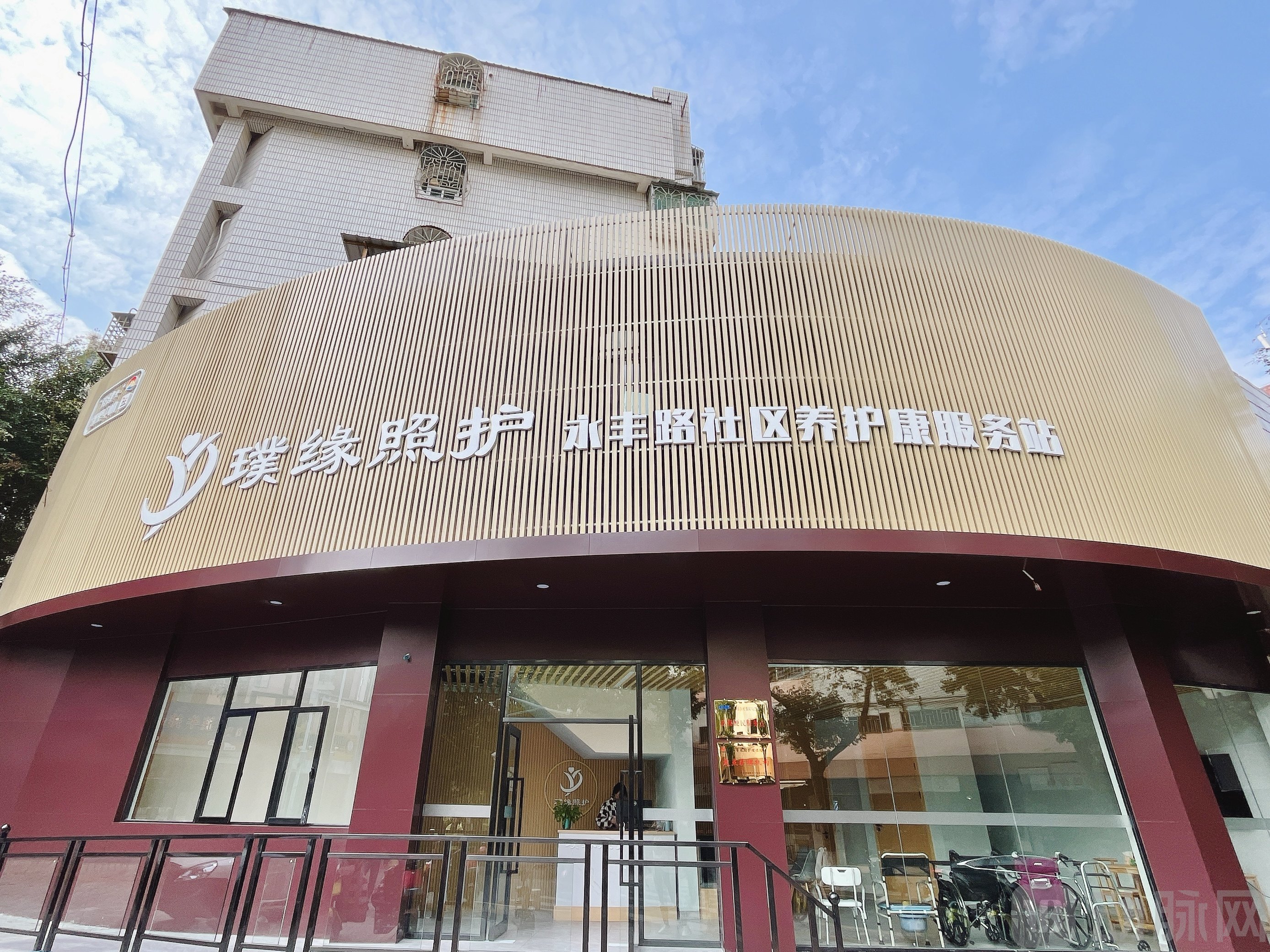
Specifically, by leveraging community-based resources and undertaking various embedded elderly care projects—including community-embedded elderly care facilities, daytime care centers, elderly service centers, elderly care stations, and nursing and rehabilitation sites—Puyuan Care is able to establish a 10–15-minute elderly care service circle. This enables the provision of diverse services such as meal assistance, bathing assistance, integrated medical and wellness care, in-home health monitoring and safety surveillance, domestic housekeeping, and emergency response, thereby meeting the multifaceted elderly care needs of seniors within the community.
While diversifying its service offerings, Puyuan Care has also implemented a series of measures to ensure the highest possible quality of care.
For example, in terms of medical and nursing care support, Puyuan Care boasts a professional caregiving team of over 3,000 members and has established a comprehensive training system. This not only ensures the professionalism of medical and nursing care but also helps address the industry-wide challenge of scarce caregiving talent at the current stage.
Regarding service standardization, most core team members of Puyuan Care have previously worked at large chain organizations and possess extensive experience in chain management. Its founder, Chen Xiang, formerly served as Vice President of a Fortune 500 chain enterprise and as CEO of a well-known domestic maternal and child care chain. Meanwhile, the head of its National Operations Management Service Center spent 23 years at a Fortune 500 multinational corporation, holding positions such as Manager of the East China Regional Operations Department and National Director of Supply Chain Projects. In other words, Puyuan Care’s core team has accumulated profound expertise in chain organization management, enabling the company to establish a comprehensive set of Standard Operating Procedures (SOPs) for care services.
Moreover, according to Chen Xiang, every key step in this SOP service process is closely linked to caregivers’ performance evaluations, thereby ensuring, to a certain extent, the standardization of services and the quality of care delivery.
Meanwhile, Puyuan Care has also developed a caregiver management system that enables precise location services and random, unscheduled check-ins, thereby achieving comprehensive, blind-spot-free service monitoring. This enhances the precision and digitalization of management while boosting caregiving efficiency.
Furthermore, Puyuan Care has introduced the concept of “resolving complaints without leaving home,” which involves promptly responding to customer complaints and actively communicating to resolve issues, thereby enhancing the customer experience to a certain extent.
Perhaps it is precisely due to its professional care team, experienced management team, and comprehensive regulatory system that Puyuan Care has been able to expand its business to 31 cities across China.
In the future, Puyuan Care will continue to deepen its nationwide chain operations in long-term care and actively explore community-based elderly care models, creating a “senior care circle” closest to home. Meanwhile, Puyuan Care will embrace digital technologies to build an intelligent nursing platform capable of one-touch smart calls and 24-hour intelligent nursing services. It will explore the integrated development model of online and offline elderly care services, further diversify service offerings, and expand into value-added senior care services such as diversified commercial assisted bathing (e.g., smart bed-assisted bathing, bathtub-assisted bathing, and showering), hospice care, and in-home rehabilitation training.
“2024 will be the year for the full implementation of the long-term care insurance system. Puyuan Care will further serve the entire society, adhering to ‘people-oriented’ principles and providing more valuable care services for the elderly,” mentioned Chen Xiang from Puyuan Care.