Case Study: Prof. Chen Guang's Team at Tianjin First Central Hospital Treats Hepatocellular Carcinoma Using Vispearl® Radiopaque Drug-Eluting Embolic Microspheres

H&H Healthcare
R&D and Producer of Interventional Medical Devices for Heart Disease
Basic Information:75-Year-Old Male
History of Present Illness:Admitted to the hospital with "5 years since liver cancer diagnosis, new lesion discovered 1 week ago"; PET/CT from another hospital prior to admission indicated residual activity in the left lobe of the liver, and after consultation with the department, the patient was admitted for further treatment.
Past Medical History:Diagnosed with malignant liver tumor 5 years ago, and underwent multiple TACE treatments at other hospitals; long history of hepatitis and cirrhosis, with long-term use of antiviral drugs; over 10-year history of coronary heart disease, with 2 coronary stents implanted in the past month; previous history of pacemaker implantation surgery.
Physical Examination:Abdominal examination revealed mild tenderness below the xiphoid process, without rebound tenderness or muscle rigidity, and no obvious mass was palpable in the entire abdomen.
Laboratory Tests:Coagulation and blood routine showed no significant abnormalities, liver functionGrade A, PS score 2 points, AFP 148 ng/ml.
Auxiliary Examination:After admission, Primovist MRI showed a mass in the hepatogastric space, and considering the medical history, it was considered to have significant residual activity after interventional therapy.
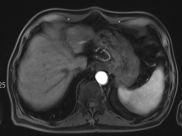
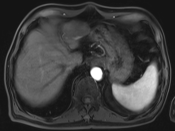
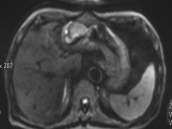
Imaging shows: mild enhancement around the lesion in the arterial and portal venous phases, with high signal intensity of the entire lesion visible on DWI sequence.Combining tumor marker detection, highly considering strong residual tumor activity
Puncture the right femoral artery percutaneously, insert a vascular sheath, and introduce a catheter through a guidewire to perform celiac artery and hepatic artery angiography.
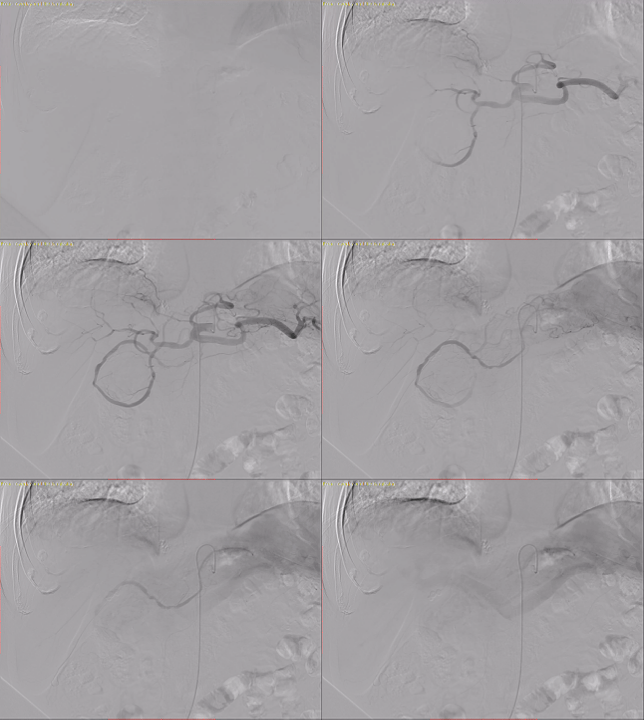
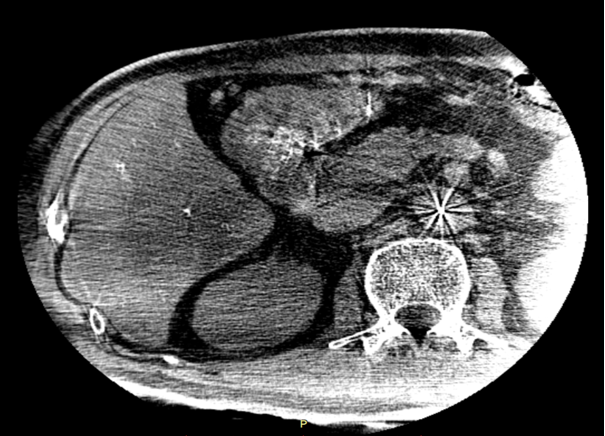
Intraoperative hepatic arteriography showed tortuous and dilated arteries in the left lobe of the liver, with faint tumor staining observed, further combined with intraoperative enhancement.Dyna CT scan confirmed the tumor location (consistent with the preoperative Primovist MRI indication of the tumor position); considering the large diameter of the tumor, simple embolization could not completely ablate the tumor. It was decided to perform drug-eluting bead embolization for tumor control and marking, followed by bridging to ablation therapy after the acute phase of PCI, in order to achieve overall tumor control.
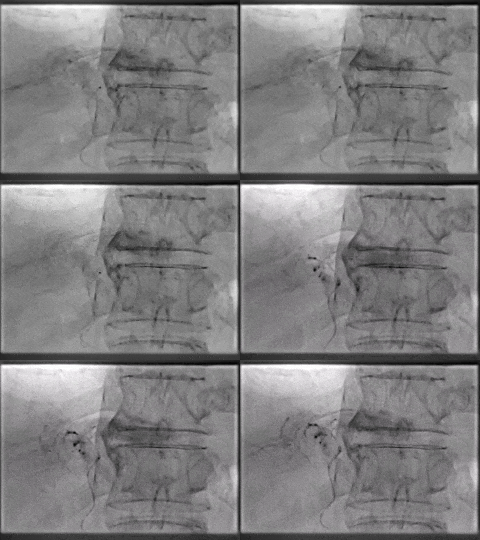
Intraoperative angiography showed: multiple arteries supplying blood to the tumor, large tumor area. To bridge subsequent ablation treatment and fully delineate the tumor boundary, 40-90um visible microspheres were used for super-selective embolization therapy. Post-embolization angiography review showed disappearance of the tumor's feeding arteries, and immediate postoperative abdominal CT review showed good deposition of embolic microspheres.
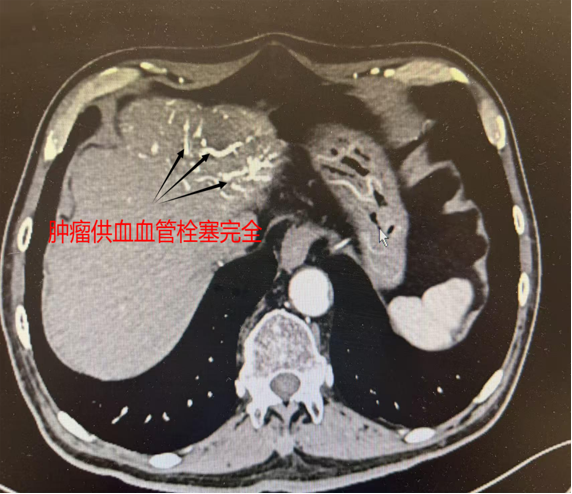
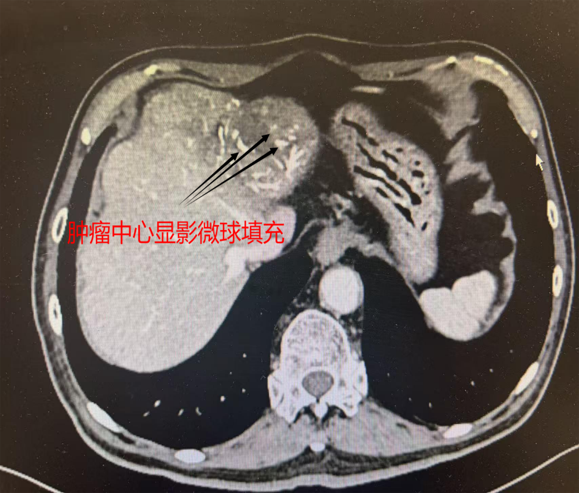
Immediate abdominal enhanced CT showed: good deposition of microspheres in the tumor center.
The blood vessels supplying the tumor are clearly outlined, and no significant enhancement of the tumor is observed.。
One month after the surgery, considering the patient's coronary heart disease and post-PCI condition, the risk of applying targeted immunotherapy is relatively high. To completely eliminate tumor activity, after thorough discussion and communication with the patient’s family, double-needle cryoablation (K24s) was performed based on the embolization range of the imaging microspheres to achieve maximum tumor ablation.
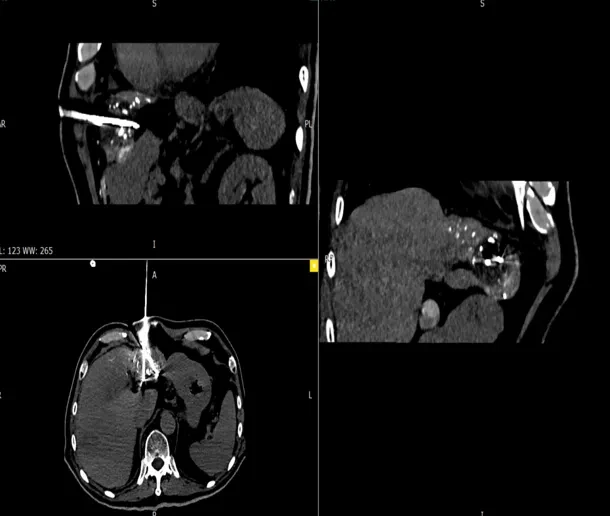
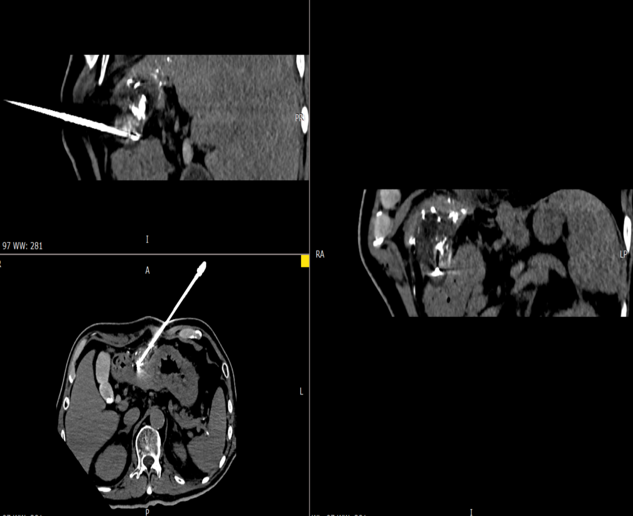
Three months after the ablation, follow-up showed good tumor control and activity suppression.
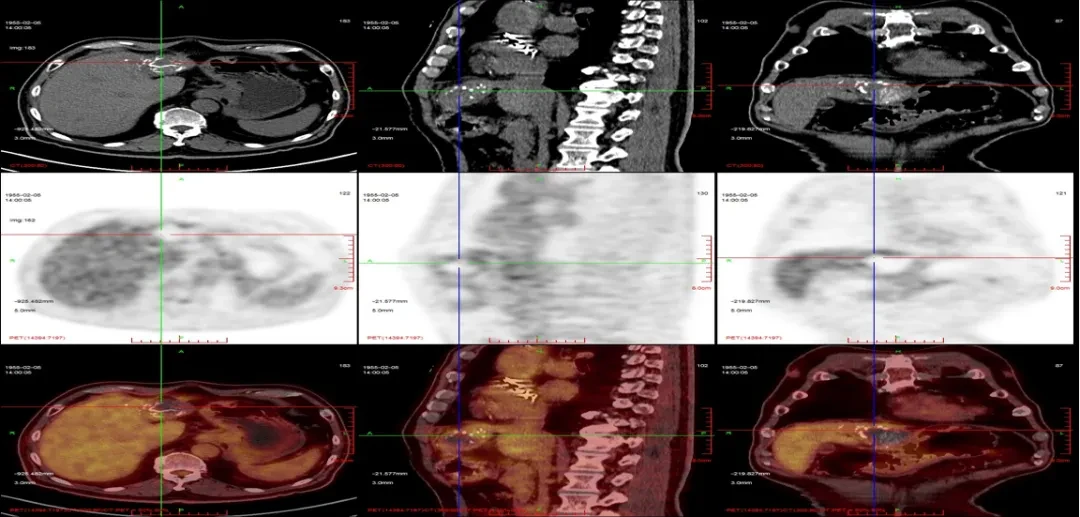
Re-examination of PET/CT suggests: Tumor activity has basically disappeared.
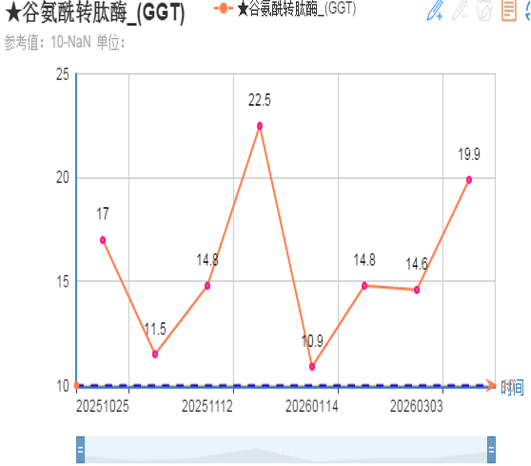
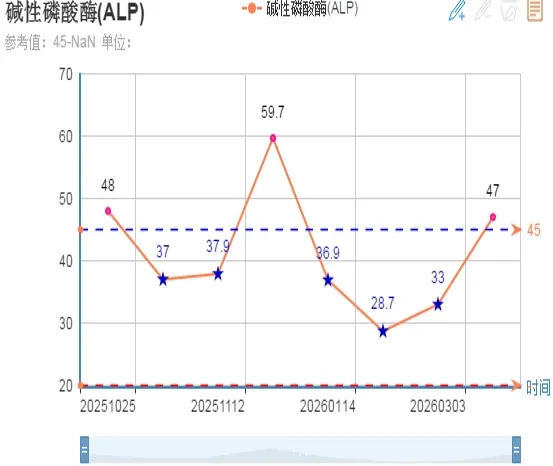
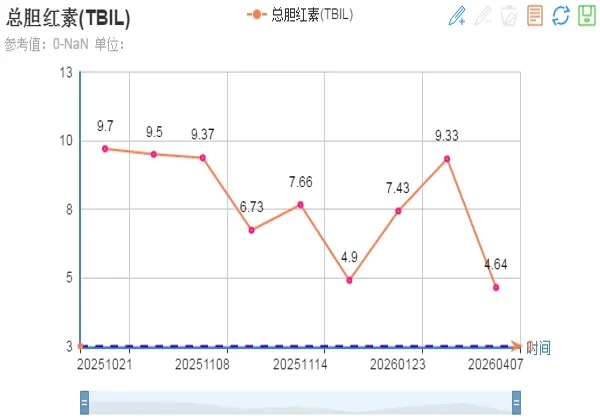
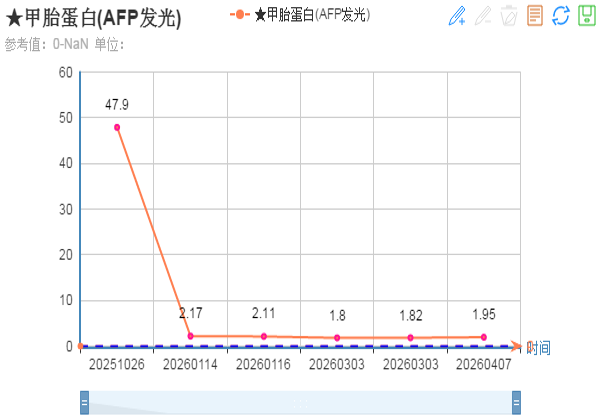
Routine laboratory tests showed: good liver function, and alpha-fetoprotein returned to the normal range.
Expert Profile
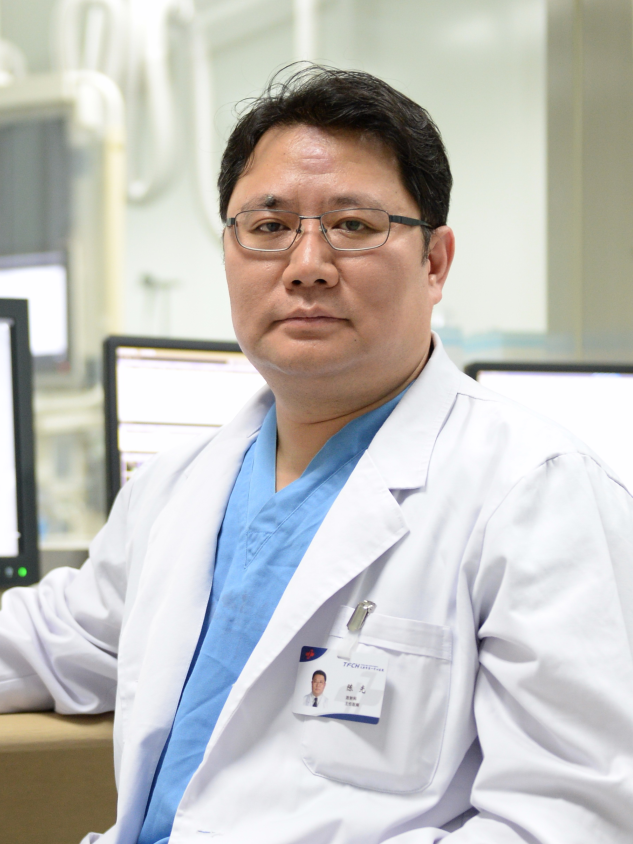
Chief Physician, Master's Graduate Tutor
Director of the Department of Radiology and Interventional Radiology, First Central Hospital of Tianjin Municipality
In 1997, went to Malmö General Hospital affiliated with Lund University in Sweden for advanced studies in interventional radiology.
Academic Positions:
Vice Chairman of the Interventional Medicine Branch of the Tianjin Medical Association
Standing Vice President of the Interventional Physicians Branch of the Tianjin Medical Association
Vice Chairman of the Interventional Diagnosis and Treatment Branch of the Tianjin Anti-Cancer Association
Standing Committee Member of the Hemorrhage Specialty Committee of the Chinese Research Hospital Association
Standing Committee Member of the Interventional Professional Committee of the Beijing Cancer Association
Member of the Tumor Intervention Special Committee of the China Anti-Cancer Association
Committee Member of the Bethune Spirit Research Association, Interventional Medicine Branch
Member of the Comprehensive Intervention Group of the Interventional Physicians Branch of the Chinese Medical Doctor Association
Interventional Non-Vascular Professional Committee of the Radiology Society of the Chinese Medical Association
Editorial Board Member of "Practical Organ Transplantation Electronic Journal"
Communications Editor of Chinese Journal of Interventional Radiology (Electronic Edition)
Medical Device Technical Expert of Tianjin Food and Drug Administration
Member of the Tianjin Medical Dispute People's Mediation Expert Advisory Committee
Minimally Invasive Intervention Committee of the Chinese Chapter of the International Hepato-Pancreato-Biliary Association
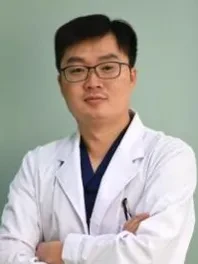
Associate Chief Physician, Master's Graduate Tutor
Deputy Director of the Department of Radiology and Interventional Radiology, First Central Hospital of Tianjin
Youth Committee Member of the Tumor Intervention Specialty Committee of the China Anti-Cancer Association;
Member of the Committee of the Tianjin Physicians Association Interventional Physicians Branch;
Member of the First Tianjin Comprehensive Intervention Quality Control Center;
Member of the Interventional Branch of Tianjin Medical Association;
Standing Committee Member of the First Tumor Internal Irradiation Therapy Professional Committee of Tianjin Precision Medicine Association;
Youth Committee Member of the Peripheral Vascular Specialty Committee of the Tianjin Association of Integrated Traditional Chinese and Western Medicine;
Member of the Vascular and Endovascular Professional Committee of the Tianjin Medical and Health Association;
Member of the Vascular Malformation and Vascular Access Professional Committee of the China Association for Promoting Human Health Science and Technology;
Member of the Gastroenterology Professional Committee of the Tianjin Internet Medical Science Popularization Association;
Member of the Comprehensive Diagnosis and Treatment Professional Committee for Liver Cancer, Tianjin Integrated Medicine Association;
Member of the Hepatic Metastasis Tumor Diagnosis and Treatment Professional Committee of the Tianjin Integrated Medicine Association;
Member of the Organ and Tissue Transplant Rehabilitation Professional Committee of the Tianjin Rehabilitation Medical Association.
Professional Expertise:
Proficient in ablation therapy for pulmonary nodules and malignant tumors; interventional embolization therapy for pulmonary malignant tumors; interventional embolization therapy for hemoptysis; vascular and biliary complications post liver transplantation.Complications; TIPS treatment for gastrointestinal bleeding and refractory ascites due to liver cirrhosis; minimally invasive interventional treatments for benign and malignant liver tumors, obstructive jaundice, liver and kidney cysts, liver and kidney abscesses, stenosis or occlusion of dialysis access, uterine fibroids, adenomyosis, and benign prostatic hyperplasia. Participated in 3 bureau-level research projects. Co-authored over 30 papers, including 18 as the first author, 6 of which were SCI papers.
Radiology Intervention Physician at Tianjin First Central Hospital
Mainly engaged in interventional treatment of complications after liver transplantation, interventional treatment of tumors, and peripheral vascular interventional treatment;Published 3 SCI articles.