

Chinese GLP-1 Biopharma Jiuyuan Gene Files for HK IPO with Annual Revenue Exceeding RMB 1 Billion
Another Chinese GLP-1 Pharmaceutical Company Launches IPO!
On January 22, Hangzhou Jiuyuan Gene Engineering Co., Ltd. (hereinafter referred to as “Jiuyuan Gene”) submitted its IPO prospectus to the Hong Kong Stock Exchange, with Huatai International serving as its sole sponsor.
According to the prospectus, Hangzhou Jiuyuan Gene Engineering Co., Ltd. is a pioneer in applying genetic engineering to the pharmaceutical industry in China, with over 30 years of experience in the research and development, production, and commercialization of biopharmaceuticals and medical devices.
Prior to its initial public offering, Jiuyuan Gene received investments from Huadong Medicine, Insigma Technology, and Hangzhou Financial Investment Group. As of the Latest Practicable Date, Huadong Medicine held approximately 21.06% of the total issued share capital of Jiuyuan Gene through its wholly-owned subsidiary, Zhongmei Huadong, making it the latter’s largest single shareholder.
It is worth mentioning that,Due to their immense potential in weight management, GLP-1 drugs have become a hot topic of discussion within the industry over the past two years., with participants including multinational giants such as Eli Lilly and Novo Nordisk, while Chinese pharmaceutical companies are also investing in R&D to target the GLP-1 drug sector.Hangzhou Jiuyuan Gene Engineering Co., Ltd. is one of the players in this field and represents a domestically produced GLP-1 with relatively fast clinical trial progress.
From a business perspective, Hangzhou Jiuyuan Gene Engineering Co.,Ltd. focuses on four therapeutic areas: orthopedics, metabolic diseases, oncology, and hematology. Around these areas, the company has built a diversified product portfolio, including eight marketed products—among them China’s first recombinant human bone morphogenetic protein-2—and more than 10 products in development.
It is worth noting that Hangzhou Jiuyuan Gene Engineering Co., Ltd. (Jiuyuan Gene) has been conducting research on GLP-1 receptor agonists since 2005. The company developed China’s first investigational liraglutide biosimilar to receive an Investigational New Drug (IND) approval, and transferred this candidate to Zhongmei Huadong between 2017 and 2019. Through collaboration with Zhongmei Huadong, the drug became China’s first approved liraglutide biosimilar for the treatment of type 2 diabetes and for weight management in March and June 2023, respectively. Leveraging its accumulated R&D experience in the GLP-1 field, Jiuyuan Gene has further developed JY29-2, a semaglutide biosimilar and another GLP-1 receptor agonist, which has the potential to become China’s first approved semaglutide biosimilar.
The portfolio of multiple products has generated annual revenue exceeding RMB 1 billion for Hangzhou Jiuyuan Gene Engineering Co., Ltd.According to the prospectus, Hangzhou Jiuyuan Gene Engineering Co.,Ltd. reported revenues of RMB 1.307 billion, RMB 1.125 billion, and RMB 1.022 billion in 2021, 2022, and the nine months ended September 30, 2023, respectively. During the same periods, its net profits were RMB 119 million, RMB 59 million, and RMB 111 million, respectively.
It can be said that, amid the current spotlight on GLP-1, Hangzhou Jiuyuan Gene Engineering Co.,Ltd.’s filing has undoubtedly added further fuel to the market fire.
The story of Jiuyuan Gene’s founding dates back to 1993.
At that time, gene therapy was still a novel concept in China, with few players entering the field. As a major domestic pharmaceutical company,Huadong Medicine was the first to enter this field, establishing Jiuyuan Gene in the same year with personnel from its genetic engineering team to focus on the research and development of gene-based drugs.
As previously mentioned by Fu Hang, Chairman of the Board and General Manager of Jiuyuan Gene, in an interview with Qiantang New Area News, the company faced significant challenges in its early stages. It attempted to develop gene-based drugs across nearly all therapeutic areas, but project selection proved to be a major hurdle. After extensive repeated deliberations and experiments, the company ultimately determined to focus its research and development efforts on G-CSF as its primary project, andIn 1996, it successfully developed Recombinant Human Granulocyte Colony-Stimulating Factor Injection—Jielifen, thereby entering the gene drug market.
Since the dawn of the new millennium, Hangzhou Jiuyuan Gene Engineering Co., Ltd. has continuously expanded its product portfolio, gradually building a pipeline covering four major therapeutic areas: orthopedics, metabolic diseases, oncology, and hematology.
Among them, the prospectus specifically mentions that,Hangzhou Jiuyuan Gene Engineering Co., Ltd. initiated research on glucagon-like peptide-1 (GLP-1) receptor agonists—a major therapeutic target for metabolic diseases—as early as 2005,
It should be emphasized that,GLP-1 is the current “hotshot” of the pharmaceutical industryOn one hand, GLP-1 receptor agonists have gained significant market recognition in the international arena and surpassed insulin to become the most widely used therapeutic agents for type 2 diabetes mellitus (T2DM) globally in 2023; on the other hand, their immense potential in the weight-loss market has further propelled them to global prominence.
Data supports this trend. According to Frost & Sullivan, the market size of GLP-1 receptor agonists for type 2 diabetes mellitus (T2DM) in China expanded from RMB 700 million in 2018 to RMB 6 billion in 2022, representing a compound annual growth rate (CAGR) of 69.7%, and is projected to reach RMB 66.7 billion by 2032. Furthermore, the market size of GLP-1 receptor agonists for obesity and overweight in China is expected to grow from RMB 400 million in 2023 to RMB 45.5 billion in 2032, indicating substantial growth potential. Notably, global sales of semaglutide reached USD 10.9 billion in 2022, ranking it among the top ten best-selling drugs worldwide that year.
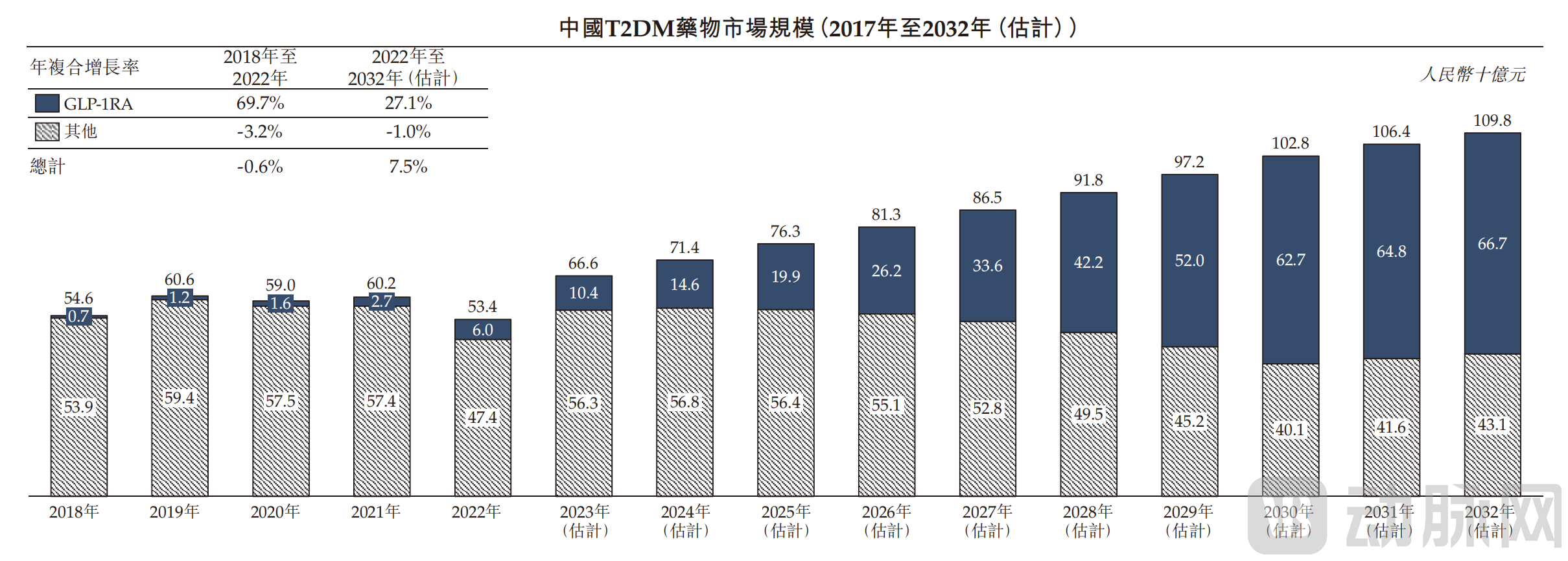 (China's T2DM Drug Market Size. Image source: Prospectus)
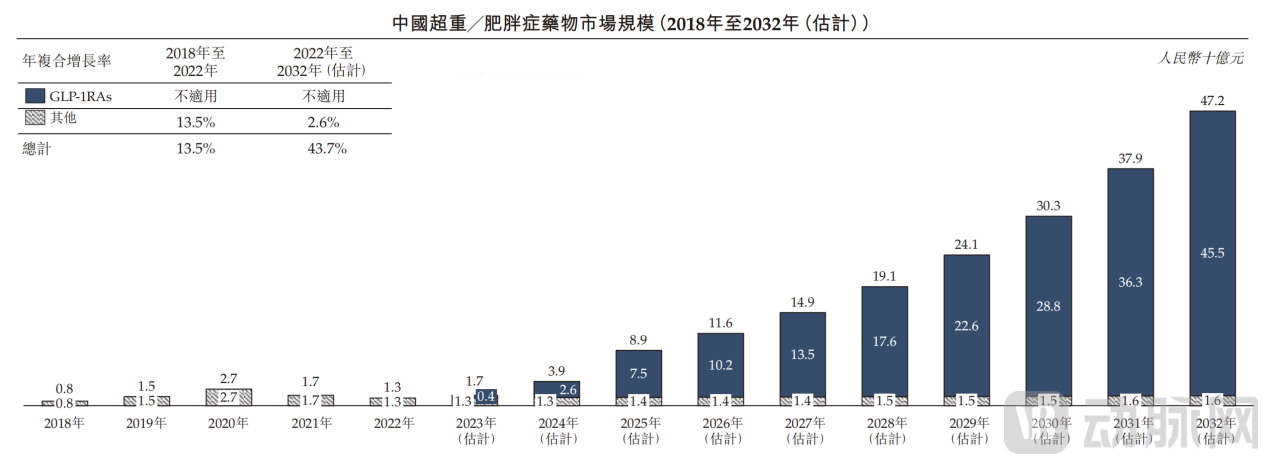 (Market Size of Drugs for Overweight/Obesity in China. Image source: Prospectus)
It is precisely based on the aforementioned factors that Hangzhou Jiuyuan Gene Engineering Co., Ltd. devoted significant space in its prospectus to detailing its progress in the GLP-1 field. For instance, leveraging its proprietary peptide drug technology platform, the company has developed China’s first investigational liraglutide biosimilar to receive Investigational New Drug (IND) approval.
From 2017 to 2019, Hangzhou Jiuyuan Gene Engineering Co., Ltd. (hereinafter referred to as “Jiuyuan Gene”) transferred its in-development liraglutide to Zhongmei Huadong Pharmaceutical Co., Ltd. (hereinafter referred to as “Zhongmei Huadong”), and entered into multiple agreements with Zhongmei Huadong (collectively referred to herein as the “Liraglutide Transfer Agreements”). Pursuant to the Liraglutide Transfer Agreements, Jiuyuan Gene transferred the biosimilar formulation of the liraglutide product (hereinafter collectively referred to as “Liluping”) to its shareholder, Zhongmei Huadong, and collaborated with Zhongmei Huadong on sample preparation, clinical trials, research on scaled-up manufacturing processes, and New Drug Application (NDA) submission, until Zhongmei Huadong obtained marketing approval.
In March 2023, Huadong Medicine announced that its wholly-owned subsidiary, Hangzhou Zhongmei Huadong Pharmaceutical Co., Ltd. (hereinafter referred to as “Zhongmei Huadong”), had received the Drug Registration Certificate approved and issued by the National Medical Products Administration (NMPA). This drug was developed by Jiuyuan Gene.
Leveraging its accumulated R&D experience, Hangzhou Jiuyuan Gene Engineering Co., Ltd. has further developed another GLP-1 receptor agonist, JY29-2, which is a semaglutide biosimilar. The prospectus mentions that subsequent"Ji You Tai" will be used as the brand name for the treatment of type 2 diabetes mellitus ("T2DM"), and "Ji Ke Qin" will be used as the brand name for the treatment of obesity and overweight.. JY29-2 (JiyouTai) is the first semaglutide biosimilar in China to receive IND approval, has completed Phase III clinical trials, and is on the verge of commercialization. JY29-2 (Jikeqin) received IND approval from the National Medical Products Administration in January 2024 for the treatment of obesity and overweight, and is poised to initiate Phase III clinical trials.
According to a report by Frost & Sullivan, JY29-2 (Jiyou Tai) has the potential to become China’s first approved commercial biosimilar of semaglutide.
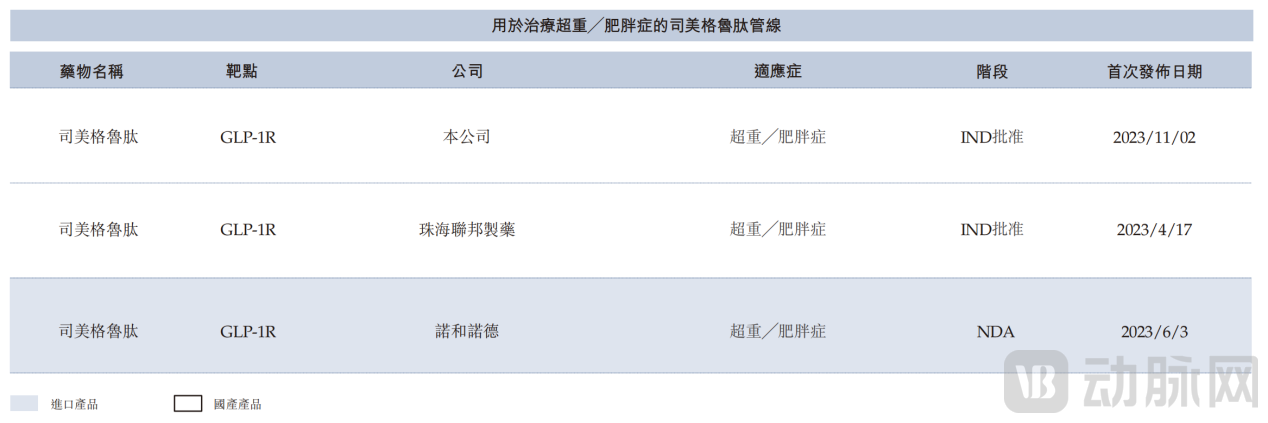 (Image source: Prospectus)
As can be seen above, Hangzhou Jiuyuan Gene Engineering Co., Ltd., with over 30 years of development in the highly competitive GLP-1 sector, is crafting a novel and compelling business narrative. However, the actual realization of this vision will require a certain period of time to materialize.
Returning to the specific company level, as the trump card for this IPO push, how is Jiuyuan Gene's current commercialization performing?
At the commercial level, Hangzhou Jiuyuan Gene Engineering Co., Ltd. has built a rich product portfolio, with marketed and revenue-generating products spanning orthopedics, oncology, and hematology.
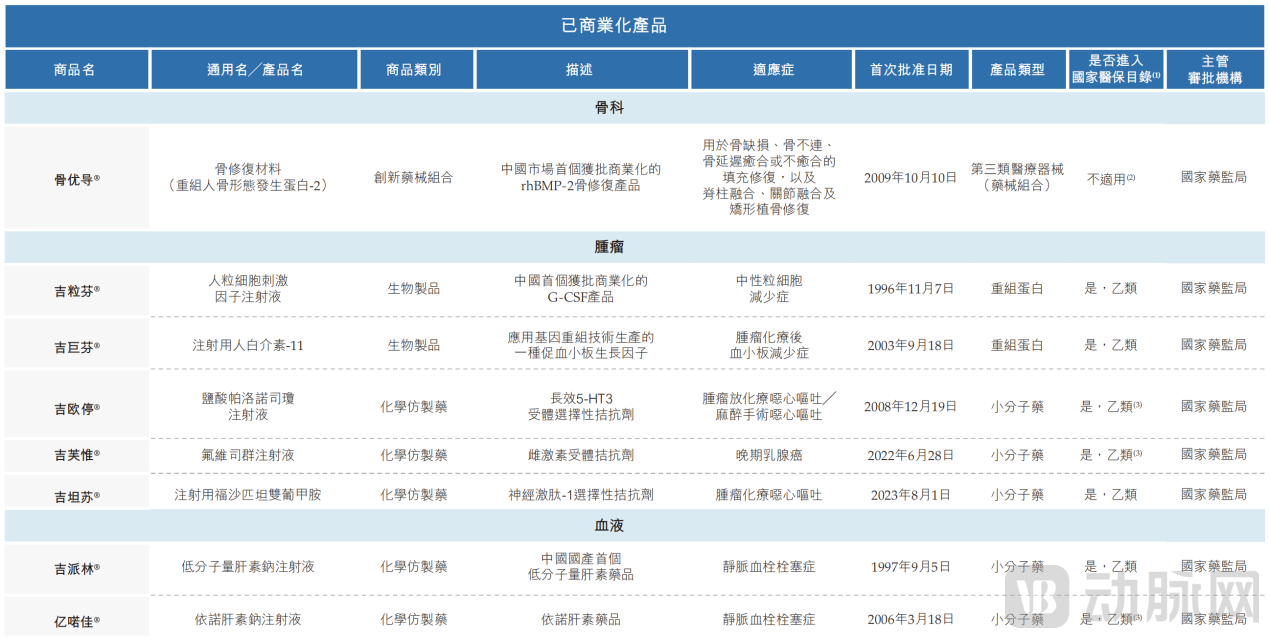 (Commercialized Products of Jiuyuan Gene; Image Source: Prospectus)
For example, as an orthopedic product under Hangzhou Jiuyuan Gene Engineering Co., Ltd., Guyoudao received marketing approval in October 2009 and was subsequently launched in 2010. This product is an innovative drug-device combination product and bone repair material containing rhBMP-2, indicated for the filling and repair of bone defects, nonunions, delayed unions, or non-healing fractures, as well as for spinal fusion, joint fusion, and corrective bone grafting.
According to the Frost & Sullivan report, Guyoudao is the first approved rhBMP-2-containing bone repair material for commercial sale in China. The launch of this product has made Hangzhou Jiuyuan Gene Engineering Co., Ltd. the second company globally to have a commercialized rhBMP-2 product. From 2021 to 2022, the sales revenue of Guyoudao was RMB 355.1 million and RMB 444 million, accounting for 27.2% and 39.5% of the total revenue during the same periods, respectively. In terms of revenue, Hangzhou Jiuyuan Gene Engineering Co., Ltd. ranked second among all bone repair material manufacturers in China in 2022, with a market share of 17.2%.
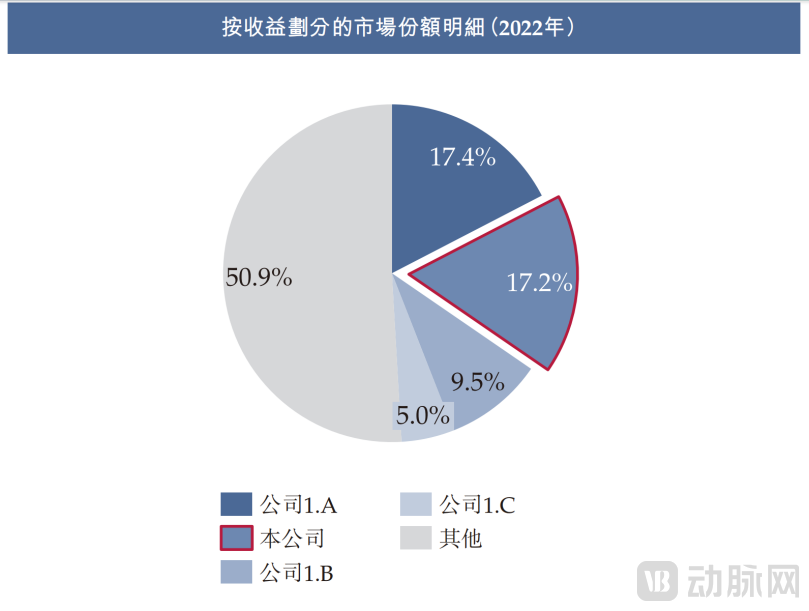 (Market Share of Bone Repair Materials in China. Image source: Prospectus)
Not only that,In the first nine months of 2023, Guyoudao achieved sales revenue of RMB 558 million, accounting for 54.6% of the company's total revenue during the same period, making it the flagship product of Hangzhou Jiuyuan Gene Engineering Co., Ltd.
In the oncology product segment, Hangzhou Jiuyuan Gene Engineering Co., Ltd.'sOncology Product Portfolio Consists of Five Products, namely Jilifen, Jijufen, Jiouting, Jifuwei, and Jitansu. These five products generated sales revenues of RMB 488 million and RMB 328 million in 2021 and 2022, respectively, accounting for 37.4% and 29.2% of the total revenue during the same periods. In the first nine months of 2023, these five products achieved sales revenue of RMB 195 million, representing 19.1% of the company’s total revenue for the same period.
It can be seen that,Oncology product sales and market share continue to decline.
Sales revenue and proportion of blood products have remained relatively stable in recent years. Specifically, blood products generated sales revenue of RMB 301 million and RMB 283 million in 2021 and 2022, accounting for 23.1% and 25.2% of the total revenue during the respective periods. In the first nine months of 2023, five products achieved sales revenue of RMB 193 million, representing 18.9% of the company’s total revenue for the same period.
In addition, the active pharmaceutical ingredient (API) business has also generated some revenue for Hangzhou Jiuyuan Gene Engineering Co., Ltd., but its overall proportion is not significant, having decreased from 10% of the company's total revenue in recent years to around 4%.
In terms of gross profit margin, Jiuyuan Gene’s gross profit increased by 22.1% from RMB656 million for the nine months ended September 30, 2022, to RMB801 million for the nine months ended September 30, 2023, while its gross profit margin rose from 77.0% for the nine months ended September 30, 2022, to 78.4% for the nine months ended September 30, 2023.
The increase in gross profit margin was primarily driven by the rising proportion of sales revenue from Gu Youdao, which carries a relatively higher gross margin, as well as the gradual reduction in production costs due to process optimization for Gu Youdao. Additionally, the decline in the proportion of sales revenue from active pharmaceutical ingredients (APIs) in overseas markets, which have a relatively lower gross margin, also contributed to the uplift in the overall gross profit margin.
It is not difficult to observe that, among the various product segments of Hangzhou Jiuyuan Gene Engineering Co., Ltd., only orthopedic products are currently experiencing rapid sales growth, while other products are showing relatively weak growth momentum.
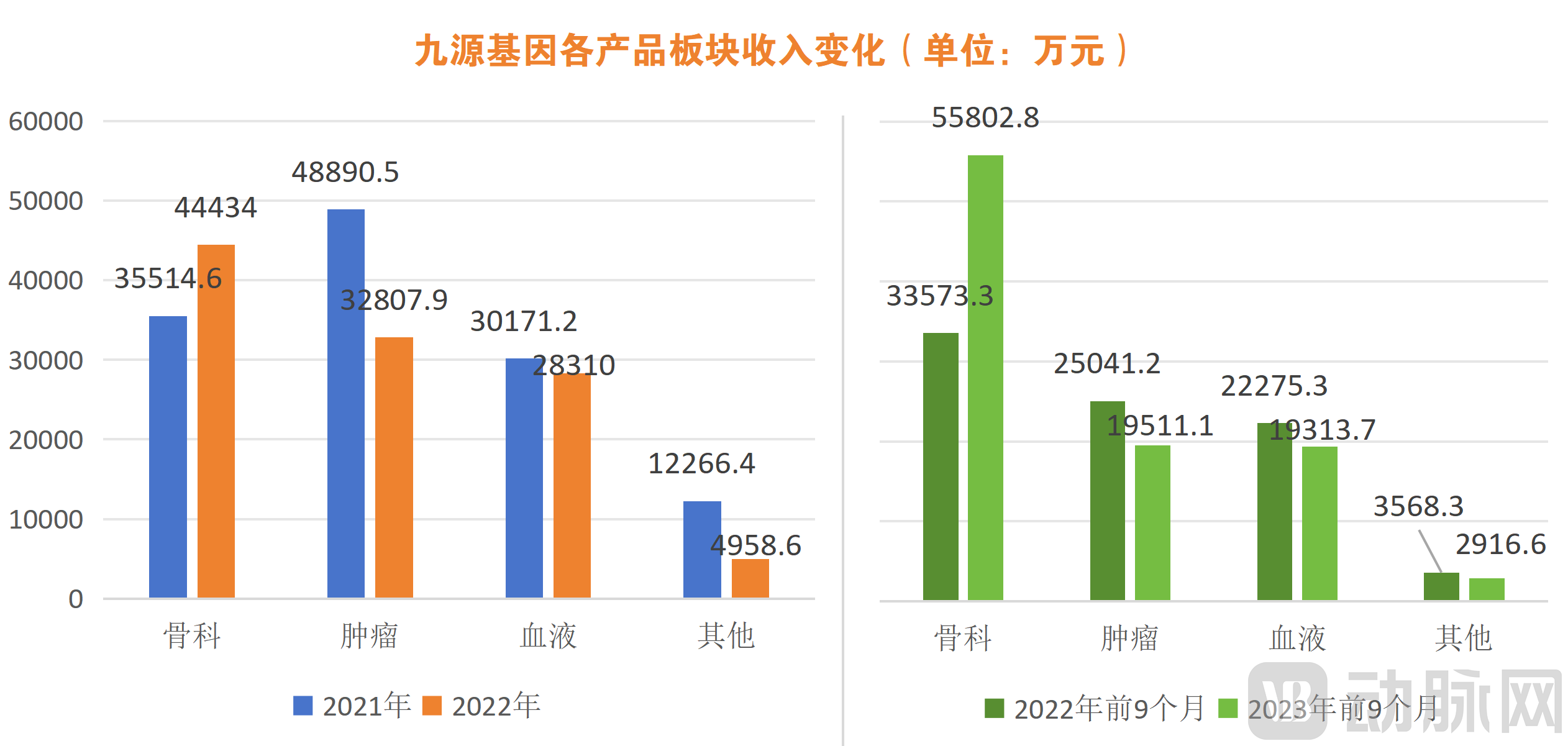
(Data source: Prospectus; Graphic by VCBeat)
It should be noted that, from the perspective of industry fundamentals, whether in the orthopedic repair market, the oncology market, or the highly popular markets for GLP-1 receptor agonists targeting type 2 diabetes mellitus (T2DM) and obesity/overweight, all are in an upward trajectory. Therefore, the ability to capture a larger market share primarily hinges on a company’s own innovation capabilities and product strength.
In this regard, Hangzhou Jiuyuan Gene Engineering Co., Ltd. mentioned in its prospectus that the company is leveraging its experience in developing OsteoGuide to carry out various R&D activities, with the aim of maximizing the potential commercial value of rhBMP-2. For example, Hangzhou Jiuyuan Gene is currently developingJY23 is a next-generation bone repair material developed by combining rhBMP-2 with bioactive materials.. Compared with Gu You Dao, JY23 exhibits stronger sustained-release capabilities and superior osteoconductive performance.
According to reports, JY23 is currently in the process and quality research phase, with an expected IND application to be submitted to the National Medical Products Administration (NMPA) in the first quarter of 2025.
Of course, Jiuyuan Gene is alsoActively Expand Product Portfolio. For example, oncology products under development include JY06 (Jixinfen®), JY49, JY47, and JY43, as detailed below:
·JY06 (Jixinfen) is a pegylated granulocyte colony-stimulating factor (PEG-G-CSF) primarily indicated for the treatment of neutropenia. Hangzhou Jiuyuan Gene Engineering Co., Ltd. submitted the New Drug Application (NDA) for JY06 (Jixinfen) to the National Medical Products Administration in May 2023, with marketing approval anticipated in 2024.
· JY49 is a generic version of avatrombopag maleate, indicated for the treatment of thrombocytopenia. The bioequivalence study for JY49 was completed in October 2023, and the New Drug Application (NDA) is expected to be submitted in the first quarter of 2024. JY47 is a humanized IgG1 monoclonal antibody specifically targeting signal regulatory protein alpha (SIRPα). As a Class 1 innovative drug, it is intended for the treatment of solid tumors. The Investigational New Drug (IND) application for JY47 was approved in December 2022, and Phase I clinical trials are anticipated to commence in 2024.
·JY43 and JY43-2 are biosimilars of intravenous daratumumab and subcutaneous daratumumab, respectively. Both drugs are indicated for the treatment of multiple myeloma. The IND application for JY43 was approved in April 2023, and preclinical studies on JY43-2 are currently underway.
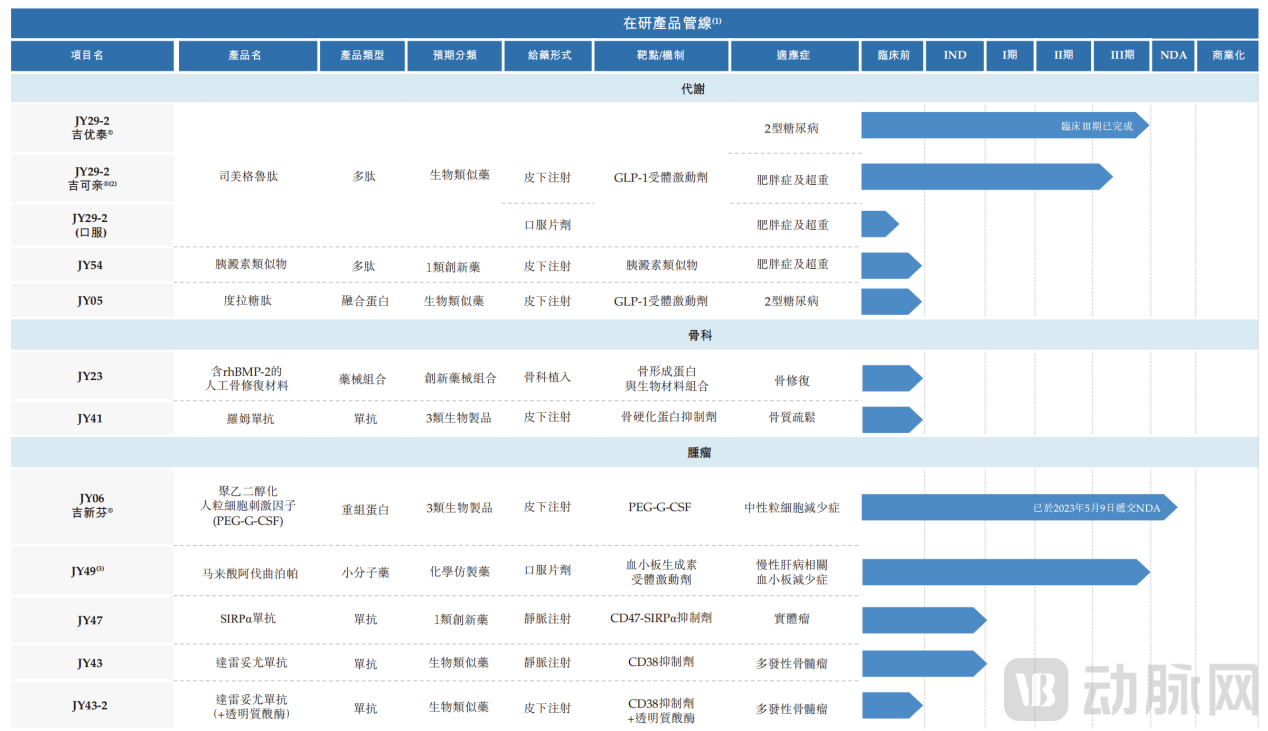 (Nine Yuan Gene's R&D Product Pipeline. Image source: Prospectus)
In summary, Hangzhou Jiuyuan Gene Engineering Co.,Ltd. has demonstrated strong commercial monetization capabilities, and its diversified layout across multiple sectors has enhanced its risk resilience. However, its growth rate is currently being tested by bottlenecks in several business areas. With the future launch of products under development and the evolving competitive landscape of the industry, the company may be able to change the current situation.
The filing of the prospectus by Hangzhou Jiuyuan Gene Engineering Co., Ltd. has provided the industry with insights into its strategic thinking and layout regarding GLP-1. Furthermore, through its investigational GLP-1 receptor agonist JY29-2, the company has also demonstrated its ambition to expand into a larger market.
From an industry perspective, GLP-1 has become one of the hottest targets since the approval and launch of Novo Nordisk’s weight-loss indication product, Wegovy (semaglutide), in 2021, with numerous companies flooding into this sector in a short period. For instance, at the end of last year, Zhifei Biological Products acquired 100% equity of Chongqing Chen’an Biopharmaceutical to further invest in the GLP-1 field.
According to statistics from the Insight database, there are nearly 300 drugs targeting GLP-1R globally (ranging from preclinical stages to approved market launch). As of December 2023,Twelve GLP-1 drugs have been launched globally, with 10 available in China, intensifying industry competition.
However, it should also be noted thatThere are hundreds of GLP-1 drug development pipelines, with severe homogenization.Therefore,Urgent Need for Market Entrants to Build Competitive Advantages Through DifferentiationCurrently, multi-target approaches and oral administration represent two key directions for the differentiated development of GLP-1 drugs. The research and development of multi-target GLP-1 drugs aim to achieve superior efficacy, while oral formulations offer better patient adherence and align more closely with the trends in consumer healthcare.
In addition, Wang Quanren, Deputy General Manager of Hengrui Medicine, also mentioned at the 2023 Hengrui Medicine R&D Day event thatApproaches to Differentiation Across Three Dimensions. First, the dosage is flexible and adjustable; second, there is a breakthrough in long-term patient compliance; third, on the basis of weight loss, the clinical benefits brought by weight loss are amplified, and indications beyond weight loss are developed.
Beyond weight loss, numerous companies are actively exploring other therapeutic indications. According to the PharmaCube database, there are over 25 pipeline candidates targeting non-alcoholic fatty liver disease (NAFLD), cardiovascular diseases, chronic kidney disease, and Alzheimer’s disease, with most still in the preclinical stage. This diversification could foster a vibrant landscape for the GLP-1 sector, unlocking greater growth potential.
We believe that as more companies pursue differentiated strategies, a new wave of innovation in the GLP-1 sector has already begun. In this process, domestic innovative pharmaceutical companies that adapt to changing circumstances and embrace innovation are poised to enter a new development cycle.