

Shuzhi Yuanyu: Pioneering Domestic AI-Powered Intraoperative Navigation Systems with Self-Developed Hardware and Software for Precision Surgery
Intraoperative Navigation Equipment: An Innovative Medical Device Integrating Medicine, Imaging, Computer Vision, Spatial Positioning Technology, and Virtual Reality InteractionIn the past, performing surgery without a navigation system was akin to driving a car without GPS. Within the intricate structures of the human body, surgeon-"drivers" had to rely solely on experience accumulated over many years to "find their way," resulting in a longstanding scenario characterized by both high risk and high difficulty. Consequently, minimally invasive surgeries—constrained by smaller incisions and limited visual fields—demanded surgeons with extensive experience, thereby significantly restricting the applicable scenarios for such procedures and imposing stringent requirements on staffing.
Intraoperative navigation provides surgeons with a “real-time updated” map, enabling features such as “optimal path planning” and “hazard alerts.” As a simulation-based training tool, it allows operating surgeons to undergo comprehensive training and enhance their practical experience. As a clinical application module, it performs real-time analysis of intraoperative imaging, serving as an “AI assistant” to the lead surgeon and improving the precision and safety of surgical procedures.
Suzhou Digital Intelligence Yuanyu Artificial Intelligence Technology Co., Ltd. (hereinafter referred to as “Digital Intelligence Yuanyu”) is dedicated to the independent research and development of core technologies in the field of digital-intelligent surgery, with a focus on domestic localization.By integrating cutting-edge technologies with surgical techniques, Digital Intelligence Yuanyu has launched two major product lines: intraoperative navigation equipment and simulated surgical training robots, which have been deployed in leading hospitals and medical schools across China.
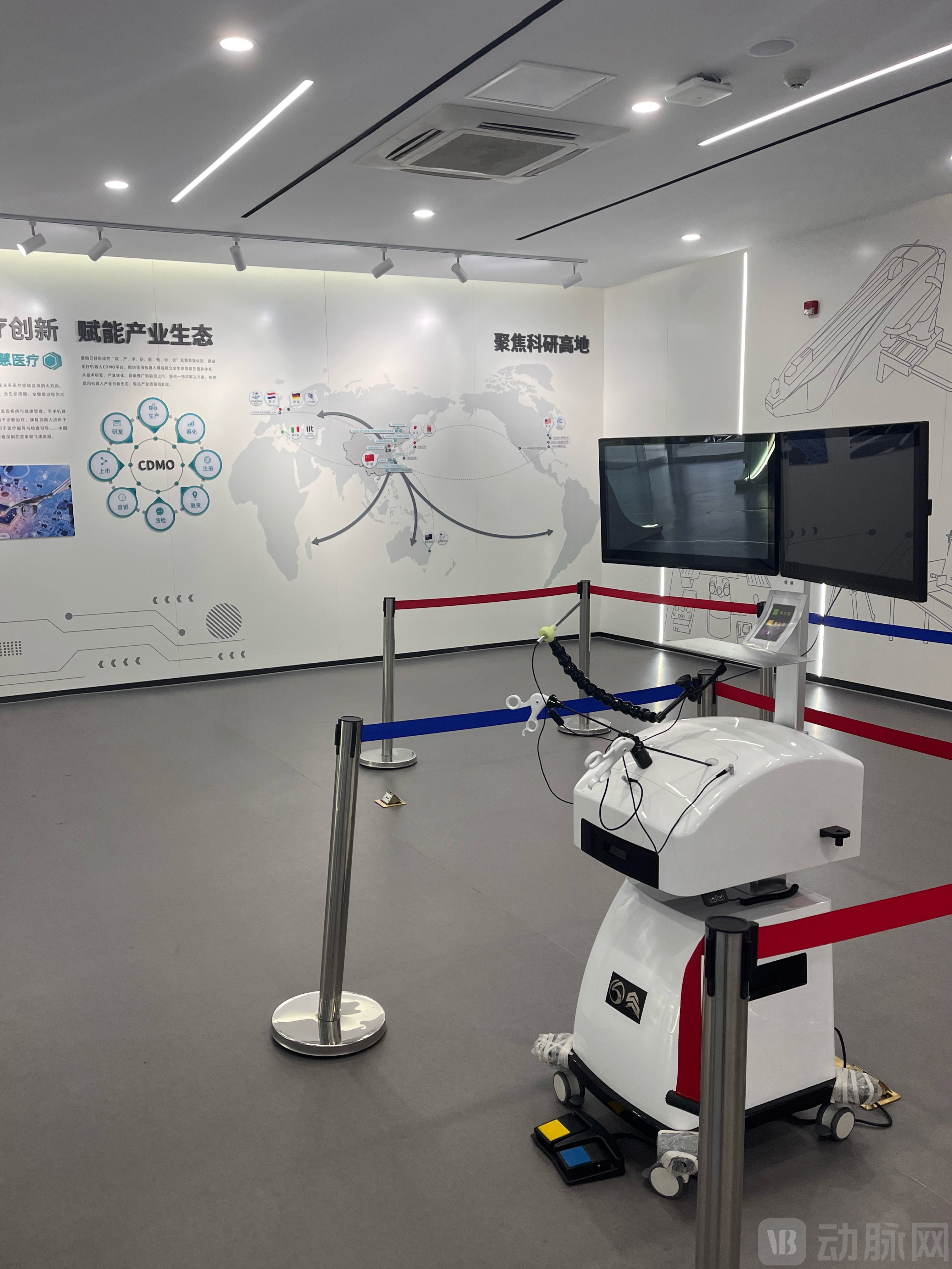
Surgical Simulation Training Robot - Engineering Prototype
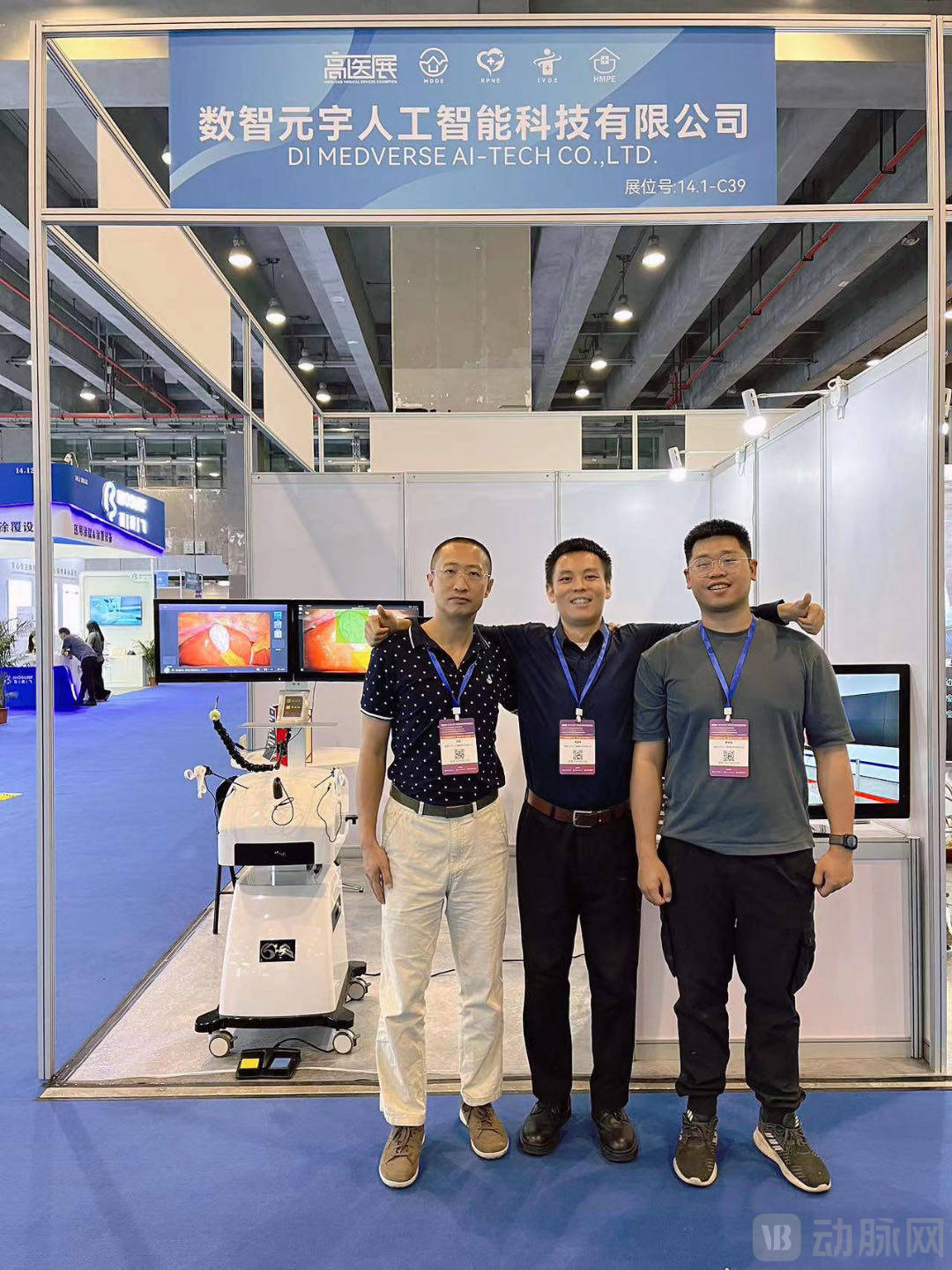
Group photo of some members of the Digital Intelligence Yuanyu team (from right to left: Luo Ziheng, Ma Yudan, Shen Zheng)
In an interview with VCBeat, Ma Yudan, Founder and CEO of Digital Intelligence Yuanyu, began by sharing her personal experience: “As a child, I nearly died due to a surgical accident. Cavity effusion caused my entire body cavity to resemble a balloon on the verge of bursting. Although I was ultimately rescued, the incident left irreversible sequelae in my body cavity. Growing up, I was often mocked by peers because of the deformed appearance of my body cavity.”
After earning a master’s degree in informatics from the University of Freiburg in Germany, Ma Yudan has dedicated his career to the fields of big data and artificial intelligence, serving successively as a Data Application Expert at a Fortune 500 company and as Chief AI Architect at Baidu. Over the past two years since founding his venture, Suzhou Digital Intelligence Yuanyu Artificial Intelligence Technology Co., Ltd. has assembled a multidisciplinary team integrating medicine and engineering, comprising medical experts, Baidu AI architects, clinical regulatory certification specialists, finance, tax, and legal experts, as well as sales professionals.
“The name ‘Shuzhi Yuanyu’ is derived from two sources. The first half stems from our original intention: in the inaugural year of the metaverse’s rise, we believed that integrating cutting-edge XR technologies with advanced surgical practices could deliver substantial clinical value. The second half reflects a trend I learned during my time at Baidu: AI is called Artificial Intelligence because the level of intelligence is proportional to the amount of human effort invested. The next phase will likely usher in the era of Data Intelligence (DI), where the level of intelligence is determined by the volume of data available.”
“Data Intelligence” is first manifested in the integrated technological pathway established by Digital Intelligence Yuanyu—Dynamic annotation of intraoperative dynamic imaging enables the digital and quantitative documentation of medical experts’ intraoperative experience and judgment. By leveraging deep learning algorithms, AI systems acquire the extensive knowledge embedded in experts’ decision-making processes. Through repeated testing in clinical settings, the AI systems undergo iterative, rolling training and continuous refinement based on test results, ultimately serving as a “dynamic map navigation” tool for surgeons during operations.
Ma Yudan likened the iterative development of intraoperative navigation equipment to raising a child, “This child has three characteristics:Unceasing Momentum, Collective Wisdom, Infinite ScalabilityAs long as the power supply remains uninterrupted, it can engage in continuous learning 24 hours a day, 365 days a year, aggregating the critical decision-making and clinical judgments from numerous distinguished physicians. Ultimately, it evolves into a replicable ‘senior expert’—one that can be deployed in every hospital across each region to provide recommendations and alerts during surgical procedures, thereby enabling more surgical patients to receive optimal care.
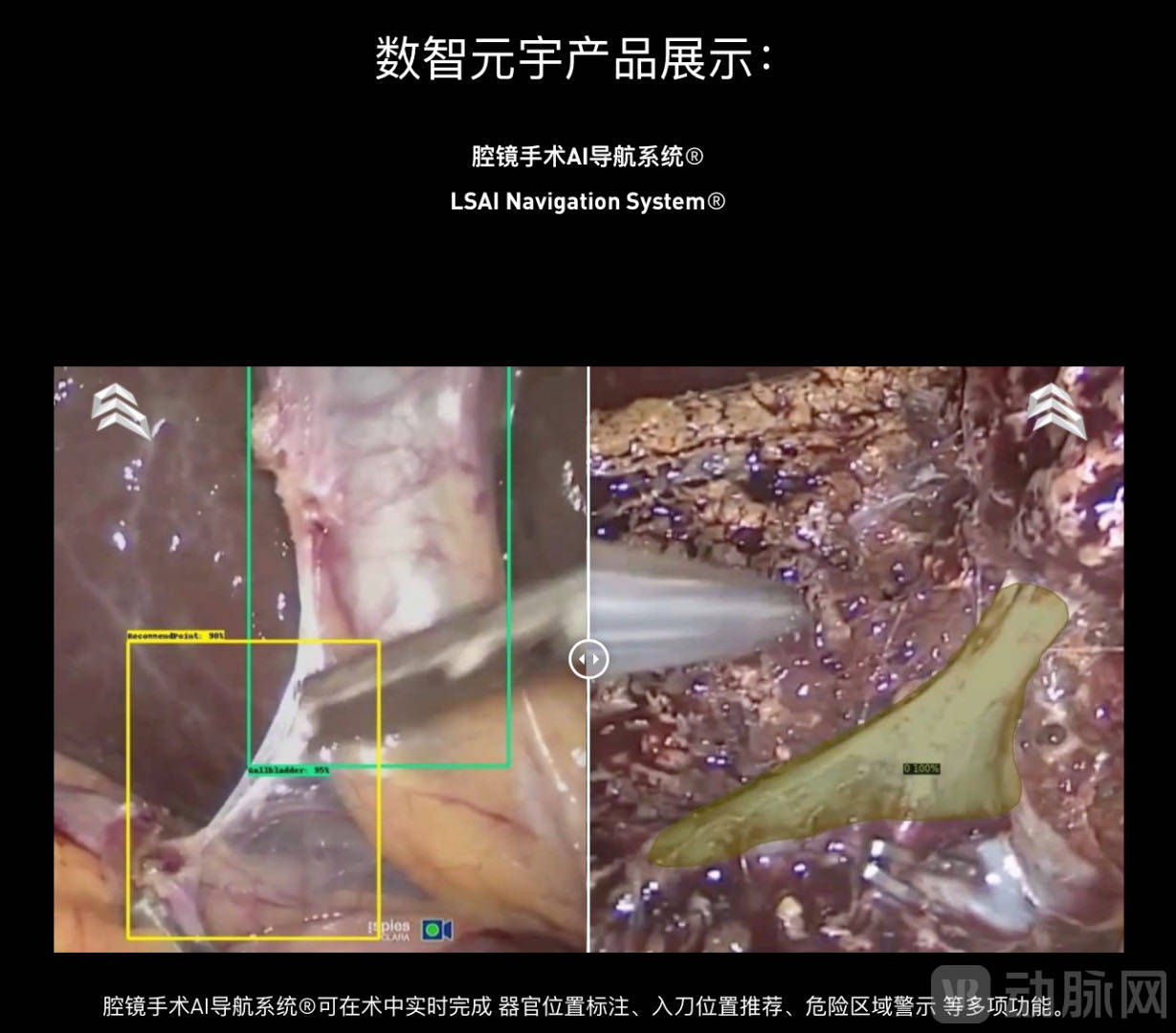
The core of intraoperative navigation equipment is to help surgeons perform surgeries with increasing precision. To assess whether surgical performance is indeed improving, one must rely on surgical quality monitoring metrics. Although there are numerous specific metrics for monitoring surgical quality, Ma Yudan summarizes them by optimizing four key points: operative time, intraoperative residual tissue, intraoperative blood loss, and postoperative complications.In terms of quantitative assessment, intraoperative navigation equipment not only provides real-time suggestions and reminders to surgeons during procedures but also quantitatively tracks these four key metrics. By employing horizontal and vertical comparisons, surgeons can continuously improve performance across these four indicators, thereby achieving overall optimization and advancement in surgical quality.
“Data in the field of surgical procedures is highly sensitive; how to legally and compliantly acquire sufficient data to support R&D is a key issue,” mentioned Ma Yudan.Shuzhi Yuanyu has successfully obtained high-quality data by establishing collaborations with multiple leading hospitals in China ranked among the top in surgical volume.Meanwhile, Ma Yudan’s team has built a comprehensive patent portfolio around its granted invention patents, establishing a robust patent moat.
From a product perspective, there are four key considerations for intraoperative navigation systems: safety, efficacy, compatibility, and indispensability. Building on a foundation of safety, these systems must deliver measurable improvements in surgical quality metrics, seamlessly integrate with existing equipment and instruments in the operating room, and ultimately achieve an “indispensable” status. Specifically, the intraoperative navigation systems developed by Suzhou Digital Intelligence Yuanyu Artificial Intelligence Technology Co., Ltd. have achieved the following breakthroughs:
Real-time Processing of Dynamic Imaging
“Currently, many AI-based medical products are designed to process and analyze static medical images, whereas the Digital Intelligence Yuanyu system processes and analyzes dynamic intraoperative imaging, which entails greater complexity and difficulty.”
Offline Operation Without Internet Connection
“Most current AI-based medical products require cloud servers with high computational power for data processing in an online environment, resulting in delayed output of results. However, intraoperative scenarios demand that the product operate in an offline, isolated environment and provide real-time navigation.”
Seamless Compatibility with Existing Medical Devices
“The main body of the intraoperative navigation equipment contains self-developed integrated circuits, which can seamlessly adapt to currently used minimally invasive instruments or surgical robots.”
Contrast-Agent-Free
“By not relying on any contrast agents, it avoids the risks of allergies or kidney damage that contrast agents may pose. It is currently the only product globally capable of achieving intraoperative navigation without depending on fluorescence, indocyanine green, and near-infrared imaging.”
In the final part of the interview, Ma Yudan remarked that reviewing the transformations in the field of surgery over the past decade can provide some foresight into its development over the next ten years. The transition from open surgery to minimally invasive surgery represented a major revolution in the surgical field, which was introduced to and gained prominence in China between 1990 and 2000. Over the subsequent decade, minimally invasive surgery, starting with the first laparoscopic cholecystectomy (LC) procedure, gradually permeated all subspecialties within general surgery. Then, during the two decades from 2000 to 2020, high-resolution imaging systems, 3D technology, and indocyanine green (ICG) fluorescence imaging technology emerged successively, with each advancement building upon the previous one.
“Therefore, if we conduct a time-series analysis based on this trajectory, in another decade, many of the surgical frontiers we are enthusiastic about today will most likely have become ‘routine practice.’ This is akin to looking back from 2010 at the shift from open surgery to minimally invasive techniques in 2000, or from 2020 at the adoption of 3D, 4K, and fluorescence imaging in 2010.”
Currently, Shuzhi Yuanyu has adopted a strategy of integrating hardware and software—combining intraoperative navigation systems with self-developed integrated circuit equipment. “For minimally invasive device companies and surgical robot manufacturers, we prefer to serve as their supplier or partner, jointly delivering smarter products to end users, rather than becoming competitors.”
“Every new technological revolution impacts the market share of established technology groups. During our communications, we found that approximately 20% of practitioners worry that new technologies will gradually replace their own service capabilities, leading to resistance. In contrast, 80% of relevant practitioners generally believe that digital-intelligent surgical products will comprehensively upgrade existing traditional surgeries, with superior, next-generation products soon becoming dominant.”
Greater challenges await Ma Yudan and his team—obtaining regulatory approval for digital-intelligence surgical products is far more difficult than for other medical devices. On a broader scale, more departments within general surgery are still awaiting breakthroughs from Digital Intelligence Yuanyu.