

Blue Paper on Continuous Glucose Monitoring Data Characteristics Among 70,000 Chinese Individuals: A Real-World Evidence Report
With a vast diabetic population, China had approximately 141 million adult patients (aged 20–79) in 2021, according to statistics from the International Diabetes Federation (IDF).
In the comprehensive management of diabetes, blood glucose monitoring helps control blood glucose levels, assists healthcare professionals in formulating glucose-lowering regimens, and reduces the incidence of diabetic complications. Currently, the primary monitoring methods include self-monitoring of blood glucose (SMBG) and glycated hemoglobin A1c,HbA1c), continuous glucose monitoring (CGM), etc.
In recent years, the value of continuous glucose monitoring (CGM) has become increasingly prominent. In the 2023 edition of the Standards of Care in Diabetes published by the American Diabetes Association (ADA), CGM was included for the first time in the patient-centered glycemic management decision cycle, holding a status equal to that of self-monitoring of blood glucose (SMBG).
However, there is currently a lack of large-scale, systematic real-world data studies on the use of continuous glucose monitoring (CGM) in the Chinese population. Analysis of such data can provide important insights for healthcare professionals in endocrinology and metabolism, patients with diabetes, non-diabetic individuals, and domestic guideline developers.
Special thanks are extended to Professor Zhou Jian, Dr. Mo Yifei, Dr. Lu Jingyi, and other experts and scholars from the Department of Endocrinology and Metabolism at Shanghai Sixth People’s Hospital Affiliated to Shanghai Jiao Tong University School of Medicine for their guidance and support in preparing this report. Their extensive professional expertise and clinical experience have laid a solid practical foundation for this report, while their rigorous and pragmatic academic approach has played a crucial role in its development.
The subjects of this report are individuals who wore the Sibionics CGM device throughout 2022. The report included data from 71,566 adult users, with a total of 152,689 CGM reports collected. The sample population was drawn from 31 provinces, autonomous regions, and municipalities directly under the Central Government in mainland China, as well as the two Special Administrative Regions of Hong Kong and Macao.
This report utilizes the first high-quality, large-scale CGM dataset in China, providing insights into the current real-world application of CGM in the country and yielding the following preliminary conclusions:
1. Among CGM users, males outnumber females by approximately 1.7 times, with an average age of 48.5 years. The average number of CGMs used per patient is 4.7 for those with type 1 diabetes, 1.8 for those with type 2 diabetes, and 2.1 for those with gestational diabetes. This suggests that male users and patients with type 1 diabetes are more inclined to choose CGMs to assist in diabetes management.
2. Individuals using CGM generally exhibit better glycemic control, with overall glucose levels in patients with type 1 diabetes remaining within the target range (3. The median time in range (TIR; 3.9–10.0 mmol/L) was 72.3%, while the overall median TIR for patients with type 2 diabetes was 86.8%, suggesting that CGM use helps improve diabetes management among users.
However, according to the "China Diabetes Map", the overall HbA in China1cWith a target achievement rate of less than 50%, it is indirectly indicated that CGM users may possess stronger self-management awareness and better financial capacity compared to the overall diabetic population, whereas many patients with poor glycemic control who urgently need enhanced diabetes management are not using CGM.
The reasons may lie in the fact that relevant patients either regard continuous glucose monitoring (CGM) as a high-end medical device, or lack the necessary conditions or awareness for its use. In the future, it is essential to strengthen patient education for this population and actively reduce the cost of CGM through various channels, enabling more patients to benefit from advanced medical care.
3. Individuals using continuous glucose monitoring (CGM) demonstrate higher rates of achieving Time in Range (TIR) targets; however, they still face a certain risk of hypoglycemia, and the composite attainment rate for both TIR and Time Below Range (TBR) is not high. Taking patients with type 1 diabetes as an example, the TIR attainment rate is 55.1%, whereas the composite attainment rate for TIR plus TBR is only 18.7%. Therefore, professional guidance from healthcare providers remains essential during CGM-based management to strive for minimizing the occurrence of hypoglycemia as much as possible.
4. The median time in range (TIR, 3.9–10 mmol/L) for non-diabetic individuals wearing CGM was 97.0%, and the median time in tight range (TITR, 3.9–7.8 mmol/L) was 88.9%, filling the gap in understanding the overall glycemic profile of the non-diabetic population in China.
5. The median time in range (TIR) (3.5–7.8 mmol/L) for patients with gestational diabetes mellitus using continuous glucose monitoring (CGM) was 94.7%, filling a gap in the understanding of overall glycemic status among women with gestational diabetes mellitus in China.
6. Further analysis revealed that in patients with type 1 and type 2 diabetes, both Time in Range (TIR) levels and the composite attainment rate of TIR plus Time Below Range (TBR) showed a declining trend as disease duration increased. This suggests that patients with diabetes should initiate continuous glucose monitoring (CGM) early in the disease course to facilitate scientific diabetes management, thereby reducing or delaying the onset and progression of complications and maximizing clinical benefits.
Report Data and Research Methodology
The subjects of this report are individuals who wore the Sibionics CGM device at any time during the full year of 2022 (January 1, 2022–December 31, 2022). The selected sample consisted of those whose first wear period lasted ≥10 days, with clinical characteristics derived from patient self-reports. For users who wore multiple devices, data on baseline information, treatment modalities, and CGM metrics were all based on the first device used.
For patients with different types of diabetes, the definitions of core continuous glucose monitoring (CGM) metrics and recommended targets discussed in this report are summarized in the table below. Additionally, given the importance of hypoglycemia, the composite compliance rate of “Time in Range (TIR) + Time Below Range (TBR)” was specifically included in the calculation of target achievement rates, which requires simultaneous attainment of both TIR and TBR targets.
Figure: CGM Metrics and Target Recommendations for Different Types of Diabetes
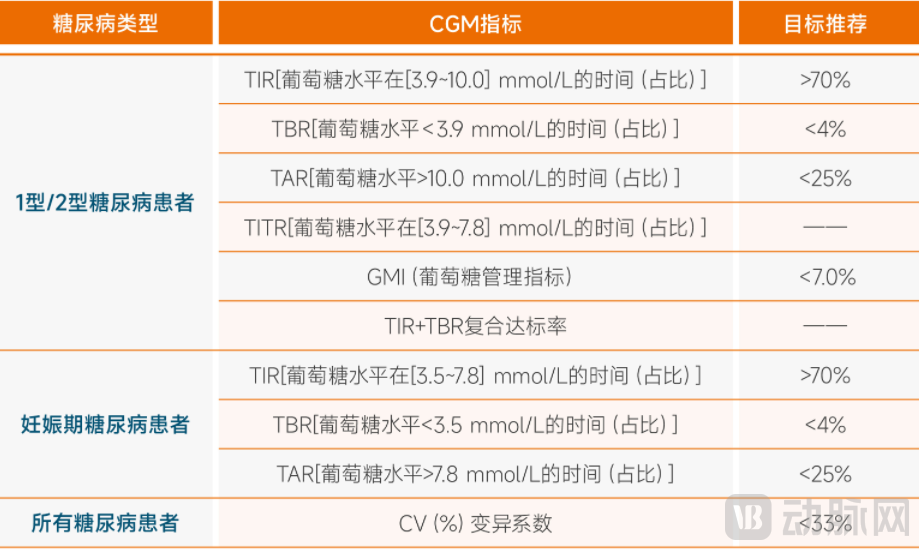
Source: 2019 International Consensus on Time in Range (TIR) and 2023 Asia-Pacific Consensus on Continuous Glucose Monitoring (CGM)
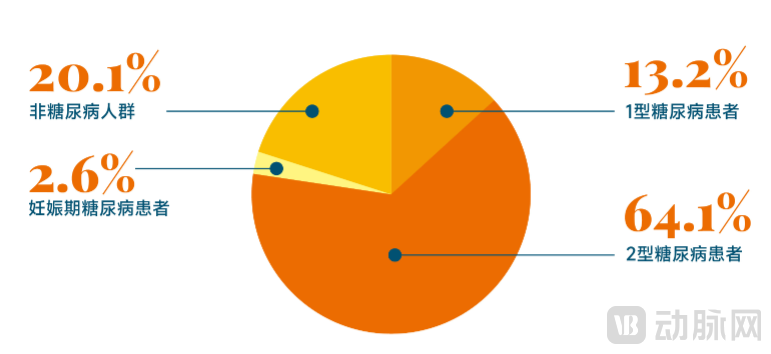
A total of 71,566 adult users were included in the report, with 152,689 CGM reports collected, averaging 2.1 devices per user. Among them, there were 45,118 males (63.0%) and 26,448 females (37.0%), with a mean age of 48.5 years. The study included 9,468 patients with type 1 diabetes, 45,893 patients with type 2 diabetes, 1,852 patients with gestational diabetes, and 14,353 non-diabetic individuals (those not diagnosed with diabetes, including individuals with normal glucose metabolism and those with prediabetes).
Figure: Characteristics of CGM Users in China
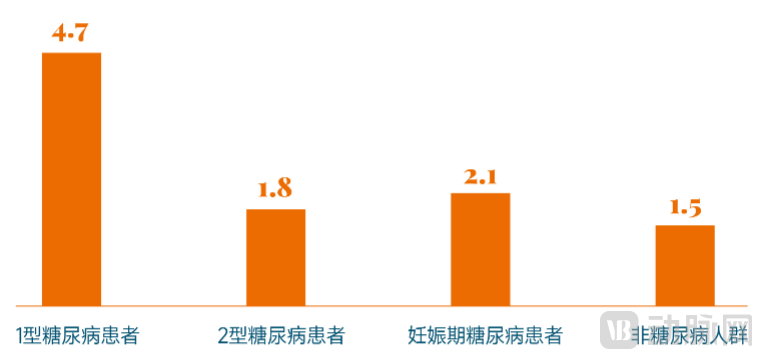
Analysis of the average number of CGM devices worn per person reveals that patients with type 1 diabetes have the highest average, at 4.7 devices; followed by patients with gestational diabetes, with an average of 2.1 devices; patients with type 2 diabetes have an average of 1.8 devices; and the non-diabetic population has the lowest average, at 1.5 devices. See the figure below for details:
Figure: Average Number of Devices Worn per Person by Population Group
Further analysis of the number of CGM users across different regions revealed that, after excluding Hong Kong, Macau, and Tibet—each with fewer than 100 CGM reports—East China had the highest number of users and the highest average number of devices per user, totaling 24,631 individuals (34.4%), with an average of 2.2 devices per person. In contrast, Northwest China had the lowest number of users and the lowest average number of devices per user, totaling 5,359 individuals (7.5%), with an average of 2.0 devices per person. At the provincial level, the top five regions by number of users were Guangdong, Shandong, Jiangsu, Henan, and Zhejiang, with 10,370, 5,912, 4,948, 4,706, and 4,404 users, respectively.
Data Analysis of Type 1 Diabetes Patients Using CGM in China
A total of 9,468 patients with type 1 diabetes wearing continuous glucose monitoring (CGM) devices were included, comprising 44,283 CGM reports, with an average of 4.7 devices per person. Among them, there were 4,294 males (45.4%) and 5,174 females (54.6%), with a mean age of 35.2 years and a median disease duration of 6.0 years. Regarding treatment regimens, 6,155 patients (65.0%) received insulin ± oral medications, while 3,313 patients (35.0%) were treated with insulin pumps ± oral medications.
Overall, the CGM metrics for patients with type 1 diabetes were as follows: the median TIR was 72.3%, and the median TBR was 5.4%. In terms of target attainment rates, the TIR target attainment rate was 55.1%, the TBR target attainment rate was 37.0%, and the combined TIR+TBR target attainment rate was 18.7%. The details are shown in the table below:
Figure: Analysis of CGM Metrics in the Overall Population of Patients with Type 1 Diabetes
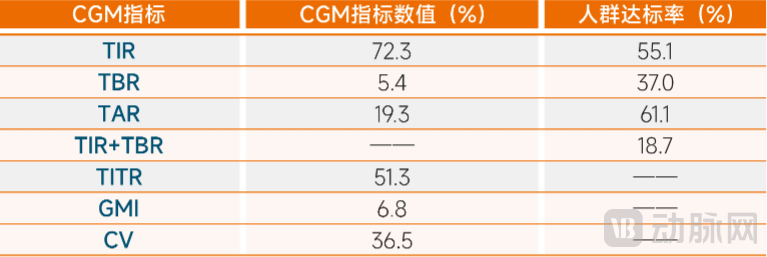
Note: Among the CGM metrics, GMI is expressed as the mean, while all other parameters are expressed as medians;
The TIR, TBR, and composite TIR+TBR target attainment rates for female patients with type 1 diabetes were 56.8%, 34.0%, and 17.1%, respectively; for male patients, these rates were 53.0%, 40.5%, and 20.7%, respectively. See the figure below for details:
Figure. TIR, TBR, and Composite Target Achievement Rate (TIR+TBR) by Sex in Patients with Type 1 Diabetes
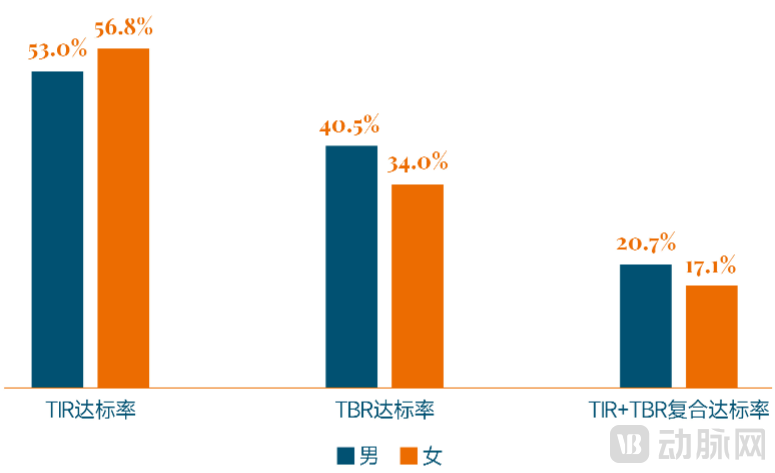
Specifically, female patients with type 1 diabetes exhibited superior Time in Range (TIR) and Glucose Management Indicator (GMI) levels compared to their male counterparts; however, they demonstrated poorer performance in Time Below Range (TBR). In terms of the composite attainment rate for both TIR and TBR, males outperformed females, suggesting that female patients with type 1 diabetes require heightened attention to the management of hypoglycemia risk. Details are presented in the table below:
Figure: Analysis of CGM Metrics by Gender in Patients with Type 1 Diabetes
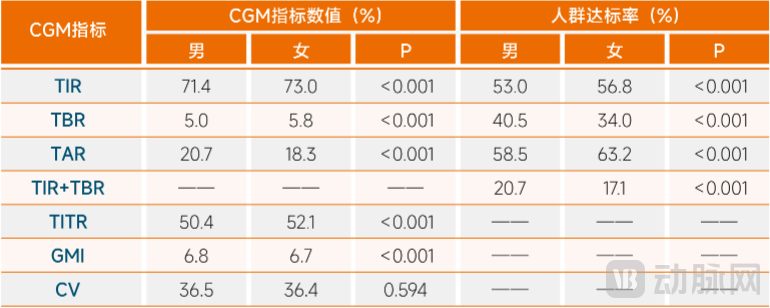
Note: Among the CGM metrics, GMI is presented as the mean, while all other parameters are presented as medians;
In patients with type 1 diabetes, the achievement rates for all continuous glucose monitoring (CGM) metrics showed a declining trend as disease duration increased (all, trend P < 0.001). In the group with a disease duration of < 1 year, the achievement rates for time in range (TIR), time below range (TBR), and the composite TIR + TBR target were 68.1%, 51.2%, and 35.6%, respectively. In contrast, in the group with a disease duration of > 10 years, the achievement rates for TIR, TBR, and the composite TIR + TBR target were only 46.6%, 32.0%, and 11.3%, respectively. Details are shown in the table below:
Figure: Analysis of CGM Metrics in Patients with Type 1 Diabetes Across Different Disease Durations
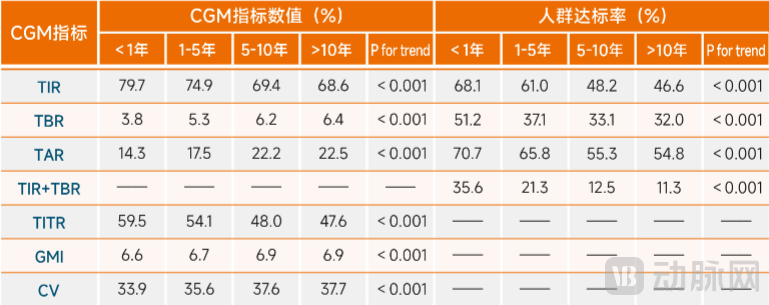
Note: Among the CGM metrics, GMI is presented as the mean, while all other parameters are presented as medians;
In patients with type 1 diabetes, the Time in Range (TIR), Time Below Range (TBR), and composite TIR+TBR target achievement rates were 54.9%, 39.7%, and 20.6%, respectively, for those treated with insulin ± oral medications; and 55.4%, 31.9%, and 15.2%, respectively, for those treated with insulin pump ± oral medications. See the figure below for details:
Figure: TIR, TBR, and Combined TIR+TBR Target Achievement Rates for Different Treatment Regimens in Patients with Type 1 Diabetes
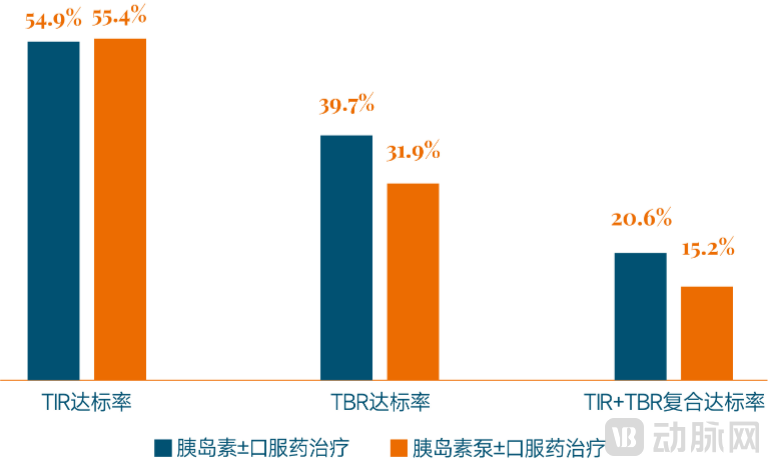
In patients with type 1 diabetes, insulin therapy ± oral agents demonstrated superior outcomes compared to insulin pump therapy ± oral agents in terms of time below range (TBR) levels and target achievement rates, the combined target achievement rate for time in range (TIR) and TBR, and coefficient of variation (CV) levels. Details are shown in the table below:
Figure: Analysis of CGM Metrics in Patients with Type 1 Diabetes Under Different Treatment Regimens
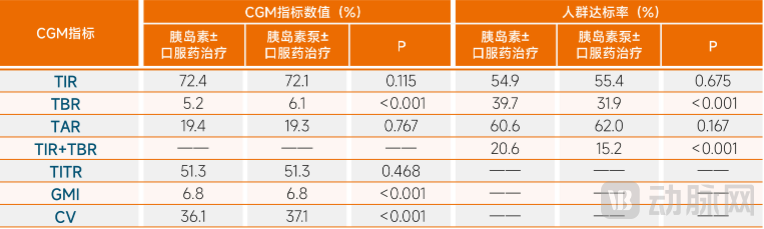
Note: Among the CGM metrics, GMI is presented as the mean, while all other parameters are medians;
Among patients with type 1 diabetes, the top five regions in terms of Time in Range (TIR) target attainment rates are Shanghai (66.5%), Sichuan (66.2%), Chongqing (65.0%), Beijing (62.2%), and Jiangsu (60.24%); the bottom five regions are Inner Mongolia (39.2%), Hainan (41.2%), Gansu (42.0%), Yunnan (44.4%), and Ningxia (44.7%).
Data Analysis of Type 2 Diabetes Patients Using CGM in China
A total of 45,893 patients with type 2 diabetes wore CGM devices, contributing 83,050 CGM reports, with an average of 1.8 devices per person. Among them, there were 32,567 males (71.0%) and 13,326 females (29.0%), with a mean age of 52.9 years and a median disease duration of 7.0 years.
Regarding treatment regimens, 10,154 patients (22.1%) did not receive glucose-lowering medications, 18,181 patients (39.6%) received oral glucose-lowering drugs only, 14,965 patients (32.6%) received insulin ± oral agents, and 2,593 patients (5.7%) received continuous subcutaneous insulin infusion (insulin pump) ± oral agents.
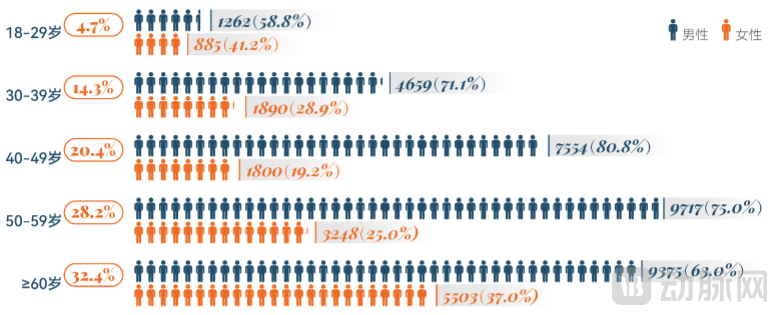
The age and gender characteristics of Chinese patients with type 2 diabetes using CGM are shown in the figure below:
Figure: Age and Sex Characteristics of Patients with Type 2 Diabetes Mellitus
The CGM metrics for patients with type 2 diabetes are summarized as follows: the median time in range (TIR) was 86.8%, and the median time below range (TBR) was 0.6%. In terms of target attainment rates, the TIR target achievement rate was 74.9%, the TBR target achievement rate was 89.2%, and the combined TIR+TBR target achievement rate was 66.5%. Details are shown in the table below:
Figure: Analysis of Overall CGM Metrics in Patients with Type 2 Diabetes
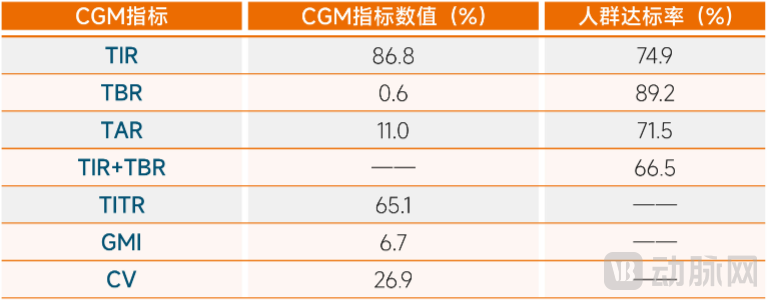
Note: Among the CGM metrics, GMI is expressed as the mean, while all other parameters are presented as medians;
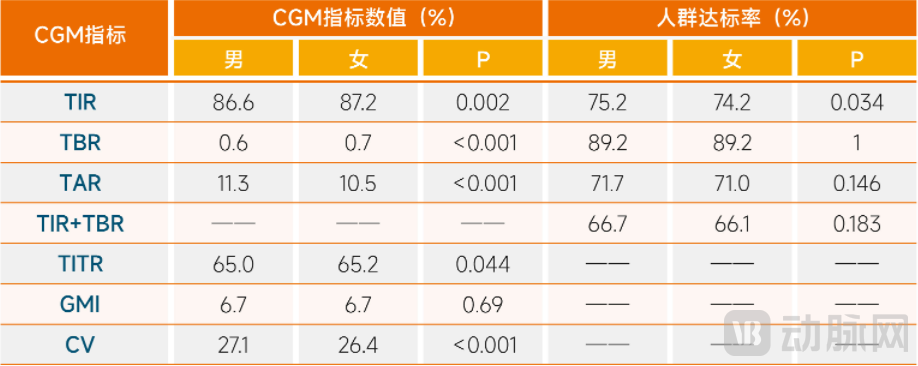
The TIR, TBR, and composite TIR+TBR target attainment rates for female patients with type 2 diabetes were 74.2%, 89.2%, and 66.1%, respectively; for male patients, these rates were 75.2%, 89.2%, and 66.7%, respectively. See the figure below for details:
Figure. TIR, TBR, and Combined TIR+TBR Target Achievement Rates by Sex in Patients with Type 2 Diabetes
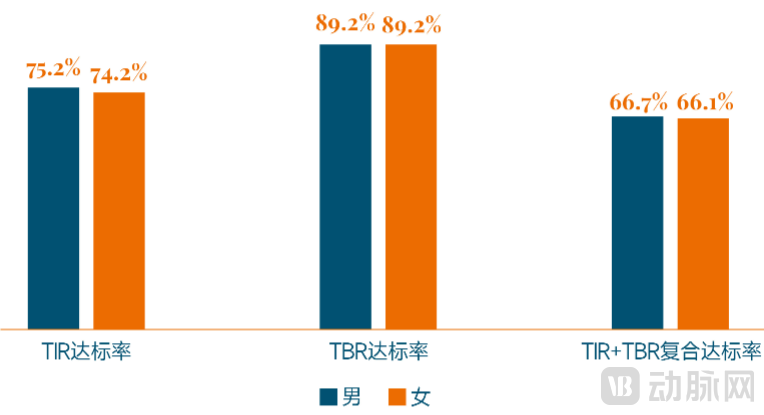
Specifically, although female patients had higher TIR levels than male patients, they exhibited a lower rate of TIR target attainment and poorer TBR performance. There was no significant difference in the composite target attainment rate for TIR and TBR between the two groups. The details are shown in the table below:
Figure Analysis of CGM Metrics by Gender in Patients with Type 2 Diabetes
Note: Among the CGM metrics, GMI is expressed as the mean, while all other parameters are expressed as medians;
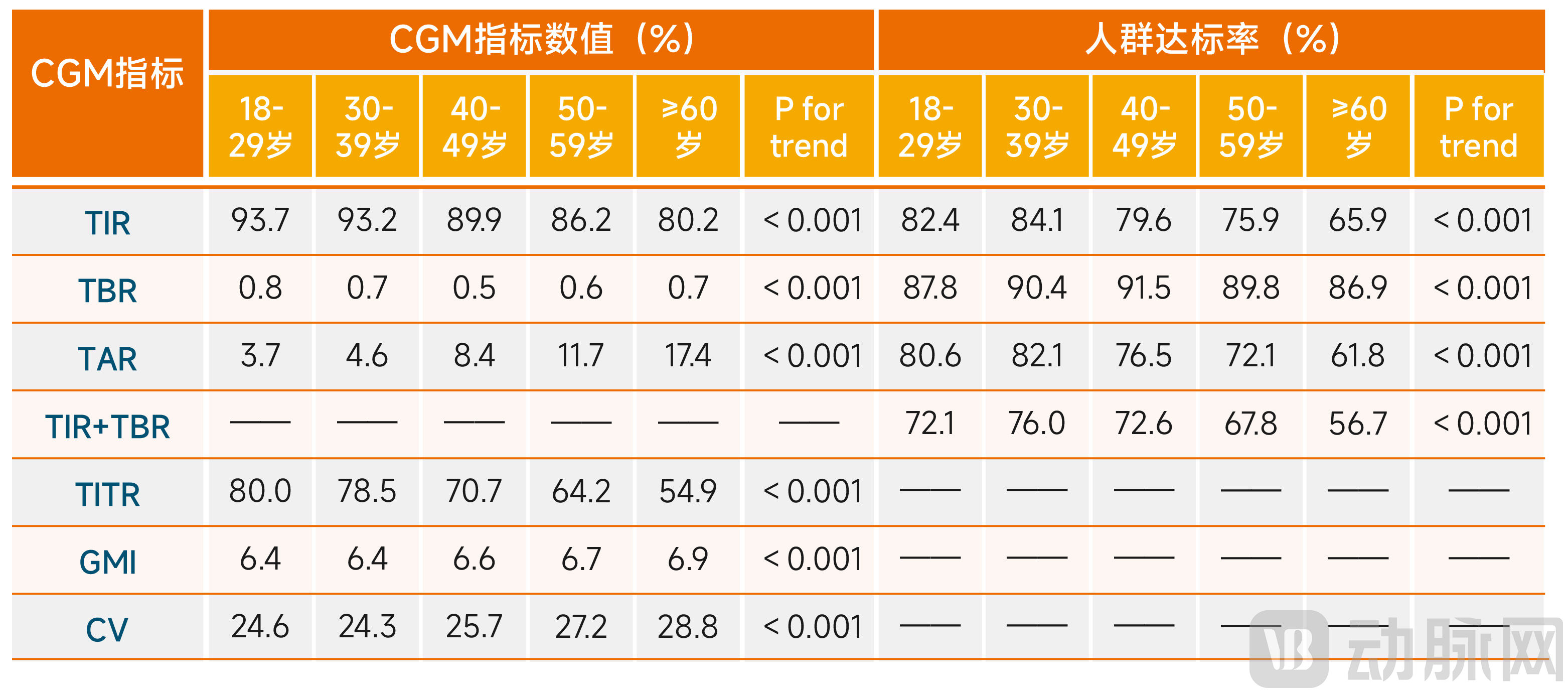
Overall, among patients with type 2 diabetes, the attainment rates for time in range (TIR) and the composite TIR plus time below range (TBR) both showed a declining trend with advancing age (overall trend P < 0.001). Patients aged 30–39 years exhibited the best performance, with TIR and composite TIR+TBR attainment rates of 84.1% and 76.0%, respectively. In contrast, those aged 60 years and older had the poorest outcomes, with corresponding rates of 65.9% and 56.7%. Details are presented in the table below:
Figure: Analysis of CGM Metrics in Patients with Type 2 Diabetes Across Different Age Groups
Note: Among the CGM metrics, GMI is presented as the mean, while all other parameters are medians;
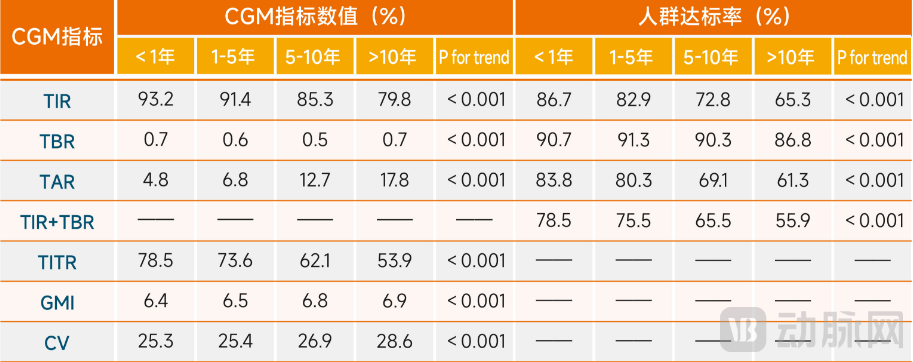
In patients with type 2 diabetes, the achievement rates for all continuous glucose monitoring (CGM) metrics showed a downward trend as disease duration increased (all, trend P<0.001). In the group with a disease duration of <1 year, the achievement rates for time in range (TIR), time below range (TBR), and the composite TIR+TBR target were 86.7%, 90.7%, and 78.5%, respectively. In the group with a disease duration of >10 years, the corresponding rates were 65.3%, 86.8%, and 55.9%, respectively. Details are shown in the table below:
Figure: Analysis of CGM Metrics in Patients with Type 2 Diabetes Across Different Disease Durations
Note: Among the CGM metrics, GMI is presented as the mean, while all other parameters are medians;
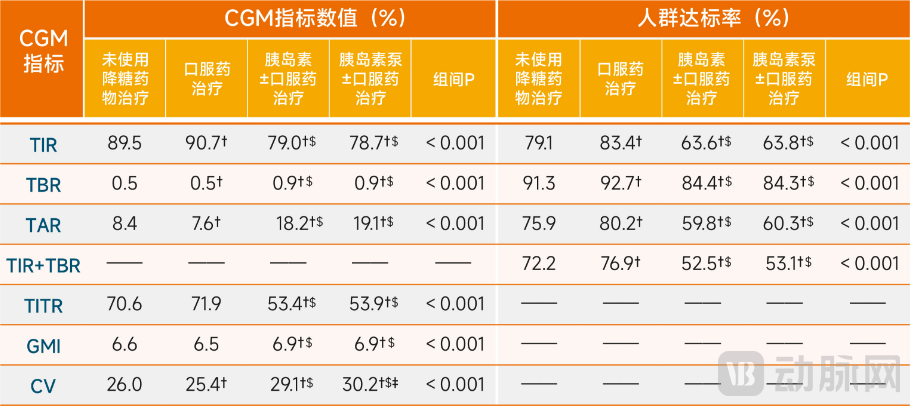
In patients with type 2 diabetes, the rates of achieving targets for time in range (TIR), time below range (TBR), and the composite target (TIR+TBR) were 83.4%, 92.7%, and 76.9%, respectively, among those treated with oral medications; and 63.6%, 84.4%, and 52.5%, respectively, among those treated with insulin ± oral medications.
Among patients with type 2 diabetes, those treated with oral medications alone demonstrated superior performance across all continuous glucose monitoring (CGM) metrics, including time in range (TIR), time below range (TBR), time above range (TAR), and the composite TIR+TBR target attainment rate, compared to those treated with insulin/insulin pump ± oral medications. No statistically significant differences were observed in other CGM metrics between the insulin ± oral medication group and the insulin pump ± oral medication group, except for the coefficient of variation (CV). Details are shown in the table below:
Figure: Analysis of CGM Metrics Across Different Treatment Regimens in Patients with Type 2 Diabetes
Note: Among the CGM metrics, GMI is presented as the mean, while all other parameters are presented as medians;†P < 0.008 vs. the group not treated with glucose-lowering drugs,﹩P < 0.008 vs. the oral medication group,‡P < 0.008 vs. the insulin ± oral agents treatment group;
Among patients with type 2 diabetes, the top five regions in terms of Time in Range (TIR) target attainment rates were Qinghai (83.1%), Chongqing (83.0%), Jiangsu (81.0%), Hunan (80.0%), and Sichuan (79.9%). The bottom five regions were Xinjiang (64.8%), Hainan (66.5%), Shanxi (68.2%), Liaoning (70.3%), and Henan (70.4%).
Data Analysis of Gestational Diabetes Mellitus Patients Using CGM in China
A total of 1,852 patients with gestational diabetes mellitus (GDM) wore continuous glucose monitoring (CGM) devices, yielding 3,811 CGM reports. The average number of devices worn per patient was 2.1, and the mean age was 32.8 years. Regarding treatment regimens, 1,364 patients (73.7%) did not receive oral hypoglycemic agents, 419 patients (22.6%) were treated with insulin, and 69 patients (3.7%) received treatment via insulin pump.
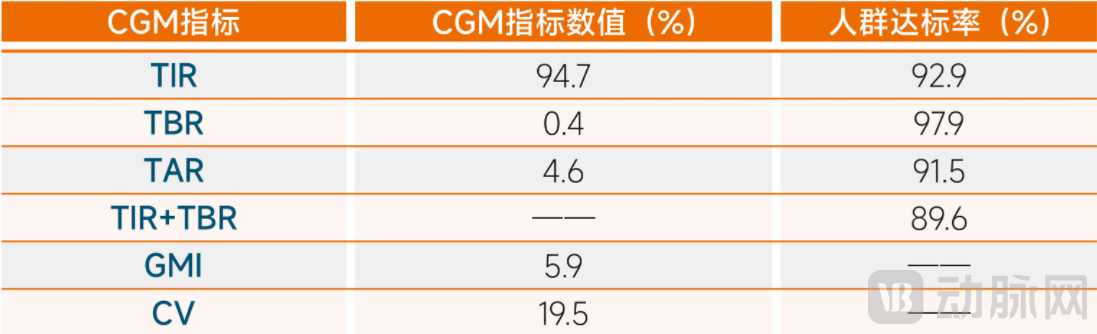
CGM metrics for patients with gestational diabetes mellitus are as follows: the median time in range (TIR) was 94.7%, and the median time below range (TBR) was 0.4%. In terms of target attainment rates, the TIR target attainment rate was 92.9%, the TBR target attainment rate was 97.9%, and the combined TIR+TBR target attainment rate was 89.6%. Details are shown in the table below:
Figure: Analysis of CGM Metrics in the Overall Population of Patients with Gestational Diabetes Mellitus
Note: Among the CGM metrics, GMI is expressed as the mean, while all other parameters are expressed as medians;
In patients with gestational diabetes mellitus, those not treated with glucose-lowering medications demonstrated superior levels of time in range (TIR), time above range (TAR), glucose management indicator (GMI), and coefficient of variation (CV), as well as higher attainment rates for all continuous glucose monitoring (CGM) metrics, compared to other treatment regimens. Details are shown in the table below:
Figure. Analysis of CGM Metrics in Patients with Gestational Diabetes Mellitus Under Different Treatment Regimens
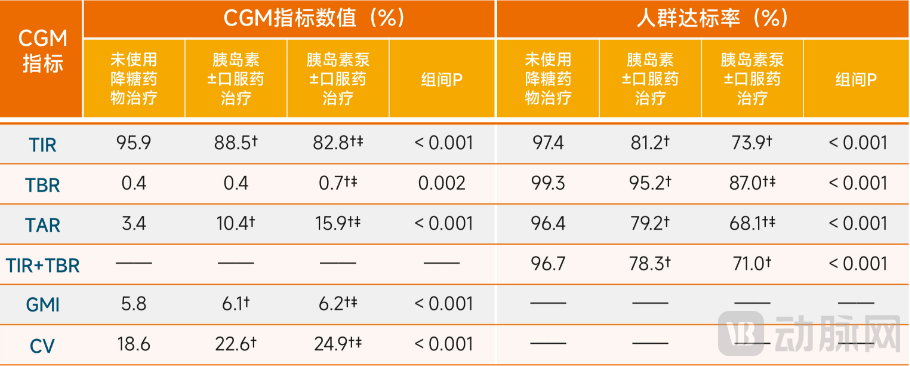
Note: Among the CGM metrics, GMI is expressed as the mean, while all other parameters are presented as medians;†P < 0.01 vs. the group not treated with glucose-lowering drugs,‡P < 0.01 vs. the insulin treatment group:
Analysis of Data on Non-Diabetic CGM Users in China
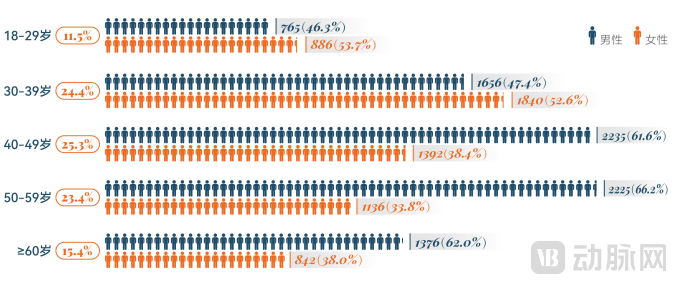
A total of 14,353 non-diabetic individuals wore CGM devices, contributing 21,545 CGM reports, with an average of 1.5 devices per person. Among them, there were 8,257 males (57.5%) and 6,096 females (42.5%), with a mean age of 45.6 years. The age and gender characteristics of non-diabetic CGM users in China are shown in the figure below:
Figure. Age and sex characteristics of the non-diabetic population
CGM Metrics in Non-Diabetic Individuals: The median TIR was 97.0%, and the median TITR was 88.9%. Details are shown in the table below:
Figure CGM Metric Values in Non-Diabetic Individuals
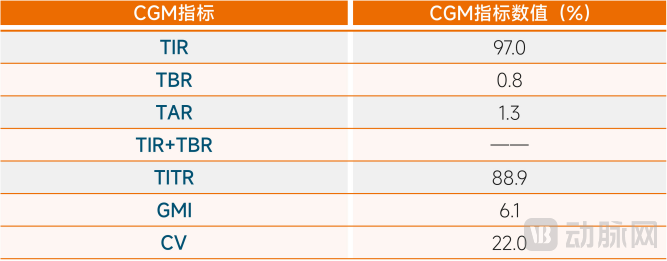
Note: Among the CGM metrics, GMI is presented as the mean, while all other parameters are presented as medians;
Implications of This Research Report
For CGM to achieve large-scale adoption and bring about transformative innovation in diabetes management, it must be the result of collaborative efforts by all stakeholders in the industry ecosystem, including physicians and nurses, patients, developers of expert consensus statements and clinical guidelines, enterprises, and government entities.
This report presents China’s first high-quality, large-scale CGM dataset, providing insights into the current real-world application of CGM in the country. One of the key objectives of Healthy China 2030 is to strengthen prevention by shifting the focus of chronic disease management from treatment to prevention. By empowering physicians and patients to precisely manage diabetes, CGM helps accelerate the achievement of the Healthy China 2030 goals.
The above is an excerpt of the main content of the report. The complete framework of the report is as follows:
Chapter 1 Industry Insights: SugarDiabetes Management Enters a New Phase
1.1 PersonGroup Profile: Rising Prevalence of Type 2 Diabetes and Significant Trend Toward Younger Onset
1.2 Evolution of Tools: CGM Ushers in the Era of Precision Diagnosis and Treatment 2.0 for Diabetes Management
1.3 Evolution of Guidelines: Emphasis on Individualized Concepts and Gradual Standardization of Application
Chapter 2 CGM Wearers in ChinaPatients with DiabetesData Analysis
2.1 Description of Report Data and Research Methodology
2.1.1 Data Sources and Description of CGM Metrics
2.1.2 Statistical Methods and Description of Sample Selection for Regional Analysis
2.1.3 Overview of Data
2.2 Analysis of Data on Type 1 Diabetes Patients Using CGM in China
2.2.1 Analysis of Basic Characteristics
2.2.2 Analysis of CGM Metrics in the Overall Population
2.2.3 Analysis of CGM Metrics by Sex
2.2.4 Analysis of CGM Metrics in Populations with Different Disease Durations
2.2.5 Analysis of CGM Metrics by Treatment Regimen
2.2.6 TIR Target Achievement Rates in Populations Across Different Regions
2.3 Analysis of Data from Chinese Patients with Type 2 Diabetes Using CGM
2.3.1 Analysis of Basic Characteristics
2.3.2 Analysis of CGM Metrics in the Overall Population
2.3.3 Analysis of CGM Metrics by Sex
2.3.4 Analysis of CGM Metrics Across Different Age Groups
2.3.5 Analysis of CGM Metrics in Populations with Different Disease Durations
2.3.6 Analysis of CGM Metrics by Treatment Regimen
2.3.7 TIR Target Achievement Rates Across Populations in Different Regions
2.4 Analysis of Data on Gestational Diabetes Mellitus Patients Using CGM in China
2.4.1 Analysis of Basic Characteristics
2.4.2 Analysis of CGM Metrics in the Overall Population
2.4.3 Analysis of CGM Metrics by Treatment Regimen
ThirdChapter Non-Diabetic CGM Users in ChinaDataAnalysis
3.1 Analysis of Basic Characteristics
3.2 Analysis of CGM Metrics
No.Chapter Four Insights from Digital Management of CGM
4.1 Insights from Data on the CGM-Wearing Population
4.2 Implications of CGM for Stakeholders in the Industrial Ecosystem
Please scan the QR code to add the assistant and obtain the full report. If you have already added the assistant, please initiate a conversation to request it:

References:
1.International Diabetes Federation(IDF):"IDF Diabetes Atlas"10Edition.
2.Guo Lixin,Wu Jing:"The Diabetes Map of China".
3.Jia Weiping, Zhou Jian, Bao Yuqian.Continuous Glucose Monitoring[M]. Shanghai: Shanghai Scientific and Technical Publishers,2017.
4.Chinese Diabetes Society, Chinese Medical Association. China2Guidelines for the Prevention and Treatment of Type Diabetes (2020(Year Edition)[J]. Chinese Journal of Diabetes,2021,13(4):315-409.
5.Chinese Diabetes Society.Guidelines for the Clinical Application of Blood Glucose Monitoring in China (2021Edition)[J].Chinese Journal of Diabetes, 2021, 13(10):936-948.
6.American Diabetes Association Professional Practice Committee.Standards of Medical Care in Diabetes—2020[J].Diabetes Care December 2019, Vol.43:S1-S212.
7.Bergenstal R M, Beck R W, Close K L, et al. Glucose Management Indicator (GMI): A New Term for Estimating A1C From Continuous Glucose Monitoring[J]. Diabetes Care, 2018,41(11):2275-2280.
8.Battelino T, Danne T, Bergenstal RM, et al. Clinical targets for continuous glucose monitoring data interpretation: recommendations from the international consensus on time in range[J]. Diabetes Care, 2019, 42(8): 1593-1603.
9.Kong A, Lim S, Yoo SH, et al. Asia-Pacific consensus recommendations for application of continuous glucose monitoring in diabetes management[J]. Diabetes Res Clin Pract, 2023, 201: 110718.
10.Mo Y, Ma X, Lu J, et al. Defining the target value of the coefficient of variation by continuous glucose monitoring in Chinese people with diabetes[J]. J Diabetes Investig, 2021, 12(6):1025-1034.
11.Blonde, L., et al., American Association of Clinical Endocrinology Clinical Practice Guideline: Developing a Diabetes Mellitus Comprehensive Care Plan-2022 Update. Endocr Pract, 2022. 28(10): p. 923-1049.
12.American Diabetes Association Professional Practice Committee.Standards of Medical Care in Diabetes-2024[J]. Diabetes Care, 2024, 47(Suppl 1):S1-S321.