

Bosun Medical's X1 Platform Receives Full Regulatory Approval: 3D 4K Fluorescence Endoscopy System Set for Clinical Deployment
Recently, Bosheng Medical’s X1 console and 3D 4K fluorescence ultra-high-definition electronic thoraco-laparoscope received regulatory approval. To date,Bosheng Medical’s X1 Endoscopy Platform, featuring integrated 3D 4K fluorescence capabilities, has officially received clinical approval. The main unit and its accompanying series of products, including the 3D electronic endoscope and 4K camera, have all obtained regulatory certification.The X1 platform integrates 3D, 4K, and fluorescence technologies, effectively meeting clinical demands for high-definition imaging, stereoscopic visualization, and precise localization. Notably, the X1 main unit adopts an all-in-one design, a first in China, with a built-in fluorescent cold light source and video recorder, enabling multiple functions in a single device.
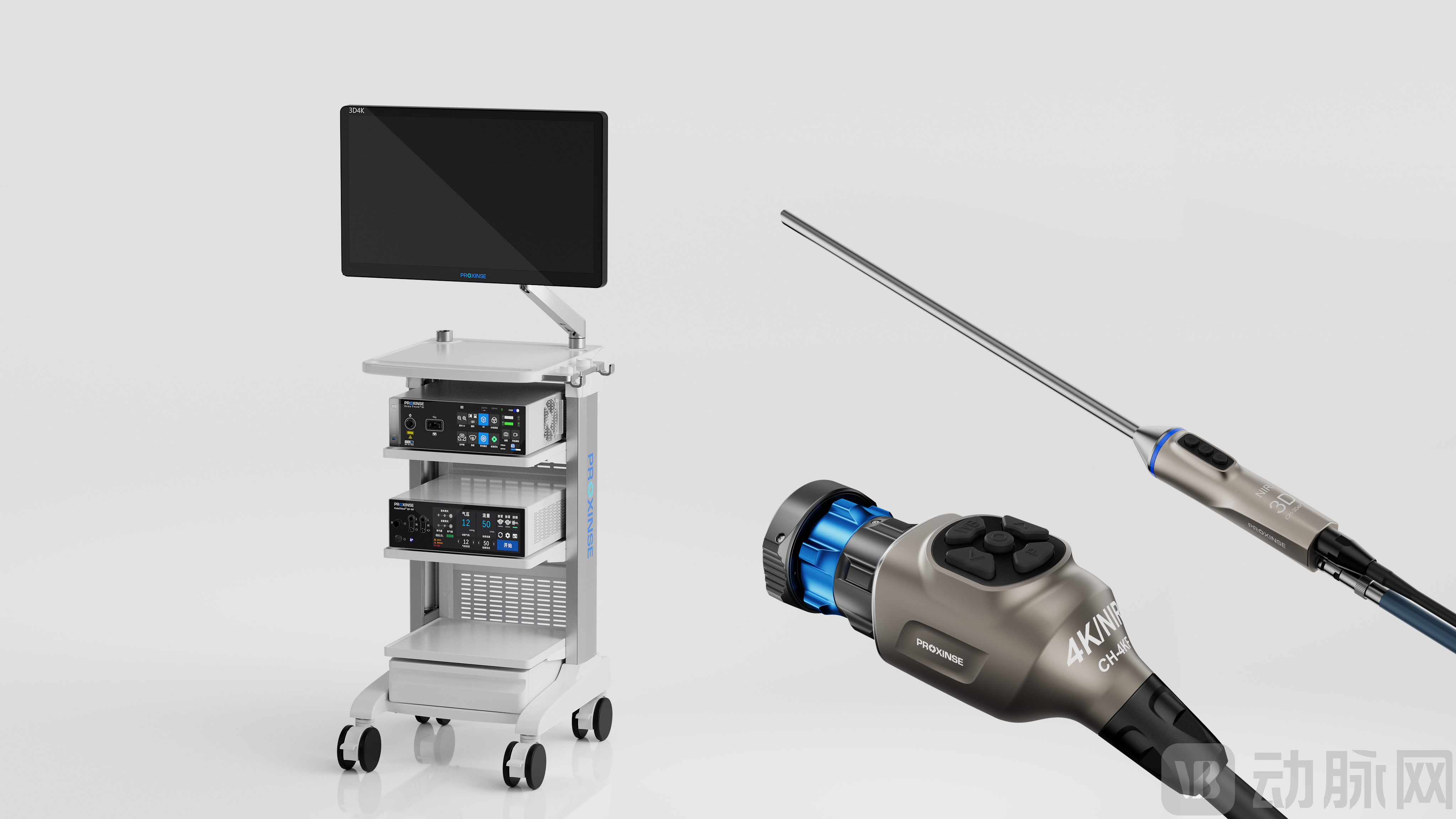
Following the 2021 launch of the PX-850 platform medical endoscopy system with its ALL-IN-ONE design (supporting 4K ultra-high-definition endoscopes, 3D full-HD electronic laparoscopes, and 1080P optical/electronic endoscopes), the more integrated X1 platform has officially received regulatory approval. Once again, Bosheng Medical has demonstrated its innovation strength and efficient product commercialization capabilities through differentiated product design. In line with the major trend toward combination products in endoscopy, the X1 platform—integrating 3D, 4K, and fluorescence imaging functionalities—will provide clinicians with more efficient diagnostic and therapeutic tools, further promoting the widespread adoption of endoscopic technology.
Endoscopy is driving clinical diagnosis and treatment toward minimally invasive precision. In recent years, minimally invasive surgery in China has developed rapidly, with the number of procedures exceeding ten million, thereby boosting the application of endoscopes. Endoscopic technology is also continuously upgrading, mainly showing three major development trends: first,From 1080P to 4K, with higher imaging clarity; secondly,From 2D to 3D, with a stronger three-dimensional effect; thirdly,Fluorescence Technology Aids in Tissue Identification and Precise Lesion LocalizationMeanwhile, with the growth and decentralization of clinical endoscopy volume, along with the diversification of clinical cases, the demand for endoscopic technology is becoming increasingly comprehensive, driving endoscopy systems toward modular configurations.
Endoscopic systems integrating 3D, 4K, and fluorescence capabilities represent the ultimate form of current endoscopy technology., which has also become a key focus of R&D for endoscopy companies both domestically and internationally. In clinical diagnosis and treatment, 3D 4K fluorescence endoscopy systems can meet the diverse needs of various departments and facilitate seamless switching between endoscopic examination modes. Meanwhile, the combination of 3D and 4K fluorescence technologies provides clinicians with high-definition, stereoscopic, and near-realistic image visualization, thereby improving clinical diagnostic and therapeutic efficiency. Furthermore, integrated endoscopy systems can reduce hospitals’ procurement and operational costs while simplifying management and maintenance. From a market perspective, multinational giants have established high entry barriers and hold significant market share in the traditional endoscopy sector. However, leveraging innovative technologies and product strategies, domestic enterprises are poised to capture market share and promote adoption at the primary care level.
However, 3D 4K fluorescence endoscopy systems not only test a company’s accumulated expertise across various technical modules but also challenge its capabilities in system integration and process design. Consequently, there are still few 3D 4K fluorescence endoscopy systems available on the market, and no true all-in-one devices have yet emerged.
Shenzhen Bosheng Medical Technology Co., Ltd. stated: “In clinical practice, fluorescence endoscopy systems operate in multiple modes, requiring coordination between the main unit and the fluorescence light source. Meanwhile, the split-type design means that the three devices—the main unit, fluorescence light source, and video recorder—occupy considerable space on the instrument trolley. When an insufflator is also required, there is insufficient room left for surgical instruments. Furthermore, the multiple devices come with different power cords, which may lead to incorrect connections during preoperative preparation, thereby affecting the normal conduct of surgery.”
As an innovative leader in the field of 3D electronic endoscopy, Bosheng Medical boasts a solid technological foundation and has pioneered depth-adaptive technology in the 3D domain. The company’s PX-850 system previously adopted an ALL-IN-ONE design and has undergone continuous upgrades, with the latest version achieving 4K resolution 3D image output. The X1 platform features an entirely new design. In addition to breakthroughs in core technologies such as 3D imaging, 4K resolution, and fluorescence imaging, the company has successively overcome challenges related to electromagnetic interference from cold light sources, host unit heat dissipation, operational noise, and manufacturing processes to achieve comprehensive system integration.
Bosheng Medical's X1 system achieves true integration. The X1 main unit integrates a fluorescence cold light source and a video recorder, and is compatible with 3D 4K fluorescence electronic thoraco-laparoscopes, 4K fluorescence/white light camera heads, and other devices, achieving true 4K resolution. Meanwhile,The X1 host is equipped with only four cables, each corresponding to a specific port., thereby preventing incorrect cable connections. Furthermore,The X1 host has a defibrillation-proof CF-type electric shock protection rating., suitable for cardiac surgery; the device operates normally even when the patient is undergoing defibrillation.
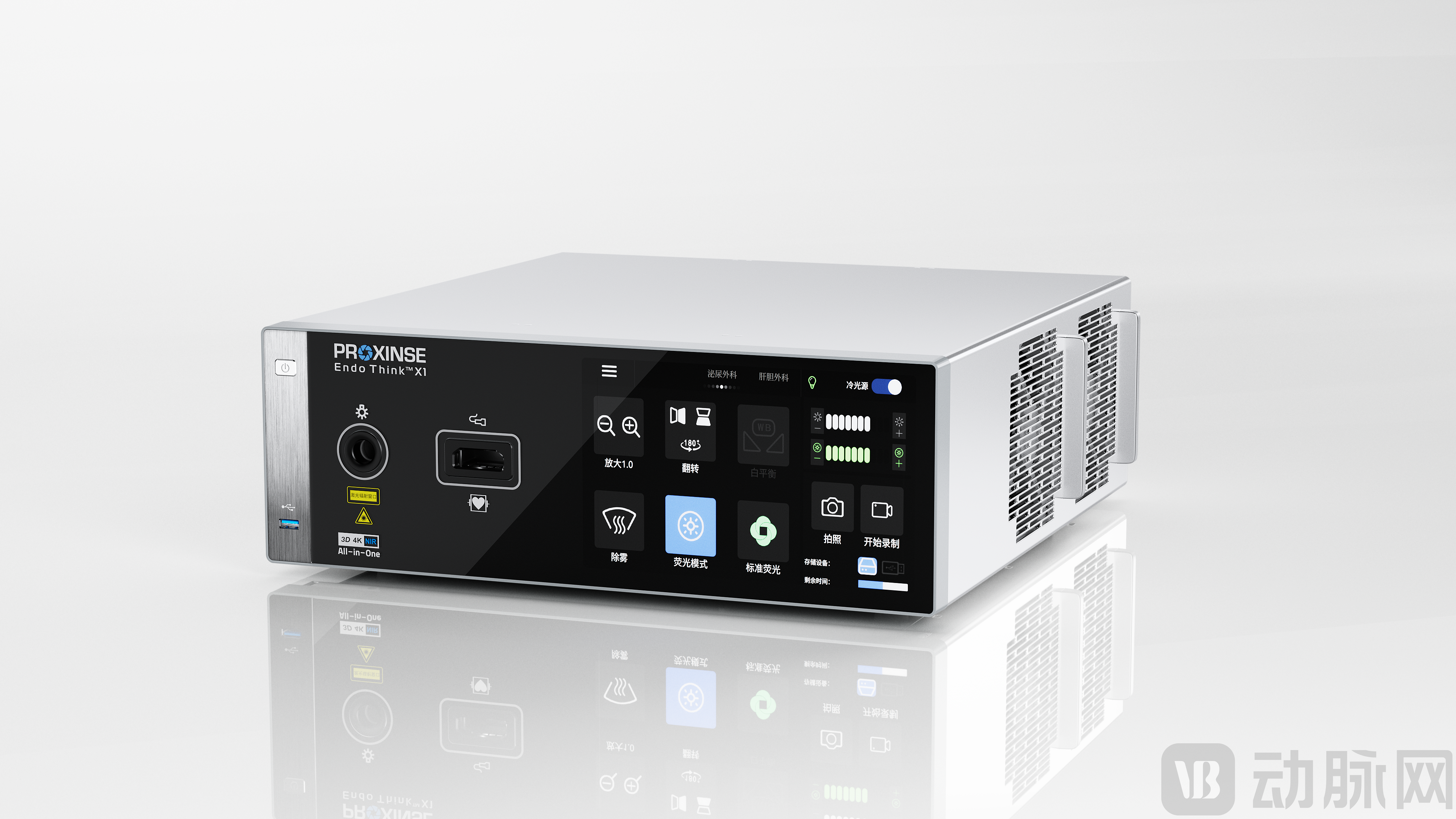
From a "people-centric" perspective, Bosheng Medical has also optimized the design of its X1 console. For example,Up to 100 surgical modes can be preset in the system., doctors do not need to reset parameters before each use, saving preoperative preparation time; for example, the main unit can automatically identify the type of endoscope handle and switch to the corresponding mode, andSupports one-click switching between 3D/2D and hot-swapping, facilitating the switching of imaging types based on actual clinical conditions.
Currently, the X1 console is applicable to multiple departments, including hepatobiliary surgery, gastrointestinal surgery, thyroid and breast surgery, cardiothoracic surgery, neurosurgery, otolaryngology, urology, gynecology, and orthopedics. It is compatible with optical lenses from various brands, offering a wide range of applications.
The X1 platform fully mobilizes and integrates various specialized segments to maximize their respective advantages, while Bosheng Medical has also achieved further upgrades at the individual product level.The X1 host is compatible with Bosheng Medical’s self-developed 3D 4K fluorescence ultra-high-definition electronic thoracoscopic and laparoscopic systems, 3D ultra-high-definition electronic thoracoscopic and laparoscopic systems, 4K fluorescence endoscope cameras, and 4K endoscope cameras.。
The company’s 3D 4K fluorescence ultra-high-definition electronic thoraco-laparoscope features a front-end design with dual high-sensitivity 3840×2160P CMOS image sensors, delivering an immersive sense of depth. The dual-CMOS technology enables separate imaging of input white light and near-infrared light, achieving higher clarity. Meanwhile, the CMOS image sensors feature sub-micron-level pixels, reaching an internationally leading standard. Furthermore, thisThe product features Bosheng Medical’s proprietary depth-adaptive technology, which enables real-time monitoring and feedback on tissue receptivity, automatically adjusting endoscopic imaging to fall within the human eye’s comfortable 3D viewing zone, thereby reducing operator dizziness and visual fatigue.。
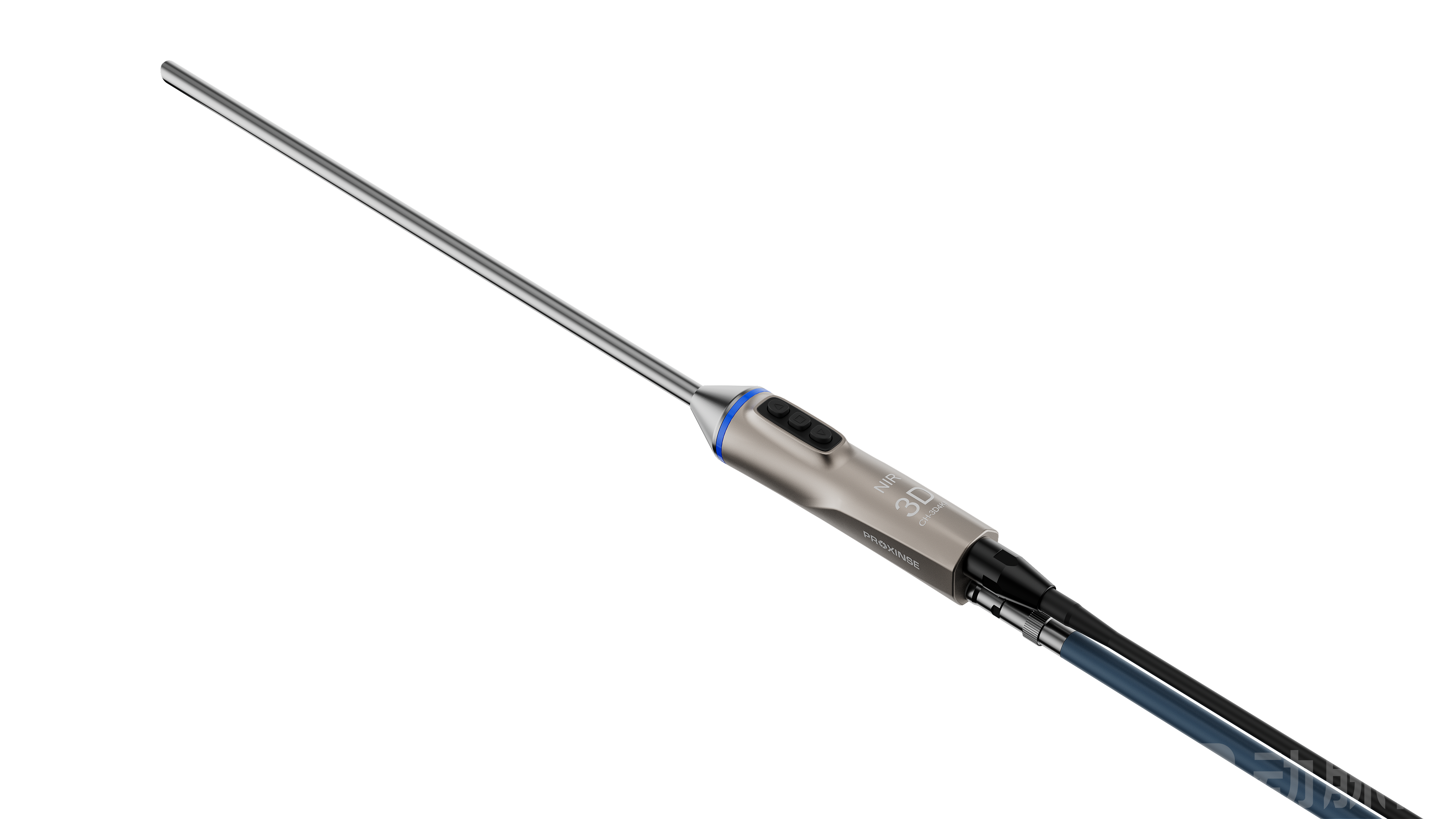
The 3D 4K fluorescence ultra-high-definition electronic thoraco-laparoscope is available in multiple working lengths, with a maximum of 600 mm, making it more suitable for bariatric surgery and robotic surgery in super-obese patients. It features defibrillation-proof CF-type electrical protection, allowing for use in both thoracoscopic and laparoscopic procedures, thereby broadening its application range. Furthermore, the camera head is lightweight and exhibits excellent thermal control, remaining cool even during prolonged use.
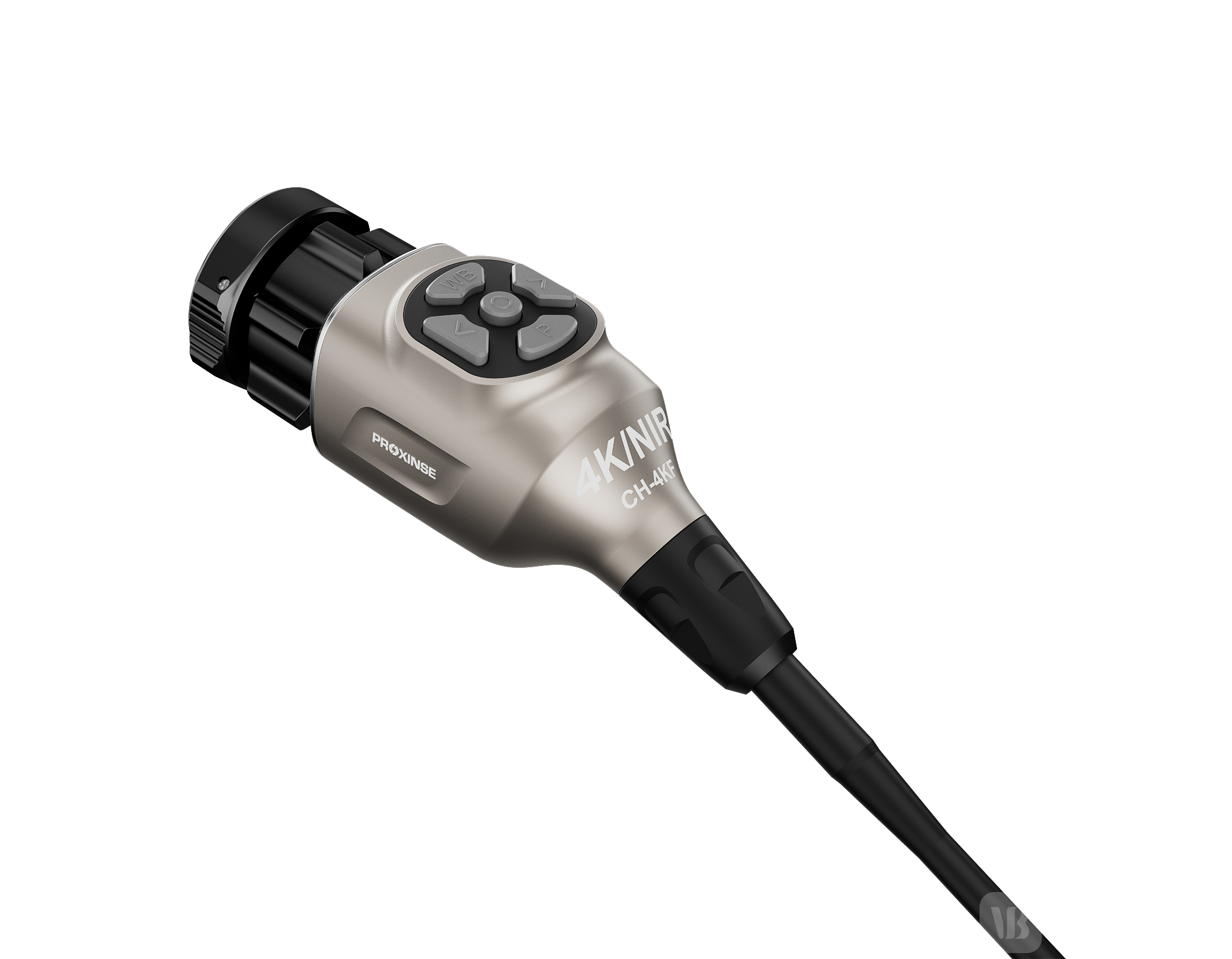
Bosheng Medical’s 4K fluorescence camera achieves end-to-end 4K image acquisition, with an image resolution of 3840×2160p, which is four times that of traditional high-definition endoscopes. Moreover,Fluorescence imaging supports both single-mode and multi-mode operations, offering four distinct modes: black-and-white fluorescence, standard fluorescence, color fluorescence, and original image. Physicians can select the appropriate mode based on clinical requirements.. In the field of 4K cameras, Bosheng Medical holds multiple research patents. For instance, its HDR patent technology enables clear differentiation and presentation of dark and bright areas in images, ensures excellent color fidelity, and eliminates glare from surgical instruments.
In addition to the endoscope host and lens, Bosheng Medical has also developed supporting CO2Pneumoperitoneum Insufflator: Used to establish artificial pneumoperitoneum, providing ultra-high flow rates and uniform insufflation. The device features overpressure alarm, overpressure release, gas heating, as well as automatic defogging and smoke evacuation capabilities.
During the development of the X1 platform, Bosheng Medical has consistently adhered to independent research and development, accumulating a robust portfolio of patents in optical hardware and software algorithms. Consequently, the company can rapidly respond to customer requirements and feedback, refining product details and design to continuously meet clinical needs. Bosheng Medical also repeatedly emphasizes the importance of in-house R&D: “If endoscopy systems were built by procuring external solutions, there would be limited room for product adjustment, and the company would be constrained by suppliers. Whether addressing complex clinical demands or ensuring the enterprise’s sustainable development, we must firmly maintain control over core technologies.”
After obtaining clinical “approval,” the X1 platform will undergo large-scale trials to gather extensive clinical feedback. The company boasts a strong clinical foundation; in the past year alone, over 700 hospitals trialed the PX-850 platform, with clinical experts unanimously endorsing its integrated design. This has laid a solid groundwork for the promotion of the X1 platform.
Meanwhile, leveraging the X1 platform architecture, Bosheng Medical will continuously introduce new technologies and optimize product design. Guided by the concept of precision diagnosis and treatment, the company is steadily promoting the integration of endoscopic equipment with AI technology to further enhance surgical efficiency and safety.