

Readline Biotech: Powering the Green Active Ingredients Revolution with Synthetic Biology
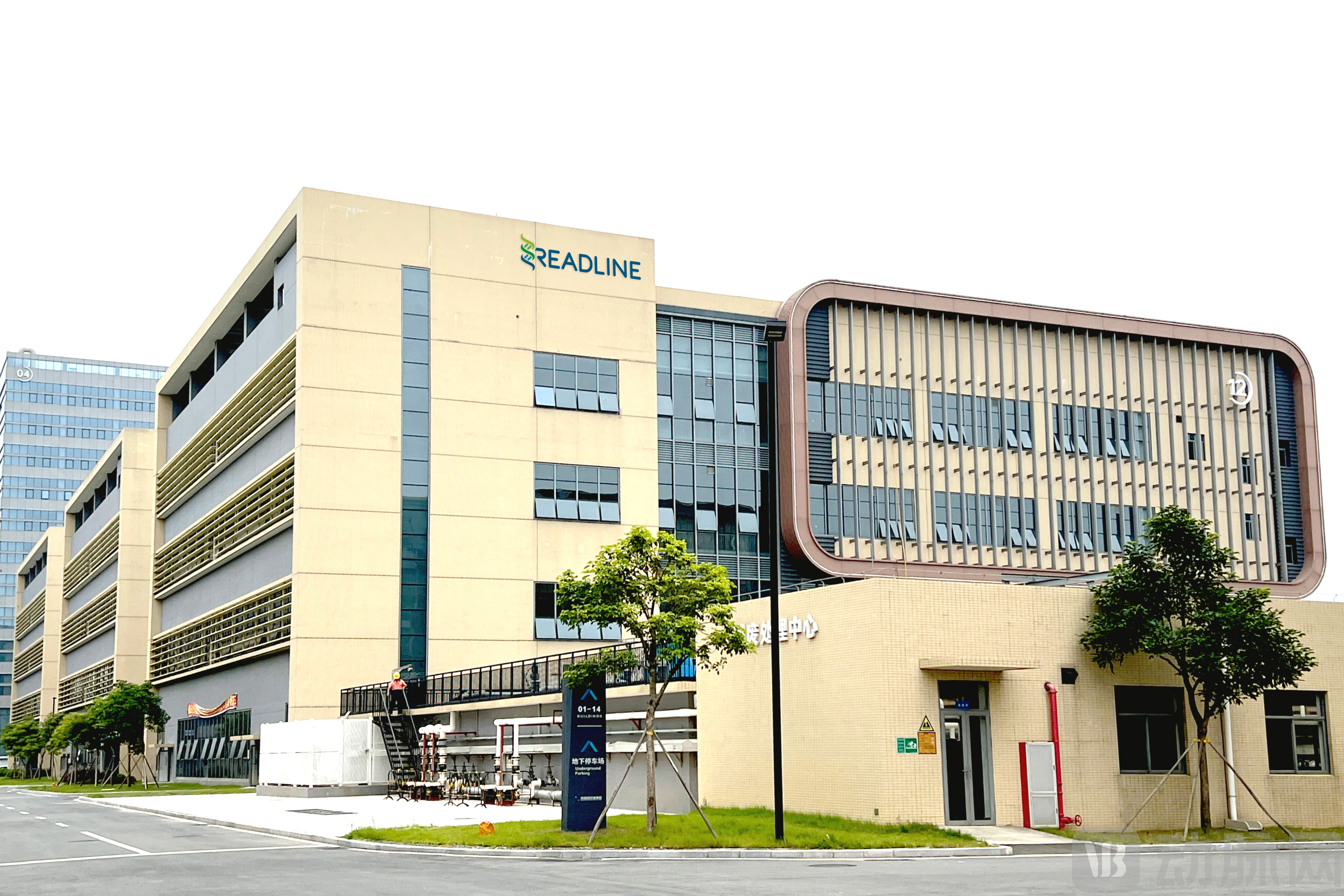
Building B of Chuangyi Technology Tower, located on Keji Zhong 1st Road in Yuehai Subdistrict, Nanshan District, has recently become bustling once again.
Most visitors are venture capital (VC) and private equity (PE) firms, along with numerous domestic and international beauty brands of all sizes. The former have a straightforward objective: to secure a seat at the table before an IPO. The latter share a clear vision: to incorporate the hottest and most premium star ingredients into their products, thereby enhancing efficacy and boosting sales appeal.
Nestled on the 21st floor of Tower B, Chuangyi Technology Building, this company has become an “addiction” for investors—once they invest, they can’t help but want to invest more.
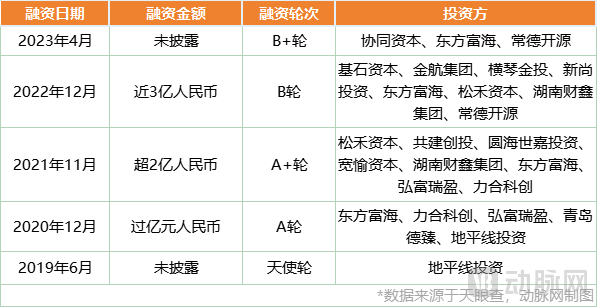
Since its establishment in August 2017, the company has secured cumulative financing exceeding RMB 700 million, backed by nearly 20 renowned investors. Many existing shareholders have continuously increased their investments, with Oriental Fortune Capital (Dongfang Fuhai) being a particularly staunch supporter, having participated aggressively in four consecutive funding rounds.
Unlike many startups that are deeply engrossed in business operations, the founders of this company devoted significant energy during its early stages to building an R&D management system, cultivating talent and corporate culture, and designing the organizational structure. Leveraging its unique philosophy and systems, the company has attracted a wealth of talent over the years, assembling a team of nearly 500 employees. More than 60% of these employees are engaged in R&D, and nearly 50% hold master’s degrees or higher.
In August 2023, the company stood out among numerous teams from Fortune Global 500 enterprises, becoming the only startup among the 25 recipients of the “High-Performance Innovation Team” award selected by Harvard Business Review. Additionally, it has been honored with titles such as National High-Tech Enterprise, Specialized and Sophisticated “Little Giant” Enterprise, Shenzhen Specialized and Sophisticated SME, Shenzhen Postdoctoral Innovation Practice Base, Zhuhai Innovation and Entrepreneurship Team, Gansu Specialized and Sophisticated SME, Top 30 Fast-Growing Medical Companies in Shenzhen (2020), and Top 100 High-Growth Enterprises in Shenzhen (2022).
This “giant” of green active ingredients, which has rapidly risen in the field of synthetic biology, isREDLINE(hereinafter referred to as “REDLINE”)。
Unlike the frenzied gold rush seen today, synthetic biology ten years ago was as silent as ore deposits buried deep within mountains.
At that time, Liu Jian, who had risen from a frontline R&D engineer to Group Vice President at a publicly listed pharmaceutical company, had been deeply engaged in the field of peptide drugs for nearly two decades. In his view, peptides naturally participate in metabolic activities within the body, offering a high safety profile; furthermore, their well-defined mechanisms of action are supported by extensive research data, making them highly promising health products with significant potential in the consumer market. However, constrained by the mainstream chemical synthesis technologies available at the time, peptide products generally suffered from high manufacturing costs and limited production scales, restricting their applications primarily to the pharmaceutical sector.
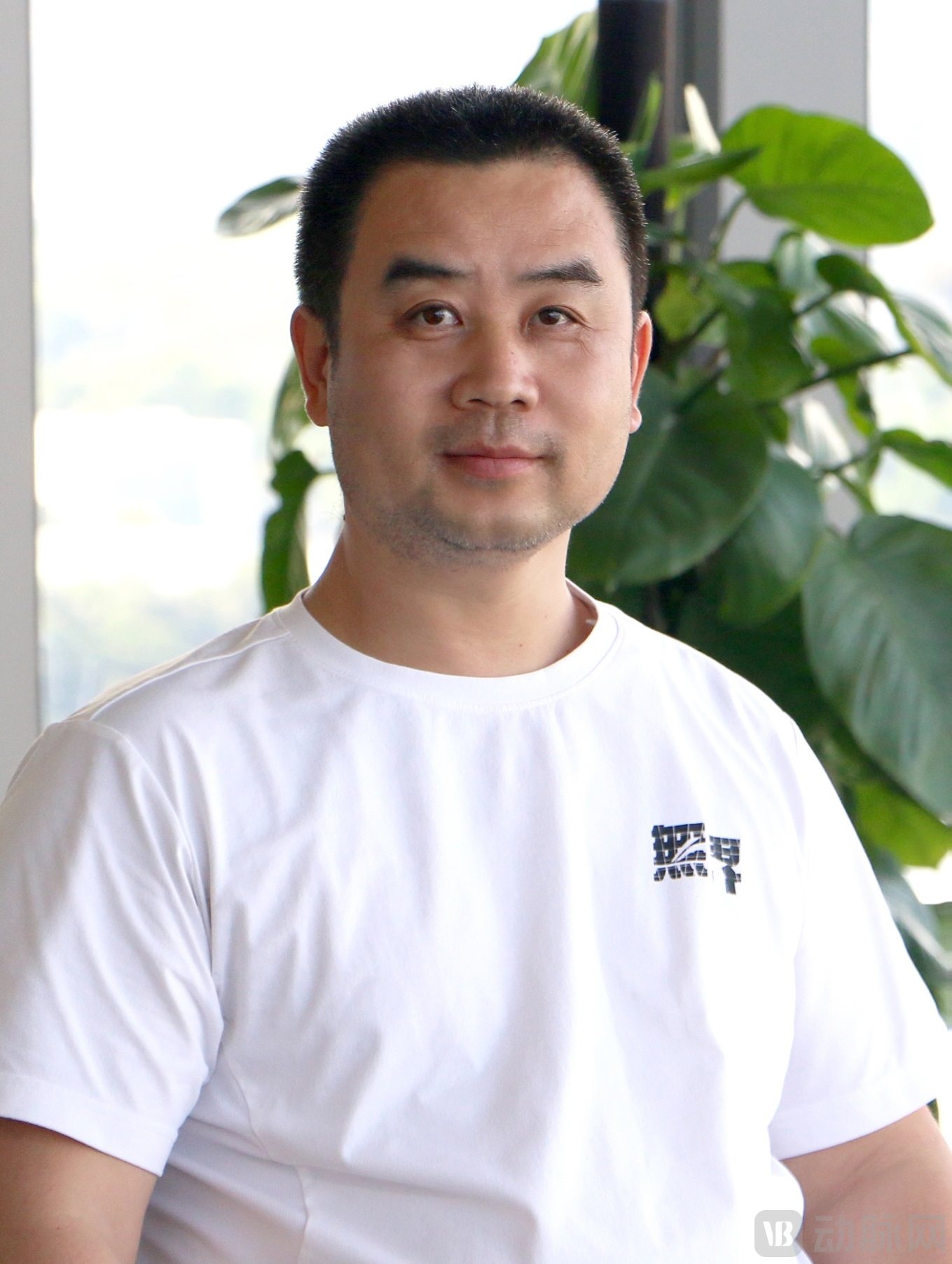
Liu Jian, Co-founder & CEO of REDLINE
“Why can’t such an excellent product be applied to a larger consumer market?” So he began to explore solutions.
During a chance conversation, Liu Jian and Dr. Huang Hua, who would later become the co-founder and chief scientist of REDLINE, instantly hit it off. They shared the conviction that next-generation biosynthesis technologies, represented by enzymatic catalysis, offer the optimal approach to reducing costs and enhancing efficiency in peptide production.
The seed of entrepreneurship was thus sown in his heart.
In 2016, when Huang Hua returned to China from the United States, Liu Jian decisively resigned, forsaking an annual salary of millions and substantial equity stakes, to join forces with Huang Hua in actively preparing for the venture’s launch. In 2017, Liu Jian, as the founder, together with Huang Hua and four other partners, officially embarked on their entrepreneurial journey.
In that autumn, when the fragrance of golden osmanthus filled the air, this group of like-minded young people could not have foreseen that the gears of fate had begun to turn. Young REDLINE also embarked on its journey to become the world’s first company to achieve large-scale production of peptides using synthetic biology technology.
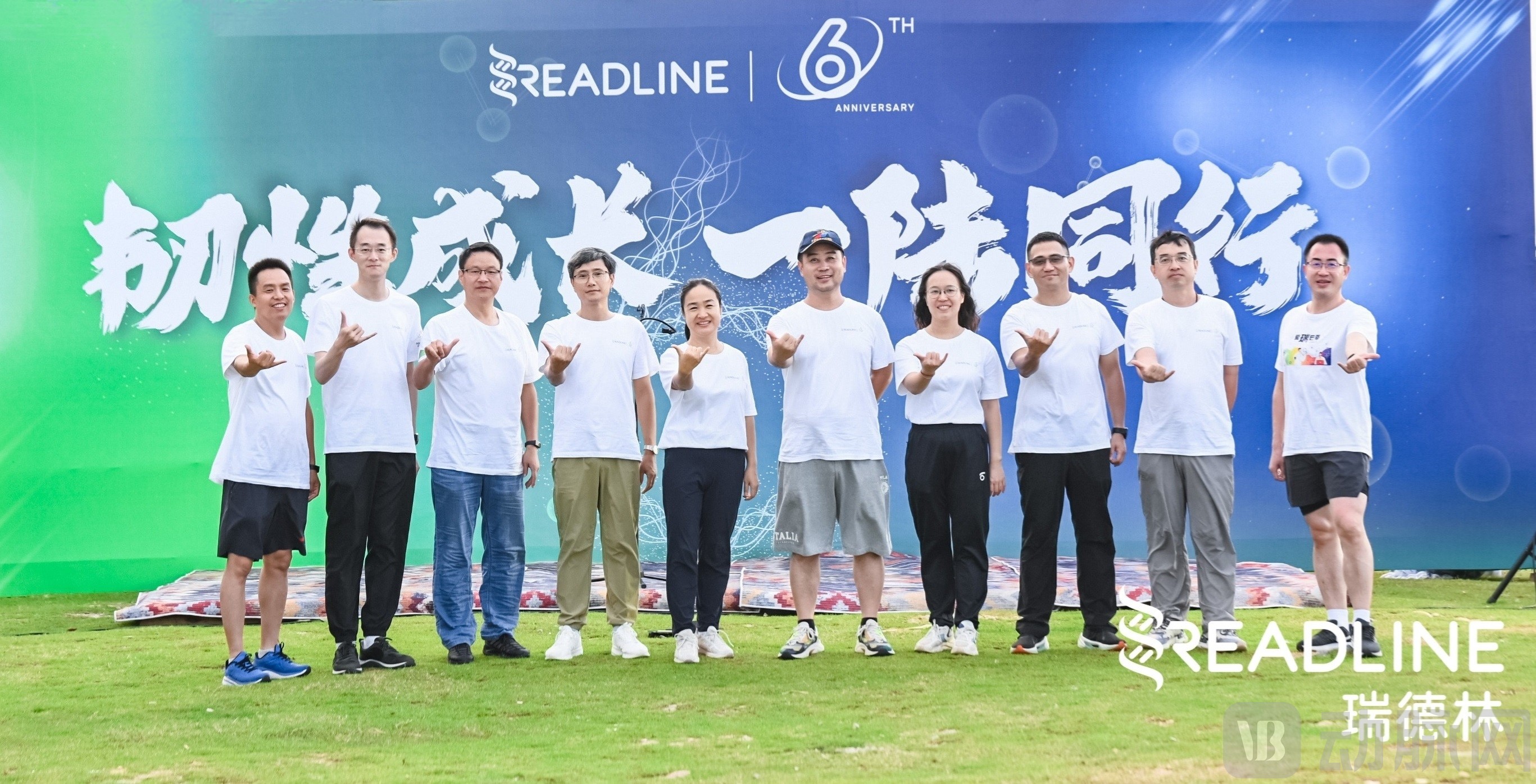
REDLINE EMT Team
At the inception of REDLINE, Liu Jian did not rush to launch business operations; instead, he devoted substantial time and energy to building the organizational structure and management systems.
He candidly stated that, on the one hand, the team was continuously engaged in research during the early stages of the startup, which prevented the launch of specific business operations. On the other hand, synthetic biology is a talent-driven industry; to achieve breakthrough progress with full dedication and undivided attention, technological advancement requires the support of robust management systems. Therefore, in the initial phase of the venture, he adopted“Dual-Leadership Entrepreneurship,” “Symbiotic Teams,” and the “Partnership System”...and a series of innovative management systems to address potential future challenges. These forward-looking management concepts and systems have indeed served as the sails propelling REDLINE on its long-distance voyage.
According to REDLINE, synthetic biology companies require not only R&D personnel in front-end laboratories but also engineers and experts with extensive experience in industrialization, as well as an operations team with keen market insight and judgment. And“Dual-Leadership Entrepreneurship”This approach avoids the “top-heavy” structure that results from being dominated by a single scientist or manager. Although this system has matured in regions such as Israel and Silicon Valley in the United States, it has not been widely adopted by Chinese biotechnology companies. REDLINE aims to blaze a trail to establish and root this innovation and entrepreneurship model in China.
Synthetic biology involves the deep integration of multiple disciplines, making the availability of talent closely linked to a company’s R&D and innovation capabilities. Guided by this understanding, REDLINE has consistently adhered to the philosophy of growing together with the industry, enterprises, and entrepreneurs. To avoid bureaucracy and rigidity during periods of rapid growth, REDLINE introduced a partnership system in 2019, aiming to attract, cultivate, and retain top-tier talent in the field.
By “boldly delegating authority,” REDLINE has successfully transformed its team into aAgile Organization, enabling rapid perception of and response to changes in the external environment. This flexible organizational structure and efficient talent management strategy also provide a strong guarantee for REDLINE's continuous innovation in the field of synthetic biology.
Liu Jian believes that,Every employee at REDLINE is an entrepreneur, and every entrepreneur is a partner.Therefore, in terms of organizational management, a three-tier flat management system is implemented, namely “Founder – VPs of Various Business Lines – All Entrepreneurs.” This system ensures that decision-making authority is delegated to the frontline."Let Those Who Hear the Gunfire Make the Decisions". Meanwhile, REDLINE will dynamically adjust and upgrade its organizational structure in response to the company’s evolving needs, personnel changes, business development, and environmental shifts, thereby rapidly adapting to market changes and enhancing organizational efficiency and innovation capabilities.
It is reported that its core technical team comprises more than 30 technical leaders from fields such as biology, chemistry, materials science, enzyme engineering, fermentation engineering, automation, artificial intelligence, computational science, and software engineering; meanwhile, its core operational team consists of more than 30 mid-to-senior-level executives from Fortune 500 companies or publicly listed firms.
Liu Jian emphasized,The Key to Retaining Talent Lies in Making Employees Feel Happy and Treated FairlyREDLINE places significant emphasis on the feelings and needs of individual talents, prioritizing these aspects far above other factors. At the REDLINE Talent Center, balancing fairness and well-being has become the most critical research topic.
Enzymes are to synthetic biology what photolithography machines are to chips.
Drawing on years of accumulated experience, REDLINE has successfully established an integrated platform for research and development and industrialization.“Green Bio-Intelligent Manufacturing Platform”. The platform encompasses ten technical modules, including biocomputing and artificial intelligence, green chemistry, genetic engineering, enzyme engineering, strain engineering, fermentation engineering, purification engineering, and quality research. It has established a core technological system focused on the discovery, improvement, and application of novel enzymes, guided by the efficient production of “life molecules” and green manufacturing processes.
As a result, REDLINE has become the first company in the industry to integrate AI-driven biological computing into its internal operations, establishing an integrated triad of computing power, algorithm, and data platforms.
In terms of laboratory automation, REDLINE has established a domestically leading high-throughput screening platform capable of automating nine consecutive operational steps and processing over ten thousand samples per day. Currently, REDLINE’s enzyme library exceeds one million entries, with nearly 1,000 enzymes already deployed in practical applications. Liu Jian proudly told VCBeat, “When our company was first founded, ten R&D personnel could only screen and engineer one to two enzymes per year; now, we can engineer thousands annually.”
In June 2023, REDLINE’s intelligent manufacturing facility officially commenced operations. With a construction area of over 11,000 square meters and a total project investment of nearly RMB 200 million, it is REDLINE’s first hundred-ton-scale production base for green active ingredients.Adopting internationally advanced flexible design and intelligent control concepts, it has achieved high-density construction of two 100-ton-scale raw material production lines and one ton-scale pilot line within a limited space, enabling large-scale production of star functional ingredients such as NMN, glutathione, ergothioneine, and carnosine.Upon reaching full production capacity, the annual output value is projected to exceed RMB 400 million.
With the commissioning of its new facility, REDLINE has achieved large-scale, intelligent manufacturing based on synthetic biology technology. Reportedly, the intelligence coverage rate at REDLINE’s new plant exceeds 80%, reducing the demand for operational personnel by at least 50% compared to traditional factories, thereby setting a benchmark within China’s industry.
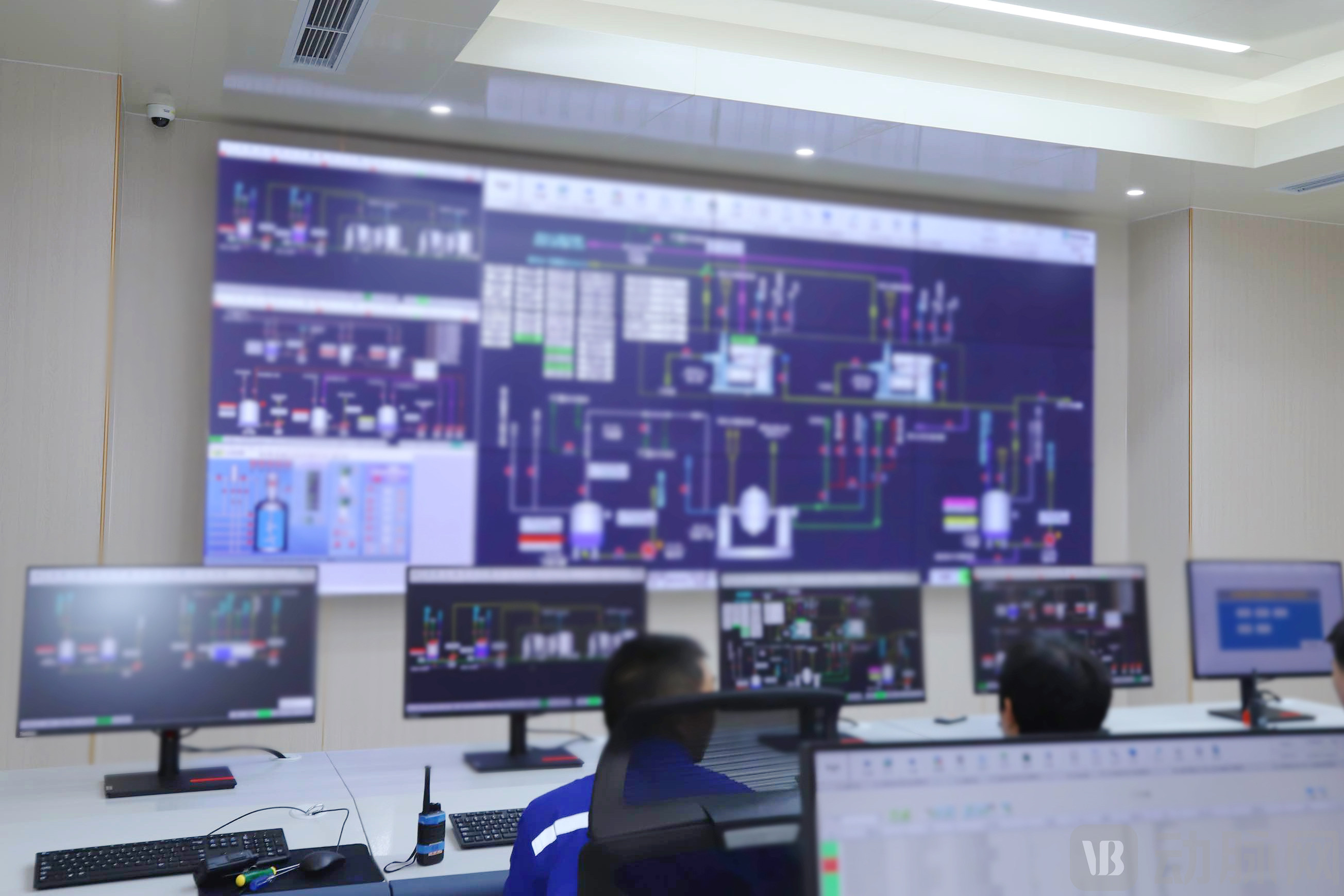
REDLINE's Smart Factory Officially Commenced Operations in June 2023
“Product selection” and “mass production” are the chasms facing every synthetic biology company. The latter, industrial implementation, is even referred to as the “Valley of Death” in synthetic biology, where countless companies with lofty visions and ambitions have failed.
Most fortunate brands have gained prominence by relying on a single blockbuster ingredient, but REDLINE not only boasts a luxurious “full suite” of star ingredients—including S-Booster, semaglutide, blue copper peptide, NMN, carnosine, and ergothioneine—but has also achieved stable, large-scale mass production for all of them.
Why Does REDLINE Have the Ability to Continuously Launch Star Products?
Liu Jian believes that,There is no one-size-fits-all methodology for product selection. Whether in synthetic biology or other industries, there is a scarcity of sensitive and astute product managers, which constitutes an unimitable moat for any enterprise.For instance, founders like Lei Jun and Steve Jobs were inherently top-tier product managers. While many individuals are indeed excellent managers or scientists, they are not necessarily the best product managers. The logic behind product selection follows a similar principle.
For instance, when he first encountered Pro-Xylane, he immediately had an “intuition.” “Given my pharmaceutical background, seeing this product instantly reminded me of omeprazole, a blockbuster gastrointestinal drug in the pharmaceutical sector. Omeprazole has two stereoisomers, and the later-developed S-enantiomer proved more effective than the earlier R-form. At that moment, I instinctively suspected that Pro-Xylane might exhibit a similar scenario.”
However, another question soon arose in Liu Jian’s mind: why did L’Oréal not develop S-type Pro-Xylane? He and his team subsequently traced the reasons, discovering that around the year 2000, synthetic biology technology was still in its infancy and entirely unsuitable for industrial-scale application. At that time, producing S-type Pro-Xylane would have required chemical synthesis, which conflicted with L’Oréal’s commitment to environmental sustainability and green practices.
By the time REDLINE entered the market in 2017, industry technologies had advanced significantly. Liu Jian believed that if the S-enantiomer was superior, the optimal approach would be to identify an enzyme capable of synthesizing exclusively the S-form, thereby eliminating the need to separate out the R-enantiomer. After years of intensive technological breakthroughs, REDLINE successfully achieved this goal. Its flagship pure S-configured Pro-Xylane demonstrates significant advantages over comparable raw materials in terms of efficacy, stability, and penetration, and has gained recognition from hundreds of downstream clients.
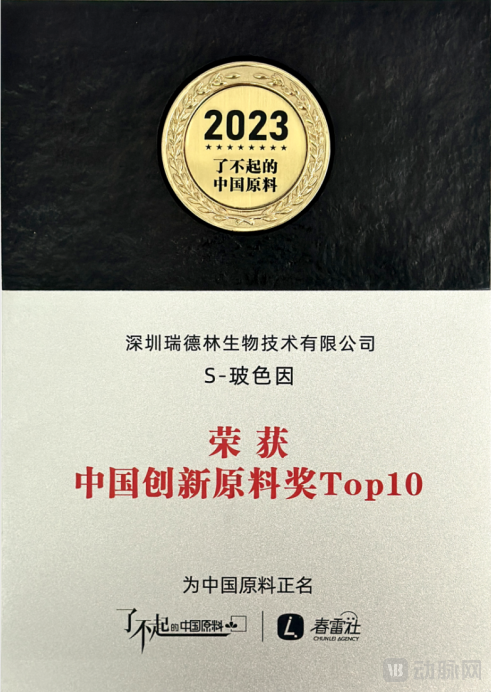
S-Bosein is not only REDLINE’s flagship product, but also a Chinese ingredient with fully independent intellectual property rights.
Returning to REDLINE's product selection strategy, Liu Jian believes“Start-up synthetic biology companies should ‘avoid the good, large products that are right on the table. Good, large products are a tempting trap.’”, because mature or publicly listed companies can rapidly mobilize their own financial resources to quickly enter and operate in the market. “Leverage your own advantages to identify potential products that others cannot see, understand, or clearly assess, and secure early market presence.” This strategy, however, requires an essential invisible support system,Comprehensive industry research and in-depth patent analysis。
Liu Jian recounted to VCBeat several debates that have shaped the development of synthetic biology. The first debate centered on whether to build a platform or develop products. In the early days, many believed that not building a platform was not “sexy” enough, but it was later proven that focusing on products is what enables synthetic biology companies to cross the “valley of death.” The second debate concerned whether to focus on a few major products or a diverse product portfolio; evidence has shown thatSingle-product companies are highly susceptible to operational volatility when various cycles converge.
REDLINE has always maintained that a multi-product strategy is essential for corporate survival, which requires companies to clarify the alignment between R&D and industrialization at the very inception of a project. This includes assessing factors such as whether R&D capabilities and production lines can be shared across different products. In practical business scenarios, REDLINE deliberately focuses its project initiation on life molecules based on amino acids, sugars, and nucleotides, as this combination increases the likelihood of shared production lines during the industrialization phase.
In traditional biofermentation plants, each product corresponds to one or more production lines, and most products cannot share the same line. To address this constraint,REDLINE adopts internationally advanced flexible design and intelligent control concepts, densely constructing two 100-ton-level raw material production lines and one ton-level raw material production line within a limited space. By transforming technological capabilities into market competitiveness through product advantages, it unlocks the potential market space for its products via cost leadership.
As of now,REDLINE has achieved mass production of dozens of green active ingredients, including copper peptides, S-Bosein, ergothioneine, NMN, semaglutide, and carnosine., cumulative total ofEfficacy-based Skincare, Biopharmaceuticals, Nutritional Health, Green Agriculture, New MaterialsandBiopharmaceuticalsproviding end-to-end professional support—from raw materials to formulation application, as well as efficacy and safety evaluation—to more than 1,000 brands and manufacturers in these fields.
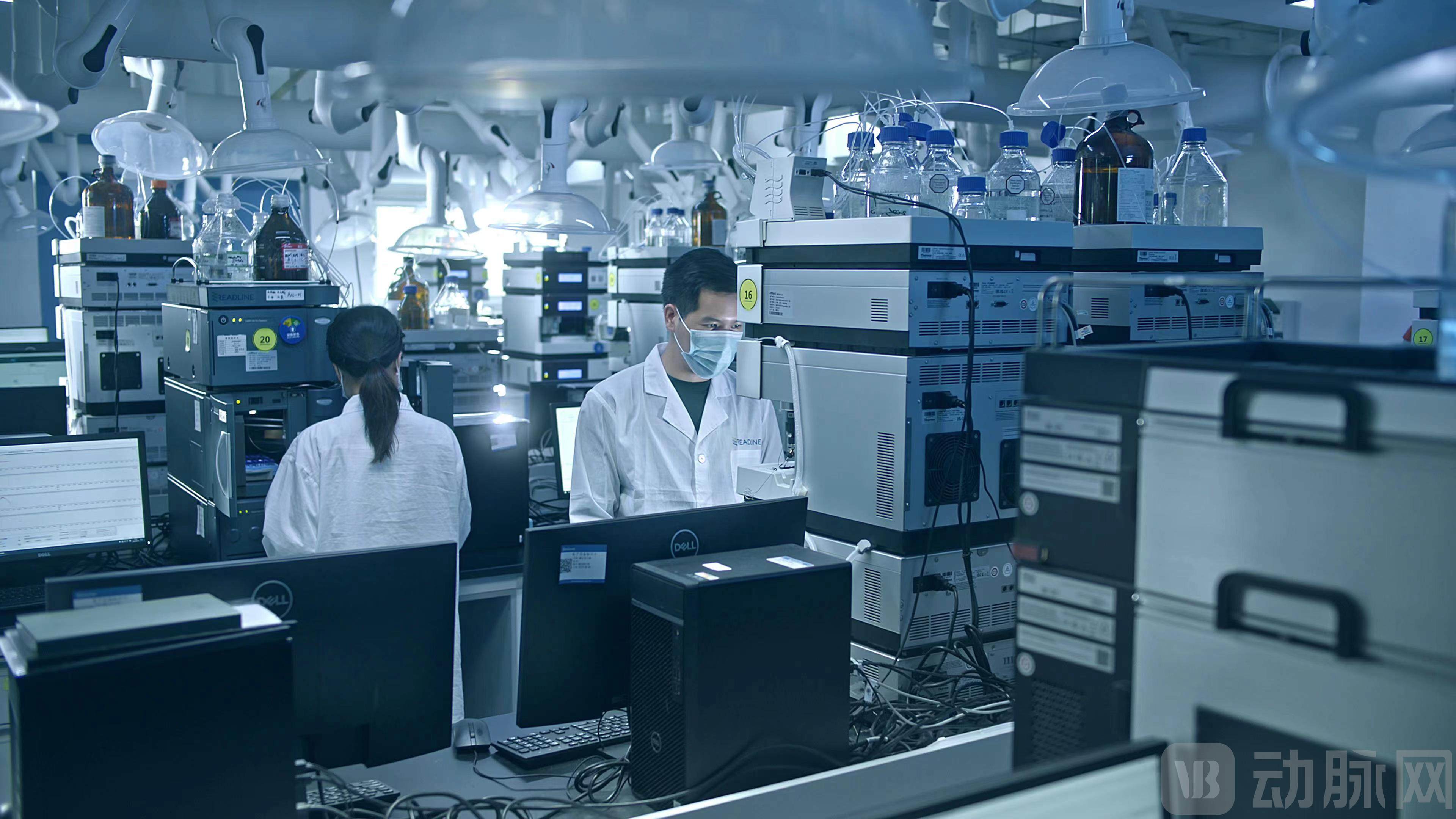
REDLINE Testing Laboratory
Previously constrained by limited production capacity, REDLINE could only establish its presence within China. With the company achieving a production scale of over 100 metric tons, REDLINE is poised to make significant strides in international expansion.
It is reported that in early 2022, REDLINEUnited KingdomAs a bridgehead for overseas markets, it took the lead in establishing an artificial intelligence subsidiary, leveraging AI technology and computational biology to facilitate the virtual screening of biological components such as enzymes. Meanwhile, it is alsoSoutheast Asia, Japan and South Korea, Europe and the United States, the Middle East, Russia...and other regions, with its sales channels extending directly from distributors to end customers. In addition, the company is simultaneously filing regulatory submissions for its various raw materials both domestically and internationally.
When asked if the company plans to launch its own skincare brand, Liu Jian joked, “A bunch of us STEM guys in our thirties and forties think our technology is impressive—that’s a B2B mindset. B2C operates on a different dimension, and the biggest challenge in moving toward the consumer end is actually management. At this stage, we’re not overthinking it; we just want to solidify our technical products first and become a leading player in green active ingredients.”
Raw material innovation is a key driver of downstream product innovation. To achieve genuine innovation in raw materials, attention must be paid to quality, cost, and supply capacity. For many years, international raw material giants have dominated the market, particularly in the supply of high-quality and innovative raw materials, while Chinese-made raw materials remain large in scale but lack competitiveness.With the rise of REDLINE, VCBeat believes that we will eventually have our own multinational healthcare giants, and this aspiration is poised to be realized first in the field of synthetic biology.
References:
1. “The REDLINE Model” in the Green Active Ingredients Sector
2. “REDLINE: The World’s First Company to Apply Synthetic Biology Technology to the Large-Scale Production of Peptides”
3. “REDLINE: Breaking Through in Six Years, Leading the Journey”