

Panome Bio Files IPO Prospectus: Integrating Metabolomics and Proteomics for High-Throughput, High-Precision Biomarker Discovery

panomebio
Metabolomics and Proteomics Service Provider
“Genomics and proteomics tell you what might happen, while metabolomics tells you what actually happened.”
According to Mordor Intelligence, the global metabolomics market size is projected to grow from USD 2.04 billion in 2023 to USD 3.44 billion in 2028, at a compound annual growth rate (CAGR) of 11.02%. The proteomics market size is expected to increase from USD 25.46 billion in 2023 to USD 38.15 billion in 2028, with a CAGR of 8.42%.
Following the advancements in genomics and proteomics, metabolomics has rapidly developed. Although its market size still lags behind that of proteomics, it boasts promising prospects based on its compound annual growth rate. Many companies are no longer confined to a single-omics approach but instead adopt an integrated multi-omics strategy for comprehensive analysis. Panome Bio (hereinafter referred to as “Panome”) is one such company, providing technical services in metabolomics, proteomics, and other related fields.
Panome, headquartered in St. Louis, was founded in 2022. In March 2023, Panome closed a $6 million growth financing round led by Telegraph Hill Partners, with participation from Bio Generator Ventures. Deval Lashkari, Co-Founder of the lead investor, along with Partners Rob Capone and Alex Herzick, will join Panome’s Board of Directors.
The key figure driving the development direction of Panome Bio is its founder, Gary J. Patti. Dr. Patti is a Professor of Chemistry and Genetics at Washington University School of Medicine in St. Louis, and holds the Michael and Tana Powell Professorship, an endowed chair established through a donation from Washington University trustee Michael “Mike” Powell and his wife, Tana.

Gary Patti (Image source: Patti Lab official website)
Patti is a leading researcher in the field of metabolomics and has received numerous honors. The Patti Laboratory is also a standout institution in this domain. Patti’s research focuses on the development and application of mass spectrometry- and nuclear magnetic resonance-based metabolomics technologies, driving advances in the field by creating gold-standard software tools and commercial benchmark kits.One of his significant contributions was pioneering a validation technique that demonstrated the pervasive presence of high noise in metabolomics data, which also serves as the foundation for the company’s Next-Generation Metabolomics™ platform.
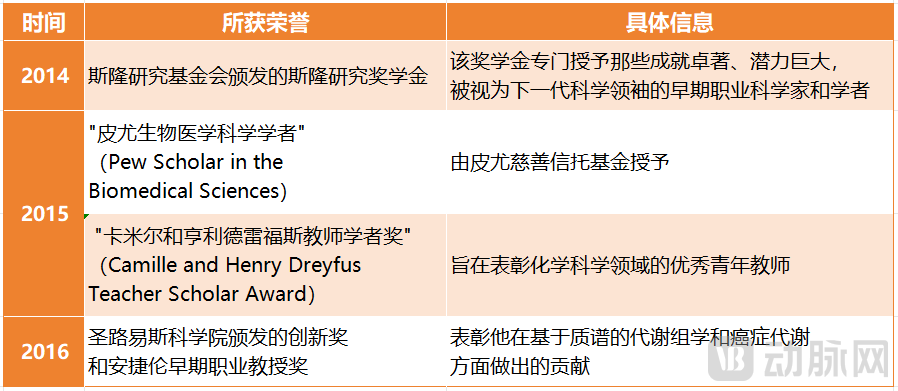 Honors Received by Professor Patti | Graphic by VCBeat
Next-Generation Metabolomics™:
From Data Acquisition to Analysis: Combining Comprehensiveness with Targeted Focus
Metabolomics is the most downstream component of systems biology and the omics discipline closest to biological phenotypes. By examining changes in the composition and abundance of all small-molecule metabolites (molecular weight < 1,500 Da) in a biological system before and after exposure to stimuli or perturbations during a specific period, one can determine the correlations between metabolites and pathological changes.
Metabolomics data undoubtedly holds significant importance for disease diagnosis and drug development, yet it is highly complex. Tens of thousands of signals can be detected in the raw data from a single sample, but the vast majority of these signals are “noise.” While acquiring raw data is crucial, reducing noise interference in the dataset and analyzing and interpreting the data are equally important. Panome Bio also provides data integration and analysis services.
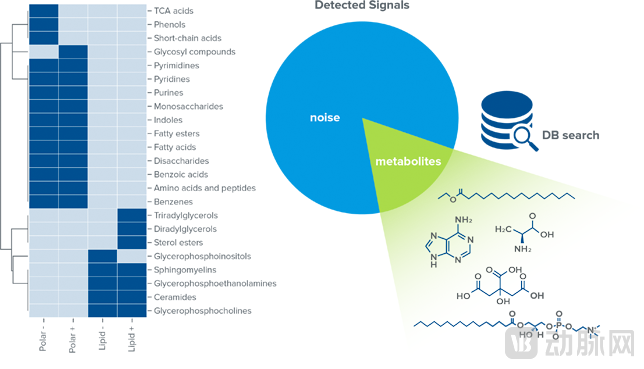 (Image source: Panome Bio official website)
How Does Panome’s Next-Generation Metabolomics™ Facilitate High-Throughput Biomarker Discovery? First, the platform performs comprehensive metabolite analysis through multiple complementary liquid chromatography-mass spectrometry (LC-MS) assays. Second, it extracts and identifies metabolite signals from raw data. Finally, the platform normalizes the data and applies statistical and machine learning methods to generate high-quality, interpretable metabolomics data, thereby elucidating the metabolites most closely associated with the target sample groups.
Next-Generation Metabolomics™ goes beyond matching against a predefined library of metabolites; it scans raw data to identify all present metabolite signals and aligns these signals with a comprehensive small-molecule database, thereby providing an objective, holistic view of metabolism along with targeted data analysis.
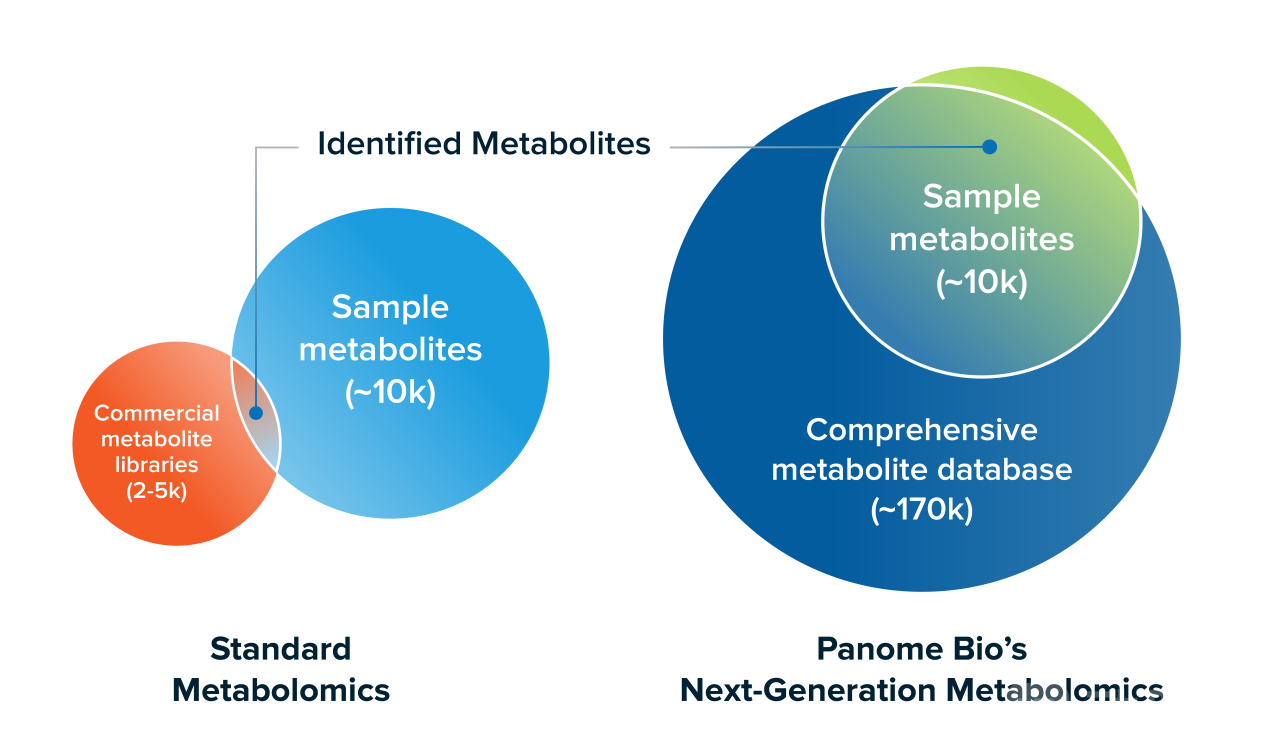 (Image source: Panome Bio official website)
Specifically, the advantages of Next-Generation Metabolomics™ are as follows:
· Increase longitudinal or diachronic analysis
Longitudinal or temporal measurements using untargeted metabolomics combined with machine learning can provide an objective and comprehensive understanding of metabolic changes over time, facilitating the discovery of disease-related metabolite biomarkers.
· Large sample size
Applying untargeted metabolomics to population studies involving thousands of samples can enhance prognostic medicine. Meanwhile, leveraging Panome Bio’s proprietary reference library—a specific feature of Next-Generation Metabolomics™—can complement other detection methods.
· Conducted under multiple drug concentration conditions
Conducting untargeted assays across multiple drug concentrations enables the identification of chemical compounds with the potential to target multiple proteins, facilitating a deeper understanding of drug-binding affinity and the mapping of drug targets.
· Pathway Analysis
By leveraging customized experimental workflows to identify metabolites associated with specific pathways, biological functions, or disease processes, in-depth insights into the metabolic kinetics of samples can be obtained.
The derivative platforms of Next-Generation Metabolomics™ also include Next-Generation Lipidomics™, Next-Generation Metabolic Flux, and targeted metabolomics with custom panels.
Next-Generation Lipidomics™ enables the analysis of multiple individual lipid species within each lipid class to assess fatty acid composition in samples, including ceramides, glycerophosphocholines, and luteolin. This approach helps elucidate lipid biomarkers for diagnostic purposes and evaluate therapeutic targets.
Metabolic flux analysis is a quantitative analytical method that uses stoichiometric matrix models to represent intracellular reactions under the pseudo-steady-state assumption, allowing the tracking of metabolite conversion pathways through stable isotope labeling experiments. Following metabolomic profiling, a specific set of metabolites or biomarkers is typically identified. Once this set of metabolites is determined, targeted metabolomics screening can be performed by designing customized panels.
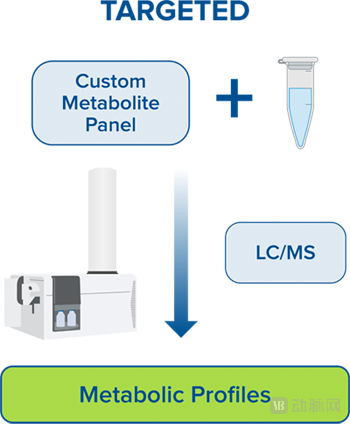
(Image source: Panome Bio official website)
Proteomics, which is applied to study the structure, function, and expression patterns of proteins in biological systems, is an important tool for understanding the link between proteins and diseases. Through Panome Bio’s proteomics platform,Metabolomics Data Supplemented with Proteomics, enabling a better understanding of metabolic pathways.Panome Bio has two untargeted proteomics platforms, one based on biofluids and the other on tissues.
The biofluid-based platform combines the Seer Proteograph™ XT (which enables reproducible quantitative analysis of large-scale proteins using nanoparticles, making unbiased high-throughput biomarker discovery possible) with the Thermo Fisher Scientific Orbitrap Astral mass spectrometer, achieving extensive coverage through a high-throughput workflow.A more comprehensive proteomic view enables more robust multi-omics analysis, further dissecting unknown peptide variants.
The platform is optimized for biofluids such as plasma, serum, urine, cerebrospinal fluid (CSF), and conditioned media from multiple species, enabling comprehensive and in-depth proteomic analysis. Compared with conventional methods, it captures a greater number of low-abundance proteins (generally referring to proteins with relatively low abundance in the proteome that are difficult to detect), detects a broader range of protein variants, and can be applied to studies of non-small cell lung cancer (NSCLC), Alzheimer’s disease, and large-scale cohorts.
 Platform Workflow Diagram (Image Source: Panome Bio Official Website)
Compared with biofluids,The advantage of tissue-based proteomic identification lies in its compatibility with various sample types, including tissues, cells, and biofluids.. Meanwhile, it can target multiple proteins, making it suitable for large-scale proteomic analysis, with the capacity to identify a wide variety of proteins (Panome Bio estimates that more than 3,000 proteins can be identified). Moreover, it requires only small sample volume and weight, specifically 25 µL and 10 mg, respectively.
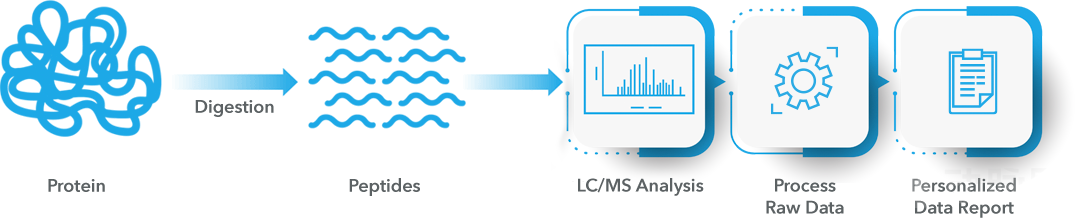 Working Principle of the Platform (Image Source: Panome Bio Official Website)
In addition to targeted proteomics, Panome Bio also has a presence in the field of targeted proteomics., targeted proteomics assays enable high-precision quantitative and qualitative measurements of specific proteomes in complex biological samples. This approach primarily focuses on preselected protein targets or panels and is commonly used to validate candidate biomarkers, investigate signaling pathways, or monitor disease-associated protein changes in a controlled and targeted manner.
Panome Bio offers multiple reaction monitoring (MRM) mass spectrometry to accurately quantify proteins through multiplexed detection. This method employs pairs of unlabeled and stable isotope-labeled internal standards to detect each peptide, and is validated in accordance with the Clinical Proteomic Tumor Analysis Consortium (CPTAC) guidelines, ensuring assay specificity, reproducibility, and accuracy.
 (Image source:Panome Bio Official Website)
Panome’s predefined MRM panels include 270 proteins in human plasma or 375 proteins in mouse plasma, encompassing proteins associated with cancer, cardiovascular diseases, inflammation, and other diseases and signaling pathways. The targeted protein panels cover a wide range of potential disease biomarkers for cancer, neurodegenerative disorders, hematologic diseases, diabetes, and autoimmune diseases, enabling applications across multiple therapeutic areas and undoubtedly driving the development of the downstream proteomics industry chain.
 VCBeat Graphics
In the “post-genomic era,” the development of proteomics and metabolomics is gaining momentum. Foreign companies, including Thermo Fisher Scientific, Agilent Technologies, Metabolon, Shimadzu Corporation, Bruker, and Waters Corporation, established their presence early on. In contrast, China started later. However, growing demand has spurred a continuous emergence of new technologies and approaches, while the application domains and scenarios for proteomics and metabolomics continue to expand.
The “14th Five-Year Plan” for Bioeconomy Development identifies proteomics as a key sector of the bioeconomy, proposing to advance proteomic and detection technologies to accelerate biotechnological innovation and industrial application. Metabolomics and proteomics hold broad prospects in precision medicine for drug development and clinical trials, with their untapped potential continuing to sustain active financing in China’s domestic market.