

Immuneel Therapeutics Files for IPO to Expand Access to $50,000 Affordable CAR-T Therapy in India
Immuneel Therapeutics
Cancer Therapy Developer

Eight Roads Ventures
Venture Capital Firm

True North
Marketing and advertising agencies dedicated to providing marketing services for companies

F-Prime Capital
Healthcare Venture Capital Firms
What phone call are you most afraid of receiving?
It’s probably a call from the hospital.
Falling ill is like a random lottery draw; no one knows when their number will be called. The harshest reality after getting sick is discovering that despite your frantic savings, you still cannot afford medical care. Before your wallet has had a chance to bulge, medical bills come knocking in relentless succession.
According to the "Global Cancer Statistics 2020" released by the World Health Organization (WHO), there were 19.29 million new cancer cases globally in 2020, with India accounting for 1.32 million cases, representing approximately 6.84% of the global total. In 2020, there were 9.96 million cancer deaths worldwide, including 850,000 in India, resulting in a case fatality rate as high as 64%. Despite India's relatively low cancer incidence, its mortality rate remains comparatively high.
CAR-T Cell TherapyCAR-T cell therapy is currently a cutting-edge immunotherapy for cancer treatment worldwide. It involves extracting T cells from the patient’s blood, genetically engineering them to become CAR-T cells capable of recognizing and destroying tumor cells, and then reinfusing these modified cells back into the patient. In theory, the cancer cells in the body will be cleared within a certain period.
Currently, the main CAR-T cell products marketed globally include the following:
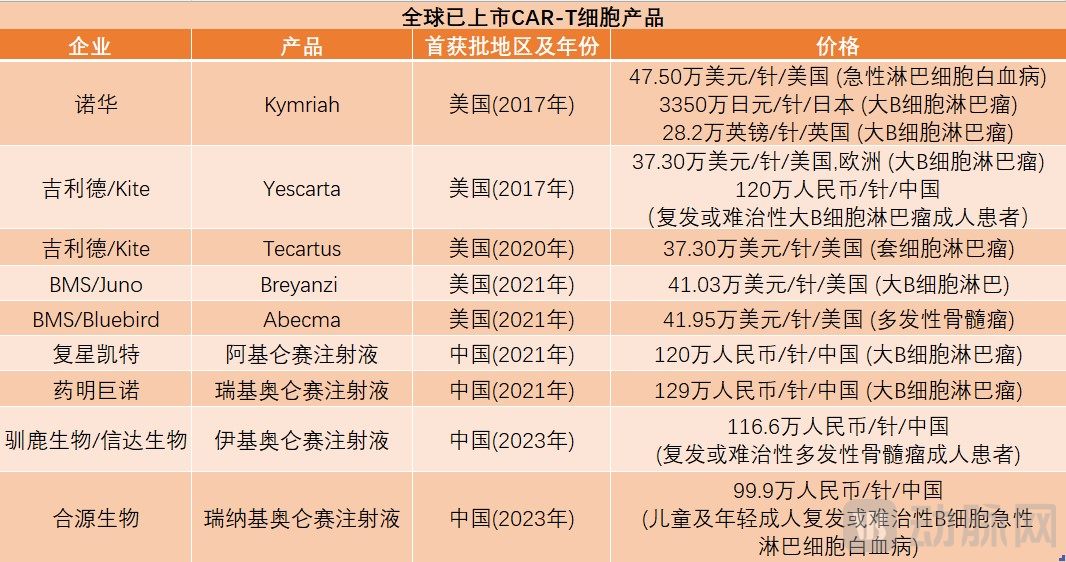
Incomplete statistics | Graphic by VCBeat
Due to the high cost of CAR-T cell therapy, many patients are deterred from seeking treatment. Although India has implemented universal free healthcare since 1949, its medical system remains imperfect, making it difficult for the poor to access medical care, let alone receive specialized treatments. Furthermore, many Indians earn just enough to cover daily living expenses and cannot afford the additional costs associated with visiting a hospital for minor ailments. As a result, when faced with serious illnesses such as cancer, many Indians tend to ignore bodily warning signs, thereby missing the critical window for early intervention.
An Indian startup is attempting to solve this challenge.
Immuneel Therapeutics (hereinafter referred to as “Immuneel”) was founded in 2019 and is headquartered in Bangalore. Its founders include Kiran Mazumdar Shaw, founder of the Indian pharmaceutical giant Biocon; Siddhartha Mukherjee, an oncologist and author; and Kush Parmar, Managing Partner at the venture capital firm 5AM Ventures.
In June 2022, Immuneel announced the completion of a $15 million Series A financing round. The round was co-led by Eight Roads Ventures, True North, and F-Prime Capital, with participation from existing investors. The proceeds will be used to further advance clinical trials and expand production capacity. To date, Immuneel has raised approximately $28 million in total funding.
Immuneel’s goal isDeveloping a universally accessible and affordable CAR-T therapy in India at a price of $50,000 (including hospital and medical costs), which is nearly 20–40 times lower than the U.S. prices for Kymriah and Yescarta.To this end, Immuneel has developed a low-cost model—based on in-licensing of CAR-T cell technology—dedicated to simplifying engineering steps and the process of culturing patient cells under current Good Manufacturing Practice (cGMP) conditions.
Currently, CAR-T cell therapies are still in the early stages of drug development, with limited clinical case data available. Furthermore, the costs associated with the research and development, storage, and management of CAR-T therapy are extremely high. Most importantly, CAR-T therapy has strict indications; its application in cancer patients requires a “tailor-made” approach. This personalized customization often drives up costs and is time-consuming.
Why can Immuneel reduce the price of CAR-T therapy by nearly 20-40 times?
One of the Founders of Immuneel TherapeuticsMazumdar ShawConsiderThe key to reducing costs lies in simplifying the supply chain process.. A significant portion of the cost of CAR-T therapy actually stems from supply chain expenses incurred in delivering treatment to patients. By optimizing various stages of the supply chain and adopting a “hub-and-spoke” model, costs can be substantially reduced.
Mazumdar-Shaw plans to offer this low-cost model to hospitals operating independently under a fee-for-service model, establishing cGMP manufacturing facilities at each site, with the Immuneel team providing processing technology and training to clinical staff.
All three founders believe that this new business model will first be piloted in India and then expanded to other countries to further reduce the cost of CAR-T therapy. Mukherjee stated that they aim to leverage local expertise in engineering, manufacturing, and production to fundamentally lower costs.
In addition,Immuneel’s “Hub-and-Spoke” Model Will Save More Time. With traditional CAR-T therapy, the site where cells are engineered may be far from the medical center where the patient undergoes treatment. However, Shaw stated that in-hospital manufacturing will eliminate costly logistics expenses and ensure shorter turnaround times. For critically ill patients who have exhausted other treatment options, reducing the time to access therapy can mean the difference between life and death.
Immuneel’s primary mission is to treat blood cancers. Its initial development pipeline comprises single- and dual-receptor CAR-T cell therapies for adult lymphoma, adult leukemia, and pediatric leukemia, targeting patients who have failed existing treatments.
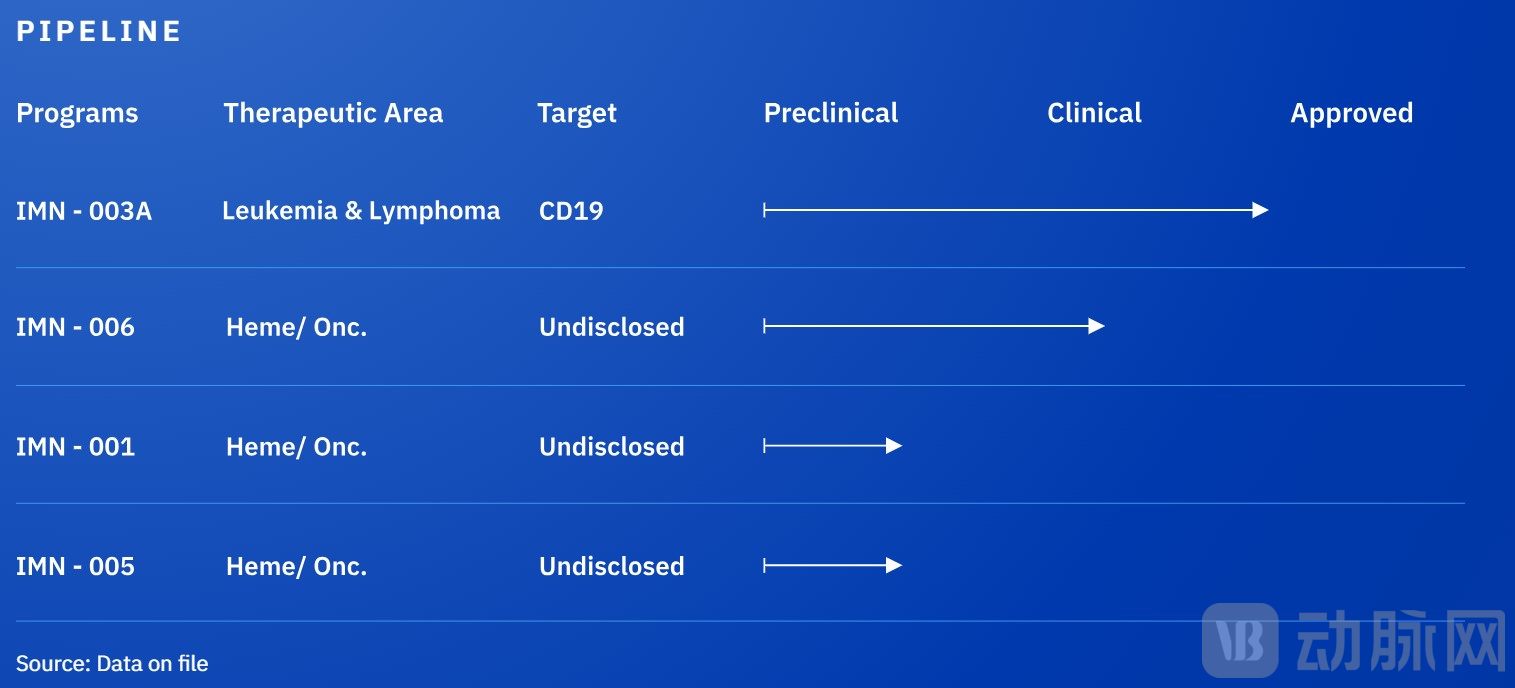
Immuneel Pipeline (Image source: Immuneel official website)
Varnimcabtagene autoleucel (IMN-003A) is a novel CD19-directed chimeric antigen receptor T (CAR-T) cell therapy for the treatment of B-cell malignancies, such as acute lymphoblastic leukemia (B-ALL) and non-Hodgkin lymphoma (B-NHL).
In June 2022, Immuneel Therapeutics announced that it had begun dosing patients in a CAR-T clinical trial named “IMAGINE.” The trial includes 24 pediatric and adult cancer patients. Immuneel Therapeutics obtained exclusive rights for ARI-0001/IMN-003A from Hospital Clínic de Barcelona and the August Pi i Sunyer Biomedical Research Institute (IDIBAPS) in Spain, enabling its development, manufacturing, and commercialization in India through technology transfer. Immuneel Therapeutics stated that existing data are highly favorable compared with CAR-T products approved by the U.S. FDA.
In December of the same year, Immuneel announced early results from a study on Varnimcabtagene autoleucel (IMN-003A). This study was India’s first Phase II trial of a novel autologous CD19-directed CAR-T cell therapy for patients with relapsed/refractory B-cell malignancies.
The results showed that the mean transduction percentage of IMN-003A on autologous T cells was 34.77% (range: 15.49–58.35), with a median transgene copy number per genome of 2.25 (range: 1.49–3.83). IMN-003A CAR-T cells exhibited maximal peripheral blood expansion (Tmax) at a median of 10 days (range: 10–14). B-cell aplasia was observed in all patients with CAR-T cell expansion. These findings demonstrate that manufacturing IMN-003A in a cGMP closed system is feasible and rapid, with peak CAR-T expansion occurring at a median of 10 days post-infusion, resulting in deep interim responses.
Based on these clinical data, the trial demonstrated that varnimcabtagene autoleucel elicits rapid, deep, and durable responses, with a favorable safety profile. Compared with standard-of-care regimens, varnimcabtagene autoleucel offers more pronounced benefits for patients in India with relapsed/refractory B-cell malignancies.
In the future, Immuneel aims to provide off-the-shelf, non-personalized cell and gene therapies. Known as allogeneic therapies, these drugs will utilize human immune cells rather than the patient’s own immune cells.
According to Nature, as of April 15, 2022, there were a total of 2,756 immune cell therapy drugs worldwide, representing a robust 36% growth from the 2,031 active pharmaceutical ingredients recorded in 2021.
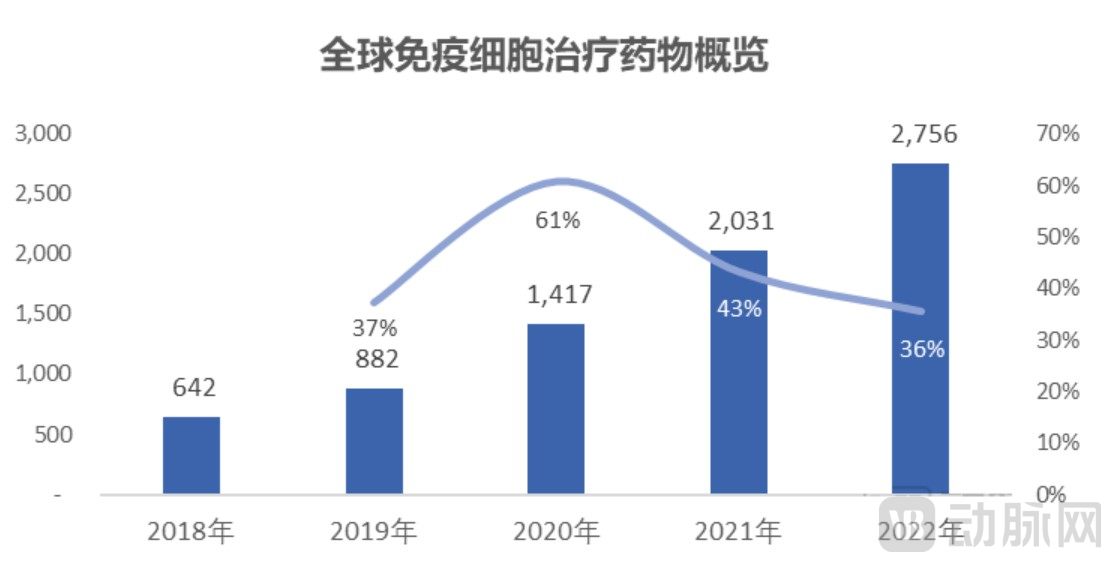
(Source: VCBeat, “2022 Immune Cell Therapy Industry Report”)
According to VCBeat, China ranks second globally in the number of R&D projects, trailing only the United States. In 2021, China’s pipeline totaled 695 projects, with a growth rate of 47%, surpassing that of the United States (which had a total of 791 projects and a growth rate of 40%). Furthermore, in 2021, the growth rate of commercial research projects in China reached 74%, with their proportion rapidly increasing from 51% to 60% (during the same period, the growth rate of commercial research projects in the United States was 48%, accounting for 83%).
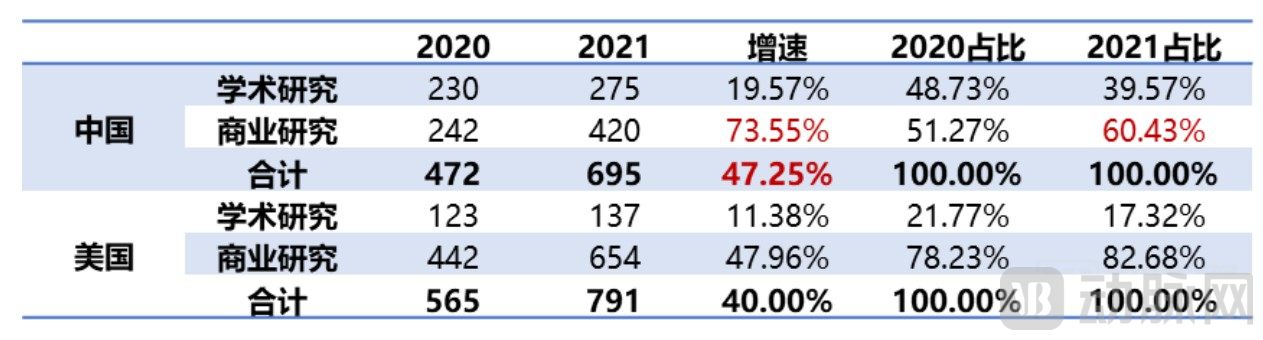
(Source: VCBeat, "2022 Immune Cell Therapy Industry Report")
Since the approval of axicabtagene ciloleucel injection and relma-cel injection in China in 2021, followed by the U.S. FDA approval of ciltacabtagene autoleucel in 2022, and the subsequent approvals in China in 2023 of icari-cel injection (a BCMA-targeted CAR-T therapy) and naqi-cel injection (a CD19-targeted therapy), CAR-T therapy has clearly entered a period of explosive growth.
However, CAR-T therapy drugs still cannot shake off the label of "astronomical prices." Relying on out-of-pocket payments by patients to open up the market is nothing short of a pipe dream. According to media reports,Heyuan Biologics' Naqiorencel Priced at RMB 999,000 in China, this is currently the lowest-priced CAR-T therapy in China, breaking the million-yuan pricing barrier for CAR-T therapies. However, this price reflects only the drug itself; when treatment costs are included, the financial burden on patients will rise further. Although the price has been reduced to RMB 1 million, it remains significantly above the threshold for inclusion in national medical insurance negotiations. At the 2021 press conference on adjustments to the National Reimbursement Drug List (NRDL), Zheng Jie, head of the expert group for fund calculations of NRDL-negotiated drugs, stated that, within the defined reimbursement scope, the annual treatment cost of all drugs currently included in the NRDL does not exceed RMB 300,000. In 2022, nusinersen sodium, a high-cost drug included in the NRDL, saw its price dramatically reduced from RMB 700,000 to RMB 33,000 through intensive negotiations.
Exorbitant prices hinder inclusion in the national medical insurance scheme, while commercial insurance coverage remains limited. Coupled with high drug costs and a constrained payment market, how can sky-high-priced drugs, represented by CAR-T therapies, survive in China? This remains an issue that requires sustained reflection and resolution from all stakeholders.