

Orange Hecheng Xin Files IPO Prospectus: Building a Medical-Grade Offline Mental Health Clinic Chain to Address Unmet Needs in China
In the mental health market, a notable phenomenon exists: on one hand, online mental health platforms have been securing robust financing during the pandemic, with some emerging as unicorns; on the other hand, no offline chain of psychiatric and psychological institutions has yet established itself as a brand with significant influence.
In recent years, guided by national policies and the gradual awakening of public awareness regarding mental health services, market demand has been progressively unleashed. However, from the perspective of the industry ecosystem, public hospitals—which focus on the diagnosis and treatment of severe cases and are positioned to provide basic medical services—are experiencing significant patient overflow in the face of growing healthcare needs and diversified service demands. On the other hand, online platforms specializing in psychological counseling are unable to undertake clinical diagnostic and treatment responsibilities.
“For patients who have developed mental or psychological disorders, or whose social functioning is significantly impaired, offline intervention is an essential need,” emphasized Tang Dekai, founder of Chenghe Chengxin. “Therefore, the first core differentiator of Chenghe Chengxin is its provision of medical-grade psychiatric and psychological diagnosis and treatment services delivered in person.”
To date, it has established psychiatric/psychological specialty clinics in Shanghai and Nanjing. Notably, several leading experts in the fields of psychiatry and psychology in China personally attended the opening ceremony of the Chenghe Chengxin Shanghai Clinic, underscoring the support of clinical specialists for medical-grade mental health services.
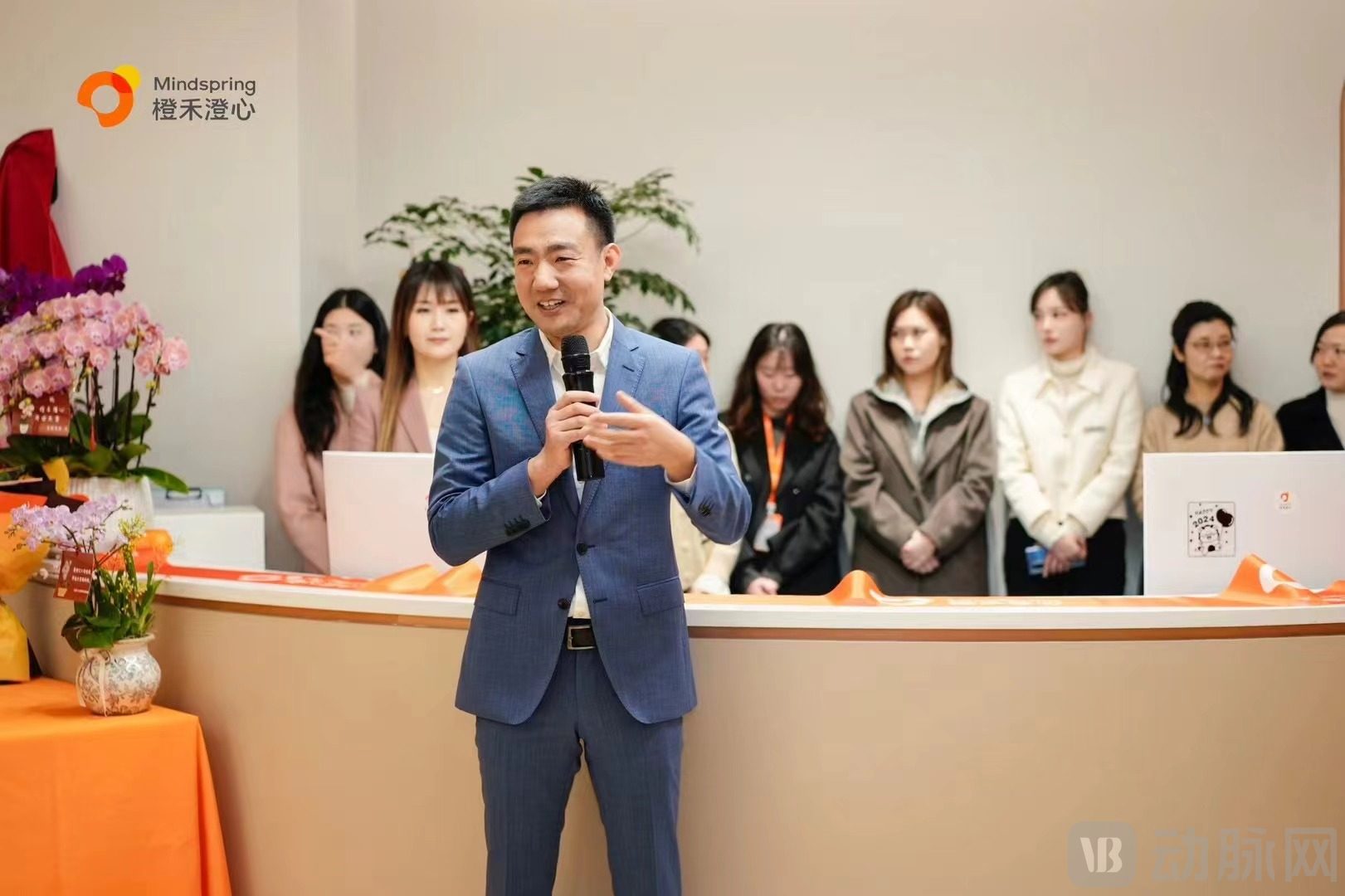
Tang Dekai, founder of Chenghe Chengxin, has spent over two decades navigating the healthcare industry. He has held positions at Mindray Medical, Lifesense Medical, Dingdang Health, and Luye Life Sciences Group, accumulating extensive experience in the management and operation of internet-based healthcare services and chain institutions specializing in psychiatric and psychological care. During his tenure at Luye Life Sciences Group, Mr. Tang conducted in-depth investigations into the psychiatric and psychological specialty healthcare sectors in Australia, Singapore, and other regions.
It was precisely during his inspection tour in Australia that Tang Dekai perceived the disparities between domestic and international specialized psychiatric/psychological medical care. Coupled with the sustained release of demand for mental health services in China, these factors led Tang Dekai to dedicate himself to the cause of psychiatric and psychological healthcare in China.
“This is more than just business and career; for every individual case, it represents a new milestone in life returning to its proper track. For personal development and families, the value involved is simply immeasurable in monetary terms,” Tang Dekai remarked during the interview.
Providing mental/psychological services to children, adolescents, and working professionals is the second key differentiator of Chengxin Orange.
According to a paper published in October 2023, the overall prevalence of mental disorders among school-aged children and adolescents in China reached 17.5%, with the prevalence of depressive disorders and anxiety disorders at 3% and 4.7%, respectively, which is relatively high compared to other countries. Additionally, a report on workplace mental health insights indicated that approximately 40% of working professionals experience psychological distress.
VCBeat has learned that Chenghe Chengxin’s Child and Adolescent Outpatient Clinic provides treatment for learning difficulties and school refusal stemming from emotional distress, attention-deficit/hyperactivity disorder (ADHD), behavioral addictions such as gaming addiction, depression and anxiety, social interaction disorders, obsessive-compulsive disorder (OCD), self-harm tendencies including self-injurious behaviors, as well as family and interpersonal relationship challenges. For working professionals, Chenghe Chengxin offers support in managing workplace and social stress, along with facilitating personal growth and self-exploration. Additionally, the center has established specialized outpatient clinics for mood disorders, including depression, anxiety, obsessive-compulsive disorder, and bipolar disorder.
Furthermore, VCBeat has identified that among the specialized clinics established by Chenghe Chengxin, there is an outpatient clinic dedicated to sleep disorders. In addition to helping patients establish healthy sleep habits and reduce their reliance on sleep medications through a combination of pharmacotherapy, physical therapy, psychotherapy, and sleep hygiene guidance, this sleep disorder clinic also serves a unique function within Chenghe Chengxin’s “traffic funnel” and “triage model.” Specifically, it uses sleep disorders as an entry point to reach and engage patients with other psychiatric or psychological conditions.
“In fact, the number of patients clinically diagnosed with insomnia alone is relatively small; however, sleep disorders are often physiological manifestations of various mental and psychological conditions,” explained Tang Dekai. “In other words, while many individuals suffering from mental or psychological disorders may not recognize changes in their psychological state, they are highly likely to notice issues with their sleep health, prompting them to seek care at specialized sleep clinics. Our professionals then carefully unravel the underlying causes during the process of addressing sleep problems, helping clients identify the root issues and providing targeted, professional diagnostic and therapeutic support.”
Furthermore, Chengxin by Chenghe features a distinctive assessment framework. It conducts a comprehensive and systematic evaluation across three dimensions—biological (family history, neurodevelopment), psychological (emotional distress, thought and behavioral patterns), and social (living environment and interpersonal relationships)—to provide a basis for subsequent clinical diagnosis and appropriate treatment.
For children and adolescents presenting with specific behavioral and emotional issues, Chenghe Chengxin also conducts school visits to perform evidence-based observations grounded in behavioral theory across diverse scenarios and specific environments, as well as interviews with teachers and parents, thereby generating comprehensive assessment reports and tailored intervention recommendations.
In the treatment phase, Chenghe Chengxin adheres to a multidisciplinary collaborative diagnosis and treatment model, providing joint diagnostic, therapeutic, and intervention services spanning psychiatry, clinical psychology, educational psychology, nutrition, and rehabilitation medicine, tailored to each patient’s individual circumstances. Furthermore, from the initial visit through the entire course of care, Chenghe Chengxin assigns a dedicated case manager to each patient. This case manager addresses any questions that may arise during the service period, responds promptly to patient needs, and thereby enhances treatment adherence and the completeness of interventions.
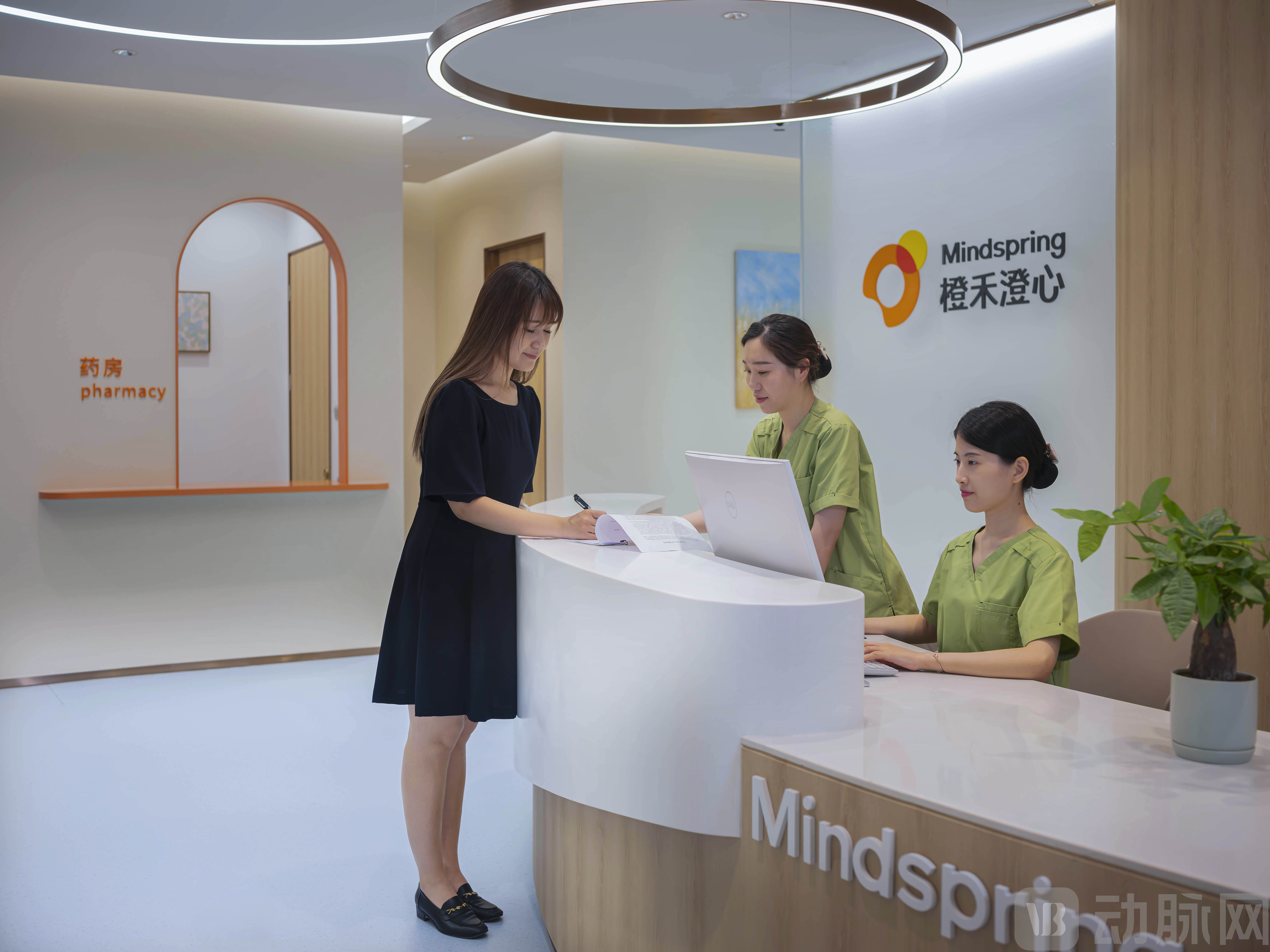
It is evident that the service system of Chenghe Chengxin requires the participation of multidisciplinary professionals, including case managers, psychiatrists, psychological counselors, and even experts in educational psychology and nutrition. This constitutes a systematic engineering effort, fundamentally different from the “studios” operated by individual psychiatrists or psychological counselors.
In terms of selecting partnership channels, Chenghe Chengxin also demonstrates distinctive characteristics. Given its focus on the mental health of children, adolescents, and working professionals, Chenghe Chengxin chooses to collaborate with schools. These collaborations include delivering themed lectures and art workshops for students, parents, and faculty; providing training for faculty members on identifying and addressing abnormal student behaviors; offering professional psychological training and supervisory support for school counselors and psychology teachers; and delivering comprehensive mental health solutions tailored to the specific needs of schools.
Furthermore, Chenghe Chengxin collaborates with enterprises, public institutions, and foreign companies to provide customized employee psychological care services, such as stress management, art therapy, one-on-one psychological counseling, and crisis intervention.
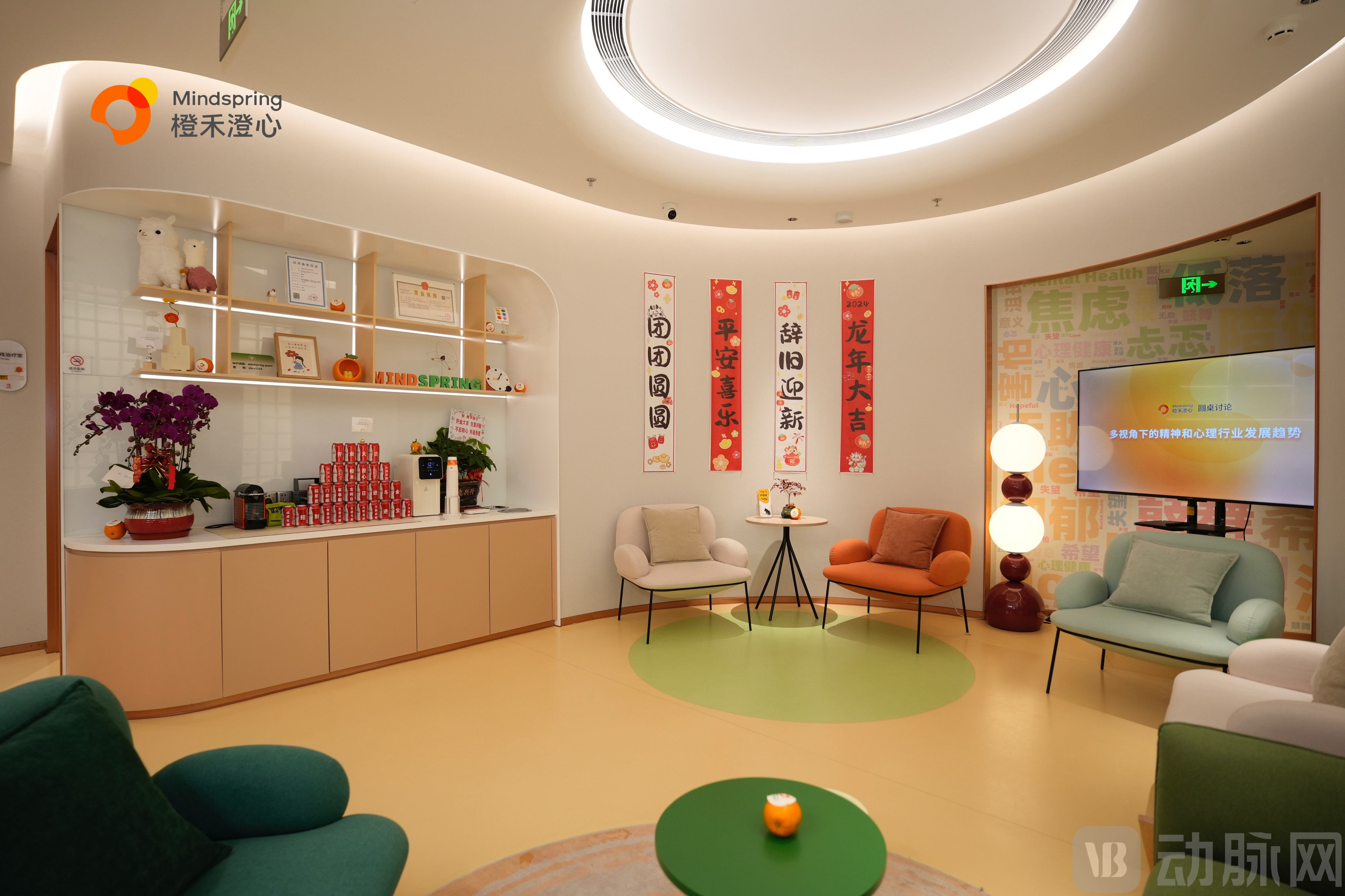
At present, Chenghe Chengxin has established clinical psychology diagnosis and treatment institutions in Shanghai and Nanjing. Its future strategic plan prioritizes deployment in core cities of the Yangtze River Delta, followed by gradual expansion into core cities in the Pearl River Delta, the Beijing-Tianjin-Hebei region, and central and western China. “At this stage, we place greater emphasis on ensuring each facility becomes successful before moving to the next,” said Tang Dekai in an interview. He noted that Chenghe Chengxin’s current goal is not scale expansion, but rather achieving profitability for its two existing facilities in Shanghai and Nanjing within the planned timeframe.
The reason is that, according to Tang Dekai, Chenghe Chengxin currently possesses capabilities in site selection, license acquisition, and high-efficiency new store openings. However, the expansion of chain medical service institutions requires greater attention to resolving issues such as service standardization and the recruitment and retention of top talent.
“Therefore, before formally embarking on large-scale expansion, Chenghe Chengxin’s development priorities are twofold: first, to leverage its two clinical psychology diagnosis and treatment institutions in Shanghai and Nanjing to establish standardized service protocols and identify optimal collaboration models with schools, enterprises, and public institutions; second, to gradually build brand influence while attracting talent. In this way, the products, talent pool, and customer acquisition channels required for scale-up will be fully prepared, enabling the company to ensure the ‘quality’ of expansion while enhancing its efficiency,” said Tang Dekai.
In the near future, while expanding its coverage of offline clinical psychological diagnosis and treatment institutions in core regional cities, Chenghe Chengxin will also enhance its online professional psychological services and content system, thereby establishing an integrated online-offline network for psychiatric and psychological professional services. Meanwhile, Chenghe Chengxin is actively embracing digital therapeutics to stay at the forefront of industry trends.
“In the long run, digital therapeutics indeed hold the potential to become a key component in the diagnosis and treatment of mental and psychological disorders. In the future, once we have accumulated more substantial expertise and resources, we will seek partnerships with relevant companies at an appropriate time to jointly advance the diagnosis and treatment of mental and psychological disorders in China,” said Tang Dekai.
At the end of the interview, Tang Dekai made the following remarks: “Currently, there is no medical-grade psychiatric/psychological clinical institution in the Chinese market with strong brand influence. One of the main reasons is that public awareness and trust in private psychiatric/psychological institutions need to be gradually established. However, feedback from clinic operations shows that once customers benefit from the services, their loyalty becomes very high, and positive word-of-mouth follows accordingly. Therefore, for offline private medical institutions, slow is fast. I believe that within ten years, a unicorn will inevitably emerge in this industry in China.”