

AI in Medical Devices and Digital Health: Innovations and Regulatory-Compliant Solutions
Artificial Intelligence (AI) is gradually becoming a transformative technology in the healthcare sector. From diagnosis to treatment and patient monitoring, the application of AI technologies is helping to improve the quality and efficiency of medical services. In this process, MATLAB®and Simulink®Such tools play a particularly crucial role, providing researchers and developers with easy-to-use yet powerful resources to facilitate the practical implementation of these advanced technologies.
Read the Full eBook"Artificial Intelligence and Medical Devices and Digital Health"Compared to the following cases:
Data Analysis and Diagnostic Accuracy
In the field of medical data analysis, the application of AI can significantly improve diagnostic accuracy. For example, the SureNet system developed by Kaiser Permanente leverages AI technology to scan electronic health records and identify diseases that might otherwise be overlooked. Such systems serve as auxiliary tools for physicians, helping them detect early signs of disease within vast amounts of data.
Development of New Therapies and Medical Devices
AI technology also plays a pivotal role in the development of novel therapies and medical devices. For instance, the QTUG™ device developed by Kinesis Health Technologies integrates sensor data with AI algorithms to assess fall risk in the elderly. This device can be used in home settings, providing patients with real-time health monitoring.
Cardiac Health Monitoring
In the realm of cardiac health monitoring, the Acorys® device developed by Corify Care leverages AI to provide real-time mapping of cardiac electrical activity. This technology enables physicians to monitor and diagnose heart disease with greater accuracy.
Ophthalmic Surgical Assistance
In the field of ophthalmology, Dr. Warren Hill collaborated with the MathWorks team to develop an AI model for predicting the optical power of intraocular lenses after implantation surgery. This predictive model can improve surgical success rates and reduce the number of follow-up visits for patients.
Medical Imaging
AI technology is particularly prominent in the field of medical imaging, helping physicians rapidly diagnose conditions such as cancer and fractures. AI models can process and analyze large volumes of image data, thereby accelerating the diagnostic process and improving diagnostic accuracy.
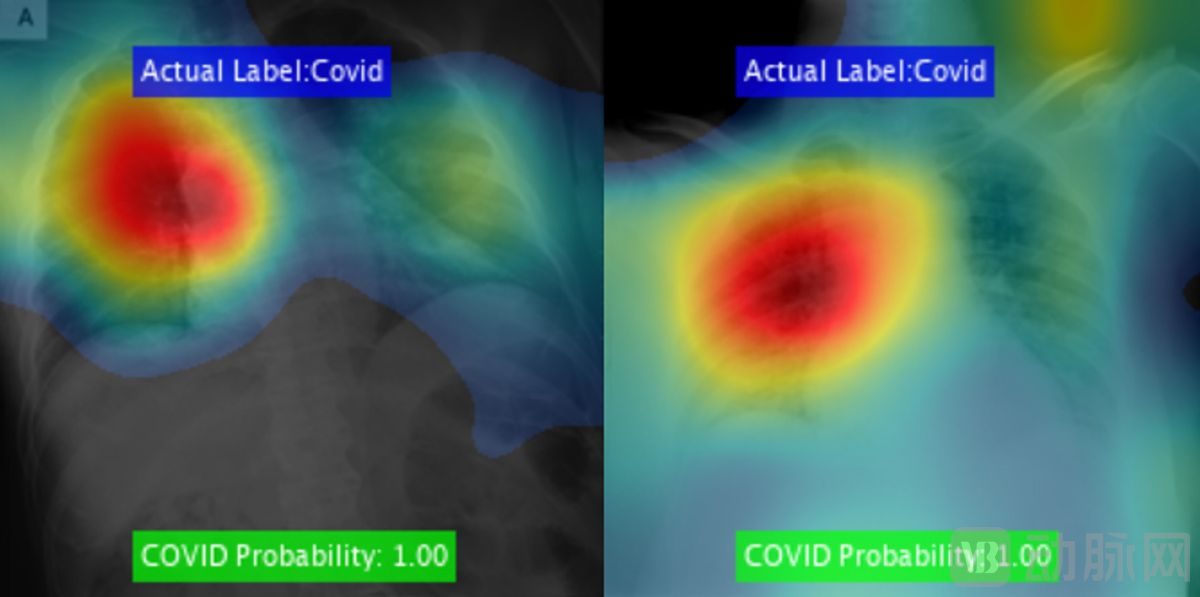
Visualization of Class Activation Mapping (CAM) Results. AI-based model evaluation of diverse COVID-19 cases provides clinicians with insights into algorithmic decision-making.
Treatment and Health Management
In terms of treatment and health management, AI systems can analyze vast amounts of clinical data to help physicians detect potential health issues at an early stage, thereby improving the quality of care and patient health outcomes.
Accessibility of Healthcare Services
AI technology can also help expand the reach of healthcare services, especially in resource-limited areas. AI can provide remote diagnosis and monitoring services, improving the accessibility of healthcare in these regions.
Development of High-Security AI Models Compliant with Medical Device Regulatory Requirements
In the process of developing AI models, a significant challenge is ensuring that these models comply with regulatory requirements. MATLAB and Simulink support the generation of documentation and workflows that adhere to international standards such as IEC 62304, which is critical for the software certification process. By leveraging these tools, developers can ensure the reliability and safety of their AI models, thereby facilitating regulatory approval.
System-Level Design with Simulink
Simulink provides a powerful platform that supports the Model-Based Design (MBD) approach. This method allows engineers to integrate AI models into larger-scale system-level designs, which is particularly important for developing complex medical devices. Using Simulink, developers can simulate, test, and validate the performance of the entire system, including embedded AI components, within a unified environment.
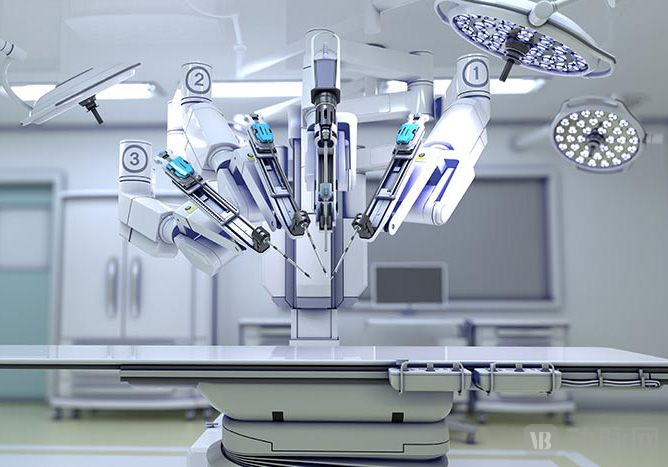
Developing complex devices such as AI-integrated surgical robots requires system-level integration and simulation.
MATLAB and Simulink Workflow
The integrated workflow of MATLAB and Simulink covers the entire process from data preparation, model creation, and system design to model deployment. During the data preparation phase, the tools provide robust capabilities for cleaning, processing, and annotating data. In the model creation phase, MATLAB offers a variety of algorithms and techniques, such as deep learning, machine learning, and computational statistics, for building and training AI models. In the system design phase, Simulink’s Model-Based Design approach enables the integration of AI models into broader systems. Finally, in the model deployment phase, MATLAB and Simulink support deploying AI models to various platforms, including cloud servers, embedded systems, and mobile devices.
Challenges and Opportunities
Although the application of AI in the healthcare sector offers tremendous opportunities, professionals in this field also face certain challenges. In addition to regulatory compliance, data privacy and security are critical considerations. Furthermore, ensuring the interpretability and transparency of AI systems is essential for gaining the trust of healthcare professionals and patients.
Summary
MATLAB and Simulink provide robust resources for the healthcare industry, supporting the widespread application of AI technologies. These tools not only enhance the quality and efficiency of healthcare services but also accelerate the development of new therapies and medical devices. By leveraging these tools, engineers and researchers can develop AI models that comply with regulatory requirements while effectively improving patients’ lives. As these technologies continue to evolve, we can anticipate that the healthcare sector will undergo profound transformation, delivering better treatment outcomes and higher-quality medical services to patients worldwide.
Read the Full eBook《Artificial Intelligence and Medical Devices and Digital Health》Compared with the above cases:
Further Reading:
Understanding:MATLAB & Simulink Solutions for Medical Devices
Acquisition:Medical Imaging Toolbox Trial Version
Read the full e-book:"Artificial Intelligence and Medical Devices and Digital Health"