

Developing IEC 62304-Compliant Embedded Software for Medical Devices: A Model-Based Design Approach
Key Points
• Requirements Management: Ensure that all design inputs are complete, consistent, and traceable.
• Design and Implementation: Adopt modular and reusable design principles to ensure clarity and maintainability of the software architecture.
• Integration: Adopt a progressive integration strategy to ensure the compatibility of individual components and the stability of the overall system.
• Verification and Testing: Implement a comprehensive testing plan, including unit testing, integration testing, and system testing, to ensure software reliability and performance.
Case Study: Surgical Robotic Systems
By analyzing the development process of surgical robot systems, this case study explores a series of complex design issues and proposes Model-Based Design (MBD) as an effective solution. The Model-Based Design approach leverages MATLAB®and Simulink®advanced features, eliminating the need for traditional hand-coding and physical prototype testing.
Read the Full White Paper“Developing IEC 62304-Compliant Embedded Software for Medical Devices (2 Volumes)”:

Advantages of Model-Based Design (MBD)
• Reduce errors in handwritten code: Automated code generation can minimize errors that may occur during manual coding.
• Improve testing efficiency: System models can be tested through simulation without the need for physical prototypes.
• Accelerate development cycles: Enable teams to conduct design and validation in the early stages, thereby shortening time-to-market.
• Ensure regulatory compliance: The system design and testing processes adhere to medical industry standards, such as IEC 62304.
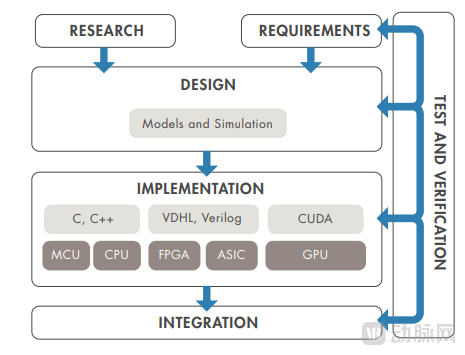
Model-Based Design (MBD) Workflow
The white paper provides a detailed overview of the model-based design workflow, including the following key stages:
1. Requirements Capture and Management: Use tools to record, analyze, and manage requirements to ensure their completeness and traceability.
2. Design: Using Simulink®...and other tools to create detailed system models, enabling design teams to conduct early verification and iteration.
3. Automatic Code Generation: Using MATLAB®and Simulink®automatic code generation feature, which directly converts models into executable code.
4. Testing and Validation: Rigorously test the generated code using automated testing frameworks to ensure it meets the original requirements and specifications.
5. Maintenance and Iteration: As the project progresses, maintain and iterate the model to reflect changes in requirements or improvements in design.
Quick-Start Tips and Best Practices for Model-Based Design (MBD)
To help engineering teams smoothly transition to model-based design, the white paper provides a series of quick-start tips and best practices:
• Team Training: Ensure that team members understand the principles and tools of Model-Based Design (MBD).
• Start small and iterate quickly: Begin with small-scale projects and gradually expand the application scope of Model-Based Design (MBD).
• Continuous Integration (CI) to automate testing and build processes, ensuring code quality and system stability.
• Code Review: Conduct regular code reviews to ensure code quality and compliance with design standards.
• Design Documentation: Create detailed design documents to facilitate team members' understanding and maintenance of the code.
• Risk Management: Proactively identify and manage potential project risks to ensure timely and high-quality project completion.
Practical Effectiveness of Model-Based Design
The white paper demonstrates the effectiveness of model-based design in practical applications through a series of case studies, including:
• Reduced development time: MBD significantly shortens the time from design to market launch through early validation and automated testing.
• Reduction in Integration Issues: MBD significantly reduces issues during the integration phase through modular design and incremental integration.
• Assurance of Regulatory Compliance: Automated design and testing processes ensure that software products adhere to relevant medical industry standards, such as IEC 62304.
Conclusion
The complexity of medical device software design necessitates that developers adopt efficient and reliable methodologies to ensure product quality and regulatory compliance. Model-Based Design (MBD) offers a systematic solution that accelerates development cycles, reduces errors, and ensures adherence to industry standards through automated code generation and testing. The best practices and case studies presented in this white paper serve as valuable resources for medical device software development teams, enabling them to achieve these objectives.
Read the Full White Paper《Developing IEC 62304-Compliant Embedded Software for Medical Devices (2 Volumes)》:

Further Reading:
More Information:MATLAB & Simulink Solutions for Medical Devices
Apply for a Free Assessment:Achieving IEC 62304 Certification for Medical Device Design
Read the complete e-book:“Developing IEC 62304-Compliant Embedded Software for Medical Devices (2 Volumes)”