

WeiNiu Tech Files for IPO: 8-Year-Old Company Powers Digital Transformation of Over 100 Hospital Departments Without Raising a Single Yuan
In 2021, the issuance of the “Notice on Printing and Distributing the Action Plan for Promoting High-Quality Development of Public Hospitals (2021–2025)” ushered in a new era of high-quality development for public hospitals in China.
At that time, a startup named Venue was considering transforming its “existing” live-streaming business into healthcare-related services. The issuance of the document provided a direction for this transition. However, the initiative to promote the high-quality development of public hospitals was so grand in scope that it posed a significant challenge for Yao Zhiyuan, the founder of Venue.
Providing hospitals with information systems to break down data silos? This seemed not too difficult. Yao Zhiyuan majored in computer science during his university years, and his first professional experience was closely related to the internet. Supporting hospital informatization appeared to require only coordination with the public healthcare system. But what about providing hospitals with supply chain management services for pharmaceuticals and medical devices? This seemed far removed from the early industry expertise of Yao Zhiyuan and the founding team of Venue Tech.
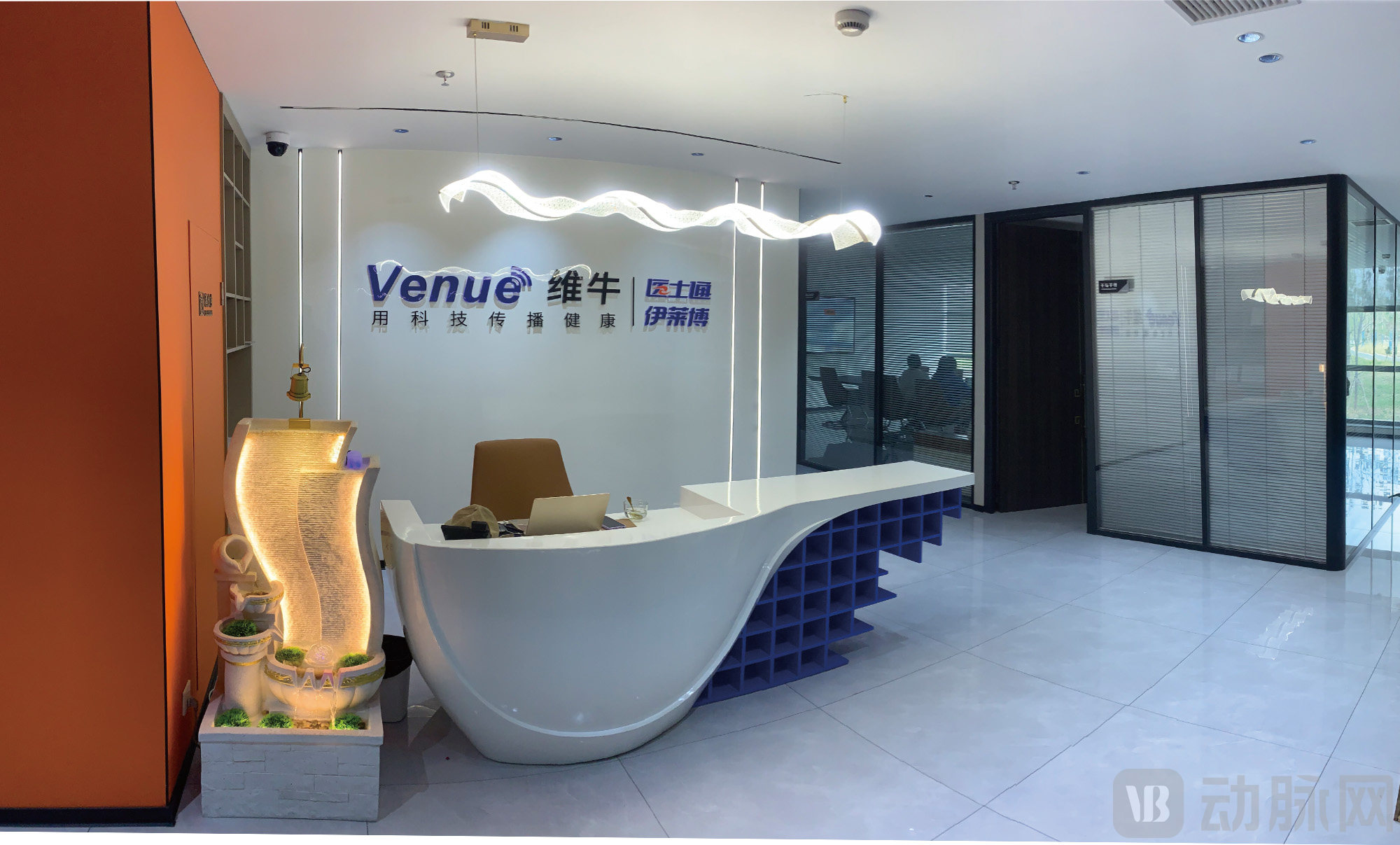
After careful consideration, the founding team of Venue Technology deconstructed the core implications of “high-quality development of public hospitals,” recognizing that enhancing hospital capabilities is undoubtedly key. The relevant documents also specify four major aspects for improving hospital capabilities: enhancement of medical quality, improvement of patient experience, strengthening of management capabilities, and advancement of research capabilities. Among these, two areas align closely with Venue Technology’s expertise and strategic priorities—namely, boosting research capabilities and improving patient experience.
“Every physician should engage in scientific research.”
At a certain forum, an expert made the following remark, which indirectly reflected the industry’s strong expectations for physicians to engage in scientific research.
However, contrary to these high expectations, the state of scientific research conducted by physicians in China is far from optimistic. Some have even bluntly stated, “Under current circumstances, most of the research undertaken by domestic physicians has virtually no relevance to medicine.”
The underlying reasons are twofold: on one hand, the overwhelming workload often dampens physicians’ enthusiasm for conducting scientific research; on the other hand, physicians who are motivated to engage in research frequently face challenges such as a lack of experimental resources and methodologies. Additionally, some physicians may be reluctant to pursue research due to insufficient guidance in experimental design and limited access to data resources.
Therefore, leveraging its online experimental platform and offline laboratories, Venue will provide physicians with services including research direction design, laboratory access, SCI manuscript editing, post-marketing drug utilization studies, validation of scientific findings, and data resource support.
Specifically, in the initial phase, Venue will assist physicians in interpreting cutting-edge research trends, providing guidance on research directions, detailed implementation plans for sub-projects, and experimental design; during the experimental phase, Venue’s offline laboratories will also provide support.
VCBeat has learned that Venue currently operates two offline laboratories located in Guangzhou and Shanghai, covering a total area of over 4,000 square meters. These facilities house a national-standard SPF-grade animal experimentation center and a cell bank with nearly 1,200 cell lines, including models for pneumonia, enteritis, neurological disorders, and specialized tumor cell lines. The infrastructure supports practical operations such as animal sample collection and testing, as well as routine animal behavioral studies. Additionally, Venue’s online scientific research platform comprises a pathology experimentation platform, a cell experimentation platform, a molecular experimentation platform, a new drug development platform, and an animal center, comprehensively meeting diverse experimental needs.

It is worth noting that the establishment of Venue’s online experimental platform was primarily driven by two objectives, with the first being to aggregate data and provide data support for scientific research. According to Yao Zhiyuan, Venue’s current data accumulation is mainly concentrated in the oncology field, where the number of collected tumor cases has exceeded 30,000, and the platform engages nearly 10,000 experts. Furthermore, Yao Zhiyuan emphasized that all data collection and application by Venue comply with national data security requirements and standards.
Second, it enhances physicians’ sense of engagement in the research process. In an interview with VCBeat, Yao Zhiyuan revealed that in certain research projects, physicians are often unable to be physically present due to constraints on their time and geographic location. In such cases, by leveraging Venue’s online experimental platform, physicians can remotely observe experimental procedures and engage in thorough communication with on-site personnel.
Finally, Venue will also provide physicians with manuscript editing services and connect them with industry resources such as pharmaceutical companies and medical device manufacturers, thereby facilitating the industrialization of scientific research achievements.
Consequently, within its scientific research services segment, Venue’s clientele can be categorized into two groups: physicians and enterprises. The collaboration models fall into three types: (1) partnerships with individual physicians; (2) collaborations with hospital departments; and (3) enterprise-sponsored initiatives in which physicians conduct practical work, with a clear focus on translating outcomes into tangible scientific research achievements.
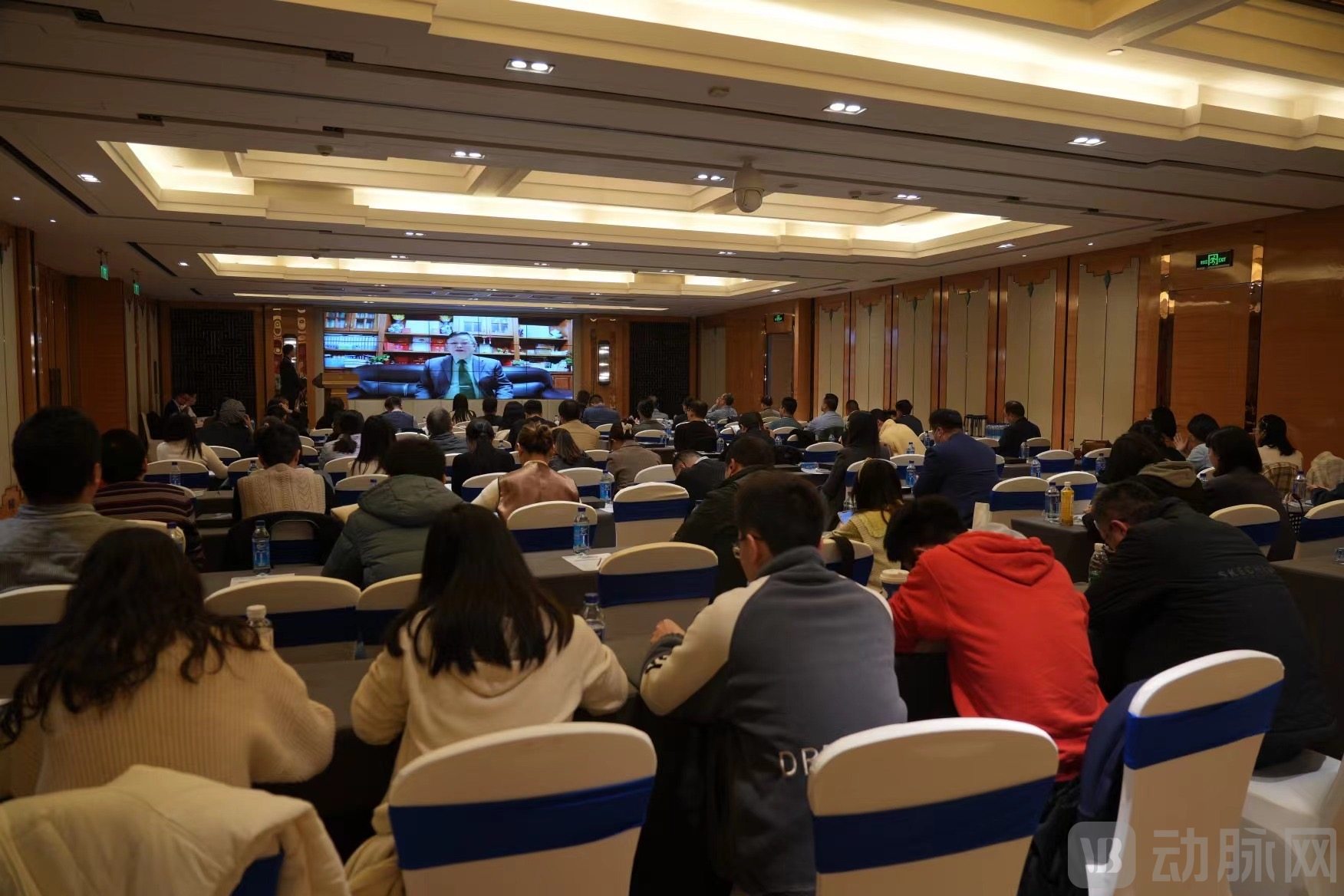
Moreover, according to Yao Zhiyuan, Type III collaborations currently dominate Venue’s scientific research services business. In addition, to enhance physicians’ willingness to engage in scientific research and popularize basic experimental methods, Venue participated in the establishment of the Clinical Medicine Association (Lin Yi Hui), which regularly conducts training activities in non-first-tier cities. In 2023, a total of two such events were held, providing research methodology training and guidance to over 2,000 participating physicians.
Although scientific research services are not currently Venue’s primary revenue source, they are undoubtedly a key focus of its future business strategy. So, which business segment currently dominates Venue’s revenue?
The answer lies in the digital transformation of the department.
The rationale is that, from the perspective of Venue Technology, amidst the internet wave, the core competitiveness of departments in public hospitals lies in holding the leading role in building their “private-domain public platforms.” This initiative aims to respond to the high-quality development requirements for public hospitals by enhancing patient experience and addressing practical challenges such as difficulties in accessing medical care and rehabilitation. Furthermore, the construction of such private-domain public platforms should be patient-centered.
Specifically, with the assistance of Venue, the private-domain public platforms for departments in public hospitals will primarily include the following service offerings, categorized by target audience—
First, as the platform is built with a “patient-centric” approach, most of its services are designed to address patients’ practical needs. For instance, prior to a medical visit, patients often feel uncertain about which department or physician they should register with. In such cases, customer service representatives on the digital platform provide registration recommendations based on the patient’s preliminary description of their condition, thereby preventing misregistration and ensuring timely access to care.
During the post-treatment rehabilitation phase, to address potential issues such as postoperative nutrition for cancer patients and management of complications, the platform not only provides channels for communication with patients’ attending physicians but also produces a wealth of educational articles and videos. These resources help patients better understand their disease, treatment process, and related care instructions, thereby alleviating anxiety.
Therefore, from the patient’s perspective, the departmental digital platform developed by Venue provides solutions to all issues encountered during both pre-consultation and post-consultation phases.
Secondly, it is an undisputed fact that physicians are overloaded with offline clinical duties. Since online digital platforms primarily focus on serving patients, they appear to further exacerbate physicians’ workload. Therefore, to improve physician efficiency and alleviate their burden to a certain extent, Venue has taken a two-pronged approach. On one hand, Venue has established a professional service team to share the heavy workload with physicians and departments. On the other hand, Venue has assembled an artificial intelligence team that leverages digital technologies—such as AI-powered Q&A, intelligent case management, and medication monitoring—to provide departments with a comprehensive whole-course disease management platform. This not only enhances work efficiency but also improves patient adherence and extends the Duration of Therapy (DOT).
Finally, according to Yao Zhiyuan, founder of Venue, the construction of departmental digital platforms and the establishment of the aforementioned research-oriented business segments will facilitate the transformation of a key role in the healthcare industry: the traditional pharmaceutical sales representative. Within Venue’s current business framework, traditional pharmaceutical sales representatives will assume the role of departmental digitalization consultants, assisting physicians in managing private-domain patient relationships, enhancing departmental patient loyalty and recognition, and improving the efficiency of clinical services. In doing so, they will effectively consolidate patient resources and deliver tangible benefits to both hospitals and patients.
As Yao Zhiyuan stated in the interview, “In fact, during our visits to hospitals, we heard a wide range of needs from various institutions. Ultimately, however, these all boil down to one core requirement: delivering tangible value to hospitals. This principle applies not only to health IT companies like Venue Technology, but even more so to medical device manufacturers and pharmaceutical companies.”
Therefore, in the future, Venue will continue to focus on two directions that create tangible value for hospitals—enhancing research capabilities and advancing departmental digitalization—contributing to the high-quality development of public hospitals in China.