

Thought Technology Accelerates China Market Expansion with Strategic Partnerships in Biofeedback and Neurofeedback

Thought Tech
Manufacturer of Biofeedback and Psychophysiological Instruments
More than a decade ago, the renowned Italian football club AC Milan created a “Mind Room” for its players, equipped with six computers and dozens of signal receivers. As players reclined in chairs, sensors attached to their bodies and heads simultaneously collected physiological signals generated by their muscles, heart, and other organs.
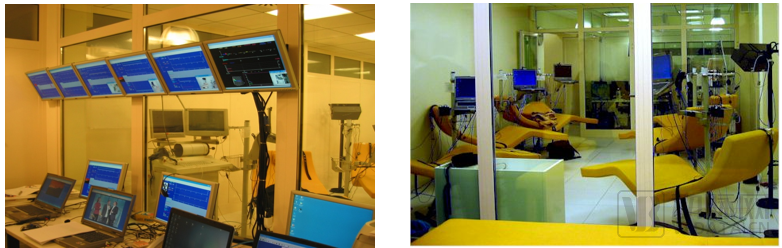
The acquisition, visualization, and analysis of these physiological signals have made precise interventions for various physiological behaviors and psychological disorders possible. Therefore, by leveraging this “physiological signal acquisition and processing device,” AC Milan can develop more personalized training plans for its players and promptly detect and intervene in abnormal psychological states.
Today, this "physiological signal acquisition and processing device" has been adopted by renowned institutions across multiple fields, including healthcare, sports, education, and the military, such as NASA, IBM, Harvard University, Stanford University, Yale University, the United States Olympic Committee, the University of Tokyo, and the Toronto Biofeedback Institute.
The core technologies employed by this system are biofeedback and neurofeedback, and all of these devices are manufactured by a single company—Thought Technology.
In December 1974, Thought Technology was founded in Montreal, Quebec, Canada. After nearly 50 years of development, Thought Technology’s products have obtained certification from nearly all major global quality and technical regulatory systems, including FDA clearance in the United States, CE marking in Europe, Health Canada approval, and CFDA registration in the Chinese market. Meanwhile, Thought Technology has established a sales network in 150 countries and regions worldwide, with over one million units installed.
Recently, VCBeat learned that Thought Technology, a Canadian manufacturer of biofeedback, neurofeedback, and psychophysiological training instruments, has accelerated its expansion into the Chinese market. Through discussions with Yu Jingming, the company’s Asia-Pacific Director, Thought Technology’s strategy for the Chinese market has become increasingly clear and well-defined.
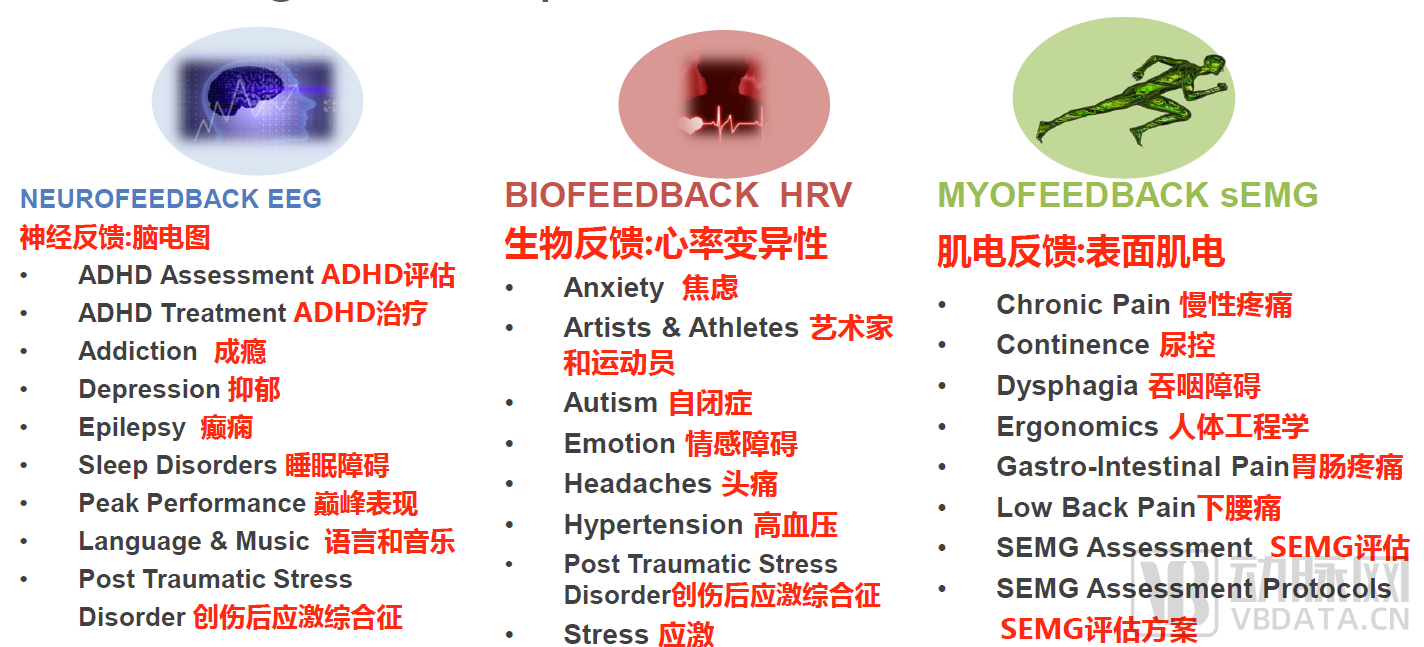
Thought Technology is a global leader in biofeedback technology. To date, Thought Technology has applied its biofeedback technology to scenarios including the assessment and treatment of ADHD in neurofeedback, as well as the treatment of addiction, depression, sleep disorders, and post-traumatic stress disorder (PTSD); anxiety, autism, headaches, and hypertension in biofeedback; and chronic pain, urinary incontinence, and swallowing disorders in electromyographic (EMG) biofeedback.
In addition to its diverse product application scenarios, Thought Technology’s product portfolio spans both clinical and home-care settings. The company’s partner list further underscores the reliability and sensitivity of its products. Beyond NASA, Stanford University, and the Japan Self-Defense Forces mentioned earlier, Thought Technology has also established collaborations with institutions such as the Mayo Clinic in the United States, the School of Psychology at Beijing Normal University, the Psychological Laboratory of the General Administration of Sport of China, the Department of Psychology at Central China Normal University, and Peking University Health Science Center.
In 2002, Thought Technology formally entered the Chinese commercial market, selecting Nanjing Vishee Medical Technology Co., Ltd. as its first commercial partner. Although public information indicates that the collaboration focused on rehabilitation medicine, particularly pelvic floor rehabilitation, Yu Jingming revealed that the biofeedback technology and its associated hardware and software products developed by Thought Technology can be widely applied in various scenarios, including physiological and psychological training as well as muscle rehabilitation. The partnership with Nanjing Vishee ultimately centered on pelvic floor rehabilitation simply because Nanjing Vishee had substantial expertise in rehabilitation medicine, especially in pelvic floor rehabilitation, and was committed to strengthening its presence in this sector.
Based on the collaboration model between Thought Technology and Nanjing Vishee, we can infer Thought Technology’s preferred approach to partnering in the Chinese market: Thought Technology provides technology or preliminary solutions, which partners then further develop to create products better suited for users in the Chinese market.
This inference was also confirmed by Yu Jingming in an interview, and he further explained the underlying reasons to VCBeat: First, there are differences in usage preferences between domestic and international users. Taking Thought Technology’s flagship product, the ProComp Infiniti series, as an example, the device is equipped with two-, five-, eight-, or ten-channel encoders depending on the application scenario and clinical requirements, enabling the simultaneous acquisition of 2, 5, 8, or 10 independent physiological signals from an individual.
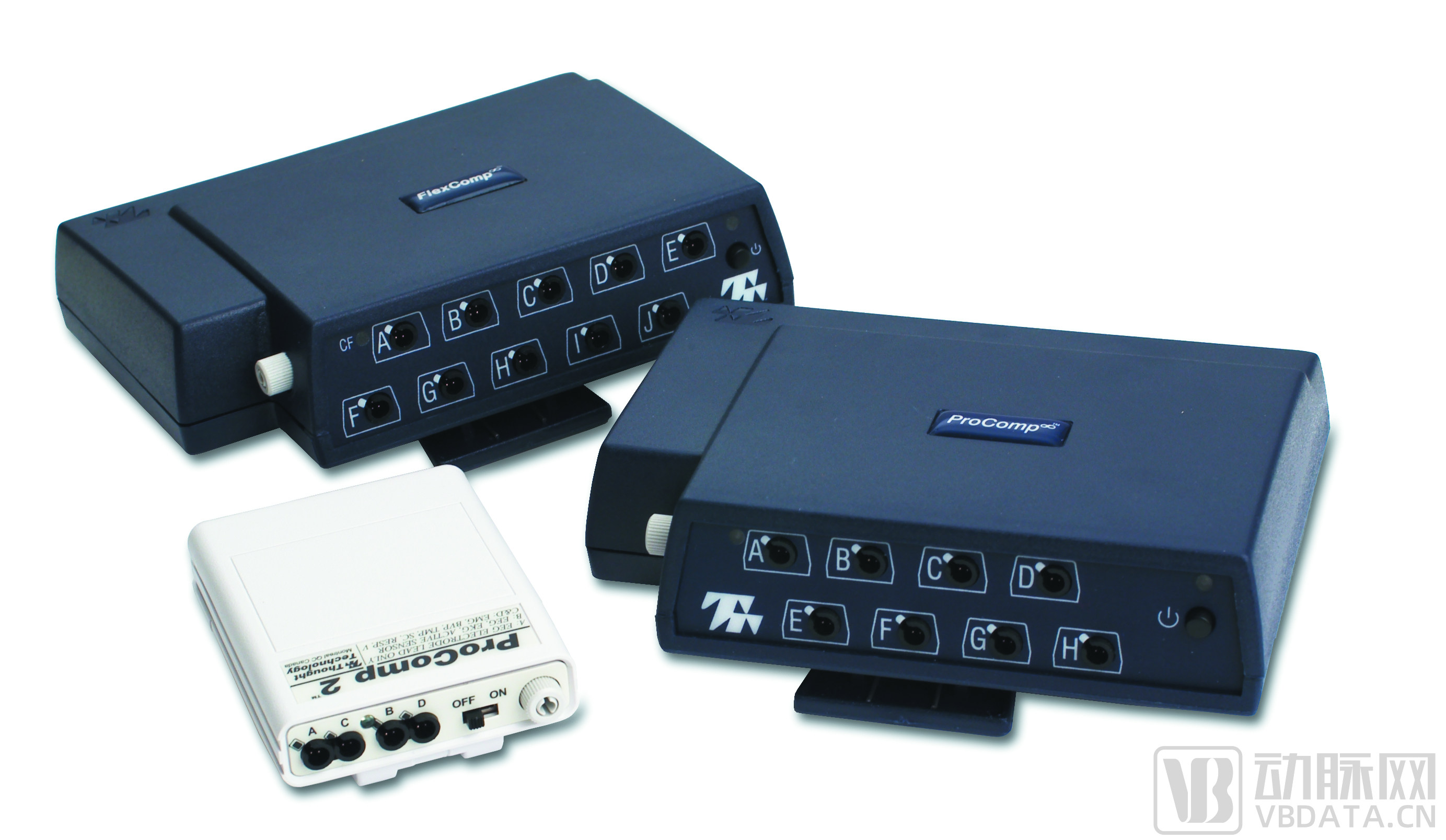
This means that, while ensuring sensitivity, the product also offers flexible configuration. This feature is highly favored by physicians and researchers abroad, whereas their counterparts in China tend to prefer products with well-defined functions, relatively simple configurations, and ready-to-use capabilities. It is precisely because Thought Technology has recognized these differences in user preferences between domestic and international markets that the company plans to continue its collaborative approach of “providing core technologies or preliminary solutions to Chinese partners, who then conduct secondary development to better meet the demands of the Chinese market.”
Second, this collaborative model creates a win-win situation for both Chinese domestic enterprises and Thought Technology. For Chinese companies seeking to enter the physiological and psychological training sector, this approach eliminates the need to start from scratch with R&D; instead, they can conduct secondary development with Thought Technology’s support. According to Yu Jingming, Thought Technology’s solutions are already highly comprehensive. The secondary development required of Chinese partners is limited to relatively straightforward tasks, such as user interface design. This significantly accelerates product launch timelines, enabling these companies to rapidly capture market share.
For Thought Technology, its business operations already span more than 100 countries and regions worldwide. Adopting a B2B model rather than a B2C model is the optimal strategy for rapid entry into local markets. Therefore, instead of developing and manufacturing products in-house, Thought Technology prefers to provide core technologies and initial solution frameworks to local enterprises.
Meanwhile, we need to emphasize that in the Chinese market, Thought Technology is currently seeking partners with several key characteristics: First, the company should be committed to entering the field of physiological/psychological training. In an interview, Yu Jingming also revealed to VCBeat, “Moving forward, Thought Technology is more interested in collaborating with companies outside the muscle rehabilitation training sector in the Chinese market.”
From Yu Jingming’s explanation, it is evident that psychological training will be a key strategic focus for Thought Technology in the Chinese market. The underlying reasons are straightforward: with the introduction of relevant national policies and growing public awareness of mental health, a substantial mental health market has emerged. The significant growth potential inherent in this market is attracting companies such as Thought Technology to enter the sector.
Secondly, during the interview, Yu Jingming repeatedly emphasized that enterprises seeking to collaborate with Thought Technology must have a clear understanding of their products’ market positioning. As previously mentioned, Thought Technology has developed a comprehensive product portfolio based on biofeedback technology, applicable to psychological/physiological training and muscle rehabilitation. This inherently raises the threshold for collaboration: if potential partners are unclear about their objectives or the specific products they intend to launch, Thought Technology—with its extensive product ecosystem and complex biofeedback technologies—will be unable to provide precise support. Conversely, clearly defined partner goals will undoubtedly lead to a qualitative improvement in collaborative efficiency.
Finally, in view of the diverse application scenarios of biofeedback technology, Thought Technology seeks partners with certain R&D capabilities; specifically, these enterprises must possess the ability to understand and assimilate Thought Technology’s biofeedback technology. Meanwhile, considering factors such as product commercialization and sales, Thought Technology also expects partner enterprises to have their own market resources.
“The road ahead is long, and the growth potential of China’s markets for psychological, physiological, and even muscle rehabilitation training is highly promising. We hope to join hands with more Chinese partners to jointly promote the widespread application of biofeedback technology in the Chinese market,” summarized Yu Jingming at the end of the interview.