

Ruipei Bio's PrimCell Autologous Epidermal Cell Therapy System: A Point-of-Care, Culture-Free Innovation Revolutionizing Wound Repair
The research and development of tissue-engineered skin represents a milestone advancement in the field of wound repair over the past three decades, breaking away from the traditional “robbing Peter to pay Paul” skin grafting model and offering patients a promising new option.
Despite significant advances in tissue-engineered skin, the cumbersome nature and high cost of techniques for constructing transplantable skin tissues in vitro have limited the clinical application and widespread adoption of conventional artificial skin products.
Established in 2021,Jiangsu Repatec Life Science Co., Ltd.(hereinafter referred to as“Repatec Life Sciences”), or bridge this industry challenge with its own innovations.
Repatec Life Science is an innovative regenerative medicine technology company, with its manufacturing center located in the Changzhou West Taihu Lake Science and Technology Industrial Park. Repatec Life Science focuses on the research and industrialization of skin regeneration technologies and related clinical products. By leveraging close collaborations with professional medical academic organizations, it provides clinicians with reliable, leading-edge innovative artificial skin treatment systems and medical products for the management of skin injury repair.
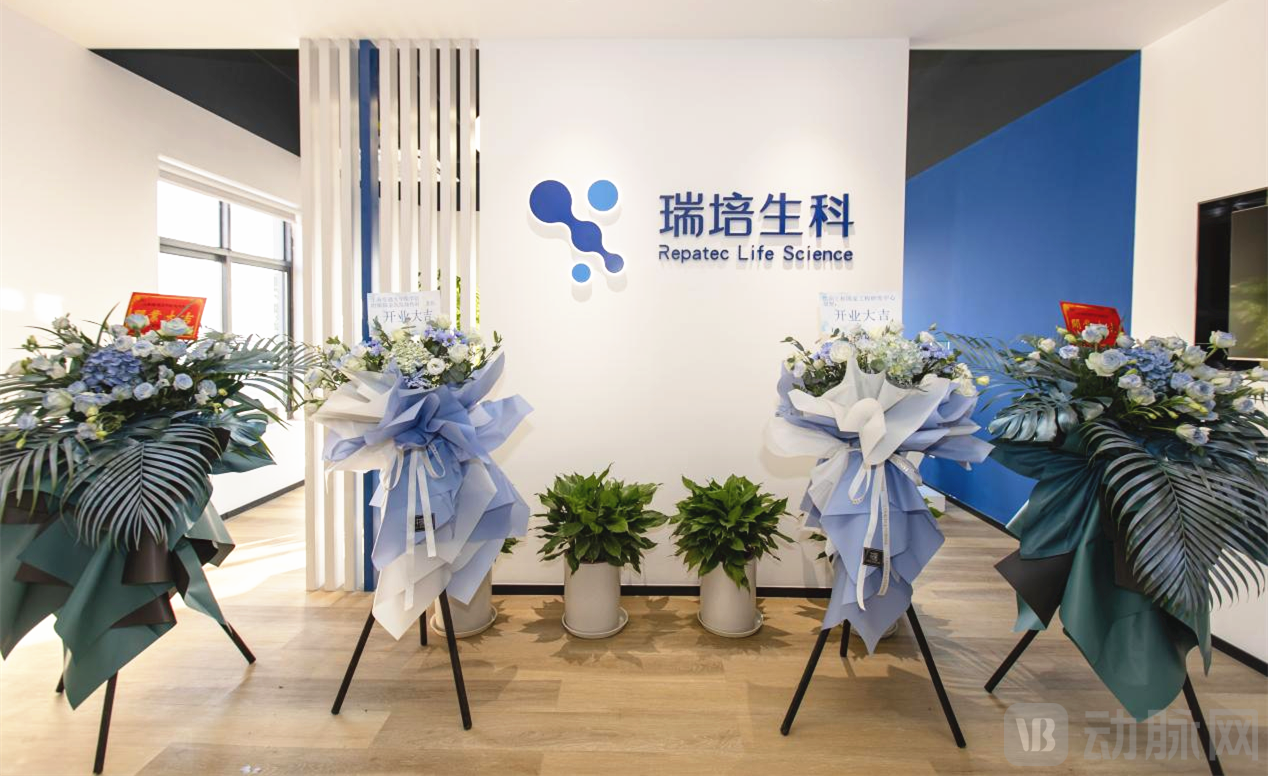
No culture required, leveraging proprietary two-step technology
Preparation of Suspension Within 30 Minutes in the Operating Room
Current wound repair techniques primarily rely on autologous skin grafting. For instance, in cases of maxillofacial burns, skin is typically harvested from other healthy areas of the patient’s body for autologous transplantation. However, limited skin availability and donor-site morbidity have long posed significant challenges to this approach, particularly for patients with extensive burn injuries.
Therefore, one of the research and development pathways for skin transplantation techniques in recent years has been how to repair larger skin defects with minimal donor site morbidity.
To address the aforementioned pain points, Repatec Life Science has launched its self-developed product—PrimCell Autologous Epidermal Cell Therapy System, this is a product designed for wound repair in conditions such as burn wounds, vitiligo, superficial scars, and chronic wounds. Utilizing a proprietary two-step technique, it rapidly isolates and harvests skin cells from healthy tissue. The resulting autologous skin cells require no culture and are immediately applied to the wound site, leveraging the patient’s own wound bed as an incubator to achieve regenerative repair of skin defects.
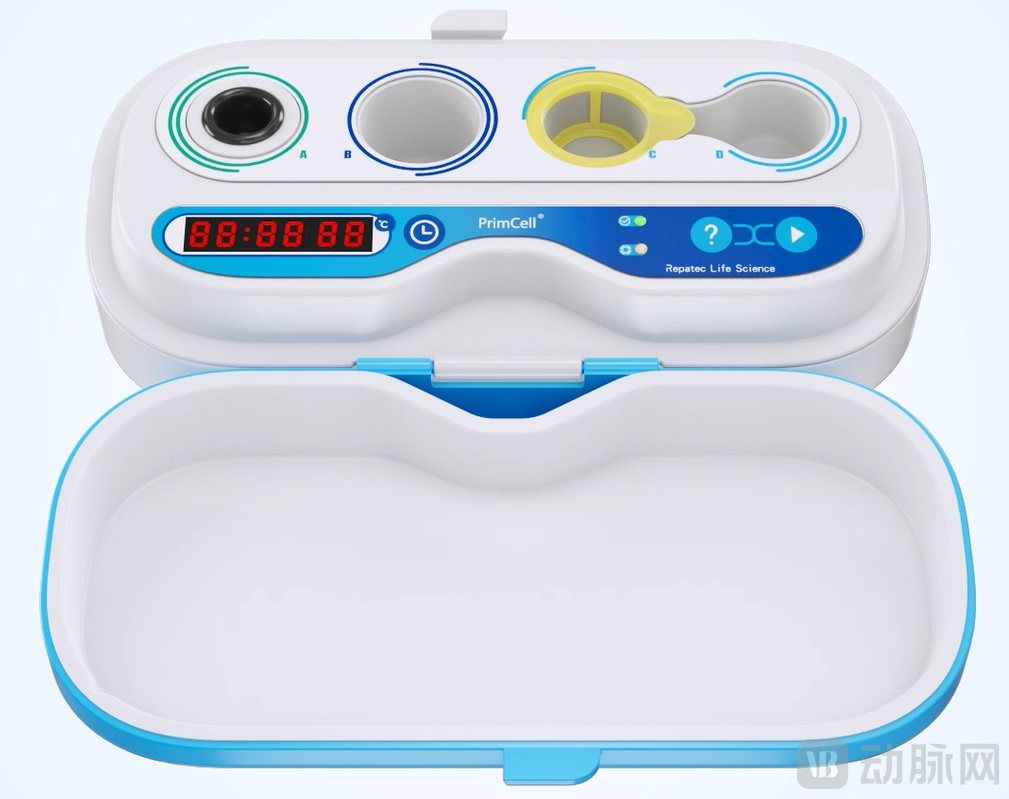
PrimCell Autologous Epidermal Cell Therapy System
The highlight of the PrimCell autologous epidermal cell therapy system lies in its proprietary two-step process,Transform the previous GLP laboratory-based cell/tissue culture system, which required approximately three weeks, into an operating room procedure based on skin cell suspension preparation that can be completed in 30 minutes.Eliminating the need for lengthy and complex culture processes, this approach enables efficient preparation of cell suspensions matched to the treatment area directly within the operating room, offering a rapid and convenient solution that significantly enhances accessibility for clinical applications.
Furthermore, the PrimCell autologous epidermal cell therapy system covers a larger wound area.The maximum expansion ratio between the donor site and the recipient site can reach 1:80.Minimize donor site injury as much as possible. As autologous skin grafting is used, there is no risk of rejection, making the treatment safer.
“Wound repair is a complex process, and skin regeneration primarily relies on cell proliferation. Most products currently available do not contain living cells; at best, they serve as scaffolds to provide growth space for cells in the wound bed and surrounding tissues. However, relying solely on these migrating cells is far from sufficient to regenerate normal skin tissue, and delayed healing can lead to hypertrophic scarring,” explained Yang Guanghui, founder of Jiangsu Repatec Life Science Co., Ltd.
He told VCBeat,The suspension of the PrimCell autologous epidermal cell therapy system contains epidermal keratinocytes, melanocytes, Langerhans cells, and key wound-healing factors, which can significantly shorten wound healing time.time, reducing the risk of scarring. Meanwhile, melanocytes in the cell suspension ensure that the repaired skin maintains normal pigmentation, resulting in a relatively high and uniform repigmentation rate, thereby achieving a more natural restorative outcome.Autologous Epidermal Cell Therapy System Has Achieved Remarkable Therapeutic Outcomes in the Treatment of Vitiligo.
How is the PrimCell autologous epidermal cell therapy system specifically used in clinical practice? First, the physician harvests a small skin graft from the patient’s healthy skin, determining the donor site area based on a 1:40 to 1:80 expansion ratio according to the patient’s condition. The liquid processing system is then added to the separator and heated; once the predetermined temperature is reached, the skin graft is placed into the device for dissociation. After 15–20 minutes, the resulting suspension is further collected and filtered, then directly instilled onto the wound surface, followed by specialized dressing application to achieve therapeutic outcomes.
Compared with traditional treatment regimens, the PrimCell autologous epidermal cell therapy system offers advantages such as less tissue damage, faster healing, reduced hospital stay, ease of use, and lower treatment costs.
In addition, Repatec Life Science has developed a real-time cell detection and analysis system, an automated high-throughput all-in-one counter designed to complement the PrimCell epidermal cell therapy system. This system enables real-time acquisition and analysis of data on epidermal cell concentration, viability, diameter, and aggregation rate at the point of care. The real-time cell monitoring and analysis system provides a basis for implementing treatment protocols while ensuring a stable yield of sufficient skin cells with viability exceeding 80%, thereby guaranteeing the therapeutic efficacy of PrimCell’s innovative technology.
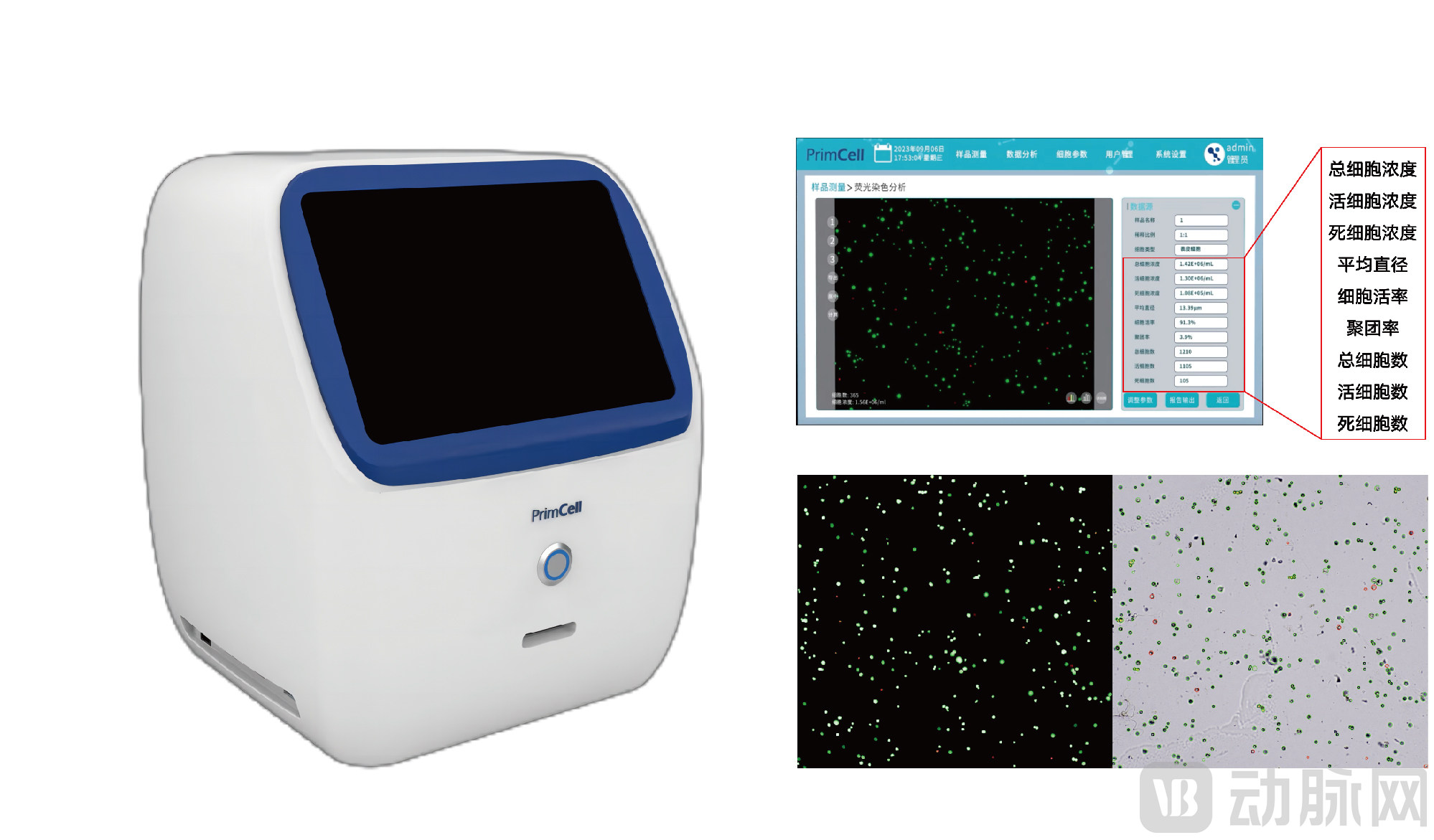
Real-Time Cell Detection and Analysis System
In addition to being supported by the three core disciplines of cell biology, biomaterials science, and biomechanics, research and application in tissue-engineered skin also integrate principles and methods from bioinformatics, biochemical engineering, genetics, bioelectronics, and computer science, thereby necessitating close collaboration among multidisciplinary researchers and clinicians.
Yang Guanghui, Founder of Repatec Life Sciences,Ph.D. in Surgery from Shanghai Jiao Tong University School of Medicine. Previously served as the principal investigator for the National 863 Program’s “Key Project on Tissue-Engineered Artificial Skin,” the outcomes of which received the First Prize of the Shanghai Science and Technology Progress Award. Later participated in the operations of the National Tissue Engineering Center as a core technical expert and founding shareholder, possessing extensive experience in the industrialization and management of biopharmaceuticals, with expertise in the development of medical products in the field of artificial living tissues.
From his verdant university years through advanced studies and into his professional career, Yang Guanghui has now reached the age of forty. For nearly two decades, he has been deeply immersed in the field of skin regenerative medicine, making rapid and profound advancements.
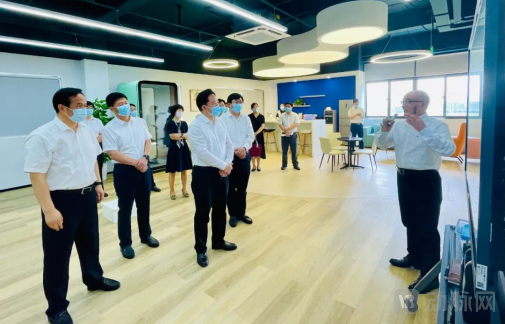
Dr. Yang Guanghui Briefs Leadership on the Progress of the “PrimCell Autologous Epidermal Cell Therapy System” Project
The company’s core team comprises senior experts with extensive backgrounds in surgery and regenerative medicine, as well as seasoned professionals proficient in the production, regulatory submission, and marketing of innovative medical products. With profound academic expertise and rich practical experience, the team is capable of accurately identifying market demands and formulating feasible product development and marketing strategies.
To better meet clinical needs and promote clinical applications, Repatec Life Science andNational Engineering Research Center for Tissue Engineering,Department of Burns, Ruijin Hospital Affiliated to Shanghai Jiao Tong University School of Medicine; Department of Dermatology, Air Force Medical Center; Department of Dermatology, Shanghai Children's Medical Center; Department of Dermatology, Peking University People's Hospital; and other institutionsEstablished a robust collaborative partnership to jointly conduct research and development, integrate resources from all parties, and accelerate the translation of scientific achievements into clinical applications, thereby providing patients with more advanced and effective treatment options.

The physician administered treatment using the “PrimCell Autologous Epidermal Cell Therapy System.”
Public data indicate that the annual demand for treatment of various complex, hard-to-heal wounds in China exceeds 30 million patient visits, while the overall demand for wound care amounts to approximately 100 million patient visits. Moreover, the primary etiologies of chronic non-healing wounds in China are shifting from “trauma-related” to “disease-related.”

Market Size of Wound Repair, Image Source: Fuchuang Investment
Prior to 2019, wound repair in China was subordinate to other surgical specialties, with treatment scattered across multiple hospital departments. Patients had to navigate between various departments and were unable to receive systematic care. In 2019, the National Health Commission explicitly designated Wound Repair as a tertiary-level specialty. In the following years, it issued a series of policies to strengthen the capacity building of wound repair-related departments, including the Notice on Strengthening the Diagnosis, Treatment, and Management of Chronic Non-healing Surface Wounds (Ulcers), the Basic Standards for Wound Repair Departments in Medical Institutions (Trial), and the Basic Skill Requirements for Clinicians and Nurses in Wound Repair Departments.
The “Five-Year Action Plan for the Standardized Construction of Wound Repair Departments in China (‘100-1,000-10,000’ Initiative),” released in early 2022, further stipulates the establishment of standardized wound repair departments in 100 provincial, municipal, and prefectural-level hospitals; standardized wound repair wards/units in 1,000 county-level hospitals; and standardized wound repair workstations in 10,000 primary healthcare institutions within five years. This initiative aims to create a multi-tiered, coordinated medical network for the diagnosis and treatment of various chronic non-healing wounds, thereby enhancing the capacity and standardization of wound care services.
Take vitiligo as an example. Vitiligo-induced depigmented patches often appear on exposed areas of the body, significantly impacting patients’ daily lives. According to data from Debon Securities, there were approximately 22.83 million vitiligo patients in China in 2021, with the prevalence rate showing a gradual upward trend in recent years. The pathogenesis of vitiligo is complex, and there is currently no specific cure; treatment primarily relies on pharmacotherapy and phototherapy. For patients who respond poorly to conventional therapies, have extensive depigmented areas, and have been in a stable disease state for more than one year, epidermal transplantation surgery may be considered.
Currently, the most widely used epidermal transplantation techniques for vitiligo in clinical practice are "suction blister" and "split-thickness skin graft" methods. However, limited by the donor skin area, neither technique can cover large vitiliginous areas in a single session, and they are prone to postoperative complications such as uneven repigmentation, unnatural color match, and even scarring. Repatec’s PrimCell Autologous Epidermal Cell Therapy System offers significant advantages, including minimal donor skin requirement, reduced surgical trauma, lower postoperative complication rates, capacity to treat larger vitiliginous areas, unrestricted transplantation sites, and uniform repigmentation. This system addresses the limitations of traditional therapies, paving a new path for vitiligo treatment.
Currently, the wound repair market is on the eve of an explosion. Yang Guanghui shared with VCBeat his three thoughts on the future development of the industry.
He first highlighted several emerging “hot” technologies, such as gene editing, arguing that they will bring revolutionary changes to the development of universal skin grafting cells and cell banks, thereby unlocking more application scenarios for regenerative dermatology.
Furthermore, although there are already some commercialized artificial skin products on the market, their skin functions remain to be improved. For instance, currently engineered skin lacks normal skin appendages such as sweat glands and sebaceous glands, and thus cannot restore sweating and sebum secretion functions. How to successfully construct skin with complete appendages and achieve its industrialization has become a future development trend in the industry.
A global overview of the wound care market reveals that tissue-engineered artificial skin products in the United States have demonstrated strong growth momentum in recent years. In contrast, while China’s wound management market remains dominated by traditional adhesive/gauze bandages, negative pressure wound therapy (NPWT) products, and advanced dressings, the potential of tissue-engineered artificial skin products is gradually emerging, with expectations that they will deliver greater clinical value in the coming years.
Although autologous skin grafting still faces numerous challenges at this stage, the integration of interdisciplinary approaches in today’s era of rapid technological advancement will provide new insights for addressing the difficulties in skin wound repair. We have reason to believe that these challenges will be overcome one by one as technology continues to advance. As a mainstream solution for future skin injury repair, tissue-engineered skin will offer patients better treatment options and an improved quality of life.
About Changzhou West Taihu Lake Science and Technology Industrial Park
Jiangsu Wujin Economic Development Zone (Changzhou West Taihu Lake Science and Technology Industrial Park) is located at the geometric center of Changzhou City, where the metropolitan circles of Shanghai, Nanjing, and Hangzhou converge. It serves as a key platform within the Southern Jiangsu National Independent Innovation Demonstration Zone, constitutes the core area of Changzhou’s “Two Lakes” Innovation Zone, and stands as the primary stronghold for building the “Yangtze River Delta Central Axis Hub,” a priority initiative during Changzhou’s 14th Five-Year Plan period. Seizing new development opportunities presented by the “Two Lakes” Innovation Zone, the park is anchored in its positioning of “New City, New Industries, and New Talent.” It vigorously develops the “One High and Four New” industries—namely high-end medical health, new materials, new energy, intelligent manufacturing, and the new economy. Furthermore, it has strategically laid out four future-oriented industrial clusters: Changzhou Hydrogen Bay, Oriental Carbon Valley, Cell Technology Port, and Synthetic Biology Island. Shouldering primary responsibility, the park is making every effort to accelerate the construction of an “Ecological Innovation Zone and the Most Beautiful Lakefront City.”