

ShineHigh Innovation Files for IPO: Pioneering Supramolecular Smart Assembly Technology Attracts L'Oréal's First-Ever Investment in China
“Classic of Mountains and Seas” infuses Chinese culture with rich nourishment through its magnificent, bizarre, and splendid imagination, inspiring the creative ingenuity of generations of literati. The numerous mythical creatures depicted in the book are mostly composed of different parts from various animals, integrating their attributes to become more powerful.
Two millennia later, a post-1980s professor from Harbin Institute of Technology ingeniously leverages supramolecular self-assembly technology to creatively reconfigure numerous existing molecules. This approach not only optimizes the performance of upstream raw materials, enhancing their capabilities beyond previous limits, but also facilitates the emergence of novel materials, thereby charting a “Classic of Mountains and Seas” for synthetic biology.

Zhang Jiaheng, Founder of Shinesky Innovation
“I don’t believe there is another person in the world with the same R&D background as mine.”
On the other end of the receiver came the brisk, assured, and confident voice of this young professor from Harbin Institute of Technology.
This is not youthful recklessness; he is indeed qualified to make such a statement.
“Professor at Harbin Institute of Technology” is just one of the many identities of Zhang Jiaheng, a “hexagonal warrior.” In addition, he is a National Distinguished Expert, a Research Fellow of the Japan Society for the Promotion of Science, an Overseas High-Level Talent, a Guangdong Pearl River Talent, a Shenzhen Peacock Talent, and a core member of a Shenzhen Peacock Team. He was included in the “World’s Top 2% Scientists 2023” list jointly released by Stanford University and Elsevier. He is also the founder of Shinesky Innovation and the founder of Qianmu New Energy.
It is not uncommon for entrepreneurs to have a technical background, nor is it rare for scientists to venture into business. However, most of them face the dilemma of choosing between scientific research and commercial pursuits. In contrast, Zhang Jiaheng does not need to make such trade-offs; his triple identities as a “scientist,” “doctoral supervisor at a prestigious university,” and “entrepreneur” coexist and thrive in tandem.
Zhang Jiaheng told VCBeat that he initially conducted research in phytochemistry, focusing on the modification and synergistic enhancement of pesticides and veterinary drugs. He later pursued advanced studies in the United States, collaborating with Professor Jean'ne M. Shreeve, an international expert in ionic liquids, to apply supramolecular chemistry to aerospace applications and rocket propellant research. In this field, he has published more than 60 academic papers.
Four years later, Zhang Jiaheng continued his journey to Japan, where he served as a research fellow of the Japan Society for the Promotion of Science (JSPS), conducting research on the application of supramolecular chemistry in nanomaterials, new energy, and electrocatalysis. At that time, Kyushu University in Japan and local pharmaceutical companies initiated a research project on the ionic liquid drug etodolac-lidocaine. Etodolac is a nonsteroidal anti-inflammatory drug (NSAID), and lidocaine is an anesthetic. Through self-assembly of these two drug molecules, they can leverage their respective strengths to directly provide anesthesia and anti-inflammatory effects to joints and muscles.
Leveraging his expertise in drug development and supramolecular modification, Zhang Jiaheng began to explore how these technologies could be applied to the pharmaceutical sector. However, confronted with the prolonged timelines and inherent uncertainties spanning from research and development to market launch, he shifted his focus to consider whether these technologies could first be applied to the skincare industry. This approach would not only shorten time-to-market and rapidly validate technological efficacy, but also accumulate valuable experience for future pharmaceutical product development.
Zhang Jiaheng noted that current skincare products on the market contain many active molecules, such as Pro-Xylane and retinol, which share similarities with pharmaceutical molecules and possess potential chemical advantages. He believes that supramolecular technology could be leveraged to further enhance these benefits. Specifically, it is possible to explore the self-assembly of these active molecules into ion pairs or their encapsulation via microencapsulation to form novel supramolecular structures. Such structures are expected not only to significantly improve transdermal permeability but also to enhance skincare efficacy, thereby granting products a unique competitive edge in the market.
In 2017, Zhang Jiaheng, at the young age of 30, officially returned to China to serve as a Professor and Doctoral Supervisor at the School of Medicine and Health, Harbin Institute of Technology, and the School of Materials Science and Engineering, Shenzhen Campus. He also founded Shenzhen Shinesky Biotechnology Co., Ltd. (hereinafter referred to as “Shinesky Innovation”).
Currently, the core technical team at Shenzhen Shinesky Biotechnology Co., Ltd. is primarily composed of graduates from Harbin Institute of Technology and Zhejiang University of Technology, including nearly 30 PhDs and over 40 master’s degree holders. Between Zhang Jiaheng and his research team, there exists not only a profound mentor-student bond but also the camaraderie of comrades-in-arms. Working in unison, they are continuously expanding the applications and industrialization of supramolecular technology.
Shenzhen Shinesky Biotechnology Co., Ltd. currently has nearly 100 proprietary supramolecular ingredients for its beauty and skincare business line that are commercially available and in application. Additionally, more than a dozen original supramolecular ionic salt ingredients have completed registration with the International Nomenclature of Cosmetic Ingredients (INCI) directory and are simultaneously undergoing filing as new cosmetic ingredients in China.
In November 2022, Shenzhen Shinesky Biotechnology Co., Ltd. won the “Foreseeing New Product R&D” Excellence Award—the championship title of the 3rd L’Oréal BIG BANG Beauty Tech Creation Camp—for its “Supramolecular Modification Technology” project under its personal care active ingredient brand, “Xuanjia.”
In September 2023, L’Oréal Group officially announced a minority equity investment in Shenzhen Shinesky Biotechnology Co., Ltd. (Shinesky Innovation) to establish a long-term partnership for the joint development of novel and sustainable beauty solutions. This marks L’Oréal Group’s first open innovation investment in China through its subsidiary Shanghai Beauty Tech Ventures, as well as the first funded project incubated by the “BIG BANG Beauty Tech Creation Camp” launched by L’Oréal in China five years ago.
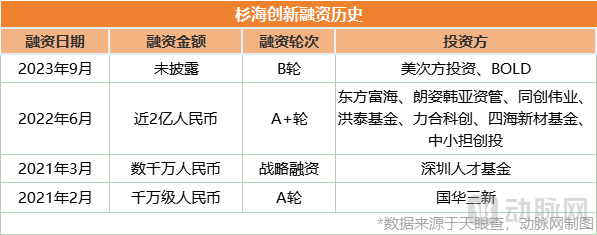
Notably, the A+ round of financing was co-led by Bloomage Langya, an investment fund under Bloomage Biotech.
Raw materials are the "chips" of the cosmetics industry; the quality and efficacy of cosmetic products largely depend on the ingredients used.
To truly excel in upstream raw materials, it is essential to break free from the constraints of the industrial supply chain and drive innovation at the source of ingredients. Only through technological innovation can we genuinely break the deadlock.
Supramolecular technology is a type of modification technique and a pathway for achieving substantial innovation in new raw materials, having been associated with the Nobel Prize twice. This novel approach to molecular development leverages intermolecular forces to design and recombine two or more types of molecules into new supramolecular structures. This process not only retains the original functions of each individual molecule but also enables synergistic interactions, resulting in an enhanced efficacy where “1+1>2.” No new substances are generated during this process; instead, ingredients with extensive clinical data confirming their safety, efficacy, and clear metabolic mechanisms are modified to make them more stable, gentler, easier to apply, and associated with fewer side effects.
“Previous material development was typically based on new molecules, much like pharmaceutical development, where new molecules are usually obtained through functional group derivatization or chemical reactions. Leveraging supramolecular technology, we can assemble two or more molecules into a new structure based on intermolecular forces, such as electrostatic interactions, van der Waals forces, π-π stacking, and hydrophobic interactions. This new structure imparts novel functionalities similar to those of active pharmaceutical ingredients (APIs), bearing resemblance to antibody-drug conjugates (ADCs) and peptide-drug conjugates (PDCs). However, while ADCs and PDCs are linked via covalent bonds, our technology relies on non-covalent interactions,” Zhang Jiaheng explained to VCBeat.
Leveraging “supramolecular self-assembly” technology, Shinesky Innovation has pioneered the integration of AI into the early-stage material design process. This transforms the traditional, labor-intensive trial-and-error synthesis approach into a development system where AI pre-predicts the properties of corresponding structures for rapid screening, thereby upgrading to its distinctive “Supramolecular ‘Intelligent’ Assembly” technology. By combining this with human know-how in experimental validation, the company can significantly shorten R&D cycles and enhance R&D efficiency.
With the rapid rise of domestic beauty and skincare brands, there is a growing demand for exclusive ingredients among brand owners, which undoubtedly places higher demands on innovation in upstream raw materials.
Currently, many international beauty and skincare giants are closely associated with specific ingredients, such as L'Oréal's Pro-Xylane, Shiseido's 4-MSK, SK-II's Pitera, Bloomage Biotech's hyaluronic acid, and Giant Biogene's collagen. However, not all beauty and skincare companies possess the capabilities and resources to create or develop new ingredients from scratch.
Leveraging its supramolecular intelligent self-assembly technology platform, Shinesky Innovation has now developed “"Supramolecular Co-crystal/Ionic Salt Technology," "NaDES-Directed Extraction Technology," "Superconducting Synergistic Penetration-Enhancing Technology," "Bioenzymatic Green Catalysis Technology," "Supramolecular Microencapsulation Technology," "Peptide Hierarchical Self-Assembly Technology"Six Core Technologies for the R&D and Production of Functional Ingredients in Cosmetic Skincare, and for the Modification and Upgrading of Traditional Functional Ingredients.
“We can leverage previously known raw material ingredients to create new structures with specific efficacy and intellectual property barriers through self-assembly, thereby customizing core ingredients with exclusive efficacy and IP moats for enterprises, helping them better establish their own competitive advantages,” Zhang Jiaheng told VCBeat.
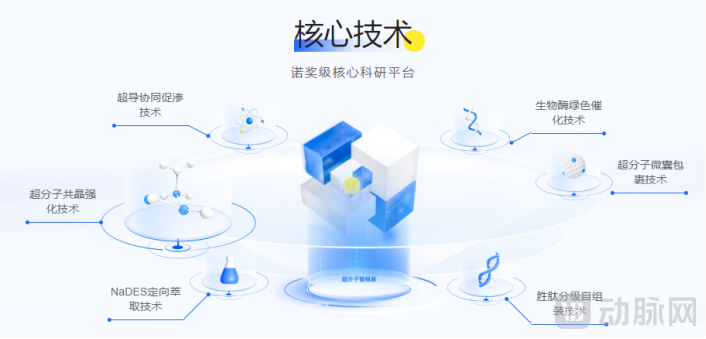
Shinesky Innovation’s Six Core Technologies, Image from the Company’s Official Website
Take salicylic acid as an example. When applied topically to the skin, salicylic acid is an effective exfoliating agent that can penetrate deep into the pores, clearing out impurities and excess sebum, minimizing pore appearance, and alleviating issues such as acne and comedones. However, salicylic acid itself is irritating; its concentration in cosmetic formulations is generally capped at 2%, yet it still tends to cause side effects like irritation and peeling, making it one of the primary culprits behind “acid-induced skin barrier damage.” Furthermore, due to its poor water solubility, salicylic acid requires the addition of alcohol or sodium hydroxide in formulations to achieve dissolution, which deters many individuals with sensitive skin.
To address the aforementioned challenges, Shenzhen Shinesky Biotechnology Co., Ltd. developed supramolecular betaine salicylate using its proprietary “Supramolecular Cocrystal Enhancement Technology.” This innovation improves safety for glial cells by 31-fold, offering a gentler and safer profile. It eliminates the need for alcohol or sodium hydroxide for dissolution, while demonstrating superior solubility, enhanced transdermal penetration, and more pronounced efficacy in reducing redness and treating acne. The ingredient has already been incorporated into multiple products, including Medrepair Youthful Firming & Rejuvenating Essence Water, PMPM Deep-Sea Torpedo Serum, and Beast Code Essential Oil Serum.
In addition, Shinesky Innovation has conducted a series of studies. For instance, it enhanced the stability of retinol through supramolecular encapsulation; improved the transdermal absorption efficiency of ingredients such as blue copper peptide, snake venom-like peptide, and conotoxin via supramolecular encapsulation; and performed active extraction from Fomes officinalis using natural deep eutectic solvents (NaDES) to obtain SHINE+ Fomes officinalis extract, among other achievements.
Zhang Jiaheng pointed out that as competition in the upstream raw material market intensifies, the approach of solely optimizing processes for specific molecules may fall into the trap of price wars. Taking ergothioneine as an example, there are no fewer than seven or eight manufacturers currently capable of producing it. Due to the absence of molecular patents, most raw material suppliers can only reduce costs by improving synthesis efficiency and processes, inevitably becoming deeply entrenched in price wars.
In contrast,Shenzhen Shinesky Biotechnology Co., Ltd. has taken a novel approach by leveraging supramolecular technology to drive innovation at the molecular and crystalline structural levels, thereby developing unique raw materials. This strategy not only enables patent protection and differentiated competition but also allows the company to supply premium ingredients to brand owners. By providing clients with innovative raw materials, formulation technologies, and customized manufacturing services, Shinesky builds robust technical barriers to help more domestic beauty brands break through in the market.
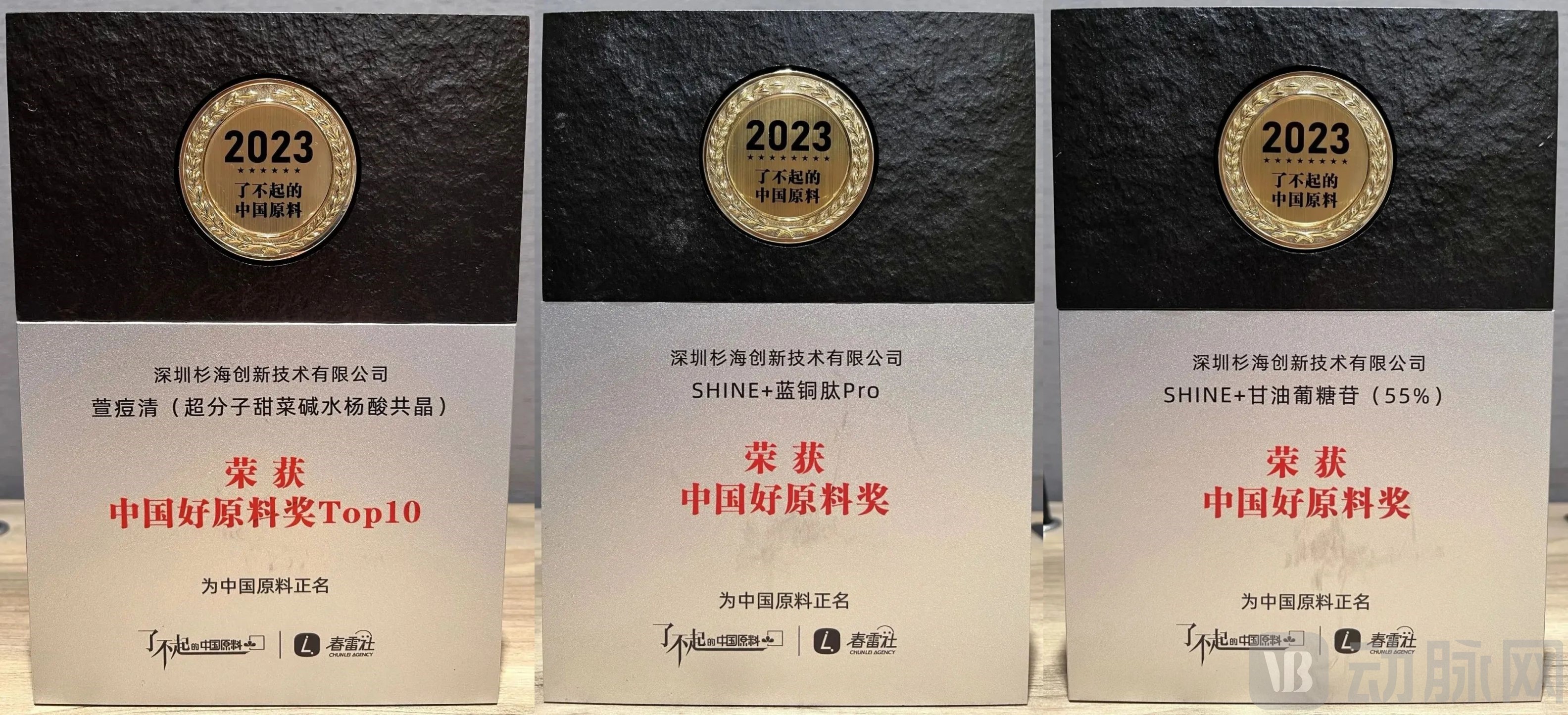
Shinesky Innovation’s Multiple Ingredients Win China’s Top Raw Material Awards
Notably, in October 2023, Acetyl Octapeptide-1, developed by the R&D team of Zhitai Shengchuang—a company strategically invested in by Shinesky Innovation—successfully completed the filing for new cosmetic ingredients (Filing No.: Guo Zhuang Yuan Bei Zi 20230040).This is China’s first new supramolecular self-assembling short peptide ingredient, marking the first application of self-assembling short peptides in the global cosmetics industry.
Currently, this widely applicable ingredient has only just begun to be incorporated into end products, which is one of the key areas that Shenzhen Shinesky Biotechnology Co., Ltd. will focus on exploring in 2024.
Leveraging its unique supramolecular technology, Shenzhen Shinesky Biotechnology Co., Ltd. has established in-depth collaborative partnerships with numerous renowned brands both domestically and internationally,These include international beauty giants such as L'Oréal, Procter & Gamble, and Shiseido, as well as leading domestic companies like Bloomage Biotech, Fu'erjia, and Botanee.。Over the past three years, Shenzhen Shinesky Biotechnology Co., Ltd. has achieved a compound annual growth rate (CAGR) in revenue of nearly 60%.
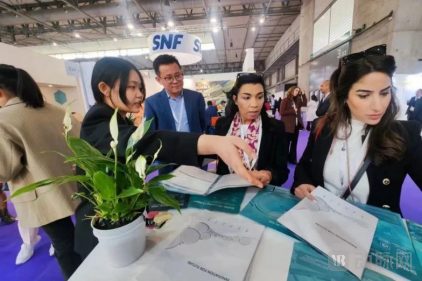
Shinesky Innovation Makes Debut at in-cosmetics Global 2023
Shinesky Innovation began with skincare ingredients but is not limited to them.
Zhang Jiaheng emphasized that Shinesky Innovation is positioned as a technology-driven company in the pan-health sector, committed to achieving “full-platform, full-category” coverage. Moving forward, in addition to continuing its deep engagement in the innovation of skincare ingredients, Shinesky Innovation will expand its business footprint intoPharmaceuticals and healthcare, food and dietary supplements, pesticides and veterinary drugs, eco-friendly materials, and other fields……
References:
[Exclusive Interview | Shinesky Innovation: Becoming L'Oréal's "First Investment" with 6 Core Technologies!]
2. Shinesky Innovation in the “Ingredients Are King” Era: Breaking Through the Skincare Industry’s “Ceiling”
3. “Leveraging Supramolecular Technology to Achieve ‘Lego-style’ Ingredient Upgrades”