

JuYuan Bio Files IPO Prospectus: Global Leader in Recombinant Collagen Protein Unveils Growth Strategy
In China’s beauty industry, where raw material suppliers compete to capture consumer mindshare through marketing buzz and equate efficacy with high concentrations, recombinant collagen is elegantly emerging from the crowd of ingredient concepts. Leveraging its numerous advantages—including direct supplementation, regeneration, humanization, and the convergence of cosmetics and pharmaceuticals—it has become the most sought-after rising star in the beauty sector today.
According to Frost & Sullivan, collagen is projected to surpass hyaluronic acid in market share within the cosmetics industry by 2025.#1Raw material ingredients, together with related sectors such as medical aesthetics and healthcare, are projected to drive the terminal market to exceed RMB 100 billion by 2027.The crown of “king of new-generation beauty ingredients,” once held by lauryl laureate, is now being passed to the “new king”: collagen.
The market success of recombinant collagen hinges on authoritative recognition from the technical community. In July 2022, to commemorate the 100th anniversary of the Chemical Industry and Engineering Society of China (CIESC), the society organized the compilation of the “Key Technologies in Advanced Chemical Materials” series, funded by the National Publication Foundation Project. Within this series, recombinant collagen technology was listed alongside 14 other key technologies—such as supramolecular intercalation structures, aerospace, and advanced rail transit—and was recognized as one of the 15 major chemical engineering technologies in China most worthy of attention for having overcome foreign “chokehold” restrictions.
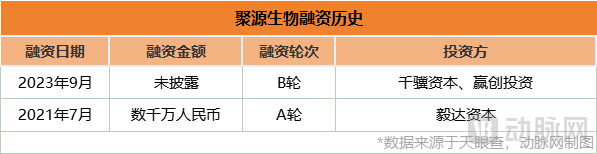
In fact, multinational industry giants have also taken notice of this rare Chinese-leading technology. In September 2023, Evonik, a global specialty chemicals giant and L’Oréal’s largest raw material supplier, completed a strategic investment in Juyuan Biology.This marks the first investment and strategic layout in Chinese beauty industry biomaterials by a major global upstream conglomerate in the beauty sector.
Domestic industrial capital has successively responded to market signals, with Hongxing Erke notably making a cross-sector entry into the recombinant collagen space. Its investment arm’s subsidiary, Duoying Bio, has entered into a strategic partnership with Juyuan Bio, a globally renowned upstream supplier of recombinant collagen. Together, they have jointly developed a range of finished recombinant collagen products for diverse applications, including recombinant type III humanized collagen solution, dressings, repair gels, and gynecological gels.
Furthermore, Juyuan Biology has established close upstream and downstream supply chain collaboration with Yi Ben Tong, a brand under Hongxing Erke Investment Company, to jointly accelerate the development of China’s recombinant collagen industry.
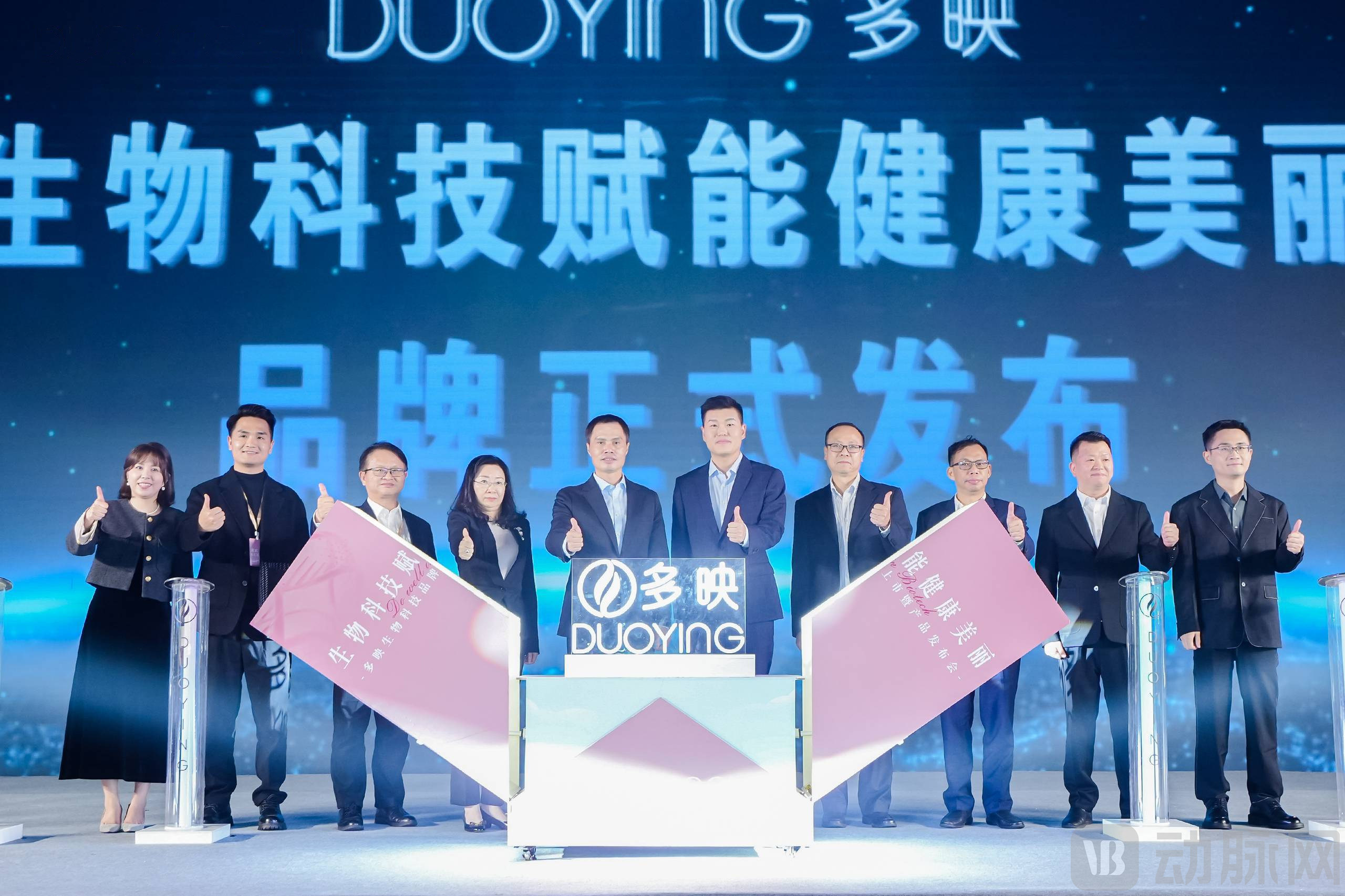
Zou Zhaohui, Founder of Juyuan, Attends Duoying Bio’s IPO and Product Launch Event (Third from Left)
AsOne of the World's Largest Suppliers of Collagen Raw Materials, in addition to Erke, Juyuan Biotechnology has also obtainedBloomage Biotech, FuErJia, Shanghai Jahwa, Chosung (Kans), Liby Gaozi, OSMUNY, Amorepacific Innisfree, e.l.f., COSMAXFavored by over 300 brands and enterprises worldwide, our products are exported to more than 80 countries and regions across Europe, North America, East Asia, the Middle East, and Latin America.
Recently, VCBeat had the privilege of interviewing Mr. Zou Chaohui, founder of Juyuan Bio, to discuss the development of recombinant collagen in China and Juyuan Bio’s 20-year journey.
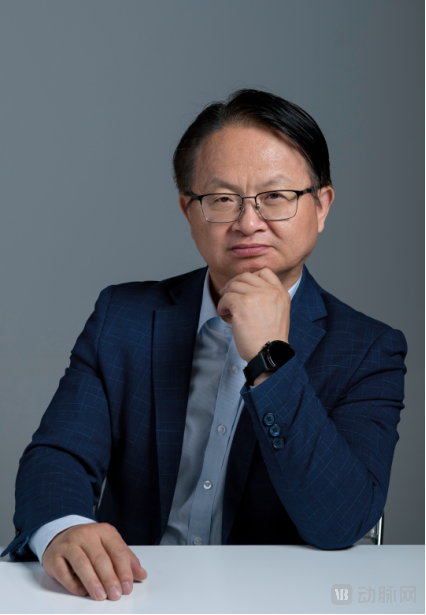
Zou Zhaohui, Founder of Juyuan Biology
Technology Leads, Policy Protects
20 Years of Accumulated Strength: Independently Innovated Ingredients Lead the Global Anti-Aging Era
Currently, collagen raw materials are derived from two major sources: animal-based and non-animal (recombinant) sources.
Compared with their overseas counterparts, China’s animal collagen industry started later and has developed more slowly. From the application perspective, apparent domestic consumption of animal collagen raw materials in China accounts for less than 10% of the global total, with over 90% of the market located abroad. From the industrial perspective, the largest animal collagen producer in China is currently a Sino-French joint venture, while Chinese-owned animal collagen manufacturers focus on more vertical niche segments.
Recombinant collagen is a product of synthetic biology. It is a macromolecular collagen produced through fermentation and expression by employing genetic engineering techniques, which involve the selection and design of specific sequences based on the human collagen sequence, followed by enzymatic cleavage and ligation, and subsequent insertion into expression vectors for transformation into engineered bacterial strains.
Compared with animal-derived collagen, recombinant collagen offers advantages such as high biological activity, low immunogenicity, and good water solubility. Furthermore, leveraging synthetic biology-based manufacturing processes, recombinant collagen features shorter production cycles, higher yields, stable quality, and minimal batch-to-batch variation, thereby providing greater advantages for large-scale production.
Zou Chaohui further added to VCBeat that, in contrast to the “flying geese” model seen with other raw materials—including animal-derived collagen—China began its scientific research into recombinant collagen relatively early and now leads the world in both technology and applications. As early as 2002, Professor Yang Shulin’s team at Nanjing University of Science and Technology, a partner of Juyuan Biology, embarked on research into the production of recombinant collagen using synthetic biology techniques.
Juyuan’s series of recombinant collagen raw material products, including “Yuejiaoxian,” “Yuelixin,” “Yuelaixin,” “Beikeli,” “Biollagen,” “Demulcent,” and “Pepwell,” are original ingredients with fully independent intellectual property rights, refined over more than two decades and backed by over 40 domestic and international invention patents.
Meanwhile, Zou Chaohui also pointed out that Juyuan has always adhered to the concept of embracing green biotechnology. Its recombinant collagen is derived from a Pichia pastoris expression system, free from exogenous viral contamination, and does not use any animal-derived raw materials. The company provides efficient, non-animal-origin products that meet high-quality standards. Its production equipment and manufacturing environment comply with the relevant regulatory requirements of various countries and regions worldwide, making it a benchmark enterprise in comprehensively building green intelligent manufacturing.
The frequent accumulation of favorable policies has also provided fundamental guarantees for the rapid development of China's recombinant collagen market.Since 2021, China has intensively rolled out industrial policies for the collagen industry to regulate its development. These policies have focused more on recombinant collagen, providing clear specifications for its naming conventions, regulatory classification, testing indicators, quality requirements, and standards in the medical and pharmaceutical sectors. This has reshaped industry standards for recombinant collagen and directly stimulated market sentiment and industry growth.
China also leads the way in the industrial scale-up of recombinant collagen, thanks to its establishment of an integrated industry chain spanning from raw materials to end-user brands.This success is attributable not only to China’s robust and resilient supply chain but also to its vast consumer base. In particular, younger consumers demonstrate stronger identification with and greater acceptance of domestic brands that offer both design excellence and quality. After more than a decade of market education, the general public has become quite familiar with the concept of collagen, thereby laying a solid foundation for its explosive growth.
Global Standards, Bio-Manufacturing
Single-molecule, High-purity, 20-ton Stable Mass Production
Juyuan Bio has been “focused” on the integrated research and development, production, and application of recombinant collagen since its inception. In the field of recombinant collagen, it is a pioneer of the Pichia pastoris technology route.
As the first original high-tech enterprise in China to utilize Pichia pastoris for the synthesis of recombinant collagen, Juyuan Bio boasts nearly two decades of technological expertise. The company has achieved a comprehensive industrial chain layout encompassing gene design, strain construction, industrialization planning, scale-up to ton-level production capacity, downstream application R&D, and safety and efficacy testing of downstream products based on recombinant functional proteins, establishing itself as an industry leader in the full-value chain of recombinant collagen.
The company has developed and achieved large-scale production of various functional proteins, including Type I and Type III recombinant collagen and fibronectin. With an annual production capacity of 20 metric tons of pure recombinant collagen, it is currently the industry’s leading base for recombinant collagen raw materials. Its clients and business scope cover international manufacturers in the cosmetics, food, and medical device sectors.
As the first company in China’s recombinant collagen industry to obtain U.S. GRAS (Generally Recognized As Safe) certification for a new food ingredient, Juyuan has successfully achieved multiple global system certifications. These include EFfCI, RSPO, VEGAN, HALAL, ISO 22716, GMPC, BRC, AVA, ISO 13485, and ISO 9001, covering authoritative certification frameworks for food, cosmetics, and medical devices. These certifications ensure the compliance of Juyuan’s management standards and product quality, enabling the company to provide more competitive and credible products and services to customers under diverse certification regimes.
Zou Chaohui told VCBeat that the purity of collagen has a significant impact on its metabolic pathway and efficacy in the human body. Due to its homogeneity, high-purity collagen follows a clear metabolic pathway in the human body, yielding predictable effects. In contrast, lower-purity collagen may contain various impurities, leading to unpredictable outcomes—both beneficial and adverse—which limits its application in the medical field.
Juyuan Biotech's Type III Recombinant CollagenSingle-molecule, high purity,Endotoxin < 0.05 EU/mg, exhibits excellent biocompatibility, is readily absorbed, and has a high safety profile. It promotes cell migration and proliferation, facilitates the real-time formation of collagen network structures, and stimulates endogenous collagen regeneration. It also represents a significant breakthrough in addressing the industry challenge of thermal stability; even after high-temperature sterilization, the activity of Juyuan Bio’s Type III recombinant collagen remains unaffected.
andJuyuan Biotech's Type I Recombinant Collagen is Based on AI Big DataThe amino acid-based sequence calculated through lean screening not only contains the tripeptide signal recognition site RGD sequence, but also includes additional integrin recognition sites such as GER and GEK to support the realization of its biological functions. This ensures stronger cellular activity compared to short sequences, with excellent capabilities in promoting osteogenic differentiation and angiogenesis. It can be widely applied in bone tissue regeneration, wound healing, and various tissue repair and filler treatments involving vascular regeneration.
Furthermore,Juyuan Biotech's Recombinant FibronectinIt has also been applied in products for sensitive skin.
Meanwhile,Juyuan Bio also has Type IV, Type V, and Type XVII recombinant collagen in its pipeline, which are scheduled to enter production successively over the next two years.
"Accumulating Small Steps into Significant Achievements, Unceasing Exploration"
Cultivating “Fertile Ground for R&D” Through Meticulous Efforts
Currently, synthetic biology is transitioning from the phase of technological accumulation to the early stage of industrialization. “Product selection” and “mass production” are widely recognized in the industry as two major “hurdles,” at which countless companies have failed.
Addressing the “product selection” challenge, Zou Chaohui shared that,First, clearly define the requirements and adopt a backward-design approach driven by end-user applications. Based on the objectives, select target genes and traits, followed by identifying distinct functional or active sites.Collagen has a wide range of applications, and different types of collagen may be required to meet the needs of specific use cases. Taking bone repair products as an example, Juyuan Biology intentionally enhances factors for cell adhesion and cell capture during product design, enabling fragments to more effectively recruit cells to their vicinity and stimulate the synthesis of relevant factors that promote the differentiation of stem cells into osteoblasts.
And within this lies a key invisible support,i.e., accumulate extensive, specialized data and knowledge. Which gene fragments correspond to which functions, how these gene fragments are expressed in different contexts, and what methods are required for their splicing and assembly—all of these involve numerous conditional variables. Based on specific design objectives, the corresponding gene sequences are selected and constructed into the bacterial strain.
“There are currently many methods for strain construction, and the quality of protein molecular structure design also determines the ease of downstream processes; all of these are inextricably linked to prior accumulation,” added Zou Chaohui.
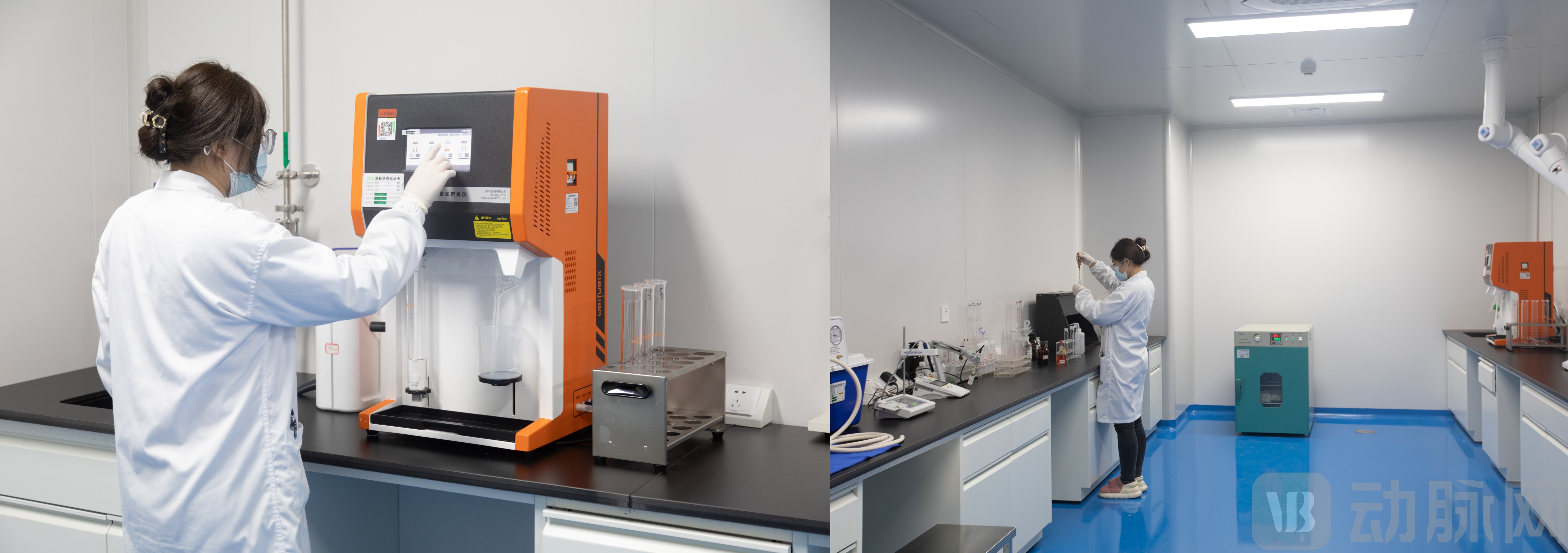
In terms of mass production,Drawing on decades of accumulated expertise in strain cultivation and screening from Jiangshan Pharmaceutical (Editor’s Note: Jiangshan Pharmaceutical was once the world’s largest supplier of vitamin C, produced via fermentation, and was later acquired by DSM), Juyuan Bio has established its own technological and data moats in areas such as protein design and strain construction.
“Much of this expertise is difficult to standardize, automate, or simulate using computers,” said Zou Chaohui. He noted that the high-throughput screening currently employed in the market aims to identify microbial strains with high yield, strong genetic stability, and robust environmental adaptability, a process that involves certain know-how. Microbial strains developed solely in academic laboratories are typically limited in terms of genetic stability and scalability for industrial production.
The challenges of scaling up production are interconnected. Zou Chaohui explained that the first step is strain selection, which requires assessing whether the strain has sufficient genetic stability and strong adaptability to environmental conditions. Solid technical expertise is indispensable, and perhaps a bit of good luck is also needed. The second step is fermentation process control, which involves the design of bioreactors or fermenters themselves, as well as parameter adjustment for process control; this directly impacts the subsequent separation and purification steps. Recombinant collagen products with different properties and applications require different separation and purification processes.
At the same time, he also frankly admitted that the aforementioned experience is undoubtedly an advantage in industrial scale-up,However, industrial scale-up is largely a trial-and-error process involving equipment selection, component specification, and strain screening; it is an incremental journey of “crossing the river by feeling the stones,” with no shortcuts.
Patent Barriers, Green Development
From a Technology Leader to a Pioneer of Industry Standards
On September 23, 2023, two group standards, namely the “Method for Determining Recombinant Collagen-Induced Secretion of Human Cell-Derived Collagen” and the “Method for Determining Transdermal Absorption of Recombinant Collagen,” jointly drafted by Juyuan Biotechnology, Northwest University, the Institute of Process Engineering of the Chinese Academy of Sciences, and other institutions, were officially released. These standards not only fill the gap in the two testing methodologies for recombinant collagen but also further standardize its application practices, thereby playing a leading and supportive role in the high-quality development of the recombinant collagen industry.
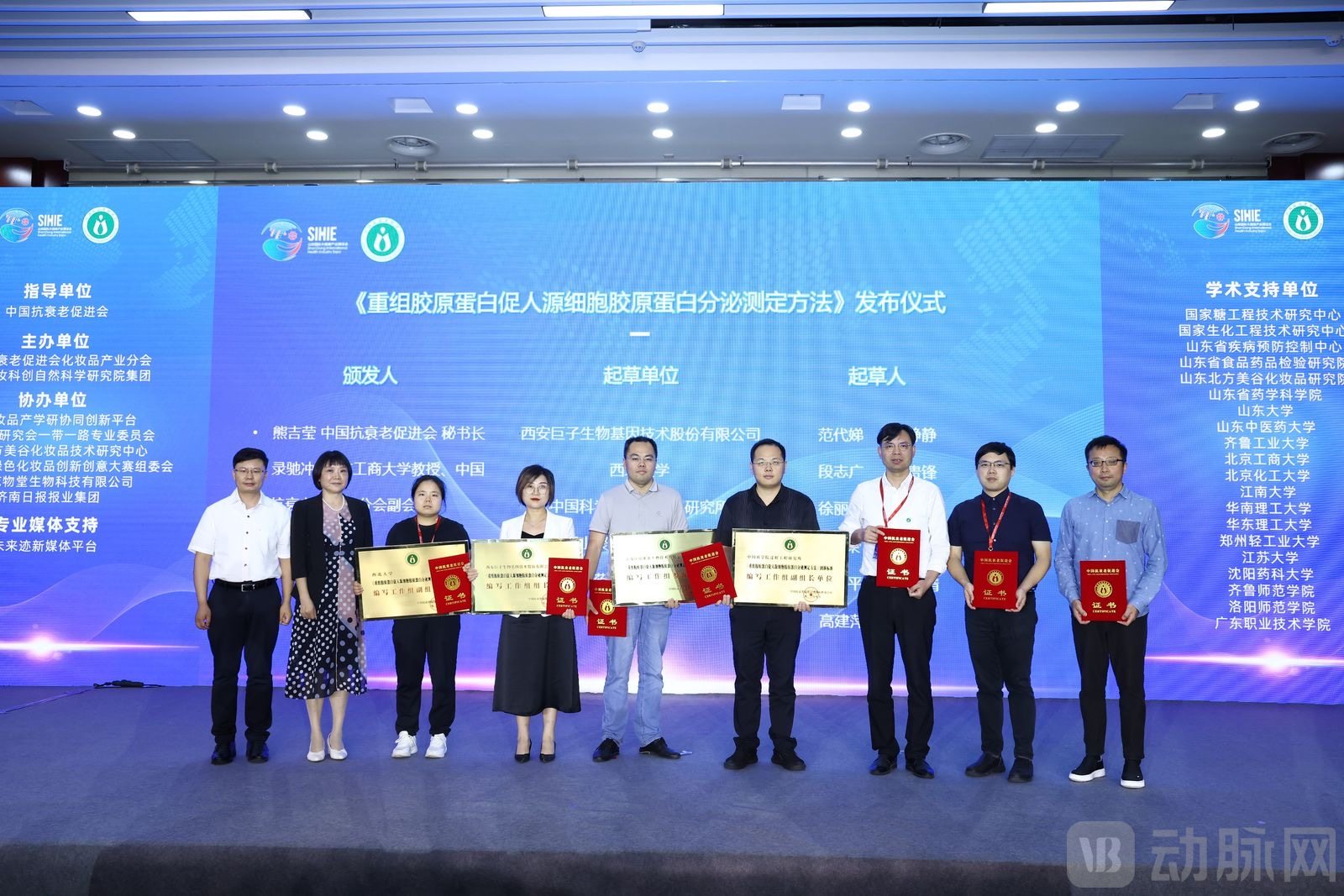
Enterprises capable of formulating industry association standards are typically industry leaders, possessing advantages in technology, market presence, branding, and other areas. Meanwhile, these enterprises must also assume greater industry responsibilities and obligations to make more significant contributions to promoting the healthy development of the sector.
Juyuan Biologics has been dedicated to recombinant collagen for over two decades, holding more than 40 domestic and international invention patents related to recombinant collagen. For its Type III recombinant collagen product alone, nearly 80 test reports from various perspectives have been completed by multiple authoritative institutions both in China and abroad.
“For such products, we have accumulated extensive practical experience and possess a wealth of empirical data and third-party reports, enabling us to provide robust academic support for the development of industry consortium standards,” Zou Zhaohui told VCBeat. Juyuan Bio also participated in the formulation of the pharmaceutical industry standard YY/T 1849-2022 Recombinant Collagen, as well as the group standards T/ZGKSL 004-2023 Raw Materials of Recombinant Collagen for Cosmetics and T/ZGKSL 005-2023 Quality Requirements and Efficacy Evaluation Methods for Recombinant Collagen Raw Materials.
Based in China, Serving the World
Providing Integrated Total Solutions for Recombinant Collagen
From a business perspective, Juyuan has established an integrated framework encompassing raw material production, proprietary brands, and OEM/ODM contract manufacturing. The company provides end-to-end solutions—from raw material development and finished product design to mass production—serving sectors such as medical terminal products, efficacy-based skincare, and functional foods.
Leveraging its high purity, superior quality, and large-scale mass production capabilities, Juyuan Bio has established stable partnerships with over 300 companies worldwide, including Bloomage Biotech, Voolga, Shanghai Jahwa, Chosungah22 (Han Shu), Liby Gaozi, OSM, Amorepacific’s Innisfree, e.l.f., and COSMAX.
In the field of functional foods, Juyuan Biology is the first domestic supplier of recombinant collagen ingredients to obtain U.S. GRAS certification, with its products and services widely exported to North America, Europe, the Asia-Pacific region, and other markets.
At the end of the interview, Zou Chaohui shared with VCBeat his insights on the development trends of recombinant collagen, which can be summarized by Juyuan’s corporate culture—Let's evolve!—always on the path of transformation:
First is the geographic spread,Currently, the hottest market for recombinant collagen is in China. China has already secured a leading position in both the technology and application of recombinant collagen, gradually demonstrating a trend toward international development. Recombinant collagen is poised to become a milestone in China’s beauty industry exports.
Secondly, the expansion of application areas,As diverse types and forms of recombinant collagen are developed, their applications will extend beyond medical aesthetics and medical devices to encompass personal care, skincare, hair loss prevention, pharmaceuticals, food, and nutrition. In addition to meeting varied consumer demands, the synergistic resonance across these markets is poised to drive exponential growth in the potential consumer base.
Finally, from the application perspective,When new raw materials emerge, agile emerging brands are typically the first to adopt them. However, market acceptance of novel ingredients is gradually increasing, particularly among large beauty industry conglomerates. Their active involvement will prompt small and medium-sized enterprises to follow suit rapidly, suggesting that the full-scale boom in the recombinant collagen industry may arrive sooner than anticipated.
As a new blue ocean market, recombinant collagen is currently characterized by a fragmented landscape. Globally, only a handful of companies, such as Juyuan Biology, are capable of large-scale mass production, ensuring consistent quality, and providing comprehensive solutions. As market consolidation accelerates in the future, we look forward to reaching the pinnacle of success alongside Juyuan Biology in the next decade.