China's Decade of Medical Innovation: Three Major Turning Points (2015–2025)
August 9, 2015, was a significant date destined to be recorded in the history of medical innovation in China.
On this day, the State Council issued the “Opinions on Reforming the Review and Approval System for Drugs and Medical Devices” (hereinafter referred to as “Document No. 44”) under Guo Fa [2015] No. 44. This document redefined new drugs and generic drugs, raised the threshold for review and approval, reversed the long-standing stagnation in China’s pharmaceutical industry, and accelerated pharmaceutical innovation.
Almost simultaneously, spillover liquidity from the TMT sector flooded into healthcare, igniting the first wave of healthcare investment. This influx brought abundant capital to the industry, attracted more talent—particularly cross-disciplinary professionals—and cultivated a large cohort of specialized healthcare investors.
Driven by the synergistic effects of policy support, funding availability, and talent development, China’s medical innovation industry has undergone an exhilarating decade of robust growth.Over the past decade, the healthcare industry, once perceived as conservative and insular, has gradually demonstrated remarkable vitality and innovative capacity.: From 2015 to 2023, the primary market of China's healthcare industryAttracting over $150 billion in capital, medical enterprises in China612 Successful IPOs,243 Innovative Medical Device Products Approved, approved for market launchMore than 250 Class 1 innovative drugs……
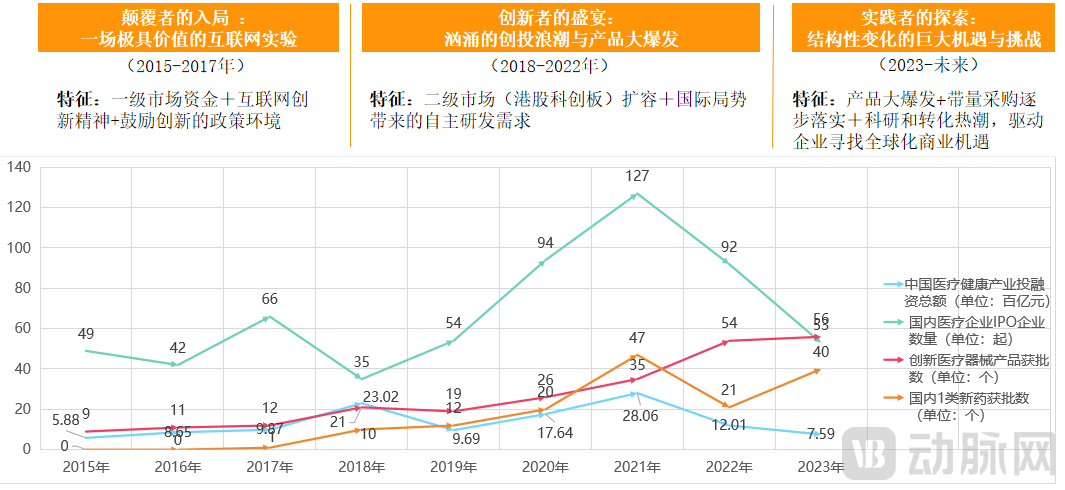
● Evolution of China’s Medical Innovation Industry Over the Past Decade and Related Data
Data Source: VCBeat Orange Database
At present, the momentum of medical innovation continues to intensify, with surging waves of global expansion, business development (BD), and mergers and acquisitions. More Chinese medical innovation enterprises are engaging in global competition, achieving a leap from merely providing Chinese products to exporting comprehensive Chinese solutions.
Undoubtedly, Chinese medical innovation enterprises have found their new coordinates, evolving from humble beginnings to securing a place in the global arena. However, the path ahead is far from smooth. Geopolitical turmoil, capital market volatility, and heightened uncertainties in policy and market dynamics all pose significant challenges to industry participants.
Where is the future headed? This industry question is not easy to answer.
Looking back may be an effective entry point to finding answers: a decade-long journey,Beneath the subtle clues, a structural change is quietly unfolding, driving the medical innovation industry toward another historic turning point.
Since the beginning of the new decade of the 21st century, the rapid development of mobile internet has been in full swing, with “Internet + Everything” reshaping various sub-sectors such as retail, transportation, and catering.
By 2015, healthcare had also become a sector that the internet sought to disrupt.: A wave of entrepreneurs sought to leverage the power of the internet to break down the barriers of public hospitals, enabling medical resources—such as physicians, treatment plans, and pharmaceuticals—to transcend geographical constraints and reach patients across various locations. Consequently, centered on patient services, some launched online consultation platforms, others developed appointment scheduling systems, and still others focused on popularizing health knowledge...
“Internet healthcare aims to bring doctors to more people in need.” At the inaugural “Top 100 Future Healthcare Forum,” themed “Eye of the Storm” and held in 2016, Wang Hang, founder of Haodf.com, a star enterprise in the internet healthcare sector, made this statement. This vision also reflected the shared original aspiration of early internet healthcare companies.
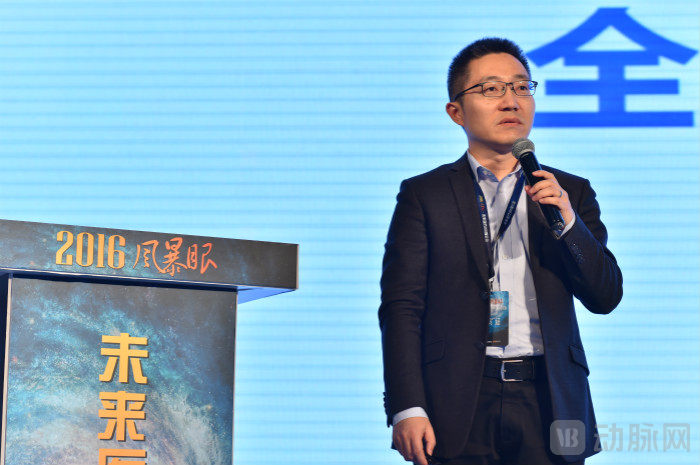
● At the inaugural VCBeat Future Healthcare 100 Forum, themed “Eye of the Storm,” Wang Hang, founder of Haodf Online, delivered a keynote address
During the same period,Capital with a keen sense of smell and large enterprises have also entered the fray.On the one hand, startups such as “Chunyu Doctor,” “Dingxiang Yuan,” “Haodf Online,” “WeDoctor,” “Medlinker,” and “Zhuojian” have emerged and secured financing; on the other hand, Alibaba, JD.com, Tencent,BaiduAs internet giants entered the market with substantial capital, they ignited a competitive race in the internet healthcare sector.
In addition to the fierce competition within the internet healthcare sector, the integration of internet-based services with traditional healthcare was also fraught with controversy at that time.Notably, in late 2015, the dialogue between Zhang Rui, founder and former CEO of Chunyu Doctors, and Wang Shan, President of Peking University People’s Hospital, became a significant footnote to the controversies of that period.
At the meeting, which was interrupted 18 times, Zhang Rui represented internet healthcare entrepreneurs riding the wave of market trends, while Wang Shan represented the traditional healthcare sector in a monopolistic position. Each question exchanged between the two sides was sharp and intense.
In fact, internet healthcare enterprises differ from brick-and-mortar hospitals across various stages of care. Brick-and-mortar hospitals primarily assume a disease-centered role throughout the diagnosis and treatment process, focusing on delivering diagnostic results and formulating treatment plans. In contrast, due to policy and environmental constraints, internet healthcare platforms can only leverage their technological advantages in specific areas, such as patient triage, appointment registration, health consultations, post-treatment follow-up visits, and chronic disease management.
From this perspective, internet healthcare and physical hospitals represent two entirely distinct systems in terms of physician resources, service delivery models, areas of focus, and payment mechanisms; in practice, they are complementary to each other.
Fueled by a surge in capital investment, internet healthcare has advanced rapidly, giving rise to diverse models such as online consultations, internet hospitals, pharmaceutical O2O services, digital chronic disease management, pharmaceutical e-commerce, and health insurance payment solutions.
The subsequent story is more widely known. After navigating various challenges, a cohort of leading enterprises successfully broke through, either achieving IPOs or becoming leaders in their respective niche markets. For instance, JD Health’s stock price surged by over 40% on its listing day, and it has now become the primary entry point for online consultations. Since its IPO more than five years ago, Ali Health has established its “Three Clouds” strategy, encompassing Cloud Pharmacy, Cloud Hospital, and Cloud Infrastructure.
And more entrepreneurs and their companies disappeared in the ebb tide of internet healthcare startups, amidst repeated policy and market changes.
But in any case,The surge of internet healthcare has enabled the medical industry to break out of its traditional boundaries for the first time, making investors realize that the healthcare sector is investable and capable of nurturing outstanding companies.
And this has built up momentum for the next turning point in the medical innovation industry.
Bolstered by the internet, the healthcare industry achieved its first breakthrough beyond traditional boundaries, attracting a flood of investment firms. At that time, however, the spotlight was largely on digital health and medical devices. Biopharmaceutical companies, constrained by long R&D cycles and the inability to generate short-term profits, faced narrow pathways to public listing, which became a major obstacle for many VC/PE firms investing in the biopharma sector.
Changes were unfolding quietly. On February 23, 2018, the Hong Kong Stock Exchange released the Market Consultation Paper on Listing Regime for Emerging and Innovative Companies, seeking public comments on allowing pre-revenue biotechnology companies and companies with weighted voting rights structures to list in Hong Kong. Subsequently, the HKEX amended its Listing Rules and incorporated the relevant provisions into Chapter 18A.
The Chapter 18A reform of the Hong Kong stock market has opened the door for unprofitable biopharmaceutical companies to list and raise capital, offering investors a glimmer of hope for exit opportunities.
Subsequently, the fifth set of listing criteria for the STAR Market was introduced.Healthcare Innovation Investment Officially Moves from the Fringe to the Main Arena, with Financing and Investment in Biopharmaceuticals and Innovative Medical Devices Booming, the catalyst of the 2020 pandemic further intensified this trend, triggering a capital frenzy in the industry.
Data offers a glimpse into the surging tide of venture capital and private equity investment. In 2021, total financing and investment in China’s healthcare sector reached a record high of RMB 219.2 billion, representing a year-on-year increase of 32.84%. Meanwhile, the number of financing transactions totaled 1,362, up 77.57% year on year. Amid this surge, leading firms invested aggressively; for instance, Sequoia China made a record-breaking 92 investments throughout the year, primarily targeting biopharmaceutical companies.
Amidst the frenzy of a booming market,An interesting phenomenon is emerging: vertical niches within the healthcare innovation industry are also capable of securing substantial financing rounds.For example, New Yier Biotechnology secured the largest financing round in China’s digital PCR sector that year, attracting investments from Lilly Asia Ventures, Huachuang Capital, and Hillhouse Venture Capital. The core objective of this funding round was to further advance New Yier Biotechnology’s digital PCR technology platform, promote the research and development as well as clinical trials of multiple innovative molecular diagnostic reagents, expand the application of its digital PCR product series in life sciences and clinical settings, and accelerate its commercialization strategy.
Undoubtedly, a larger body of water not only supports larger fish but also signifies greater diversity in fish species.It can be said that China’s medical innovation industry is flourishing across the board, spanning from monoclonal antibodies to cell and gene therapies and synthetic biology, as well as neurointervention, brain-computer interfaces, and regenerative materials.
Furthermore, substantial capital injection has provided significant impetus to the research and development of medical innovation enterprises, laying a solid foundation for the subsequent regulatory approval, market launch, and rapid expansion of innovative products.
In the field of innovative medical devices, the approval process for innovative medical device products has been accelerated,A total of 110 innovative medical device products were approved in 2022 and 2023, surpassing the combined total from 2014 to 2021.A batch of innovative medical devices that fill domestic gaps, reach world-leading levels, and address urgent clinical needs have been approved for market launch, providing more treatment options for patients in China and demonstrating an increasingly pronounced window effect.
For instance, the innovative product “Medical Angiography X-ray System” (uAngio 960), developed by United Imaging Healthcare—a leading Chinese manufacturer of high-end medical imaging equipment—received regulatory approval for registration in late 2022. This achievement filled a domestic gap in such equipment and positioned the company at the forefront of the global high-end Digital Subtraction Angiography (DSA) market. According to information from the National Medical Products Administration (NMPA), compared with conventional medical angiography X-ray systems, the uAngio 960 significantly expands the field of view for cone-beam CT reconstruction, reduces the number of operational steps, scanning time, and radiation dose associated with cone-beam CT scans, and is expected to shorten pre-imaging preparation time, thereby enhancing surgical efficiency.
In terms of innovative drugs,In 2023, a total of 34 domestically produced Class 1 new drugs were approved in China, representing a 156% increase from 2022 and setting a new historical record.
A noteworthy detail is that approved domestic Class 1 new drugs are no longer primarily concentrated among a few companies, as seen previously, but instead feature an emergence of many new players. Among them, Wolwo Bio had three Class 1 new drugs approved for marketing last year, while Hengrui Medicine and Betta Pharmaceuticals each had two Class 1 new drugs approved. Meanwhile, several innovative enterprises—including Biopharm, Jingxin Pharmaceutical, Qilu Pharmaceutical, IASO Biotherapeutics, Xuanzhu Biopharma, and Shenghe Pharmaceutical—saw their first Class 1 new drugs approved for marketing, marking their entry into the commercialization phase of innovative drugs.
Furthermore, amid the rapid expansion of internet-based healthcare, the digital health industry has been undergoing continuous innovation, with digital therapeutics (DTx) emerging as a prominent development. The key concept of DTx is “intervention,” wherein digital products become central to diagnosis and treatment, directly assuming the role of pharmaceuticals or medical devices to deliver genuine clinical efficacy. Similar to conventional drugs, DTx requires evaluation based on evidence-based medicine and regulatory approval from the National Medical Products Administration (NMPA). In a sense, as a novel therapeutic modality, the advent of DTx has redefined the form of medicinal products. In 2023, a total of 41 DTx products were approved in China, primarily concentrated in the fields of mental/neurological disorders, respiratory therapy, ophthalmology, and postoperative/sports rehabilitation.
The surge in innovative products signifies that Chinese medical innovation enterprises have begun to continuously explore the frontiers of science, developing their own unique industry insights and corresponding products. Both product iteration and corporate growth are occurring at a remarkably rapid pace.As innovative products are rapidly advanced, Chinese healthcare innovation enterprises are becoming increasingly internationalized.
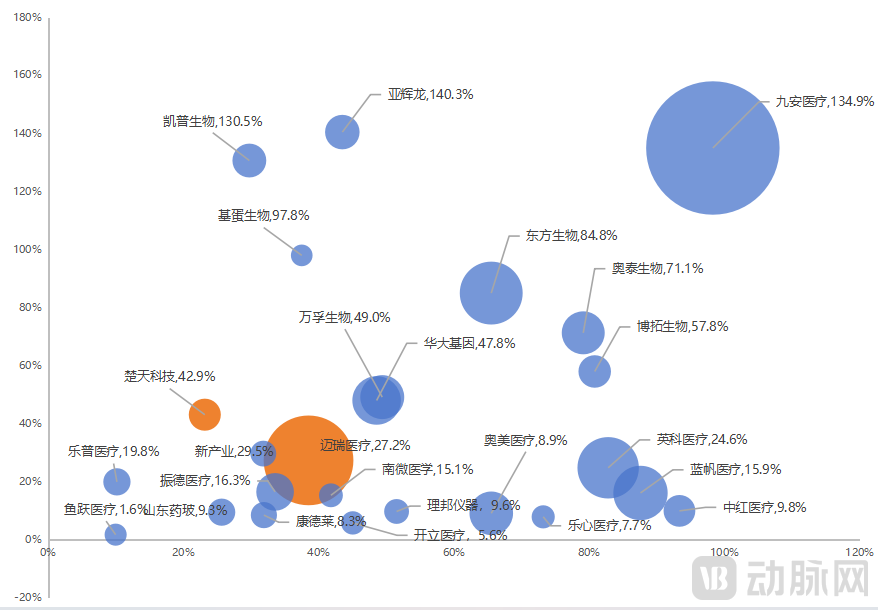
● Analysis of the Internationalization Level of Major A-Share Medical Device Companies (Overseas Revenue Volume, Proportion, and 5-Year CAGR)
Source: Choice Data, VCBeat
An increasingly clear logic of innovation is emerging:From Chinese products to Chinese solutions, which are emerging in large numbers and systematically, it is evident that China’s medical innovation enterprises have developed the capability to identify problems, define them, and provide answers.
At the 6th Future Healthcare Top 100 Conference held in 2022, VCBeat posited that the narratives unfolding in China would not only yield commercial success in the conventional sense but also offer distinct Chinese solutions to global common challenges through their unique management practices.
At this point, China’s healthcare industry has completed its second breakout. Healthcare investment has reached unprecedented levels of activity, hitting a historic peak, while innovative products and technologies continue to emerge in rapid succession. A new structural framework is quietly taking shape.
Looking back on the development path of the past decade, from the entry of disruptors to experiencing the peak moments of venture capital investment, the main thread of the medical innovation industry has been the industrial resonance under the mutual influence of enterprises, capital, talent, and policies, driving wave after wave of industry surges.
A structural change is taking place in this process.
On the one hand, over the past decade, the regulatory framework has already provided for the medical innovation industryCreated a future-oriented, appropriate, and inclusive environment, such as strong support for innovative drugs and a green channel for medical device innovation. These measures have ensured the vitality of innovation.
On the other hand, with heavy upfront capital investment and intensified efforts by innovative enterprises,The pharmaceutical and medical device industries have shifted from following to systemic innovation, leading to a surge in product launches. Coupled with the gradual implementation of volume-based procurement, this has driven changes in business development (BD) demands.It is worth noting that prior to 2022, business development (BD) served primarily as an asset allocation strategy for large pharmaceutical companies and other institutions. However, in 2023, a company’s capability to execute cross-border BD transactions emerged as a critical dimension for assessing the strength of innovative enterprises, even serving as an endorsement of their innovation capacity and fundraising potential—a trend frequently highlighted and validated by investors and the industry alike.
Meanwhile, investors have also played an active role in this process, with prominent venture capital (VC) and private equity (PE) firms frequently emerging around many business development (BD) transactions. For instance, Legend Capital has been actively helping its portfolio companies connect with industrial resources both domestically and internationally, organizing BD-related forums and events, and coordinating experts in finance, law, and BD transactions to share insights and best practices in business development.
Data shows that in 2023, the total value of business development (BD) transactions among Chinese pharmaceutical companies reached a new high of $50.59 billion, with 124 deals recorded. “License-out” emerged as the keyword for BD activities last year.
Among the top 10 business development (BD) deals of the year, the first nine were all license-out transactions, with six involving antibody-drug conjugates (ADCs). It is evident that Chinese pharmaceutical companies have become the preferred partners for multinational corporations (MNCs) seeking global collaborations with ADC developers, highlighting the innovation and leadership of domestic enterprises in the ADC field.
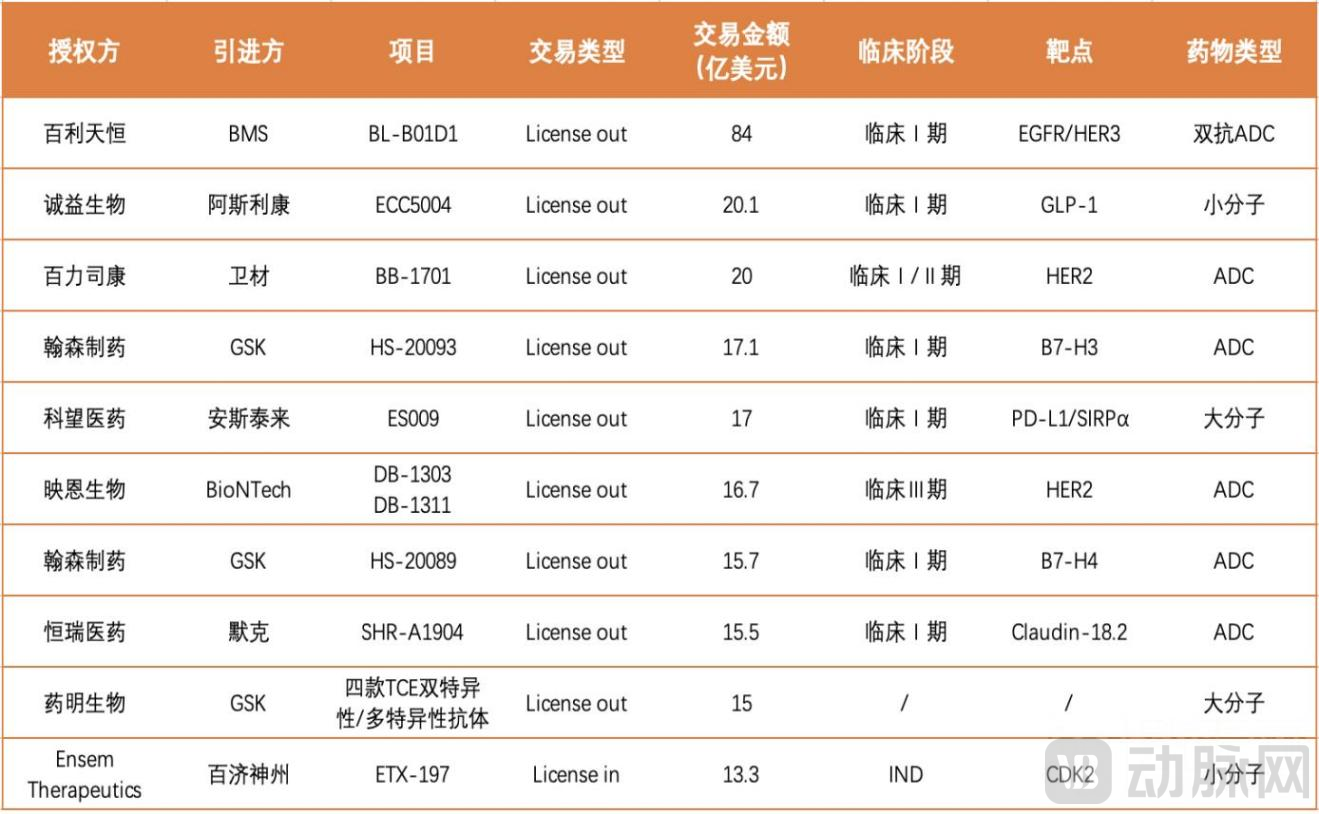
● Top 10 Deals by Chinese Pharmaceutical Companies in 2023
Source: "2023 China Pharmaceutical Enterprise BD Report"
More importantly, as China’s foundational scientific research capabilities strengthen, a shift in academic centers is underway, with genuinely globally influential academic journals emerging from within China. These new academic hubs are providing fertile ground for original innovation.
Taking academic journals as an example, several new Chinese academic journals have emerged and rapidly grown into influential publications within their respective specialized fields. For instance, five new biomedical journals edited by Academician Wei Yuquan have seen a rapid rise in their impact factors. These include MedComm (with an impact factor of 9.9, which has three subsidiary journals: Future Medicine, Oncology, and Biomaterials and Applications), Molecular Biomedicine (with an impact factor of 4.0), and Signal Transduction and Targeted Therapy (with an impact factor of 39.3). Additionally, Peking University has launched the English-language journal Medical Review.
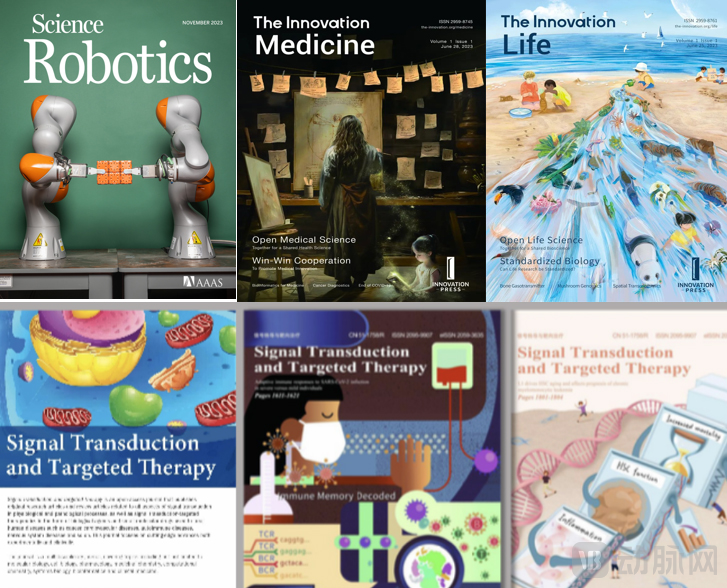
● Several new academic journals have emerged in China, gaining influence within their respective specialized fields.
Source: Journal Covers
Furthermore, China’s university science parks have developed rapidly as part of an innovation ecosystem characterized by the “introduction–aggregation–layout–restructuring” of innovative resources centered around academic hubs. Over the past three decades, China has established 139 national university science parks; by 2020, the country’s research output had risen to second place worldwide, representing a 63.5% increase over five years.
A variety of prestigious scientific awards have also emerged in succession. In 2016, the Future Science Prize, the first non-governmental scientific award in mainland China jointly initiated by scientists and entrepreneurs, was launched. In 2018, Alibaba established the DAMO Academy Qingcheng Award. In 2021, Meituan launched the Qingshan Technology Award, and in the same year, Shenzhen Bay Laboratory and Kaifeng Venture Capital jointly established the Biomedical Peak Fund. In 2022, Tencent initiated the New Cornerstone Investigator Program...
All signs point to this: Driven by new structural evolution, China’s medical innovation has acquired the capacity to define problems and stands at the threshold of a new era.
However, in this process,The new structure also faces challenges brought about by the construction of a new ecosystem.. For instance, innovative enterprises face considerable uncertainty in identifying reliable and capable market partners; it remains a challenge to effectively showcase innovative products and maximize their market visibility; and investment institutions lack standardized approaches to address market access issues in post-investment management; among other issues.
Against this backdrop, the VB100 Future Healthcare Top 100 Conference, which has accompanied the healthcare innovation industry for a decade—from witnessing the eye of the internet healthcare storm at its inaugural session to highlighting “China’s Story” at its sixth edition—has aligned with industry trends and comprehensively upgraded into the 8th VBEF Future Healthcare Ecosystem Expo. This transformation aims to support and accompany innovative enterprises in their globalization efforts and to usher in a new chapter in telling China’s story.
Unlike in the past, VBEF shifts its focus from venture capital valueUpgrading to Industrial Chain Collaboration Value, linking the upstream, midstream, and downstream of the medical and health industry, focusing on innovations in the global healthcare sector—new products, new technologies, new services, new ecosystems, and new collaborations. Through its five-pillar framework of “forums + exhibitions + rankings + awards + launch events,” it facilitates comprehensive integration and interaction across technology, products, enterprises, industries, and ecosystems.
At this exhibition,Chinese innovative products can be showcased centrally and gain centralized visibility., enabling self-sustaining growth of innovative products, thereby buildingThe Premier Launchpad for New Products, New Strategies, and New Clinical Applications in China; The Genesis of New Ideas; The Source for Exporting New Standards; and the Information Hub for Technology Innovators, Agents, Distributors, and End Users, it not only targets the domestic market but also serves as a window for Belt and Road Initiative countries and Global South nations to systematically view China’s innovative products.
Specifically, the newly upgraded VBEF 2024 features three core highlights:
1. Industry Exchange: 3 days of main forums, 40+ thematic forums, n+ concurrent events, and 500+ industry leaders sharing the most cutting-edge medical technologies, industry trends, annual strategies, and business innovations;
2. Resource Linkage: 5 major exhibition zones, 100+ new product launches, 300+ product releases, 500+ investment institutions, and 15,000+ attendees; precisely connecting industry professionals, providing cutting-edge product selection lists, and facilitating partnership opportunities and market expansion;
3. Global Collaboration: Partnering with distributors, agents, and channel partners in over 10 countries and regions, along with numerous global media outlets, to effectively tell China’s story, present a true, multi-dimensional, and comprehensive view of the country, and jointly envision a new future for healthcare.
Against the grand historical backdrop of medical innovation entering its next pivotal phase, there is no greater fortune than to be both a witness to and a participant in the industry’s profound transformation.
Here, we welcome everyone to attend the 2024 Future Healthcare Ecosystem Expo, held from May 7 to May 10, 2024, at the Beijing·Beiren Yichuang International Convention and Exhibition Center. We look forward to seeing you there.