

Graphene Pioneer E-WEN Tech Advances Photothermal Therapy Solutions for Chronic Diseases and Oncology, Files IPO Prospectus

GRAPHENE TIMES
New Material Research and Development Manufacturer
“The 19th century was the age of iron, the 20th century was the age of silicon, and the 21st century is the age of carbon.” This statement gained popularity in the materials industry a decade ago, and as we look back on it in 2024, it remains as relevant as ever.
Graphene, a novel material composed of carbon atoms linked by sp² hybridization and densely packed into a single-layer two-dimensional honeycomb lattice structure, is regarded as the "material of the future in the 21st century." In 2004, British physicists Andre Geim and Konstantin Novoselov successfully isolated graphene from graphite using the micromechanical cleavage method, for which they were awarded the Nobel Prize in Physics in 2010. Graphene exhibits superior optical, electrical, and mechanical properties, holding significant application potential in materials science, micro- and nanofabrication, energy, biomedicine, and drug delivery.
As a major country in both natural graphite resources and production, China holds inherent advantages in the graphene industry. As of September 2023, China had issued more than 600 policies related to graphene, with the majority originating from eastern regions; graphene has been frequently incorporated into local 14th Five-Year Plan initiatives for new materials. According to data from the Graphene Industry Technology Innovation Strategic Alliance (CGIA), China ranks first globally in graphene patent applications, accounting for 73.6% of the worldwide total, with cumulative applications reaching 92,366 by June 2023.
In 2009, the year before graphene rose to prominence with the Nobel Prize in Physics, Professor Feng Guanping—then Founding Dean of the Shenzhen Graduate School of Tsinghua University, Founder of Lihe Zijing Venture Capital, and Chairman of nearly one hundred high-tech enterprises—recruited a large team of overseas Chinese graphene experts. Upon returning to China, Professor Feng established research and entrepreneurial teams in Shenzhen. In collaboration with the municipal governments of Shenzhen (Guangdong Province) and Changzhou (Jiangsu Province), he helped establish graphene industrial parks and invested in incubating more than 20 graphene companies. These ventures now constitute half of China’s graphene industry and have taken a global lead in resolving the two primary challenges of mass production and application of graphene.
Guided by the government and driven by efforts across enterprises and various sectors, China has gradually opened the door to the commercial application of graphene, earning Professor Feng Guanping the title of “Founding Father of the Graphene Industry.”
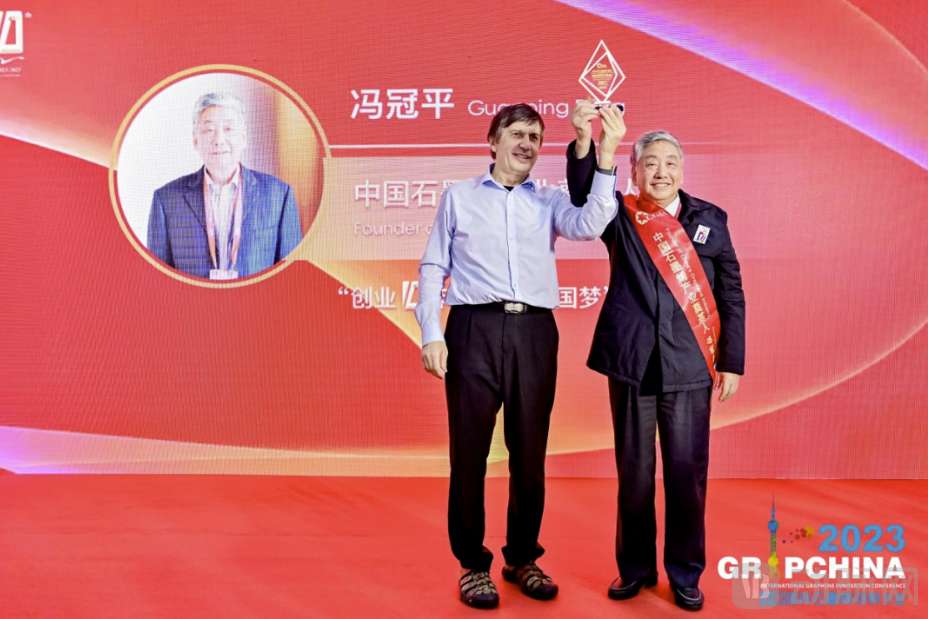 Professor Andre Geim, Nobel Laureate in Graphene, and Professor Feng Guanping, Pioneer of the Graphene Industry
In December 2014, Professor Feng Guanping reported to the General Secretary on the industrialization progress of graphene. Pointing to the demonstrated samples, the General Secretary asked, “Can you develop dual-use products for both military and civilian applications with this material?” Professor Feng replied, “Yes!” In April 2015, at the age of 70, Professor Feng embarked on his “101st entrepreneurial venture” by founding Shenzhen GRAPHENE TIMES New Material Technology Co., Ltd. (hereinafter referred to as “GRAPHENE TIMES”) in Shenzhen. The company has established a comprehensive industrial ecosystem covering upstream technology R&D, graphene preparation and production, and downstream industry applications. Due to the unique nature of new materials, GRAPHENE TIMES is not merely an ordinary startup; it represents neither brand-driven nor technology-driven entrepreneurship, but rather industrial entrepreneurship.
As a two-dimensional carbon nanomaterial, graphene is extremely thin. A single layer of graphene is only 1/200,000th the thickness of a human hair and has a light transmittance of 97.7%, making it difficult to exist or be used independently; it must be supported by a substrate. Currently, it is primarily available in two forms: thin films and powders. The simplest way to distinguish between them is through visual inspection of transparency. The market is currently saturated with graphene products mixed with other materials or with graphene oxide. Very few companies have mastered the technology and manufacturing processes required to produce genuine single-layer graphene.
Since its establishment in 2015, Professor Feng Guanping has led the GRAPHENE TIMES team to invent an international patent—the pure graphene heating film. GRAPHENE TIMES possesses leading high-quality single-layer graphene preparation technology, growing graphene thin-film materials on the surface of copper foil via chemical vapor deposition (CVD). This process is environmentally friendly and offers advantages for sustainable future development. The technical requirements for single-layer graphene preparation are extremely high; currently, only a few enterprises, such as Gefei Electronics under GRAPHENE TIMES, can achieve large-scale production.
The advent of graphene heating films has pioneered the global application of graphene in the heating sector, paving the way for its transition from laboratory research to commercial utilization. Graphene heating films offer excellent heating uniformity, operate on low-voltage power supplies compatible with consumer-grade lithium batteries, and can rapidly reach temperatures of 70–100°C. With an electrothermal conversion efficiency approaching 100% and a light transmittance exceeding 97%, these films are widely applicable across industrial, civilian, and national defense sectors.
In 2023, the GRAPHENE TIMES team successfully overcame technical challenges in graphene heating glass, achieving mass production and large-scale application. The single-layer graphene on a glass substrate can reach high temperatures of 200–250°C, providing a higher-energy far-infrared heat source that meets the clinical requirements of traditional Chinese medicine moxibustion. This marks a significant advancement in the clinical application of far-infrared therapy.
“The challenge with developing new materials is that everyone is navigating uncharted waters. Once a material reaches mass production, no one knows where it should be applied or how to identify scenarios suitable for large-scale adoption.” In an interview with VCBeat, Long Liangzhen, Vice President of GRAPHENE TIMES (formerly known as Xi Wang Graphene), former head of Baidu’s South China market, and co-founder of the smart sleep brand Xiangshui, noted that keeping abreast of global graphene R&D trends and continuously exploring “no-man’s-land” is standard practice at GRAPHENE TIMES. At its peak, the R&D team developed more than 200 product SKUs.
In the course of continuous exploration, GRAPHENE TIMES has secured 188 invention patents (with 76 granted) and 4 international invention patents, with cumulative patent applications exceeding 500. The company has also established a strategic portfolio of patents and trademarks in the United States, Europe, Japan, South Korea, and other countries.
Furthermore, GRAPHENE TIMES has established the world’s first production line for CVD-derived graphene transparent conductive films, pioneering the large-scale manufacturing of graphene globally. The company has built a comprehensive R&D system encompassing material preparation, characterization, product performance testing, and application research. Currently, GRAPHENE TIMES achieves an annual output of 400,000 square meters of graphene films and an annual production capacity of 2 million graphene modules, ranking first worldwide in actual graphene film output. GRAPHENE TIMES places significant emphasis on the scalability and sustainability of its scientific and technological innovations, laying the foundational elements for further expansion.
Across China, GRAPHENE TIMES operates more than ten branches, subsidiaries, and industry-academia-research bases, establishing itself as an enterprise with a full industrial ecosystem for graphene that integrates upstream technology R&D and raw material production with downstream product applications, industry collaborations, and channel sales.
GRAPHENE TIMES’ “key to breaking the deadlock” lies in betting on the medical and healthcare applications of graphene heating technology. Globally, the healthcare sector is likely to be the first field where graphene achieves large-scale application, delivering substantial value and significance.
According to tests conducted by the National Infrared Center, the far-infrared wavelengths emitted by GRAPHENE TIMES’ graphene heating film during operation are concentrated in the 6–14 μm range, which closely aligns with the human body’s far-infrared spectrum and facilitates greater absorption. Far-infrared rays, also known as “light waves of life,” exhibit strong penetrative and radiative capabilities, producing significant resonance and thermal effects. They are readily absorbed by objects and converted into internal energy.
According to the proceedings of the 8th National Symposium on Infrared Heating and the Development of Infrared Medicine, jointly organized by the Chinese Optical Society and the Chinese Institute of Electronics, after far-infrared rays are absorbed by the human body, they induce resonance in water molecules. This activates the water molecules, enhances intermolecular bonding forces, and activates biological macromolecules such as proteins, thereby bringing biological cells to their highest vibrational energy level. Due to the resonance effect generated in biological cells, far-infrared thermal energy can be transmitted to deeper subcutaneous layers, raising the temperature in these deep tissues and allowing the generated warmth to radiate from the inside out. Under this effect, capillaries dilate, promoting blood circulation, enhancing metabolism among various tissues, increasing tissue regeneration capacity, improving the body’s immune function, and regulating abnormal states of mental excitation, thereby exerting healthcare and therapeutic effects.
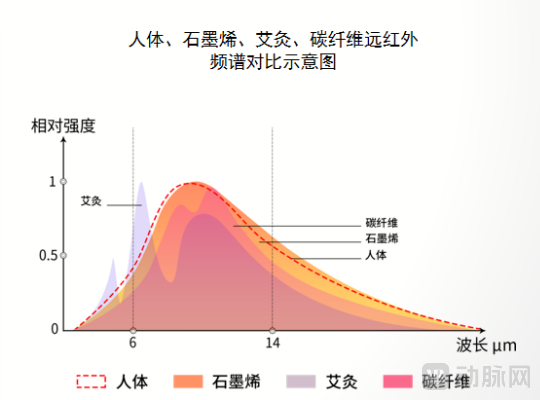
Graphene Heating Film Closely Matches the Human Body’s Far-Infrared Spectrum
Studies have shown that the GRAPHENE TIMES graphene transparent heating film exhibits negligible radiation displacement with temperature changes. Medical thermal imaging studies indicate that, compared to other heating materials, graphene’s far-infrared radiation penetrates deeper, conducts faster, and persists longer.
Building on the research and application expansion of its graphene heating film, GRAPHENE TIMES has become the first graphene enterprise in China to obtain medical qualifications. The company has launched a spectrum light wave therapy room that promotes blood circulation and metabolism, improves hemorheology, enhances immunity, and serves as an adjuvant treatment for 23 conditions, including pneumonia, gastritis, hepatitis, and enteritis. It also offers a heat-pad-type therapeutic device applicable for pain and discomfort caused by scapulohumeral periarthritis, lumbar muscle strain, and knee osteoarthritis (holding China’s first Class II medical device registration certificate for graphene products). In total, the company holds four Class II medical device certifications.
“As an innovator in new materials for healthcare, we must not only keep our eyes on the path ahead but also take the lead in driving progress forward,” said Long Liangzhen. “Standing at a historic juncture of unparalleled leadership significance in the field of new materials, GRAPHENE TIMES aims to achieve both depth and comprehensiveness. We are not merely a company focused on fundamental research; we are also a platform-oriented enterprise serving the entire graphene industry, empowering the foundational layers of new materials, new technologies, new medical solutions, and new health initiatives.”
Empowering the foundational layer of the graphene healthcare industry, GRAPHENE TIMES is accelerating its strategic layout in the medical sector. The company has established a Graphene Medical Research Center and collaborated with more than 20 research institutions in the fields of graphene, healthcare, and education, including the Shenzhen Graduate School of Tsinghua University, Nanjing Medical University, and Guangxi University of Chinese Medicine. To date, it has conducted over 50 medical research projects, co-authored more than 20 academic papers, and accumulated research expertise in eight areas, including cardiovascular and cerebrovascular diseases, oncology, and metabolic disorders.
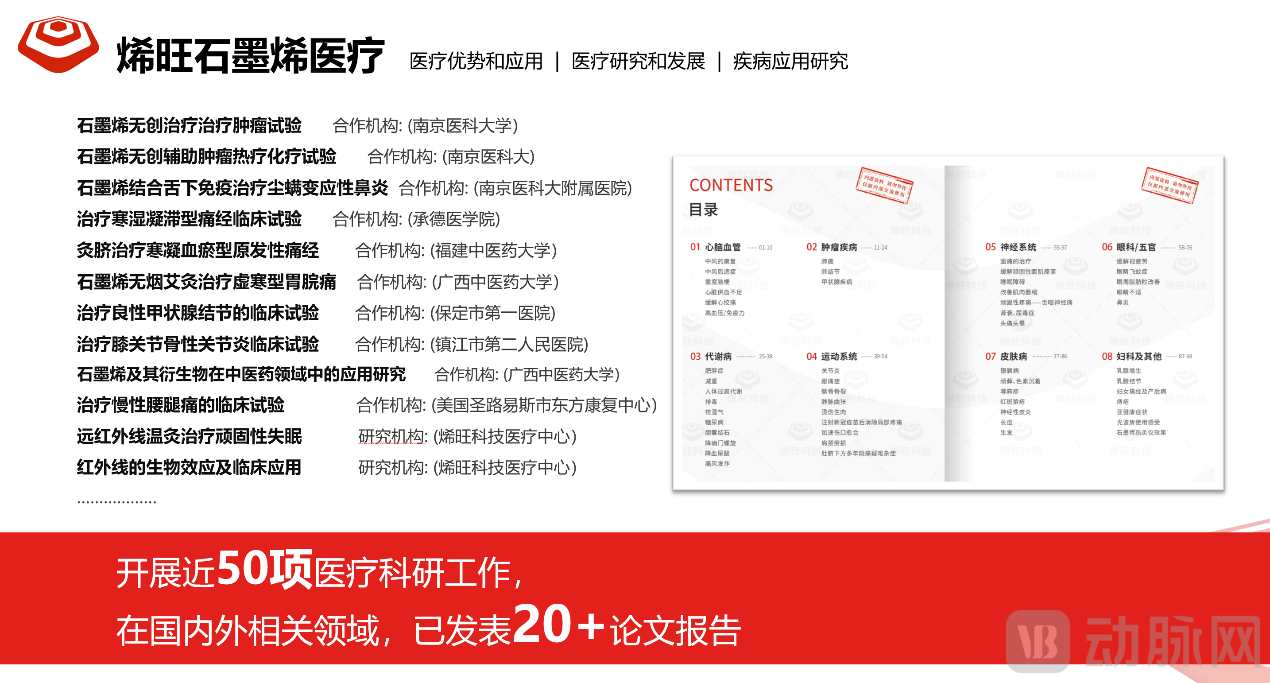 Research Papers on Medical Applications in Collaboration with GRAPHENE TIMES
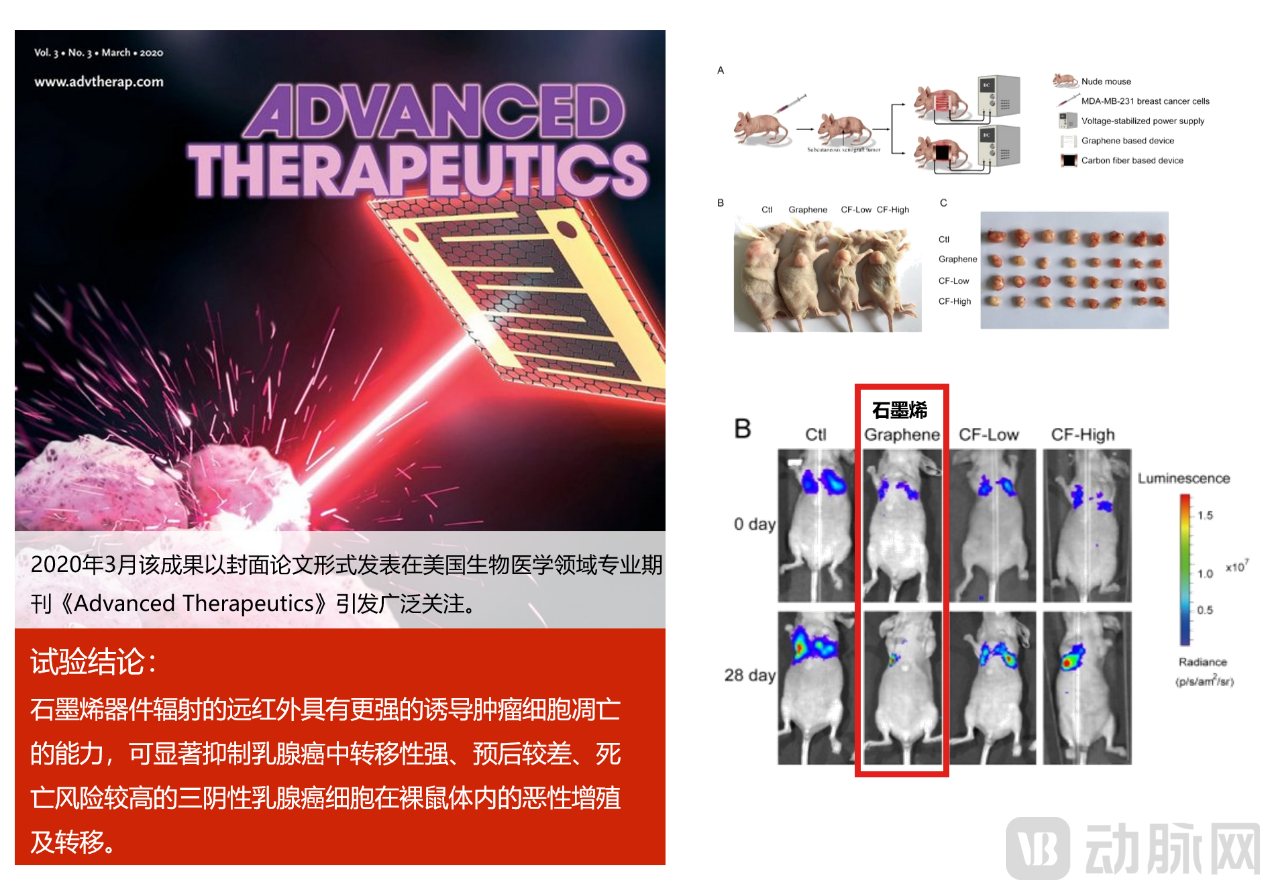
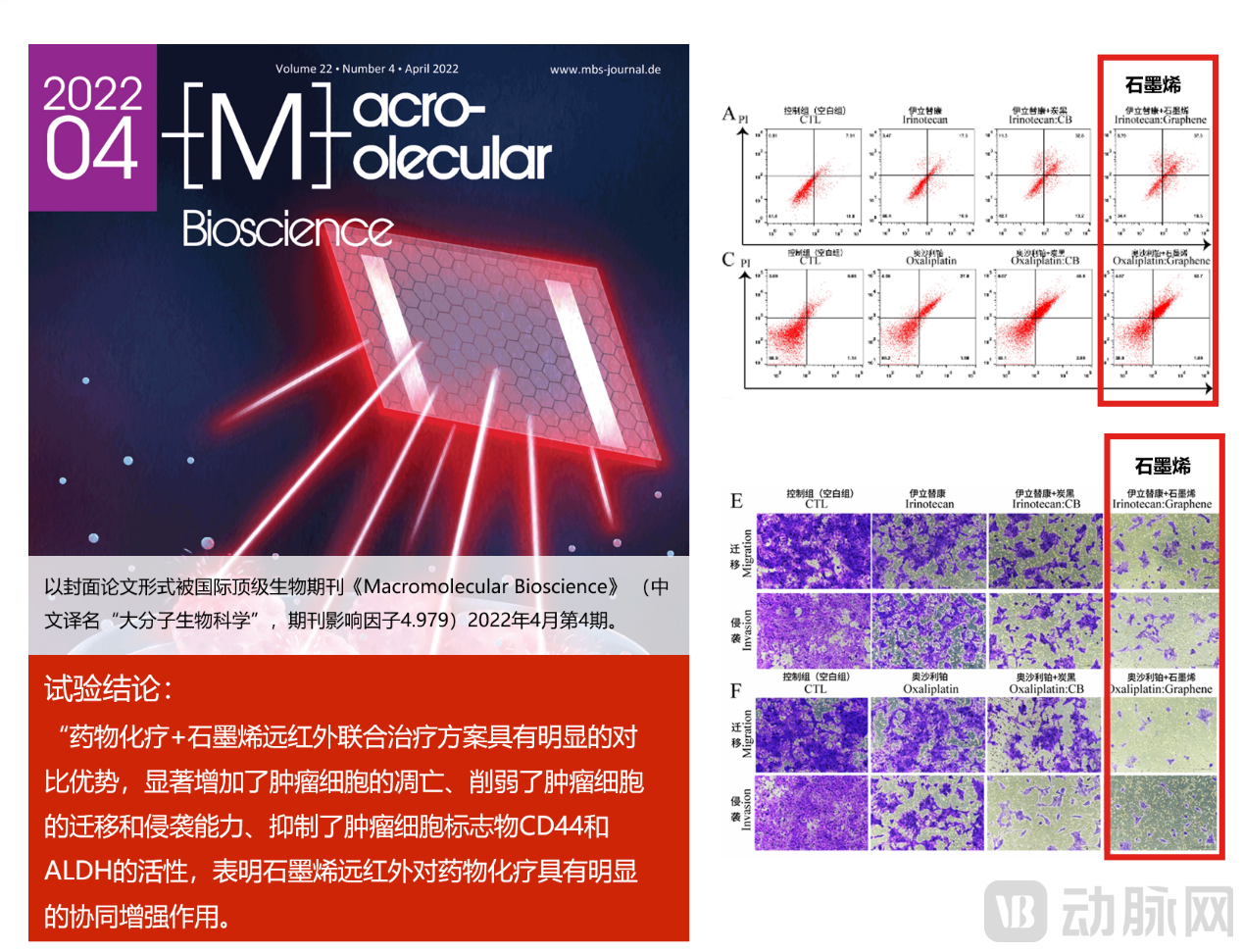
Two research papers from the collaborative project between the Oncology Laboratory of Nanjing Medical University and GRAPHENE TIMES—titled “Non-invasive Graphene-based Tumor Therapy” and “Non-invasive Graphene-assisted Photothermal-Chemotherapy”—have been published asCover ArticlePublished in international scientific journals, respectivelyAdvanced TherapeuticsandMacromolecular Bioscience。
In breast cancer xenograft models, far-infrared radiation emitted by graphene devices demonstrates a superior capacity to induce tumor cell apoptosis, significantly inhibiting the malignant proliferation and metastasis of triple-negative breast cancer cells—which are characterized by high metastatic potential, poor prognosis, and elevated mortality risk—in nude mice. As shown in the figure, tumors in mice treated with graphene were markedly reduced in size, while the animals maintained normal body weight and stable vital signs, exhibiting significant differences compared to the control group and the carbon fiber experimental group.
In experiments combining graphene photothermal therapy with chemotherapy, the combined regimen of chemotherapy plus graphene far-infrared therapy demonstrated significant comparative advantages. It markedly increased tumor cell apoptosis, attenuated the migration and invasion capabilities of tumor cells, and inhibited the activity of tumor cell markers CD44 and ALDH, indicating that graphene far-infrared therapy has a pronounced synergistic enhancing effect on chemotherapy. As shown in the figure, the graphene synergy group exhibited a clear advantage in suppressing migration and invasion, as indicated by the purple-stained tumor markers.
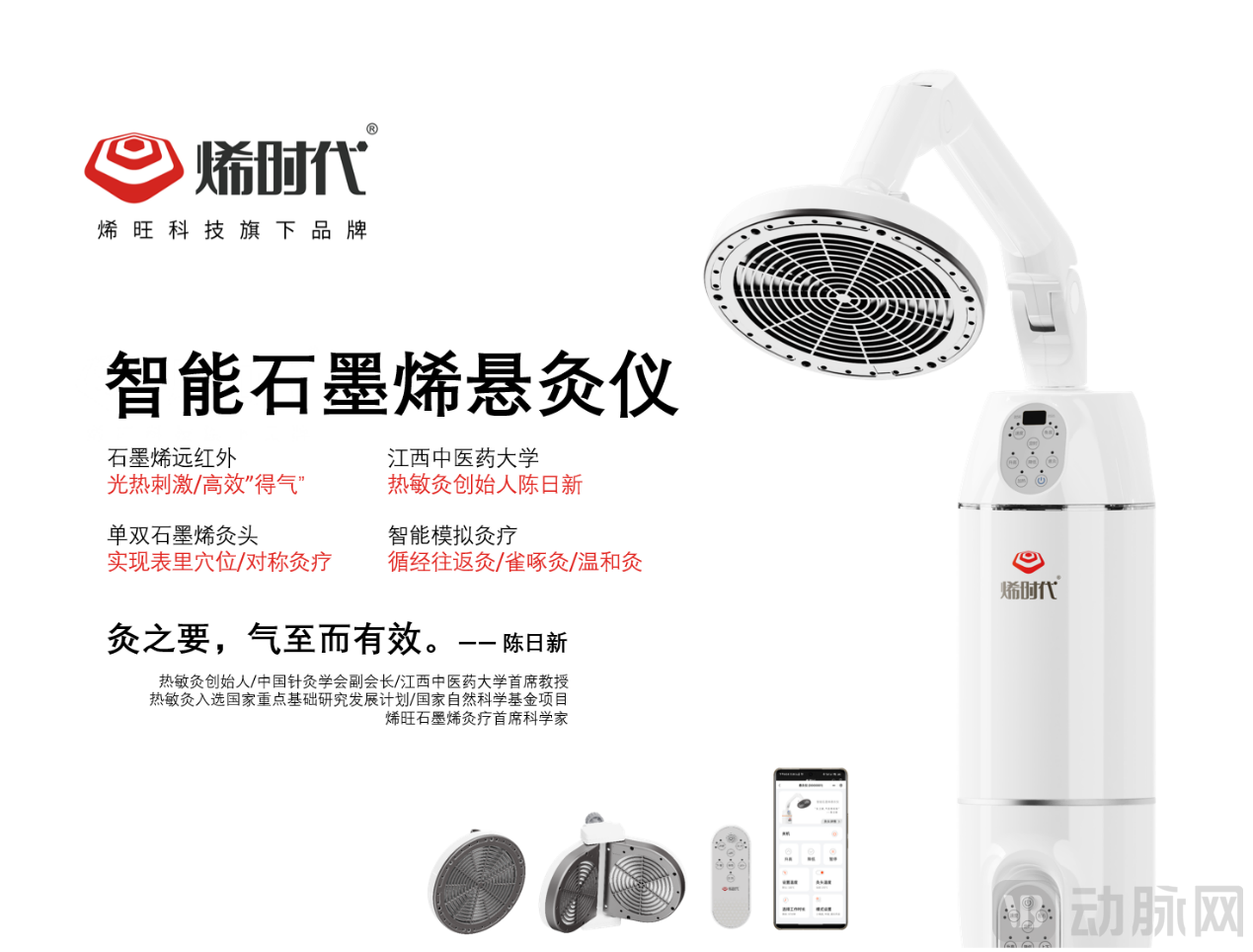
In addition, GRAPHENE TIMES has collaborated with Professor Chen Rixin, Chief Professor at Jiangxi University of Chinese Medicine, Director of the Key Laboratory of Heat-Sensitive Moxibustion under the National Administration of Traditional Chinese Medicine, and founder of heat-sensitive moxibustion. Together, they invented the graphene moxibustion method and developed the graphene thermal moxibustion device.
In traditional practice, heat-sensitive moxibustion employs the thermal energy generated by burning mugwort to perform suspended moxibustion on heat-sensitized acupoints. This stimulates various heat-sensitive sensations—such as penetrating heat, expanding heat, transmitting heat, distant heat without local (or with minimal) heat, deep tissue heat without superficial (or with minimal) heat, and non-thermal sensations—as well as the conduction of meridian Qi. Additionally, an individualized saturated dose for desensitization is administered to enhance therapeutic efficacy. Compared with moxibustion, the far-infrared spectrum emitted by GRAPHENE TIMES’ graphene materials more closely matches the human body’s own far-infrared spectrum. It also offers advantages such as high efficiency in achieving Deqi (arrival of Qi), stable Deqi response, safety, non-invasiveness, controllable temperature, and intelligent convenience.
The graphene moxibustion device, jointly developed, combines the heat-sensitive moxibustion treatment method of "sensory positioning and sensitivity-based moxibustion" with graphene far-infrared technology. It simulates the "light/heat stimulation" of traditional moxibustion, utilizing intelligent sensing and motion control technologies to create a flameless, smoke-free, home-use thermal moxibustion instrument, thereby promoting the modernization of Traditional Chinese Medicine (TCM) moxibustion therapy.
Long Liangzhen emphasized, “The journey from zero to one in exploring the research, application, and commercialization of new materials is a fascinating process. GRAPHENE TIMES’ experience lies in prioritizing feedback on fundamental phenomena, reflecting on the underlying principles and possibilities behind these phenomena, and then continuously advancing multidisciplinary cross-validation and research, material application and optimization, and product design verification. Only through this comprehensive approach can we ultimately validate the transformation of a scientific breakthrough into a market-ready product.”
Materials at the foundational level often face more diverse competition—driven by mass-production technologies, market-based cost competition, and innovative scientific research efforts. “When new materials are still in the stage of price competition, their value has not yet been truly unlocked. But we believe that ultimately, the market and users will pay for value.”
Long Liangzhen noted that in the early stages, many well-known companies were eager to “try out” graphene but retreated due to its high price, regarding it merely as an ordinary heating material. However, with the release of medical research achievements, a significant shift in awareness and perception has become evident. Many companies have resumed collaborations, which serves as the best recognition of the value of this new material. The integration of graphene applications across various fields continues to deepen, gradually shifting from technology-driven to application-driven development, exploring paths for synergistic industrial growth, and jointly creating and realizing value.
He called for earlier attention and promotion of graphene’s innovative applications by research and regulatory bodies in the medical and broader health sectors, noting that the healthcare market is vast in scale and that graphene, as a novel foundational material, holds immense application potential. “Drawing an analogy to the disruptive innovations brought by Intel and NVIDIA in consumer electronics and artificial intelligence, graphene is poised to become a foundational material and basic resource in the healthcare sector, delivering revolutionary empowerment and more effectively addressing unresolved health challenges.”
In the future, GRAPHENE TIMES will continue to explore the application potential of graphene in this field. We look forward to more visionary pioneers joining hands with GRAPHENE TIMES to take action earlier and faster.