

Beijing Wecan Technology Unveils World's First 256-Channel Liquid-Helium-Free MEG System with Chip-Scale Atomic Magnetometers

X-Magtech
Developer of High-End Innovative Medical Devices for Biomagnetic Field Imaging
On February 3, 2024, the 2023 Annual Summary Meeting and 2024 Promotion Meeting for the National Key R&D Program’s Key Special Project on Diagnostic and Therapeutic Equipment and Biomedical Materials, titled “Research and Development of a Novel Liquid-Helium-Free Magnetoencephalography System,” led by Beijing X-Magtech Technologies Co., Ltd., was successfully held. The meeting announced major achievements made by the project—The World's First 256-Channel Cryogen-Free Magnetoencephalography System: Marvel MEG Pro.The release of this landmark achievement follows the 128-channel cryogen-free magnetoencephalography system, Marvel MEG®Following the successful R&D, another major breakthrough by the project team,This marks that China’s research, development, and application of liquid-helium-free magnetoencephalography (MEG) systems have reached the global forefront.
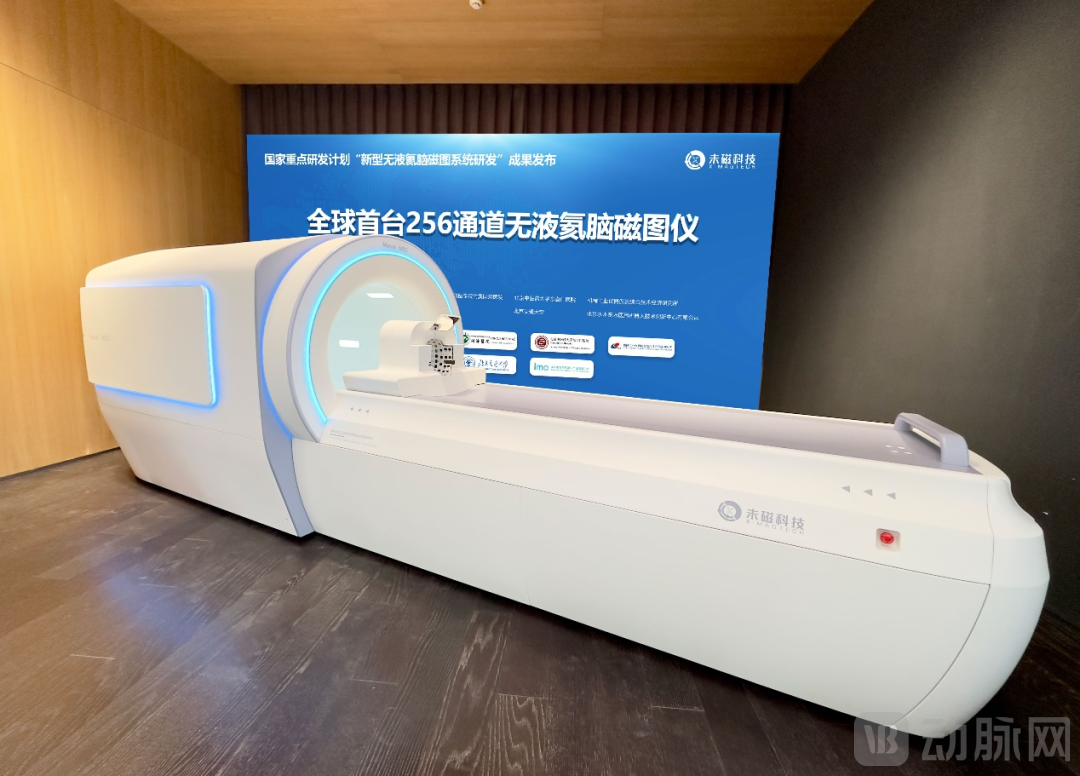
The World's First 256-Channel Cryogen-Free Magnetoencephalography System
Released by the Project Team256-Channel Cryogen-Free Magnetoencephalography SystemUtilizing the newly developed chip-scale atomic magnetometer independently researched and developed by X-Magtech, with a cross-sectional dimension of only 11.4 mm × 15 mm, the volume is further reduced by 15% compared to the previous Quspin atomic magnetometer products from the United States, making itThe World’s Most Miniaturized Commercial Atomic Magnetometer, while maintaining an ultra-weak magnetic field measurement sensitivity on the order of 10 fT. Meanwhile, the project team overcame the challenges of crosstalk and synchronous control in a 256-channel ultra-high-density magnetoencephalography (MEG) detector array.For the first time, the number of channels in helium-free optically pumped magnetometer magnetoencephalography (OPM-MEG) systems has reached a level comparable to that of traditional superconducting quantum interference device magnetoencephalography (SQUID-MEG) systems., achieved in clinical applicationsMillimeter-levelspatial localization ability,Has made groundbreaking, independently developed Chinese contributions to the advancement and clinical application of next-generation cryogen-free magnetoencephalography (MEG) systems worldwide.
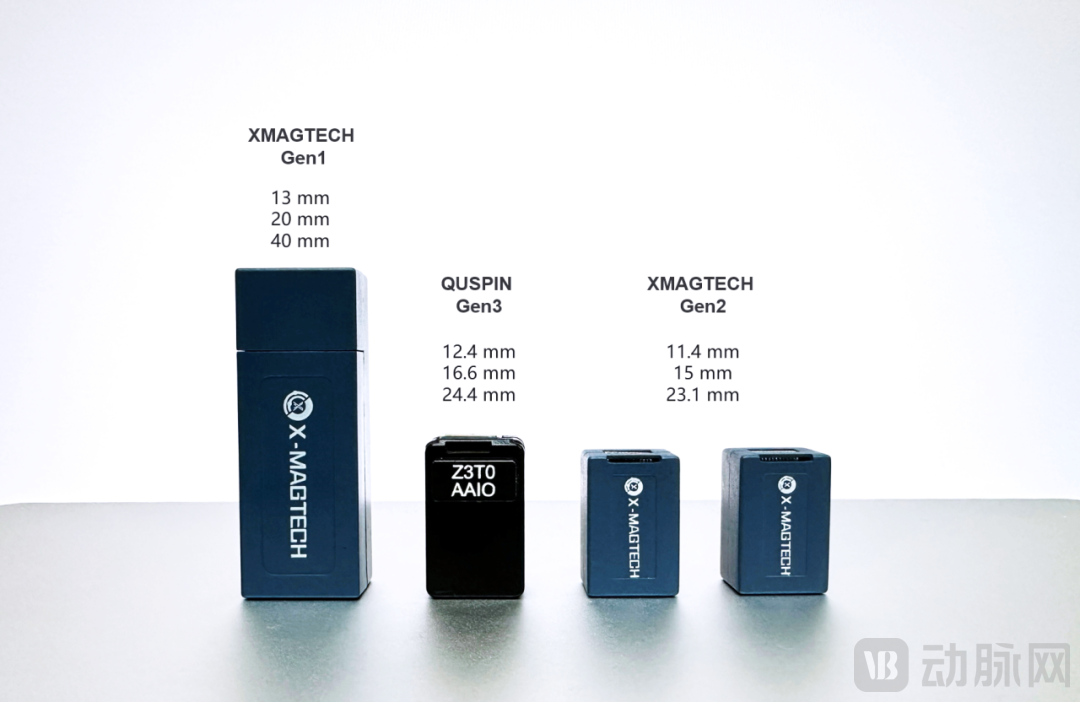
Comparison Between X-Magtech Atomic Magnetometers and Quspin Atomic Magnetometers
Left: X-Magtech's First-Generation Atomic Magnetometer XMAGTECH Gen1;
CN: Quspin atomic magnetometer from the United States;
Right: X-Magtech Second-Generation Atomic Magnetometer XMAGTECH Gen2
Magnetoencephalography (MEG) systems detect, localize, and image active neuronal regions by measuring the weak magnetic fields associated with the electrical activity of brain neurons. As a non-invasive, radiation-free technique that does not require contrast agents, and offering both millisecond-level temporal resolution and millimeter-level spatial resolution, MEG has demonstrated significant clinical and scientific value over the past four decades of global application in areas such as epileptic focus localization, mapping and assessment of functional brain areas, evaluation of cognitive impairment, assessment of psychiatric disorders, brain network research, and brain-computer interfaces.
However, the magnetic fields generated by the brain are extremely weak, amounting to only about one hundred-millionth of the Earth’s magnetic field (10-14Tesla), conventional magnetoencephalography (MEG) systems can only use Superconducting Quantum Interference Devices (SQUIDs) as the means of magnetic field measurement. Furthermore, due to the extensive use of liquid helium, these systems incur high equipment and maintenance costs. They also require massive shielding facilities weighing over ten tons to ensure that the measurement process is not affected by other electromagnetic interference, imposing stringent requirements on the installation environment and resulting in construction periods that can last several months. Meanwhile, the relatively complex detection process, lengthy preparation time, and high demands on operators for both operation and data processing have limited their widespread adoption.
To address these pain points, the project team’s newly developed cryogen-free magnetoencephalography (MEG) system incorporates substantial innovations in both its underlying principles and technical implementation:
At the core level of magnetic field sensing, by employing a self-developed, ultra-high-sensitivity quantum magnetic field sensor that operates at room temperature, the need for liquid helium cooling is eliminated; furthermore, the sensor array’s footprint is significantly reduced, allowing it to be positioned closer to the brain, thereby achieving higher detection signal-to-noise ratio and localization accuracy;In terms of critical magnetic field shielding, achieving high-performance active and passive magnetic shielding through an integrated shielded cabin weighing less than one ton and a dynamic magnetic field tracking system, which can be conveniently and rapidly deployed in nearly all medical environments, significantly reducing the cost and complexity of equipment acquisition, installation, and maintenance; meanwhile, the project teamAddressing the Real Clinical Needs in China, we have developed hardware and software systems tailored to Chinese medical institutions, significantly simplifying operation and usage, improving detection efficiency, and reducing the burden on patients, thereby laying a solid foundation for the large-scale clinical and research application of liquid-helium-free magnetoencephalography (MEG) systems.
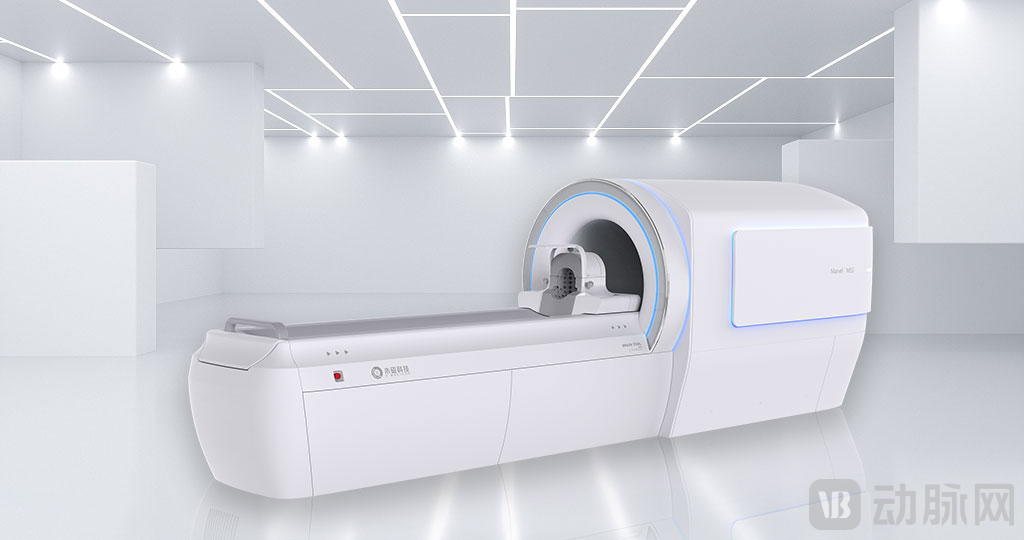
Beijing X-Magtech Technologies Co., Ltd.’s World’s First 256-Channel Cryogen-Free Magnetoencephalography System
Beijing X-Magtech Technologies Co., Ltd.'s domestically produced liquid-helium-free magnetoencephalography (MEG) system has currently beenBeijing Tiantan Hospital, Xuanwu Hospital, Wuhan Tongji Hospital, Shandong Provincial Hospitalinstalled and applied in multiple hospitals, andAchieved multiple world-first breakthroughs in clinical applications.
For example, Beijing Tiantan Hospital has achievedWorld’s First Cryogen-Free Magnetoencephalography for Preoperative Functional Localization in Glioma Resection: Millimeter-Level Accuracy Validated by the Gold Standard of Intraoperative Electrophysiology and Postoperative Clinical Examination. Wuhan Tongji Hospital has achievedWorld’s First Surgery for MRI-Negative Refractory Epilepsy Guided by Cryogen-Free Magnetoencephalography: Lesion Localization by Cryogen-Free MEG Fully Concordant with Intracranial Depth Electrode Placement, after the minimally invasive ablation surgery was completed, the patient's epileptic seizures completely disappeared.
In addition, several world-first studies using liquid-helium-free magnetoencephalography (MEG) are underway, covering areas such as cognitive impairment assessment, brain–computer interfaces, neuromodulation and rehabilitation, and brain network research. These efforts are poised to achieve breakthroughs in China’s original interdisciplinary medical-engineering innovations, benefit a broad patient population at an earlier stage, and contribute to the China Brain Project.
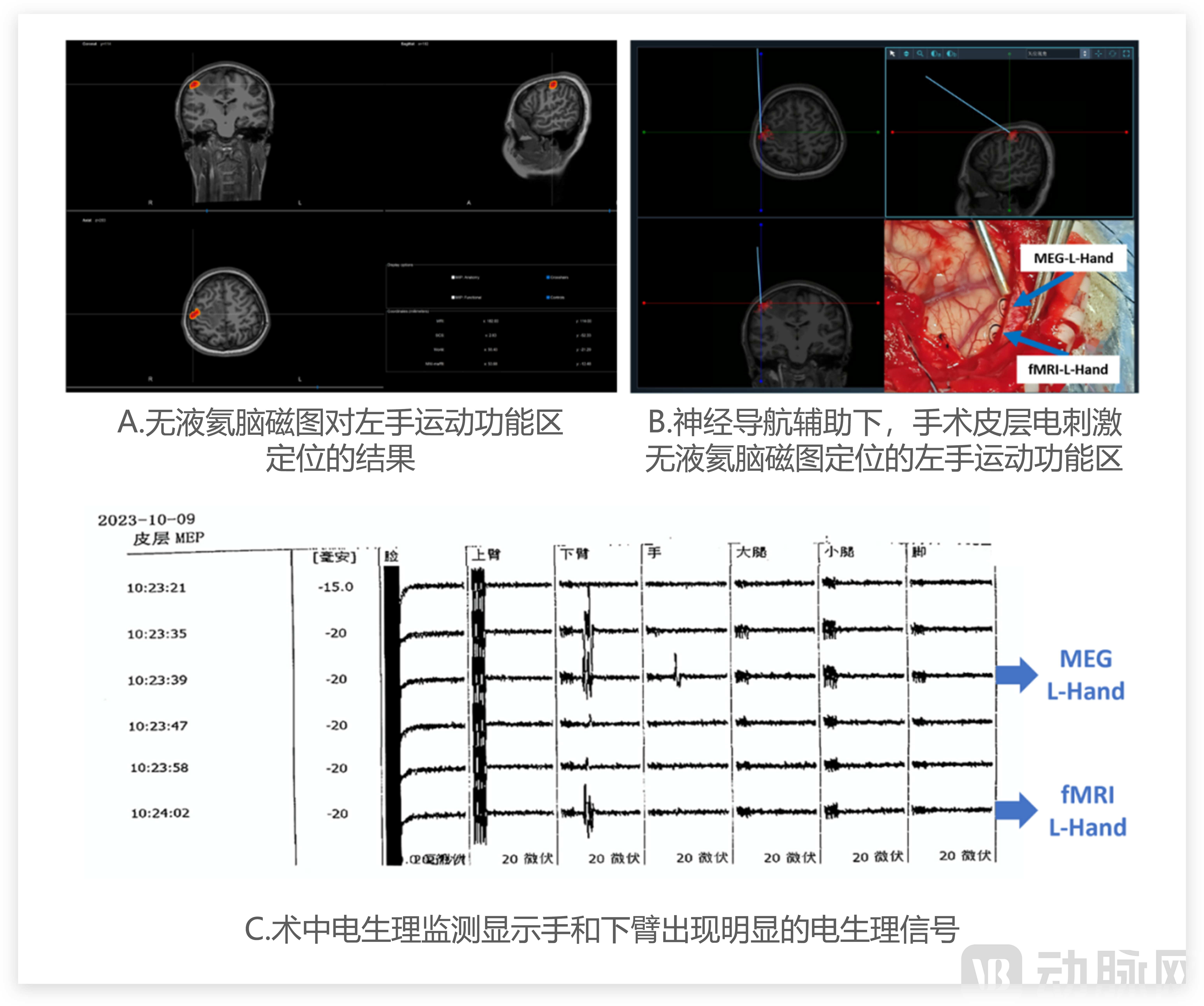
The World’s First Glioma Resection Assisted by Cryogen-Free Magnetoencephalography for Motor Function Localization
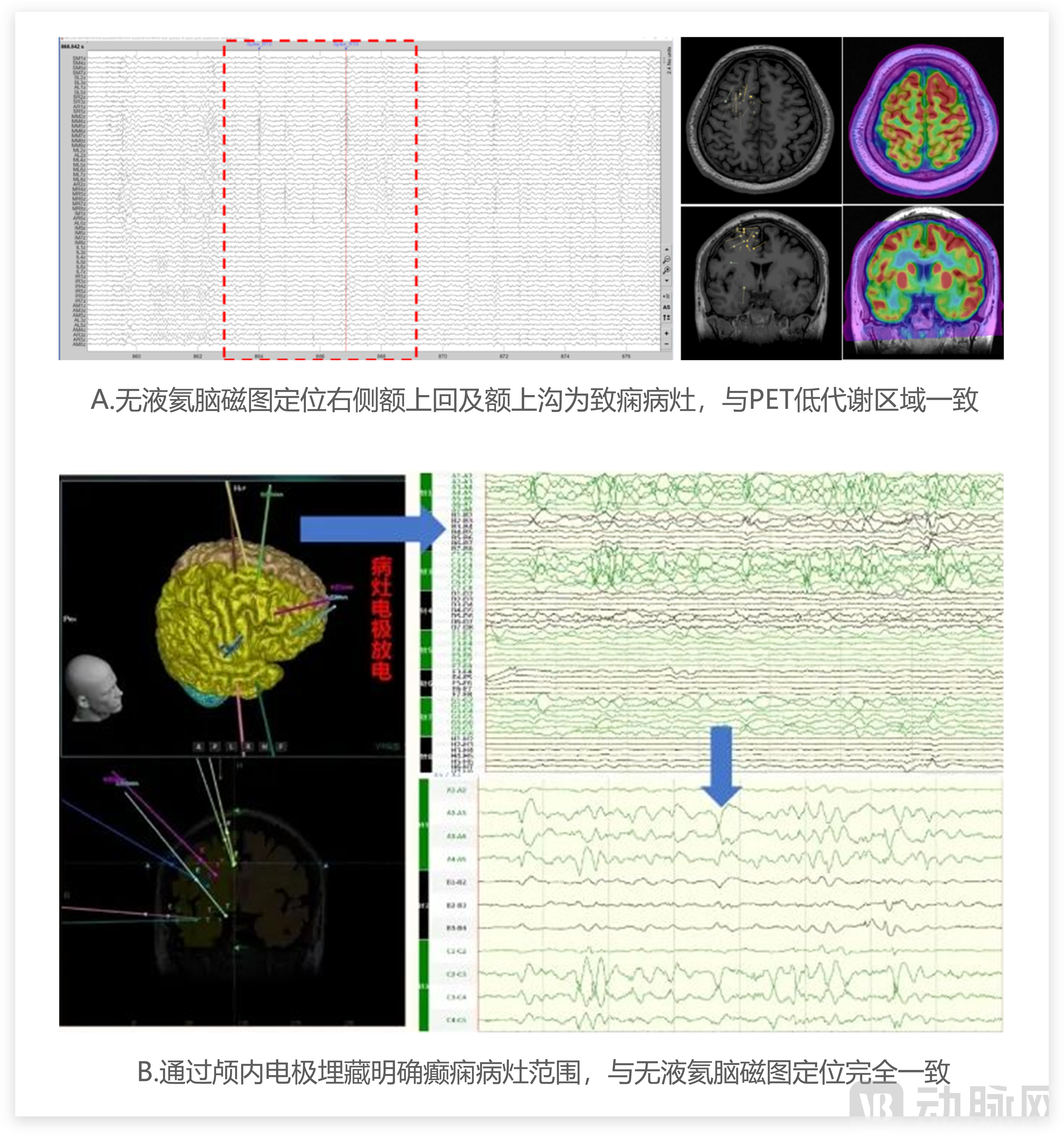
World’s First Cryogen-Free Magnetoencephalography-Guided Surgery for MRI-Negative Refractory Epilepsy