

Peking University Third Hospital Unveils Novel Laparoscopic Ovarian Microneedle Activation Device to Benefit 4 Million Chinese Women with Premature Ovarian Insufficiency
On February 27, Peking University Third Hospital publicly disclosedA Laparoscopic Ovarian Microneedle Activation Deviceutility model patent.
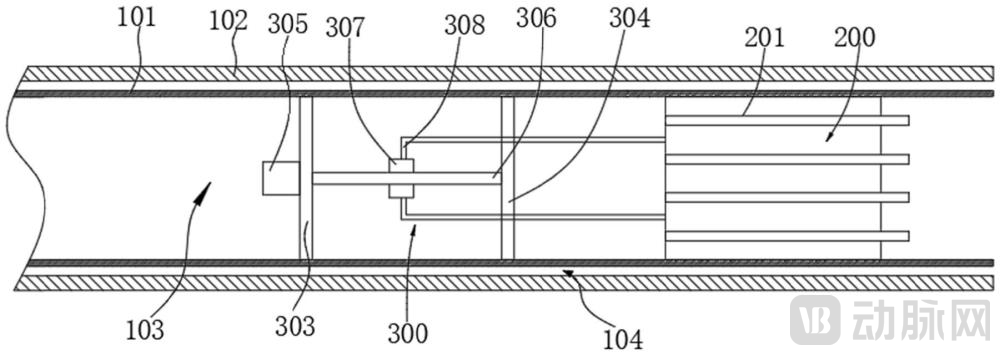
Image source: China National Intellectual Property Administration
This achievement comes from the team of Zhang Jiajia, Yan Jie, and Song Xueling at Peking University Third Hospital, among whomProfessor Yan Jie serves as Deputy Director of the Reproductive Medicine Center and Director of the Office of the State Key Laboratory for Female Fertility Promotion.
Image source: China National Intellectual Property Administration
The Microneedle Activation Device for TreatmentPremature Ovarian Insufficiency(premature ovarian insufficiency, POI) provides a moreSafe, Convenient, and Minimally Invasiveovarian activation method, which can benefit nearly 4 million women of reproductive age in China who are affected by POI.
Ovarian activation technology provides a novel option for restoring reproductive function in patients with premature ovarian insufficiency (POI) by activating their dormant residual primordial follicles.
Currently, among the activation methods, most adoptLaparoscopic Ovarian Tissue Retrieval Followed by In Vitro Activation.
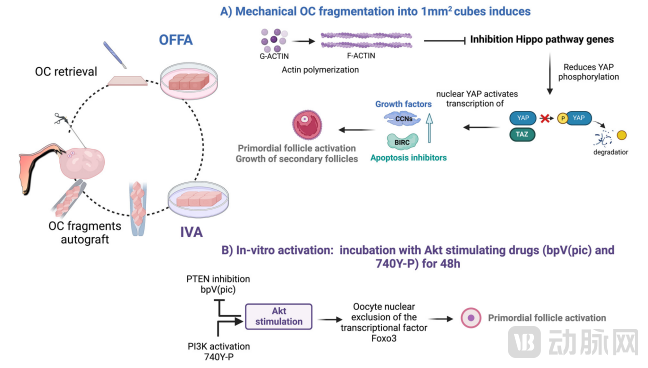
Image source: "Reprod Biomed Online"
However, this treatment, due to issues such as the need for multiple surgeries, cryopreservation of ovarian tissue, and depletion of the follicle pool, largely exacerbates the state of ovarian insufficiency in women with POI.
The team at Peking University Third Hospital discovered in practice that,Ovarian activation performed while maintaining the ovaries in situ can effectively mitigate issues arising from tissue harvesting and in vitro activation.。
In this context,Advantages such as ease of operation, avoidance of potential damage during the culture phase, elimination of the need for two surgeries, and highly efficient activationApplicable toMicrosurgical Instrument for In Situ Mechanical Stimulation of the Ovarian CortexThis will effectively address the clinical issue.
According to the description of efficacy gains in this utility model patent from the team at Peking University Third Hospital: “...by configuring an activation device comprising an inner tube member and a moving member, the moving member is delivered via the support and carrier functions of the inner tube member, and microneedles are released through the linear movement of the moving member within the first section of the inner tube member, thereby completing stimulatory treatment of the ovaries.”
This device offers improvements to cutting-edge therapeutic approaches currently under investigation that promote follicular activation and growth by inhibiting the Hippo pathway through methods such as ovarian cortical fragmentation and ovarian biopsy/scratching.
Premature Ovarian Insufficiency (POI) is a condition of significant focus in the field of reproductive endocrinology. Its complex etiology and challenging treatment pose substantial distress to female patients, particularly those with fertility desires, and severely impact their quality of life.
According to the Chinese Society of Obstetrics and Gynecology,Expert Consensus on the Clinical Diagnosis and Treatment of Premature Ovarian Insufficiency (2023 Edition), Premature ovarian insufficiency refers to the decline in ovarian function in women before the age of 40, accompanied by clinical manifestations such as menstrual changes, reduced fertility or infertility, and decreased estrogen levels.With an incidence rate of 1%–3.7%, it is a serious condition that compromises reproductive capacity in young women.
The Seventh National Population Census shows that there are approximately 104 million women of childbearing age (25–35 years) in China. Based on the incidence rate, the population with premature ovarian insufficiency (POI) could reach 4 million.
The etiologies of primary ovarian insufficiency (POI) are multifactorial, with common causes including genetic, immune, infectious, iatrogenic, and environmental factors. In more than half of POI patients, the etiology remains unclear and is classified as idiopathic POI.
Based on whether spontaneous menstruation has ever occurred, POI can be further classified into primary POI and secondary POI. Among these,Patients with primary ovarian insufficiency (POI) presenting with primary amenorrhea have an average reproductive lifespan of only about 10 years, and it takes an average of just 1–2 years from the onset of menstrual irregularities to the development of amenorrhea.. Compared with normal women of the same age, women with POI have significantly fewer oocytes retrieved in assisted reproductive technology.
Compared with other organs, the ovary has a relatively shorter functional lifespan. Protecting ovarian fertility and preventing ovarian aging are currently urgent clinical needs in China. Since some women with premature ovarian insufficiency (POI) still have residual primordial follicles in their ovaries that remain in a dormant state,Follicle Reactivation Technology Has Become a Current Hotspot。
In terms of treatment modalities, in addition to hormone replacement therapy, long-term health management, fertility guidance and assisted reproductive technology (ART) treatment, and fertility preservation,Follicle Reactivation TechnologyAs a cutting-edge, primary surgical intervention method,Related surgical instruments represent a blue-ocean market with a massive installed base.