

Domestic Autoimmune Pipeline Scores Major Win: China's First NDA Anti-IL-17 Monoclonal Antibody Phase III Data Published in BJD
Autoimmune diseases are inflammatory immune disorders characterized by localized or systemic abnormal inflammatory immune responses. With a wide variety of disease types and a large patient population, they have become the second-largest disease market after oncology. Both domestically and internationally, there remains substantial unmet demand for the treatment of autoimmune diseases.
Statistics from the National Health Commission indicate that approximately 80 million people in China are affected by autoimmune diseases. However, due to factors such as limited access to medications and low disease awareness, innovative drugs for autoimmune conditions have yet to gain significant traction in the Chinese market. In 2022, the global market size for autoimmune disease therapeutics was approximately $131.7 billion, whereas the corresponding market size in China was only about $3.6 billion.
Currently, multiple domestically produced antibody drugs in the field of autoimmune diseases have intensively entered the commercialization stage. IL-17 is one of the most fiercely contested targets among them, with its critical role already confirmed in diseases such as psoriasis, bronchial asthma, chronic obstructive pulmonary disease, and rheumatoid arthritis.However, the domestic market for IL-17 monoclonal antibodies is predominantly occupied by foreign companies, and no domestically produced IL-17 drugs in the psoriasis field have yet emerged as frontrunners.
Psoriasis, commonly known as "niupixuan," is an immune-mediated, chronic, relapsing, inflammatory, systemic disease triggered by a combination of genetic and environmental factors, with typical clinical manifestations of scaly erythema or plaques. There are nearly 6.5 to 7 million psoriasis patients in China, among whom approximately 57% have moderate-to-severe psoriasis. Psoriatic skin lesions affect appearance, causing not only social barriers and negative psychological impacts on patients' lives, work, and marriages, but also leading to comorbidities such as arthritis, obesity, hypertension, diabetes, metabolic syndrome, and major cardiovascular events.
In recent years, advancements in the diagnosis of psoriasis and increased public awareness, coupled with characteristics such as a trend toward onset in young and middle-aged adults, high recurrence rates, and prolonged treatment durations, have created a significant unmet need in clinical practice. According to the "Research Report on the Disease Burden of Psoriasis and Patient Quality of Life in China," more than 62% of patients in China are dissatisfied with their treatment outcomes. Among these patients, reducing recurrence has become one of the primary demands.
Recently, the Phase III clinical trial data of secukinumab (GR1501), China’s first NDA anti-IL-17 monoclonal antibody, were officially published in the British Journal of Dermatology (BJD), a prestigious international dermatology journal, providing further robust evidence of the excellent efficacy of anti-IL-17 monoclonal antibodies in patients with moderate-to-severe plaque psoriasis.
In the Phase III data released this time, secukinumab demonstrated significant efficacy in Chinese patients with moderate-to-severe plaque psoriasis, achieving both primary and secondary endpoints, with good tolerability.
BJD is the official journal of the British Association of Dermatologists, dedicated to publishing high-quality, cutting-edge research in dermatology. As a premier journal in the field, BJD enjoys widespread global recognition and acclaim (2023 Impact Factor: 10.3). According to the 2023 CAS Journal Citation Reports, BJD is ranked as a Tier 1 journal in both Medicine and Dermatology.
The Psoriasis Area and Severity Index (PASI), the Physician’s Global Assessment (PGA) of psoriasis, and the Body Surface Area (BSA) affected by lesions are the primary indicators used by clinicians to assess and monitor the severity grading of psoriasis. As greater attention is paid to the impact of psoriasis on patients’ daily lives, quality-of-life assessment tools, such as the Dermatology Life Quality Index (DLQI), have also been incorporated into patient outcome measures.
As novel therapies, including new biologics and small-molecule targeted drugs, continue to emerge, the therapeutic ceiling for psoriasis is being continually redefined.The latest “Guidelines for the Diagnosis and Treatment of Psoriasis in China” (2023 Edition) explicitly define the treatment goals for psoriasis for the first time: achieving complete or nearly complete clearance of symptoms and skin lesions (PASI 100 or PASI 90). Treatment success is defined as a ≥75% improvement in PASI, or a 50–75% improvement with a DLQI score ≤5. Treatment failure is defined as failing to achieve PASI 50 or having a DLQI score >5.
The 2023 guidelines indicate that the currently approved indications for biologics in China are all for moderate-to-severe plaque psoriasis. Biologics may be considered when patients require systemic therapy, particularly if they have an inadequate response, loss of response, or intolerance to phototherapy or conventional systemic treatments, and their quality of life is significantly impaired. The guidelines explicitly state that clinical evidence has demonstrated the superior efficacy of biologics over previous conventional therapies, recommending complete skin clearance or achievement of PASI 90 and PGA 0/1 as indicators of satisfactory treatment response. This comparison shows that the efficacy standards for biologics are directly aligned with the highest therapeutic goals for psoriasis.
The clinical data published this time show that the GR1501 200 mg trial groupThe proportion of subjects achieving PASI 75 at Week 12 was 90.7% (8.6% in the placebo control group),Achievement of skin lesion clearance/almost clearance (The proportion of subjects with a PGA score of 0/1 was 74.4% (3.6% in the placebo control group), meeting the primary clinical endpoint.
The trial also met its secondary clinical endpoints: the PASI 90 response rate in the treatment group was 74.4% at Week 12; at Week 52, the PASI 75 response rate was 96.5%, the PASI 90 response rate was 84.1%, and the PGA 0/1 response rate was 83.7%, demonstrating sustained high-level skin lesion improvement and durable therapeutic response.
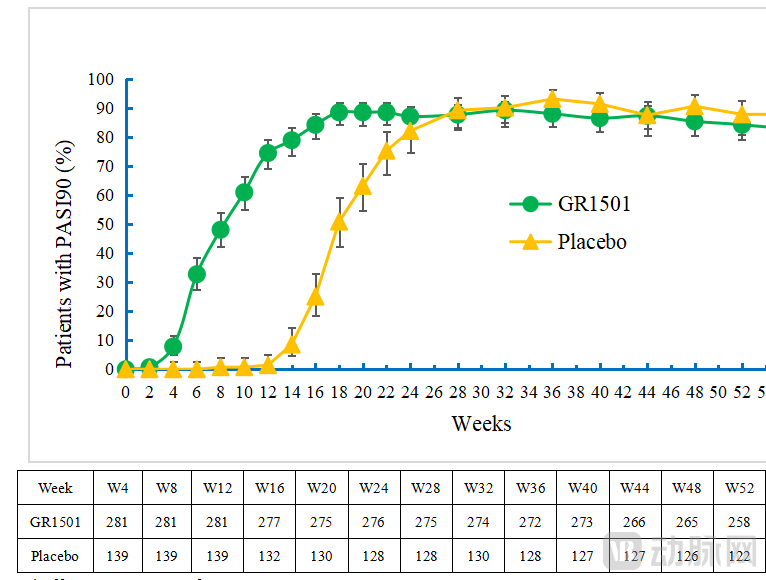
Figure S1. Proportion of Subjects Achieving PASI 90 at Week 52 (±95% CI)
A total of 420 patients were enrolled in this trial and randomly assigned to either the experimental group (n=281) or the placebo group (n=139). In the experimental group, injections were administered every two weeks for the first 12 weeks (induction phase), followed by injections every four weeks until Week 52 (maintenance phase). As a control, patients in the placebo group received placebo injections for the first 12 weeks; from Week 12 to Week 24, they underwent induction therapy with injections every two weeks, followed by injections every four weeks until Week 52. After the final injection, all patients underwent a 12-week safety follow-up period. Efficacy was assessed based on improvements in PGA 0/1 and PASI 75/90/100 scores.
GR1501 is characterized by a rapid onset of action. Subjects exhibited significant improvement in skin lesions (achieving PASI 75) as early as the first visit after dosing (Week 2). Starting from Week 2, reductions in PASI and PGA scores in the treatment group showed statistically significant differences compared to the placebo group, with other indicators also demonstrating statistical significance from Week 4 onwards. The proportion of patients in the treatment group achieving PASI 75, PASI 90, and PGA 0/1 was significantly higher by Week 4.
Rapid onset of action is crucial for improving treatment satisfaction among patients with psoriasis. Earlier control of the disease translates to a swift improvement in quality of life, thereby enhancing patient satisfaction. According to the World Health Organization’s Global Report on Psoriasis, 94% of patients with psoriasis expect rapid clearance of skin lesions, and 76% anticipate relief from pruritus.
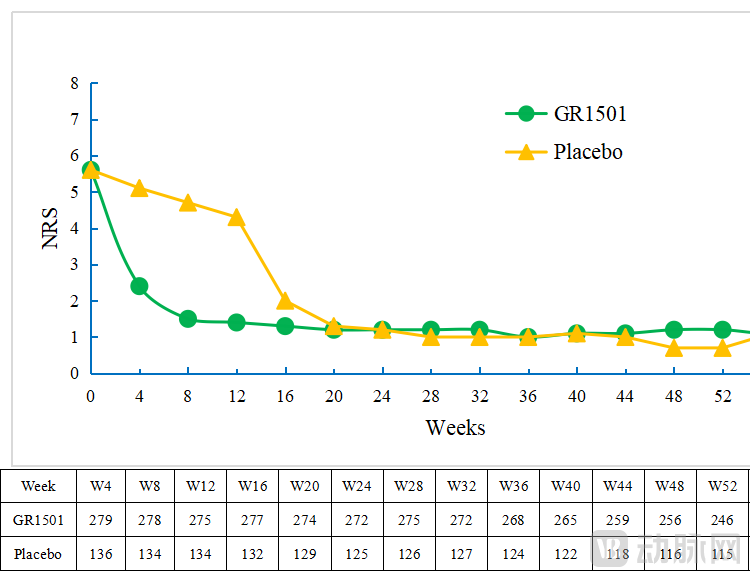
Figure S5. Proportion of subjects by NRS score at Week 52
Based on the Numerical Rating Scale (NRS) scores for pruritus severity, pruritus symptoms in the experimental group showed significant improvement compared to the placebo control group starting from the first assessment after administration (Week 4), with this improvement sustained throughout the subsequent maintenance treatment. From Week 8 post-administration until the end of the 60-week follow-up period, the median NRS score for pruritus severity in the experimental group remained at 1.0, representing a median improvement of more than 4 points from baseline.
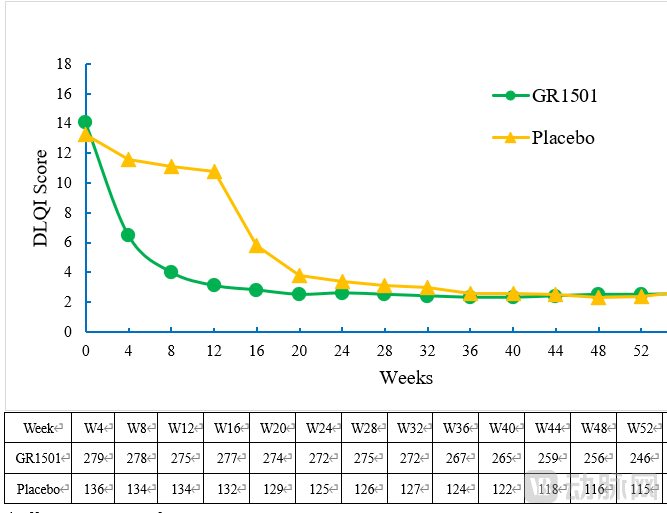
Figure S4. Proportion of Subjects by DLQI Score at Week 52
Similarly, according to Dermatology Life Quality Index (DLQI) data, quality of life in the experimental group (measured as change from baseline) showed significant improvement compared with the placebo control group starting from the first assessment after dosing, and this improvement was sustained through the subsequent maintenance treatment period. From Week 12 post-dosing until the end of the 60-week follow-up, the median DLQI score in the experimental group remained at 1.0, representing a median improvement of more than 10 points from baseline.
The 2023 guidelines indicate that psoriasis is a relapsing-remitting disease, and long-term maintenance therapy with biologics is superior to intermittent treatment or on-demand medication in improving quality of life. Both the recurrent nature of intermittent treatment and the demands of long-term therapy impose significant economic and psychological burdens on patients. In contrast, GR1501 demonstrated excellent efficacy during the maintenance phase, along with low relapse rates and no rebound effect, in this clinical study.
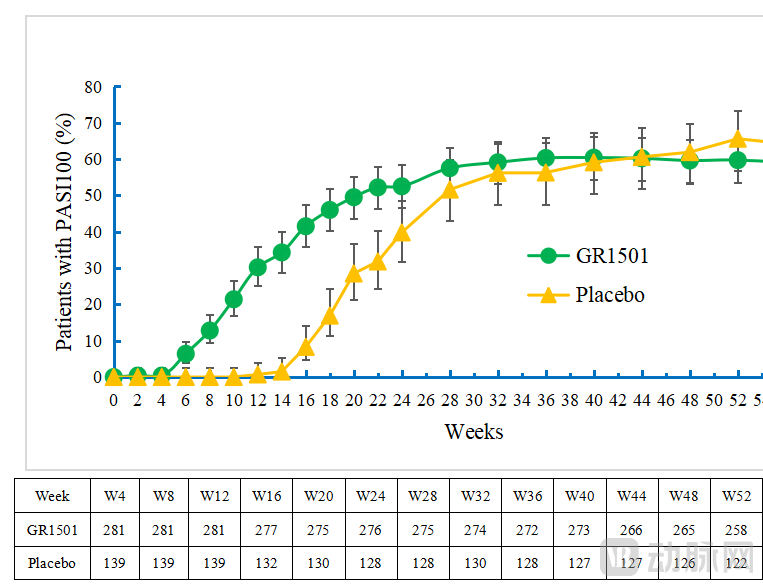
Figure S2. Proportion of Patients Achieving PASI 100 at Week 52 (±95% CI)
Taking complete clearance (PASI 100) as an example, during the induction phase (weeks 0–12), the PASI 100 response rate in the experimental group increased rapidly, with 30.2% of subjects achieving complete clearance by week 12. After week 12, the experimental group entered the maintenance phase, with dosing frequency reduced from once every two weeks to once every four weeks; however, therapeutic improvement continued through week 52, and the PASI 100 response rate showed sustained increase.At Week 52, 96.5% of subjects achieved PASI 75, 83.7% achieved PGA 0/1, and 59.7% achieved PASI 100.
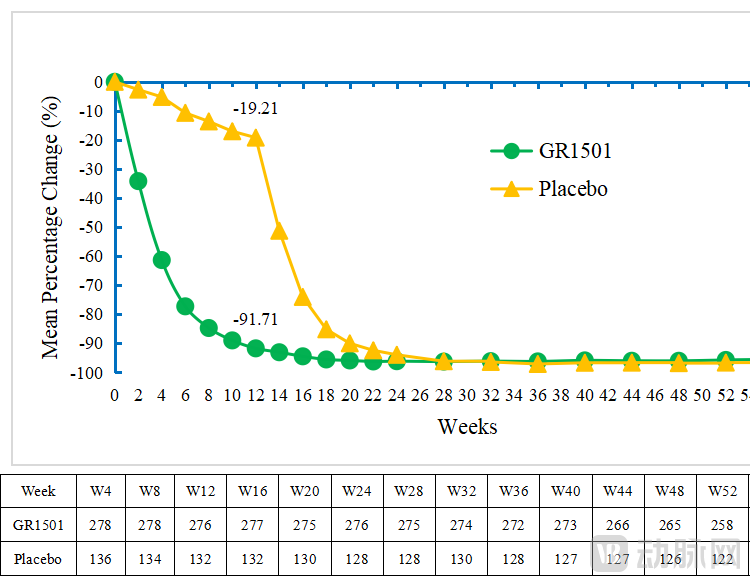
Figure S3. Mean Percent Change from Baseline in PASI at Week 52
This indicates that during the maintenance phase (i.e., Weeks 12–52), the secukinumab 200 mg Q4W maintenance dose enables the vast majority of subjects to maintain a high level of skin lesion improvement and achieve sustained therapeutic response.
Notably, the trial incorporated a reassignment mechanism whereby patients in the placebo group were reassigned to receive active GR1501 treatment after Week 12, resulting in a rapid increase in response rates. Subsequently, starting from Week 24, the therapeutic response profile resembled that of the original treatment group and persisted through Week 52.
Furthermore, secukinumab demonstrated potential advantages in maintaining therapeutic response as measured by the PASI 100 endpoint at Weeks 52 and 60. During the post-treatment follow-up period (12 weeks after the last dose), subjects maintained a favorable disease control rate, highlighting its robust advantage in sustaining efficacy.
The relapse rate (defined as a >50% reduction in the maximum improvement achieved from baseline) was low. During the 52-week long-term treatment period, only one case of relapse occurred in the experimental group (0.4%). This relapse was considered to be primarily due to the natural course of psoriasis rather than a rebound effect following drug discontinuation. No cases of rebound were observed during the 52-week post-discontinuation follow-up period, demonstrating effective disease control and a favorable safety profile upon treatment cessation.
Furthermore, GR1501 is a recombinant fully human IgG4 monoclonal antibody with low immunogenicity, resulting in a relatively lower risk of anti-drug antibodies and allergic reactions. The IgG4 subtype mediates weaker antibody-dependent cellular cytotoxicity (ADCC) and complement-dependent cytotoxicity (CDC) effects, thereby reducing the risk of adverse reactions.
The clinical trial also demonstrated a favorable safety and tolerability profile. No very common (≥10%) adverse reactions were observed, and no reactivation of hepatitis B or tuberculosis occurred. The most frequently reported adverse drug reactions (ADRs) were upper respiratory tract infections and injection site reactions, which are consistent with those of other drugs targeting the same mechanism.
In March 2019, Novartis’s IL-17 monoclonal antibody secukinumab (Cosentyx®) was approved for marketing in China. It was included in the National Reimbursement Drug List following a price reduction in 2020, rapidly expanding its presence in the domestic biologic market for psoriasis and establishing strong brand certainty and recognition. According to Novartis’s 2023 annual report, secukinumab generated $4.98 billion in annual revenue. Last October, the FDA approved a new intravenous formulation for the treatment of adult psoriatic arthritis, ankylosing spondylitis, and non-radiographic axial spondyloarthritis.
Behind the nearly $5 billion peak sales lies a psoriasis drug market where biologic penetration rates remain low.According to Frost & Sullivan data, the market size of psoriasis drugs in China was $1.1 billion in 2021 and is expected to grow to $9.5 billion by 2030, with a compound annual growth rate (CAGR) of 27.1%. Among them, biologics accounted for 29.3% of the market share in 2021, which is estimated to rise to 50.3% by 2030, indicating broad market prospects.
Meanwhile, competition among domestically produced IL-17 inhibitors has begun. Genrix Pharmaceuticals’ secukinumab and Hengrui Medicine’s funakizumab, which recently reported positive clinical data, are leading the domestic race, with their marketing applications already accepted by the National Medical Products Administration (NMPA). In addition, 3SBio and Akeso have both entered Phase III clinical trials, while Junshi Biosciences, HuaaoTai Biopharma, Chuangxiang Biopharma, and Quanxin Biotech also have pipeline candidates in development.
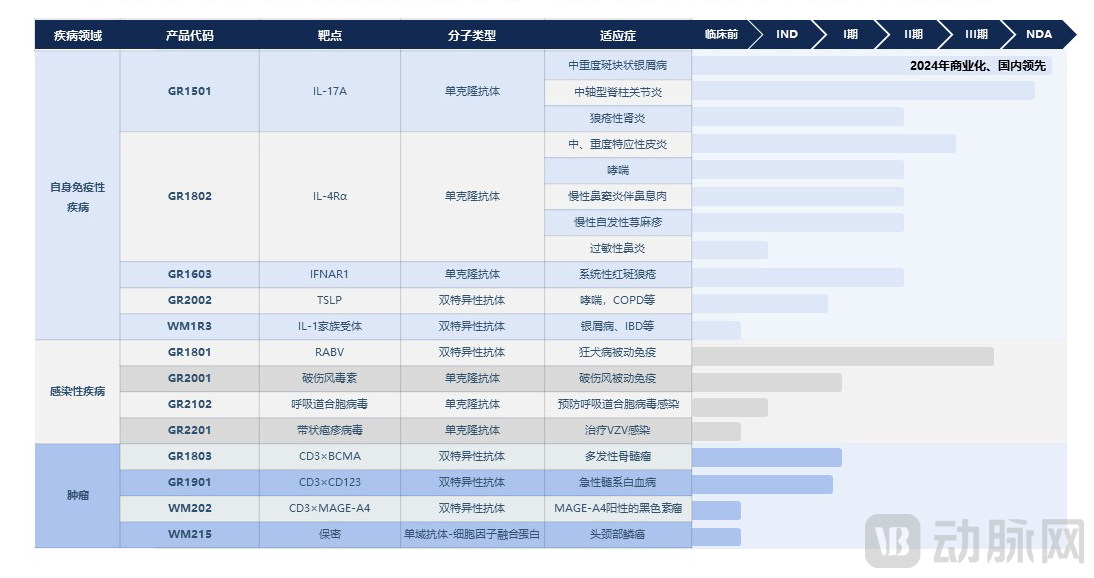 Zhixiang Jintai’s Product Pipeline in Development
According to Zhixiang Jintai’s announcement, the new drug application (NDA) for secukinumab for the treatment of moderate-to-severe plaque psoriasis was accepted in March 2023; the NDA for radiographic axial spondyloarthritis (ankylosing spondylitis) was accepted in January 2024. Currently, both indications are under review for new drug approval.
With the market launch of domestically produced IL-17A monoclonal antibodies, the biologic market for psoriasis is poised for a new surge, ushering China’s domestic autoimmune sector—still a blue ocean—into a new development cycle. Further advancements in the localization of IL-17 monoclonal antibodies are imminent.
References:
A multicenter, randomized, double-blinded, placebo-controlled, phase Ⅲ study evaluating the efficacy and safety of Xeligekimab (GR1501) in patients with moderate-to-severe plaque psoriasis. Br J Dermatol. 2024 Feb 15:ljae062. doi: 10.1093/bjd/ljae062.
Chen K, Wang G, Jin H, Xu J, Zhu X, Zheng M, et al. Clinical features of psoriasis in China: a nationwide survey of more than 12,000 patients. Oncotarget. 2017;8(28):46381-9