

NewSound Technology Files IPO Prospectus: Disrupting the Traditional Hearing Aid Market with Digital Retail Innovation
“The common belief that ‘wearing hearing aids leads to progressive hearing loss’ is incorrect. Hearing aids are regulated medical devices subject to national regulatory oversight. Furthermore, while daily use is essential, inconsistent wear among some users may compromise therapeutic outcomes.”
With over 30 years of deep roots in the hearing aid industry, Yu Shihu is well aware that public education on hearing health and market awareness for hearing aids in China remain severely inadequate. This is a societal imperative.Hearing loss is affecting over 200 million people in China, among whom more than 70 million suffer from moderate or greater hearing impairment and require intervention; however, the penetration rate of hearing aids in China stands at only 5%.Meanwhile, the five multinational giants have seized China’s traditional hearing aid market, establishing high entry barriers through their extensive product portfolios and comprehensive offline distribution channels. At the application level, however, imported hearing aids are priced relatively high, and these industry behemoths face significant inertia in adapting to change. Their slow progress in adopting new technologies and innovating product designs has, to some extent, hindered the widespread adoption of their products.
To enable more people to access hearing aids and enjoy better hearing, Yu Shihu officially founded NewSound Technology in 2004, drawing on his many years of experience in the research, development, and manufacturing of hearing aids. Reflecting on the company’s 20-year journey, he stated, “In fact, the core technology of hearing aids has not changed significantly; rather, the key developments have been the introduction of digital technologies and the diversification of product forms.” Building on continuous breakthroughs in core technologies, NewSound Technology has embraced the trend of digitalization to develop smarter digital hearing aid products and promote the advancement of remote fitting models.
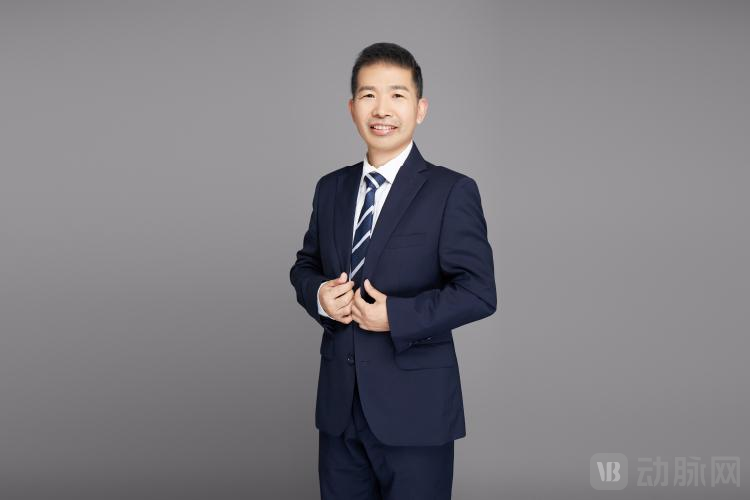
To date,NewSound Technology has obtained multiple domestic and international medical device certifications, including ISO 13485, EU CE, US FDA, and China NMPA, with its products successfully entering more than 110 countries and regions worldwide.. Over the past 20 years, the company has cumulatively produced and sold more than 10 million hearing aids.
The market demand for hearing aids is substantial. The World Report on Hearing projects that by 2050, one in four people worldwide will experience hearing loss. As regulations related to hearing aids continue to improve and the market becomes more standardized, China’s hearing aid penetration rate still lags significantly behind that of developed countries such as the United States, South Korea, and Japan.
On the one hand, it is due toInsufficient Awareness of Hearing Loss Among the Hearing-Impaired Population, compared with vision and dental health, hearing impairment is more prevalent among the elderly. This population tends to have a delayed perception of declining physiological functions, and the associated risks have not received sufficient attention. On the other hand,Insufficient Market Education for Hearing Aids, with low user initiative and compliance in wearing the device.
Furthermore, factors such as hearing aid pricing and product design hinder their widespread adoption. In the traditional hearing aid market, products are evolving toward optimized sound recognition and extraction technologies and improved industrial design, while sales channels remain dominated by offline professional institutions and hospitals, reflecting a heavy reliance on in-person services. However, the market is becoming increasingly concentrated, with five multinational giants capturing 90% of the share and securing first-mover advantages in offline distribution channels.
Traditional hearing aids require in-person services, with products targeted at professional institutions where specialists assist patients with fitting, and repeated adjustments are necessary during subsequent use.Low accessibility of offline services has long been a pain point for traditional hearing aids.Digital hearing aids can shift offline services such as assessment and fine-tuning to online platforms. Some advanced digital hearing aids even support remote fitting. By adopting a new retail model that combines online services with offline support, the accessibility of these services can be significantly enhanced.
As the hearing aid industry undergoes digital transformation, products are evolving toward digitization and intelligence. With the maturation of remote fitting technology, online retail channels are being actively developed. New domestic entrants are carving out a distinct path by focusing on the new retail sector, leveraging online channels to conduct market education and uncover potential users.
Meanwhile, leading enterprises in the telecommunications and electronics industries have also entered the new retail hearing aid sector. For instance, iFlytek launched its intelligent hearing aids in 2022, and Tencent’s Tianlai Laboratory partnered with domestic hearing aid manufacturers to develop smart hearing aids capable of remote fitting. Advances in Bluetooth technology and the establishment of digital ecosystems are driving the transformation of digital hearing aids toward greater convenience and ease of use, thereby accelerating the rapid development of the new retail hearing aid market.
Therefore, Yu Shihu believes: “The claim that five major overseas brands dominate 90% of the hearing aid market is outdated.“NewSound Technology is also capitalizing on this trend, breaking through core technological barriers in hearing aids and accelerating regulatory approvals for professional-grade products, while vigorously developing digital hearing aids and pioneering the breakthrough application of multiple new technologies.”
As a product of interdisciplinary convergence spanning acoustics, electronics, and audiology, hearing aids involve more than just sound processing. While China boasts a strong foundation in acoustic and communication research, applying these capabilities to hearing aid development faces significant technological barriers. Hearing aids must be compact and energy-efficient, while simultaneously delivering high computational speed, accurate sound recognition, and adaptability to diverse environments, all while ensuring wearing comfort. This demands robust system integration and advanced manufacturing capabilities from companies, requiring close collaboration among engineers specializing in acoustics, semiconductors, microelectronics, and computer science.
NewSound Technology has been deeply engaged in the hearing aid industry for many years, possessing significant advantages in core technologies and process design.Holding over 70 national patents, and has accumulated extensive experience in product commercialization. The company’s founder, Mr. Yu Shihu, holds a Master’s degree in Engineering and has been deeply engaged in the hearing aid industry for over 30 years. He previously served as the head of the China Manufacturing Center at a renowned international hearing aid company. Currently, he is a member of the Expert Committee of the China Hearing Medicine Development Foundation and has participated multiple times in the formulation and discussion of national and industry standards.
Specifically,The optimization of hearing aid chips, algorithms, and manufacturing processes constitutes their core competitive barrier.. The sound processing algorithms of hearing aids include functions such as collection, extraction, and amplification, with varying sound processing strategies across different scenarios. Furthermore, due to differences in pronunciation between Chinese and foreign languages, there are also distinctions in language processing. NewSound TechnologySelf-developed SW algorithm for hearing aid speech enhancement since 2014, optimizing speech processing, noise reduction, and auditory function.
Meanwhile, NewSound Technology pioneered the development of rechargeable hearing aids in the industry. In 2013, the company launched the industry’s first lithium-ion rechargeable hearing aid and has since continuously optimized and iterated the product using its proprietary EZCharge charging technology. In 2023,The company's hearing aid products have achieved a battery life of 23 hours after being inserted into the ear.. Furthermore, NewSound Technology is developing its own proprietary chips.
In the field of traditional hearing aids, to meet the needs of different populations,Xiamen NewSound Technology Co., Ltd. has launched a range of customized, programmable professional hearing aids, with product architecture and technical parameters reaching industry-leading standards.. In the new retail sector, NewSound Technology has successively achieved breakthroughs in technologies such as wireless transmission, remote fitting, and personalized customization, committed to delivering more user-friendly operation, more refined design, a more comfortable wearing experience, and a more intelligent control system.
Yu Shihu stated, “The development process and marketing model of new retail hearing aid products differ from those of traditional hearing aids, emphasizing multifunctionality and integration into the internet ecosystem.” In 2017, the company launchedChina’s first hearing aid supporting app-based hearing tests and self-fitting; its independently developed remote fitting technology has been applied to hearing aids from over 20 brands worldwide.Meanwhile, in 2020, NewSound Technology pioneered the release of an APP system supporting synchronized remote fitting. Leveraging the “Internet + Intelligent Services” model and using mobile applications as the entry point, the company enables self-administered hearing tests, hearing aid selection, and remote expert adjustment services.
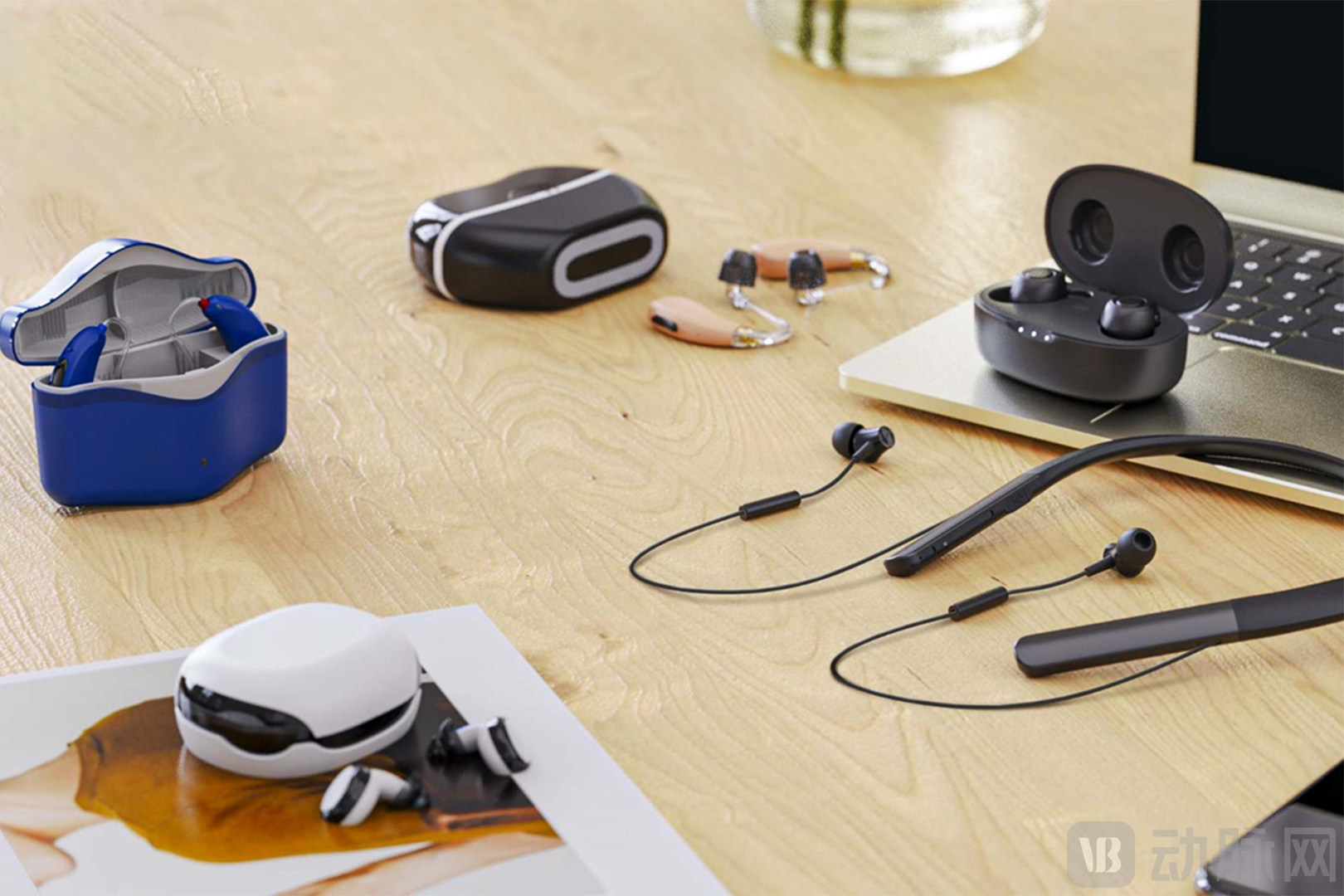
Overall, NewSound Technology offers a diverse range of hearing aid products, including professional custom-fit devices, ready-to-wear models, Bluetooth-enabled hearing aids, and app-controlled smart hearing aids, with more than 100 product models available.With product performance and customer experience comparable to imported products, Xiamen NewSound Technology Co., Ltd. offers its products at just one-third the price of their imported counterparts.The company’s products have been successfully exported overseas, with online sales operations launched in Europe and the United States, and it has previously earned the title of U.S. New Retail Sales Champion.
Currently, new-retail hearing aids are evolving from digitalization to intelligence, with product performance and remote personalized services that can "rival" those of traditional hearing aids. However, user acceptance remains low, primarily because the majority of individuals with hearing loss are elderly people who have limited cognitive and learning capabilities regarding digital technologies and remote services. Meanwhile, online service processes and standardization still require improvement. In addition, the quality and performance of hearing aid products vary significantly, necessitating further standardization.
NewSound Technology is dedicated to developing professional, high-standard hearing aid products. Its products have gained market access in multiple countries, with their quality thoroughly validated. Meanwhile, the company actively introduces new technologies and maintains its competitive edge through close collaborations with leading enterprises and research institutions in fields such as chips, hardware, and algorithms.
Globally, the United States took the lead in establishing a regulatory category for over-the-counter (OTC) hearing aids. This new class of hearing aids does not require hearing tests or in-person fittings; instead, they can be purchased directly at pharmacies, supermarkets, or online, with users performing self-adjustments. In October 2022, the U.S. FDA’s rule on OTC hearing aids officially went into effect, further promoting the growth and standardized development of the OTC hearing aid market in the United States. The introduction of OTC hearing aids represents not only a change in service models but also involves adjustments to product parameters, improvements in long-term stability, and stringent manufacturing requirements.
Globally, few companies are capable of developing over-the-counter (OTC) hearing aids, and multinational hearing aid giants have not heavily invested in this sector. This presents a significant breakthrough opportunity for innovative enterprises, with companies such as Sony and HP also expanding into this field through cross-industry diversification.Xiamen NewSound Technology Co., Ltd. offers a range of products that comply with OTC hearing aid regulations, available for over-the-counter and online sales in the United States.。
Targeting the domestic hearing aid market, Xiamen NewSound Technology Co., Ltd. positions itself as a manufacturing-oriented enterprise focused on hearing aid product development. The team encourages an integrated “online + offline” business model and is building a comprehensive channel system that combines “Internet + retail platforms + offline experience centers.” However, offline operations are not the company’s primary focus; the core purpose of establishing offline channels is to enable technical staff to engage more directly with users and collect feedback.
Meanwhile, regarding the selection of target customers,NewSound Technology's current key customer base remains the elderly population, which has a high incidence of hearing loss.. However, Yu Shihu also mentioned: “We strongly recommend that children with hearing loss be fitted with hearing aids. Compared to the elderly population with hearing loss, children have poorer autonomy and find it difficult to perceive and report their actual auditory experiences. Therefore, rigorous examinations using professional equipment are required, along with collaborative intervention by specialized physicians and audiologists to help address their hearing loss.”
After 20 years of development, NewSound Technology has evolved from a newcomer in the hearing aid market into an established enterprise that enables numerous individuals with hearing impairments to regain their "new voice." The company’s product portfolio has continued to expand, with diversified product forms, including the launch of a necklace-style hearing aid in 2023. Meanwhile, the company has been successively recognized as a national-level specialized and sophisticated "Little Giant" enterprise and a "Hidden Champion" of "Made in China," earning official acknowledgment for its technological strength and market position. Furthermore, NewSound Technology has remained committed to philanthropy, carrying out multiple public welfare initiatives in recent years and continuously donating hearing aids to people with hearing loss.

Amid the trend of population aging, the growing number of individuals with hearing loss and rising consumer spending power will drive continuous expansion of the hearing aid market. In the wave of digitalization, Xiamen NewSound Technology Co., Ltd. will continue to develop smarter, more user-friendly hearing aids. Meanwhile, the hearing aid market still holds significant untapped potential, requiring greater participation from various stakeholders to jointly advance market education. As a leader in this sector, Xiamen NewSound Technology will strengthen collaboration with all parties to enhance public awareness of hearing impairment and standardize treatment practices, thereby fundamentally improving hearing health.