

Safety Over Novelty: Professor Gao Changyou's Path to Translational Success with Hyperbranched Polylysine-Based Medical Innovations
In October 2023, hosted by the Chinese Society for Biomaterials“The First Biomaterials Application Scenario Project Exchange Conference”Held in Chongqing, the venue gathered numerous experts.“Novel Antibacterial Dental Implants Promoting Osseointegration”The project stood out among numerous exchange initiatives and was awarded the “Pioneer Project of the Year.” The person in charge of this project isProfessor Gao Changyou, who established a simple and efficient synthesis technology for hyperbranched polylysine.
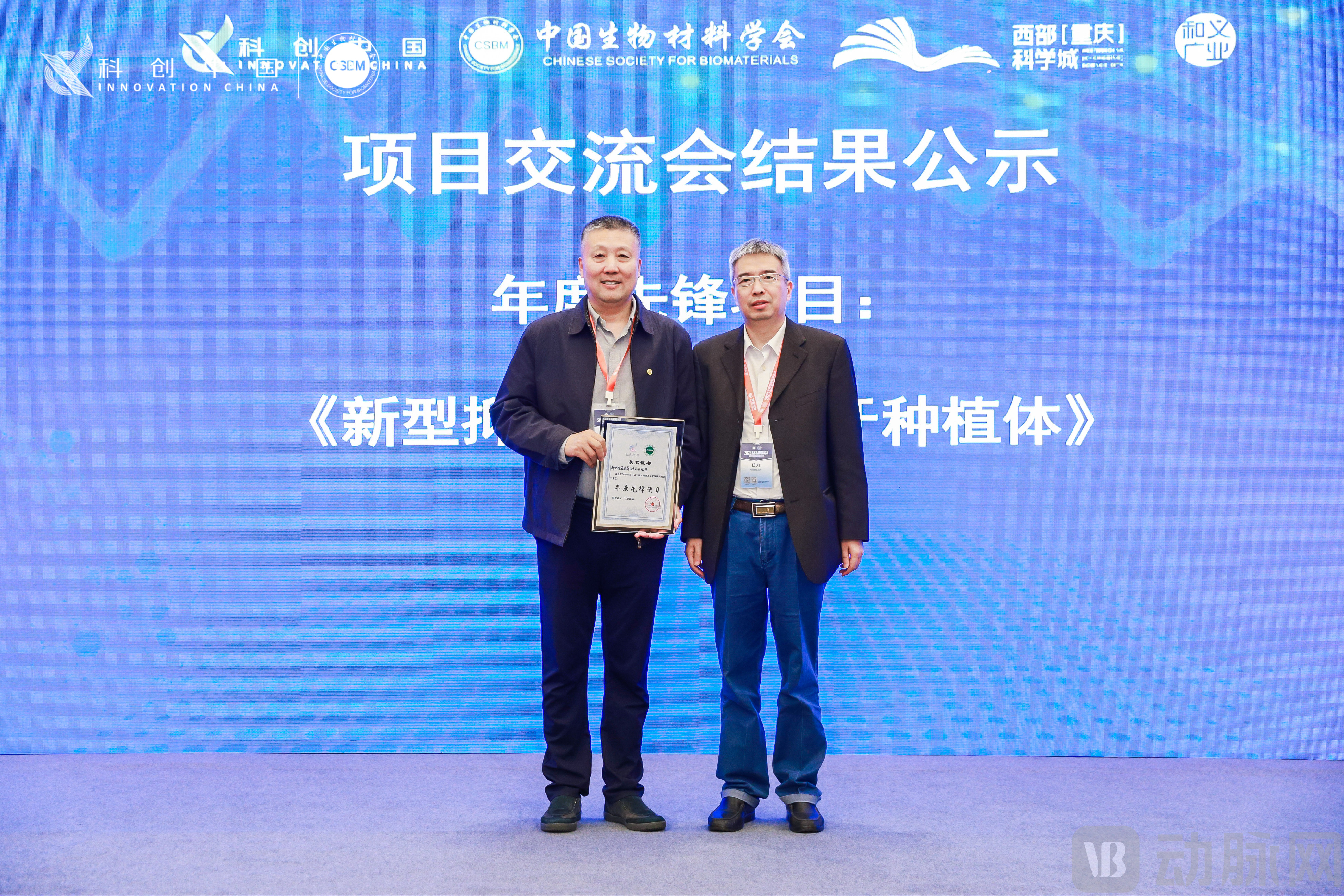
Gao Changyou’s Team Wins “Pioneer Project of the Year” (Photo provided by the interviewee)
Hyperbranched polylysine exhibits excellent biosafety, superior broad-spectrum antibacterial and antiviral activities, and holds broad application prospects in the general health sector, including biomedicine. Furthermore, this material possesses abundant terminal functional groups that are readily amenable to modification, facilitating the synthesis of diverse functional materials.
However, the traditional laboratory synthesis methods of hyperbranched polylysineNot only are the steps complex, time-consuming, and labor-intensive, but it is also difficult to ensure stable yield and quality.This has become a critical bottleneck preventing the translation and industrialization of related scientific research achievements.
To effectively address this pain point, Professor Gao Changyou and his team have proposed a new method for preparing hyperbranched polylysine. It is currently reported that the team has already achievedCapable of producing tens of kilograms per batch with a purity of up to 99.9%,Laid a solid foundation for the subsequent industrialization of related products.
I. Conversion Pathways Triggered by Dental Implant Surgery
One afternoon in 2016, after concluding discussions with his students on experiments involving hyperbranched polylysine modification, Professor Gao Changyou went to the Stomatological Hospital of Zhejiang University to undergo dental implant surgery.
After the surgery, as he listened to the doctor’s instructions on anti-inflammatory and antibacterial care following dental implant placement, he couldn’t help but ask, “Given that dental implant technology is so mature now, is it still prone to inflammation?”
“Half of the dental implant is embedded within the alveolar bone, while the other half remains exposed; if bacteria proliferate, it can easily lead to inflammation,” the doctor replied.
Recalling the research group’s work on modifying hyperbranched polylysine, Professor Gao had a sudden insight: “This material has bactericidal and anti-inflammatory properties; wouldn’t it be ideal for addressing similar inflammatory issues?”
Subsequently, fundamental research on the surface modification of metallic dental implants to endow them with antibacterial and osteointegrative properties was gradually initiated.
Over the past five years, the team has risen to challenges and overcome numerous technical hurdles one by one, achieving a breakthrough in the synthesis technology for high-purity, medical-grade hyperbranched polylysine, and completing the core patent reserves for immobilizing hyperbranched polylysine coatings on titanium-based metal surfaces. Both in vitro and small animal studies have verified that the hyperbranched polylysine coating can achieveDual Functionality of Antibacterial and Bone-Integrating Properties, the research findings were published in 2021'sBiomaterials。
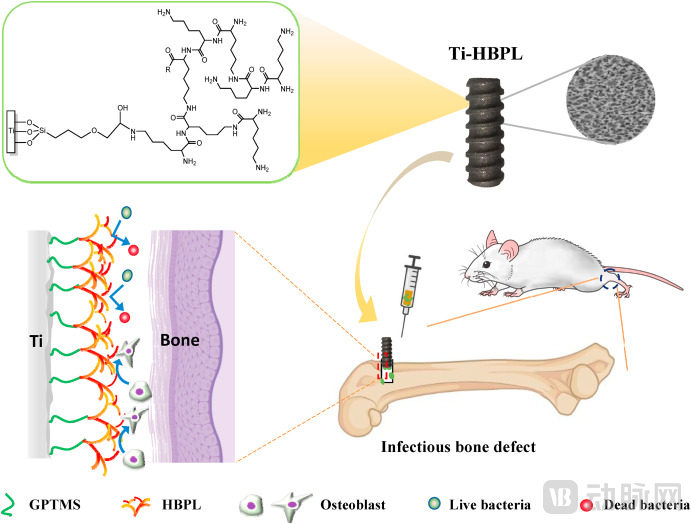
Schematic Diagram of the Surface Structure, Function, and Animal Model of Hyperbranched Polylysine-Modified Implants (Image Provided by the Interviewee)
In 2022, Professor Gao’s team was incubated by the Shaoxing Institute of Zhejiang University and establishedBohui (Zhejiang) Biotechnology Co., Ltd.(hereinafter referred to as Bohui Bio), officially embarks on the path of technology commercialization.
Hyperbranched polylysine is Bohui Bio’s first raw material product to be launched on the market. The chemical-grade product series has been registered as a cosmetic ingredient, while the medical-grade product series is being developed in collaboration with multiple companies for related medical device products.
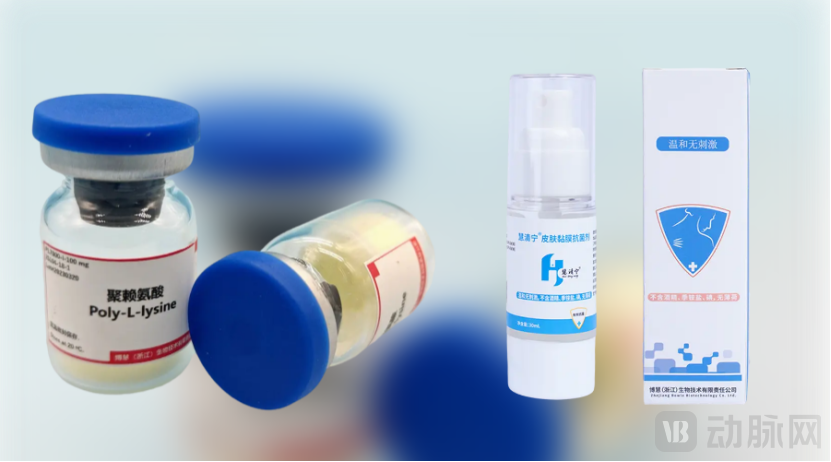
Hyperbranched Polylysine Medical-Grade Raw Material (Left) and Huiqingning®Skin and Mucous Membrane Antimicrobial Agent (Right) (Photo provided by the interviewee)
In addition to raw material products, the team independently developed and launched its first “disinfection-grade” product—Hui Qingning®Skin and Mucous Membrane Antimicrobial Agents. Testing has demonstrated that this product is effective in eliminating a variety of common pathogenic bacteria and viruses, including human coronaviruses, influenza A virus, Mycoplasma, HPV, Helicobacter pylori, and Streptococcus mutans. It causes zero irritation upon repeated contact with mucous membranes and is suitable for use on multiple body sites, including the skin, oral cavity, nasal passages, and ear canals.
In the same year, the translation of applied basic research results for "antibacterial and bone-integrating dental implants" also entered the next stage.
II. Novel Dental Implants That Inhibit 75% of Bacteria and Increase Osseointegration Rate by 150%
Dental implants, also known as the “third set of teeth” for humans, have gradually gained market acceptance and preference with rising public health awareness and supportive policies. Although long-term observational studies have shown that the success and survival rates of dental implants can reach 95% after more than 10 years, there is still a certain failure rate due to reasons such as infection and poor early bone stability.
Furthermore, patients with diabetes or osteoporosis often struggle to benefit from the convenience of dental implants due to impaired healing capacity. Statistics show that China currently has 140 million diabetic patients, and the prevalence of osteoporosis among individuals aged 65 and above reaches 32%.
Within the first 6 hours after implant placement, if bacterial adhesion to the implant surface precedes the integration of peri-implant tissues, bacteria will gradually form a biofilm on the implant surface, thereby facilitating their evasion of the host immune system and antimicrobial agents.Consequently, the use of traditional antibiotics and wound drainage often fails to eradicate infections, while debridement subjects patients to the distress of secondary postoperative surgery.
Hyperbranched polylysine materials exhibit a broad antimicrobial spectrum, effectively inhibiting various microorganisms, including Gram-positive bacteria, Gram-negative bacteria, fungi, and viruses. When a hyperbranched polylysine coating is immobilized on the surface of titanium dental implants, any pathogens coming into contact with the implant are eradicated, thereby inhibiting biofilm formation.
In vitro experimental data from Professor Gao’s team show that,The antibacterial rate of the hyperbranched polylysine coating reached 99%.
Professor Gao told Orange Bureau: “Implant-related products have currently completed large animal experiments. The results indicate that, in a model with significant bacterial contamination of the dental socket, hyperbranched polylysine-coated implants, compared to conventional implants,”It not only reduces bacteria by 75% but also effectively alleviates the inflammatory response.”
Traditional antimicrobial materials commonly used in the medical industry, such as antibiotics, iodine, and silver, can affect the viability of normal cells while exerting bactericidal effects, necessitating standardized usage. Greater caution is required when these materials are applied to Class III medical devices, such as dental implants.
Unlike traditional antimicrobial materials, hyperbranched polylysine is composed of L-lysine, known as “one of the eight essential amino acids for the human body,” and exerts its bacteriostatic effect by disrupting bacterial cell walls through electrostatic interactions, rather than through toxic bactericidal mechanisms.
Experiments have demonstrated that, compared with the blank control, increasing the concentration of hyperbranched polylysine solution from 25 μg/mL to 1 mg/mL did not significantly affect fibroblast viability.It can be concluded that it exhibits no significant cytotoxicity.。
In addition, in the bone healing model of large animal experiments, during the observation period, hyperbranched polylysine-coated implants, compared to ordinary commercial implants,The osseointegration rate increased by 150%, with substantial new bone tissue formation on the implant surface.。
Professor Gao Changyou’s team endowed dental implants with both antibacterial and osteogenic integration capabilities by modifying the titanium surface with hyperbranched polylysine, as follows:The implant not only effectively inhibits bacteria and reduces inflammation, but also enhances surface calcium deposition, thereby upregulating the expression of osteogenesis-related genes and proteins, which ensures stable osseointegration between the implant and the alveolar bone.
Currently, Professor Gao’s team has joined forces with multiple research groups, including the Stomatological Hospital of Zhejiang Province and Shanghai Ninth People’s Hospital affiliated with Shanghai Jiao Tong University, to tackle key clinical challenges. Meanwhile, they have strengthened collaborations with medical device companies such as Nato Medical and Kehui Medical, achieving integration across the “industry-academia-research-clinical practice” chain and accelerating the clinical application of their innovations.
III. Avoid Blindly Pursuing Innovation in Commercialization
As the Dean of Zhejiang University’s Shaoxing Research Institute, Professor Gao Changyou has consistently encouraged young researchers to focus on the translation of scientific achievements through his own actions.
Currently, in addition to skin and mucosal antimicrobial agents and dental implants, Professor Gao’s team is also leveraging hyperbranched polylysine as the core functional material to sequentially develop a series of medical devices. These include medical catheters with anti-protein adhesion, superlubricity, and antimicrobial properties, as well as antimicrobial medical dressings that promote scar-free wound healing.
According to Professor Gao Changyou, innovation is important for the translation and implementation of scientific research achievements, but it is not the most important factor:“Product development does not require 100% innovation, but it must ensure 100% safety.”
Researchers engaged in translational work must say no to “concept-mongering.” Before a product can be launched on the market, it must undergo rigorous regulatory review and approval. If its safety performance fails to meet standards, it will absolutely not be allowed to enter the market. In such cases, even the most compelling “concepts” or “innovative features” will ultimately come to nothing.
Furthermore, Professor Gao also believes that "your mindset determines your altitude.": R&D personnel involved in translation need to shift from “thinking from a scientific perspective” to “thinking from an industrial perspective.”In basic scientific research, researchers must possess the independent will to “strive for first place,” enduring solitude to pursue innovation; whereas in translational work, a spirit of teamwork is essential, recognizing that collective progress drives the development of the field.
In the future, Professor Gao Changyou’s team will continue to advance the commercialization of related scientific and technological achievements. Leveraging the platform established by the Shaoxing Institute of Zhejiang University, the team is committed to “matching materials with users,” integrating the “demand side, supply side, and service side,” and collaborating with more peers focused on technology transfer to jointly build a robust ecosystem for the commercialization of scientific and technological innovations.