

Key to iPSC Cell Therapy Drug Development: Insights from Dr. Junying Yu, Co-inventor of hiPSC Technology
Since the establishment of hiPSC technology in 2007, the fields of stem cell therapy and regenerative medicine have witnessed significant advancements. To date, this technology has undergone nearly 17 years of development, providing new perspectives for the iteration and advancement of cell therapies, while also offering new opportunities and insights for deciphering the pathogenic mechanisms and treatments of numerous diseases within a short period.
Globally, numerous companies are committed to establishing a presence in iPSC-based cell therapy. The United States and Japan are pioneers in this field. Although China started slightly later, the rapid development of its biopharmaceutical sector in recent years, coupled with strong industry support for the iPSC ecosystem, has prompted many enterprises and institutions to actively invest in this area, with R&D progress rivaling that of international pharmaceutical companies.
However, it is worth noting that although iPSC cell therapy holds immense potential, it remains in the early stages of development. Its translation into clinical practice is hindered by challenges related to preparation processes, manufacturing techniques, and safety concerns, while its druggability and efficacy require further validation.
VCBeat continues to closely monitor developments in iPSC cell therapy, aiming to gain deep insights into the prospects and challenges facing the iPSC industry.We invited Dr. Junying Yu, Founder and Chief Scientist of Zhongsheng Suyuan, to discuss the current state of the iPSC industry, pressing challenges that need to be addressed, and future development directions.
Dr. Junying Yu is one of the international pioneers of hiPSC technology and a prominent scientist in the field of stem cell therapy.Dr. Yu Junying studied somatic cell reprogramming under Dr. James Thomson, known as the “father of human embryonic stem cells.” In 2007, as first author and co-corresponding author, she published a landmark study in Science reporting the successful conversion of human skin cells into induced pluripotent stem cells (iPSCs) under in vitro culture conditions. In 2009, she again published pioneering findings in Science, achieving the first virus-free generation of human iPSCs and thereby opening the door to the clinical application of hiPSC-derived cellular products. Dr. Yu Junying holds profound and unique insights into iPSC-based cell therapies. On this occasion, VCBeat will release a three-part interview series to conduct an in-depth exploration of the iPSC industry.
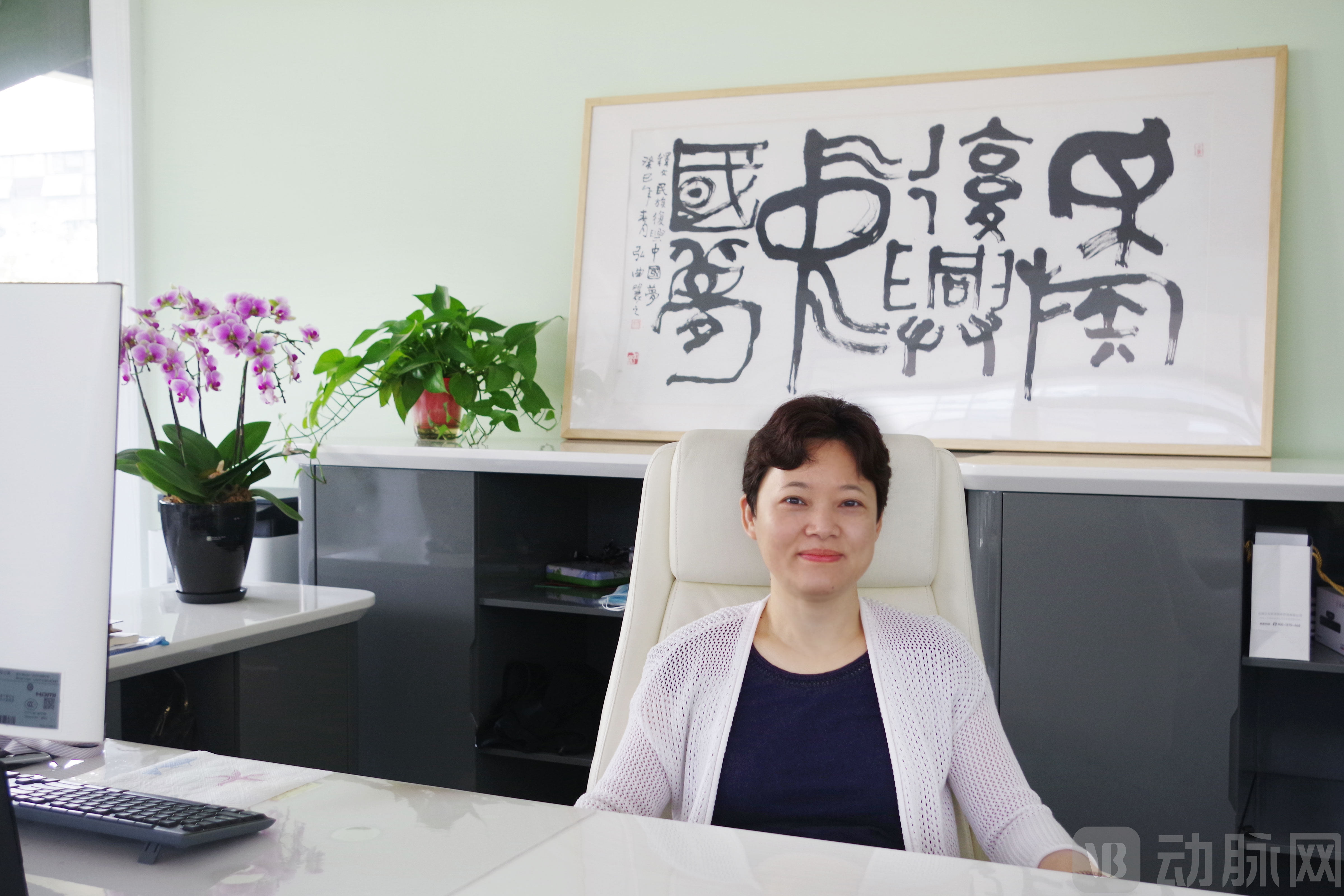
Dr. Junying Yu, Founder and Chief Scientist of Zhongsheng Suyuan
VCBeat: As one of the pioneering scientists behind hiPSC technology, which has been in development for 17 years since 2007, how do you view the prospects of iPSC technology in terms of its druggability?
Junying Yu:To date, a review of the history of pharmaceutical development reveals that small-molecule drugs, antibody-based therapeutics, and nucleic acid medicines have all reached a high level of maturity. However, many diseases remain incurable with these modalities, necessitating the emergence of more complex or innovative therapeutic formats, among which cell therapies are a prominent example.
The Development of iPSC Technology: Drug Development Is Its Inevitable Direction.Hematopoietic stem cell transplantation, neural cell therapy for Parkinson’s disease, and islet cell therapy for diabetes have been fully validated in clinical practice. However, from the perspective of drug development, these adult-derived cells are overly complex. Cells from different donors and tissue sources exhibit heterogeneity. Furthermore, the supply of islet donors is limited, and allogeneic transplantation requires long-term use of immunosuppressive drugs to prevent rejection. Therefore, cell quality, cell quantity, and immune matching have long been challenges in cell therapy. Our work with induced pluripotent stem cells (iPSCs) aims to address these issues.
For cell therapy, the most critical challenge lies in securing cell-based medicinal products with assured quality and sufficient quantity at the clinical front end. Pluripotent stem cell technology represents an ideal platform for cell therapy, enabling the large-scale in vitro production of cells with consistent quality, thereby addressing the longstanding issues of cell quality and quantity that have plagued adult-derived cell therapies.
Regarding immune matching, we can generate super-donor induced pluripotent stem cells (iPSCs) or produce universal pluripotent stem cells through gene editing. To date, pluripotent stem cells, particularly iPSCs, represent the only technological platform capable of addressing challenges related to cell quality, cell quantity, and immune matching. Consequently, from a drug development perspective, iPSC-derived cell therapy products possess strong developability as therapeutic agents.
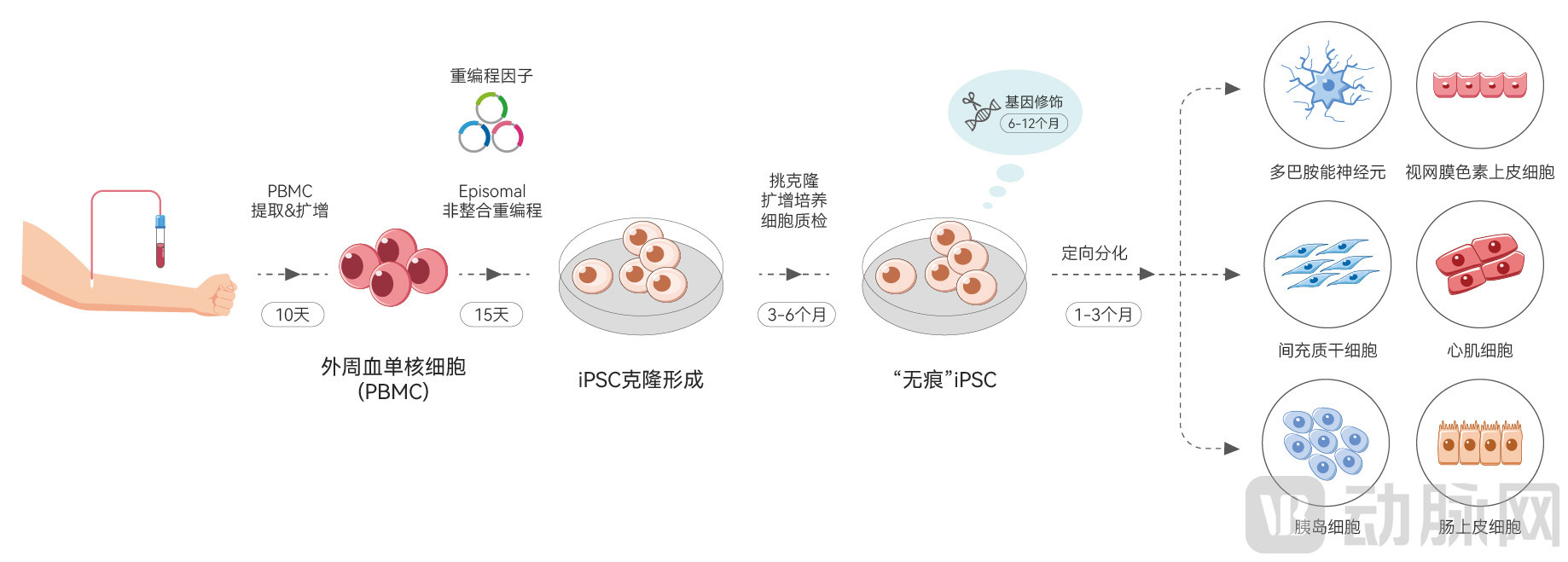
iPSC Technology Roadmap
However, significant technical barriers remain in the development of iPSC-based therapeutics. Although many cell types derived from induced pluripotent stem cells (iPSCs) have entered clinical trials, this does not imply that the technology is fully mature; rather, it will continue to advance and mature alongside clinical progress.
VCBeat: What are the current cell types and indications for iPSC technology in clinical trials?
Yu Junying:Currently, iPSC-based cell therapies primarily target diseases in the fields of regenerative medicine, oncology, and anti-inflammatory repair, which represent the three major areas of focus. Among these, regenerative medicine is the area of greatest interest.
Determining which cell type is suitable for treating a specific indication requires a clear understanding of which cells are damaged in the disease. For instance, Type 1 diabetes results from damage to pancreatic islet cells, while Parkinson’s disease is associated with the damage and death of dopaminergic neurons. If the specific cell types affected by many human diseases can be clearly identified, there is hope for treating these conditions by generating relevant cells in vitro using induced pluripotent stem cell (iPSC) technology.
iPSC cell therapy offers a wide range of possibilities and application scenarios. However, from the perspective of pharmaceutical companies developing new drugs, two key factors must be considered to successfully bring a product to market: First, technical feasibility is essential, meaning the company must be capable of producing cell products with consistent quality. Second, market potential must be taken into account; for pharmaceutical companies, it is more logical to target indications with large patient populations and broad market opportunities that currently lack effective treatment options.
VCBeat: The reprogramming methods used in iPSC technology are a major concern for many. How do you view the various reprogramming technologies? As one of the core technologies, what are the future development directions for reprogramming? And how do different reprogramming techniques impact the druggability of derived cells?
Junying Yu:When selecting a reprogramming technique for iPSC-based cell therapies, the primary consideration is which method can yield high-quality iPSCs to ensure their druggability.In fact, all roads lead to Rome; the most critical factor is obtaining high-quality induced pluripotent stem cells (iPSCs). From the perspective of drug development, clinical applications require a careful balance between benefits and risks. When selecting an iPSC reprogramming method, it is essential to evaluate the advantages and disadvantages of each approach, while ensuring both the safety of the reprogrammed cells and the stability of their quality.
Currently, in addition to viral vector-based integrative reprogramming techniques, non-viral integrative reprogramming methods using plasmids and transposons are also available. Non-viral, non-integrative reprogramming approaches—represented by episomal plasmids, mRNA, proteins, and small chemical molecules—are gaining significant popularity. A variety of novel technologies continue to emerge, dedicated to more effectively addressing the druggability challenges associated with induced pluripotent stem cells (iPSCs).
Various reprogramming techniques each have their own advantages and disadvantages. For instance, viral vector-based reprogramming achieves high efficiency, but residual viruses carry the risk of reactivation. Non-viral integrative reprogramming methods offer greater safety, yet exhibit relatively lower iPSC reprogramming efficiency. Chemical small-molecule reprogramming is simple to operate and highly controllable; however, it is crucial to carefully evaluate whether the selected small molecules may compromise genomic stability and induce genetic mutations.
VCBeat: The industry often expresses concern about the tumorigenic risks associated with iPSC technology. How do you view this issue?
Junying Yu:Not only iPSCs, tumorigenicity is a challenge that all cell therapies must face, especially after long-term in vitro culture.
ButGiven the tumorigenic risks associated with iPSC technology, control measures can be implemented through several approaches.On one hand, residual pluripotent stem cells pose a tumorigenic risk. Additionally, during cell differentiation, there may be significant retention of precursor cells; for instance, neural stem cells exhibit strong proliferative capacity, and their excessive expansion can also lead to tumor formation. On the other hand, genetic mutations arising during cell culture are another cause of tumorigenicity. These risks can be minimized by employing highly sensitive detection methods to assess residual pluripotent stem cells, target cell purity, and genomic stability in cell products, as well as by conducting in vivo tumorigenicity assays. For example, iPSC-based cell products require transplantation into immunodeficient animals for long-term observation to evaluate their tumorigenic potential, thereby substantially reducing the risk of tumor formation.
The tumorigenic risk varies among different cell products, and the risk associated with each product requires careful analysis.
VCBeat: Currently, many companies are laying out plans to use iPSC-derived dopaminergic neural precursor cells (iDAPs) for the treatment of Parkinson's disease, and Zhongsheng Suyuan is one of them. What were the considerations at that time?
Yu Junying:At the time of our establishment in 2016, we defined the iDAP pipeline, designating Parkinson’s disease as a key therapeutic area for strategic development. From a market perspective, Parkinson’s disease remains an unresolved medical challenge worldwide, with a growing patient population that is also trending younger. Clinically, case studies dating back to the 1980s have demonstrated the transplantation of midbrain tissue from aborted fetuses to treat Parkinson’s disease, with some patients exhibiting significant therapeutic benefits, thereby completing proof-of-concept at the clinical level. Technologically, by 2011, the technical pathway for directing the differentiation of pluripotent stem cells into midbrain dopaminergic neurons had been well established. Comprehensive consideration of both technical feasibility and market potential aligned with our criteria for pipeline project initiation.
VCBeat: Which companies, both domestically and internationally, have currently made strategic moves in the iDAP pipeline?
Yu Junying:Internationally, Bayer’s wholly owned subsidiary, BlueRock Therapeutics, has made strategic moves in this field, with its stem cell therapy for Parkinson’s disease demonstrating safety and tolerability in Phase I clinical trials. In China, besides Zhongsheng Suyuan, innovative pharmaceutical companies such as Ruijian, Yuesai, and Shize have also established their presence.
VCBeat: How do you view BlueRock Therapeutics’ products and clinical data?
Junying Yu:BlueRock disclosed Phase I clinical data for bemdaneprocel last year. As the dosage used was relatively low, with a primary focus on safety assessment, the Phase I results demonstrated the drug’s safety profile. However, its efficacy remains to be determined and will depend on therapeutic outcomes observed at higher doses.
VCBeat: Various domestic institutions have iDAP product pipelines. Considering the diverse technological systems both domestically and internationally, how do you interpret the manufacturing processes and product characteristics of iDAP products from different institutions?
Yu Junying:When we returned to China in 2016, industry conferences on stem cell therapies were already being held in the United States, Europe, Japan, and other regions, where participants jointly discussed the manufacturing processes and progress of iDAPs. By that time, the manufacturing process for iPSCs had already become relatively mature.
However, from the perspective of pharmaceutical process development, technology is constantly being updated and iterated. The efficacy of a drug in animal studies does not guarantee equivalent effectiveness in clinical trials. As a live therapeutic product, cell therapy cannot be directly defined by structural or genetic sequence characteristics in the same way as conventional drugs.Taking Parkinson’s disease as an example, although its pathogenesis is well understood, further in-depth investigation is still needed to determine the critical quality attributes that iDAP drugs must possess to ensure therapeutic efficacy in vivo after transplantation.Currently, the manufacturing processes and product characteristics of iDAP products from different institutions vary significantly. The failure of one institution’s iDAP product in clinical trials does not predict the clinical performance of another institution’s iDAP product. Most importantly, the accumulation of clinical data on these products can help us identify more precise critical quality attributes associated with efficacy, thereby further improving the iDAP manufacturing process and the clinical effectiveness of the product.
VCBeat: So, what do you consider to be the most important quality attributes of iDAP?
Junying Yu:For Parkinson’s disease, we know that its cellular products need to express conventional markers such as TH and FOXA2; however, whether additional characteristics are required to define this iDAP product remains to be explored.
In the early stages, the industry ensured cellular quality attributes by increasing the proportion of TH-expressing cells. Between 2011 and 2015, animal studies involving cell transplantation showed that only 5%–10% of the transplanted cells survived in vivo and expressed TH, indicating a relatively low survival rate.
Ensuring TH purity is only one aspect; it is crucial to guarantee that transplanted cells achieve therapeutic efficacy in clinical practice., the iDAP product is still in its early stages. Current R&D efforts are based on our present understanding of Parkinson’s disease and the expression of its biomarkers. However, whether these biomarkers are sufficient can only be determined through clinical validation. In many cases, therapeutic effects observed in animal studies are difficult to replicate in humans.
VCBeat: Compared with other iDAP pipelines, what are the unique development considerations, process and quality advantages of Zhongsheng Suyuan's iDAP pipeline? How is it differentiated in its positioning?
Junying Yu:We first pioneered innovations in our manufacturing process and filed two new PCT patent applications last year.Our current manufacturing process incorporates numerous improvements over traditional methods, enabling the production of dopaminergic neural precursor cells with higher purity and superior biological function post-transplantation.
While ensuring high purity, our iDAP drug is a universal cell therapy product. Dopaminergic neural progenitor cells, produced through gene editing based on super-donor iPSCs, are suitable for all individuals. In summary, it is a high-purity, universal cell therapy.
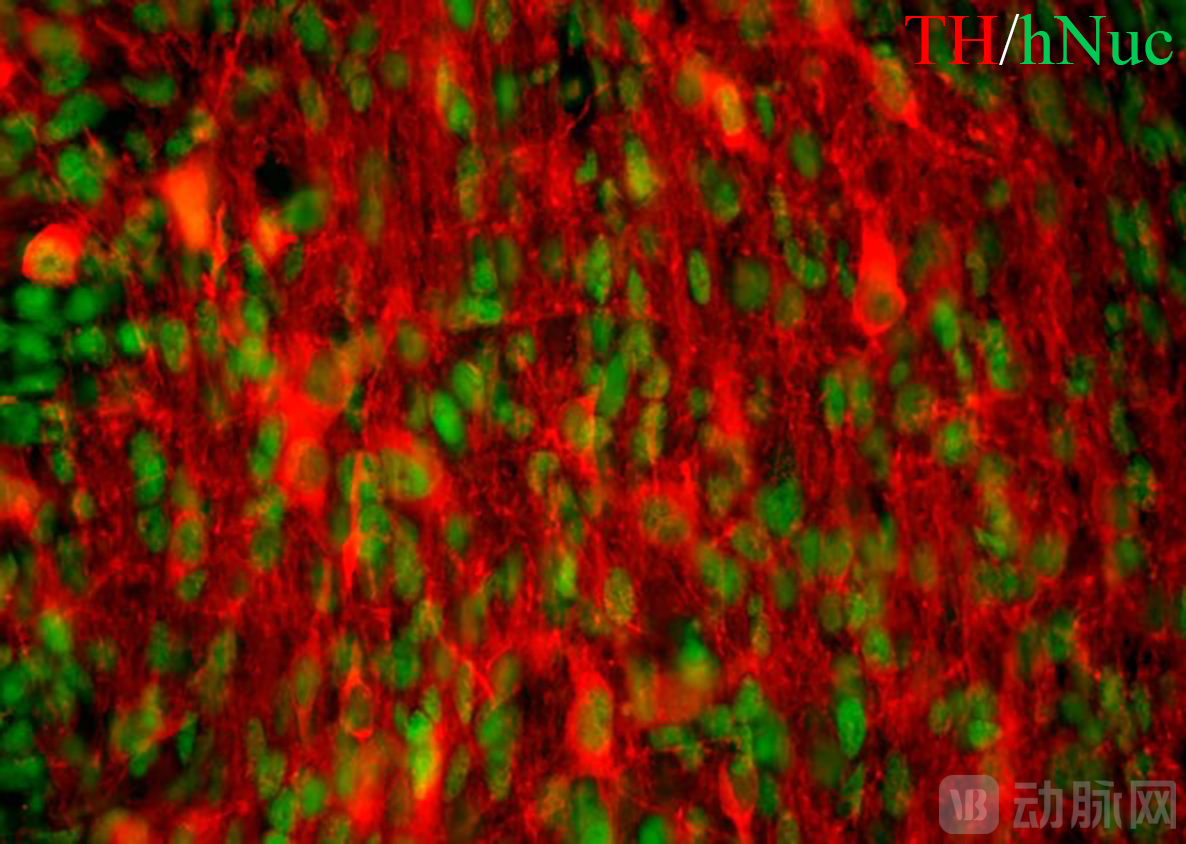
iDAP Exhibits a High Rate of Maturation into TH+ Dopaminergic Neurons Post-Transplantation, Source: Zhongsheng Suyuan
VCBeat: You previously mentioned that iPSC technology aims to address drugability issues, with HLA matching being a key factor. Could you please explain how the international community addresses HLA matching for iDAP products? What are your considerations?
Junying Yu:To address the challenge of immune matching, the ideal transplant donor would possess an identical HLA match; however, such donors are rarely available in clinical practice. Globally, efforts are underway to identify "super donors" to resolve this issue. Through gene editing of cells from these super donors, cell transplantation can cover a large proportion of the recipient population. Countries such as Japan, the United States, the United Kingdom, and South Korea are establishing hiPSC cell banks from super donors to tackle HLA matching challenges.
We have also made strategic investments in this field. Currently,We have successfully established and banked 30 super-donor iPSC lines., estimated to cover approximately 50% of the Chinese population, i.e., 700 million people, and has established standardized protocols and quality control standards for clinical-grade hiPSC preparation and biobanking.
VCBeat: Although iDAP cell therapy for Parkinson’s disease holds great potential, does it also face numerous challenges? How will you lead the R&D team to address these issues?
Junying Yu:Over the years, iDAP therapy for Parkinson’s disease has only recently entered clinical trials abroad. One challenge lies in ensuring consistent product quality of cell preparations, achieving high-purity cells, and addressing immune matching issues, which fall under CMC (Chemistry, Manufacturing, and Controls) considerations. On the other hand, it is necessary to explore how to transplant or infuse these cells into the midbrain in a clinical setting, maximizing graft cell survival while avoiding inflammatory responses caused by the injection procedure.
In addition to continuously iterating our manufacturing processes and technologies to enhance cell purity, we are also actively seeking collaborations with clinicians who have extensive experience in midbrain injections and surgical procedures. We aim to leverage their rich clinical expertise to ensure optimal therapeutic outcomes for our product.
In recent years, induced pluripotent stem cells (iPSCs), as a foundational technology, have garnered increasing attention and demonstrated significant market potential with the commercialization of cell therapy drugs. The development of iPSC-based therapeutics is an inevitable trajectory driven by continuous technological advancements. However, securing transplantable cells that are both high-quality and abundant in quantity is critical throughout this process. Addressing cell sourcing, ensuring consistent quality, and overcoming challenges in immune matching will be key to advancing the clinical translation of iPSC therapies.
In the more specialized field of iPSC-derived dopaminergic neuron (iDAP) therapies for Parkinson’s disease, drug developability remains in the early exploratory stage. The maturation of induced pluripotent stem cell (iPSC) technology will support the advancement of iDAP-based therapies, while future clinical progress will serve as a robust guarantee for validating and enhancing their efficacy.