

Eleven Leading Organizations Collaborate to Advance CGT Industrial Upgrading at the 6th Park Tour Event

Yeasen
Tool Enzyme Raw Materials and Diagnostic Product R&D, Manufacturer

VectorBuilder
Gene Delivery Technology Developer

T&L Biotechnology
GMP-Grade Raw Material and Reagent R&D Manufacturer

Saifu Pharmaceutical
Preclinical CRO Service Provider
Legend Capital
Early-stage venture capital and growth-stage private equity investment institutions
“One person can run fast, but a group of people can go further.”
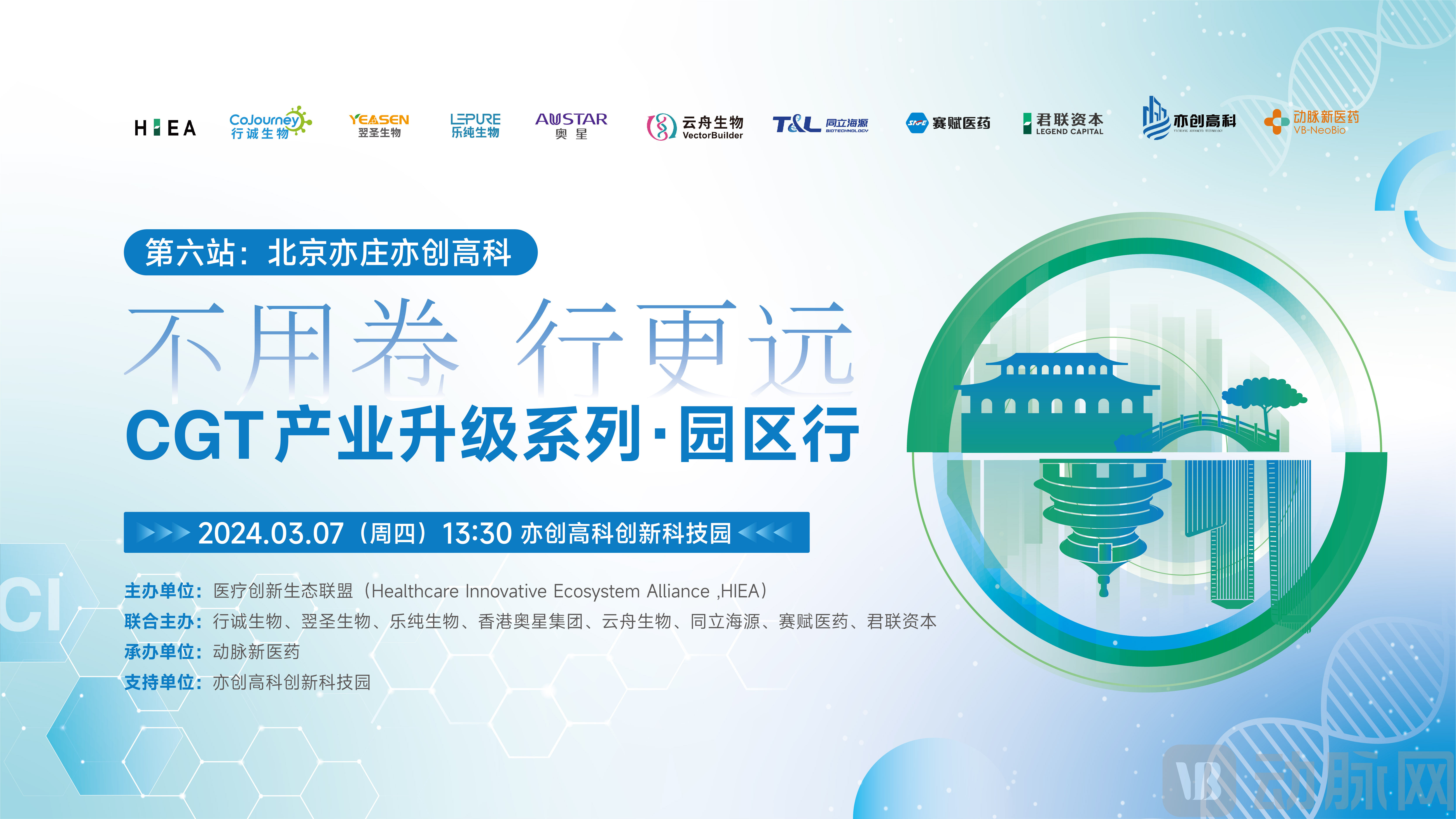
On the afternoon of March 7, jointly hosted by HIEA, Hangzhou Xingcheng Biotechnology Co., Ltd., Yeasen, LePure Introduction, Austar Group, VectorBuilder, Beijing T&L Biotechnology Co.,Ltd., Saifu Pharmaceutical, and Legend Capital, and organized by VCBeat New Medicine【No Need for Cutthroat Competition, Go Further】 The 6th Stop of the CGT Industry Upgrade Series · Park Tour Event Was Held at Beijing Yichuang Gaoke Innovation Technology Park.
This initiative is jointly launched by a cohort of leading enterprises deeply focused on the cell and gene therapy (CGT) industry chain. By pooling their unique core competencies and high-quality resources, these companies cover many critical areas, ranging from R&D of high-end equipment technologies, establishment of curated raw material supply chains, and integrated efficient consumables supply, to the refinement and upgrading of precision manufacturing processes, as well as advanced, rigorous testing technologies. The aim is to work together to provide robust momentum and a solid foundation for CGT innovative pharmaceutical companies throughout their product development lifecycles and industrial upgrade journeys.
Dr. Liu Xiao, Vice President of Business and Marketing at Hangzhou Xingcheng Biotechnology Co., Ltd. & Deputy Director of the MAH Special Committee of the China Pharmaceutical Enterprise Management AssociationServing as the moderator of this event, and under the guidance of Dr. Liu Xiao, the conference featured in-depth dialogue and discussion spanning multiple dimensions—from emerging trends in industry investment and financing to CMC process optimization and industrialization. The event transcended one-way information dissemination, instead fostering intense intellectual exchange and interactive engagement. Distinguished guests actively participated in discussions and shared their insights, creating a dynamic atmosphere marked by recurring highlights and vibrant energy.
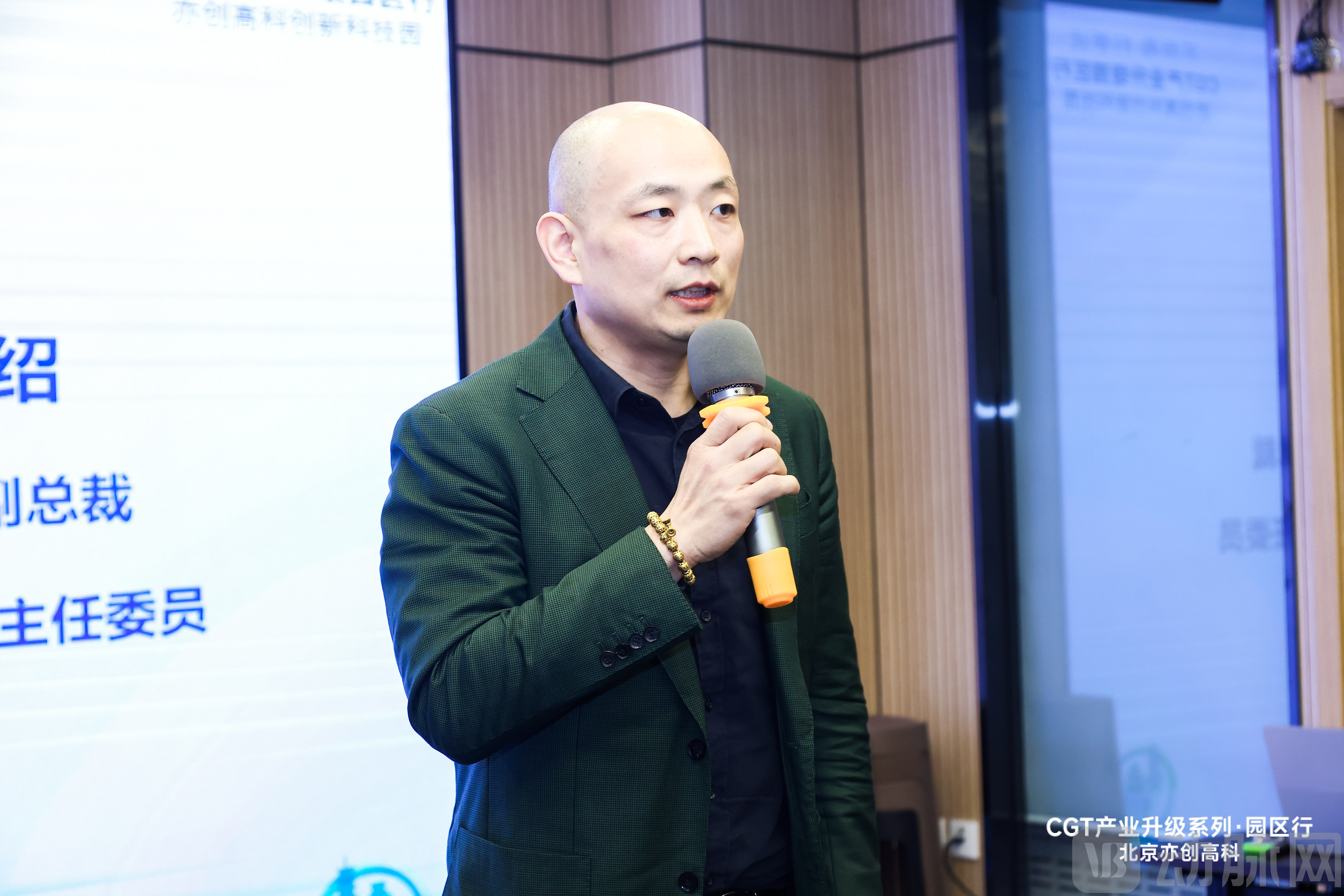
▲ Liu Xiao | Vice President of Business and Marketing, Xingcheng Biotechnology
Deputy Director of the MAH Special Committee, China Pharmaceutical Enterprise Management Association
“How to Design and Build Compliant and EfficientofATMP Facilities》
Kang Wei | Vice President of Strategic Consulting, Austar Group

“Acting in accordance with established protocols and ensuring end-to-end process control are essential to achieving sustainable returns.”
Key Takeaways: Emphasized the importance of selecting qualified suppliers and adhering to objective principles in the pharmaceutical and ATMP sectors. Highlighted that Front-End Engineering Design & Costing (FEED&C) and conceptual design must be thoroughly executed in the early stages to avoid investment waste and delays caused by later retrofits. In light of the characteristics of ATMP projects dominated by Cell and Gene Therapy (CGT), advocated for standardized facility construction and supporting utilities to ensure compliance with GMP and biosafety requirements, while also focusing on operational costs and long-term returns.
The uniqueness of Advanced Therapy Medicinal Product (ATMP) projects lies in their personalized customization (such as CAR-T therapy) and stringent biosafety standards. This necessitates a comprehensive consideration during the design phase of the specific requirements for each project regarding personnel and material flows, isolation systems, air purification, and sterilization, as well as a cost-benefit analysis of cleanroom garment cleaning and sterilization. The industry should approach design decisions such as unidirectional airflow and 100% fresh air systems with caution, conducting appropriate risk assessments to balance the enhanced aseptic assurance against the increased costs and complexity.
Furthermore, Austar and its partners have demonstrated their comprehensive service capabilities—spanning project planning, design, construction, validation, and subsequent operations and maintenance—through successful engagements with numerous top-tier biopharmaceutical clients both in China and abroad. Investors are encouraged to make informed decisions that balance compliance with international regulatory standards, technological innovation, and cost control when constructing compliant and efficient facilities, thereby contributing to sustainable development as well as social and economic benefits.
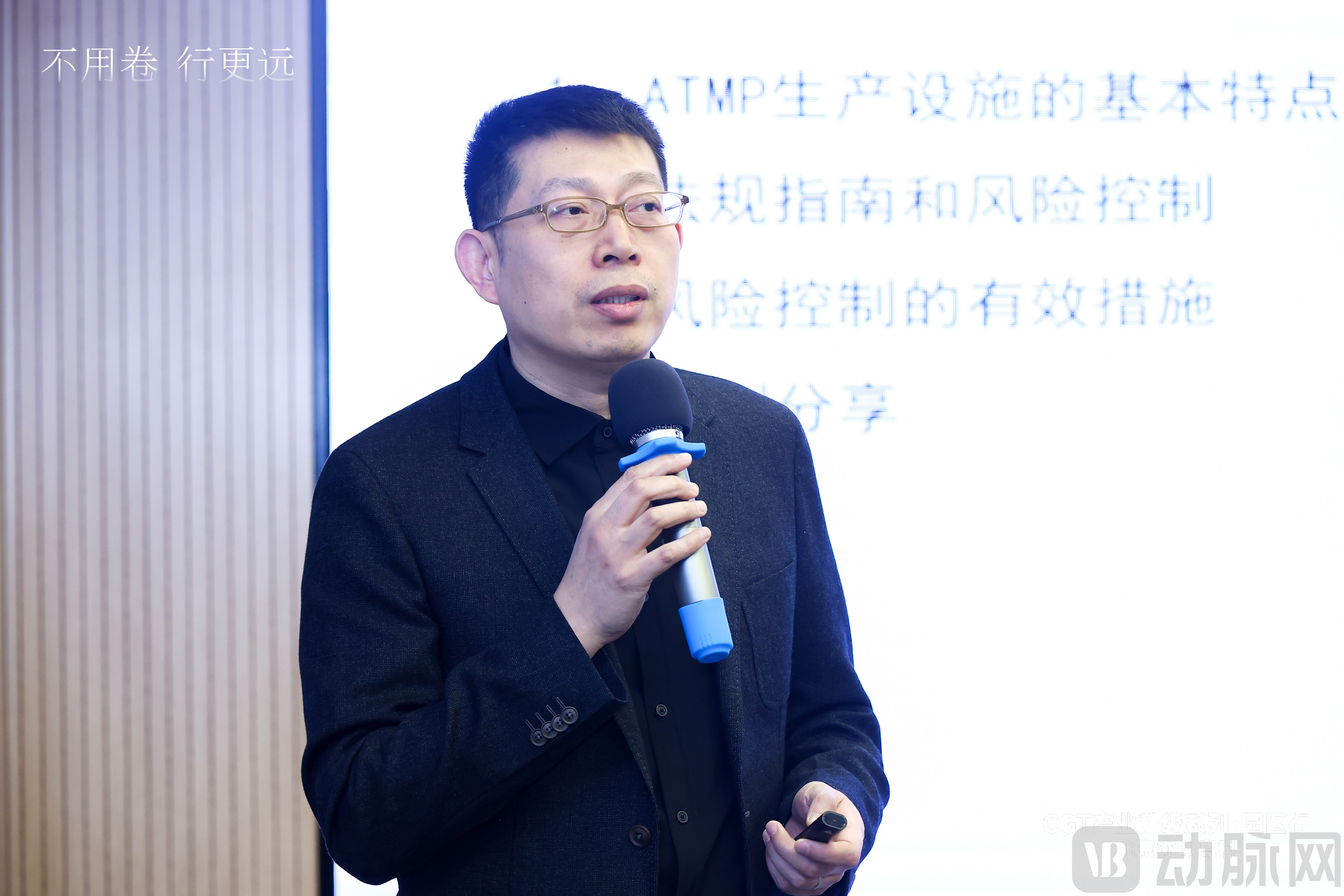
▲ Kang Wei | Vice President of Strategic Consulting, Austar Group
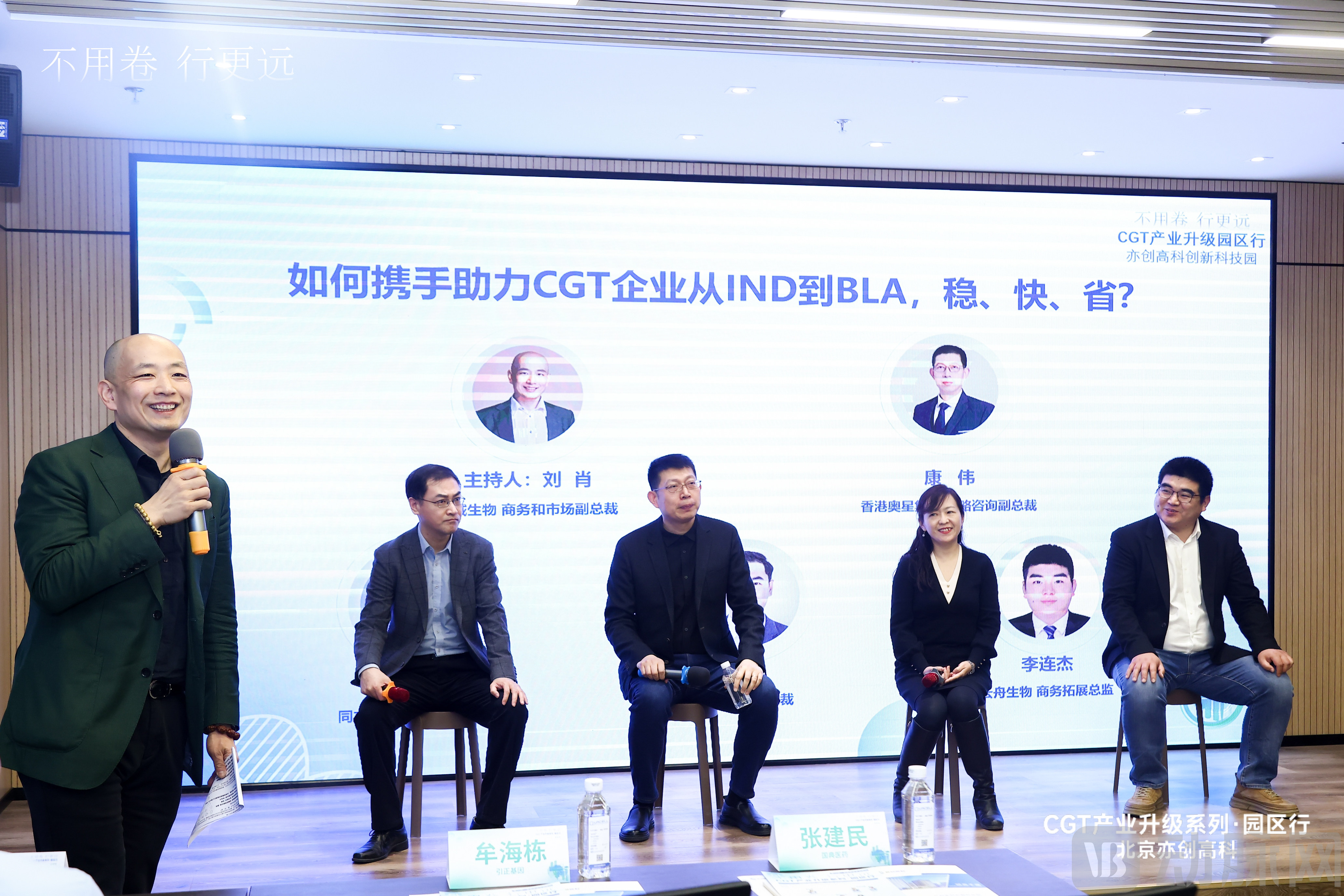
【Panel 1】
How to Join Forces to Support CGT Companies
From IND to BLA: Stable, Fast, and Cost-Effective?
During Panel 1,Dr. Xiao LiuModerator: Regarding the topic of how CGT companies can achieve stability, speed, and cost-efficiency in the process from IND to BLA, the participating guestsKang Wei, Vice President of Strategic Consulting at Austar Group; Xu Rong, Vice President of Beijing T&L Biotechnology Co., Ltd.; Han Gang, Vice President of Saifu Pharmaceutical; Li Lianjie, Director of Business Development at VectorBuilderShared diverse perspectives and in-depth insights.
On the “stability” front, companies within the industry chain strongly emphasize the importance of solidifying foundational capabilities. Particularly during the industrialization phase, strict adherence to Good Manufacturing Practice (GMP) regulations is essential to ensure compliance and stability in product manufacturing and R&D. Meanwhile, panelists pointed out that stability and cost-efficiency are not mutually exclusive concepts. Only by building on robust strategic planning and advanced technological support can companies gradually reduce costs while safeguarding product stability. By partnering with CDMOs that possess profound technical expertise and practical experience, CGT companies can avoid repetitive trial-and-error in critical technical stages, thereby effectively saving costs while ensuring project stability.
On the dimension of “speed,” although rapid progress is highly attractive, companies are more inclined toward a steady and pragmatic pace given current market conditions. Particularly during the critical phase of technological R&D, stability and speed form a subtle dynamic equilibrium; a one-sided pursuit of speed may trigger long-term uncertainties. Therefore, adhering to the principle of seeking progress while maintaining stability and scientifically managing project pacing has become a widespread consensus.
“Cost Savings”: With the rise of domestic substitution, cost advantages have become increasingly prominent. However, the essence of cost-saving extends beyond low prices to encompass reductions in time costs, validation costs, and other areas. By providing cost-effective domestically produced products and services, supply chain enterprises adhere to strict quality standards while continuously optimizing core processes and strengthening quality management. This ensures reliable product performance and efficient delivery, enabling cell and gene therapy (CGT) companies to effectively compress overall costs throughout the entire process from IND to BLA, thereby preventing delays and additional expenditures caused by quality issues.
【Panel 2】Discussing Industrial Upgrading:
Key CMC Considerations and Strategies for Gene and Cell Therapies
On the topic of “Discussing Industrial Upgrading: Key CMC Points and Solutions for Gene and Cell Therapies,”Liu Yongjun, Chairman and Chief Scientist of Beilai Pharmaceutical; Zhang Huiyuan, Managing Partner, Quality Director, and Head of CMC at Chengnuo Medicine; Li Junhui, Vice President of Production and CTO at Xingcheng Biotechnology; Zhou Qihao, Vice President at Yeasen; Yu Xiaoyu, R&D Director of BioService CGT at LePure Biological, inDr. Liu Xiaounder the moderation of, a discussion was held.
To meet market demands and enhance competitiveness, innovative enterprises advocate for the full consideration of cost-effectiveness, product quality, and end-user affordability during the product R&D phase. They strive to find a balance in their pricing strategies that both reflects the brand’s intrinsic value and ensures broad market penetration and acceptance. Furthermore, they expect supply chain partners to provide solutions more closely aligned with R&D and production needs. Particularly against the backdrop of domestic substitution, these enterprises aim to guarantee the performance stability of domestically produced products while substantially reducing overall R&D investment and time costs.
Supply chain enterprises focus on delivering high-quality foundational services, leveraging lean management and technological innovation to help businesses rapidly adapt to market changes, shorten product time-to-market, and achieve optimized resource allocation and effective cost control. These enterprises emphasize deep integration with innovative companies, fostering a mutually beneficial partnership. Beyond providing standardized products, they offer customized services tailored to client needs and even engage at the early stages of process development to assist clients in optimizing process conditions and reducing ineffective R&D investment.
Both parties jointly recognize that the cooperative principle of “stability, speed, and cost-efficiency” serves as the foundation for achieving mutual success. They advocate for continuous coordination, adjustment, and refinement throughout their collaboration. By sharing resources and exchanging information, they aim to jointly build a sustainable and vibrant industrial ecosystem, foster positive interactions between upstream and downstream enterprises, and collectively drive the deepening of domestic substitution and the healthy development of the pharmaceutical industry.
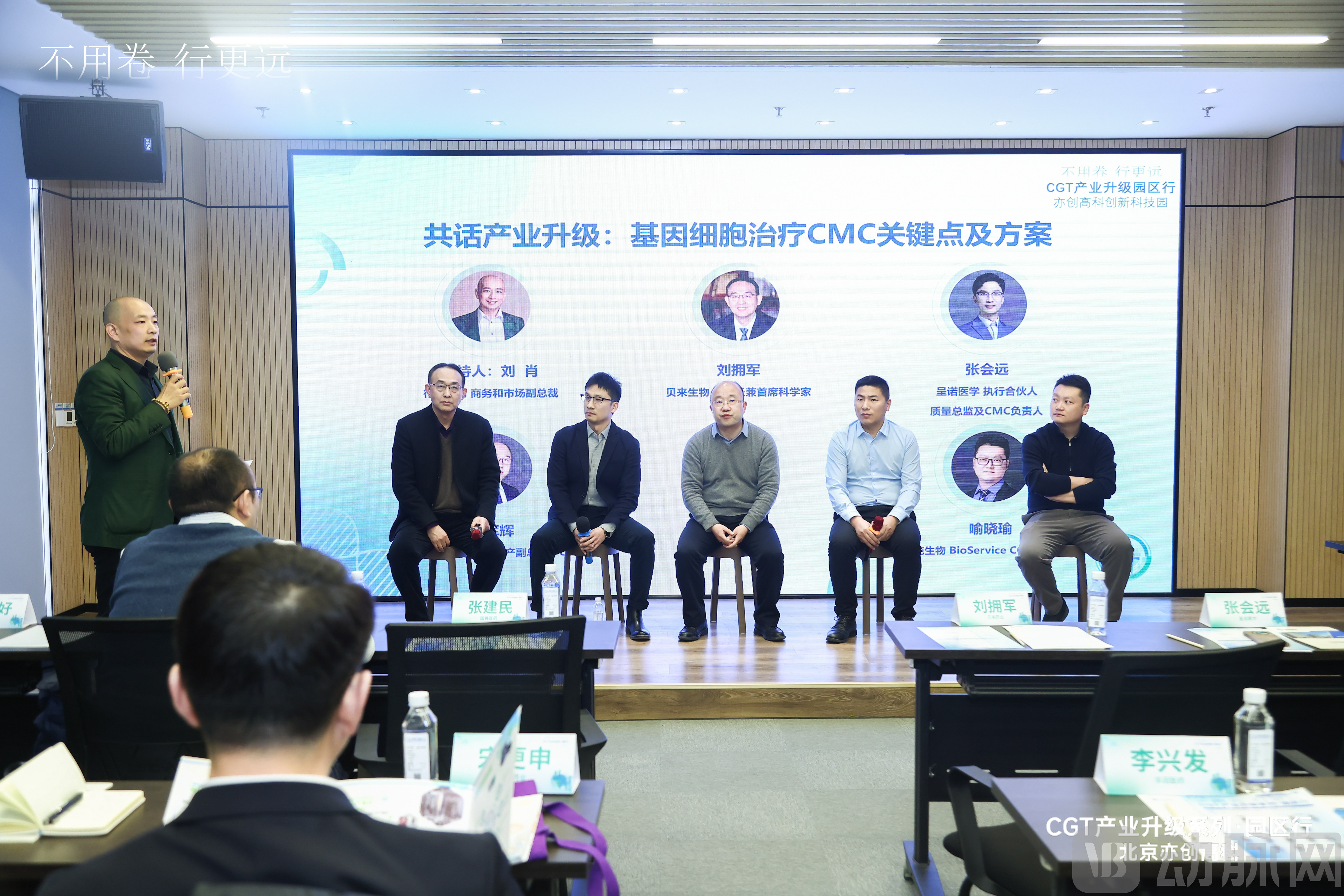
▲Panel 2 — Discussing Industrial Upgrading: Key CMC Considerations and Solutions for Gene and Cell Therapies
“Progress and Trends in the CGT Industry from an Investment Perspective”
Dong Ao | Investment Manager, Legend Capital
“Only by adhering to long-termism and conducting analyses in accordance with industry laws can one navigate through economic cycles.”
Key Takeaways: An Investment Perspective on the CGT Industry—Recent Developments and Future Trends Exhibit Phased Characteristics. Despite cyclical market adjustments and certain assets being valued below their theoretical averages, the long-term trend of value reversion remains unchanged. Over the past decade, the CGT industry has experienced rapid development, with Chinese enterprises leveraging their abundant talent pool and engineer dividend to emerge prominently in the global biopharmaceutical sector, gradually increasing their market share to a significant proportion.
Despite the winter chill in the capital markets, the cell and gene therapy (CGT) sector continues to harbor opportunities, particularly for product development driven by systemic innovation and clinical needs. Currently, China ranks second globally in the number of new drug pipelines, with local pharmaceutical companies demonstrating outstanding innovative capabilities. The number of New Drug Applications (NDAs) approved for domestic firms has surpassed that of multinational pharmaceutical companies, highlighting robust R&D strength and commercialization potential. Although financing and initial public offerings (IPOs) face challenges, business development (BD) transactions remain active, as Chinese innovative pharmaceutical companies aggressively expand into international markets through overseas licensing and other strategies. Looking ahead, by leveraging unique clinical resources and differentiated competitive advantages, the CGT industry will continue to demonstrate significant growth potential and investment value.
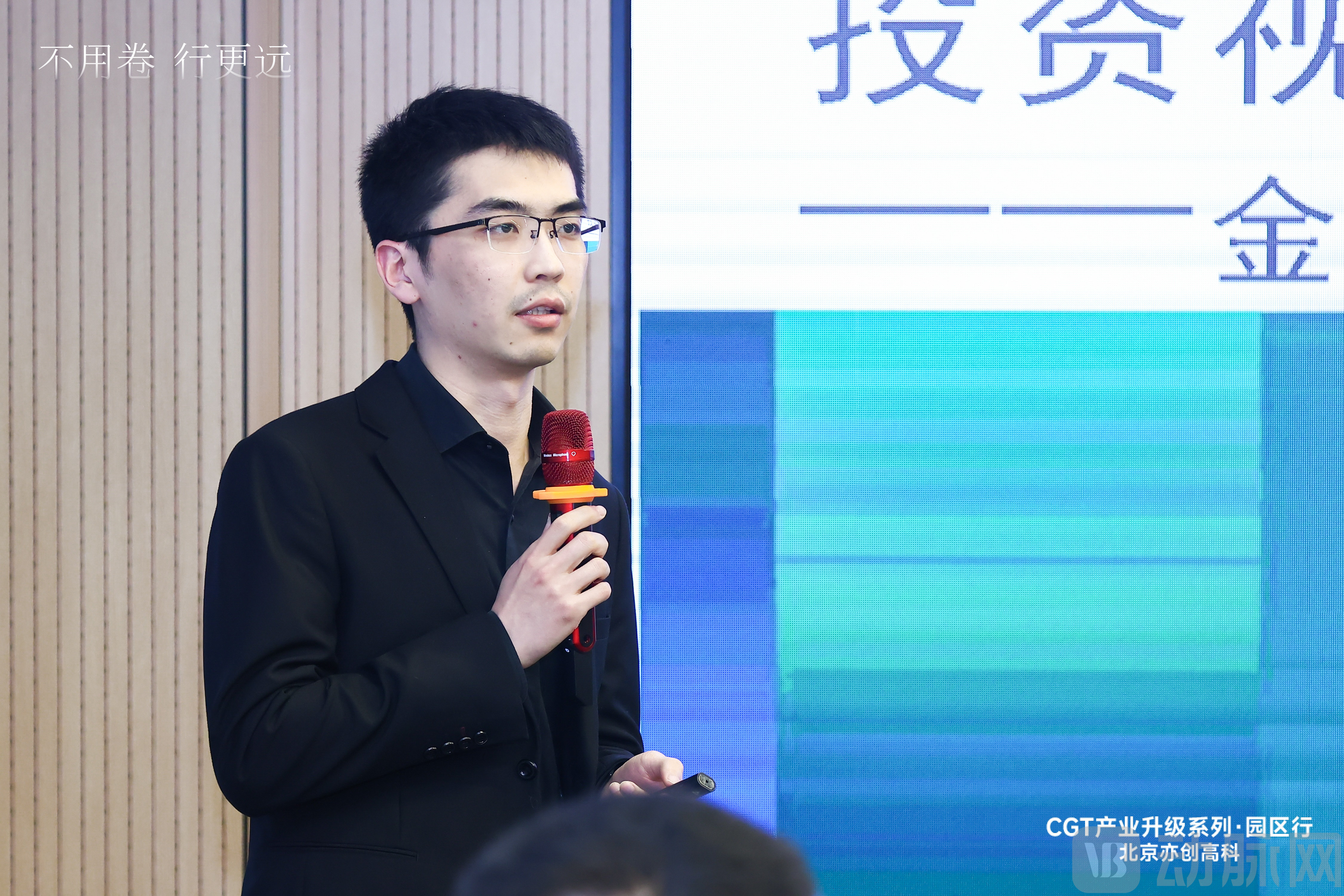
▲ Dong Ao | Investment Manager, Legend Capital
In-Depth Dialogue: [A Large Enterprise Perspective: Making Innovation Sustainable]
InWu Chao, General Manager of VCBeat New Medicineunder the auspices of,HuaLi Xingfa, Senior Investment Director at Run Pharmaceutical; Song Gengshen, Deputy General Manager of Yuekang Pharmaceutical GroupAn in-depth discussion was held on “How to Maintain Sustainable Innovation in the Pharmaceutical Industry.”
Amid the backdrop of intensifying global competition and accelerated technological iteration, large enterprises such as China Resources Pharmaceutical (CR Pharma) and Youcare Pharmaceutical are actively building innovative ecosystems to address challenges and maintain their competitive advantages. As a comprehensively listed pharmaceutical group, CR Pharma covers the entire value chain from original research, manufacturing, and sales to channel retail. Its innovation strategy is reflected not only in its self-built R&D platforms—such as the early-stage small-molecule drug R&D platform and biologics pipeline developed over many years—but also in expanding the boundaries of innovation through strategic investments and equity participations. Leveraging its deep expertise in chemical drugs, traditional Chinese medicine (TCM), and biologics, Youcare Pharmaceutical is gradually transitioning from generic drugs to innovative therapeutics, with a strategic layout in frontier technological areas including nucleic acid drugs, peptides, cell therapy, and gene therapy.
Regarding innovative collaboration, the speakers emphasized the importance of gaining a deep understanding of partners’ core needs, focusing on pain point analysis and solution provision to achieve win-win strategic partnerships. Meanwhile, senior executives pointed out that when selecting innovation projects, priority should be given to clinical needs and cutting-edge technologies, with R&D efforts and industrial chain coordination centered on solving practical problems.
Both large enterprises believe that fostering sustainable innovation requires establishing an internal relay mechanism to strengthen talent development and knowledge transfer, while also learning advanced technologies and management practices on a global scale. In terms of collaboration models, they prefer engaging in various forms of partnership with innovative companies both domestically and internationally, such as licensing agreements, joint R&D, and mergers and acquisitions. They also emphasize the importance of gaining deep insights into their partners, clearly defining collaboration stages and value expectations, and reaching consensus among all parties on valuation rationality and premium potential. This approach aims to minimize potential communication costs and decision-making risks, thereby effectively advancing collaboration and enhancing their own innovation capabilities and market position.
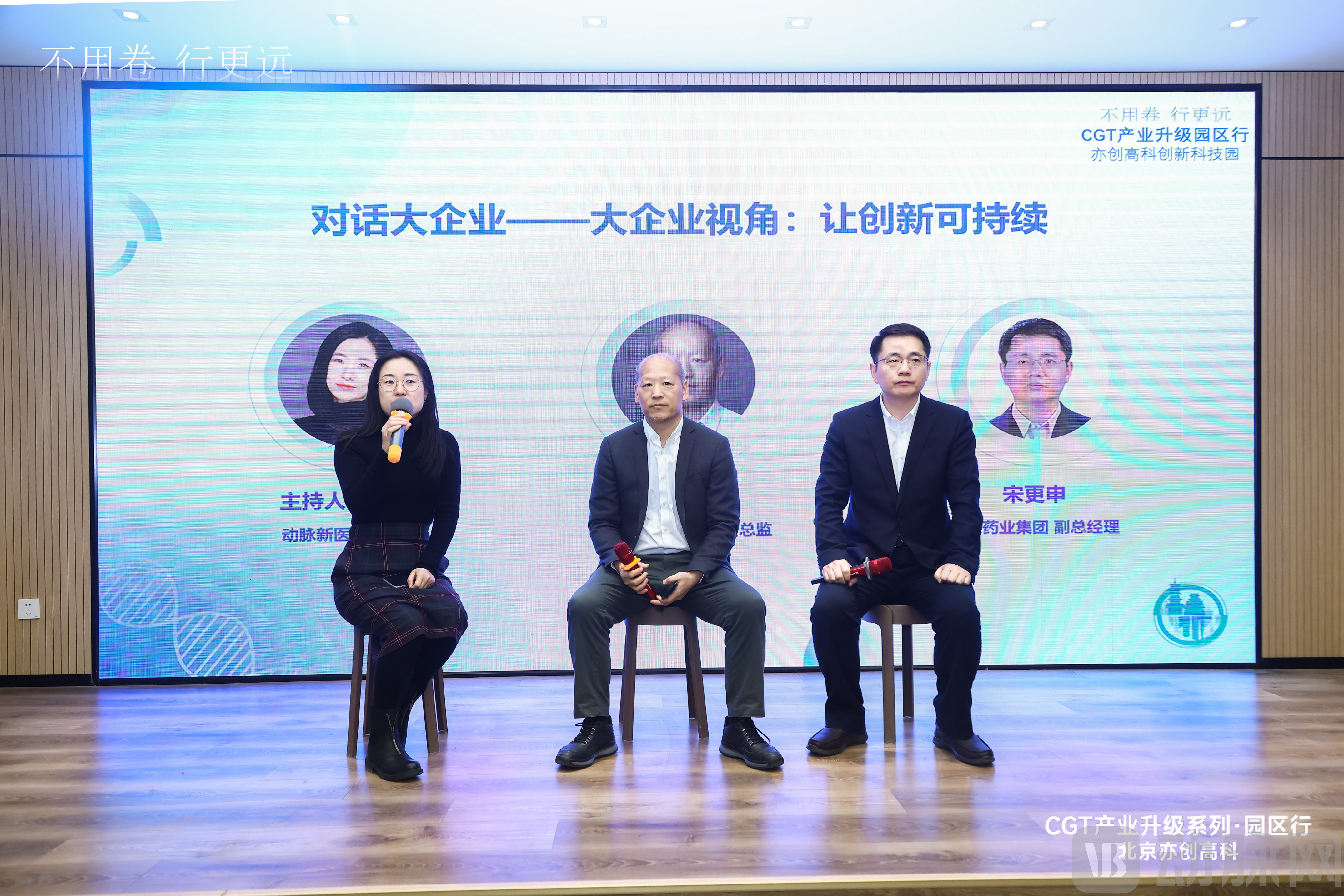
▲ In-Depth Dialogue: [A Large Enterprise Perspective: Making Innovation Sustainable]
【Panel 3】Under the New Landscape,
How Can CGT Companies Effectively “Raise and Spend Money”?
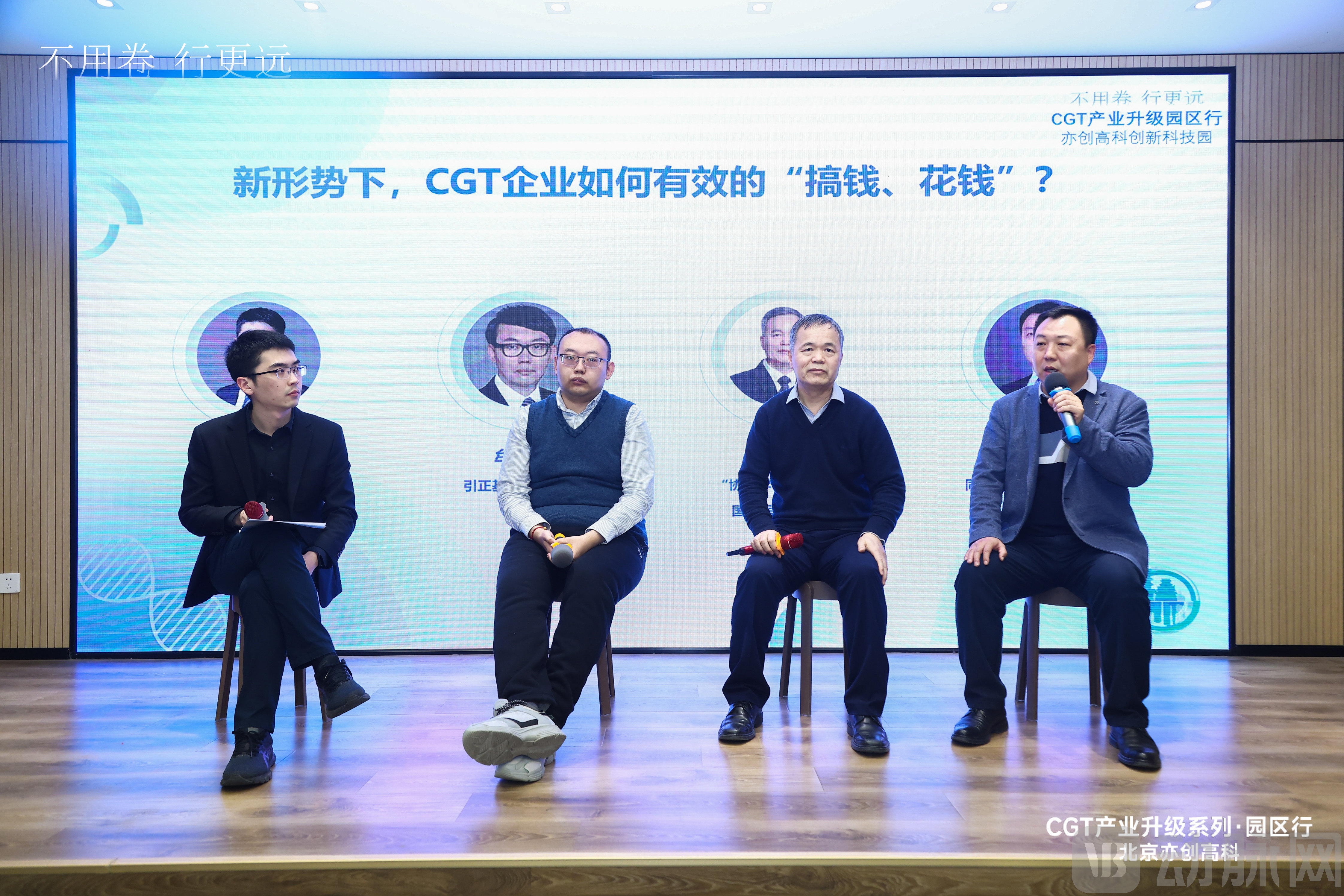
▲Panel 3 — How Can CGT Companies Effectively “Raise and Spend Capital” in the New Landscape?
At this point,“[No Need for the Rat Race, Go Further]” CGT Industry Upgrade Series · Park Tour Event, Stop 6, Concludes Successfully!The event has fostered greater interconnectivity, resource sharing, and in-depth collaboration among enterprises. VCBeat New Medicine will continue to collaborate with industry chain partners to host a series of events. Please stay tuned; we look forward to seeing you again at future events as we work together to go further!
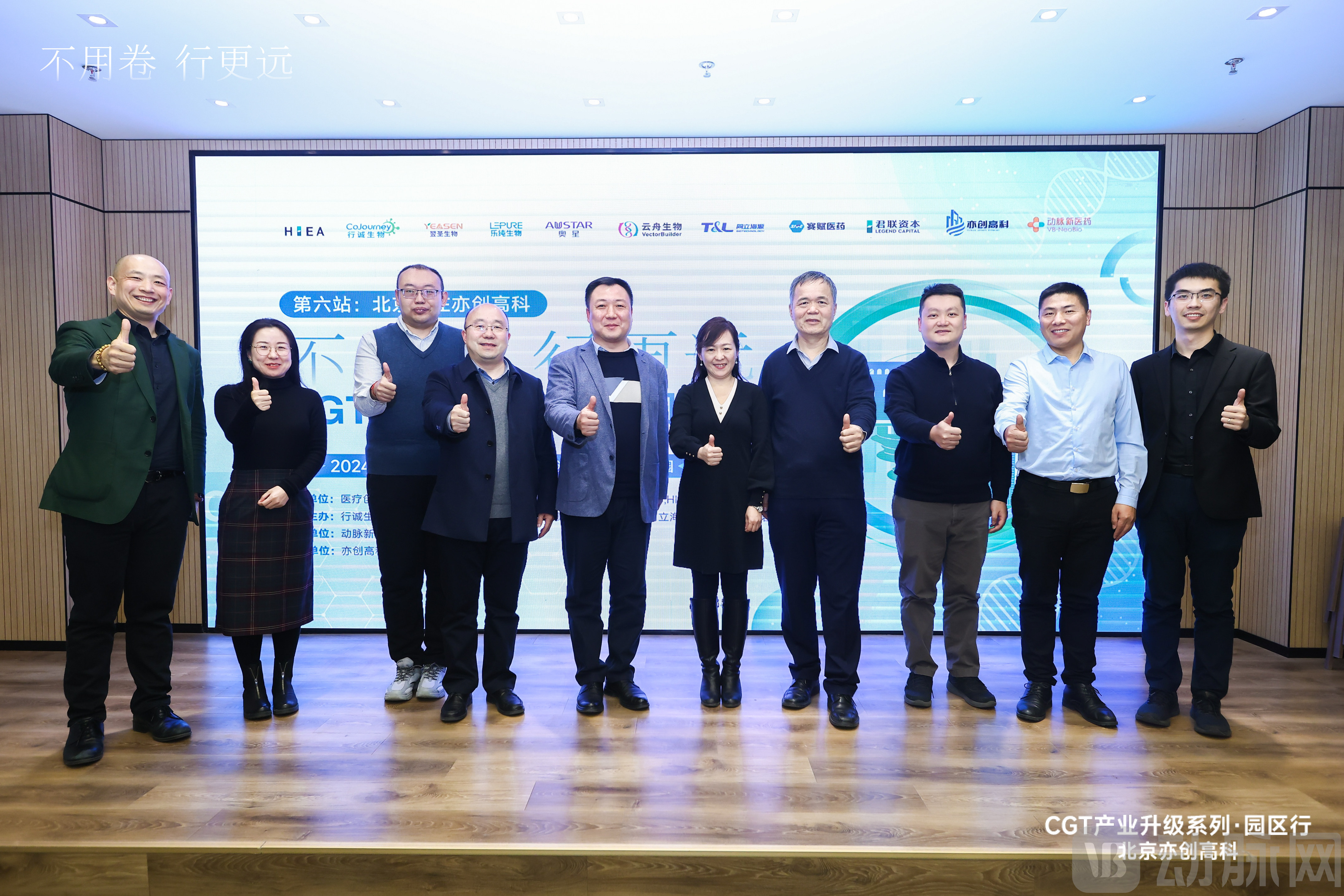
▲ Group Photo of Guests
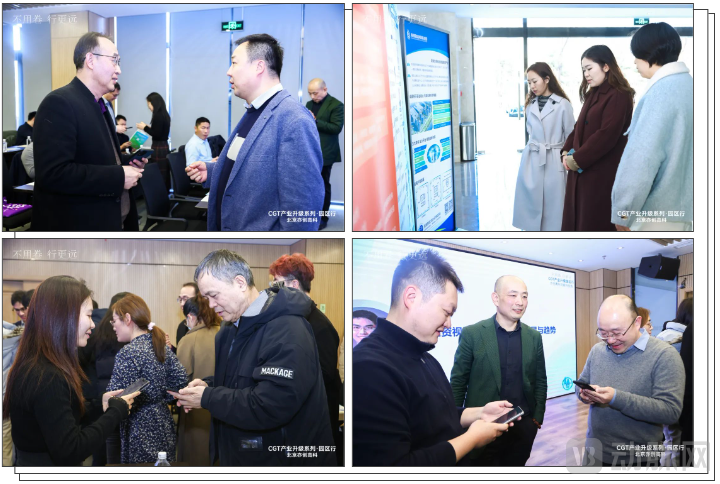
▲ Highlights