

Seven Projects, 360 Million Yuan: Southwest China's Sichuan University Quietly Leads in Tech Commercialization
In 2001, Sichuan University and Sichuan Dicun Group Co., Ltd. jointly invested RMB 50 million to establishSichuan University Technology Transfer Center。
This is not only the origin of Sichuan University’s (hereinafter referred to as “Sichuan University”) technology transfer achievements, but also serves asChina's First Entity for the Commercialization of Scientific and Technological Achievements, Jointly Invested and Established by Universities and Enterprises, some have commented that this collaboration “has opened up a new pathway to address the longstanding challenge of commercializing scientific and technological achievements from higher education institutions.”
Now, 20 years later, Sichuan University’s achievements in scientific and technological achievement transformation remain among the top. According to the “Annual Report on China’s Scientific and Technological Achievement Transformation (2022)” released in 2023, the contract value of scientific and technological achievement transformation at Sichuan University in 2021 reached as high asRMB 2,047.5481 million(including through transfer, licensing, equity investment, and technology development, consulting, and services), ranking 5th nationwide. Since the Ministry of Science and Technology released the Report, Sichuan University has rarely fallen out of the top ten.
In 2019, Sichuan University was selected as one of the first national bases for the transformation of scientific and technological achievements and technology transfer in higher education institutions, and its transformation model has been hailed as“Sichuan University Model”, showcasing the innovative strength of Southwest China.
1. The Professional Prowess of the “Premier University in Southwest China” Is Also a Testament to Its Talent Strength
In 1896, Lu Chuanlin, the Governor-General of Sichuan, established the Sichuan Sino-Western School under a special imperial edict from Emperor Guangxu. Thus, the story of Sichuan University unfolded amidst the majestic Min and E Mountains and the rippling Jin River.
Many buildings on the Sichuan University campus feature a blend of traditional Chinese and Western architectural styles. Most of them have been designated as “Major Historical and Cultural Sites Protected at the National Level” by the State Council, serving as testaments to Sichuan University’s historical heritage. For example, the building constructed in 1955Mingde BuildingIt was the First Teaching Building of Chengdu Institute of Technology, completed in 1926;Bell TowerIt is a representative building donated to West China Union University by Dr. Yake Men Kelisi of New York, USA; completed in 1928Qide Tangmarks the starting point of dental education in western China.
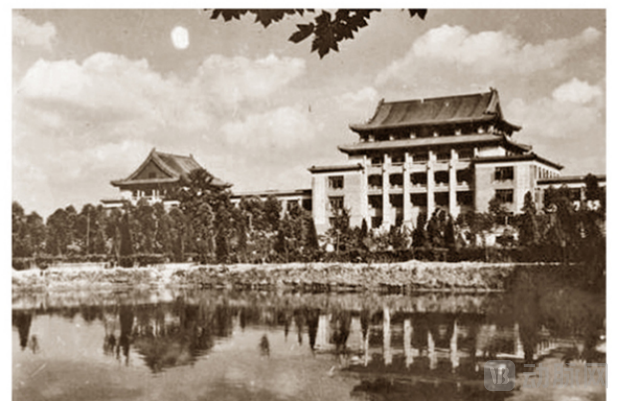 Mingde Building (Image source: Sichuan University)
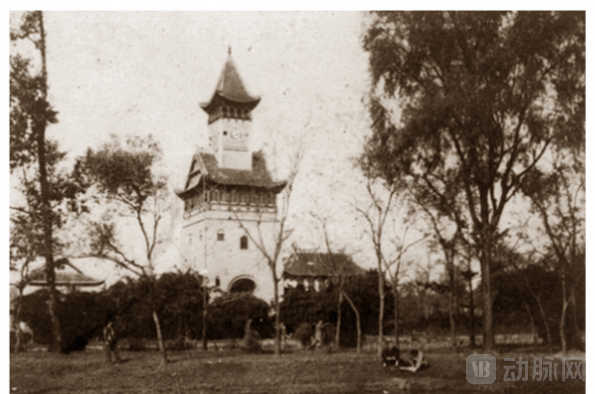 Bell Tower (Image source: Sichuan University)
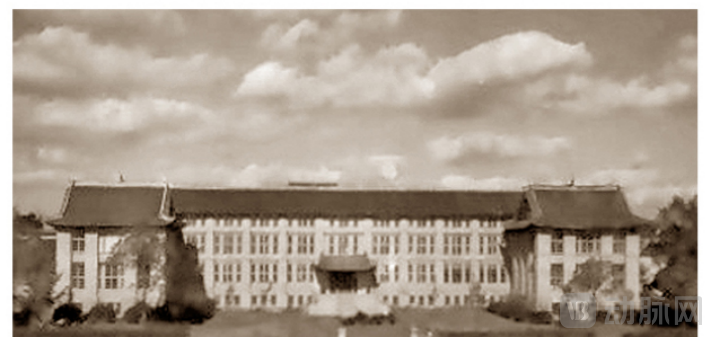 Qide Hall (Image source: Sichuan University)
It is evident from the stories of these historic buildings that this institution, known as the “No. 1 University in Southwest China,” has undergone multiple mergers and adjustments over the past century. It has integratedChengdu University of Science and Technology, West China Union Universitythe genetic legacy of many leading domestic specialized institutions at the time.
The integration of these institutions not only fostered multidisciplinary convergence in the development of Sichuan University (SCU), but also facilitated the harmonization of Western educational approaches with the modern education system. Consequently, SCU has been hailed as a pioneer in the reform of China’s higher education system, having cultivated numerous outstanding talents for national development. As of 2023,Sichuan University has produced 70 academicians of the Chinese Academy of Sciences and the Chinese Academy of Engineering., and tens of thousands of outstanding talents from various industries.
To this day, Sichuan University’s disciplinary strengths remain prominent. In the 2023 China University Rankings released by ShanghaiRanking, all 106 majors of Sichuan University were listed, including Stomatology, Dental Technology, Clinical Pharmacy, and Light Chemical Engineering.8 majors ranked No. 1 in ChinaI。
To transform its talent advantage into a research strength, Sichuan University has established more than 60 research platforms covering multiple fields, including biomedicine, engineering, and the humanities and social sciences. According to the “Ranking of Invention Patent Grants for Universities Directly Affiliated with Ministries,” the number of valid invention patents granted to Sichuan University had exceeded 100,000 by October 2023, laying the foundation for the “Sichuan University Model.”
II. Sichuan University’s Hard Power in Translation: Setting Multiple “First-in-China” Records
Sichuan University is not only a pioneer in discipline development but also a trailblazer in the commercialization of scientific and technological achievements. On the path to translating research outcomes into practical applications, Sichuan University has taken the lead in setting multiple “first-in-China” records.
In addition to establishing the Sichuan University Technology Transfer Center, the first university-enterprise collaborative technology transfer center in China, Sichuan University was also selected forList of the First Batch of National Technology Transfer Bases, and establishedChina's First Translational Base for Biotherapy. Behind these honors lies the reflection of Sichuan University’s excellent policies, funding, and hardware support for technology transfer.
1“1+N+X” Model: Building the “Sichuan University Template”
In 2019, Sichuan University was designated by the Ministry of Education as one of the first national bases for the transformation of scientific and technological achievements and technology transfer in higher education institutions, establishing the “Sichuan University Model” for such transformations among major research universities across China.
In terms of policy, Sichuan University has proposed“1+N+X”model, i.e.“One action plan as the overarching framework, N supporting documents, and x processes and specific implementation measures”of the technology transfer system.
Among these, the most important document is the “Action Plan for the Transformation of Scientific and Technological Achievements at Sichuan University (Trial),” issued in 2016, which is widely renowned"Sichuan University's 22 Articles". At a time when the concept of “empowerment reform” had not yet been proposed, Sichuan University’s “22 Measures” boldly pioneered reforms to clarify ownership rights over job-related scientific and technological achievements, thereby incentivizing researchers to pursue commercialization.
In accordance with the “22 Articles of Sichuan University,” owners of scientific and technological achievements may hold 50% to 90% ownership of such achievements and enjoy corresponding rights and interests in proportion to their ownership stakes. Additionally, Sichuan University has pioneered"Installment Payment"This approach encourages researchers to buy out ownership rights for equity participation and commercialization. It not only lowers the barrier to entrepreneurship for researchers, fundamentally avoiding complex equity structures, but also reduces risks for the university.
In 2017,Sichuan University Transfers Seven Achievements Valued at 360 Million YuanIn accordance with regulations, Sichuan University awarded 90% of the equity formed by valuing seven technological achievements as in-kind contributions to the inventors, granting the R&D team equity worth approximately RMB 320 million. This “sky-high equity” case rapidly sparked enthusiasm for technology transfer across the Sichuan University campus.
“In the ‘1+N+X’ model, ‘N’ and ‘X’ serve as flexible components designed solely to remove obstacles for professors in entrepreneurship and technology transfer.”
X Key Node Processes, Designed Solely to Simplify Technology Transfer Operations for Researchers. N Supporting Policies Provide Detailed Guidelines on Potential Issues Professors May Encounter During Technology Transfer and Entrepreneurship.. This includes areas such as professional title evaluation, management of funding for horizontally commissioned projects, state-owned asset management, assessment and evaluation of research outcomes, and policies regarding faculty members’ part-time employment or leave for entrepreneurial and innovative activities, while also offering numerous incentives for researchers starting businesses.
For instance, researchers are permitted to take a leave of absence from their posts for three years, extendable up to six years, to engage in entrepreneurship focused on the commercialization of their scientific and technological achievements. During this period, the university retains their relevant benefits and recognizes their performance outcomes. These supporting policies have alleviated concerns regarding conflicts between entrepreneurial activities and teaching responsibilities, thereby further stimulating professors’ intrinsic motivation to pursue technology transfer and commercialization.
22 Billion Yuan Innovation and Entrepreneurship Fund: Encouraging Joint Ventures by Faculty and Students
Funding is a critical factor in the commercialization of scientific and technological achievements. In 2016, Sichuan University decided to “make a big move.”
On the occasion of its 120th anniversary, Sichuan University, in collaboration with the Sichuan University Alumni Co-Creation Fund, the Sichuan University Innovation and Entrepreneurship Public Welfare Fund, the Special Fund for University-Local Government Scientific and Technological Cooperation, and the University-Enterprise Joint Innovation and Entrepreneurship Fund, established2 billion"Sichuan University Innovation and Entrepreneurship Fund"。
Notably, the entrepreneurial fund is not limited to university professors; students with business plans are also eligible to apply for funding, with Sichuan University even providing strong support."Joint Entrepreneurship by Faculty and Students"。
Although the “1+N+X” model offers professors an optimal solution for balancing scientific research and entrepreneurial aspirations, challenges persist, including limited energy, insufficient market understanding, and a lack of corporate operational experience. In contrast, while students may have less research experience, they are more receptive to new knowledge, possess a deeper understanding of scientific achievements compared to seasoned enterprises, and demonstrate strong capacity for subsequent R&D.Therefore, the model of joint entrepreneurship by faculty and students can effectively resolve the contradictions between the scientific research community and the market.
3National Key Laboratory Translation Base: Translation Time Reduced by Nearly Half
In addition to policy and financial support, Sichuan University is also committed to investing in hardware infrastructure.
In 2021, China’s first translational medicine base for biotherapy was established on the West China Campus of Sichuan University. According to Sichuan University News, this translational base is also the world’s largest and most advanced facility for translational medicine research in biotherapy, featuring state-of-the-art equipment, high-level comprehensive integration, extensive openness and sharing, and international leading standards.
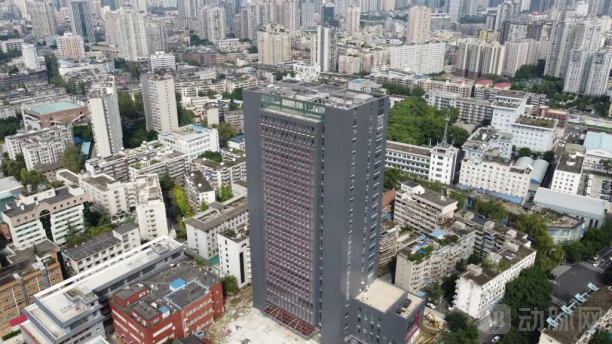 Sichuan University’s Translational Medicine Building for Biotherapy (Image source: Sichuan University)
This translational research base primarily focuses onMajor diseases such as cancer, and cardiovascular and cerebrovascular disorders; research and development of biotherapeutic technologies—including tumor immunotherapy, gene therapy, vaccines, tissue engineering, and stem cell therapies—and their clinical translation and application.Therefore, compared with traditional translational bases, the equipment and translational services provided by this base can more precisely meet the needs of biomedical translation professionals in a “point-to-point” manner.
First, this translational research base features 200 research-oriented hospital beds and is equipped with platforms for precision testing, precision imaging evaluation, and the development and preparation of cell therapy products, thereby meeting the R&D needs of most projects. It can accommodate 2,500 scientists conducting research on major diseases such as cancer, cardiovascular, and cerebrovascular disorders.
Furthermore, the translational base has established a complete "technology innovation chain," spanning from basic research to technical solution design, biologic screening and preparation, and clinical translational validation. Researchers can thereby benefit from "one-stop" translational services, which not only save time but also familiarize them with the processes, thereby increasing the success rate of translation.
It is predicted that, with the support of the translational research base, the outcomes of biotherapy researchThe translation cycle has been shortened from the current 10 to 12 years to 5 to 8 years., accelerating the development of modern medicine and biopharmaceuticals in China.
III. University-Local Government Collaboration, Extending Influence Across Southwest China
The Southwest region was one of the key areas for investment and development in China over the past decade. As the “premier university in Southwest China,” Sichuan University also bears the responsibility of“Rooted in Sichuan, Reaching Across Southwest China”mission.
To facilitate the implementation of more high-quality scientific research achievements in Sichuan, the “Strategic Cooperation Agreement on Systematically Advancing Comprehensive Innovation Reform and Jointly Building a World-Class University,” jointly signed by Sichuan University and relevant departments in 2016, has increased the incentives for the commercialization of Sichuan University’s scientific and technological achievements within Sichuan Province.
For all projects undergoing commercialization in Sichuan, whether through licensing or technology transfer, the team may add further incentives on top of the existing framework.5%of revenue-based incentives, whereby the incentive amounts for implementation licensing and technology transfer respectively reach a specified proportion of the commercialization proceeds90%and75%。
In addition, for conversions conducted through capital contribution via asset valuation, after the university and the outcome owner distribute the proceeds in proportion to their respective ownership shares of the outcome, the university may allocate up to the portion of the proceeds30%Awarded to the owner of the achievement.
Sichuan has also been generous in its support for SCU’s researchers. In the same year, 2016, Chengdu High-Tech Zone signed“Sichuan University-Chengdu High-Tech Zone Comprehensive Innovation Strategic Cooperation Agreement”, will cumulatively invest 1 billion yuan to support Sichuan University in achieving technology transfer and cultivating innovative, high-end engineering and technical talent.
Sichuan University has also reached agreements with multiple cities and prefectures in Sichuan Province, including Luzhou City and Deyang City.“Enterprises specify requirements, the government provides funding, and universities offer supporting resources.”collaborative model enables the precise implementation of professor-led projects, simultaneously addressing enterprises’ technical challenges and fostering close integration between scientific research and the market. By 2020, Sichuan University had jointly developed 321 projects with various cities, generating over RMB 3 billion in additional output value.
Benefiting from the collaborative efforts between Sichuan University and Sichuan Province, numerous such asHaichuang Pharmaceutical, Chengdu HitGenStartups founded by Sichuan University alumni, all originating in Sichuan, have further driven innovative development in western China. Meanwhile, the clustering of innovative enterprises has attracted a large influx of talent to underdeveloped western regions such as Sichuan, creating a virtuous cycle.
IV. Meticulous Craftsmanship: Quality Leads the Path of Innovation
Supported by the “Sichuan University Model,” batches of “star professors” have emerged from Sichuan University to make their mark in the business world.
Academician Wei YuquanEstablished a highly integrated and interconnected “technology chain” and an innovative drug R&D and translation platform, and has collaborated with multiple enterprises through various models including technology development, technology transfer, and equity investment based on technology valuation.Academician Wang QiLeveraging its “MCA flame retardant” technology, the team has established the world’s first industrial production line for “molecular composite-modified MCA” with an annual capacity of 10,000 tons, achieving an output value of over RMB 300 million;Academician Zhang XingdongThe team pioneered technologies such as bioactive artificial bone, dental implants, and coated artificial hip joints. To date, 20 products comprising over 200 variants have been promoted and applied in more than 1,000 hospitals, covering over 300,000 cases...
In an era that advocates the development of new quality productive forces, professors’ specialized expertise and forward-looking research perspectives have made them a vital force driving innovative development. Consequently, “professor entrepreneurship” has garnered widespread attention, not only because it enables the translation of academic research outcomes into tangible productivity, but also because such entrepreneurial activities foster a broader culture of innovation across society and promote sustained economic growth.
However, amidst the surge, Sichuan University did not blindly follow the trend by encouraging professors to enter the entrepreneurial arena; instead, it provided them with more options.Support professors in selecting the most appropriate commercialization pathway based on their individual circumstances.“The Sichuan University Model” prioritizes not quantity, but the high-quality market implementation of projects. This balanced and productive approach will offer new insights into technology transfer for more research universities and institutions.