

Aging Trends, Emerging Opportunities: Silver Economy Drives Innovation and Growth
According to official projections, the population aged 60 and above will surpass 400 million by around 2035, accounting for more than 30% of the total population. The trend of population aging is becoming increasingly clear, and the market size of the “silver economy,” driven by deepening aging, is expanding year by year. This will undoubtedly spur more innovative services and job opportunities, with new prospects accelerating their arrival.
LargeVigorously developing the silver economy was explicitly mentioned in the Government Work Report and has also drawn significant attention from deputies to the Two Sessions.
In January, the General Office of the State Council issued the “Opinions on Developing the Silver Economy to Enhance the Well-being of the Elderly.” This is not only the first specialized policy document released by the state to support the development of the silver economy, but alsoDocument No. 1 of the General Office of the State Council, 2024. As the aging of Chinese society accelerates, elderly care has become a focal point of concern for the entire society.Vigorously develop the “silver economy” to address the increasingly severe challenges of population aging.
It is predicted that,By 2035, the scale of China’s silver economy is projected to reach approximately RMB 30 trillion, accounting for about 10% of its GDP.This vast market size undoubtedly provides enormous room for the development of the pharmaceutical and medical device industry, the healthcare services market, and related service professions.As population aging intensifies, the silver economy is poised to become a new engine driving China’s economic growth, spawning more innovative services and job opportunities, and creating a new blue-ocean market.
Against this backdrop, a series of new services and professions targeting the elderly have emerged. For instance, emerging roles such as “elderly bathing assistants,” “medical appointment companions,” and “health care aides” have begun to attract widespread social attention. These new professions not only provide more considerate and professional services for the elderly but also create new employment opportunities for young people, bringing fresh opportunities to the pharmaceutical and healthcare industries.
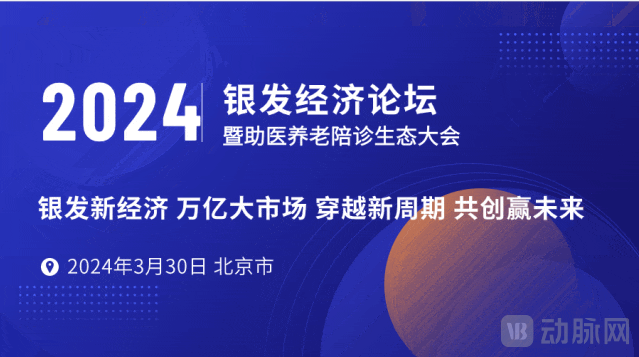
The 2024 Silver Economy Forum & Medical Assistance and Elderly Care Escort Ecosystem Conference (Beijing, March 30) will serve as a platform for discussing this critical issue, bringing together diverse stakeholders to jointly promote the healthy development of the silver economy, transform “elderly care” into “enjoyable aging,” and enhance the quality of life for seniors in their later years. The event will focus on new opportunities and challenges within the silver economy, particularly the transformations in the pharmaceutical and medical device industries and healthcare service markets, as well as the rise of emerging service-oriented professions.
(1) Conference Date:
The official conference will be held on March 30–31, with all-day registration on March 29.
Conference Venue:Beijing·Detailed AddressNotice of Registration One Week Before the ConferenceReminder: For details, please contact the conference organizer.
(2) The attendees mainly include:
Senior executives from industrial and commercial enterprises in the medical device and pharmaceutical industries, such as Chairmen, General Managers (CEOs), Deputy General Managers (Deputy CEOs), and Heads of Marketing; presidents and vice presidents of private medical institutions, as well as professionals specializing in geriatrics, geriatric medicine, health insurance offices, and medical affairs departments; key members from the marketing, product development, health services, and innovative business divisions of the insurance industry; and operational managers, patient escort service providers, physicians, nurses, and practitioners with a deep focus on the broader health sector in rehabilitation and elderly care facilities. This conference is expected to attract 1,000 professionals.
(III) Conference Value:
Focus on the silver economy, identify emerging trends, uncover new business opportunities, cultivate innovative practices, and unlock the potential of the golden market. You will join over 1,000 professionals dedicated to the silver economy in entering a brand-new ecosystem.
(4) Conference Fees:
Attendees are required to pay a conference fee of RMB 1,980 per person (covering conference administration, registration, and materials).
(5) Preferential Policies:
Representatives who register and pay on or before March 25 can enjoy a rate of RMB 198 per person, limited to the first 500 registrants.All attendees are responsible for their own transportation and accommodation expenses. As conference rooms are fully booked, attending leaders are requested to make their own accommodation arrangements.
(6)Registration Address
(Long-press to recognize or scan the QR code below)

(7) Contact Information for the Conference Secretariat:
Conference Consultation:400-8086220
Media Contact:Teacher Chen 13810772680
Exhibitor Contact:
Teacher Li 13810684203
Teacher Niu 13810162383
(8) Organizer
Organizer:Future InstantLink (Beijing) Health Technology Co., Ltd.
Supporting Organizations:
| Beijing Meizhong Airui Oncology Hospital Co., Ltd. |  |
| Beijing Sanbo Brain Hospital Co., Ltd. |  |
| Beijing Nanjiao Oncology Hospital Co., Ltd. |  |
| Beijing Tiantan Puhua Hospital Co., Ltd. |  |
Beijing New Century Children's Hospital Co., Ltd. |  |
Media Support:CyberBlue, Pharmacy Manager, CyberBlue Medical Devices, Silver Hair Industry, VCBeat, Gold Medal Nurse, Keqing Doctor Alliance
(9) Exhibitor ServicesthisSub-Exhibition AreaSetting up innovative products for the elderly andSmart Health Solutions Exhibition Area, Service Experience Area, etc., showcasing assistanceMedical and Elderly Care Companionin the field of diagnostic servicesNew Products, New Technologies, and New ServicesManufacturers are welcome to register.。

Analysis and Interpretation of the Trends in the Silver Economy and Community-Based Health and Elderly Care at the Second Session of the 14th National People's Congress
Gaining Insight into New Trends in the Silver-Haired Market, Exploring New Services, and Identifying New Business Opportunities
Background Description:Vigorously developing the silver economy has been explicitly mentioned in the Government Work Report, drawing significant attention from delegates to the Two Sessions. In January, the General Office of the State Council issued the "Opinions on Developing the Silver Economy and Enhancing the Well-being of the Elderly." This is not only the first specialized document issued by the state to support the development of the silver economy but also Document No. 1 of the General Office of the State Council for 2024, markingThe Silver Economy, a vast economic sector characterized by extensive scope, long industrial chains, diverse business models, and immense potential, has become a key strategy for China to proactively address population aging, cultivate new drivers of economic growth, and accelerate the expansion of its domestic demand market.
The document provides a new definition of the silver economy, viewing it not only as the provision of products and services to the elderly but also as encompassing various economic activities in preparation for old age. It includes both “elderly-oriented” products and services directly targeting seniors and “aging-preparation” economic activities aimed at future aging needs. These activities span multiple sectors, including clothing, food, housing, transportation, daily necessities, health and wellness, culture, and tourism. Therefore, fully understanding the consumption characteristics and trends of the elderly, grasping the challenges facing the senior consumer market, effectively coordinating their consumption and investment demands, achieving an efficient match between supply and demand, and enhancing development benefits constitute the fundamental pathways to driving rapid growth in the silver economy.
Part I of this conference explores the macro-level direction of the silver economy market through an analysis of policy trends:
1. The New Definition and Importance of the Silver Economy
Discussion on the Role of the Silver Economy in Addressing Population Aging and Cultivating New Economic Drivers
Analyzing the New Definition of the Silver Economy and Its Impact on Future Markets.
2. New Characteristics and Trends in Elderly Consumption
Exploring the Impact of Younger, Active Seniors Becoming the Primary Consumer Group in the Elderly Market Over the Next Decade
Analyze the spending power, attitudes, and willingness of the "new elderly" demographic.
3. Major Issues Facing Elderly Consumption
Discussing the Causes of and Solutions to the Inadequate Supply of Consumer Products and Services for the Elderly
Exploring Ways to Improve the Coordinated Mechanism Linking Elderly Consumption and Investment
Analysis of the Inadequacy of Supporting Facilities for Elderly Consumption and Unfriendly Consumption Environments, Along with Improvement Measures
4. Key Points to Activate Elderly Consumption
Exploring How “Age-Defying” Products and “Age-Friendly” Services Can Meet the Needs of Older Adults
Analysis of the Role of Long-Term Service Thinking in Business Model Transformation
Discuss how to better coordinate elderly consumption and investment, and accelerate the age-friendly renovation of supporting facilities.
Exploring Methods to Create an Elderly-Friendly Consumer Environment.
5. Future Development Directions of the Silver Economy Market
Discussion on promoting the healthy development of the silver economy through policy support, industrial innovation, and other measures.
Exploring the Potential and Opportunities of the Silver Economy in Promoting Economic and Social Development.
Background Description:The booming development of the silver economy is attributed to the government’s forward-looking response to the growing elderly population and its proactive promotion of the elderly care service system. According to the 2024 Government Work Report, the government plans to strengthen the construction of elderly care service networks in urban and rural communities, increase efforts to address shortcomings in rural elderly care services, enhance the supply of products and services for the elderly, and vigorously develop the silver economy. As population aging intensifies, older adults’ pursuit of a high-quality life is increasingly strong, leading to a significant rise in demand for products and services related to health, elderly care, and leisure, thereby bringing broad market prospects to the big health industry.
Seizing this market opportunity, the broader health industry is entering a golden period of development. Companies within the sector can leverage technological innovation to develop health monitoring devices, smart elderly care products, and personalized health management services better suited for older adults, thereby meeting their demand for healthy living. Meanwhile, the health consumption promotion policies mentioned in the government report provide broader space for the growth of the broader health industry. By capitalizing on these policy advantages, enterprises can explore new consumption models such as green and digital consumption. Through the provision of high-quality health services and products, they can not only improve the quality of life for the elderly but also drive the sustained and healthy development of the broader health industry, achieving a win-win outcome with the silver economy. This unit will focus on exploring the market and business opportunities brought about by the silver economy:
1. Opportunities and Challenges in the Silver Economy
Key Discussion Points: How to Understand the Guiding Principles of “Vigorously Developing the Silver Economy” Mentioned in the 2024 Government Work Report?
What are the major challenges and opportunities facing the silver economy in current socio-economic development?
How Does the Silver Economy Promote the Development of Urban and Rural Community Elderly Care Service Networks and Improve Rural Elderly Care Services?
2“The Transformation of the OTC Market Amid the ‘Silver Wave’: Opportunities and Challenges”
Key Discussion Points: Exploring the impact of an aging society on the OTC market, how to attract elderly consumers through product innovation and marketing strategies, and how online-offline integrated sales models can meet the special needs of the elderly.
3“The Golden Age of the Health Supplement Industry: A Future Driven by Customization and Technology”
Key Discussion Points: Analyzing the growth potential of the health supplement industry in the elderly market, leveraging big data and artificial intelligence to achieve product customization, and enhancing seniors’ trust and purchase intent through education and science popularization.
4“Medical Device Innovation: Leading New Trends in Elderly Health Management”
Topic Highlights: Discussing the Role of the Medical Device Industry in Elderly Health Management, Including Recent Technological Innovations, the Development of Home Care Equipment, and How Cross-Sector Collaborations Can Enhance the Health Management Experience for the Elderly.
5“The Revival of Traditional Chinese Medicine: Application of Traditional Wisdom in Modern Geriatric Health”
Key Topics: Exploring the potential of Traditional Chinese Medicine (TCM) in elderly health management, leveraging modern technology to promote TCM health concepts and products, and expanding into the global elderly health market through internationalization strategies.
6“New Media and Elderly Health: A Bridge for Information Dissemination and Interactive Communication”
Topic Highlights: Analyzing the role of new media (Douyin, WeChat) in disseminating health information to the elderly, leveraging new media platforms to enhance the visibility of health products and services, and establishing effective interactive communication mechanisms to boost engagement and satisfaction among older adult users.
The New Era of the Pharmaceutical and Medical Device Market in the Silver Economy
Moving Towards Patient-Centered Pan-Healthcare Services
Background Description:With strong national support for the growth of the silver economy, China’s pharmaceutical market is undergoing unprecedented transformation. Traditional pharmaceutical and medical device manufacturers and distributors are gradually shifting their focus from B2B sales—marketing activities directed at physicians and pharmacies—to B2C sales, marking the entry of China’s pharmaceutical market into a new era of direct-to-consumer product sales.
In this new era, the focal point of competition in the pharmaceutical market is shifting. It is transitioning from the previous race for qualifications (including medical insurance reimbursement status, tendering eligibility, and centralized procurement qualification) and market share (hospital formulary inclusion and clinical volume growth) to a patient-centric physician agent model. Under this model, manufacturers are no longer merely product providers; instead, they act as agents for physicians, collaborating with them to deliver effective, safe, and age-friendly services to patients.
Under the implementation of volume-based procurement and DRG/DIP payment reforms, the pharmaceutical market has placed greater emphasis on cost-effectiveness, thereby promoting the healthy development of the broader healthcare services industry. This section will focus on how pharmaceutical and medical device manufacturers, as well as distributors, can better engage in the market for medical assistance, patient escort, and elderly care services:
Topic1: Gaining a Deep Understanding of the Needs in the Silver Economy Market
Discussion Focus:Analyze the medical needs and health challenges of the current elderly population, and discuss how pharmaceutical and medical device products and services can better meet the specific demands of this market. Explore the expectations of older adults regarding health management, disease prevention, and treatment.
Topic2: Application of Medical Device Innovation in Elderly Care Services
Focus of Discussion:Exploring the Application of Cutting-Edge Medical Device Technologies in Elderly Care Services, with a Focus on Their Role in Medical Assistance and Clinical Escort Services. Discussing How Technological Innovation Can Enhance the Quality of Life and Self-Care Abilities of Elderly Patients.
Topic3: Building a Patient-Centered Service Model
Discussion Focus:Analyzing How to Build a Patient-Centric Service Model Amid Current Transformations in the Pharmaceutical Market, with a Focus on Medical Assistance and Elderly Care Services. Discussing How to Provide One-Stop Medical Assistance, Clinical Escort, and Elderly Care Services Through Cross-Sector Collaboration and Resource Integration.
Topic4: The Changing Role of Distributors in the Medical Device and Elderly Care Service Markets
Discussion Focus:Exploring How Distributors for Pharmaceutical and Medical Device Companies Can Transform Their Roles in the New Market Environment: Shifting from Traditional Sales Agents to Comprehensive Solution Providers. Discussing how distributors can enhance their competitiveness by adding value-added services, such as patient education and health management consulting.
Topic5: Leveraging Digital Tools to Optimize Elderly Care Services
Focus of Discussion:Discuss how to effectively leverage digital tools and platforms, such as telemedicine and health management applications, to enhance the efficiency and quality of medical escort services and elderly care. Explore how data analytics can be utilized to deliver more personalized medical and elderly care services to older patients.
Go now.Registration
(Long-press to recognize or scan the QR code below)
Why Should Medical Device Manufacturers Pay Attention to the Growth of the Silver Economy Market?
There is a close connection between the development of the silver economy market and medical devices. The silver economy market refers to the rapid growth of products and services targeted at the elderly, driven by the accelerating pace of population aging.This market expansion has directly driven the growth in demand for medical devices., particularly medical devices closely related to the health and quality of life of older adults. The following key points illustrate the relationship between the two:
1. Increased Medical Demand: With the aging population, health issues faced by the elderly are correspondingly increasing, including chronic diseases, mobility limitations, and declining hearing and vision. These health challenges have heightened the demand for various medical devices, such as blood glucose meters, blood pressure monitors, hearing aids, and mobility assistance equipment.
2. Increased Demand for Personalized and High-End Medical Devices: As the elderly population places greater emphasis on quality of life, demand for personalized and high-end medical devices is rising. This includes intelligent health monitoring equipment and customized rehabilitation devices, which offer more precise and convenient services.
3. Technological Advancements Drive Innovation in Medical Devices: With the progress of science and technology, the medical device industry is continuously innovating to develop more products suitable for elderly users. For instance, wearable devices can monitor health data in real time, and intelligent rehabilitation robots can assist with daily living activities. These technological advancements directly benefit from the demands of the silver economy market.
4. Support from Policy and Market Investment: As the silver economy market expands, both government and private investors are increasing their investment and support in the medical device sector. This influx of capital has not only driven research and development in medical device technology but also accelerated the commercialization of products.
5. Impact of Public Health Policies: To address the challenges posed by population aging, many countries have formulated relevant public health policies and programs to promote the health and well-being of older adults. These policies often include needs assessments for medical devices and supportive measures, thereby driving the development of the medical device market.
For more details, you are welcome to attend and visit!
Go nowRegistration
(Long-press to recognize or scan the QR code below)