

Prime Medicine Secures $161M to Advance Multi-Organ In Vivo Prime Editing Platform and Pipeline Programs

Prime Medicine
Gene Editing Technology Developer
In 1987, researchers discovered a mysterious repetitive DNA sequence in bacterial genomes, thereby initiating research into CRISPR. In 2005, scientists first identified a system in bacteria and archaea whereby, upon viral invasion, the system excises a segment of viral DNA and integrates it into its own CRISPR array. When the same virus invades again, the bacterium can recognize it using the stored viral DNA sequences and precisely cleave the invading viral DNA via its internal Cas nucleases, thereby preventing viral replication. Based on this discovery, scientists developed CRISPR/Cas technology, which enables the knockout of specific genes by integrating the target DNA sequence into the CRISPR array for guided editing.
In 2016, David Liu’s team further developed base editing technology based on CRISPR. This technology enables the modification of single bases in the genomes of living cells through reliable and predictable methods. Since many genetic diseases are caused by single-base mutations, the emergence of single-base editors has provided a powerful tool for treating many monogenic disorders. As a result, David Liu wasNatureNamed one of the “Top 10 Science Figures Who Influenced the World in 2017.”
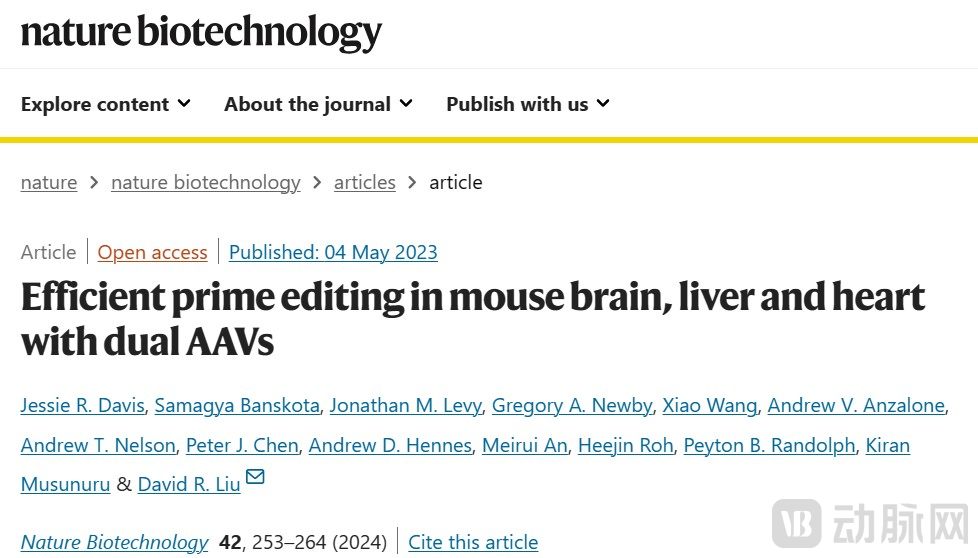
However, base editing faces two major challenges: the inability to arbitrarily edit all bases and the presence of off-target effects. To address these issues, the team led by David Liu developed a system namedPrime Editingnext-generation gene editing technology, published in 2019 inNaturein the magazine.
In this paper, Liu Ruqian points out that Prime Editing can, in principle, repair approximately 90% of the 75,000 known pathogenic human genetic variants without relying on DNA double-strand breaks, thereby achieving higher precision and lower off-target effects. Furthermore, Prime Editing does not require a DNA template to effectively enable all 12 types of single-base conversions, as well as precise multi-base insertions and deletions.
(Image source: Nature official website)
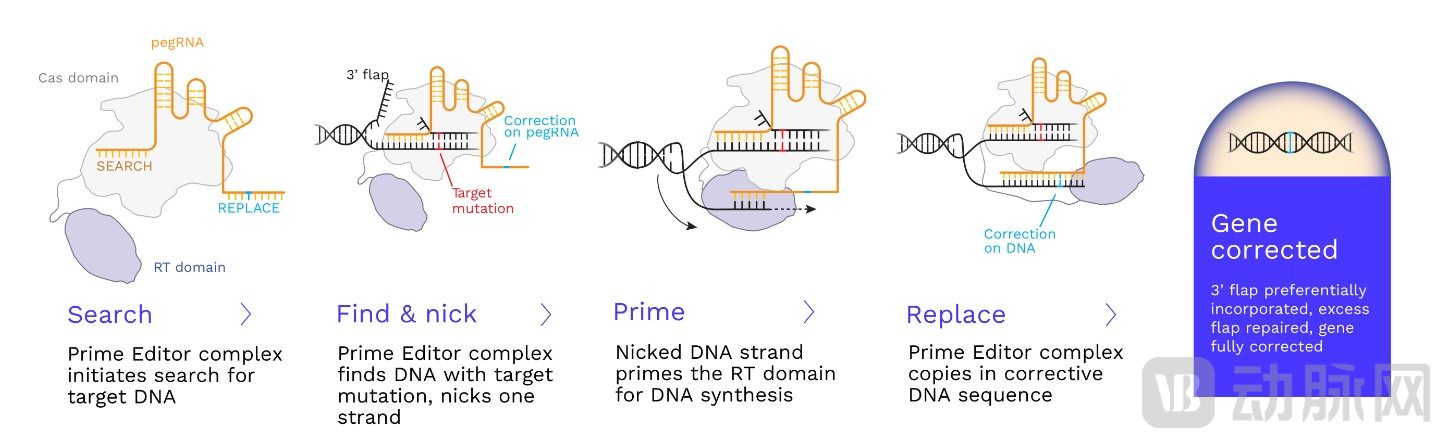
Mechanism of Action of Prime Editing: The mechanism involves four steps: 1. The prime editor complex initiates target DNA search; 2. The prime editor complex locates the DNA carrying the target mutation and introduces a nick in one strand; 3. The nicked DNA strand engages the reverse transcriptase (RT) domain to initiate DNA synthesis; 4. The prime editor complex replaces the sequence with the correct DNA sequence.
(Image source: Prime Medicine official website)
Building on Prime Editing technology, Professor David Liu founded Prime Medicine, which went public on the Nasdaq in October 2022. In February of this year, Prime Medicine issued 19.2 million shares at a price of $6.25 per share, and offered prepaid warrants to purchase common stock to certain investors at a public offering price of $6.24999 per prepaid warrant in lieu of common shares. The gross proceeds to Prime Medicine from this offering, before deducting underwriting discounts and commissions and offering expenses,Approximately $161 million。
However, Prime Medicine’s seemingly impressive $161 million financing round was in fact a reluctant move amid the industry winter. Despite the endorsement of David Liu, the company’s stock performance remains lackluster, with its current market capitalization below $1 billion.
Prior to its public listing, Prime Medicine raised over $300 million through two rounds of financing and secured $175 million in its initial public offering (IPO) in 2022. In January of this year, the company also received a $15 million grant from the Cystic Fibrosis Foundation (CFF) to launch its gene-editing program for cystic fibrosis.
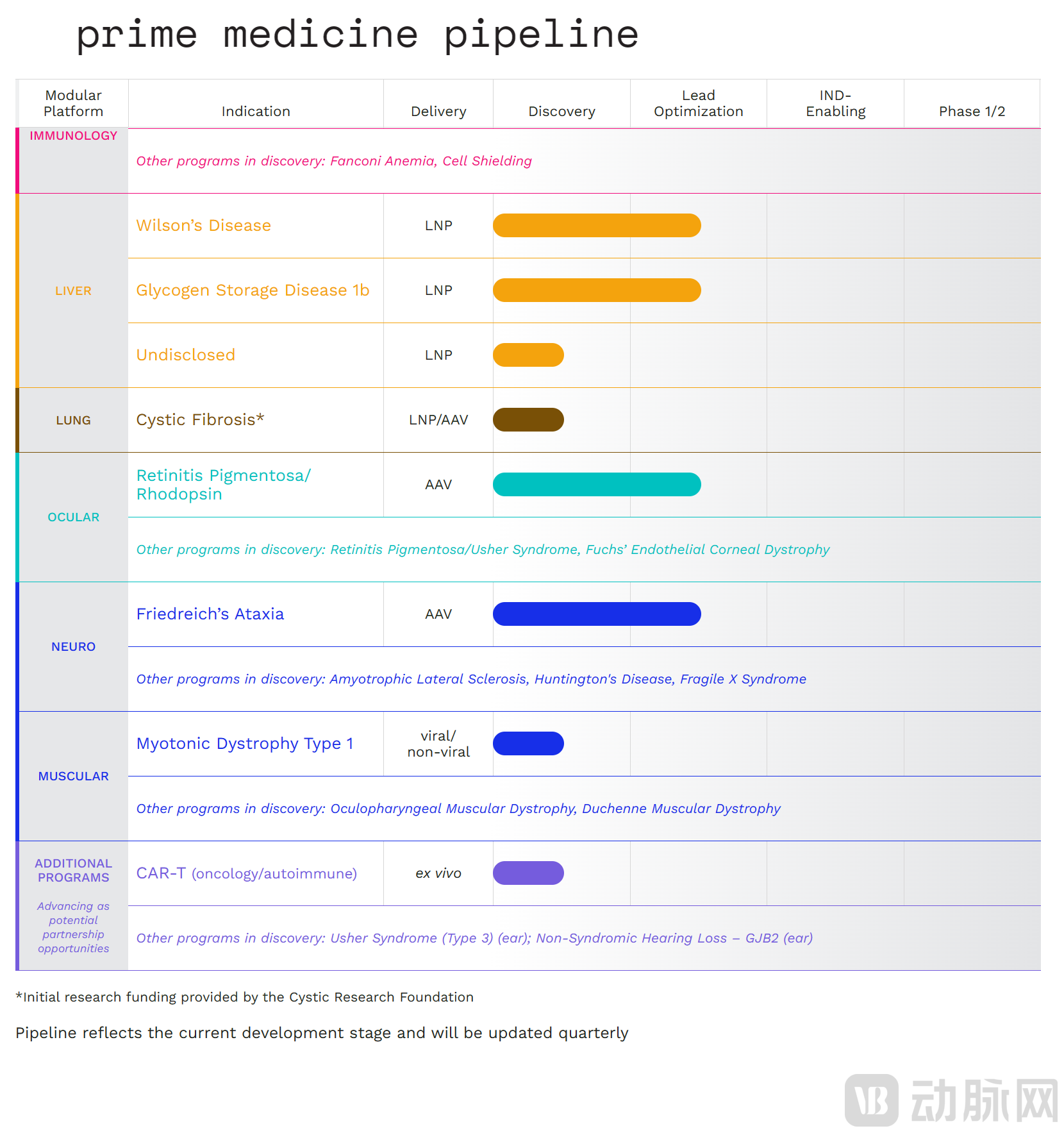
Currently, Prime Medicine is advancing a diversified portfolio of research and therapeutic programs centered on its core focus areas: hematology and immunology, liver, lung, ophthalmology, and neuromuscular diseases.
Among these four areas, the most rapid progress has been made in therapies for Chronic Granulomatous Disease (CGD), which are currently at the Investigational New Drug (IND) application stage. CGD is an X-linked recessive genetic disorder caused by mutations in the gene encoding the gp91-phox subunit of cytochrome b. This defect leads to recurrent pyogenic infections throughout the body, which can progress to life-threatening sepsis in severe cases.
In addition, Prime Medicine has four programs in the lead optimization stage, targeting Wilson’s disease (WD), glycogen storage disease type 1b (GSD 1b), retinitis pigmentosa (RP), and Friedreich’s ataxia (FA). Among these, the therapeutic approaches for WD and GSD 1b utilize lipid nanoparticle (LNP) delivery, while those for RP and FA employ adeno-associated virus (AAV) delivery.
(Image source: Prime Medicine official website)
According to the World Report on Vision released by the World Health Organization, at least 2.2 billion people worldwide have vision impairment or blindness, and of these, at least 1 billion have vision problems that could have been prevented or are yet to be addressed.
Due to their small size, the eyes can achieve robust transduction with relatively low doses of AAV vectors. Furthermore, the presence of the blood-retina barrier creates a relatively enclosed and immune-privileged environment, thereby enhancing the safety profile of local administration. As most fundus diseases are monogenic inherited disorders, research into ocular gene therapy has remained at the forefront of the field, establishing it as a prime avenue for AAV-based gene therapies.
In October last year, data presented by Prime Medicine at the 2023 International Symposium on Retinal Degeneration (RD2023) showed that Prime Editors (PEs) can effectively and precisely correct the primary mutations causing rhodopsin-associated autosomal dominant retinitis pigmentosa (RHO adRP). The press release stated,This is the first prime editor.In Vivo Proof-of-Concept Data for the Treatment of Ophthalmic Diseases.
RHO-associated autosomal dominant retinitis pigmentosa (adRP) is a rare inherited retinal disease that causes progressive vision loss beginning in early adolescence, ultimately leading to blindness in adulthood due to photoreceptor degeneration. It is caused by mutations in the RHO gene, which encodes rhodopsin—a light-sensitive G protein-coupled receptor involved in rod phototransduction and functioning as a photoreceptor—and results in the progressive loss of rod cells, followed by cone cells in the retina.
To address RHO gene mutations, Prime Medicine conducted a comprehensive high-throughput screen of more than 1,000 prime editing guide RNAs (pegRNAs). This effort identified two effective Prime Editors: one that precisely corrects the RHO p.P23H mutation located near the N-terminus of rhodopsin, and another that targets a mutational hotspot near the C-terminus, capable of correcting 18 pathogenic mutations, including RHO p.V345L and p.P347L.
To further advance this research, Prime Medicine has developed and optimized a uniqueDual AAV System, and delivered the Prime Editor into humanized mouse models via subretinal injection. Currently, numerous delivery technologies are under investigation, including lipid nanoparticles (LNPs) and engineered virus-like particles (eVLPs). Adeno-associated virus (AAV) is a clinically validated, highly efficient vector with an excellent safety profile for delivering macromolecules to various tissues, including the heart and brain.
However, due to the large size of the prime editing system, which far exceeds the packaging capacity of adeno-associated virus (AAV) vectors, the DNA encoding the prime editor must be split into two AAV vectors, with each vector expressing a different fragment. These two fragments require special design so that the separately expressed and translated protein fragments can spontaneously associate and assemble into a complete prime editing protein. In addition, the prime editing guide RNA (pegRNA) and the single-guide RNA (sgRNA) that directs cleavage must also be packaged into the AAV vectors.
To comprehensively evaluate the performance of Prime Editor, the company conducted a series of in vitro experiments. The results demonstrated a correction rate of up to 45% for RHO p.P23H, and over 70% for RHO p.V345L and p.P347L.Can correct approximately60% of patientsMajor RHO Mutations in adRPMeanwhile, researchers observed that RHO correction was well tolerated, with no detectable changes in retinal thickness or glial fibrillary acidic protein (GFAP) gene expression; no measurable integration of the AAV vector at the editing site was detected by unilateral polymerase chain reaction (PCR); and no detectable off-target editing was observed in human photoreceptors following genome-wide off-target screening analysis.
Likewise, research on gene-editing drugs in the field of ophthalmology is also ongoing in China.
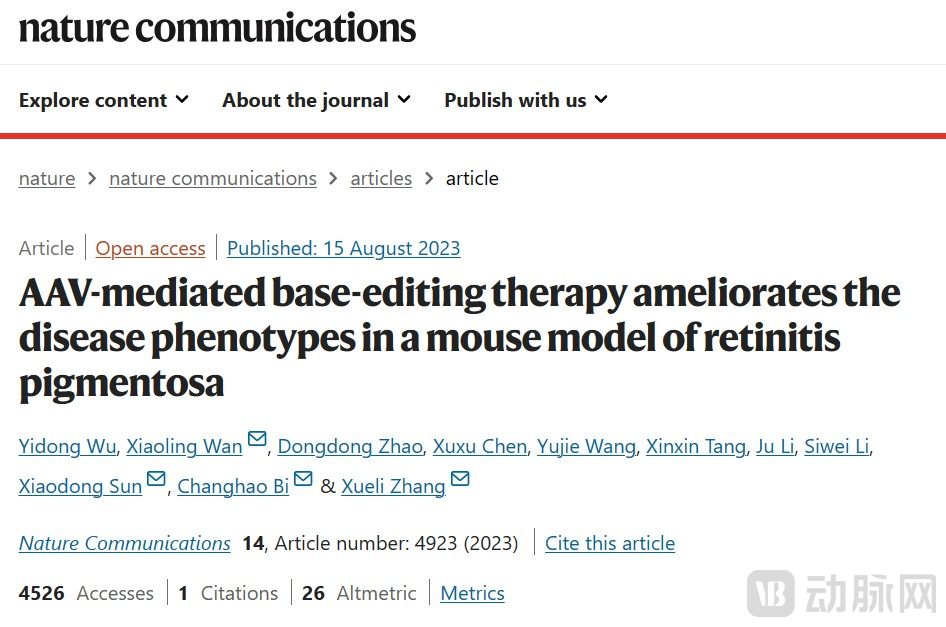
In August last year, researchers from the Tianjin Institute of Industrial Biotechnology, Chinese Academy of Sciences, and the Department of Ophthalmology at Shanghai People’s Hospital, Shanghai Jiao Tong University School of Medicine,Nature Communicationspublished a study. They used the rd10 mouse model carrying RP-causing mutations to demonstrateDelivery of Adenine Base Editors (BEs) via a Dual-AAV System Corrects Pathogenic Single-Nucleotide Variants (SNVs) in the Neuroretina with an Efficiency of up to 49%.
(Image source: Nature Communications official website)
This February,ZVS203e Injection, the first Class 1 innovative ophthalmic gene-editing drug developed by Beijing Zhongyin Technology Co., Ltd., has received implicit approval for Investigational New Drug (IND) clinical trials from the Center for Drug Evaluation (CDE) of China’s National Medical Products Administration.This milestone was achieved only months after the drug received clinical trial approval from the U.S. FDA in December 2023. The drug employs third-generation artificial endonuclease CRISPR/Cas9 technology, enabling precise targeting and repair of the mutated RHO gene. By addressing the root cause of the disease, it theoretically holds the promise of a one-time treatment with lifelong benefits.
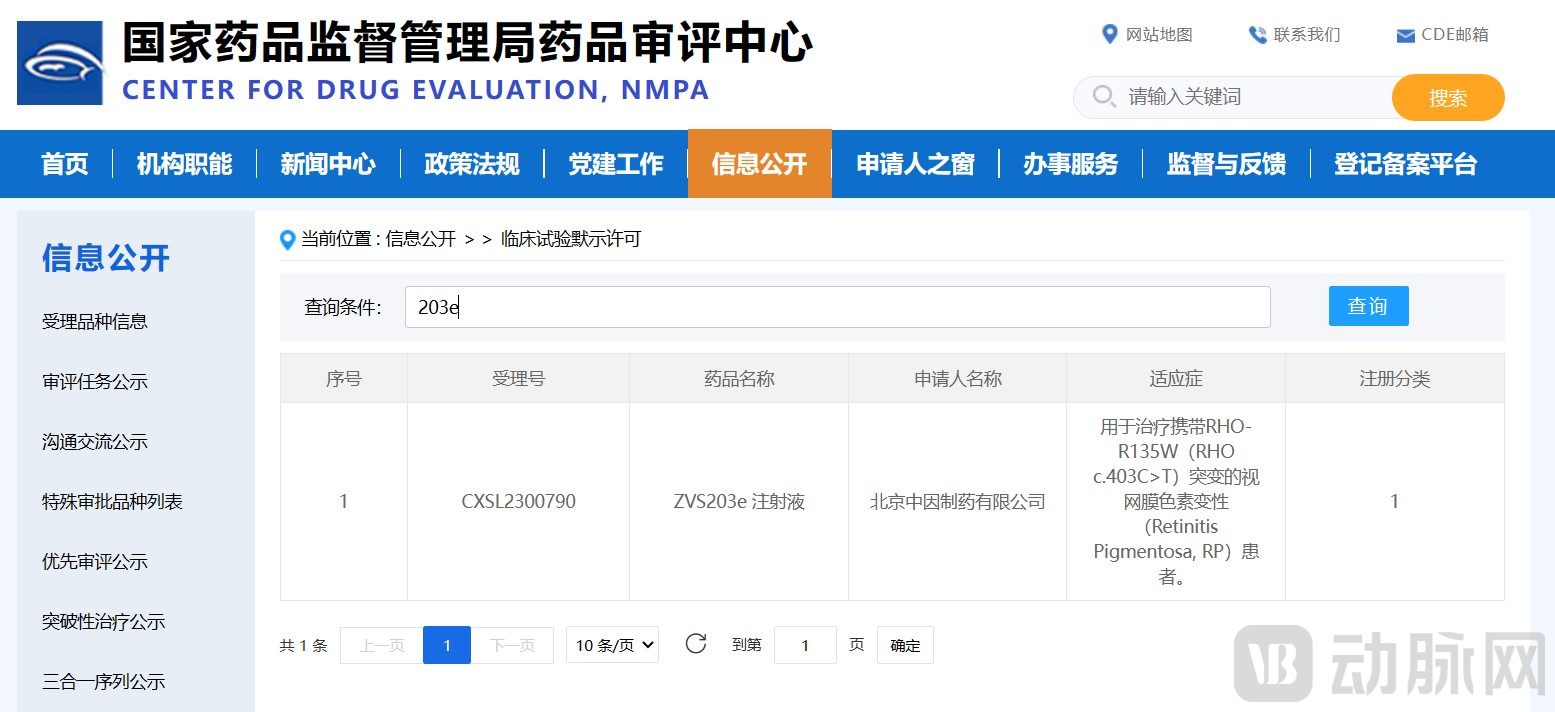
(Image source: Official website of the Center for Drug Evaluation, National Medical Products Administration of China)
Notably, ZVS203e received Orphan Drug Designation from the U.S. Food and Drug Administration (FDA) as early as July 2022. In September 2023, Peking University Third Hospital successfully conducted the world’s first investigator-initiated trial (IIT), administering the drug via injection to a patient with retinitis pigmentosa (RP) caused by RHO gene mutations. Preliminary results demonstrated favorable safety and efficacy in this first patient, laying a solid foundation for subsequent larger-scale clinical trials and future commercialization.
We look forward to gene editing technology realizing its full potential in the field of ophthalmic treatment through the continued efforts of scientists, thereby benefiting patients.
References:
Yimaike: “Prime Medicine, Founded by David Liu, Raises $161 Million in Equity Financing to Save Itself; Even Titans Fear the Winter”