

FibroBiologics Advances Fibroblast-Based Therapies into Clinical Development with Three Pipeline Candidates

FibroBiologics
Cell Therapy Developer
On January 31, 2024, FibroBiologics went public via a Direct Listing. The company did not issue new shares and raised no capital from the listing. FibroBiologics previously set the record for the fastest-growing biotechnology company in the history of StartEngine, one of the largest equity crowdfunding platforms in the United States., raising over $1 million.
Headquartered in Texas, FibroBiologics is a fibroblast-based cell therapy company that was spun off from FibroGenesis in 2021. Currently, the company’s drug pipeline has not yet advanced to commercialization, resulting in no profitability; it reported a net loss of $16.485 million in 2023. However, according to FibroBiologics’ financial reports, its existing capital is sufficient to fund operations through at least February 28, 2025.
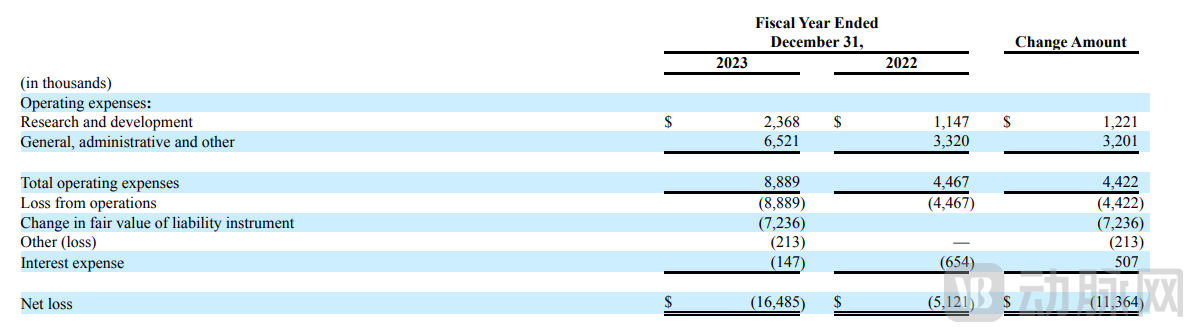 2023 and 2022 Financial Statements (Source: FibroBiologics Official Website)
British scientist John Gurdon and Japanese scientist Shinya Yamanaka were awarded the 2012 Nobel Prize in Physiology or Medicine for their discovery that mature cells can be reprogrammed into multipotent stem cells, known as induced pluripotent stem (iPS) cells. Since then, experiments and research surrounding stem cells have continued to increase.
Breakthroughs in the laboratory paved the way for the first human trials of stem cells, prompting company founder Pete O’Heeron to turn his attention to fibroblasts, which possess multipotent differentiation potential similar to that of mesenchymal stem cells, and to initiate research centered on this “new” cell type.
Pete has a solid academic foundation in healthcare and management. He earned a Bachelor’s degree in Healthcare Administration from Texas State University, a Master’s degree in Healthcare Administration from the University of Houston–Clear Lake, and an Executive Certificate in Mergers and Acquisitions from the University of Chicago.
In the fields of medical technology and biotechnology development, Pete has “worked his way up through the ranks.”25 Years, with more than 300 granted and pending patents.According to the official website of FibroBiologics,At the foundingPrior to FibroBiologics, Pete founded a business investment group named Advanced Medical Technologies, which invested in promising early-stage projects in the field of medical therapeutics. In addition, he also establishedMedical Device System Development CompanyNeoSurg Technologies (sold to Cooper Surgical in 2006).
It is precisely these experiences that have enabled him to develop unique personal insights into biologics, advanced surgical instruments, and strategic healthcare consulting, which he integrates into the company’s strategic planning and management. He actively recruits top talent and works with his team to continuously drive the commercialization of proprietary technologies and products, positioning the companyCurrently PossessesOver 250 granted and pending patents.
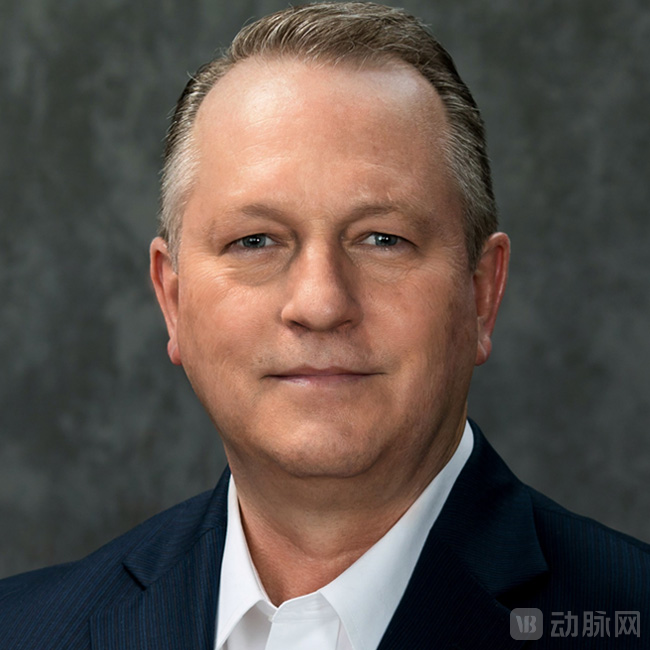
Pete O'Heeron (Image source: FibroBiologics official website)
Only two cell types in the human body can regenerate tissues and organs: stem cells and fibroblasts.Fibroblasts vastly outnumber stem cells and are not subject to the limitations associated with stem cell sourcing, isolation, and culture., appears to be a better cell source。Fibroblasts are the primary cell type in connective tissue, capable of producing and maintaining the extracellular matrix to ensure the structural integrity of tissues and organs. In addition to facilitating extracellular matrix deposition during the proliferation and tissue remodeling phases of wound healing, they also play a significant role in immune regulation.
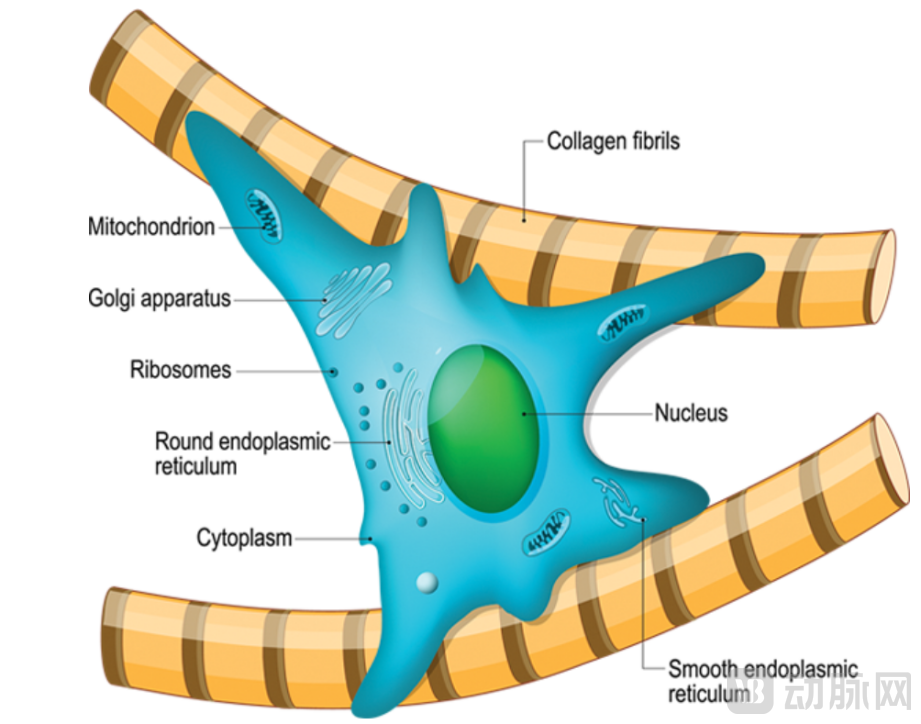 Schematic Diagram of Fibroblasts (Image Source: FibroBiologics Official Website)
Specifically, the advantages of fibroblasts over stem cells are as follows:
·Easy to access
Excess tissue generated during surgery can serve as a primary source of allogeneic fibroblasts, and a single skin punch biopsy from a patient can provide sufficient autologous fibroblasts for most clinical applications.
· Easily separable
Fibroblasts'Mean Doubling Time (16–24 hours) is significantly shorter, and the cells can be stably passaged for 15 generations, making the isolation of fibroblasts from tissues simpler and more straightforward.
·Easy to culture
The requirements for culture media in the expansion and maintenance of fibroblasts are less stringent than those for stem cells. Fibroblasts do not require the high-cost additives needed for stem cells, thereby reducing the complexity and cost of mass-producing high-quality, stable fibroblast populations.
According to the official website of FibroBiologics, inApplicationaspects, fibroblastsregenerative and immunomodulatory functions, evenMore Effective Than Stem CellsandPowerful.Fibroblasts are more readily differentiated into a variety of cell types, including chondrocytes, adipocytes, cardiomyocytes, hepatocytes, osteoblasts, epithelial cells, and endothelial cells, making them ideal candidate cells for clinical tissue regeneration applications. Furthermore, fibroblasts are easier to maintain and less susceptible to damage during cold-chain transportation and logistics, serving as a cost-effective and practical alternative to stem cells.
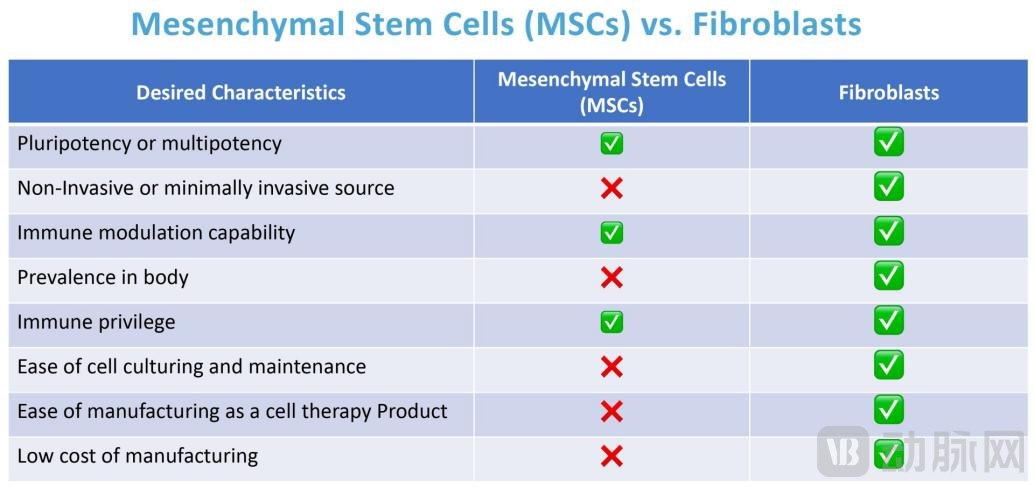 Comparison Chart of Stem Cells and Fibroblasts (Image source: FibroBiologics official website)
As FibroBiologics’ clinical work enters the phase of human trials, researchers have discovered through extensive experiments that fibroblasts participate in many biological processes in the human body and hold great potential in the therapeutic field.FibroBiologics’ proprietary fibroblast platform serves as the foundation for developing biologic therapies to treat chronic conditions—including degenerative disc disease, multiple sclerosis, impaired wound healing, and cancer—as well as for anti-aging and longevity applications, such as reversing thymic involution and splenic involution.
FibroBiologics currently has three pipeline candidates in development, with CYMS101 and CybroCell™ being the most advanced. Currently, CYMS101 is in Phase 1/2 clinical trials.,CybroCell™ has completed preclinical trials,SubmittingIND。
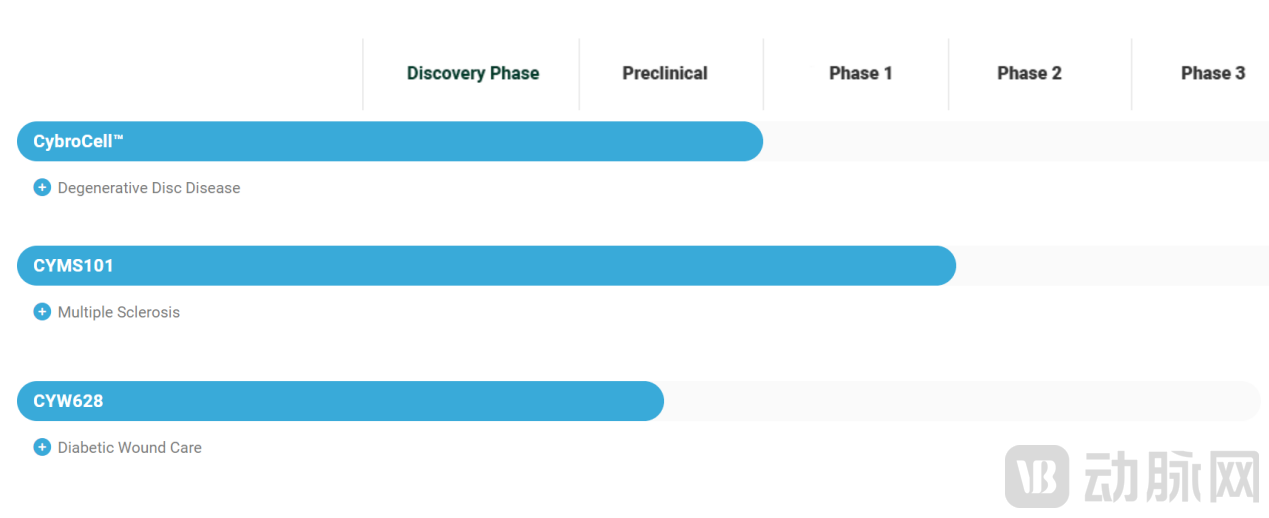 Drug Pipeline (Source: FibroBiologics Official Website)
·CYMS101: For Multiple Sclerosis (MS)
MS is a T cell-mediated autoimmune disease targeting myelin. For MS, the FDA has currently approvedOcrelizumab、Alemtuzumab, teriflunomide (Aubagio), etc. These medications canReduce the relapse rate of MS, alleviate the severity of relapse symptoms, and delay its progression, but they do have certain side effects. Currently, no drug with no side effects or minimal side effects has been approved.
Currently, the cell types primarily used for the treatment of autoimmune diseases include three categories: mesenchymal stem cells (MSCs), regulatory T cells (Tregs), and myeloid-derived suppressor cells (MDSCs)., with very few therapies utilizing fibroblasts, CYMS101 is one of the few allogeneic fibroblast therapies for the treatment of MS.
To understand fibroblastsTreatmentMS Potential: FibroBiologics Conducted In Vitro and In Vivo Preclinical Studies on Tolerogenic Fibroblasts in the Experimental Autoimmune Encephalomyelitis (EAE) Animal Model of Multiple Sclerosis. The results indicated that tolerogenic fibroblastsCan inhibit pathogenicityT-cell activation stimulates the expansion of regulatory T (Treg) cells, inhibits dendritic cell (DC) maturation, and promotes oligodendrocyte expansion and myelin protein expression.InEAE of MSModelMedium,UsageFibroblasts demonstrate significantly superior disease-inhibitory effects compared to adipose- or bone marrow-derived mesenchymal stem cells.Furthermore, tolerogenic fibroblasts exhibit more potent immunomodulatory functions compared with adipose- and bone marrow-derived mesenchymal stem cells.
During the use ofFollowing the completion of animal studies for CYMS101, FibroBiologics received approval in Mexico to conduct clinical research using fibroblast components in patients with multiple sclerosis. The Phase I study has now been completed. Conducted in five participants, the study’s primary objective was to assess safety, while the secondary objective was to evaluate efficacy, thereby elucidating the mechanism of action of fibroblasts in oligodendrocyte expansion.FibroBiologics Expected to Submit IND Application for Phase 2 Clinical Trial, and statedMay seek strategic partners for collaborative developmentCYMS101ofPhase III Clinical Trial.
·CybroCell™: For Degenerative Disc Disease (DDD)
Degenerative Disc Disease (DDD), also known as intervertebral disc (IVD) degeneration, is a condition characterized by the progressive and irreversible degeneration of one or more spinal discs, with most patients presenting with chronic lower back pain. Currently, mesenchymal stem cells (MSCs) are commonly utilizedTreatmentDDD。
FibroBiologics breaks away from conventional treatment methods by adoptingCybroCell™——A Fibroblast-Based Universal Donor Cell Product。FibroBiologics has demonstrated its safety and efficacy in preclinical models of DDD, andApproved by the U.S. Food and Drug AdministrationIND approval, subject to approval of its master cell bank, mayConducted in the United StatesPhase 1/2 Study of CybroCell for the Treatment of Degenerative Disc Disease.
In addition to the aforementioned pipeline, FibroBiologics alsoUnder developmentPreclinical Stage of CYWC628 (Allogeneic Fibroblast-Based Wound Healing Therapy). The research focuses on utilizing fibroblasts and fibroblast-derived cells to treat wounds in diabetic mice and rats, with expectationsEarliest inSubmitted an Investigational New Drug (IND) application for wound healing to the U.S. Food and Drug Administration (FDA) in 2024.
In addition, FibroBiologics has anti-aging and oncology therapeutic projects in the early stages of research and development.
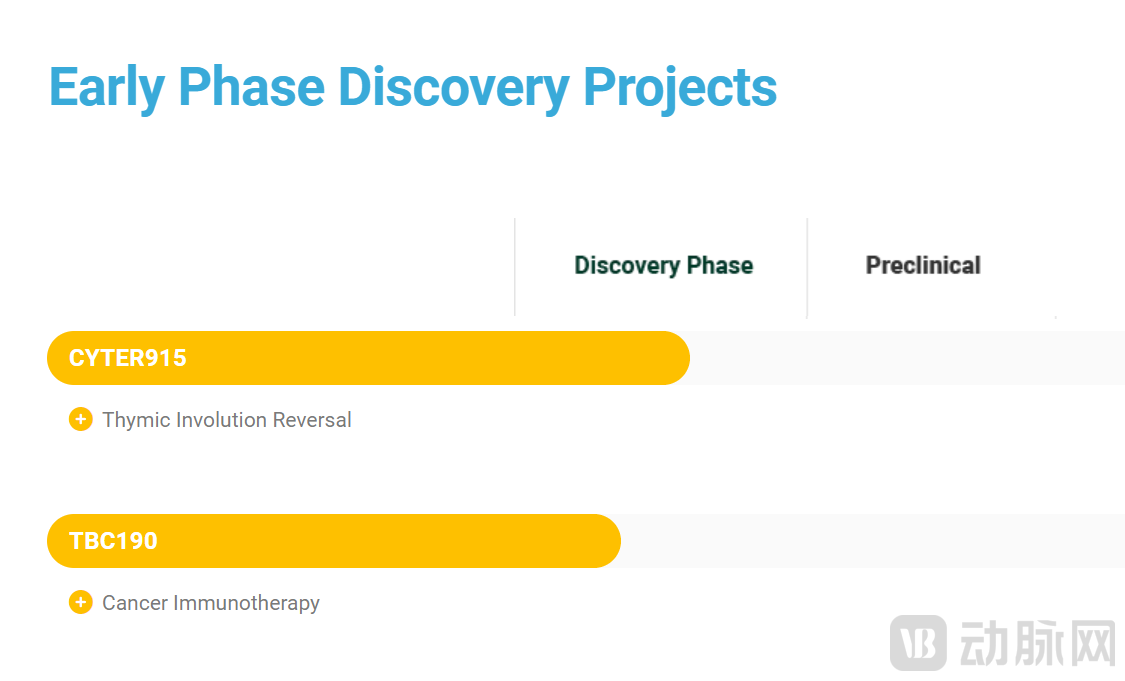 Drug Pipeline in Early-Stage R&D (Source: FibroBiologics Official Website)
With advancing age, thymic function declines, a process known as thymic involution. Thymic involution promotes the generation of regulatory T cells (Tregs), thereby leading to increased susceptibility to pathogenic infections, tumors, and autoimmune diseases.[1]CYTER915 leverages the interactions between thymic fibroblasts and other thymic cells to reverse thymic involution, restore thymic function, and thereby mitigate the impact of aging on the immune system. Through cell therapy, it can improve and extend thymic longevity, achieving anti-aging objectives.
In January this year, the National Bureau of Statistics released data showing that China's population aged 60 and above exceeded 290 million at the end of 2023. The National Health Commission projects that around 2035, the elderly population aged 60 and above will surpass 400 million, accounting for over 30% of the total population, thereby entering a stage of severe aging.Where there is demand, there is market potential. According to the “Research Report on the Development of the Global and Chinese Anti-Aging Industry and Consumer Demand (2022–2023)” released by iiMedia Research, the global anti-aging market size is projected to exceed $300 billion by 2025.
In the field of cell therapy, fewer companies are focusing on fibroblasts, with the majority still concentrated on stem cells.in the “14th Five-Year Plan” for Bioeconomy DevelopmentIt also mentioned the need to develop new technologies such as genetic diagnosis and therapy, stem cell therapy, and immune cell therapy, and to conduct scientific clinical evaluations of stem cell therapy, cellular immunotherapy, and other new medical technologies that are being implemented in clinical practice.
In the clinical pipeline incompletely compiled by VCBeat, more than half of the pipeline is concentrated in leading companies, mainly focusing on the treatment of musculoskeletal diseases and hematological disorders. Currently, the global leading representative companies engaged in stem cell therapy research and development include Athersys, Mesoblast, Gamida Cell, Cynata, etc. Among them, Cardio3, BrainStormSeveral in-house developed products from Cell Therapeutics and Cynata have entered Phase III clinical trials, with market approval imminent. In April 2023, the FDA approved Gamida Cell’s cell therapy, Omisirge (omidubicel), for marketing.
Meanwhile, renowned multinational corporations such as Pfizer, Takeda, and Bayer have successively entered this sector through various transaction models, including mergers and acquisitions, collaborations, and in-licensing. In contrast, the development of stem cell therapy in China started relatively late, with only a few listed companies involved.

Map of Listed Chinese Companies in Stem Cell Therapy (Source: VCBeat Orange Database)
While aging is inevitable, its pace can be slowed; although chronic diseases are difficult to cure, their progression can be delayed. Fibroblasts, which possess differentiation potential similar to that of stem cells, may represent the next major breakthrough in cell therapy, serving as a promising “remedy” for treating chronic diseases and as the next “hotspot” for anti-aging and longevity applications.
References:
[1]Wang, W., et al., Thymic Function Associated With Cancer Development, Relapse, and Antitumor Immunity – A Mini-Review. Front Immunol, 2020. 11: p. 773.