Boyin Hearing and Sichuan Nursing Vocational College Establish China's First Hearing Rehabilitation Industry College
Recently, the hearing industry has received major news.
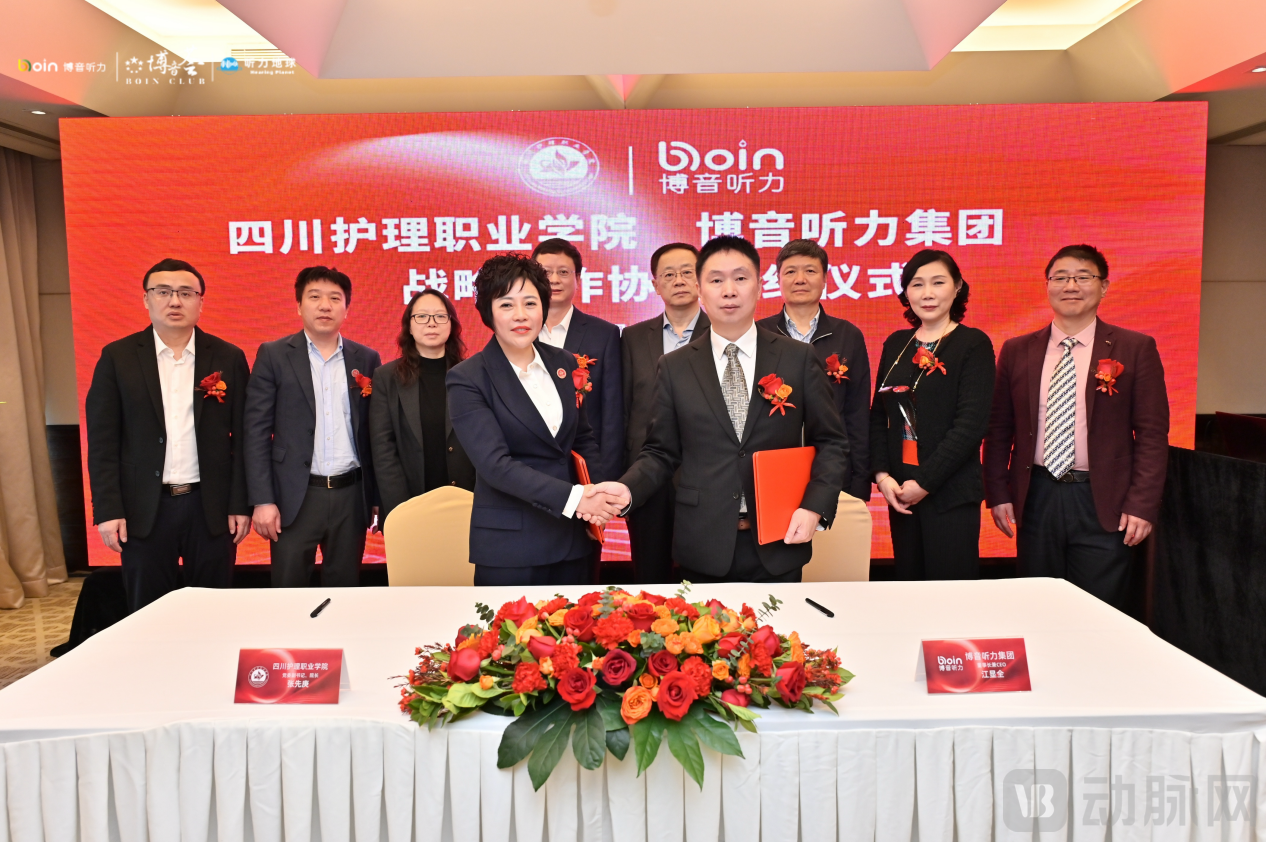
BOIN Hearing Group—BOIN Hearing Technology (Shanghai) Co., Ltd. (hereinafter referred to as “BOIN Hearing”) and Sichuan Nursing Vocational College officially signed a strategic cooperation agreement on March 22 to jointly plan the establishment of the BOIN Hearing Rehabilitation Industry College (hereinafter referred to as the “Industry College”).
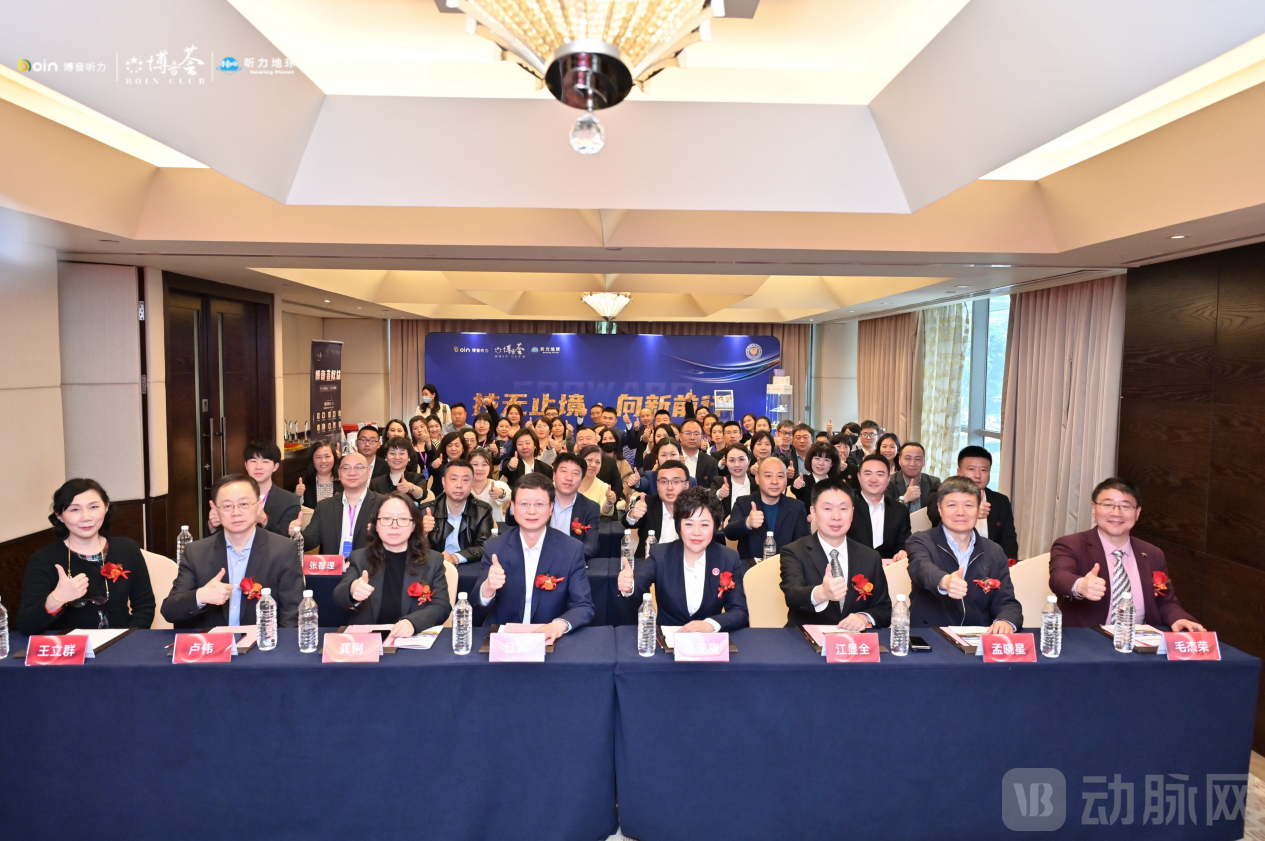
More than 80 industry experts and school representatives attended the signing ceremony, including Ms. Gong Li, Deputy Director of the Science and Education Division of the Sichuan Provincial Health Commission; Mr. Lu Wei, Chairman of the Hearing Professional Committee of the Chinese Association of Rehabilitation Medicine; Ms. Wang Liqun, Secretary-General of the Hearing Professional Committee of the Chinese Association of Rehabilitation Medicine; Mr. Meng Xiaoxing, former Second-level Inspector of the Sichuan Provincial Disabled Persons’ Federation; Mr. Jiang Tao, Party Secretary of Sichuan Nursing Vocational College; Ms. Zhang Xiangeng, Deputy Party Secretary and President of Sichuan Nursing Vocational College; and Mr. Jiang Xianquan, Chairman and CEO of BOIN Hearing. The ceremony was presided over by Mr. Jiang Tao, Party Secretary of Sichuan Nursing Vocational College. Mr. Jiang Xianquan, Founder and Chairman of BOIN Hearing Group, and Ms. Zhang Xiangeng, Deputy Party Secretary and President of Sichuan Nursing Vocational College, jointly signed the cooperation agreement.
It is reported that this collaboration aims to cultivate professional talent in hearing care services and foster new quality productive forces in the field of hearing healthcare. The scope of cooperation covers multiple levels, including degree education, vocational education, and professional training. Moving forward, BOIN Hearing will establish a close partnership with Sichuan Nursing Vocational College. Guided by the actual needs of the acoustics industry, the two parties will promote the translation of theoretical research findings into practical applications through the organic integration of theoretical study and practical application. Meanwhile, both sides will integrate their respective industrial and academic advantages to continuously advance the deep alignment and coordinated development between talent cultivation and the acoustics industry.
There are only 12,000 hearing healthcare professionals,
China Faces a Shortage of Talent in Hearing Healthcare
According to statistics from "The Current Status and Development Trends of Hearing Health in China,"The elderly hearing-impaired population in China has reached 120 million.Among the elderly population aged 65 and older, approximately one-third experience moderate or greater hearing loss. This proportion rises to about one-half among those aged 75 and older.
In addition to the aforementioned statistical data, the actual number of individuals with hearing impairment far exceeds current figures, driven by multiple factors including genetic predisposition, ear diseases, improper use of ototoxic medications, noise exposure, and delays in timely detection and treatment. This vast patient population resembles an iceberg hidden beneath the water’s surface, making its full scale difficult to estimate comprehensively.
It must be acknowledged that, although China has a large population with hearing loss,The current number and professional competency of hearing healthcare professionals in China are far from meeting actual demand.
According to statistics, China has only about 12,000 hearing healthcare professionals, equivalent to one professional per 100,000 people—a ratio far lower than that of developed countries. Moreover, experts have pointed out that current training programs for hearing healthcare professionals in China are not yet systematic, the training duration is relatively short, and there is a lack of practical skills training. In the United States, for example, audiology has become one of the top ten most popular professions, whereas currently only a handful of universities in China offer majors in audiology. This will undoubtedly further exacerbate the shortage of hearing healthcare talent in China.
How Can We Save Ourselves? The Most Intuitive Solution Is to Increase the Proportion of Hearing Care Professionals.
The collaborative project between BOIN Hearing and Sichuan Nursing Vocational College to jointly establish an industry college was launched against this backdrop.
Sichuan Nursing Vocational CollegeIt is a full-time public higher vocational college specializing in health and healthcare, administered by the Sichuan Provincial Health Commission. The college has two campuses in Chengdu and Deyang, covering an area of nearly 900 mu. It currently enrolls 11,500 students and employs 789 full-time and part-time faculty members. The college is affiliated with four hospitals and maintains 205 clinical observation and internship bases both within and outside Sichuan Province. In the past five years, its faculty and students have received 921 provincial- or ministerial-level awards and above. In 2021, it was approved as a Sichuan Province “Double High” Construction and Cultivation College.
BOIN HearingBOIN Hearing Technology (SH) Co., LTD. is a national high-tech enterprise focused on health industry investment, integrating design and R&D, production, and sales. With “AI-powered hearing aids + Hearing Expert Centers” as its core development strategy, the company is committed to providing users with high-quality hearing solutions. To date, the company has achieved significant results in technological innovation, securing 19 national patents, 22 software copyrights, and 50 registered trademarks. In terms of financing, BOIN Hearing successfully completed a pre-A round of funding worth tens of millions of yuan in 2022, and raised nearly 100 million yuan in Series A funding from Legend Capital and Mingxi Capital in 2023. Additionally, BOIN Hearing has been honored as a “Shanghai Contract-Abiding and Creditworthy Enterprise” and has received an AAA-grade contract credit certification.
It is reported that BOIN Hearing will contribute funding, equipment, teaching and training resources, and practical training bases to the industrial college cooperation project. By leveraging BOIN Hearing’s industry experience and resources, along with Sichuan Nursing Vocational College’s accumulated strengths in governance systems, talent development, scientific research, and social services, the partnership will not only cultivate more hearing healthcare professionals for the industry but also promote hearing aid research and development through the integration of industry, academia, and research, thereby accelerating the development of the hearing healthcare sector.
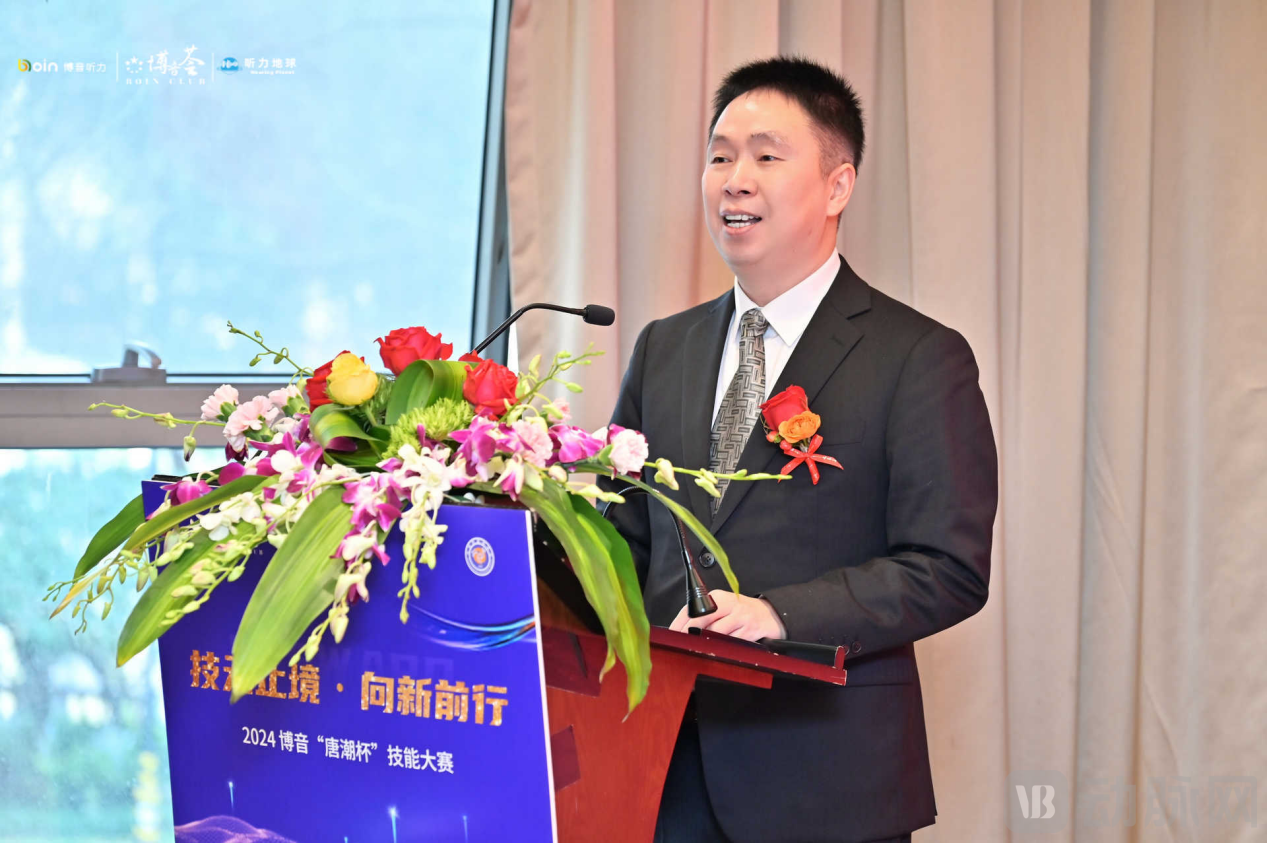
Jiang Xianquan, Founder and Chairman of BOIN Hearing Group
At the signing ceremony of the strategic cooperation agreement, Jiang Xianquan, Founder and Chairman of BOIN Hearing Group, stated“The establishment of the Industrial College is an innovative initiative within both the hearing industry and the healthcare system, setting a precedent across China. BOIN Hearing will advance the preparatory work for the Industrial College with a pragmatic and efficient approach. I am confident that, through our joint efforts, the Industrial College will become a vital platform for cultivating outstanding professionals in hearing rehabilitation and driving innovative development in the field of hearing health, effectively filling the gap in vocational training and education within the hearing industry. This strategic cooperation agreement is not only a key component of BOIN Hearing Group’s overall strategy but also a solid foundation for promoting industry development. Building on this cornerstone, BOIN Hearing will lead the hearing industry toward a development path better aligned with national conditions, contributing positively to the prosperity and progress of the sector.”
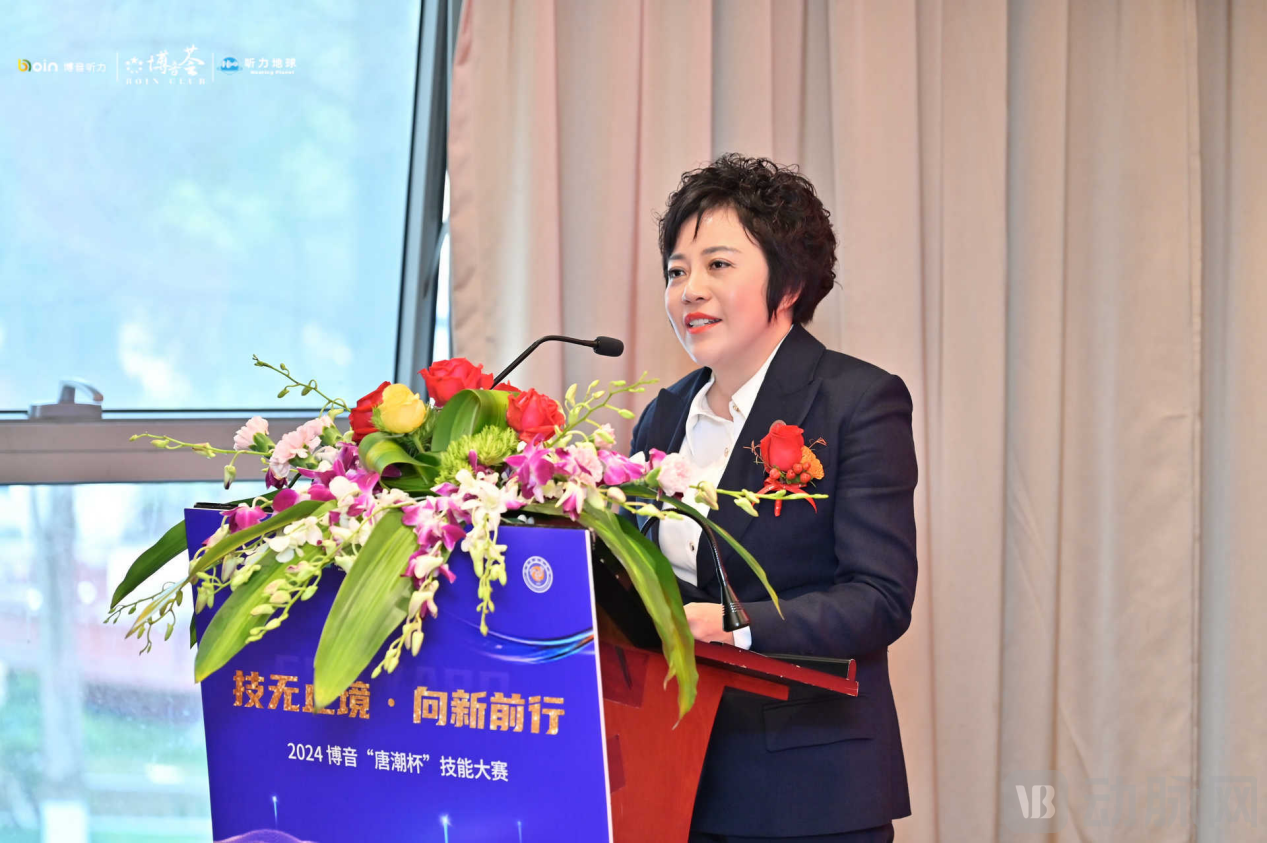
Zhang Xiangeng, Deputy Secretary of the Party Committee and President of Sichuan Nursing Vocational College
Zhang Xiangeng, Deputy Secretary of the Party Committee and President of Sichuan Nursing Vocational College, stated: “As population aging intensifies, hearing healthcare is garnering increasing societal attention. Sichuan Province, with its large population, has a substantial elderly population of 18.164 million, representing significant market potential for the silver economy. To promote high-quality development in the hearing healthcare industry, BOIN Hearing Group has engaged in deep collaboration with Sichuan Nursing Vocational College, which is directly affiliated with the Sichuan Provincial Health Commission. This partnership aims to train a large number of professional hearing care specialists, thereby meeting the urgent hearing healthcare needs of the elderly and contributing to the sustainable development of the hearing healthcare sector.”
Policies are being frequently intensified,
Low-Profile Sector Ignites
In recent years, the development of the silver economy has attracted widespread attention from all sectors of society. Policies have also been continuously strengthened in the elderly care sector, further fueling its growth.
From the initial proposal in 2022, when the “14th Five-Year Plan for National Development of Aging Causes and the Elderly Care Service System” first put forward “vigorously developing the silver economy,” to the first State Council executive meeting in 2024, which focused on the elderly population and examined policy measures to develop the silver economy and enhance the well-being of older adults, and further to the Government Work Report’s call to “vigorously develop the silver economy,” the silver economy has become one of the nation’s key strategic directions.
In January this year, China officially issued its first policy document titled “Opinions on Developing the Silver Economy to Enhance the Well-being of the Elderly,” explicitly naming the “silver economy.” The document clearly outlines overall requirements to promote synergy between public welfare initiatives and industrial development, accelerate the scaled, standardized, clustered, and branded growth of the silver economy, and foster high-end, sophisticated products and high-quality service models. Furthermore, the document directly addresses industrial development by calling for “expanding product supply and improving quality standards” and “focusing on diverse needs to cultivate emerging industries with high growth potential.”
Thus, the silver economy, catering to hundreds of millions of elderly individuals and their families, is emerging as a new pivot for the development of the healthcare industry. Relevant estimates indicate that China’s silver economy currently stands at approximately RMB 7 trillion and is projected to reach around RMB 30 trillion by 2035.
Amid the increasingly pronounced trend of population aging and continuous policy reinforcement, the hearing industry, closely tied to the silver economy, is poised to embrace new development opportunities, thereby accelerating the cultivation of related audiology professionals.
The establishment of the BOIN Hearing Industry College is precisely aimed at addressing the current shortage of hearing care professionals in China, while also aligning with the trends of the silver economy. It will not only achieve deep integration between hearing education and industry to cultivate more hearing care professionals, but also promote the development and technological innovation of the hearing industry through industry-academia-research collaboration.