

Dannokang Files IPO Prospectus: Scaling Home-Based Elder Care with GE-Inspired Operational Excellence Across 24 Provinces
As one of the primary models of elderly care worldwide, home-based care meets seniors’ need to “age in place.” Countries in Europe and America have developed relatively comprehensive elderly care service systems through long-term development, accumulating extensive experience in home-based care. In 2016, the General Office of the Ministry of Human Resources and Social Security issued the Guiding Opinions on Launching Pilot Programs for the Long-Term Care Insurance (LTCI) System (Document No. 80 [2016] of the General Office of the Ministry of Human Resources and Social Security), initiating the first batch of LTCI pilots and guiding the domestic elderly care industry toward gradual standardization and brand development.
From a temporal perspective, Dannokang entered the field of home-based care services under the long-term care insurance (LTCI) scheme relatively late. The company was officially established in Shanghai in 2018 and commenced operational activities to enter the industry in 2019. By contrast, Shanghai had already launched pilot LTCI programs in the Xuhui, Putuo, and Jinshan districts since January 2017. However, in terms of effectiveness, the early-stage precise top-level design, construction of foundational platforms, development of talent pools, and thorough preparatory work have laid a solid foundation for Dannokang’s rapid growth in the LTCI care service sector—
Since 2020, Dannokang has been at the forefront of the industry, taking the lead in expanding its nationwide presence across China.Currently, Dannuo Kang has established a nationwide presence with Shanghai as its core, providing long-term care insurance (LTCI) services in 16 cities.Its newly expanded presence across 33 cities now covers more than 24 provinces and municipalities. Furthermore, Dannokang’s annual revenue has continued to grow rapidly, with its net profit margin rising year over year.and achieved group-level profitability in September last year.
Such achievements are attributable to Dannokang’s efficient and standardized operational management, which leverages the advanced expertise of major international corporations. In this context, it is essential to mention Timothy Chen, General Manager and Co-Founder of Dannokang, who previously served at GE (General Electric) for many years.
Long before Dannokang officially commenced operations, it had already established a refined management system, with “standardized management” becoming an integral component of its corporate culture. This approach is closely linked to Timothy Chen’s professional experience at General Electric (GE), a Fortune 500 company.
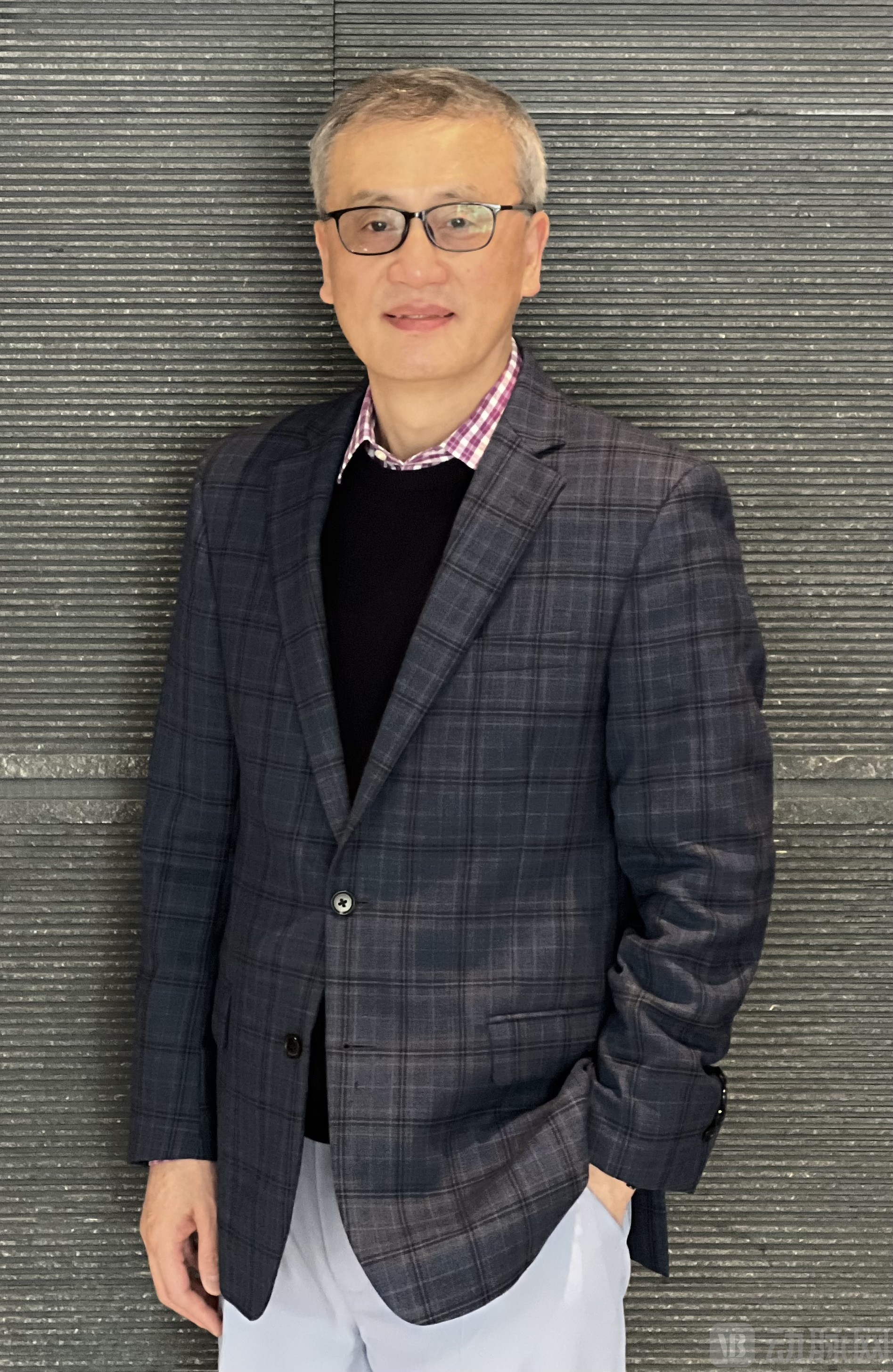
Timothy Chen, General Manager and Co-Founder of Dannokang
Timothy Chen noted that his interview experience with GE left a deep impression on him before he officially joined the company. During his discussion with GE’s Chief Engineer, they even developed his first patent. The standardized processes and profound respect for professionalism—terms he used to describe that interview—have also been carried forward into Danuokang’s corporate culture.
To enhance the professionalism of specialized personnel,On the one hand, Dannokang has designed a curriculum tailored to China’s current conditions and needs for its professional nursing team, providing internship sites and corresponding teaching guidance for the college.Dannuo Youpei Training School, under the Dannuokang umbrella, is continuously supplying management talent to the medical and elderly care sector.On the other hand, Danuokang, based on an online cloud platform, meets the needs of teaching scenarios that require real-time online interaction.Even, to further enhance the service quality of the nursing team,Dannokang also collaborates with Denmark, a global leader in the elderly care sector, through comprehensive strategic partnerships with VIA University College and the Danish Welfare Academy., further enabling the establishment of quality control for elderly care and the development of nursing training curricula.
Emphasis on professionalism has also earned it significant acclaim. Since 2020, Dannuo Kang has been a regular presence on various honor rolls. In 2020, all of Dannuo Kang’s sites in Shanghai were awarded the three-star (highest) rating as designated long-term care insurance nursing service providers by the Healthcare Security Administration, with service quality and quality control ranking among the industry’s best. In 2022, all nursing stations under Dannuo Kang’s Shanghai region collectively ranked within the top 15 of the annual “Top 100” Quality Service Providers for home-based long-term care insurance nursing services, placing it at the forefront among national chain brands. In 2023, Dannuo Kang’s home care services received public recognition and coverage from the Healthcare Security Administration.
Emphasizing professional talent is just one aspect. After Timothy Chen officially joined GE, he underwent a transition from an engineer to a team manager. During this process, Timothy Chen needed to maintain efficient management, coordination, and communication with teams across the ocean. This experience also provided important references for Dannokang in solving how to achieve efficient management during its nationwide layout and even future overseas exploration—the answer is “standardization.”
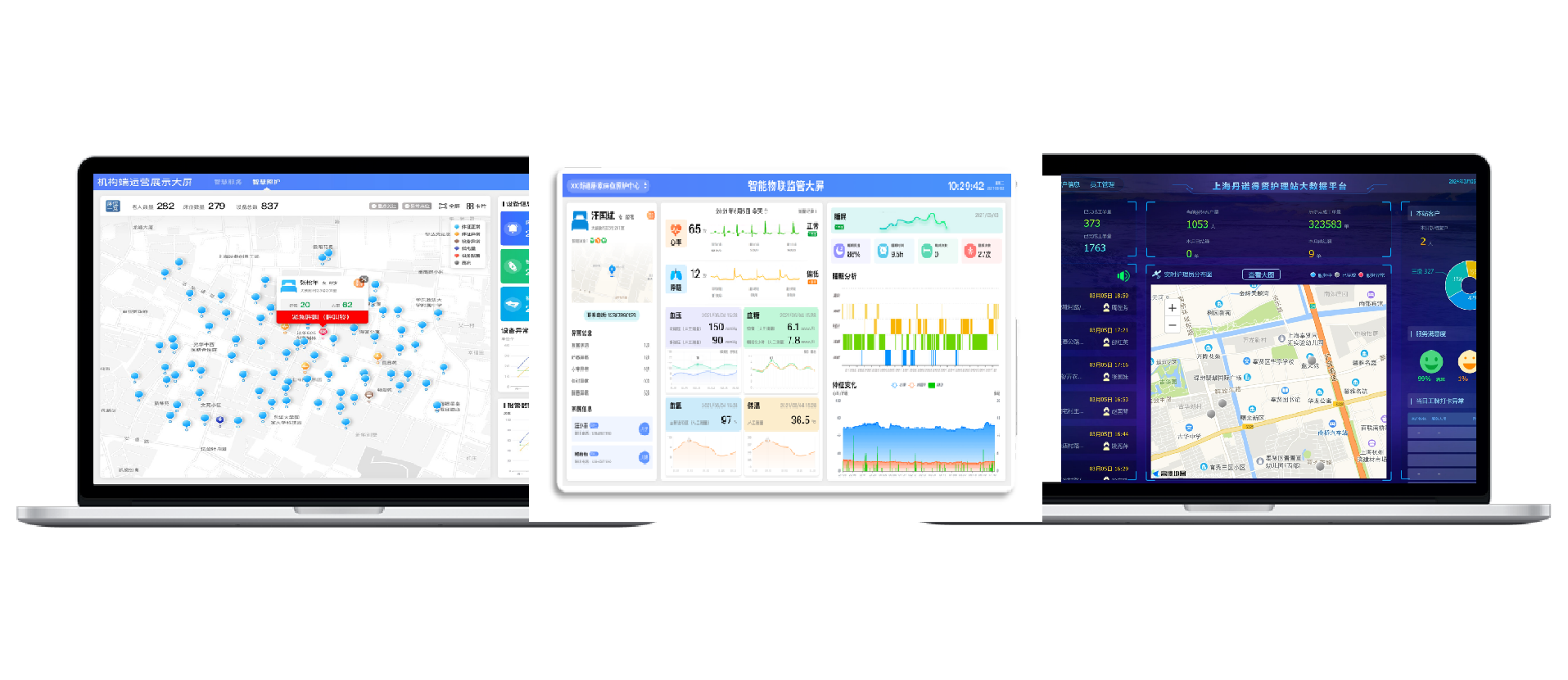
First, standardized institutional management.Dannokang clearly delineates departmental responsibilities through its rules and regulations.Second, the establishment of a refined management system.Timothy Chen has deeply integrated GE’s dual-line management and performance evaluation system into Danuokang’s development. At the core of this integration is undoubtedly the assurance of service quality, which serves as the company’s lifeline. To this end, Danuokang has established a bidirectional training and quality control (QC) management system. In essence, headquarters-led training focuses on care philosophies, behavioral standards, laws and regulations, professional caregiving knowledge, service item standards and specifications, and local cultural nuances, thereby ensuring consistent delivery of frontline services. Meanwhile, through a three-tier QC system spanning headquarters, regional offices, and local sites, Danuokang ensures the effective and high-quality provision of long-term care services.Third, the application of digital remote management systems.In the realm of in-home care services, Danuokang has achieved dynamic coordination of daily operations and service delivery, as well as real-time monitoring of service status, through its digital platform.
It is also due to Danuokang’s adherence to and advocacy of standardization, as well as its establishment of a benchmark model within the industry, that the group standard “Specifications for Nursing Assistant Services,” drafted by Danuokang under the auspices of the China Social Welfare and Elderly Care Service Association, was released in 2023, further guiding the standardized development of the industry.
But for Timothy Chen, perhaps more important is a question that demands continuous reflection: How can GE, as a century-old enterprise, sustain its innovative vitality? This will be a recurring challenge for Danuokang in its future development.
The decision to enter the home care sector in 2018 was influenced by the judgments of Danuokang’s founder, co-founders, and other key stakeholders.
In fact, as early as Christmas 2015, Timothy Chen began discussing with his two co-founders, Shu Chen (Chairman) and Jinfen Tao (Deputy General Manager), how to leverage the founding team’s more than 20 years of experience in overseas rehabilitation care and product development to tap into opportunities in China’s elderly care industry. Undoubtedly, on one hand, from a policy perspective, the introduction of policies such as the “Several Opinions of the State Council on Accelerating the Development of the Elderly Care Service Industry” (Guo Fa [2013]) sent a clear signal encouraging and guiding social forces to participate in the elderly care sector. On the other hand, the one-child policy and the growing trend of empty-nest households have further exacerbated elderly care challenges. The deepening aging of the population will undoubtedly intensify this issue even further.
However, selecting an appropriate business model proved challenging. Consequently, starting in 2016, Timothy Chen and his two partners conducted extensive research in the United States, Denmark, Germany, Japan, China, and other countries, engaging in in-depth analysis of business models such as institutional elderly care and home-based care. Compared with institutional care, home-based care offers broader coverage, a shorter return-on-investment period, and better aligns with China’s basic national conditions characterized by rapid population aging and the phenomenon of “getting old before getting rich.” Leveraging the accelerated implementation of China’s Long-Term Care Insurance (LTCI) system, drawing on nearly three decades of successful practice from the U.S. LTCI model, and integrating mature caregiving concepts from Europe and the United States, the founders of Dannuo Kang selected home-based care services supported by LTCI as the company’s foundational business model, committing to provide high-quality caregiving services to Chinese families.
However, in the course of its development, Dannokang has undoubtedly recognized other latent opportunities within the elderly care industry—
On the one hand, the State Council’s “14th Five-Year Plan for National Aging Cause Development and Elderly Care Service System” requires that the total number of elderly care service beds reach more than 9 million by 2025.This will undoubtedly further drive the development of home-based elderly care beds. Meanwhile, hardware and services for home-based elderly care will continue to unlock a market exceeding RMB 100 billion in scale.
On the other hand, due to aging, most elderly people suffer from neurodegenerative diseases and other conditions, which has given rise to another specialized rehabilitation market focused on musculoskeletal and neurological rehabilitation for the elderly.The rapid rise of rehabilitation concepts in China has also created opportunities for the further development of disease-specific rehabilitation.
Furthermore, in the process of long-term care services, older adults do not merely require services; they also need support from certain products.Products that support the daily activities of seniors, such as rehabilitation assistive devices, along with health-related peripheral scenarios, undoubtedly hold significant growth potential. Furthermore, seniors born in the 1960s and 1970s possess considerable spending power, owing to their higher levels of education and the economic benefits they accrued during China’s reform and opening-up period. The continuous rise in the number of internet users aged 50 and above has further driven sustained growth in demand for age-related products and services.
Against this backdrop, DanuoKang has built a strongly interconnected and diversified business model by integrating medical-care services and products, with home-based care and home-based elderly care beds as its two foundational pillars, thereby providing one-stop smart health and elderly care services to seniors in communities and households.
Centered on this business model, Danuokang has established targeted collaborations with various stakeholders to deliver its services. To address the needs of the government sector (G-end), Danuokang provides comprehensive outputs of care systems and solutions. In its partnerships with business entities (B-end), such as adult day care centers and commercial insurance institutions, the company focuses on delivering its smart care system and related services. For individual consumers (C-end), Danuokang offers caregiving services, specialized disease management and rehabilitation services, as well as associated rehabilitative assistive devices and peripheral health products. For the healthcare provider sector (H-end), Danuokang has entered into strategic collaborations with multiple hospitals, leveraging these partnerships to better serve individual consumers.
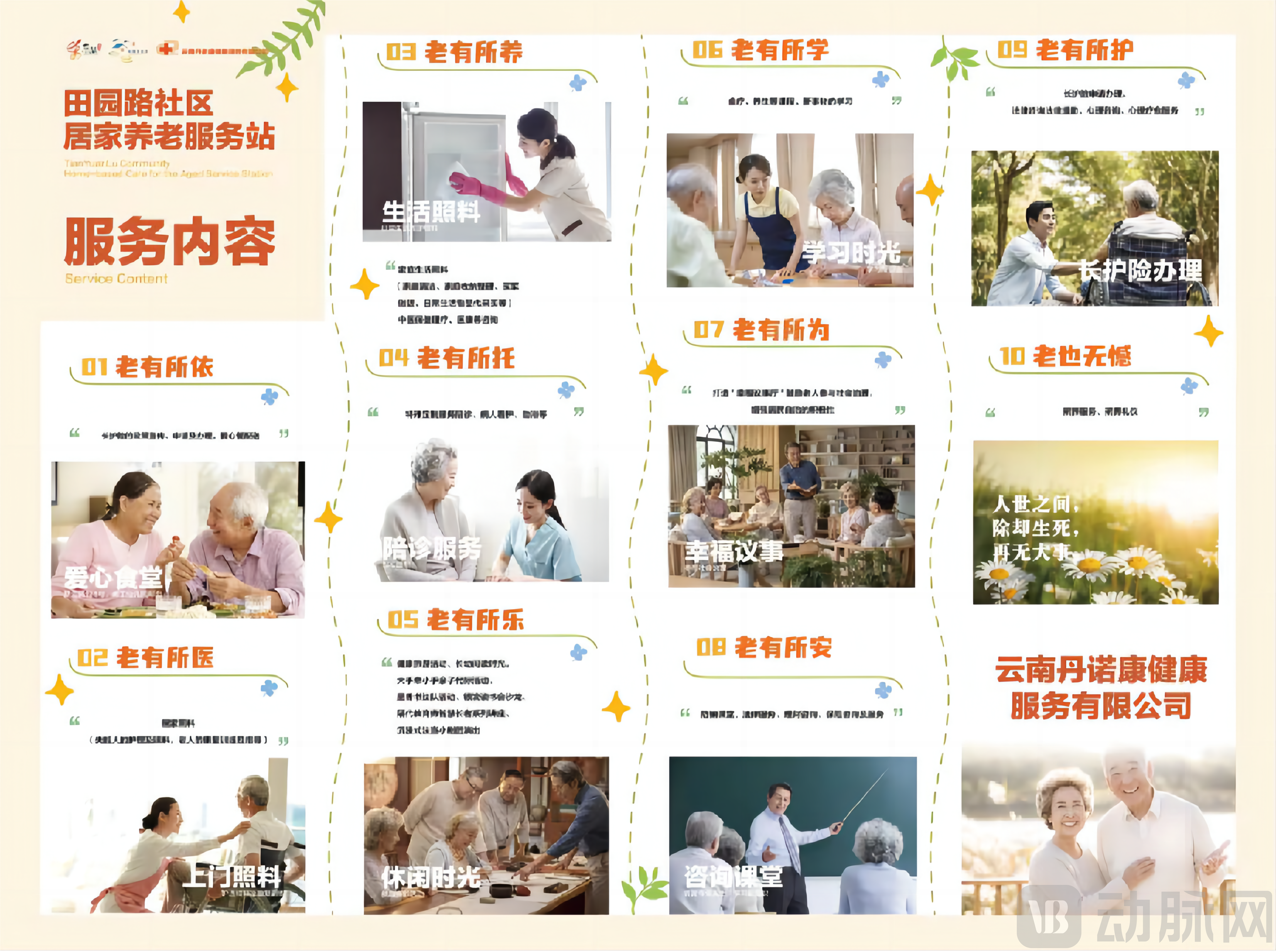
Taking the Dannokang Kunming Community Service Center as an example, the center is equipped with a charitable canteen, a traditional Chinese medicine clinic, on-site consultations by regional hospital physicians, purchasing agency services for daily necessities, and in-home nursing care, thereby fully meeting the diverse needs of elderly residents in the community. From June 2023 to the present, it has provided services to the elderly over 10,000 times.
Through further exploration of its business model, Dannuo Kang has successfully transitioned from a regional to a national company and evolved from a single-product to a diversified business model, achieving a sevenfold increase in revenue over the three-year period from 2020 to 2023.
With the General Office of the State Council issuing the “Opinions on Developing the Silver Economy to Enhance the Well-being of the Elderly” this year, the silver economy has been thrust into the spotlight. At a regular press briefing, the National Development and Reform Commission pointed out that the silver economy encompasses both the “elderly-stage senior economy” and the “pre-elderly-stage preparatory economy.” In the future, further expanding the “pre-elderly-stage preparatory economy” will undoubtedly be a key focus of development.
For Dannokang, the pastThe past five years have focused on building systems, establishing frameworks, stabilizing foundations, and controlling quality, which isThese five years were dedicated to building a sustainable brand and expanding business coverage from regional to national scale. Looking ahead, Dannuo Kang will continue to deepen its specialization and expertise, aiming to achieve comprehensive coverage of both the “silver economy” and the “pre-aging economy.”
Its objectives are, first, to further strengthen the building and cultivation of talent teams; second, to increase investment in research and development, enhance the integration of operational management systems, and thereby achieve a more rapid response to the needs of the elderly; third, to further expand service capacity and continue to penetrate into areas such as “health and nursing care” and “disease-specific care”; and finally, to deepen collaboration with B-side enterprises to better realize strong alliances in products for the pre-elderly economy, thus meeting diverse demands.
Ultimately, Dannokang hopes to leverage its own model to fulfill its mission: “Empowering seniors with greater self-care! Giving families greater peace of mind! Making life better!”