

Eleven Organizations Collaborate to Advance CGT Industry Upgrade Initiative at Guangzhou International Enterprise Incubator

Yeasen
Tool Enzyme Raw Materials and Diagnostic Product R&D, Manufacturer

VectorBuilder
Gene Delivery Technology Developer
Life Biosciences
Experimental Animal Research Service Provider

Legend Capital
Early-stage venture capital and growth-stage private equity investment institutions
“One person can run fast, but a group can go further.”
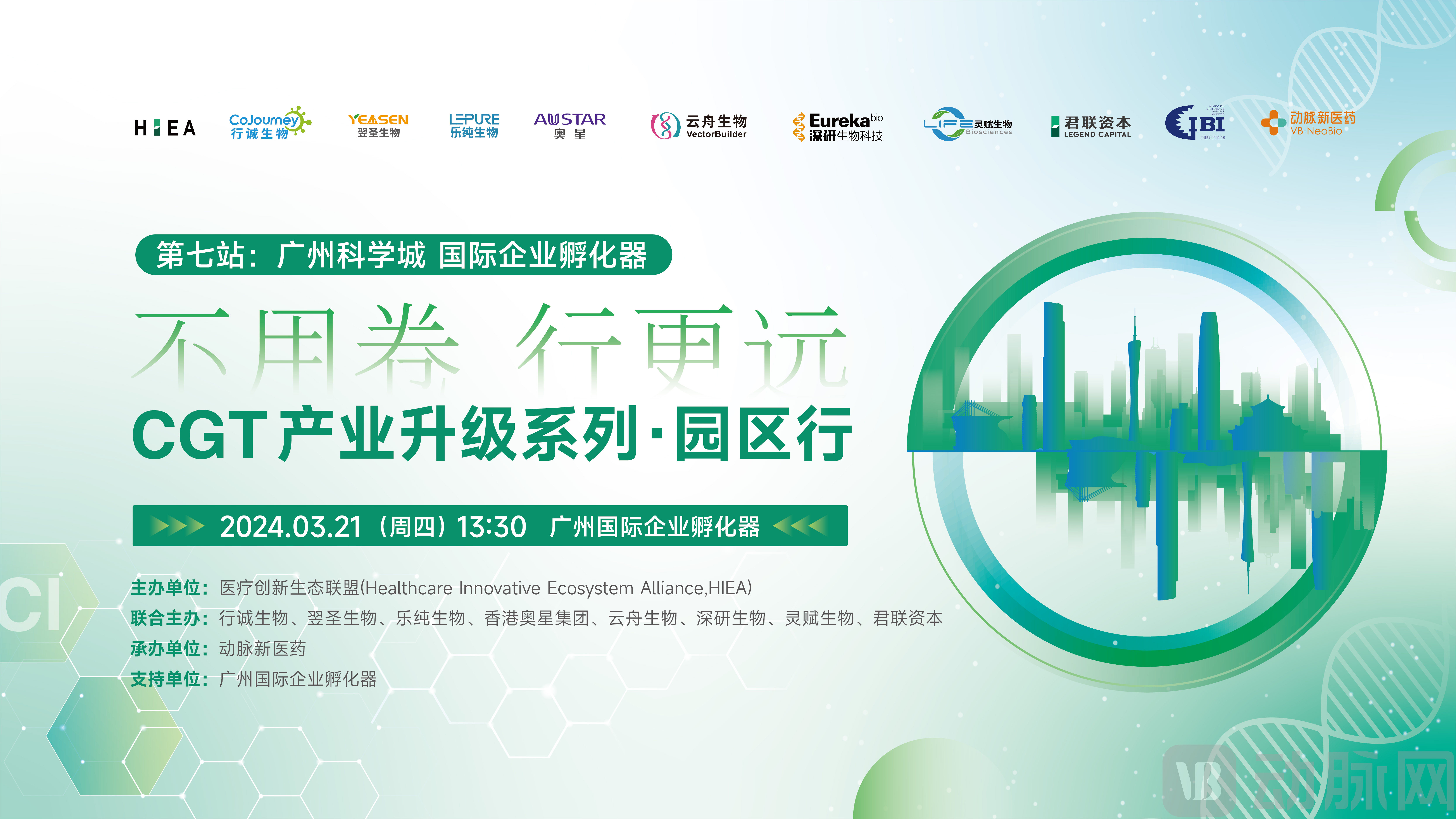
On the afternoon of March 21, jointly hosted by HIEA, Hangzhou Xingcheng Biotechnology Co., Ltd., Yeasen, LePure Introduction, Austar Group, VectorBuilder, Shenzhen Shenyan Biological Technology Co. LTD, Life Biosciences, and Legend Capital, and organized by VCBeat New Medicine[No Rat Race, Go Further] The 7th Stop of the CGT Industry Upgrade Series · Park Tour Event Was Held at the Guangzhou Science City International Business Incubator.
This initiative is jointly launched by a cohort of leading enterprises specializing in the cell and gene therapy (CGT) industry chain. By pooling each company’s unique core competencies and high-quality resources, the collaboration spans key domains including R&D of high-end equipment technologies, establishment of curated raw material supply chains, integrated supply of efficient consumables, refinement and upgrading of precision manufacturing processes, and advanced, rigorous testing technologies. The aim is to collectively provide robust momentum and a solid foundation for CGT innovative pharmaceutical companies throughout their product development lifecycles and industrial upgrade journeys.
Dr. Liu Xiao, Vice President of Business and Marketing at Hangzhou Xingcheng Biotechnology Co., Ltd. & Deputy Director of the MAH Special Committee of the China Pharmaceutical Enterprise Management AssociationServing as the moderator of this event, and under the guidance of Dr. Liu Xiao, the conference featured in-depth dialogue and discussions spanning multiple dimensions, from emerging trends in industry investment and financing to CMC process optimization and industrialization. The event transcended one-way information dissemination, instead fostering intense intellectual exchange and interactive engagement. Distinguished guests actively participated in the discussions and shared their insights, creating a dynamic and highly engaging atmosphere throughout the venue.
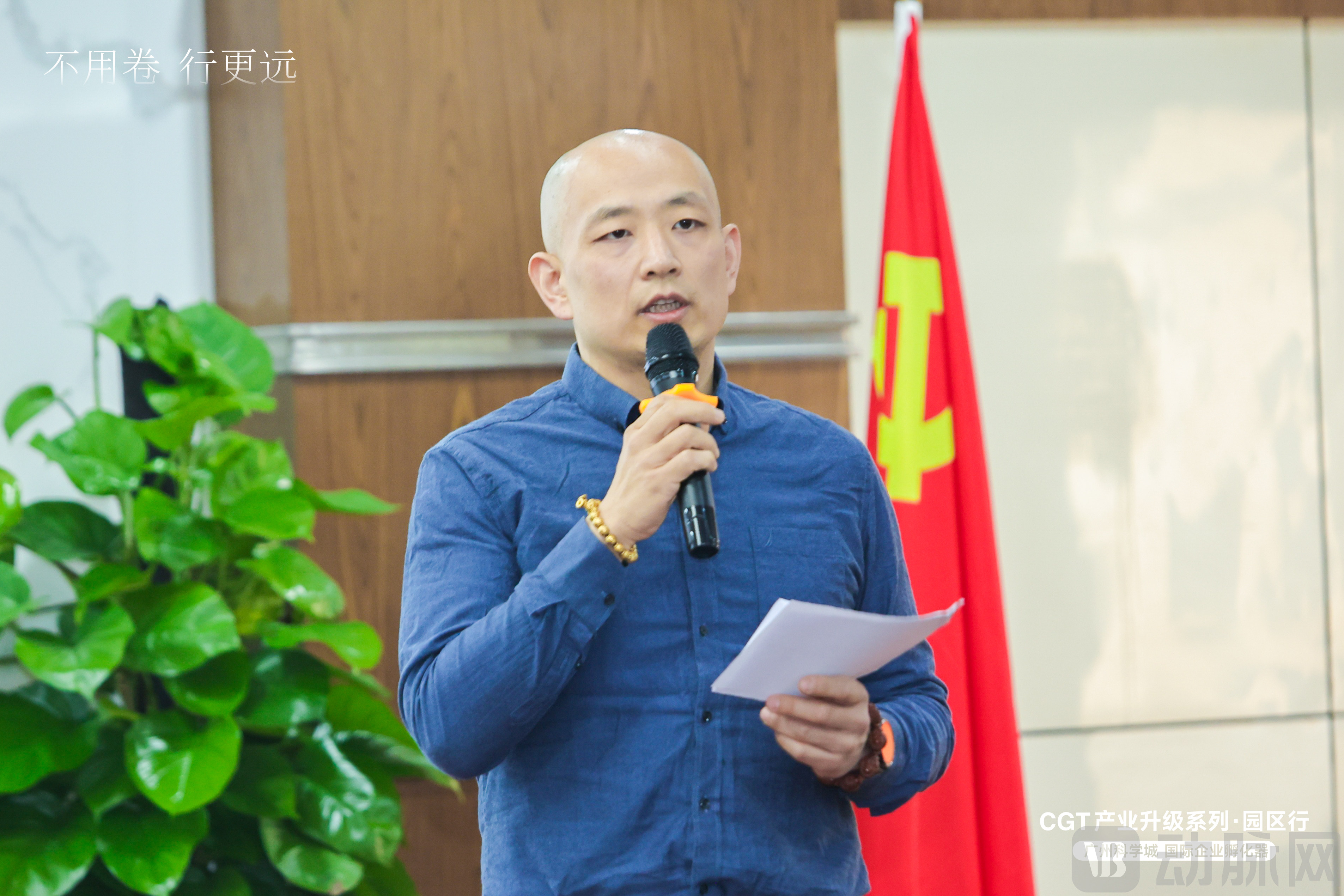
▲ Liu Xiao | Vice President of Business and Marketing, Xingcheng Biotechnology
Deputy Director of the MAH Special Committee, China Pharmaceutical Enterprise Management Association
This event received significant attention and support from the leadership of Guangzhou International Business Incubator,Hu Juanhong, Deputy General Manager of Guangzhou Science and Technology Finance Group and Chairman of Guangzhou International Business IncubatorThis article highlights the achievements of the Guangzhou International Business Incubator after years of development. Currently, approximately 230 companies are stationed in the incubator, with 60% being biopharmaceutical-related enterprises, and it has attracted a number of companies in the field of CGT (Cell and Gene Therapy). In recent years, the park has adopted a model of "landlord + shareholder + steward + partner," established a park fund to invest in multiple companies, and collaborated with industry partners to jointly build research institutes and public platforms for biopharmaceuticals.
The park not only features incubators and accelerators but also develops customized facilities tailored to the needs of biopharmaceutical enterprises. In the future, the park will prioritize the development of public service platforms, enterprise empowerment policies, smart park infrastructure, and international cooperation platforms, aiming to foster in-depth collaboration with resident companies, particularly in R&D investment within high-growth segments of the biopharmaceutical industry.
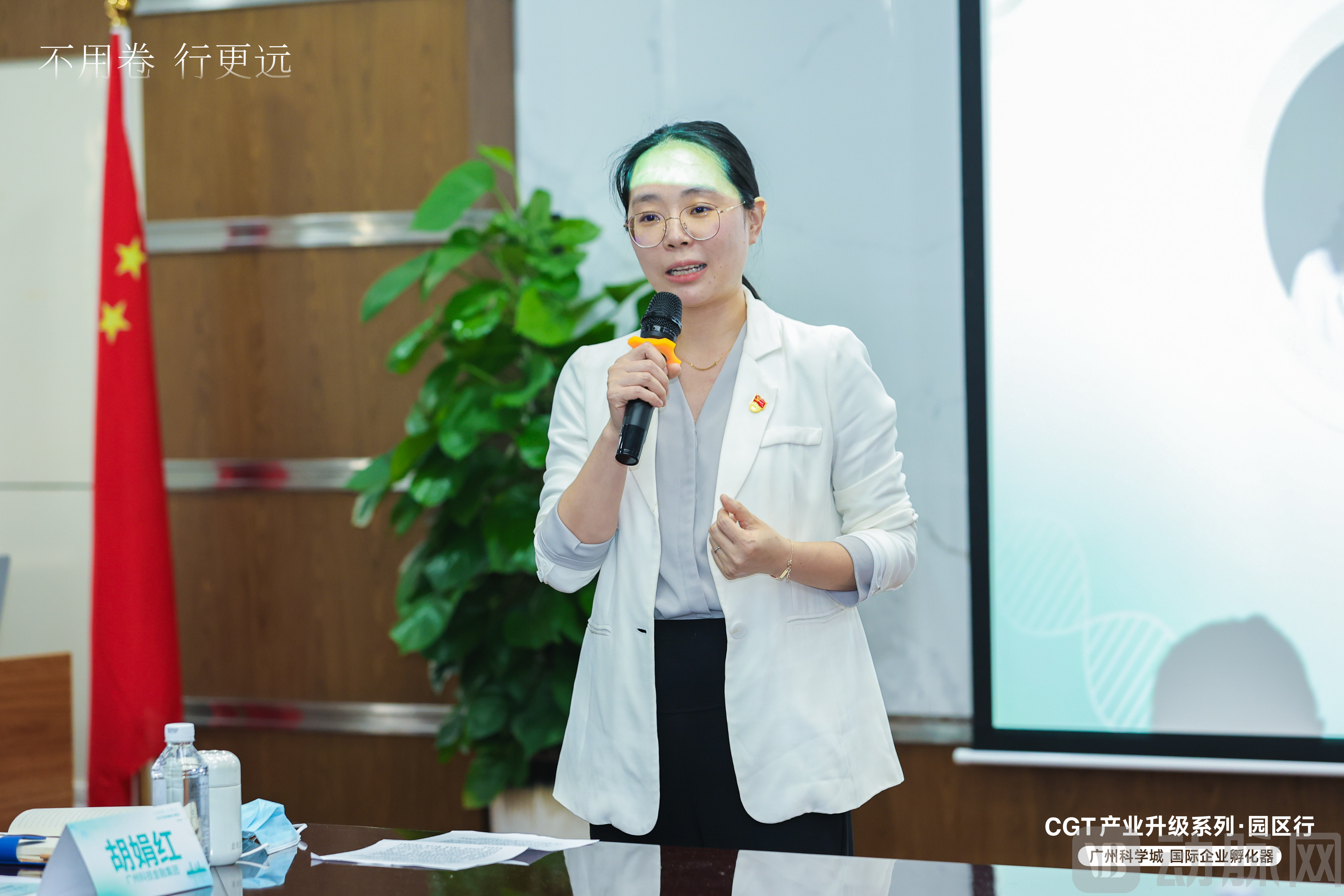
▲ Hu Juanhong | Deputy General Manager, Guangzhou Science and Technology Finance Group,
Chairman of Guangzhou International Business Incubator
"Preparation and Evaluation of Disease Models in Non-Human Primates"
Li Yuefeng | R&D Director, Guangdong Landao Biotechnology

“Reducing the risk of R&D failure, primate validation is crucial.”
Key Takeaways:
Mr. Li Yuefeng elaborated on three key models: first, the MCAO model created via craniotomy to simulate stroke, ensuring precise infarction and combining imaging with behavioral assessments; second, the Parkinson’s disease model, utilizing agents such as MPTP to recapitulate symptoms, with model efficacy measured by PET detection of changes in dopamine uptake and behavioral scoring; and third, the spinal cord injury model, employing precision equipment to simulate cervical injury, controlling the severity of damage, and evaluating outcomes through imaging and pathological analysis.
In the field of metabolic diseases, this section focuses on the establishment of diabetes and hyperlipidemia models, such as rapidly inducing disease by altering light-dark cycles and administering high-fat diets. The quality of these models and the efficacy of therapeutic interventions are evaluated using various physiological indicators, including blood glucose monitoring and glucose tolerance tests, as well as behavioral assays.
Meanwhile, the advantages of Guangdong Landao Biotechnology Co., Ltd. in primate experimentation were emphasized, including its long-standing history and advanced technological capabilities, state-of-the-art imaging equipment, brain-computer interface (BCI) technology platform, comprehensive experimental facilities and accredited qualifications, as well as collaborative partnerships with numerous research institutions and universities. By continuously optimizing experimental techniques and methodologies, Landao Biotechnology is committed to providing clients with efficient and reliable solutions for new drug development.
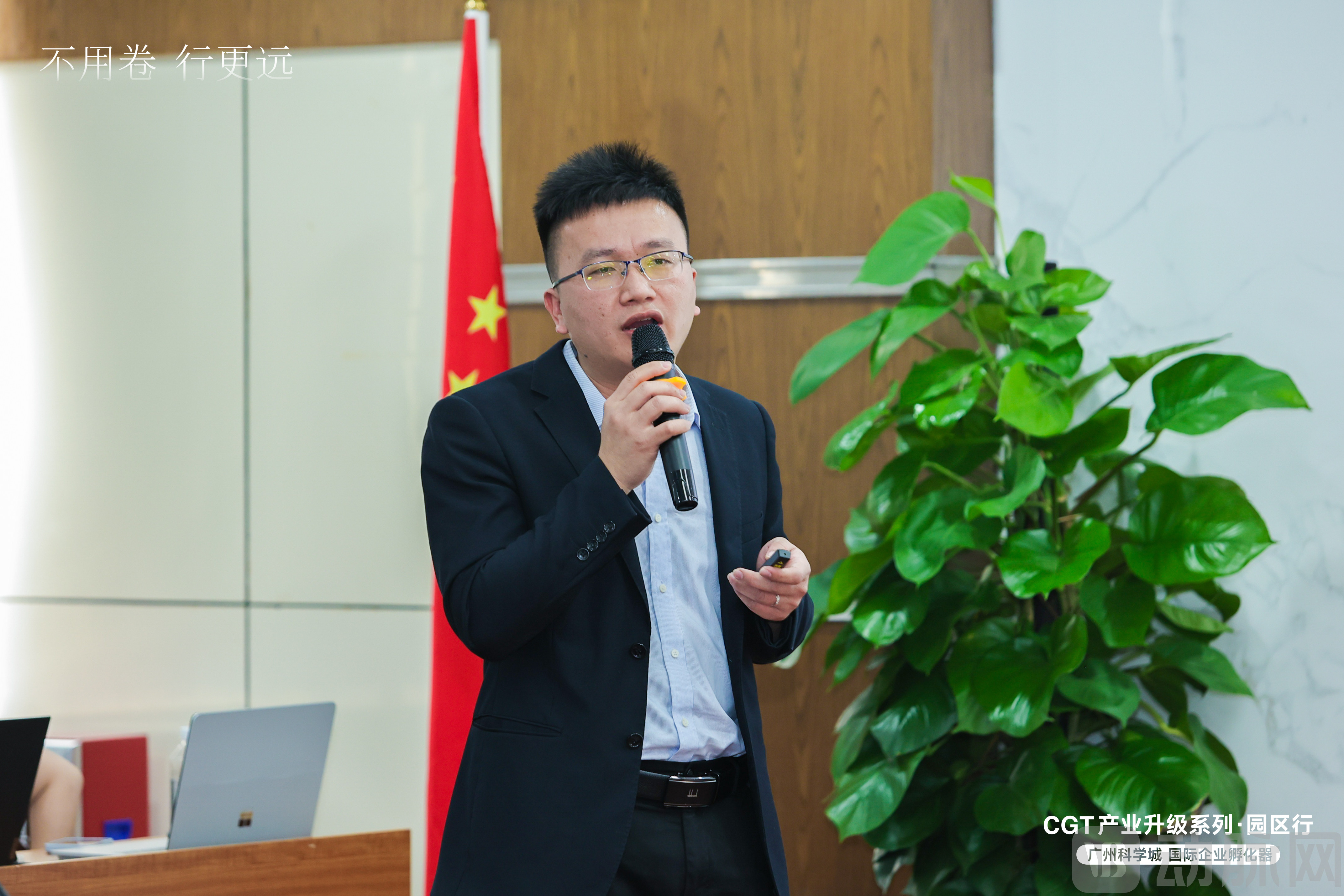
▲ Li Yuefeng | Head of R&D Department, Guangdong Landao Biology
“How to Design and Build
Compliant and Efficient ATMP Facilities》
Kang Wei | Vice President, Strategic Consulting, Austar Group
“Because it concerns life, compliance and efficiency cannot be overlooked.”
Key Takeaways:
How to Plan and Design Compliant and Efficient ATMP Facilities: Given the growing popularity of such projects, standards for compliance and efficiency are still maturing. The design of ATMP facilities must primarily adhere to Good Manufacturing Practice (GMP) principles, with particular emphasis on ensuring aseptic operations during cell therapy processes. Concurrently, biosafety issues—including personnel training, waste disposal, and environmental protection—must be prioritized. It is also essential to balance initial capital investment, operational costs, and facility efficiency, while enhancing the facility’s adaptability to future process changes and technological upgrades.
Regarding risk control, the Contamination Control Strategy (CCS) is emphasized as a core element throughout the entire project lifecycle, from planning to implementation. It encompasses multiple dimensions, including personnel management, facility infrastructure, isolation strategies, and equipment configuration. In domestic practice, design efforts often focus merely on basic regulatory compliance and safety, while falling short in meeting stringent GMP requirements, implementing lean production principles, and ensuring comprehensive contamination control across the entire process. Therefore, greater attention must be paid to process layout, clean area classification, airflow control, material flow paths, and meticulous contamination control measures.
Finally, it is emphasized that the design of domestic ATMP facilities should draw on advanced international experience, optimize design details in all aspects, and comprehensively consider operational costs, resource utilization efficiency, and other factors, with the aim of achieving the goal of building truly compliant and efficient ATMP facilities.
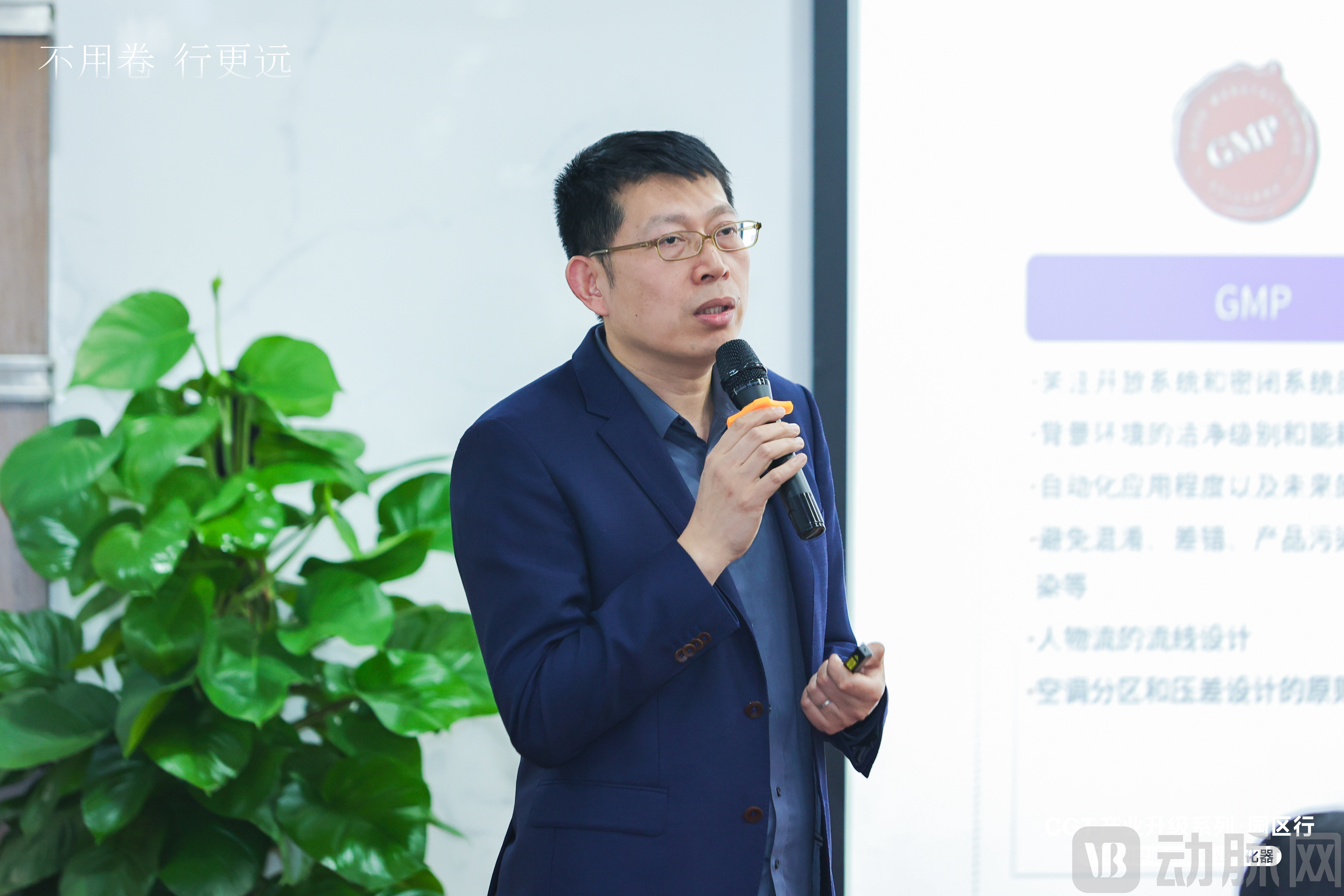
▲ Kang Wei | Vice President of Strategic Consulting, Austar Group
【Panel 1】
How to Join Forces to Support CGT Companies
From IND to BLA: Stable, Fast, and Cost-Effective?
Panel 1 Session byDr. Xiao LiuModerator, AttendeesTan Guosheng, Director of Key Accounts at Yeasen; Kang Wei, Vice President of Strategic Consulting at Austar Group; Yuan Jun, Head of BioService at LePure Biotech and CTO of Kangsheng Biotech; Liu Bin, Chief Marketing Officer at Shenyan Biotech; Yi Yanqiong, CEO of Life Biosciences TopShared diverse perspectives and in-depth insights.
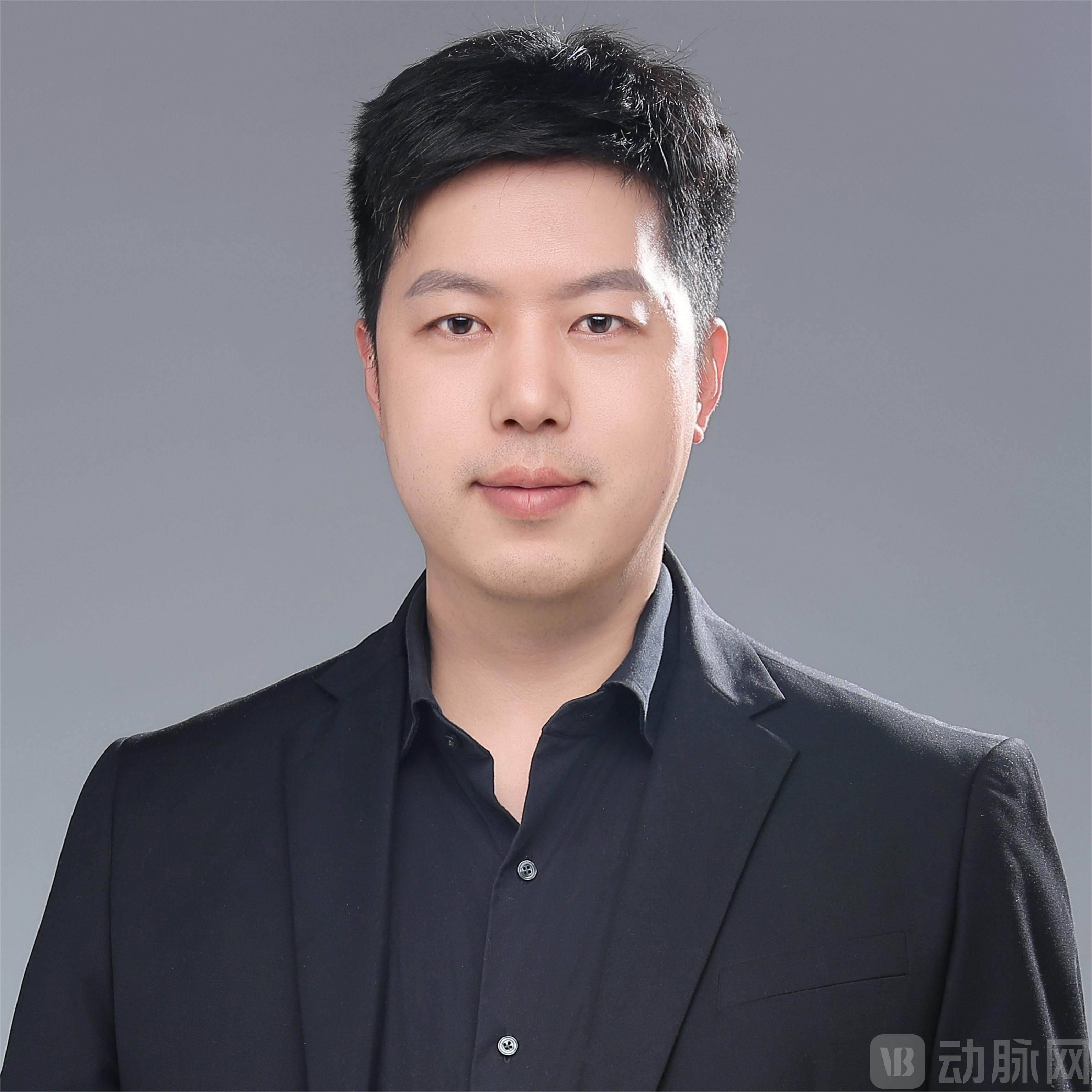
“Regarding stability, speed, and cost-efficiency, both clients and suppliers seem to be pursuing the same goal: cost reduction and efficiency improvement. Yeasen delivers both cost savings and peace of mind. Cost savings are primarily achieved through import substitution, often exceeding customer expectations in terms of cost reduction. Peace of mind is ensured by providing high-quality products, a robust quality management system, and improved success rates in testing and applications, complemented by professional and timely pre-sales and after-sales support from our sales and technical teams.”
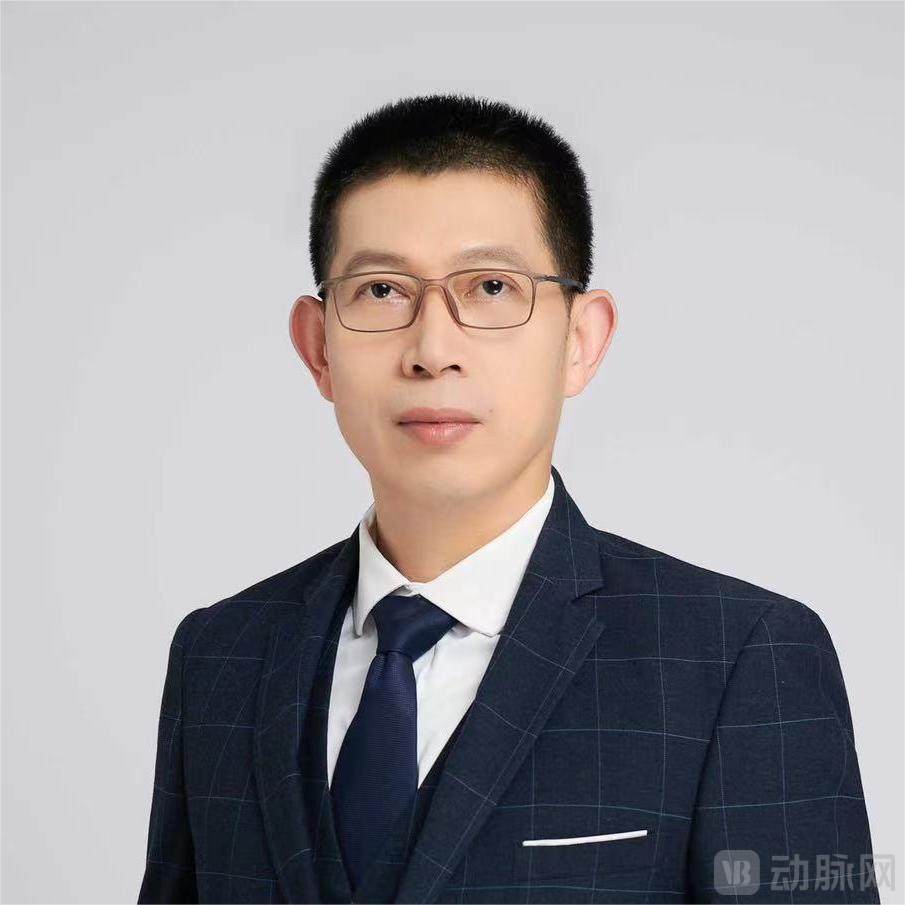
“Austar specializes in pharmaceutical consulting and engineering technical services, centered on three key words: safety, compliance, and efficiency. When planning and constructing a plant or a pharmaceutical facility, it is quite challenging to balance these three aspects from the initial stage of the project. Our team possesses practical experience in both international and domestic pharmaceutical projects, enabling us to provide comprehensive consulting and engineering technical services.”
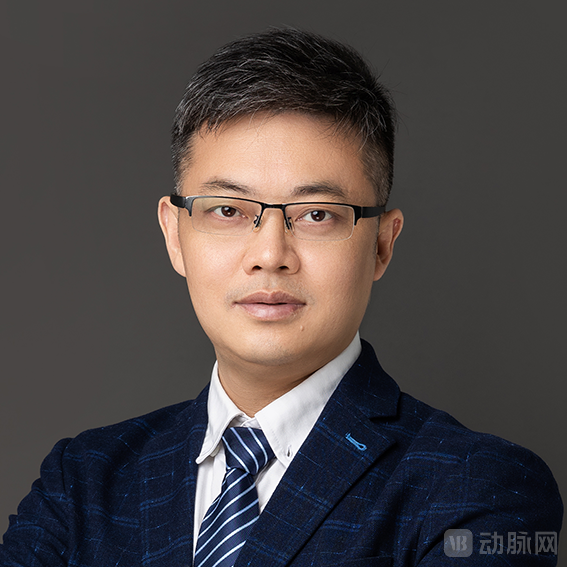
“Currently, both CGT companies and the entire supply chain industry are pursuing ‘stability, speed, and cost-efficiency’; particularly ‘cost-efficiency,’ as clients have imposed increasingly stringent pricing requirements on service providers over the past two to three years. To enhance market competitiveness, both clients and service providers are driving cost reduction and efficiency improvements to promote healthy corporate development. Ultimately, we aim to establish a virtuous cycle in the collaboration between clients and service providers, achieving a win-win outcome.”
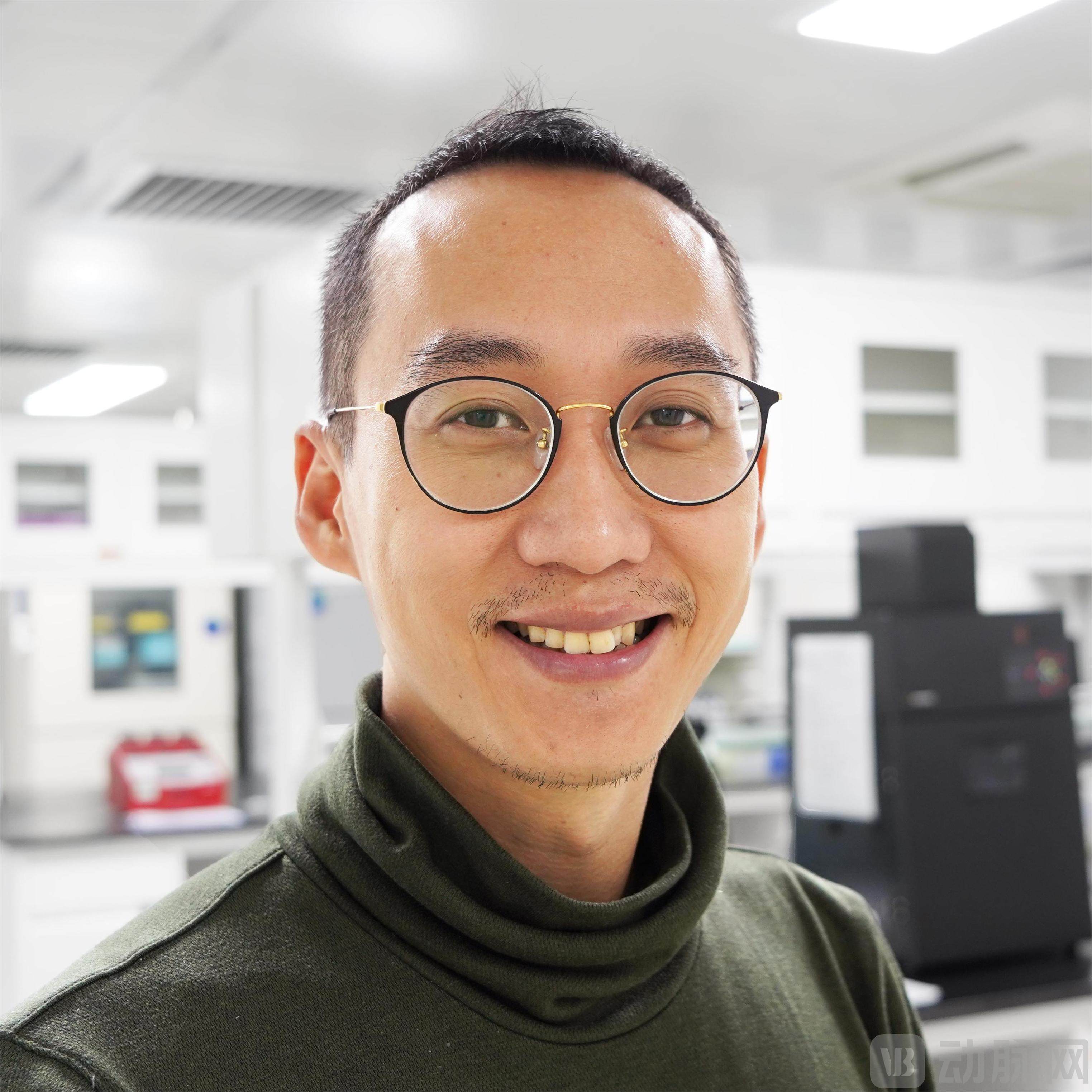
“I believe that ‘stability’ is not actually a requirement imposed by the client (Party A) on the service provider (Party B), but rather a fundamental expectation that Party B should have for itself, or a demand for continuous improvement. If one cannot even ensure the quality of the product, then the marketing materials presented lack any solid foundation. Therefore, regardless of whether the client explicitly demands it, Party B must maintain its own ‘stability’ and deliver outcomes that represent quality, service, and excellence in every aspect.”
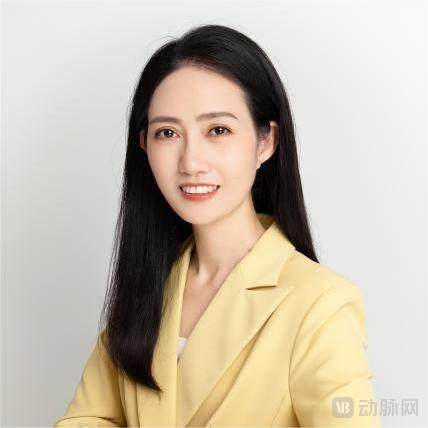
“For industrial clients, we ensure model stability and data consistency; for hospital and university clients in the research sector, we strive to offer the most competitive pricing. We are fully capable of meeting all these requirements. Having operated in Shenzhen for seven years, we recognize that building a strong reputation and establishing brand value are paramount.”
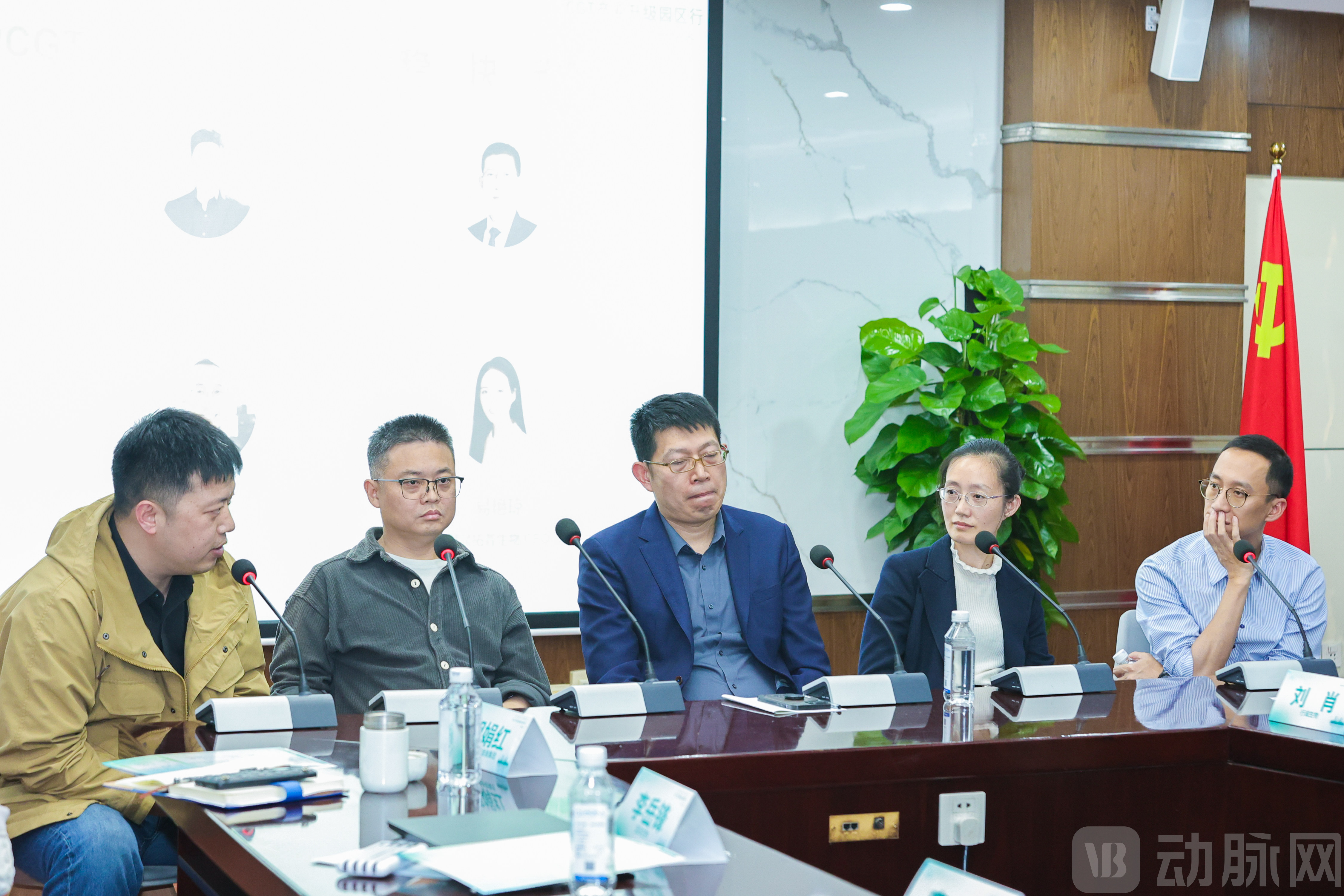
▲Panel 1 — How to Join Forces to Support CGT Companies
From IND to BLA: Stable, Fast, and Cost-Effective?
【Panel 2】Discussing Industrial Upgrading:
Key CMC Considerations and Strategies for Gene and Cell Therapy
Lu Binyan, Deputy General Manager of Ruizhen Regenerative Medicine; Gao Tangxin, Senior Scientist at Lantu Biopharmaceuticals; Xu Yan, R&D Director at Jide Kangmin and Associate Professor at Jinan University; Liu Dong, Quality Director at Xiankangda; Liu Liping, Quality Director at Weirongte Pharmaceuticals; Li Junhui, Vice President of Production and CTO at Xingcheng Biotechnology; Huang Rui, Executive President of VectorBuilderInDr. Xiao Liuunder the moderation of, a discussion was held.
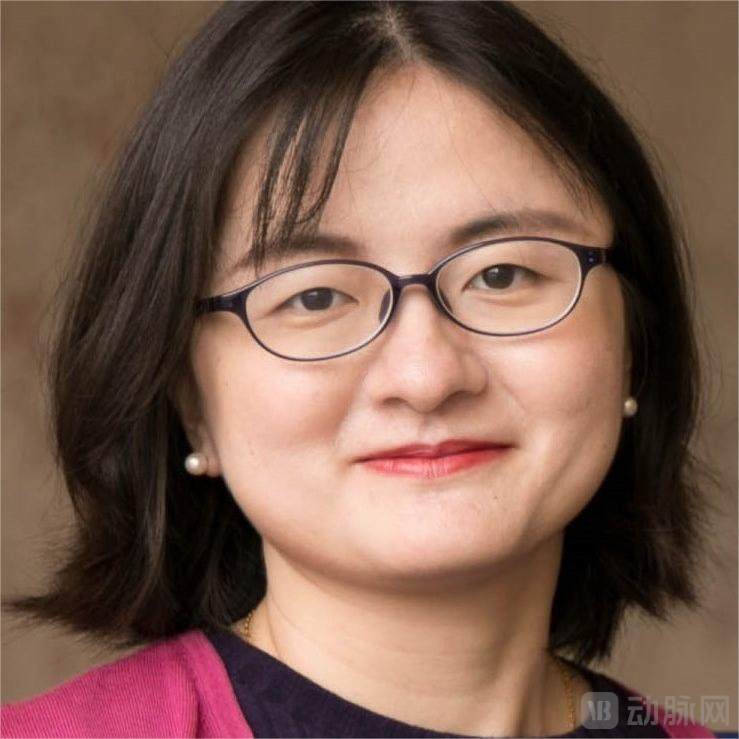
“Why do clients want everything? A fundamental underlying reason is that clients themselves have their own clients, leading to intense competition throughout the process; both clients and service providers share the same demands. In our view, the domestic industry is developing at a very rapid pace. This is driven by two main factors: first, the localization of certain development instruments and equipment, and second, the rapid progress in developing specific functionalities following the emergence of new therapies.”
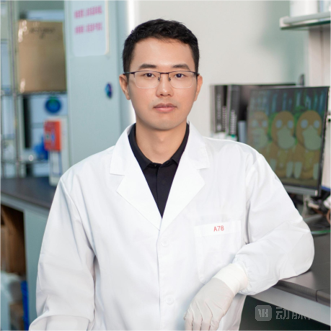
“We are also advancing pipeline candidates that major international pharmaceutical companies are not yet equipped to develop. To date, no other company globally is competing in the field of Menkes disease research; we are the sole player. This has attracted significant attention from top academic institutions and hospitals in Europe, the United States, and Japan that specialize in researching such diseases. Regarding the current state of industry development, I personally feel that while everyone’s hardware capabilities are excellent, there is substantial room for improvement in software.”
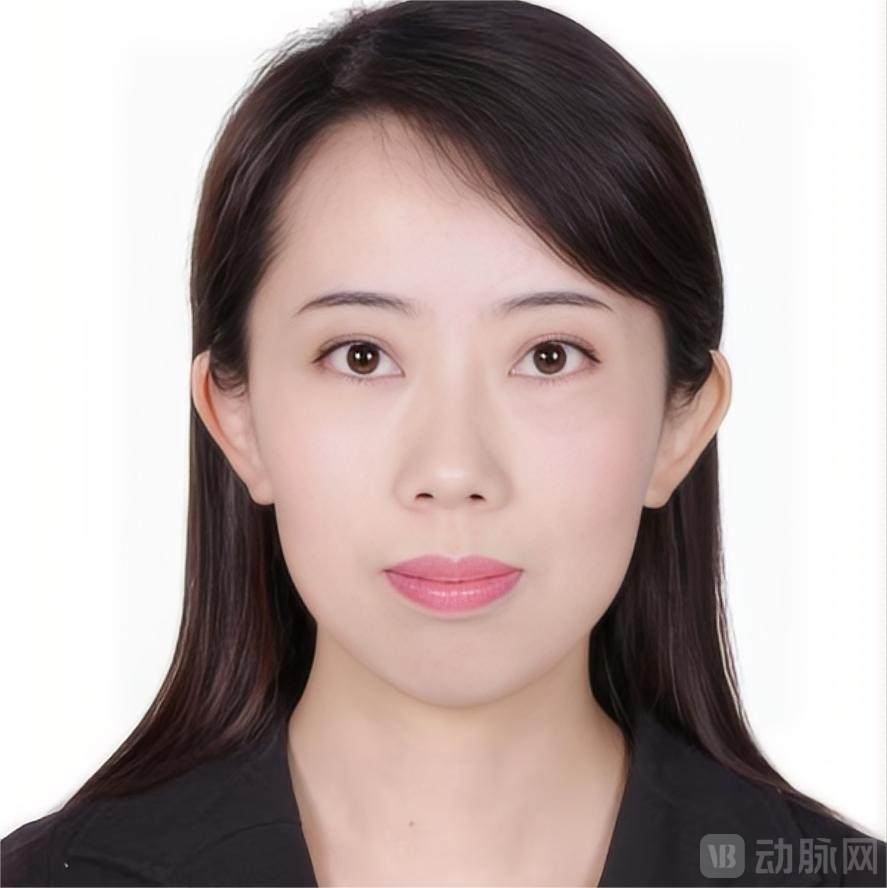
“Transitioning from laboratory-scale cell culture to industrialized production is akin to making a giant leap from small workshops to assembly lines. Initially, we aimed to prioritize domestically produced materials whenever possible. However, there are still certain disparities between domestic and foreign products. Our strategy has been to first learn from external sources when adopting new technologies and equipment, absorbing their high-quality aspects, and then seeking out viable domestic alternatives.”
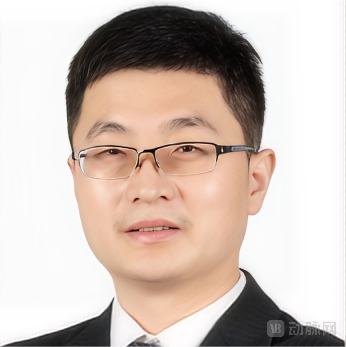
“As a cutting-edge R&D enterprise in cell therapy, we place greater emphasis on the usability and reliability of suppliers’ products. We aim to accelerate development while ensuring stability. For products that have already entered clinical stages, we strive for greater precision and speed. If trialing and testing a supplier’s products would consume excessive time, we prefer to partner with established brands to expedite market rollout. While cost reduction and efficiency improvement may be deprioritized, we remain open to collaborating with domestic brands.”
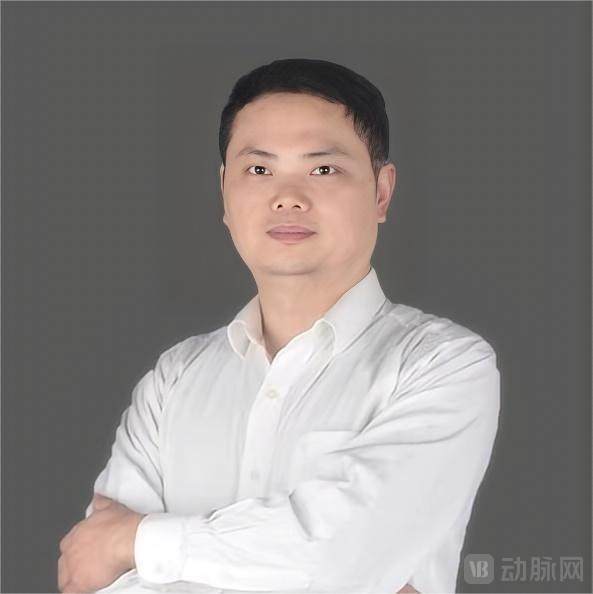
“As the sponsor, when selecting a CDMO partner, the first consideration is whether its technology is compatible with the product; the second is its reputation and integrity, which can provide greater peace of mind to the sponsor; the third is its hardware facilities, quality management system, and team, which should be capable of ensuring product quality; and the fourth is its experience in project management, demonstrating the ability to effectively control the quality of CMC projects and execute them rigorously. In today’s intensely competitive market, survival depends on who can accelerate product commercialization most rapidly. For future CDMO enterprises, a critical question worth considering is whether they can withstand market scrutiny, particularly by meeting higher international standards following China’s accession to PIC/S and ICH.”
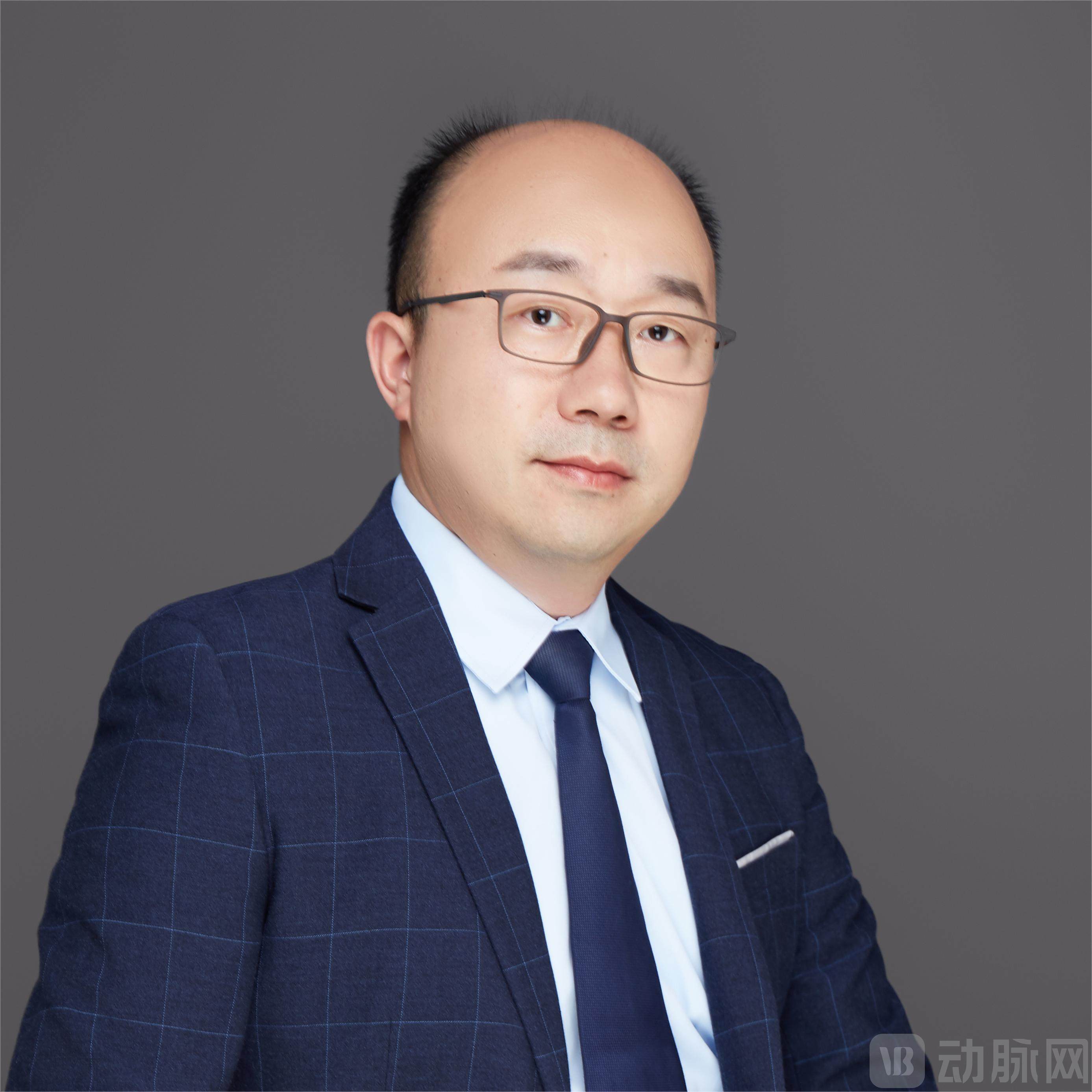
“We aim to leverage our accumulated industry expertise and the ‘begin with the end in mind’ CMC philosophy to support our clients throughout the entire journey of their R&D projects—from Investigator-Initiated Trials (IITs) through product industrialization to commercialization—ultimately delivering gene therapy products that are truly affordable for the Chinese public. As a service provider, we constantly remind ourselves that clients engage us because they expect our CDMO’s CMC capabilities and compliant manufacturing to surpass both their own internal capacities and those of typical CDMO providers in the market. Only by meeting this higher standard can clients confidently entrust their business to us, derive tangible value from our partnership, and secure a competitive edge for their products in the marketplace.”
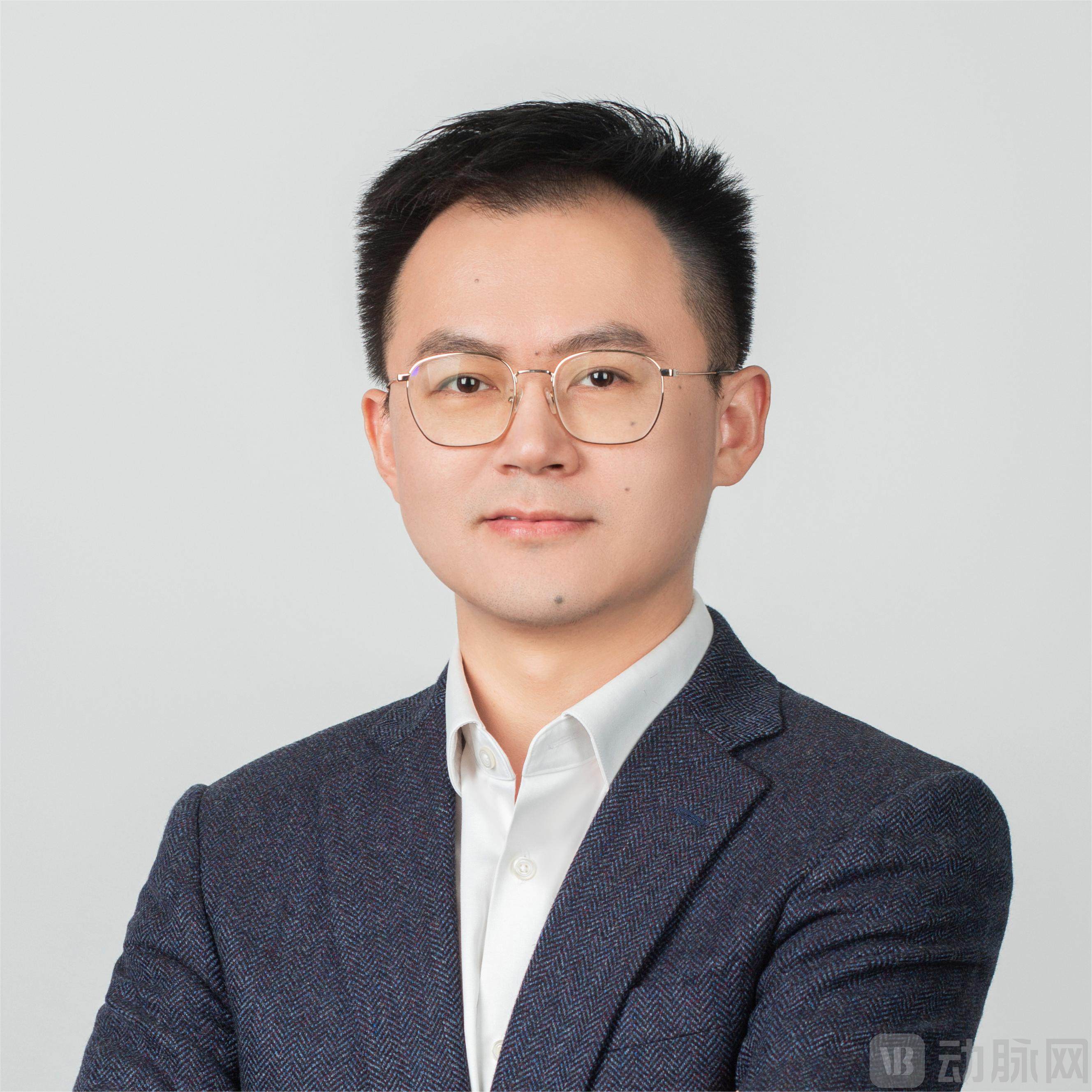
“VectorBuilder serves tens of thousands of clients worldwide, with a business coverage rate exceeding 90% among the top 30 global pharmaceutical companies. Leveraging our extensive accumulation of technical service expertise, our key focus is to translate client requirements into reality and solve problems. Frankly speaking, CDMO companies in China sometimes operate at a loss while providing services; we hope to work together with industry peers to foster the growth of this sector. Only when the downstream sector thrives and China’s CGT industry matures will we, as midstream CRO and CDMO companies, have greater room for development.”
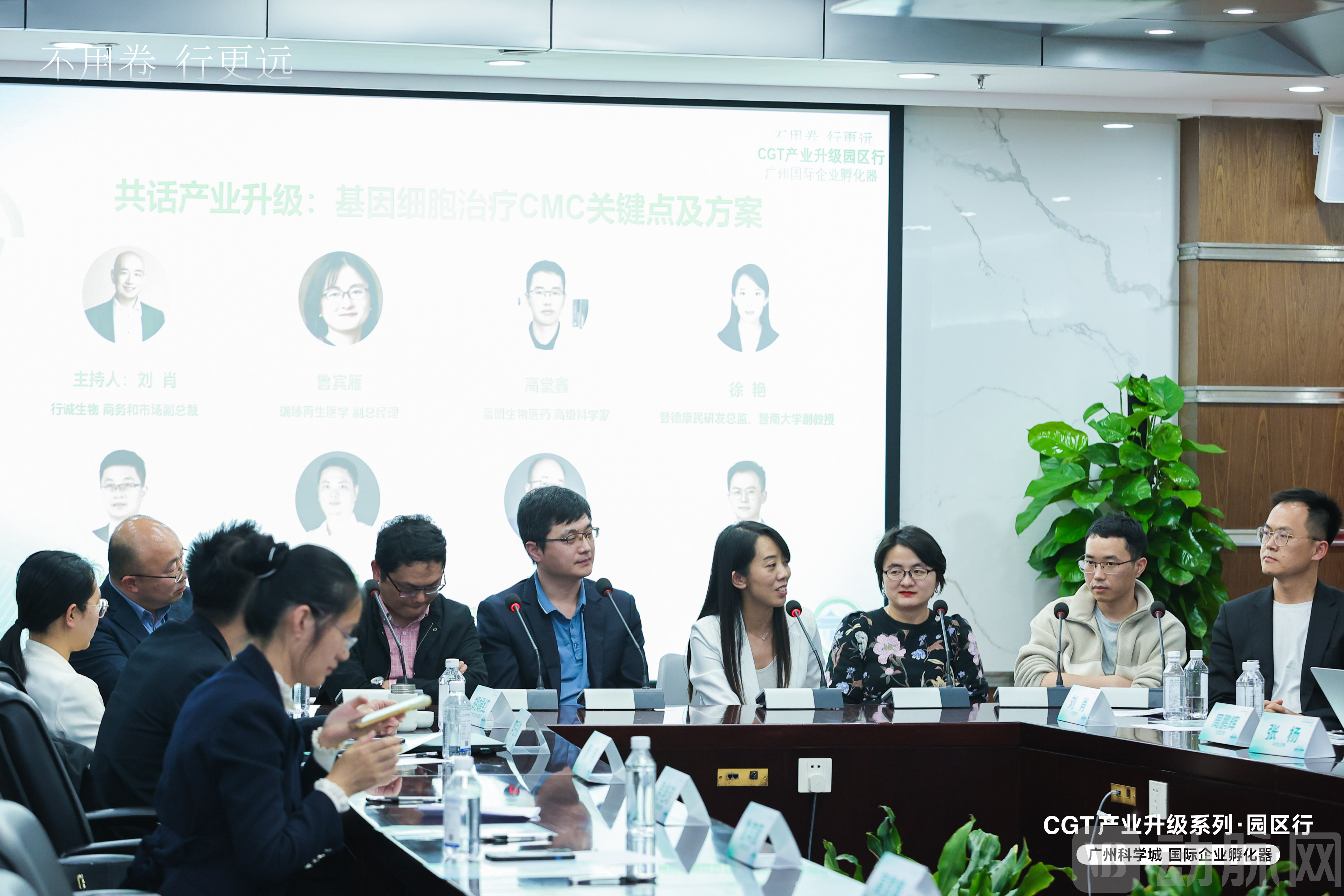
▲Panel 2 — Discussing Industrial Upgrading:
Key CMC Considerations and Strategies for Gene and Cell Therapy
“Progress and Trends in the CGT Industry from an Investment Perspective”
Qi Fei | Executive Director, Legend Capital
“China has the opportunity to become a global innovation hub in the field of CGT.”
Key Takeaways:
Despite significant fluctuations in China’s healthcare industry over the past few years, particularly in capital market investments, the biopharmaceutical investment boom has cooled, with fewer IPOs and increased financing difficulties. Influenced by factors such as geopolitics, global economic cycles, and the domestic policy environment, short-term pressures persist. However, the number of new drug pipelines in China has risen to second globally, and the approval of locally developed innovative drugs has grown rapidly, demonstrating a significant enhancement in China’s pharmaceutical innovation capabilities and its successful integration into the global innovation cycle.
Currently, Chinese enterprises are narrowing the gap with their European and American counterparts in this field, presenting significant development opportunities. Notably, in cell therapy areas such as CAR-T, China brought its first product to market only five years after Europe and the United States, demonstrating the rapid catch-up of China’s pharmaceutical industry in certain niche sectors. Despite facing a capital winter, China is still poised to become a global innovation hub in fields like cell and gene therapy and innovative drug development in the long run. Investment institutions need to look beyond cyclical fluctuations, adhere to long-term value investment, and work together to overcome current challenges, with the aim of ushering in a new cycle of growth in the future.
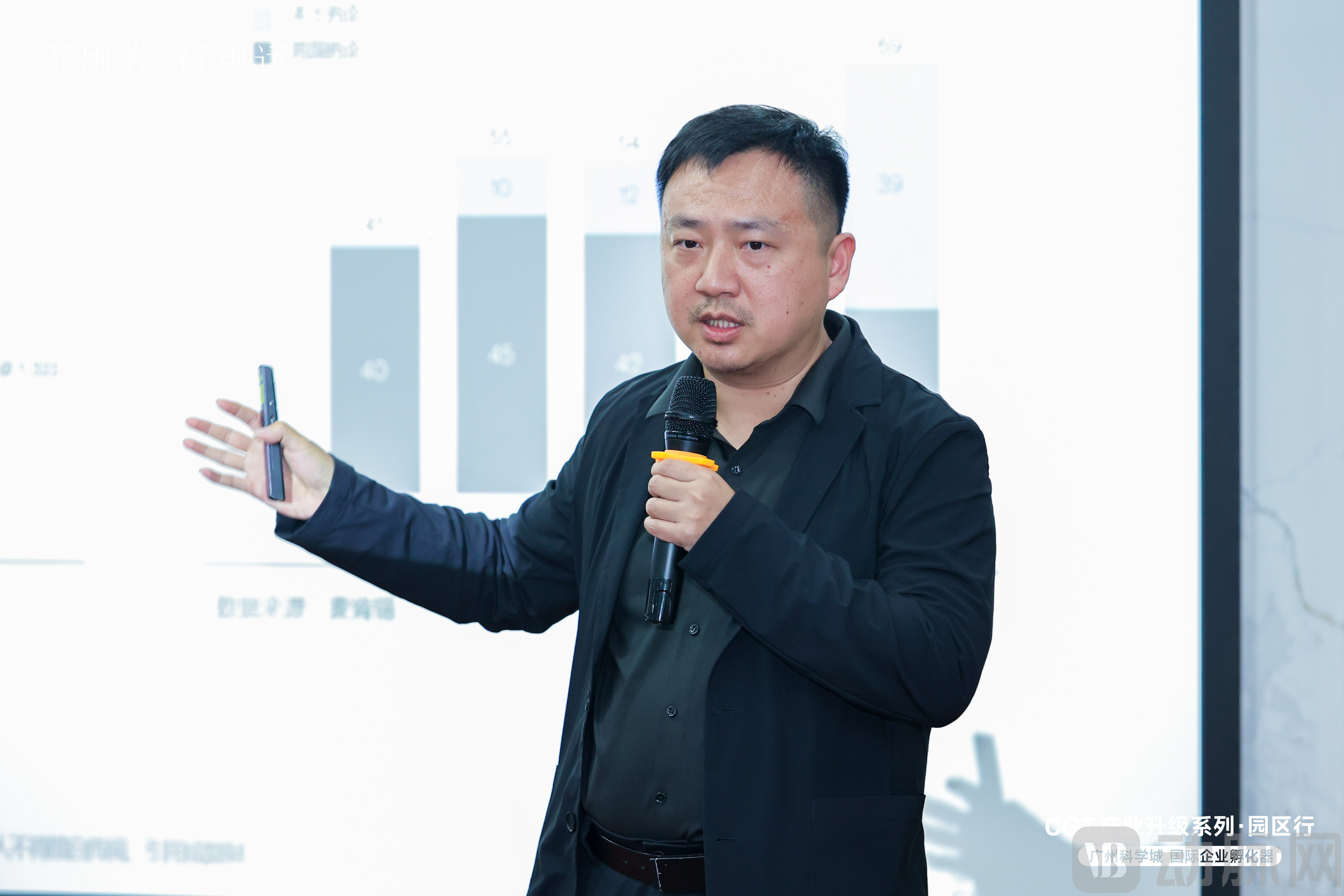
▲ Qi Fei | Executive Director, Legend Capital
[Panel 3] Under the New Situation,
How Can CGT Companies Effectively “Raise and Spend Money”?
Zhou Penghui, Founder of FanEn Bio; Tan Yiran, Director of Business Development at Baiji Biopharma; Qi Fei, Executive Director at Legend Capital; Zhang Yang, Director of the Healthcare Industry Group at CITIC SecuritiesAtWu Chao, General Manager of VCBeat New Medicineshared insights on this topic under the moderation of.
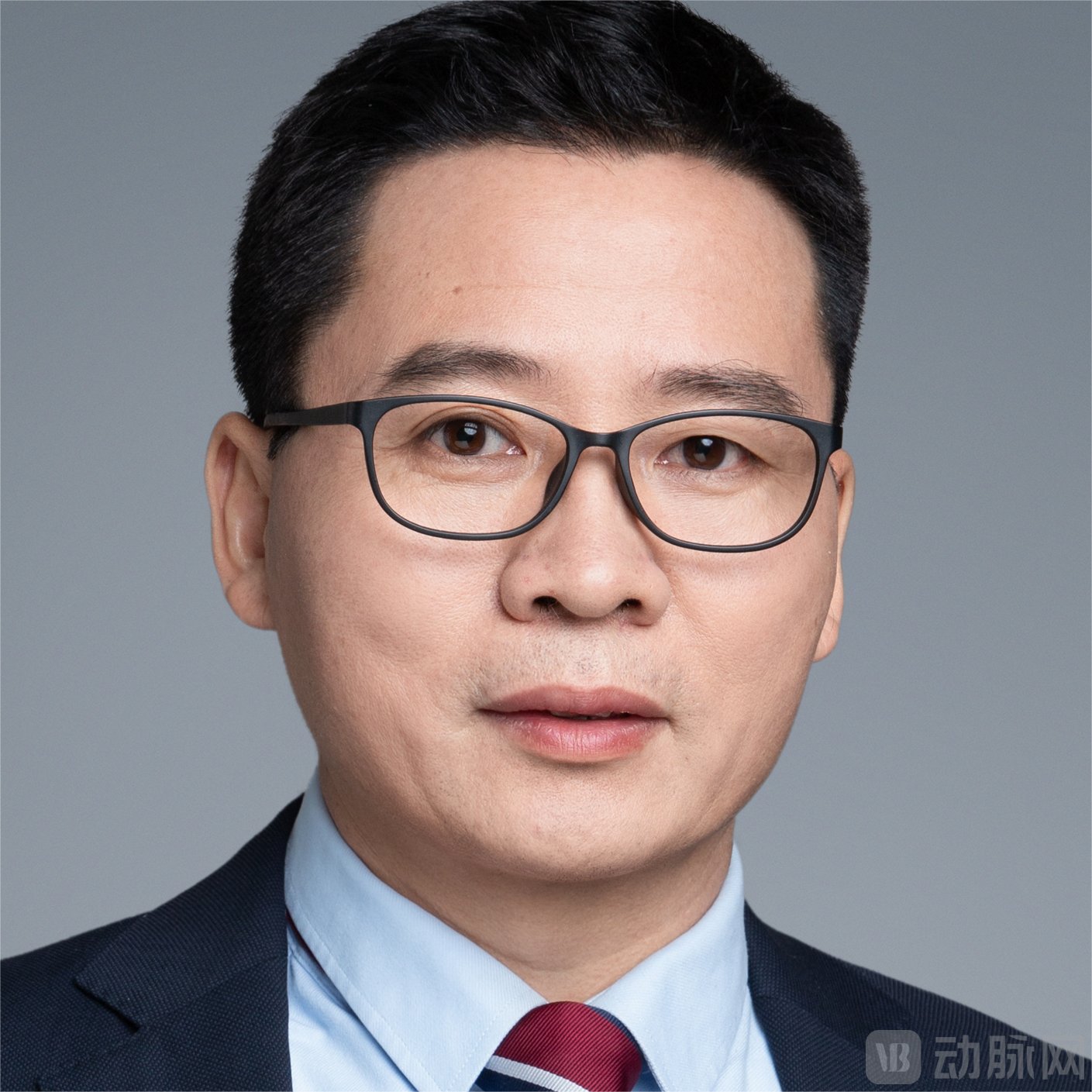
“How should the future of biopharmaceuticals in China progress? I firmly believe one thing: as long as you can develop drugs that meet market needs, investors will be willing to invest. However, if you merely copy others’ work, it will be quite difficult. In biologics development, if you truly address patients’ unmet needs, you need not worry about profitability or market approval—you will surely succeed.”
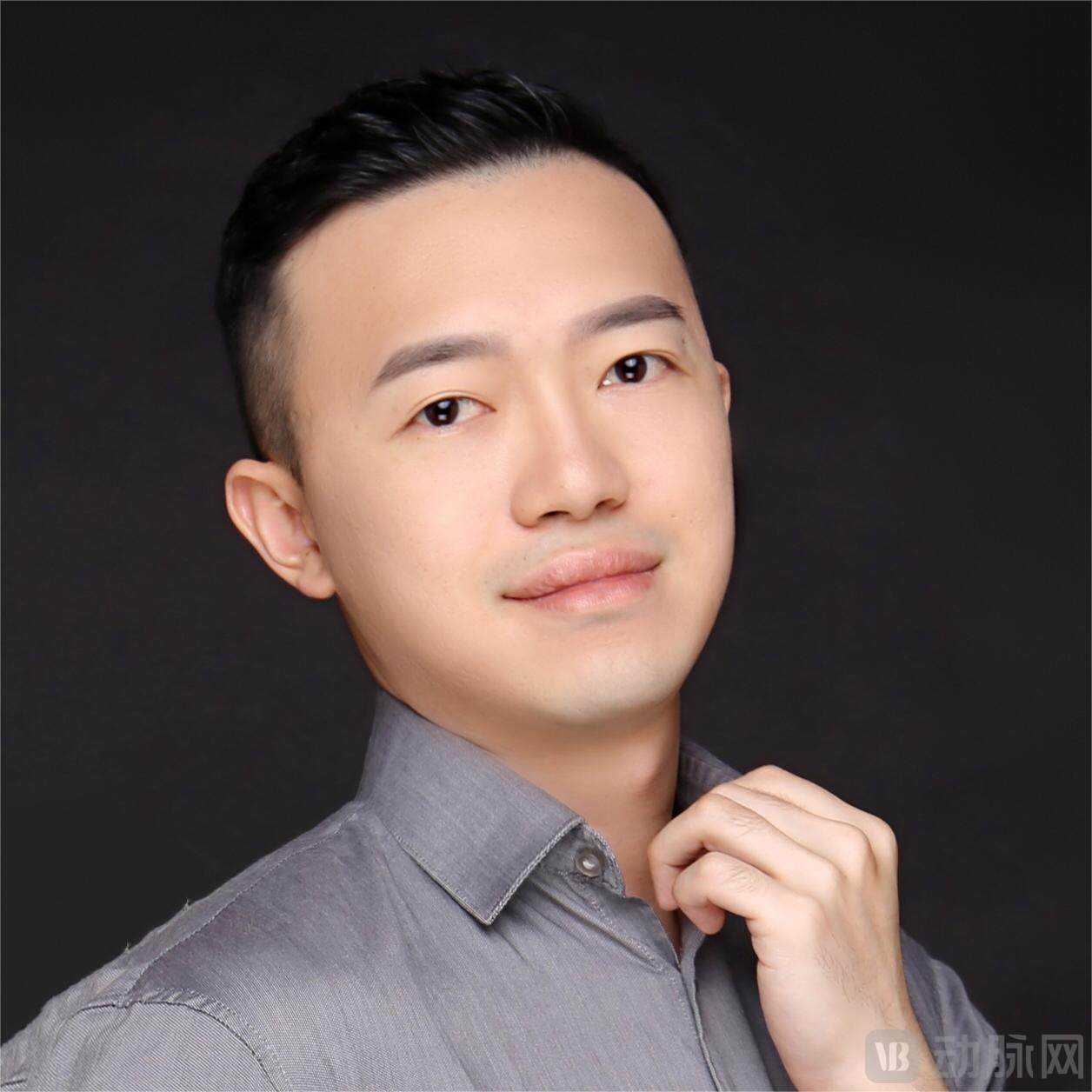
“In the overseas business development (BD) market, multinational corporations (MNCs) typically have lengthy internal processes, necessitating long-term strategic preparation. Baiji Biopharma has leveraged its global footprint to establish collaborative partnerships with numerous MNCs. Meanwhile, China’s pharmaceutical industry comprises two major segments: traditional pharmaceutical companies and innovative drug enterprises. In previous years, both segments tended to overlook the importance of BD. However, in recent years, driven by policies emphasizing clinical value and measures such as national reimbursement negotiations and centralized volume-based procurement, these two markets are ultimately converging, thereby integrating the entire industrial chain.”
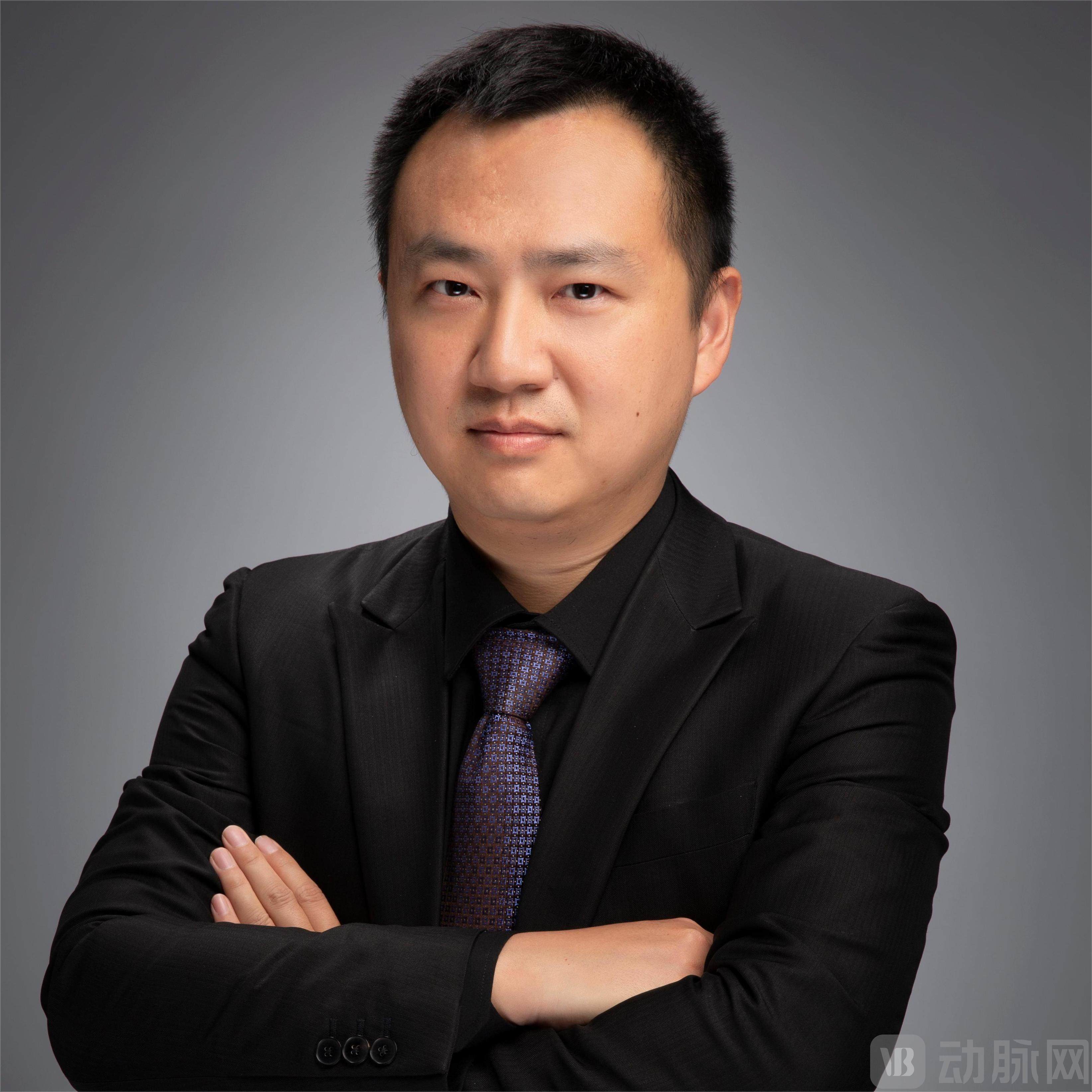
“Biopharmaceutical companies differ from other enterprises in that they rely primarily on external financing to sustain their development and ongoing operations. We urge all companies to closely monitor their cash flow and advise against excessive optimism. Since 2022, there has been a significant decline in financing amounts, with the biopharmaceutical sector being particularly hard-hit; no signs of improvement have been observed so far in 2024. It is now essential for everyone to face reality and stop clinging to past valuations. In terms of corporate fundraising, valuations should be lowered when necessary, as survival is more important than anything else.”
“Business development (BD) is a double-edged sword; it must be wielded effectively and with precision. On one hand, we aim to minimize corporate losses; on the other, companies must first ensure their survival. Regardless of the approach, I believe the priority should be securing financing while mitigating losses as much as possible. China’s healthcare industry is akin to a vast ocean, having always grown and strengthened through storms. From a developmental perspective, the sector demonstrates strong resilience, significant potential, and robust vitality, with its long-term positive fundamentals remaining unchanged.”
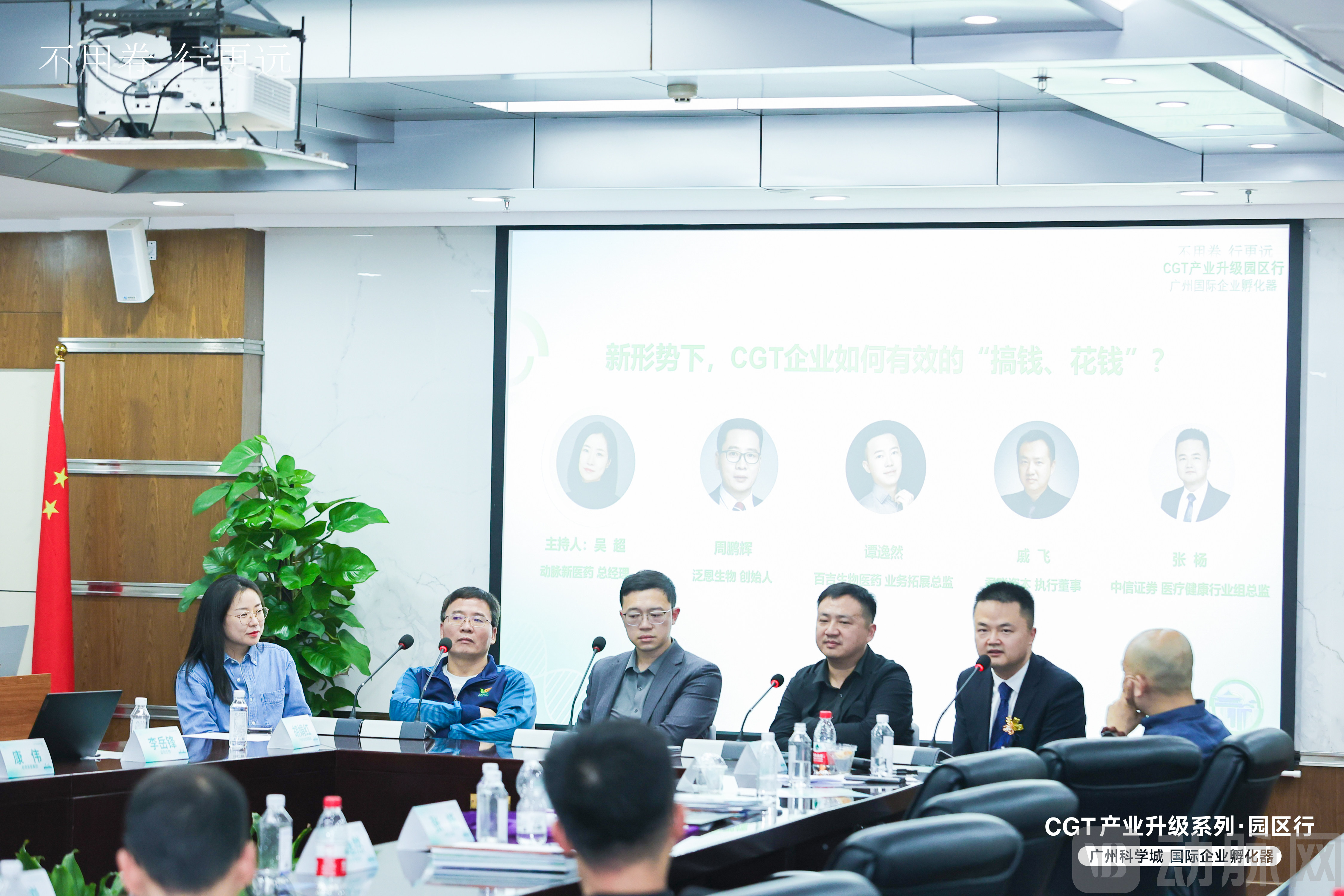
▲Panel 3 — Under the New Landscape,
How Can CGT Companies Effectively “Raise and Spend Money”?
At this point,“[No Need to Rat Race, Go Further]” CGT Industry Upgrade Series · Park Tour Event, 7th Stop Concludes Successfully!The event has fostered greater interconnectivity, resource sharing, and in-depth collaboration among enterprises. VCBeat New Medicine will continue to join forces with industry chain partners to host a series of events. Please stay tuned. We look forward to seeing you again at future events as we work together to go further!
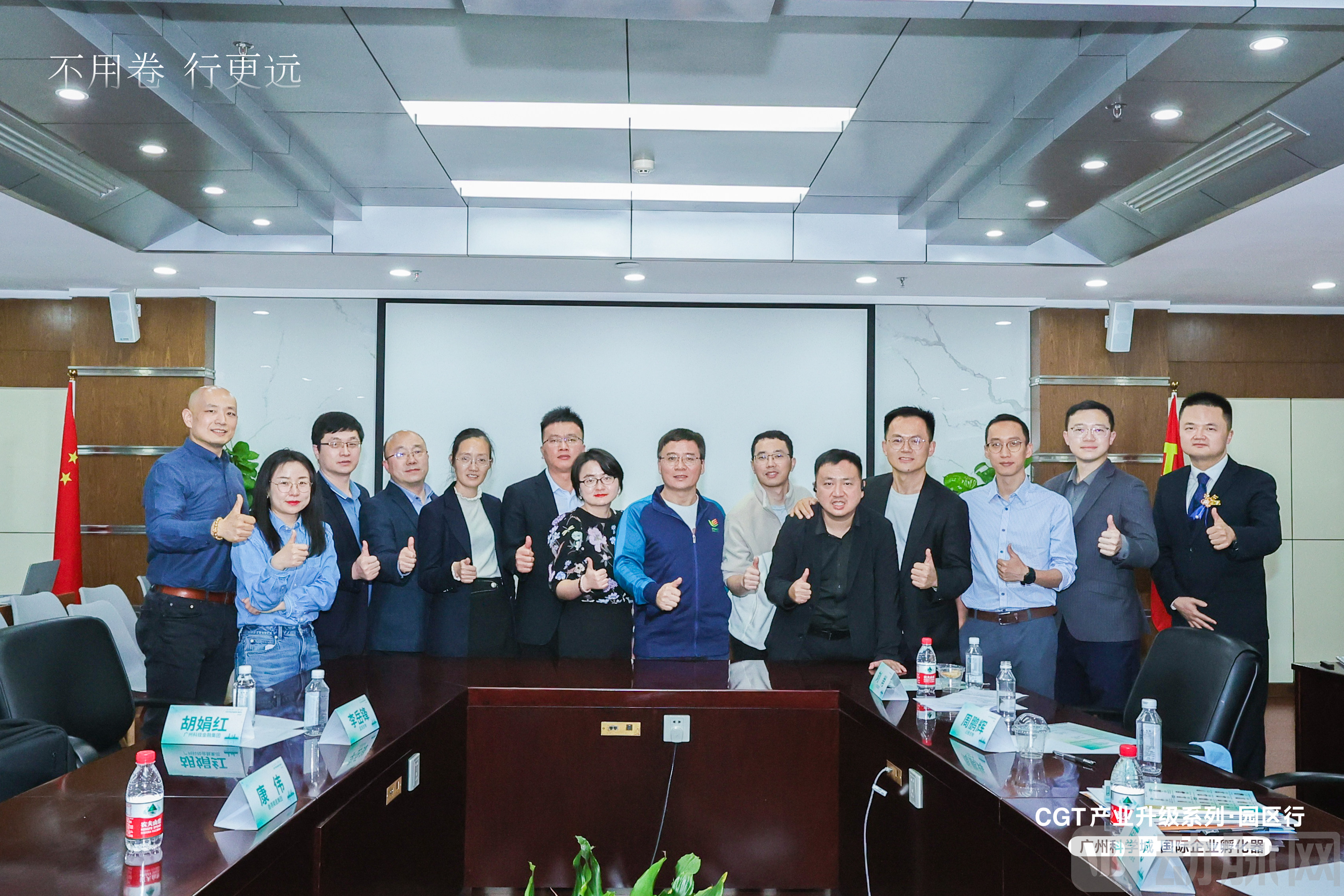
▲ Group Photo of Guests
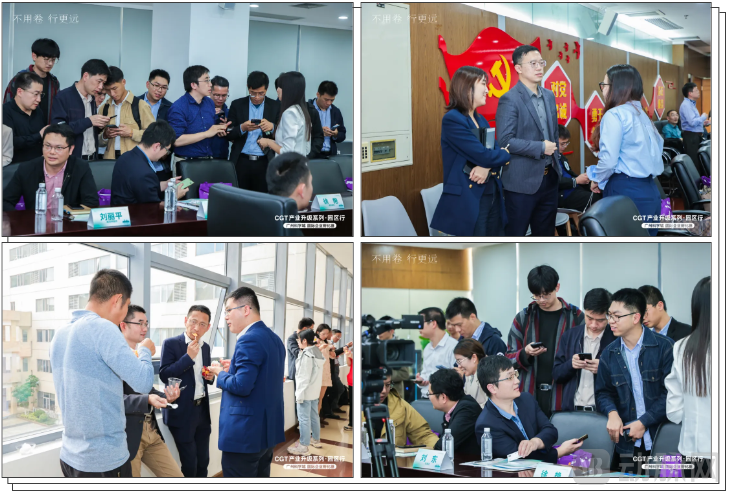
▲ Highlights