

Charting the Path to Commercialization of iPSC-Derived MSC Therapies Amid Regulatory, Quality, and Clinical Challenges — An Exclusive Interview with Dr. Junying Yu, Co-Founder of Zhongsheng Suyuan and Pioneer of hiPSC Technology
It has been nearly 30 years since mesenchymal stromal cells (MSCs) were first used in human disease treatment. MSCs offer unique therapeutic advantages in anti-inflammatory responses and tissue repair, owing to their wide availability, high safety profile, low immunogenicity, and capacity for large-scale expansion in vitro. Consequently, they are regarded as one of the most promising cell therapies.
Currently, more than ten mesenchymal cell-based products have been approved for marketing worldwide. In recent years, Japan, Canada, India, and Europe have successively approved the marketing of mesenchymal cell therapies, such as JCR Pharmaceuticals’ Temcell for the treatment of acute graft-versus-host disease and Takeda Pharmaceutical’s Alofisel for the treatment of Crohn’s disease.
Numerous mesenchymal cell-based therapies have entered Phase III clinical trials. Statistics show that mesenchymal cells are the most extensively studied cell type in global clinical research, with over 1,300 related clinical trials conducted for the treatment of various diseases.
However, it is worth mentioning that,To date, the U.S. FDA has not approved any mesenchymal cell-based products for marketing as drugs.Recently, the FDA informed Mesoblast that its Phase III clinical trial data were sufficient to support the submission of a Biologics License Application (BLA) for Remestemcel-L (an allogeneic mesenchymal stromal cell therapy derived from bone marrow). Mesoblast plans to resubmit the BLA in the second quarter of this year. Previously, the FDA had rejected Mesoblast’s marketing applications for Remestemcel-L twice, requesting additional clinical supporting data and urging the company to address chemistry, manufacturing, and controls (CMC) issues before initiating new clinical trials. Although the company is now permitted to submit the BLA, the CMC challenges surrounding Remestemcel-L remain a significant hurdle, and it remains to be seen whether they can be fully resolved. Wall Street media outlets focusing on MSC therapies have pointed out that Cynata’s MSC product, based on human induced pluripotent stem cell (iPSC) technology, may offer a solution to these CMC challenges.1. Currently, most approved and marketed mesenchymal cell-based products primarily select their indications based on two mechanisms of action: immunomodulation and promotion of damaged tissue repair, such as for graft-versus-host disease, knee osteoarthritis, Crohn's disease, and severe lower limb ischemia. Market pricing generally ranges from tens of thousands to over one hundred thousand US dollars per dose, making the treatment extremely expensive; consequently, the market sales performance of launched products has not been optimistic.
Similarly,To date, the National Medical Products Administration (NMPA) of China has not yet approved any mesenchymal cell-based drug for market launch.
In addition to the regulatory environment, which has yet to be broken through, the manufacturing processes for mesenchymal cells also face challenges. Currently, the types of MSCs used in clinical practice vary widely,Years of research have indicated that mesenchymal stem cells (MSCs) derived from different tissues and donors exhibit significant heterogeneity, resulting in varied clinical outcomes across the treatment of various diseases.Therefore, achieving scalable production with inter-batch consistency and controllable quality is a critical step in the pharmaceutical development of mesenchymal stem cells (MSCs).
In the face of these challenges, VCBeat has invited Dr. Junying Yu, a global pioneer in hiPSC technology and founder of HiCell Therapeutics, to jointly explore the challenges facing mesenchymal cell therapies and chart a more viable path toward future drug development.

Dr. Junying Yu, one of the global pioneers of hiPSC technology and founder of Zhongsheng Suyuan
This article is the third installment in the exclusive interview series with Dr. Junying Yu. For the first two parts, please see:
Addressing Regulatory Challenges in Mesenchymal Cell Therapies: Quality and Efficacy Stability Are Key
VCBeat: In your opinion, what are the advantages and disadvantages of iPSC-derived MSCs compared to adult-derived MSCs?
Yu Junying:iPSC-derived MSCs can be mass-produced, ensuring consistent cell quantity and quality across batches. Another key feature is that iPSC-derived MSCs are more similar to fetal-stage MSCs, representing the “youngest” MSCs.
Additionally,MSCs derived from iPSC differentiation actually constitute a heterogeneous cell population, with varying characteristics depending on the specific differentiation protocol employed.Although all products can be classified as MSC-like cells, their actual therapeutic efficacy and the indications they can effectively target vary.
VCBeat: How do you view the regulatory landscape for mesenchymal cell therapies? Mesoblast, an Australian company, saw its New Drug Application (NDA) for a mesenchymal cell product rejected by the U.S. FDA upon resubmission, but has recently been granted permission to submit a Biologics License Application (BLA). What does this reflect about the current realities facing mesenchymal cell therapies?
Yu Junying:Mesoblast’s mesenchymal cell therapy, Remestemcel-L, is indicated for steroid-resistant acute graft-versus-host disease (SR-aGVHD) in children under 12 years of age, utilizing bone marrow-derived MSCs. In fact, the efficacy of MSCs in treating GVHD is well-established; patients with GVHD receiving MSC products demonstrate significantly higher survival rates compared to those who do not. Furthermore, data released by Cynata suggest that iPSC-derived MSCs may exhibit superior efficacy statistics compared to MSCs derived from bone marrow, adipose tissue, or other sources.Mesoblast’s Biologics License Application (BLA) was rejected by the FDA in 2023, which not only required the submission of additional clinical data but also raised Chemistry, Manufacturing, and Controls (CMC) concerns—specifically regarding cell sourcing, as consistent quality of mesenchymal stem cells (MSCs) derived from bone marrow across different donors could not be guaranteed.Recently, the FDA agreed to allow Mesoblast to use data from a single-arm Phase III clinical trial involving 54 pediatric patients to support its Biologics License Application (BLA) submission. We are closely monitoring this development and look forward to regulatory breakthroughs.
Mesenchymal stem cells (MSCs) derived from pluripotent stem cells can be produced in unlimited quantities, with more stable and uniform cell quality across batches.However, when derived from bone marrow, the yield of cells obtainable from a single individual is limited. Moreover, the quality and therapeutic efficacy of mesenchymal stem cells (MSCs) isolated from different donors exhibit significant variability. This inconsistency constitutes a fundamental reason for the poor market performance of many such products abroad after their launch. The unstable quality and efficacy of these cell-based products, coupled with prices substantially higher than those of alternative therapies, have inevitably led to their mediocre market reception.
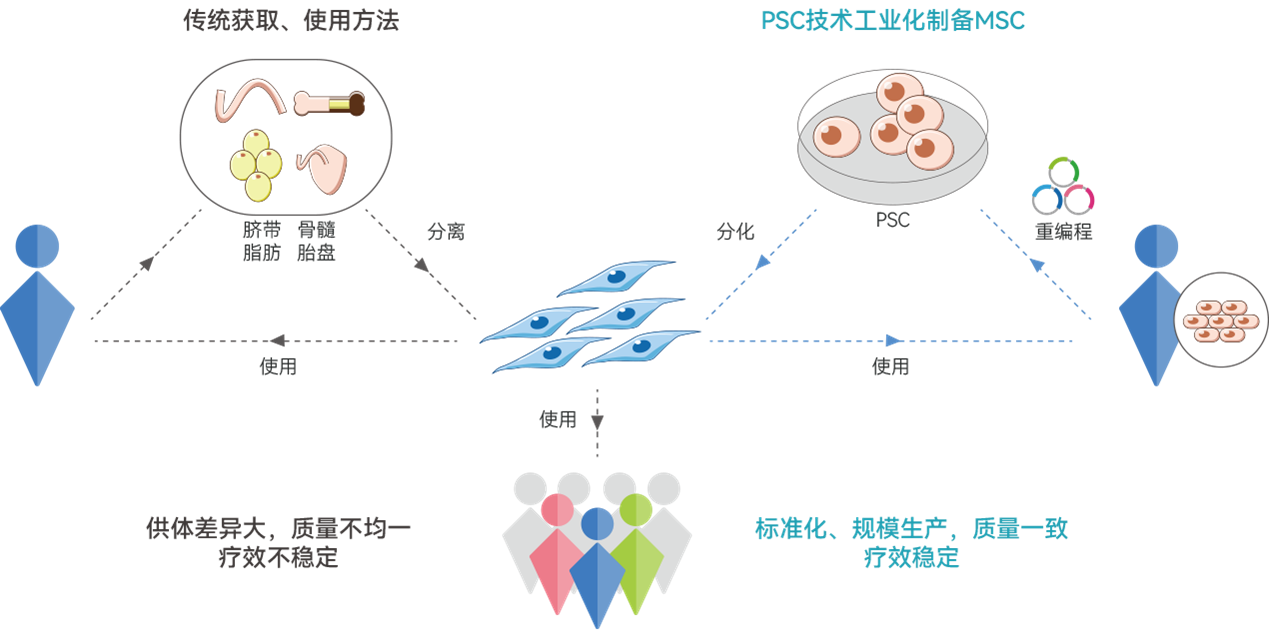
Adult-Derived MSC Cell Therapy vs. Pluripotent Stem Cell-Derived MSC Cell Therapy
VCBeat: Although research on mesenchymal cell-based products has been conducted globally for many years, only a few have been marketed as pharmaceutical drugs. What are the reasons behind this?
Junying Yu:In China, hospitals have been using mesenchymal cell therapies to treat patients for many years, and numerous clinical studies on mesenchymal cells have been conducted. However, no definitive conclusions have been reached regarding which indications are effectively treated by mesenchymal cells, as the data obtained thus far lack statistical significance.The key reason lies in the unstable chemistry, manufacturing, and controls (CMC) of these mesenchymal cell-based products, leading to significant fluctuations in clinical response rates and therapeutic efficacy.
VCBeat: Which companies, both domestically and internationally, have currently established pipelines for iMSCs?
Yu Junying:Internationally, Australia’s Cynata Therapeutics has established a strategic presence, with its Cymerus MSC therapy in clinical trials ranging from Phase I to Phase III for indications such as graft-versus-host disease, knee osteoarthritis, and diabetic foot. In China, our iMSC product has currently received approval to enter clinical trials, with knee osteoarthritis as the indicated condition.
Similar to iMSCs, there are MSC-like cell products derived from human embryonic stem cells (hESCs). Internationally, ImStem Biotechnology in the United States has developed the “hES-MSC” product, while domestically, Zehui Chenxing offers the “CAStem Cell” product. Both have entered clinical trials for different indications.
Exploring the Path to Druggability of iMSCs: Optimizing CMC Processes and Obtaining Objective, Robust Clinical Data Are Crucial
VCBeat: When was Zhongsheng Suyuan’s iMSC pipeline initiated? What preparations did the company undertake during the feasibility study and project initiation phase, and why was knee osteoarthritis prioritized as the indication?
Yu Junying:The iMSC pipeline was established at the company’s inception in 2016. Product development differs from scientific research; while research can pursue sophisticated, high-concept goals, products are more readily realized when they are simple. In terms of iPSC-based drug development, mesenchymal cell technologies are relatively mature. Clinically, MSCs act as transient therapeutics that do not persist long-term in the body, yet they have demonstrated clear efficacy in anti-inflammatory and tissue repair applications. Over the years, the therapeutic efficacy of mesenchymal cell therapies for various indications has been well affirmed in China.The core issue lies in stabilizing the quality of MSCs, which was the primary consideration when we initiated the iMSC project.
As for the rationale behind selecting knee osteoarthritis, first, its prevalence is high; most individuals over the age of 40 experience some degree of knee joint issues. Currently, there are no effective therapies available for knee osteoarthritis, whereas the efficacy of mesenchymal stem cell therapy in treating this condition is well-established. This indicates that the prospects for the iMSC pipeline are both broad and clear.
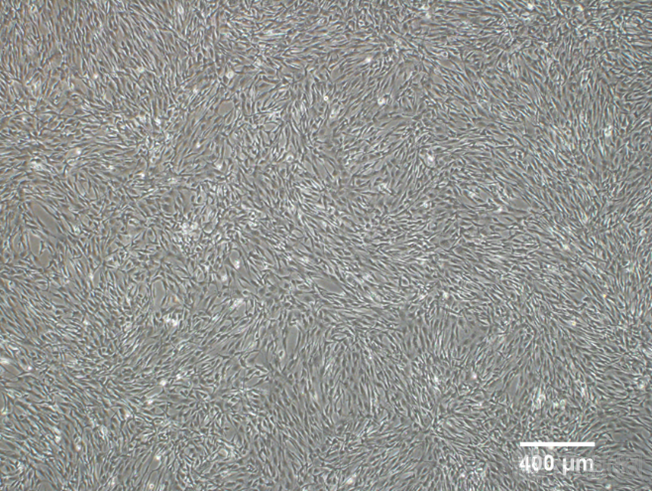
iPSC-derived iMSCs
VCBeat: After receiving clinical trial approval in 2022, Zhongsheng Suyuan’s iMSC pipeline became the first and only induced mesenchymal stem cell (iMSC) drug approved for clinical trials in China. Since initiating the project, what efforts has Zhongsheng Suyuan made to secure Investigational New Drug (IND) approval, and how has it communicated with the National Medical Products Administration (NMPA)? What challenges were encountered during this process, and how were they resolved?
Junying Yu:This is our first product approved for clinical trials. At the project initiation stage, in addition to considering factors such as clinical needs, technology, and patents, we also had to take into account regulatory acceptance. Regulatory authorities are highly familiar with and receptive to mesenchymal cell therapies derived from umbilical cord or bone marrow sources. Therefore, we believe that iPSC-derived MSCs have a higher likelihood of gaining regulatory approval compared to other iPSC-derived cell types. This is one of the reasons why we selected iMSC as our lead pipeline.
Our company was among the early movers in China to strategically position itself for the clinical application of iPSCs, at a time when familiarity with this field was limited. Following project initiation, our iMSC pipeline also encountered certain challenges. This is because, in the development of iPSC-derived therapeutics, multiple aspects of Chemistry, Manufacturing, and Controls (CMC) are entirely novel; unlike small-molecule drugs or antibody-based therapies, there are no well-established standard manufacturing processes and quality control systems in place.The production of MSCs from iPSCs is highly complex, encompassing multiple stages including reprogramming, cell bank establishment, manufacturing, quality control, and the development of quality standards., regulators and industry players alike are in a process of exploratory learning; for instance, FATE Therapeutics’ iNK product likely experienced several years of back-and-forth delays before finally obtaining its first IND approval.
In this context, we spent over two years engaging in extensive discussions with various departments of the regulatory authorities to address key questions regarding CMC strategies, process control, and required testing. Through continuous communication, we gradually obtained relatively clear guidance. Therefore, although this pipeline was initiated at an early stage, its IND approval was not granted until 2022.
VCBeat: Mesenchymal cell therapies already have marketed products globally, and clinical trial competition is quite intense. In your opinion, what core competitive advantages will enable iMSC products to stand out in the global market?
Yu Junying:Currently, mesenchymal cell-based therapies are primarily marketed in Europe, the United States, Japan, and South Korea. In China, no such therapy has yet been approved for market; all remain in the clinical trial phase.
By leveraging iPSC technology to differentiate and produce mesenchymal-like cells, we can achieve scalable manufacturing and consistent quality, thereby addressing the CMC concerns raised by the FDA regarding Mesoblast, such as the limitation that each bone marrow donation supports the production of only 500 doses.Furthermore, the optimized iMSC differentiation process we have selected yields iMSC products with enhanced immunomodulatory capacity. In specific indications, it has been observed that patients who did not respond to adult MSC therapy showed favorable responses and significant therapeutic efficacy with iMSC treatment.
Therefore, upon entering commercial-scale production, we can mass-produce products with superior therapeutic efficacy to compete in the market, while ensuring consistent quality.
VCBeat: What strategies will be adopted to ensure the regulatory submission and market approval of the future iMSC pipeline?
Yu Junying:Clinical studies of the iMSC pipeline will employ rigorous statistical data to demonstrate its efficacy for specific indications.
We are now capable of mass-producing mesenchymal stem cells (MSCs) using induced pluripotent stem cell (iPSC) technology, ensuring consistent cell quality in accordance with pharmaceutical standards, and subsequently compiling clinical data. Currently, iPSC-derived MSCs (iMSCs) produced via our optimized manufacturing process differ from adult tissue-derived MSCs, such as those sourced from umbilical cords. In addition to conducting Investigational New Drug (IND) clinical trials, we are exploring potential indications for various conditions. Subsequent registration-based clinical studies for these indications will enable us to determine the efficacy of our iMSCs for specific diseases and assess whether their therapeutic benefits surpass those of existing guideline-recommended therapies and novel drugs currently under clinical investigation. In contrast, with adult tissue-derived MSCs, significant variability exists among patients’ clinical presentations and hospital treatment protocols. Furthermore, quality variations arising from different production batches or donors make it exceedingly difficult to obtain statistically significant data.
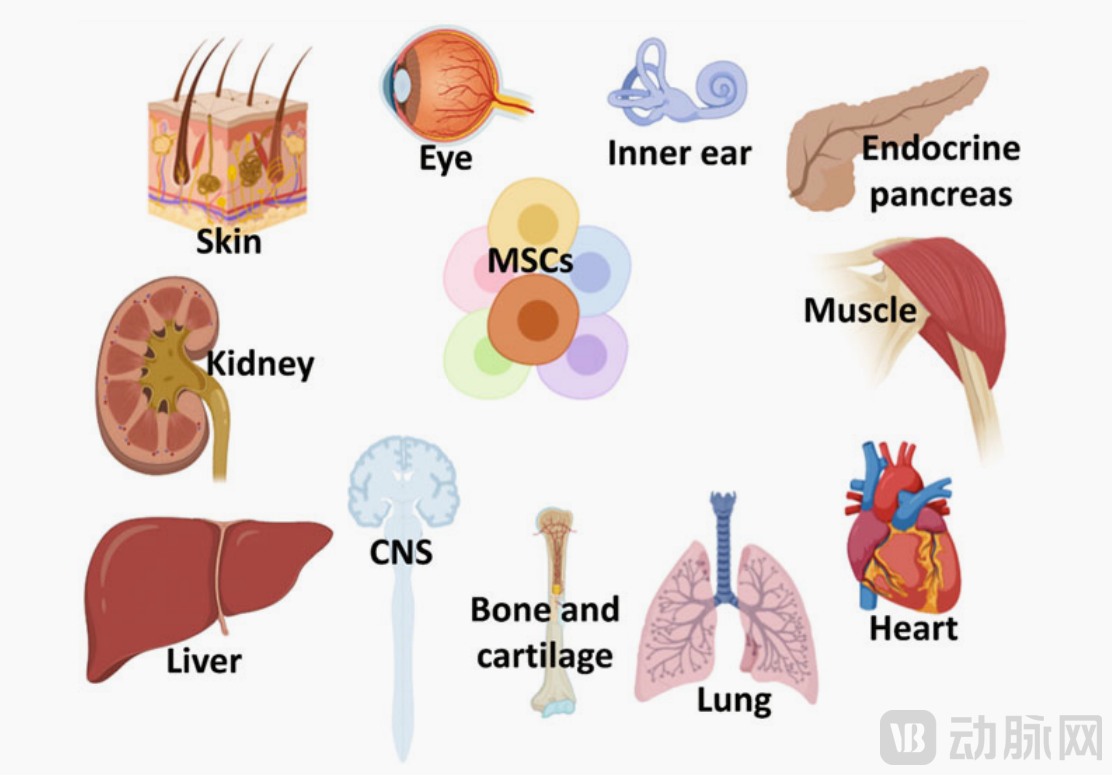
MSCs can be used to treat various diseases involving multiple organs2
VCBeat: What is the latest pipeline progress of iMSC in the field of anti-inflammatory repair? What milestone advancements are expected in the next five years?
Junying Yu:Currently, the iMSC pipeline for knee osteoarthritis (KOA) has entered Phase I clinical trials, demonstrating a favorable safety profile, while efficacy data are still being accumulated. Investigator-Initiated Trials (IITs) are underway to evaluate iMSC for other indications.
We anticipate a series of breakthroughs in the field of anti-inflammatory repair from iMSC and gene-modified iMSC products in the coming years. In addition to products for knee osteoarthritis that have entered formal clinical trials, iMSC-based therapies for certain critical and rare diseases are also showing promising progress in investigator-initiated trials (IITs), while expanded research on enhanced iMSCs for other indications continues.We will identify the most effective indications for iMSCs under the premise of ensuring safety, and on this basis, gradually advance the development of iMSCs into approved therapeutic drugs.
Conclusion
Mesenchymal cell therapies are regarded as a promising approach, yet they have long faced market skepticism due to challenges in chemistry, manufacturing, and controls (CMC) and uncertain efficacy. Induced pluripotent stem cell (iPSC)-derived mesenchymal stem cells (MSCs) offer greater therapeutic hope, as they can ensure consistent cell quality while enabling scalable production. Nevertheless, significant exploration remains ahead. Although this represents one of the ideal pathways for developing MSC-based therapeutics, continued research and development in manufacturing processes, clinical efficacy, and indications remain critically important.
Dr. Junying Yu: A Series of Exclusive Interviews
References:
1. https://seekingalpha.com/article/4378377-mesoblast-needs-solution-to-msc-scalability-issues-cynata-therapeutics-answer
2. Adv Exp Med Biol. 2021:1312:107-129.