

Tsinghua-Backed ZhiTing Hearing Aids Partners with Tencent to Overcome Key Technological Challenges in Hearing Aids

Tencent
Internet Comprehensive Service Provider
The Silver Economy Is Booming Again.
From the first State Council executive meeting of 2024, which deliberated on policy measures to develop the silver economy and enhance the well-being of the elderly, to the Government Work Report’s call to “vigorously develop the silver economy,” accompanied by the issuance of the first policy document explicitly named after the silver economy, the Opinions on Developing the Silver Economy and Enhancing the Well-being of the Elderly, the silver economy has emerged as one of the nation’s key strategic directions, demonstrating robust potential for growth.
In this field, the hearing industry is undoubtedly a high-value track.
From the demand side, against the backdrop of China’s accelerating aging process, the base of patients with hearing impairment—primarily caused by age-related factors—is continuously expanding. According to WHO projections, the number of individuals with hearing loss could more than double by 2050. Furthermore, market penetration remains low. Data from EuroTrak indicates that the penetration rate of hearing aid products in China does not exceed 5%. With the opening of the over-the-counter (OTC) market and sustained policy support, the hearing industry, much like the ophthalmology and dental sectors within the consumer healthcare space, possesses fertile ground for rapid growth.
According to research by Shenwan Hongyuan, the market size is projected to reach RMB 8.07 billion by 2025, with a five-year CAGR of 6.11%, outpacing the global market growth rate. However, due to the dominance of the five major hearing aid groups (Sonova, Demant, GN ReSound, WS Audiology, and Starkey)Offline fitting channels, high-end product supply chains, and proprietary R&D systems in the premium hearing aid market have established extremely high barriers to entry., it is not easy for the domestic hearing sector to truly achieve a breakthrough.
Despite numerous challenges, domestic hearing aid manufacturers have emerged in the hearing health sector, resolving the critical “bottleneck” issues that have long hindered industry development.
Tsinghua-affiliated Startups——Shenzhen Eartech Technology Co., Ltd. (hereinafter referred to as “Eartech Hearing Aids”)Leveraging its proprietary technological expertise, it overcame key technical challenges in hearing aid development and partnered with Tencent to deliver smarter, more convenient hearing aid solutions for the hearing-impaired community, emerging as a new force in the silver economy.
Using intelligent methods,
Addressing Technological and Channel Challenges in the Hearing Aid Industry
Based on electronic principles, hearing aids can be classified into analog hearing aids and digital hearing aids.
Among them,Analog Hearing AidAdopting a linear approach to amplify all sounds equally has drawbacks such as the inability to eliminate external environmental noise, poor adaptability to complex environments, and significant distortion. It is technically more challenging.Digital Hearing AidsIt employs non-linear amplification to process sound, automatically identifying and compressing acoustic signals in noise frequencies while emphasizing those in speech frequencies to ensure speech recognition rates. Additionally, it automatically calculates compensation curves based on the user’s actual conditions, such as hearing loss and age, making speech signals more closely resemble information captured by the human ear and maximizing the satisfaction of the user’s auditory needs.
Digital hearing aids have become the dominant trend in the current market for hearing assistance devices. On one hand, given that human sensitivity to sound varies with frequency and that patients with hearing loss exhibit differing degrees of impairment across various frequency bands, the traditional analog approach of single-channel linear amplification is no longer adequate to address this complexity. On the other hand, internationally renowned brands have widely adopted digital technology, further underscoring the performance advantages of digital hearing aids. However, the domestic hearing aid market in China exhibits significant technological disparities. A core challenge is the industry’s “chokepoint” dilemma, namely the difficulties in achieving breakthroughs in key technologies such as chips and algorithms.
However, Eartech hearing aids are an exception.
Originating from Tsinghua University’s premier research institutes, the team boasts professional R&D capabilities. The enterprise has not only streamlined its product supply chain and established an in-house R&D system, but also overcome key technical challenges in hearing aid development by integrating digital signal processing technology and cutting-edge artificial intelligence into its products.Resolved technological and channel challenges in the hearing aid industry through intelligent solutions.
Commercializing Tsinghua University’s 20 Years of Achievements in Artificial Auditory Chip Algorithms,
Breakthroughs in Four Core Technologies
The hearing aid industry is technology-driven; only by enhancing core technologies can product performance be further optimized to better attract users. Chips and algorithms are key to this endeavor. However, the challenge lies in the fact that domestic hearing aid manufacturers, having entered the market later, rely primarily on chips supplied by companies such as ON Semiconductor (USA) and IntriCon Corporation. Meanwhile, overseas giants have established extremely high entry barriers in this field, making it exceedingly difficult to achieve a complete breakthrough.
Eartech’s development journey is deeply rooted in innovation and the translation of scientific research into practical applications, resulting in numerous technological breakthroughs and achievements since its inception.
During his doctoral studies at Tsinghua University, the company’s founder, Dr. Chen Fei, focused his research on hearing aid chips and signal processing. He also obtained certification as a Senior Hearing Aid Fitter and provided services to more than 300 patients using hearing aids from multiple international brands, thereby laying the foundation for the company’s development.
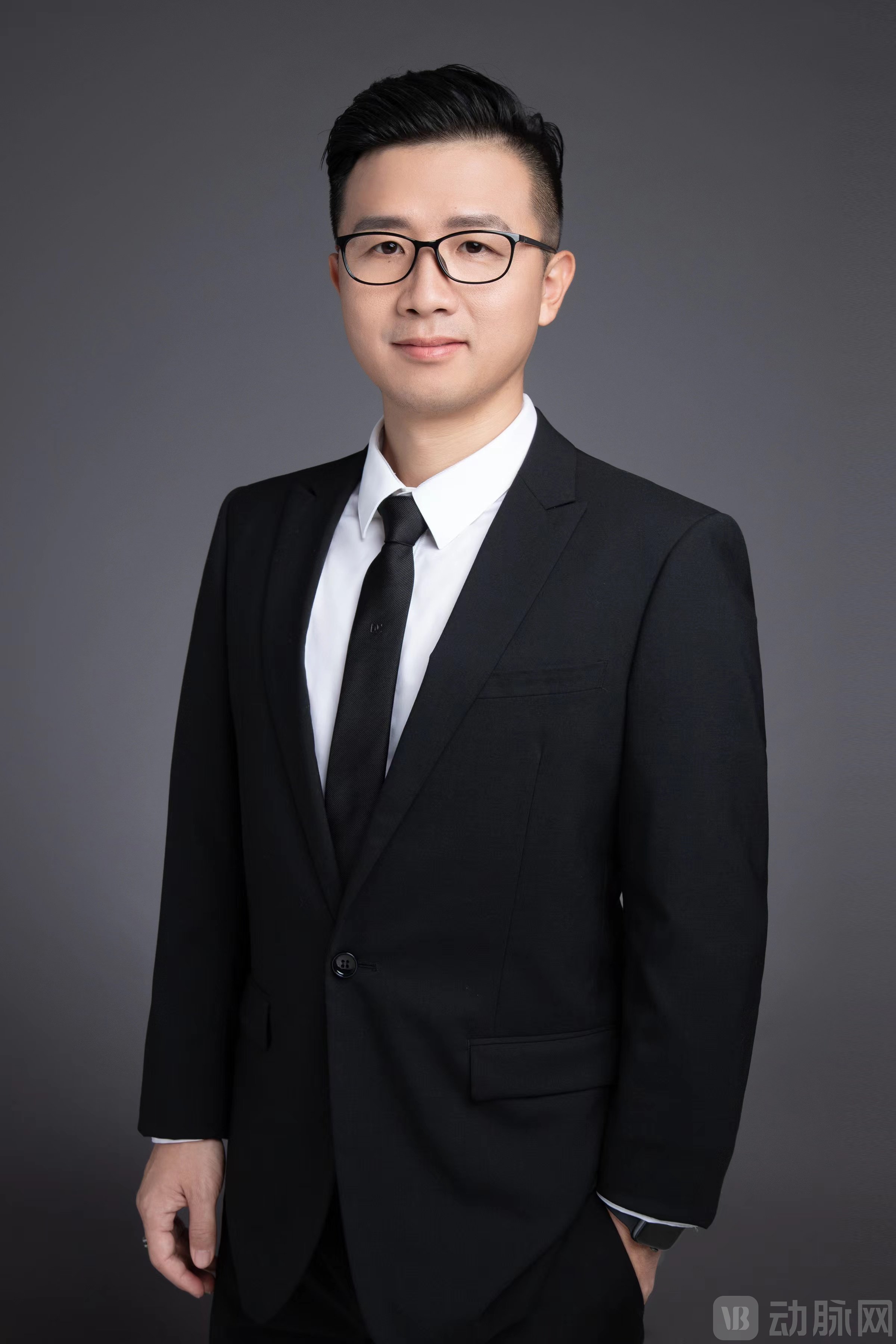
Chen Fei, Founder of Eartech Hearing Aids
After accumulating substantial technical expertise, Professor Wang Zhihua, who served as the chief scientist of the 863 Cochlear Implant Project two decades ago, has transferred the research experience and achievements accumulated by the Department of Microelectronics at Tsinghua University in areas such as algorithms for auditory chips to Eartech Hearing Aids, helping the company further address technical challenges that have constrained industry development.
After engaging in scientific research and teaching at Tsinghua University and Tianjin University, Dr. Fei Chen further developed a method utilizingIntelligent and Interconnected TechnologiesResearch models for retrofitting traditional hearing aids. To promote industrial development, the Shenzhen municipal government has formulated a series of supportive policies to encourage enterprises to establish R&D institutions and production lines in Shenzhen.
Through sustained efforts, Eartech Hearing Aids has successfully established independent R&D and production bases, and obtained medical device registration certification and production licenses in Guangdong Province in 2020, ultimately transforming R&D prototypes from the laboratory into mass-producible and marketable products, creatingZhiting RIC Hearing Aid Dion – The World’s First Smart Hearing Aid Enabling Users to Independently Complete Audiometric Testing and Fitting at Home.
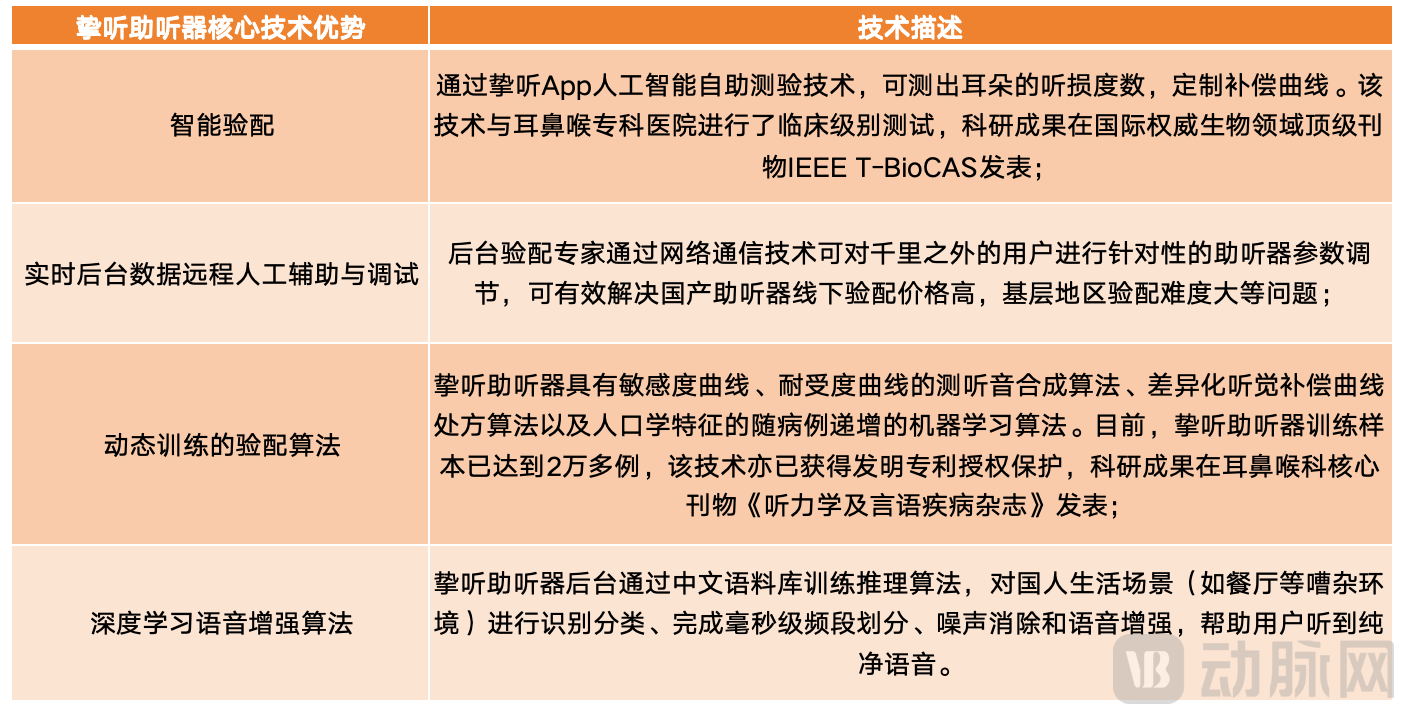
Core Technological Advantages of Zhitin Hearing Aids
20,000 training samples, with an improvement of up to 85%,
Company Partners with Tencent to Achieve Rapid Overtaking
It is reported that in 2021, Eartech’s Dion RIC hearing aid was launched on Xiaomi Crowdfunding, raising over RMB 5 million and becoming the first blockbuster product in the field of hearing health. Consequently, Eartech hearing aids have also becomeThe sole hearing aid company within the Xiaomi Ecological Chain system.
However, Zhiting Hearing Aids has not rested on its laurels; instead, it continues to invest heavily in research and development and innovation, striving for greater breakthroughs in the hearing aid industry. In subsequent product optimization and iteration cycles, the company has actively aligned with the national strategic direction of the "silver economy." By collaborating closely with Tencent Meeting’s Tianlai Laboratory and Tencent SSV’s Silver Technology Laboratory, it has optimized chips and algorithms, transitioning from methods based on analytical expressions or mathematical formulas to data- and neural network-based approaches. This shift has enhanced speech clarity and intelligibility in complex acoustic scenarios by up to 85%.
This technological breakthrough enables users to maximize their acquisition of auditory information through hearing aids. It has not only driven a leapfrog improvement in the performance of domestically produced hearing aids in the thousand-yuan price range, but also achieved a competitive overtaking for Chinese-made hearing aid products through intelligent solutions.
This year,The Company Upgrades Its Products Again, Launching the ZhiTing Hearing Aid 32-Channel Rechargeable RIC 2.0 Pro, users can complete the hearing test and fitting process simply through a WeChat Mini Program. By leveraging the Tencent Meeting platform for face-to-face video adjustments, user experience is enhanced, thereby addressing the challenges associated with hearing aid fitting.
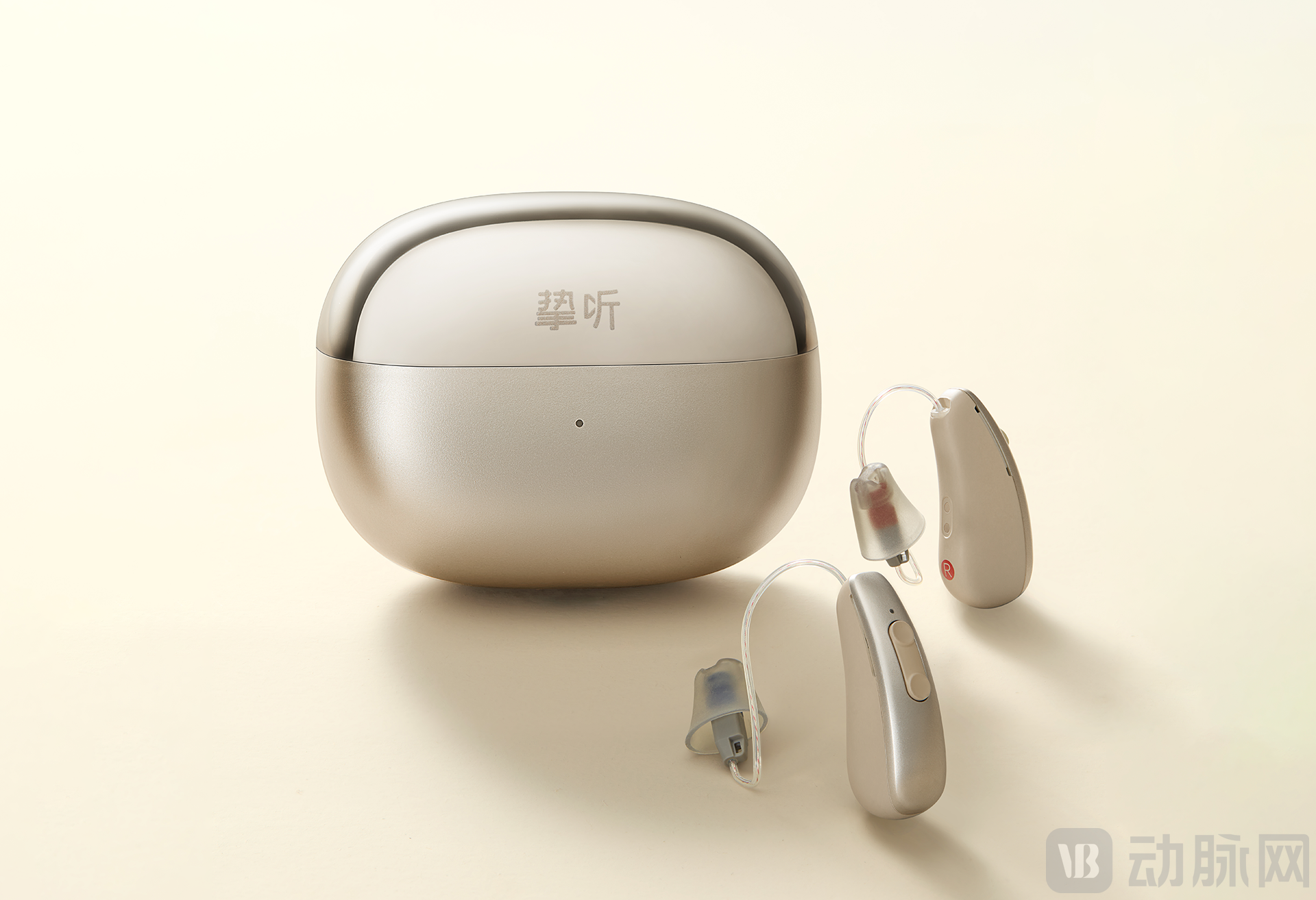
ZhiTing Hearing Aid 32-Channel Rechargeable RIC 2.0 Pro
In addition, the company has specially introducedTencent x Eartech Hearing Aid Algorithm 2.0, further optimizing noise reduction performance to enable the product to adapt to various complex scenarios. Meanwhile, by employing medical-grade dual-microphone pickup technology, it achieves directional listening capabilities for clearer sound capture. Notably, the product features a breakthrough in design with an integrated UV sterilization lamp to safeguard users' ear canal health. Significant advancements have been made in fitting procedures, tuning functions, noise reduction efficacy, and health-oriented design.
In terms of product commercialization,The company has integrated the entire hearing care service chain by adopting an online-offline hybrid model., enabling ZhiTing hearing aid products to truly reach patients with hearing impairment.
Currently, Eartech hearing aids have established an online-offline integrated age-friendly service network in cities such as Beijing, Shanghai, Shenzhen, Nanjing, Suzhou, and Jinan, in partnership with SPH Jiangsu Runtian, Shandong Shuyu Pingmin Pharmacy, and JD Health Pharmacy. This network enables Eartech to better meet user needs, providing timely and effective services wherever users are located, whether in urban high-rises or rural areas.

Zhiting Hearing Aid Store
Looking back on the journey of Eartech hearing aids, we can see that it started with research on core chip-level components of hearing aids, gradually expanded to complete machines and intelligent systems in response to market demand, and then established cooperation with the industry to promote the implementation of domestically produced smart hearing aids. In such a short period of time, the company has demonstrated its innovation and market sensitivity. Moreover, the company almost every year iterates and upgrades its technology and products to better meet user needs. It can be said that Eartech hearing aids have truly solved the "bottleneck" problem in the development of the industry and provided effective hearing solutions for patients with hearing impairment.
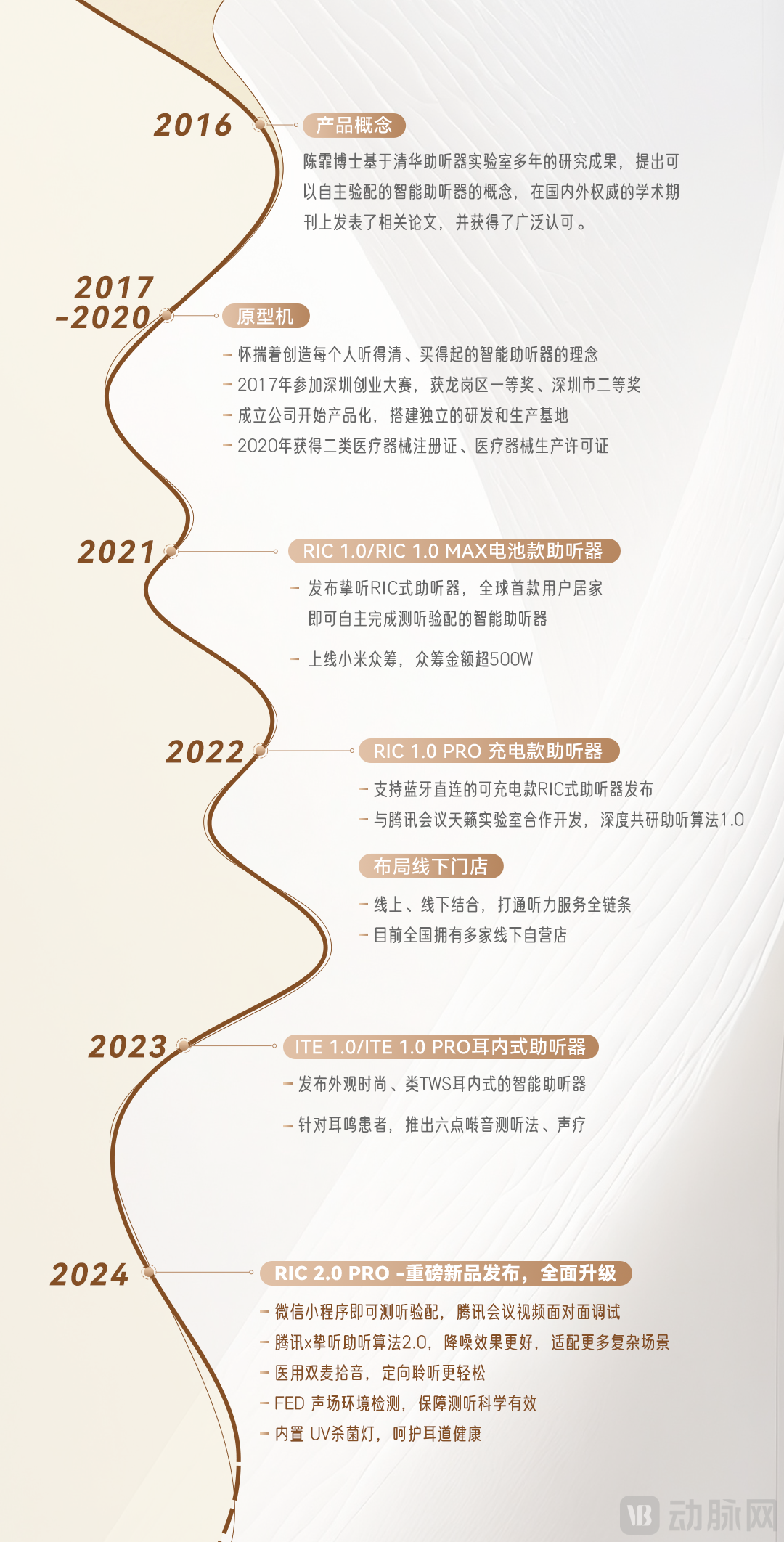
The Development History of Zhitian Hearing Aids
Approved as a “Major National Project of the 14th Five-Year Plan,”
Collaborating with ENT Specialists to Develop New Models of Hearing Health Products
Leveraging its accumulated expertise in product R&D, Eartech Hearing Aids has joined forces with Academician Han Demin’s team this year to secure approval for the 14th Five-Year Plan National Major Project titled “Core Technologies for Auditory Reconstruction and Remote Fitting of Hearing Aids.” This National Key R&D Program represents China’s highest-level research initiative, formed through the integration of former programs such as the 973 Program and the 863 Program.
The approval of this project not only signifies that Eartech hearing aids have effectively addressed critical scientific and technological issues central to the industry’s core competitiveness and national independent innovation capabilities, thereby breaking through bottlenecks restricting national economic and social development, but also establishedZhitin Hearing Aids: A National Team Player with Vertical Integration from Underlying Chips to Medical Devices and Interconnected Hearing Health Services.
In the future, Eartech hearing aids will join hands with Capital Medical University and its affiliated Beijing Tongren Hospital (ranked No. 1 in China for otolaryngology), Tsinghua University, Tencent SSV/Tianlai Laboratory, the First Affiliated Hospital of Xinjiang Medical University, and the International Exchange and Promotion Association of Medical Care, among others. By leveraging the closed-loop R&D capabilities integrating industry, academia, research, medicine, and application, we aim to drive development in the hearing sector and break down the “prohibitive price barrier” surrounding hearing aids.
Reference Content:
1. “Emergence of Trend Reversal Points, Domestic Brands Seize Opportunities—In-Depth Series Report on Specialized and Innovative Industries No. 3: Hearing Aid Industry,” Shenwan Hongyuan Research