

Lyratone Technologies: A New-Generation Engine Maker in the Hearing Aid Industry Breaking Through Western Technological Barriers
Sound is one of the five human senses, serving to convey information and express emotions. For individuals with hearing loss, the impairment drains color from their surrounding world. With technological advancements, there is a growing demand for hearing aid technologies to fulfill the requirements of “audibility, clarity, and comprehensibility.”However, the core algorithms and chip technologies for hearing aids have long been monopolized by the five major hearing aid companies in Europe and the United States.Beijing Lintong Technology Co., Ltd. pioneered a novel hearing aid engine technology known as Software-Defined Hearing,Having broken through overseas technological blockades, we have independently developed industrial-grade chips and algorithms, completing a full-stack technical solution encompassing algorithms, chips, complete devices, and fitting services. We provide comprehensive solutions to enterprise users in the hearing aid industry, jointly driving technological transformation and development in the fields of medical hearing assistance and auditory health, and helping hundreds of millions of people hear better sounds.
The Crown Jewel of Medical Acoustics: The Century-Old Hearing Aid Industry Faces New Opportunities and Challenges
Since the invention of the first hearing aid, the hearing aid industry has a history of over a century. With the intensifying aging population, increased societal emphasis on hearing health, and the implementation of U.S. regulations on over-the-counter (OTC) hearing aids, the industry is ushering in unprecedented opportunities for development. According to WHO statistics, approximately 20% of the global population is affected by hearing loss,With the aging of society and the widespread use of audio products, this figure for hearing loss is projected to rise to 25% by 2050.Numerous domestic and international brands have seized the opportunity to enter the hearing aid market, driving a surge in market volume.
Meanwhile, the technical product side of hearing aids has encountered many challenges and bottlenecks. In China,Domestically produced hearing aids are basically assembled using foreign chips, and their sound quality still lags significantly behind that of the five major European and American brands.Abroad, the products of the five major European and American brands suffer from severe homogenization and slow product upgrades. Moreover, traditional hearing aid fitting services are resource-intensive, making it difficult to expand service and sales channels.
Lintong Technology Unveils a Next-Generation Engine for Hearing Aids and Hearing Care Services
A New Generation Engine, Born from the Concepts, Frameworks, and Practices of Next-Generation Products and TechnologiesThe “Software-Defined Hearing” (SDH) technology engine architecture, pioneered by Beijing Lintong Technology Co., Ltd. in the global hearing aid industry, represents a major innovation in the medical hearing sector. Software-Defined Hearing introduces an entirely new technological pathway for the hearing aid industry, with its core concept being the decoupling of software from hardware within the core hearing aid technologies. This not only opens up new directions for medical hearing aid products but also brings forth novel approaches to hearing fitting services. More importantly, Software-Defined Hearing transforms the industry’s development model from closed, in-house R&D to a new form of open collaboration among manufacturers.
The transformation brought about by software-defined hearing aids to the hearing aid industry is akin to the monumental leap from feature phones to smartphones in the mobile phone sector, or from gasoline-powered vehicles to electric vehicles in the automotive industry. The revolutions in both the mobile phone and automotive industries were driven by software-defined hardware and software-driven hardware, which introduced entirely new technologies, products, and collaborative frameworks.
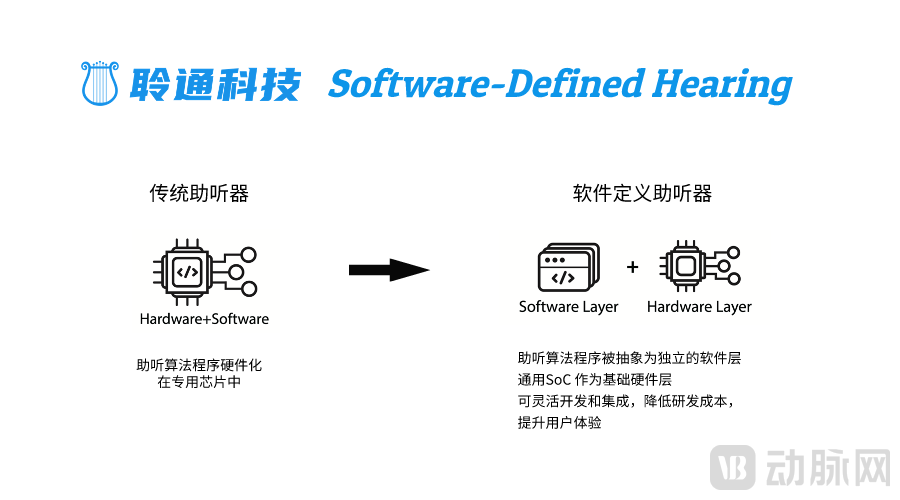
Figure 1 Lintong Technology's Pioneering Next-Generation Engine Framework for Software-Defined Hearing Aids
Traditional hearing aids largely rely on dedicated hearing aid chips using ASIC technology, which entails high costs. Due to their low shipment volumes, these dedicated chips cannot leverage the latest semiconductor process nodes and suffer from slow iteration cycles, typically with upgrades occurring only every two to three years. Beijing Lintong Technology Co., Ltd. employs a software-defined hearing (SDH) architectural approach, integrating its proprietary suite of hearing aid algorithms onto modified generic Bluetooth chips. Within Lintong’s innovative SDH architecture, all hearing aid functionalities are implemented in software, enabling rapid iteration of core features through algorithmic and software updates multiple times per month, thereby facilitating swift product upgrades.
Lintong Technology has independently developed its complete suite of core hearing aid algorithms, LyraOS, through years of dedicated R&D investment and accumulation, and currently serves hundreds of thousands of users with hearing loss.By leveraging user data feedback and building on a novel software-defined hearing aid architecture, the Lintong Hearing Aid Engine is rapidly iterated and optimized. As a result, Lintong has developed its hearing aids into a new generation of devices with world-class performance.
Lintong’s technological capabilities have been fully validated in its complete hearing aid systems. The company’s products have obtained registration with the U.S. Food and Drug Administration (FDA) and Class II medical device certification from China’s National Medical Products Administration (NMPA), achieving a closed loop in both technology and product development, while delivering performance that meets international advanced standards.
Meanwhile, the HaaS (Hearing as a Service) hearing aid fitting platform, built on a software-defined hearing engine architecture, provides customers with diverse lightweight hearing aid fitting solutions. These include an AI-powered self-fitting mobile app, a remote video fitting service platform, offline rapid hearing screening and fitting software, and professional fitting software for hearing care specialists.These lightweight fitting services have opened up entirely new service and marketing channels for the hearing healthcare industry.
Currently, Lintong is one of the very few companies in the global hearing aid industry, aside from the five major European and American corporations, that possesses fully independent and full-stack capabilities in hearing aid technology and products.
Providing full-stack solutions for the “medical” + “consumer” hearing aid industry, with orders secured from multiple clients
Lintong Technology has completed full-stack technological R&D spanning algorithms, chips, mainboards, complete devices, and fitting services. As a technology platform provider, Lintong offers industry partners solutions including hearing aid algorithm solutions, hearing aid mainboard solutions, and complete hearing aid device solutions.
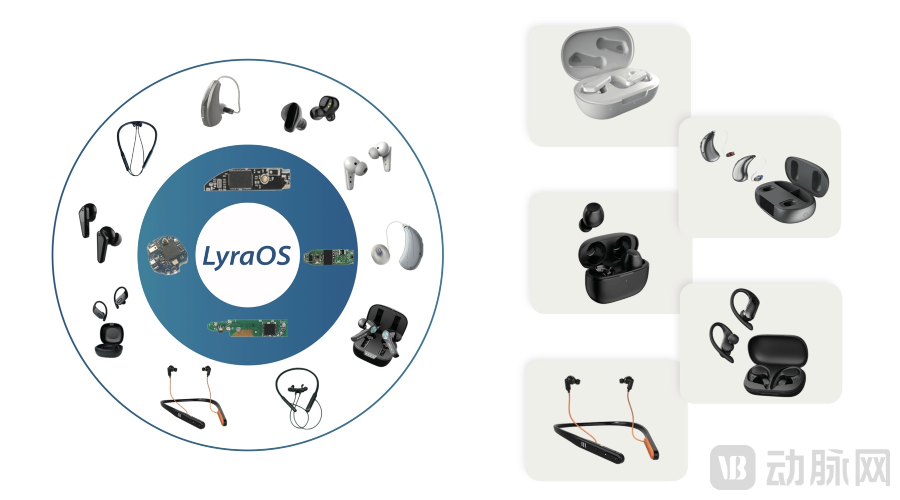
Figure 2. Lintong Technology’s Full-Stack Hearing Aid Solution
Lintong Technology’s complete hearing aid solutions and mainboard solutions provide robust product and technical support to hearing aid brands, distributors, and manufacturers. Built on a novel “software-defined hearing” engine, Lintong’s hearing solutions not only optimize hearing aid performance but also accelerate product iteration, better addressing diverse market demands. This enables hearing aid companies to rapidly enter the market and meet the needs of different users.
The algorithmic solution developed by Lintong Technology upgrades standard consumer audio devices to include hearing assistance capabilities. This innovation not only provides a better listening experience for individuals with mild hearing loss but also drives greater emphasis on hearing health features across the entire consumer electronics market. Currently, this technology has been integrated into high-end earphone products from Huawei and Xiaomi.
It is reported that Beijing Lintong Technology Co., Ltd. has successfully signed contracts with numerous corporate clients both domestically and internationally. In terms of product offerings, the company has successfully developed multiple series of medical hearing aids, including air-conduction and bone-conduction devices. Its portfolio also encompasses various form factors such as behind-the-ear (BTE) models, true wireless stereo (TWS) devices, and open-fit hearing aids. Leveraging its next-generation “software-defined hearing” engine, Lintong Technology is committed to driving technological innovation within the industry, delivering high-quality products and services, and enabling hundreds of millions of individuals with hearing loss to enjoy better sound and reintegrate into a vibrant world.