

Chimeric BioGenesis Files IPO Prospectus: Pioneering a Universal tRNA Platform to Treat Thousands of Rare Genetic Diseases
You may have heard of a class of diseases stemming from nonsense mutations in genes. These mutations abnormally introduce premature stop codons, disrupting the normal sequence of genetic codons and thereby interfering with protein synthesis. Such diseases often exert severe impacts on normal physiological functions in the human body.
Duchenne muscular dystrophy, phenylketonuria, and β-thalassemia are representative diseases of this category. “My child is three years and three months old and was diagnosed with Duchenne muscular dystrophy this year. The disease will cause him to lose the ability to walk around age 10 and claim his life by approximately age 20. There is no cure for this condition, and some treatments available abroad cost an exorbitant 2 million yuan per year. I earnestly appeal for greater attention to the research and development of medications for Duchenne muscular dystrophy to save these beloved children,” a mother once commented on the People’s Daily Health Client.
In the face of disease, where some cry out for help, others extend a helping hand. Consequently, scientists have begun researching tRNA suppression technology. By leveraging relevant encoding tools, they can precisely incorporate natural amino acids at nonsense mutation sites in proteins, enabling readthrough of premature termination codons and full-length expression of functional proteins. This approach facilitates the design and optimization of related therapeutics, with the ultimate goal of achieving genuine disease treatment.
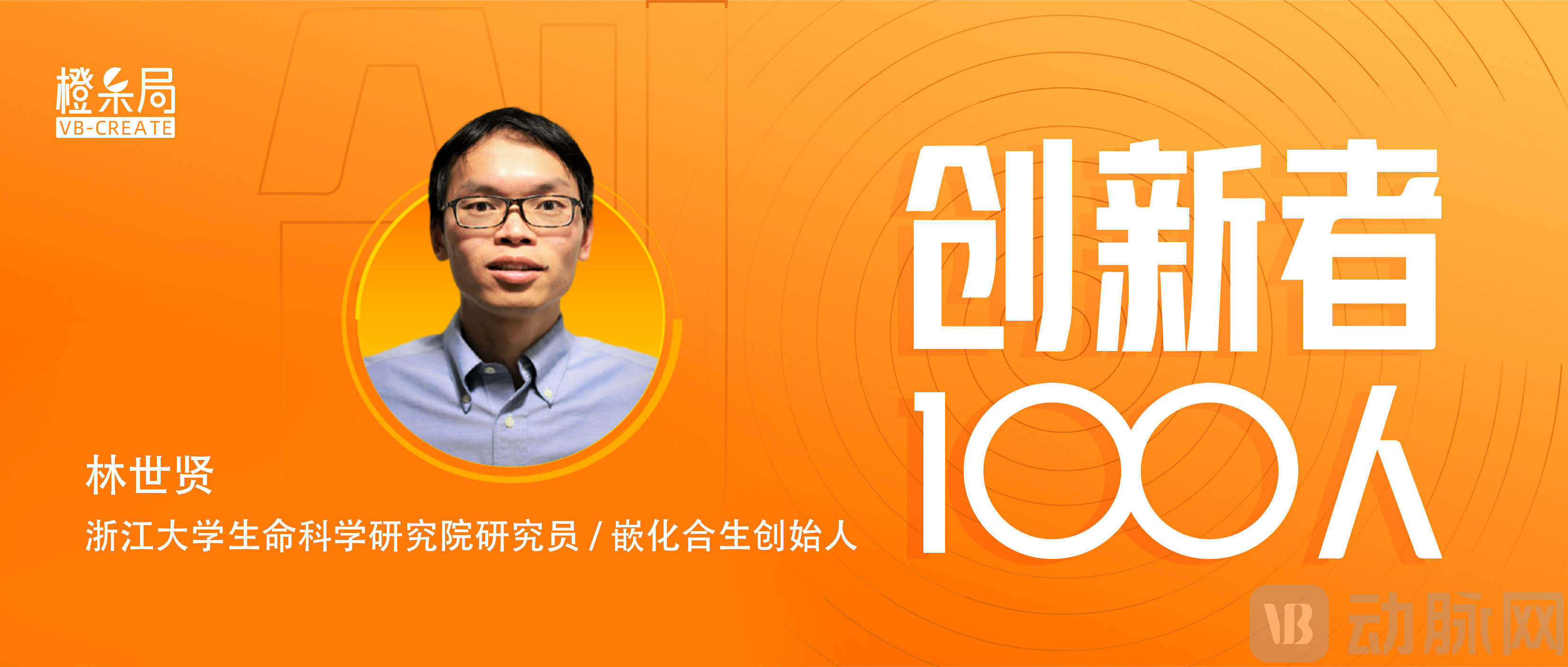
Lin Shixian is filled with anticipation for the future of this field. As a Senior Researcher at the Life Sciences Institute of Zhejiang University and the founder of Chimeric Biosynthesis, he has been dedicated to exploring the biological functions and engineering modifications of tRNA and protein modifications.
“Translation is the final step of the central dogma; by intervening in this process, we can directly produce the modified proteins we need. If we can design a chimeric translation system that is free from the interference and limitations of natural translation systems, enabling the translation of proteins with specific functions, we can provide more drugs with specialized functionalities and also treat rare diseases caused by nonsense mutations.” Lin Shixian vividly referred to this as an “artificial translation system.”
According to the central dogma, DNA is transcribed into mRNA, and mRNA is translated into proteins; this represents the flow of genetic information.The “artificial translation system” described by Lin Shixian selects appropriate amino acid “words” according to a precise “formula,” ultimately translating them into protein “works” with specific functions and applications. His work involves cultivating outstanding translational “personnel.”
Over the past two decades, numerous chemical biologists have dedicated their efforts to this field, successfully achieving the incorporation of more than 300 types of non-natural amino acids bearing diverse functional groups. These engineered amino acids serve various functions, including bioimaging and tracing, regulation of protein function in vivo, investigation of post-translational modifications, proteomic analysis, and biotherapeutics.
“My doctoral supervisor is a pioneer and international leader in this field, having achieved numerous original and systematic research outcomes.” Influenced by this, Lin Shixian has been working in the field of genetic code expansion technology for 15 years, counting from when he began his graduate studies in 2009.
Designing an “Artificial Translation System” is no easy feat! Lin Shixian told Chengguo Bureau,“The core of the ‘Manual Translation System’ lies in orthogonality, universality, and efficiency.”In other words, this translation system must: first, ensure complete functional and mechanistic separation from endogenous biological translation systems to avoid mutual interference (orthogonality); second, be capable of universally recognizing and incorporating various natural or non-natural amino acids at the stop codons of target proteins (universality); and third, efficiently produce large quantities of proteins with high fidelity (efficiency).
For Lin Shixian, this also represents his primary professional objective: to develop an “artificial translation system” aimed at addressing significant biological questions and applying these insights to the diagnosis and treatment of diseases. In a sense, a chemical biologist is entrusted with greater expectations and responsibilities—to undertake tasks that are difficult yet right.
A Victory of "Integration"
Chemical biology is inherently an interdisciplinary field. The concept was first proposed by a small group of professors, including American chemists Stuart L. Schreiber and Peter G. Schultz. Scholars in this field are dedicated to exploring the boundaries between chemistry and biomedicine, and by integrating research methodologies from cross-disciplinary areas such as chemistry, biology, physics, computer science, and engineering, they strive to gain a deeper understanding of the essence of life sciences and continuously advance the development of novel biopharmaceuticals.
Deeply influenced by his doctoral supervisor, Lin Shixian has placed great emphasis on cultivating students’ interdisciplinary mindset and skills since the establishment of his laboratory. In his lab,Students not only gain exposure to traditional biological disciplines such as cell biology, biochemistry, and molecular biology, but also focus on acquiring knowledge and techniques in emerging interdisciplinary fields, including synthetic biology and data algorithms.
This gene has also been carried into Qianhe Biosynthesis. Lin Shixian told Chengguo Bureau that many students chose to join Qianhe Biosynthesis right after graduation. Therefore, this startup team already possesses sufficient rapport and rich interdisciplinary experience.
The chemical environment within living organisms is extremely complex, with cells functioning like chemical plants that operate 24/7, carrying out various biochemical reactions. In such a complex environment, Lin Shixian’s team first considered how to introduce exogenous molecules without interfering with normal cellular functions.
“If interference occurs, cells cannot express proteins normally. Thus, there is a contradiction: we desire the translation system to exhibit high catalytic activity, yet we do not want it to interfere with cell growth and protein expression,” said Lin Shixian.
Lin Shixian aims to ensure that the exogenously introduced orthogonal tRNA is specifically recognized only by its corresponding orthogonal aminoacyl-tRNA synthetase, without cross-reacting with endogenous aminoacyl-tRNA synthetases. Meanwhile, the exogenous aminoacyl-tRNA synthetase should specifically recognize the exogenously added non-canonical amino acid and attach it to the orthogonal tRNA.
In the past, researchers discovered that the pyrrolysine aaRS/tRNA pair in archaea, due to its broad-spectrum orthogonality and robust catalytic activity, is an ideal system applicable to both prokaryotes and eukaryotes. Unfortunately, it is also the only known natural system with such broad-spectrum orthogonality.
Lin Shixian aims to identify more systems with broad-spectrum orthogonality, thereby enabling the construction of a robust “artificial translation system.”
In this project, Lin Shixian’s team needed to accomplish the critical task of screening components. Faced with a vast pool of candidate synthetases and tRNAs, traditional screening methods proved time-consuming and inefficient, failing to meet the team’s R&D requirements. To address this, the team integrated deep learning technologies to establish a high-throughput screening platform, enabling the rapid identification of components capable of specifically recognizing non-natural amino acids while maintaining orthogonality with the endogenous translational machinery.
Lin Shixian told Chengguo Bureau that they spent several years assembling four chimeric aminoacyl-tRNA synthetase (aaRS)/tRNA pairs with orthogonality in both prokaryotes and eukaryotes (broad-spectrum orthogonality) from hundreds of different components. In 2020, this achievement was published inNature CommunicationsPublished online in the journal, the team also utilized the chimeric phenylalanine system to introduce post-translational modifications and fluorescent non-natural amino acids.
However, similar to all orthogonal translation systems at the time, this system was limited in its applications in protein design, functional studies, and intelligent cellular manufacturing due to its lower efficiency compared to natural amino acid encoding systems.
Pursuing the high efficiency of an “artificial translation system” has become the next goal for Lin Shixian’s team.
In academia, researchers primarily employ four strategies to improve the efficiency of translation and incorporation of non-canonical amino acids: mining novel aminoacyl-tRNA synthetase/tRNA pairs, engineering aminoacyl-tRNA synthetases, engineering tRNAs, and modifying other translational components.
Lin Shixian’s team integrated all available approaches and performed systematic directed evolution on the acceptor arm of chimeric phenylalanine tRNA and on chimeric phenylalanyl-tRNA synthetase. By screening a library of 1.7 × 10⁷ tRNA molecules and 130,000 synthetase clones using a high-throughput platform, they ultimately obtained mutants that efficiently recognize non-natural amino acids. Moreover, the directed-evolution-enhanced system exhibited an exceptionally high coding signal-to-noise ratio, with the translation efficiency of the target protein increasing by a remarkable 65-fold.
In December 2021, this breakthrough was alsoNature CommunicationsReport.
Through these two studies, Lin Shixian’s team established a research framework for the chimeric translation system and laid the most challenging foundational groundwork, making subsequent advancements follow more naturally. Leveraging the chimeric translation system, Lin Shixian’s team conducted further innovative research:
(1) They designed super-readout proteins with enhanced affinity for the specific recognition of post-translational protein modifications, which were used for the enrichment, imaging, and microenvironment analysis of a series of histone methylation modifications (two papers were published in 2022 and 2023, respectively, inJournal of the American Chemical Societyupper);
(2) They achieved the genetic encoding of a series of non-natural amino acids that mimic natural lipidation modifications, investigated the biological functions of various proteins modified with lipid chains of different lengths, and constructed and evaluated genetically encoded lipidated protein therapeutics. (The paper was published in 2023 inNature Chemical BiologyUpper);
(3) They discovered a novel form of ubiquitination modification involving aminoacylated lysine in cells and explored the function of this new modification in promoting protein degradation, as well as its specific writer enzyme (the paper was published in 2023 inNature Structural & Molecular BiologyUpper);
(4) They achieved the genetic encoding of dozens of various tryptophan analogs and, through collaboration, incorporated “caged” tryptophan into target proteins, thereby enabling precise “activation” and functional characterization of diverse protein families (the paper was published in 2024 inNature Chemistry).
Lin Shixian told Chengguo Bureau that the Chimera Translation System is a crucial component of the “Artificial Translation System.” Over the next two years, they will further refine other components of the “Artificial Translation System” and sequentially release additional studies leveraging this system to elucidate biological functions.
Bringing Technology to Application
Back in 2021, Yu Xiang, Managing Director of CAS Star, came across a research paper on the chimeric translation system.
As an early-stage investment firm focused on “hard tech,” CAS Star actively seeks out promising projects incubated within universities and research institutes, and has built an integrated hard-tech entrepreneurship ecosystem that combines “research institutions + early-stage investment + startup platforms + post-investment services.”
Yu Xiang keenly recognized the application value of the chimeric translation system. After quickly reaching out to Lin Shixian and gaining a thorough understanding of the professor and his technical field, he began encouraging him to launch a startup to translate the technology into practical applications.
Yu Xiang told Chengguo Bureau, “Lin Shixian’s team’s chimeric translation system project has been firmly locked in.”
For Lin Shixian, this was undoubtedly an opportunity. Born in Changle, Fujian—a region with a strong business culture—Lin was influenced by his elders’ entrepreneurial endeavors from a young age, growing up immersed in and curious about the business world. He candidly stated, ““I am not averse to either science or business; driving the research and development of innovative drugs is inherently one of the key objectives of chemical biology research.”
In the field of chemical biology, the entrepreneurial achievements of pioneering scientists such as Professor Peter G. Schultz and Professor Carolyn R. Bertozzi have also inspired Lin Shixian. In March 2022, with the support of CAS Star, Lin Shixian and his collaborators founded Chimeric Biosciences, a company dedicated to advancing biopharmaceutical research and development through chimeric translation systems.
Unlike scientific research, entrepreneurship is a different endeavor; Lin Shixian fully understands the critical importance of product portfolio strategy to a company’s development. To date, Qianhua Biosynthetics has laid out three product pipelines.
Article 1 isDrug Pipeline for Diseases Caused by Disrupted Genetic Information Translation. In other words, it refers to the development of drugs for rare diseases, such as the development of therapeutics for premature termination codon (PTC) diseases.
Although rare diseases may sound uncommon, their commercial market potential is enormous. There are more than 7,000 rare diseases worldwide, affecting 300 million patients. Lin Shixian stated that the chimeric tRNA therapeutic technology they have developed features a “one drug, multiple diseases” profile, meaning a single drug can target multiple conditions and even provide a universal treatment for rare diseases caused by the same type of mutation. Currently, they have identified several preclinical candidate compound (PCC) molecules with promising efficacy and have validated their effectiveness and safety in animal models.
Article 2 isBiological Modification Pipeline for Protein TherapeuticsLin Shixian explained, “Many protein drugs feature specific modifications that enhance their therapeutic efficacy. Traditionally, these modifications have been introduced through chemical synthesis, but we are now exploring the use of biosynthetic methods to achieve this. In this regard, the versatility and high efficiency of chimeric translation systems in recognizing non-natural amino acids have laid a solid foundation for our translational research.” He believes that this approach holds great potential, provided it targets drugs with commercial value. The team has successfully established the technical pathway for biosynthesis and is advancing toward pilot-scale production.
Furthermore, Qianhua Bio is also exploringResearch and Development and Commercialization of Novel Protein Therapeutics. Since the chimeric translation system can add new modifications to proteins, Lin Shixian also hopes to develop protein drugs with novel modifications. Currently, the team has identified PCC molecules with new modifications and is verifying their efficacy and safety.
All three product pipelines rely on the chimeric translation system technology platform. Lin Shixian emphasized: “Essentially, we have successfully transitioned from one pipeline to another by addressing similar technical challenges.“We firmly believe that ‘AI-powered translation systems’ will become a key platform technology in drug development.” Currently, Lin Shixian’s team is advancing these pipelines in parallel, determining which projects to prioritize for clinical trials based on market commercialization needs and scientific progress.
For a startup, market competition, resource allocation, and time pressures all create a tense atmosphere during the early stages of research and development. However, from another perspective, young startups often demonstrate greater enthusiasm for tackling challenges.
The same holds true for the fewer than 20 employees at Chimeric Biosciences. Lin Shixian believes that although the team members are relatively young and lack successful drug development experience, this is precisely their advantage—youth means having more time and energy to devote fully to problem-solving. Moreover, engaging with senior scientists and commercial advisory teams, or seeking external partners, can compensate for their lack of experience.
Lin Shixian and his team are looking forward to a victory.
For a long time, Lin Shixian has strongly agreed with a statement by Professor Christopher J. Chang of the University of California:Innovative chemistry will lead the development of innovative biology, if not now, then in the future.From a business perspective, Lin Shixian hopes to initiate clinical trials for the drug within the next two years; from a scientific standpoint, he is more eager to see the “AI-driven translation system” continuously yield new drugs, novel mechanisms, and innovative therapies, thereby benefiting a broader patient population.