

Gene Therapy Era Is Here: How to Develop Affordable Gene-Editing Medicines? — An Exclusive Interview with Dr. Zhou Lu, Founder of Shentuo Biologics

Santo
Gene Therapy and Innovative Delivery Technology Platform Service Provider
In recent days, the field of gene therapy has witnessed another major breakthrough. Orchard Therapeutics, a company specializing in lentiviral gene therapies, announced that its gene therapy, Lenmeldy, has received FDA approval for the treatment of pediatric patients with metachromatic leukodystrophy (MLD) who meet specific criteria.
According to incomplete statistics, since the approval of the world’s first gene therapy in 2017, a total of 12 gene therapies have been approved for marketing (excluding cell therapies and small nucleic acid drugs). The successive approvals of multiple therapies reflect the FDA’s confidence in gene therapies and have also bolstered market confidence.
However,Despite the immense potential of gene therapy, its technical complexity and safety concerns have become obstacles to companies’ research and development efforts.. Furthermore, the contradiction between the high R&D costs of gene therapies and their exorbitant pricing has become a barrier hindering companies from achieving commercialization, with price tags in the millions of dollars placing these treatments out of reach for ordinary families. Despite successful regulatory approval and market launch, establishing a viable business model to achieve profitability remains a significant challenge for these enterprises.
As a surge in the development of gene-editing therapeutics emerges in both domestic and international markets, numerous controversies surrounding the field of gene therapy have also arisen. To this end,VCBeat Had the Privilege of Interviewing Dr. Zhou Lu, Co-Founder of Santo, to Discuss the Current State, Challenges, and Future Trends in the Gene Therapy Industry。
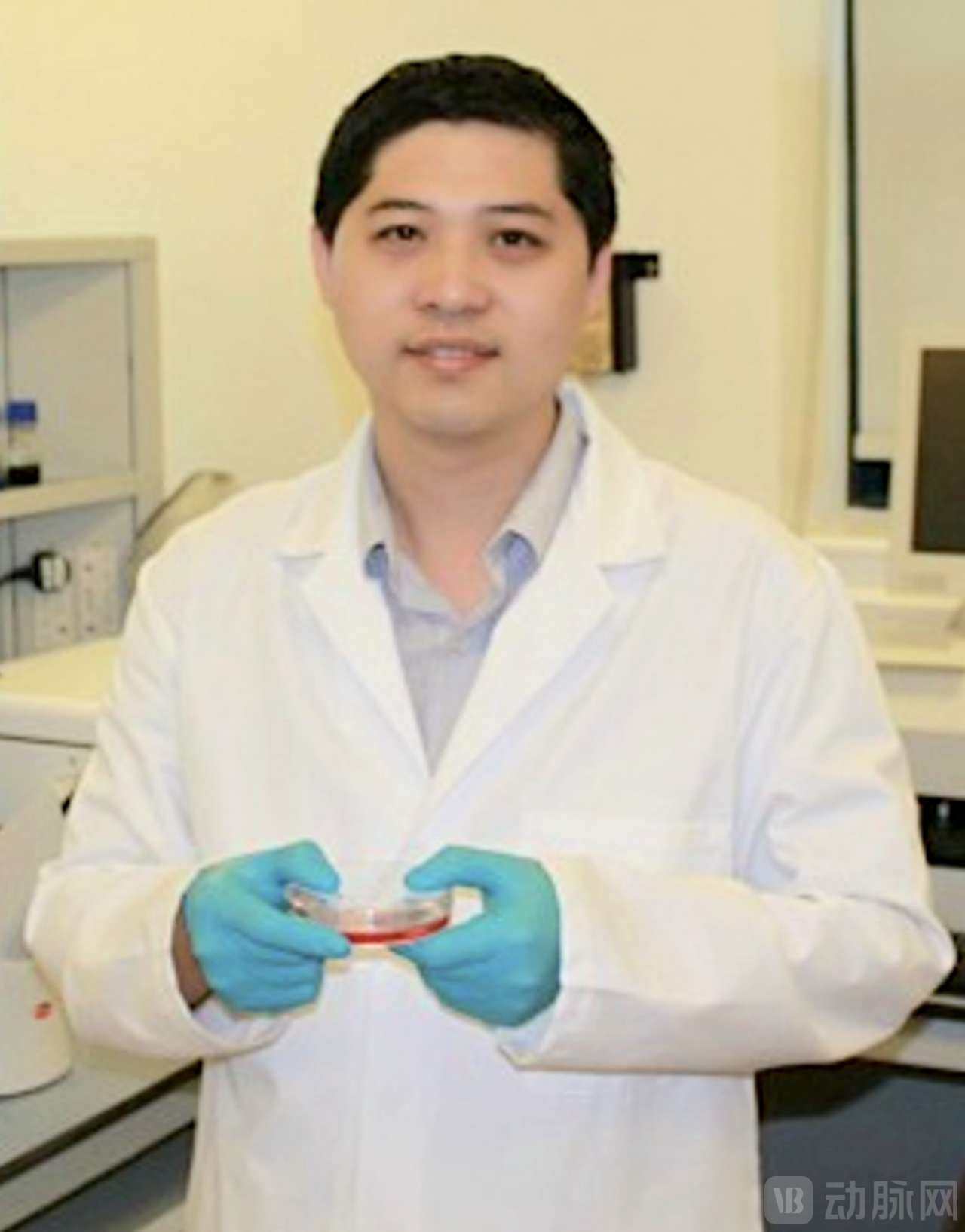
Dr. Lu Zhou obtained her Ph.D. in Biochemistry from Heriot-Watt University, UK, in 2006. From 2008 to 2015, she conducted cancer research at the Peninsula Medical School, University of Plymouth. Her independent and collaborative research has been published in world-renowned journals, including Nature’s Oncogene, Cell, Cancer Cell, and Science’s Science Signaling. Her scientific achievements have been cited more than 1,000 times.Santo completed its angel round of financing in December 2023. The company’s team is dedicated to developing the fifth-generation lentiviral vector (5G Vector) platform, providing safer and more effective delivery tools for in vivo gene therapy.。
VCBeat: Several gene therapies have already been approved for market launch, such as Casgevy, the world’s first CRISPR/Cas9 gene therapy, and bluebird bio’s three lentiviral vector (LVV) gene therapies: Lyfgenia, Skysona, and Zynteglo. How do you view the characterization of gene therapies as “miracle drugs”? What are the similarities and differences between them and other therapeutic modalities?
Dr. Lu Zhou:Currently, the primary distinction between gene therapy and other therapeutic modalities is its ability to provide new treatment options for diseases that are incurable with small-molecule drugs, large-molecule biologics, and other conventional therapies. Taking rare diseases as an example, there are currently over 7,000 identified rare diseases worldwide, affecting approximately 350 million patients. Despite advances in medicine, the vast majority of these conditions still lack any approved treatment regimens. Furthermore, refractory diseases urgently require novel therapeutic approaches due to issues such as drug resistance and tolerance. Gene therapy offers a beacon of hope for a cure to these patients.
Based on clinical data and treatment outcomes, the efficacy of gene therapy is undeniable. However, the notion that “gene therapy is a miracle cure” remains unproven and cannot yet be validated. Gene therapies have only entered the market in recent years, but their efficacy and long-term outcomes require verification over 10–15 years, or even a lifetime.
However, for the entire healthcare industry, gene therapy is undoubtedly a significant advancement. Previously, drug development largely focused on disease symptoms, with different treatments tailored to specific symptomatic presentations.However, by addressing the root cause of the disease, it may be possible to achieve the effect of “one-time treatment, permanent cure.”If we view humans as a string of code, with DNA representing the individual lines of that code, then gene therapy is the process of identifying and resolving "bugs" at the source code level. By correcting erroneous genetic sequences, it aims to achieve a one-time cure.
VCBeat: The efficacy of gene therapy is evident to all, yet there is considerable controversy surrounding safety concerns such as carcinogenic risk and off-target effects. For instance, when the FDA convened an Advisory Committee (AC) meeting for Casgevy, the discussions focused primarily on its safety profile. How do you view this issue?
Dr. Lu Zhou:The FDA’s concerns are well-founded, yet its regulatory approach is both prudent and proactive. Gene therapy is a novel field, and the review processes of the FDA and the Center for Drug Evaluation (CDE) under China’s National Medical Products Administration involve a careful balancing of safety and efficacy. When the clinical benefits of a gene therapy drug are substantial enough to warrant temporary acceptance of current safety risks, regulatory authorities will consider approving the drug. Such approval would pave the way for an innovative therapy that offers new hope to patients.
The focus of the safety discussion lies in how to resolve the issues.Vector tool design, enhanced targeting, and reduced dosing are the three key strategies for mitigating safety risks in gene therapy.Among these, the greatest challenge lies in the targeting and precision of the vector. Therefore, it is essential to progressively refine the design of vector tools through technological advancements at the source R&D stage and optimize them during the manufacturing process to enhance the precise targeting of the drug. On this basis, the administered dose can be reduced, ultimately yielding a gene therapy drug with superior efficacy and high safety, as drug safety is inherently correlated with dosage.
VCBeat: Based on this, what differentiated solution does Santo offer?
Dr. Zhou Lu:Professor Jennifer Doudna, a pioneer in the field of gene editing, has stated that the greatest challenge in current gene therapy is delivery. When therapeutics fail to reach their intended targets, issues such as insufficient efficacy and off-target effects inevitably arise.Delivery vectors are currently a bottleneck in industry development., only when a highly efficient and precise vector tool is developed can the editing tools be delivered to their intended targets, thereby gradually resolving issues such as drug safety risks and batch production.
Santo is engineering viral vectors to enhance their targeting specificity and safety. The company is currently building a fifth-generation lentiviral vector (5G Vector) platform that overcomes the limitations of previous generations (1–4). This platform enables the development of innovative, fully programmable lentiviral vectors with improved tissue-specific targeting, providing a safe and efficient delivery tool for in vivo gene therapy. Experimental data also demonstrate that these developed vector tools achieve high-level expression in target cells with remarkably high transduction efficiency.
VCBeat: From Hemgenix at $3.5 million to Lenmeldy at $4.25 million, gene therapies continue to shatter the ceiling for “astronomical” pricing, placing them out of reach for patients from ordinary households. How do you view this phenomenon?
Dr. Lu Zhou:The primary reason for high pricing is the high cost, so it is necessary to identify where the enterprise's costs lie. The first isR&D Costs. The indications targeted by gene therapy are primarily rare diseases, whereas current research on rare diseases is limited, necessitating substantial upfront investment to elucidate disease mechanisms. Second,Production CostGene therapy manufacturing involves complex processes, all of which must be conducted under stringent conditions compliant with Good Manufacturing Practice (GMP) requirements, making the high production costs impossible to ignore.
Third,ShangCommercialization Cost. During the clinical trial phase, patient recruitment is challenging due to the small and geographically dispersed global population of patients with rare diseases, leading to additional costs. In the market promotion phase, the difficulty and cost of marketing further increase due to the limited number of patients and their geographic distribution.
Factors such as rare disease mechanisms, niche patient populations, and complex manufacturing cycles inevitably lead to high pricing for gene therapies. When all seemingly minor costs are aggregated, they culminate in a substantial figure. Furthermore, companies must establish viable commercialization models, leveraging drug sales revenue to sustain operations. Only in this way can they cover corporate expenditures and ensure continuous research and development.
VCBeat: Under these circumstances, how do you think companies can reduce costs and break through the pricing dilemma?
Dr. Lu Zhou:For enterprises,Technological Innovation Is the Key to Reducing CostsIn terms of R&D and production costs, companies can enhance R&D technologies and improve efficiency through innovation, thereby reducing R&D and production costs across multiple dimensions. Regarding commercialization costs, collaboration among enterprises can help streamline market sales channels and lower the overall commercial costs for the industry.As costs across all segments decline, drug pricing will also decrease, ultimately creating a virtuous cycle from which patients, pharmaceutical manufacturers, and other stakeholders will all benefit.。
VCBeat: What innovative payment models do you anticipate emerging in the future to make gene therapies truly affordable for patients?
Dr. Lu Zhou:Continuously innovating payment methods and exploring diverse drug payment models are critical factors for improving drug accessibility and ensuring the affordability of gene therapies for patients in the future. These approaches also enable stakeholders to strike a balance among cost-effectiveness, risk, and sustainable development.
Currently, commercial insurance is the primary payment method.. According to pharmacoeconomic calculations, if the cost incurred by patients during treatment is lower than the insurance coverage, the price will fall within a market-acceptable range. When gene therapy drugs achieve the effect of “one-time administration, lifelong cure,” patients will not need to pay millions of dollars, thanks to insurance support.
Using therapeutic efficacy as the basis for payment is also a novel approach. “Pay-for-performance” means that patients’ out-of-pocket costs are linked to their treatment outcomes over a specified period; if the outcomes fall short of expectations, the pharmaceutical manufacturer will refund part or all of the treatment costs to the payer. This model reduces patients’ financial risk to some extent and simultaneously incentivizes companies to continuously optimize and improve their treatment regimens. Furthermore,Patients may also receive medication through support from various social sectors, such as charitable organizations.In the future, patients may also be able to purchase medications through installment plans or similar financing options. After being cured and reintegrating into society, they would cover the cost of treatment using the social value generated through their personal productivity.
VCBeat: Turning to Santo itself, what innovations does the company plan to introduce in areas such as cost and payment models to break through this predicament?
Dr. Lu Zhou:Santo has taken a different path. We aim to reduce drug dosage through technological innovation, as both drug safety and cost are closely linked to dosage. By leveraging advanced technologies, we can minimize the drug dosage while maintaining therapeutic efficacy throughout the entire process of R&D, manufacturing, and final product development, thereby reducing the company’s overall costs.Santo is currently establishing its proprietary CMC manufacturing system, which is expected to reduce production costs to one-tenth of the current level.. In the future, the company will also collaborate with other enterprises to jointly develop technologies, working together to reduce costs at the source.
VCBeat: Currently, numerous pharmaceutical companies are positioning themselves in the gene therapy sector, and more products have been approved for market launch. Do you believe that the “era of gene therapy” has arrived?
Dr. Lu Zhou:I believe there is no clear demarcation line for whether the “era of gene therapy” has arrived, as many developments occur subtly and evolve gradually. What is certain, however, is thatWe Are in the Era of Gene Therapy and Moving Toward a Better Future。
The FDA previously stated that, with the surge in the number of cell and gene therapies entering early-stage clinical development, it expects to receive up to 200 investigational new drug (IND) applications annually starting from 2020. It also projects the approval of 10–20 cell and gene therapies per year beginning in 2025, reflecting the agency’s positive stance and high expectations for gene therapy. Currently, an increasing number of companies are entering the gene therapy sector. As participation intensifies, the field is poised for numerous milestone achievements in the future.
VCBeat: What challenges and opportunities will the gene therapy sector face in the future? What industry trends are worth watching?
Dr. Zhou Lu:I believe the challenges are multifaceted. The primary hurdle lies at the technical level: how to design superior and more refined vectors to achieve efficient delivery and precise targeting, thereby breaking through the limitations of current therapeutic efficacy and meeting the core clinical needs in their truest sense. Once this central technical challenge is overcome, issues such as payment mechanisms and commercial implementation will be readily resolved.
The opportunities are also vast.In terms of therapeutic indications, gene therapy will expand from rare diseases to common and chronic conditions, such as using gene therapy to treat diabetes, cardiovascular diseases, and cancer, or for vaccine development and anti-aging interventions.From a technical perspective, the development of next-generation vectors will become a key focus, which is precisely what Santo is undertaking by developing 5G vectors to address delivery challenges. Another area of emphasis is the optimization of editing tools; the development of more precise, miniaturized, and highly efficient editing tools represents a major direction for future advancement.
A key trend in future industries is the transformation of hospital structures, shifting from a physician-centric model to one dominated by collaborative care involving scientists. Specifically, a large number of scientists engaged in gene therapy research will integrate closely with hospitals, enabling gene therapies to be applied to patients with greater precision.
Nevertheless, regardless of the challenges faced, the future prospects for gene therapy remain positive and expansive. As more gene therapies gain regulatory approval and reach the market, the industry will attract greater attention, and the business environment will improve, thereby driving overall sector advancement and ultimately providing safer and more effective treatments for patients across diverse disease areas.
VCBeat: What milestone achievements will Santo reach in the coming years?
Dr. Lu Zhou:Santo’s 5G vector platform is built upon a comprehensively designed lentiviral vector system, supporting the development of gene therapies for various brain tumors and rare neurological disorders.. Currently, the company is refining patient-derived xenograft (PDX) models for neurofibromatosis. The core team has published multiple scientific achievements in leading global scientific journals. Furthermore, the company has established clinical R&D collaborations with numerous Grade A tertiary hospitals in China, boasting extensive patient resources and well-established clinical trial centers.
Santo has established multiple in vivo gene therapy pipelines and expects to bring its products to market within 5–8 years.In the future, Santo will strengthen its ties with hospitals and patients, gaining a thorough understanding of patient needs, physician requirements, and clinical demands. Guided by these three priorities, Santo is committed to developing highly effective and safe gene therapy drugs that are affordable for patients.