

Kuoran Biomedical: Breaking Homogenization in Tumor Pathology with an Integrated Next-Generation Pathology Solution Serving Over 500 Hospitals and Research Institutions
Amid the confluence of uncertainties such as the capital winter and shifts in the international landscape, industries across the board are undergoing systemic transformation, either proactively or reactively. The oncology precision medicine sector is particularly acutely feeling the impact of this “transformation.” For instance, since 2023, there have been successive breakthroughs in the registration and approval of oncology diagnostics and therapeutics, with the first approvals granted for pan-cancer companion diagnostics, bridging companion diagnostics, and tumor mutational burden (TMB) testing. Furthermore, despite the lack of clear detailed regulations on Laboratory Developed Tests (LDTs), companies are increasingly moving their operations from outside hospitals into hospital settings. The trend of integrating oncology testing into hospitals has become established, signaling that the industry is becoming more standardized and mature, while entry barriers continue to rise.
Macrotrends serve as a lighthouse, guiding the direction forward. At the micro level, however, lie the concrete steps for implementation, which are key for enterprises to break through in fierce market competition. Gaining insights into macrotrends and navigating economic cycles have become high-frequency terms in the industry. What kind of enterprises can withstand cyclical fluctuations? The answer is relatively clear: first, a profitable business model; second, technological upgrading; and third, applications addressing rigid demand. While these elements appear straightforward, their actual realization is by no means easy.
In this industry, where growth has relatively slowed, are there companies that are still growing at a faster pace? VCBeat has noted that Kuoran Biomedical stands out as a leading player.
Kuoran Biomedical strategically positions itself in Next-Generation Pathology (NGP) technology, with distinctive features thatIntegrated Solution for Molecular Pathology and Digital Pathology in OncologyCombined, and successfully promoted the clinical certification of the full range of multiplex immunohistochemistry (mIHC) products, accelerating the commercialization process. Recently, CACLP was held as scheduled, and Kuoran Biomedical's next-generation integrated pathology solution won awards at the "Bright · Laboratory Medicine – The 7th In Vitro Diagnostics Young Entrepreneurs Forum."Best Business Model Award。
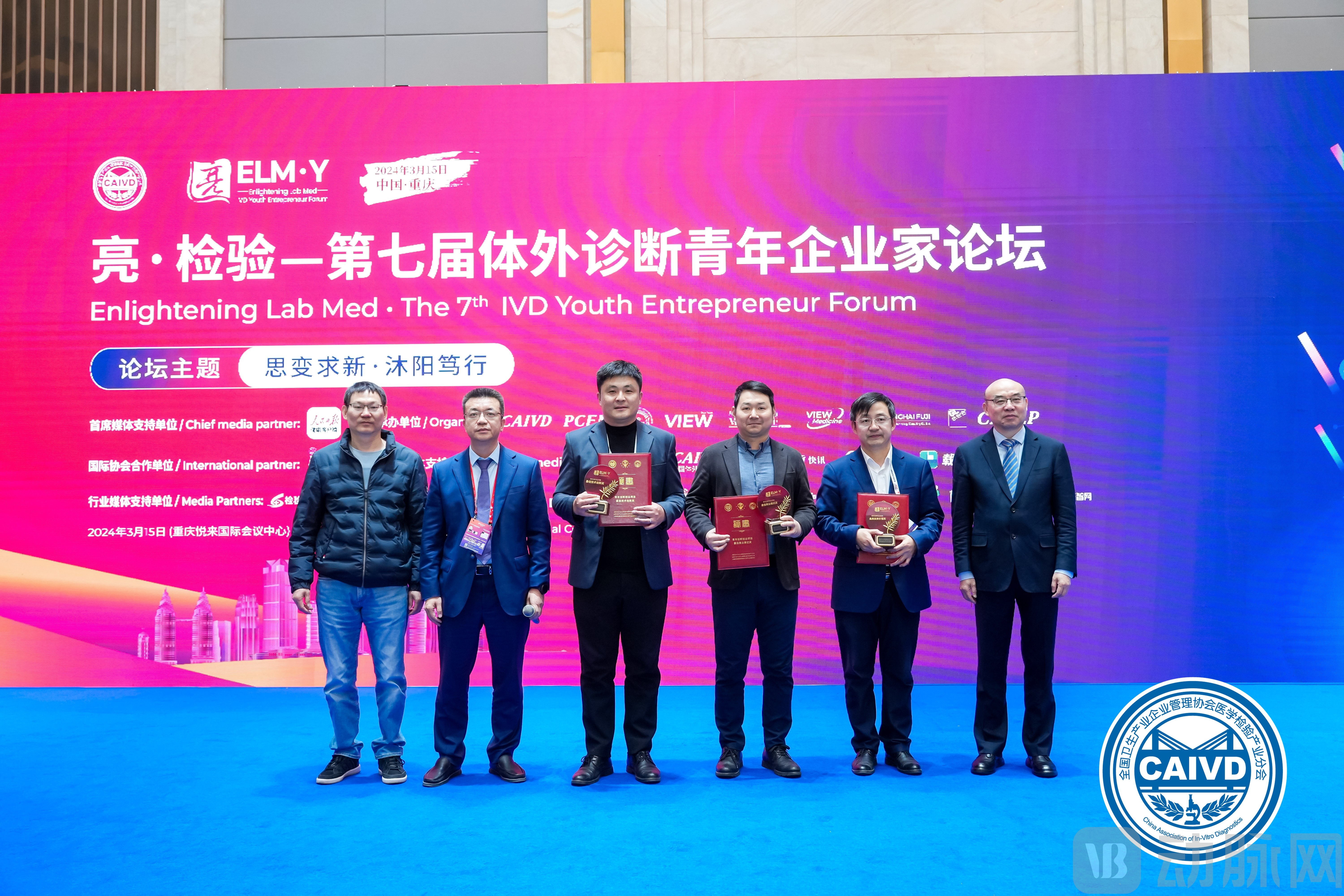
Kuoran Biomedical's Next-Generation Integrated Pathology Solution Wins Best Business Model Award
As a leader in next-generation pathology technologies, how can Kuoran Biomedical seize more industry opportunities? This article takes Kuoran Biomedical as a typical case study to analyze how enterprises can align with the trend of precision oncology and identify new avenues for growth.
Amid a complex external environment, companies in the field of precision oncology are struggling to achieve profitability, with the industry broadly facing a “low-growth” predicament that reflects challenges to current business models.
According to statistics from VCBeat, the period from 2016 to 2018 marked the peak of precision oncology, with more than 20 tumor NGS companies in the market valued at over RMB 1 billion each. However, by 2023, financing in the tumor NGS sector had halved, with investment increasingly concentrated on upstream sequencers.
As capital markets cool down, corporate operations are gradually shifting from “valuation-driven” to “profit-driven.” An increasing number of companies are prioritizing “sustained profitability” and actively building more resilient business models.
At the recently held “Bright · IVD – The 7th Young Entrepreneurs Forum on In Vitro Diagnostics,” organized by the Medical Laboratory Industry Branch of the China National Health Industry Enterprise Management Association, Kuoran Biomedical’s next-generation integrated pathology solution won the Best Business Model Award. Zhang Rui, Deputy General Manager of Kuoran Biomedical, stated: “The optimal business model should meet three core criteria: profitability, sustainable profitability, and scalability.”
Driven by a deep understanding of the clinical needs and pain points in pathology, Kuoran Biomedical has developed a clear strategic framework for its business model.
Pathology departments have long relied on manual operations, with low penetration rates of new technologies and equipment. There is an urgent demand for the application of new technologies, and pathology tests can only be offered if they are included in the official reimbursement fee schedule, creating a high barrier to entry. Furthermore, while clinical laboratory services typically account for 10%-15% of a hospital’s total revenue, pathology departments contribute only 1%-3%. Compared with developed countries, there is significant room for revenue growth in China’s pathology sector. Therefore, Kuoran Biomedical Technology (Shanghai) Co., Ltd. has chosenEstablished a foothold in the high-growth-potential pathology department, avoiding the red ocean of clinical laboratories.。
Based on the technical demands of tumor pathology at different stages, Kuoran Biomedical currently divides its business model into two phases. In the first phase, leveraging molecular pathology as a strategic focus, the company rapidly generated cash flow and established distribution channels, thereby quickly building a channel advantage. In the second phase, seizing the window of opportunity, it is fully promoting digital pathology, with a dedicated focus on providingOne-Stop Next-Generation Pathology Solution, accelerating the expansion into the market of top-tier Grade 3A hospitals across China, thereby establishing a differentiated strategy and building a sustainable, profitable model, which has significantly enhanced the company's viability.
Currently,Kuoran Biomedical has served more than 500 hospitals and research institutions across China., meanwhile, the company has established partnerships with multiple distributors and commercial enterprises, including nationwide players deeply rooted in pathology such as China Resources Guobang, to accelerate the commercialization of multiplex fluorescent immunohistochemistry technology.
Technology serves as the foundational cornerstone. Over the past decade, next-generation sequencing (NGS) technology has spearheaded the first wave of development in the oncology precision medicine industry. However, as research has deepened, numerous studies have revealed that tumorigenesis and tumor progression are highly complex processes. NGS cannot address all challenges, and reliance on a single technology entails significant limitations. Currently, the oncology precision medicine sector has entered a phase of technological upgrading.
Among the many emerging new technologies, VCBeat has noted that multiplex fluorescent immunohistochemistry, clinical mass spectrometry, nanopore sequencing, and single-molecule immunoassays are particularly active. Among these, multiplex fluorescent immunohistochemistry has brought broader perspectives to the study of the tumor microenvironment, while the application prospects of mass spectrometry in early cancer screening have garnered attention. Nanopore sequencing, with its advantages of portability and speed, is beginning to show promise in decentralized testing scenarios.
These new technologies each have their own unique characteristics.In the context of tumor pathology, multiplex fluorescence immunohistochemistry aligns more closely with the pathology department’s expectations for “highly precise, automated, and universally applicable technologies.”
First, multiplex fluorescent immunohistochemistry aligns with the trend in oncology from targeted therapy toward immunotherapy and perfectly meets the needs of tumor microenvironment (TME) research. While next-generation sequencing (NGS) and conventional immunohistochemistry offer only moderate efficacy in assessing the TME, multiplex fluorescent immunohistochemistry enables the simultaneous in situ detection of up to nine targets on a single tissue section. This technique concurrently captures information on tumor markers, cell states, immune cell subtyping, immune regulation, and stromal cells, while allowing for in situ analysis of the spatial relationships among these components. Therefore, it is highly suitable for studying complex samples such as the tumor microenvironment.
Next is the level of automation. Automation is a key factor enabling the rapid scale-up and widespread adoption of new technologies. Multiplex fluorescent immunohistochemistry has already achieved a high degree of automation, offering user-friendly operation and controllable detection throughput.
Furthermore, multiplex fluorescence immunohistochemistry has been incorporated into the National Technical Specifications for Medical Service Items (2023 Edition), which clearly specifies details such as item names, content, and difficulty levels for its two key procedures: staining (multicolor immunofluorescence detection of pathological specimens) and scanning (digital fluorescent pathology slide scanning). This inclusion marks national-level recognition and support for the technology, represents substantial progress in pricing standards, and indicates that conditions for its clinical implementation are now relatively mature.
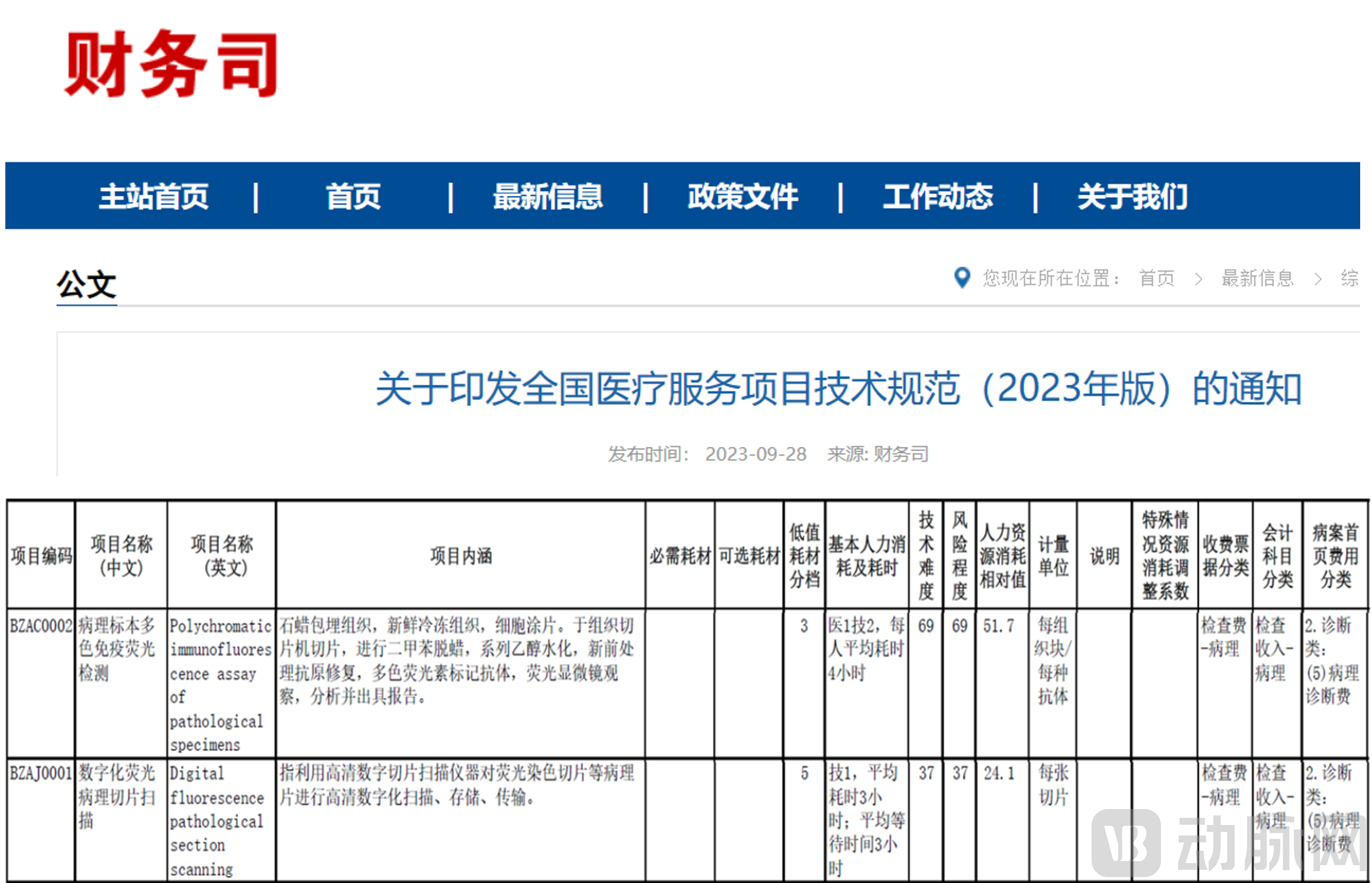
In summary, multiplex fluorescent immunohistochemistry has met the conditions for large-scale clinical application, which is often the scarcest advantage of innovative technologies.
Compared with NGS, the multiplex fluorescent immunohistochemistry sector is clearly less crowded.Kuoran Biomedical is one of the few companies in China to have established a presence in multiplex fluorescence immunohistochemistry.. The company's KR-HT5®High-throughput fluorescent digital pathology scanner enables unattended, high-throughput, ultra-high-speed scanning and imaging, and has obtainedChina's First Class II Medical Device Registration Certificate Based on Multispectral Scanners;Krast®The fully automated immunohistochemistry stainer enables full automation of immunohistochemistry and multiplex fluorescence immunohistochemistry staining; the Kreep™ multiplex fluorescence chromogenic kit can label up to 9 markers.
As oncology treatment methods continue to be updated and iterated, companies need to possess diverse technologies to meet different needs, revealing opportunities for technology integration. While maintaining its leading position in multiplex fluorescent immunohistochemistry technology, Kuoran Biomedical has integrated multiple advanced technologies, forming a combined approach of “tumor molecular pathology + digital pathology.”
Zhang Rui explained, “Molecular pathology and digital pathology are highly complementary. Molecular pathology delves into the molecular level of diseases. In the realm of digital pathology, we apply multiplex fluorescence immunohistochemistry technology to label multiple biomarkers on a single tissue section, providing a panoramic digital display of the tumor immune microenvironment and in situ spatial information between cells. This ultimately forms a comprehensive diagnostic and therapeutic strategy spanning from genes to proteins and phenotypes, offering robust technical support for precision diagnosis and treatment of diseases. Furthermore, the integration of molecular pathology with digital pathology represents a significant manifestation of the evolution of pathology from morphology and histology toward molecularization and digital intelligence.”
In the past, fueled by capital dividends, many companies adopted an “all-in” strategy, making bold investments in various application layouts. It is evident that across companion diagnostics, molecular pathology, cancer early screening, and minimal residual disease (MRD) detection, as well as the previously hyped targeted next-generation sequencing (tNGS), companies have shown high similarity in target diseases, product positioning, gene panels, and testing protocols, without outstanding performance. This has led to an increasingly pronounced trend of homogenization among enterprises. Currently, the rational allocation of capital is key. Companies need to be more prudent and flexible in application development, selecting more competitive product portfolios and focusing on enhancing the performance of their diagnostic tests.
The development of precision oncology has entered the era of spatial omics, representing a significant and critical advancement that may serve as a breakthrough for the industry to overcome homogeneous competition. Traditional tissue analysis methods, such as next-generation sequencing (NGS), immunohistochemistry (IHC), and single-cell sequencing, provide abundant molecular information but compromise tissue integrity during processing. Consequently, they fail to provide or offer only limited spatial information, thereby hindering in-depth elucidation of the complex phenotypes of tumors in the spatial dimension.
Against this backdrop, Kuoran Biomedical has proactively positioned itself in next-generation pathology technologies, achieving a revolutionary breakthrough that overcomes the limitations of traditional methods. This approach not only preserves tissue integrity but also provides comprehensive tumor spatial phenotyping data, enabling pathologists to conduct in-depth analysis of multiple biomarkers within the context of tissue architecture.
This differentiated competitive advantage provides a brand-new perspective and approach to tumor diagnosis and treatment, strengthening Kuoran Biomedical’s competitiveness within the industry. Guided by clinical needs, Kuoran Biomedical leverages its technological strengths to optimize existing diagnostic and therapeutic workflows, thereby enhancing customer experience. Based on its leading multiplex fluorescent immunohistochemistry technology, the company has successfully launchedTertiary Lymphoid Structure Detection Protocol。
Tertiary Lymphoid Structures: A New Hotspot in Tumor ImmunologyTertiary lymphoid structures (TLS) have emerged as a new focal point in the field of tumor immunology, with their presence closely correlated to responses to immunotherapy and tumor prognosis. Multiplex fluorescent immunohistochemistry enables a more comprehensive clinical assessment of TLS infiltration density, location, and maturity. Currently, there is no standardized method for the quantitative analysis of TLS. Kuoran Biomedical Technology (Shanghai) Co., Ltd. has accumulated extensive testing experience and data in this area and is actively working towards establishing industry consensus to promote the development of relevant standards and the widespread clinical application of TLS assessment.
On March 28, 2024, at the 13th Chinese Annual Conference of Pathology, Kuoran Biomedical Technology (Shanghai) Co., Ltd. held the kickoff meeting for the “Chinese Expert Consensus on Tertiary Lymphoid Structure Detection and Clinical Application in Non-Small Cell Lung Cancer,” which isChina's First Expert Consensus Meeting on Multiplex Fluorescence Immunohistochemistry, providing guidance on the definition, clinical significance, and standardization of detection for tertiary lymphoid structures in surgical pathological specimens, to maximize the accuracy and reliability of tertiary lymphoid structure assessment in prognostic evaluation, prediction of immunotherapy response, and neoadjuvant therapy efficacy in lung cancer.

Launch Meeting of the Expert Consensus on Detection of Tertiary Lymphoid Structures in Non-Small Cell Lung Cancer
Undoubtedly, precision oncology is a burgeoning industry with a market value in the tens of billions. Currently, there has been significant progress compared to the past in terms of acceptance by physicians and patients, regulatory attitudes, technical feasibility, cost controllability, and industry penetration. In the future, with the integration of new technologies such as multiplex fluorescent immunohistochemistry, a more robust upstream and downstream industrial chain, and initial successes by leading enterprises in developing profitable business models and ensuring compliance, the accessibility of precise cancer diagnosis and treatment will be greatly enhanced.
As a pioneer in next-generation pathology technologies, Kuoran Biomedical’s strategic layout and progress carry the industry’s high expectations. Moving forward, Kuoran Biomedical will focus more intently on the essence of commercialization, continue to expand its footprint across technology, applications, and business models, conduct in-depth exploration, and reshape the market landscape.