

AI-Powered 'Six-Disease Integrated Management Center' Launches in Sanming, Marking a Milestone in China's Healthcare Reform 3.0
On April 7, China’s first “Six-Disease Co-Management” Center covering the full life cycle officially opened at Sanming First Hospital. Experts from Shanghai and Sanming jointly issued the first full-life-cycle “AI Co-Management” plan. On the same day, a handover ceremony was held for the manual on the transfer of specialized diagnosis and treatment technologies, marking the implementation in Sanming of the first batch of 37 cutting-edge diagnostic and therapeutic technologies and management standards from Ruijin Hospital, Shanghai Jiao Tong University School of Medicine. This represents a key step by both parties to pioneer “AI-Based Six-Disease Co-Management” nationwide, following the signing of the “Six-Disease Co-Management” cooperation agreement between Ruijin Hospital and Sanming City on February 27, and is also an important measure advancing Sanming’s healthcare reform into the “health-centered” 3.0 phase.
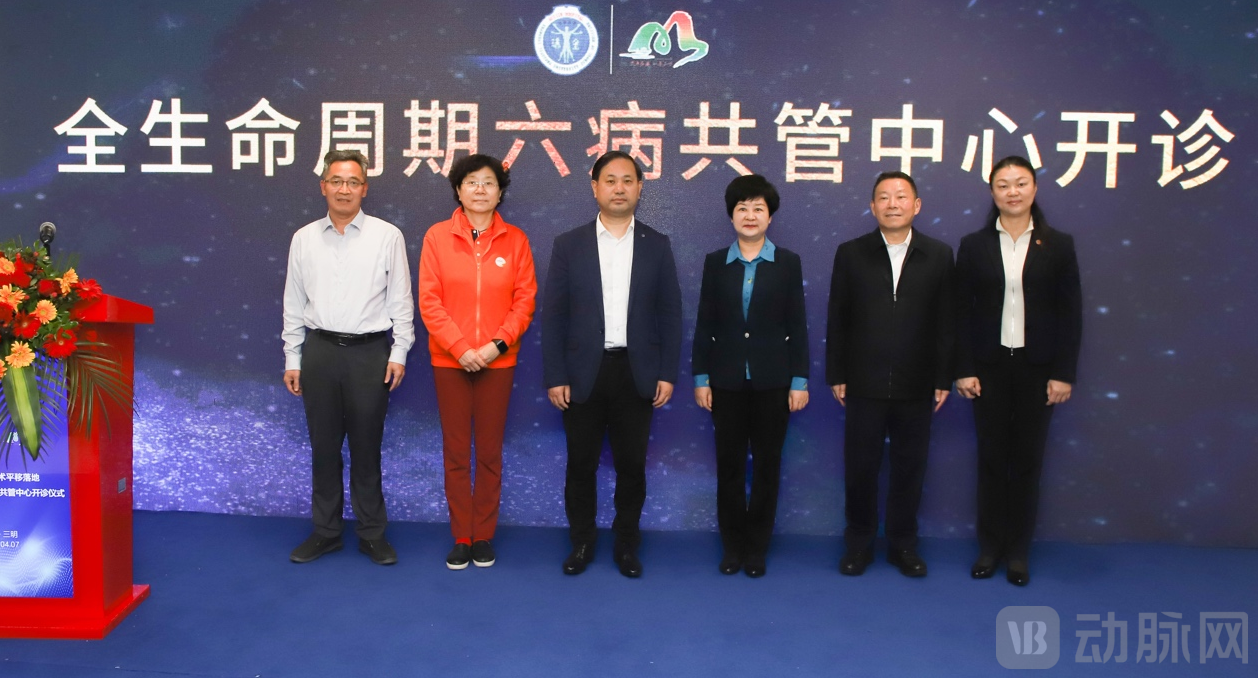
Figure | China's First "Six-Disease Co-Management" Center for Full-Life-Cycle Care Opens in Sanming
Li Chun, Mayor of the Sanming Municipal People’s Government; Wang Shengxiong, Party Secretary and Director of the Sanming Municipal Health Commission; Qu Jieming, Party Secretary of Shanghai Ruijin Hospital; Bi Yufang, Deputy Party Secretary and Vice President of Shanghai Ruijin Hospital; Wang Weiqing, Director of the Department of Endocrinology at Shanghai Ruijin Hospital; and other officials attended the opening ceremony of the “Six-Disease Co-Management” Center for the Full Life Cycle. Shanghai Ruijin Hospital and Sanming First Hospital exchanged the first clinical protocol for the “Six-Disease Co-Management” Center for the Full Life Cycle, and Bi Yufang handed over the Technology Transfer Manual to Zhou Zhangyan, Party Secretary of Sanming First Hospital. The opening ceremony was presided over by Zhang Yuanming, Vice Mayor of the Sanming Municipal People’s Government.
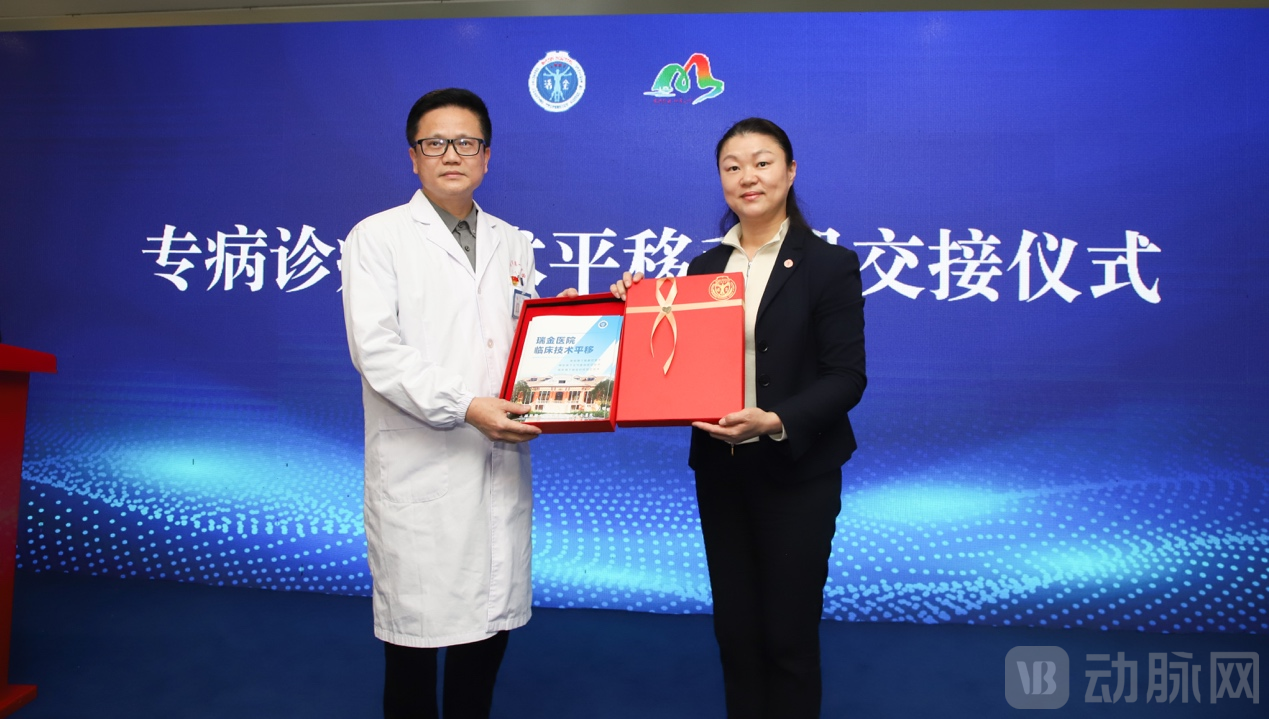
Figure | Shanghai Ruijin Hospital Hands Over the Manual for Transferring Specialized Disease Diagnosis and Treatment Technology to Sanming First Hospital
Ning Guang, an academician of the Chinese Academy of Engineering and President of Shanghai Ruijin Hospital, together with Zhang Yadong and Liu Jie, chief physicians in the Department of Endocrinology at Sanming First Hospital, leveraged a specialized AI system to conduct a remote consultation and issue the first “AI co-management” plan for the Center for Integrated Management of Six Diseases Across the Full Life Cycle. For a patient with difficult-to-treat rare diabetes complicated by peripheral neuropathy, they provided detailed treatment protocols and full life-cycle management recommendations spanning six aspects: prevention, screening, diagnosis, treatment, management, and rehabilitation.
Notably, the disease-specific AI system deployed in this instance can rapidly analyze key diagnostic and therapeutic priorities based on patients’ medical records, generating recommendations for treatment plans and alerts for necessary tests such as complication screening, thereby providing reference support for attending physicians. The Center for Integrated Management of Six Chronic Diseases has also introduced the “MMC Model” (i.e., Standardized Metabolic Disease Management Center), initiated by Academician Ning Guang and the Endocrinology Branch of the Chinese Medical Doctor Association. Through standardized, one-stop management of diabetes, the model has significantly improved patients’ rates of achieving comprehensive targets for glycemic control and metabolic indicators.
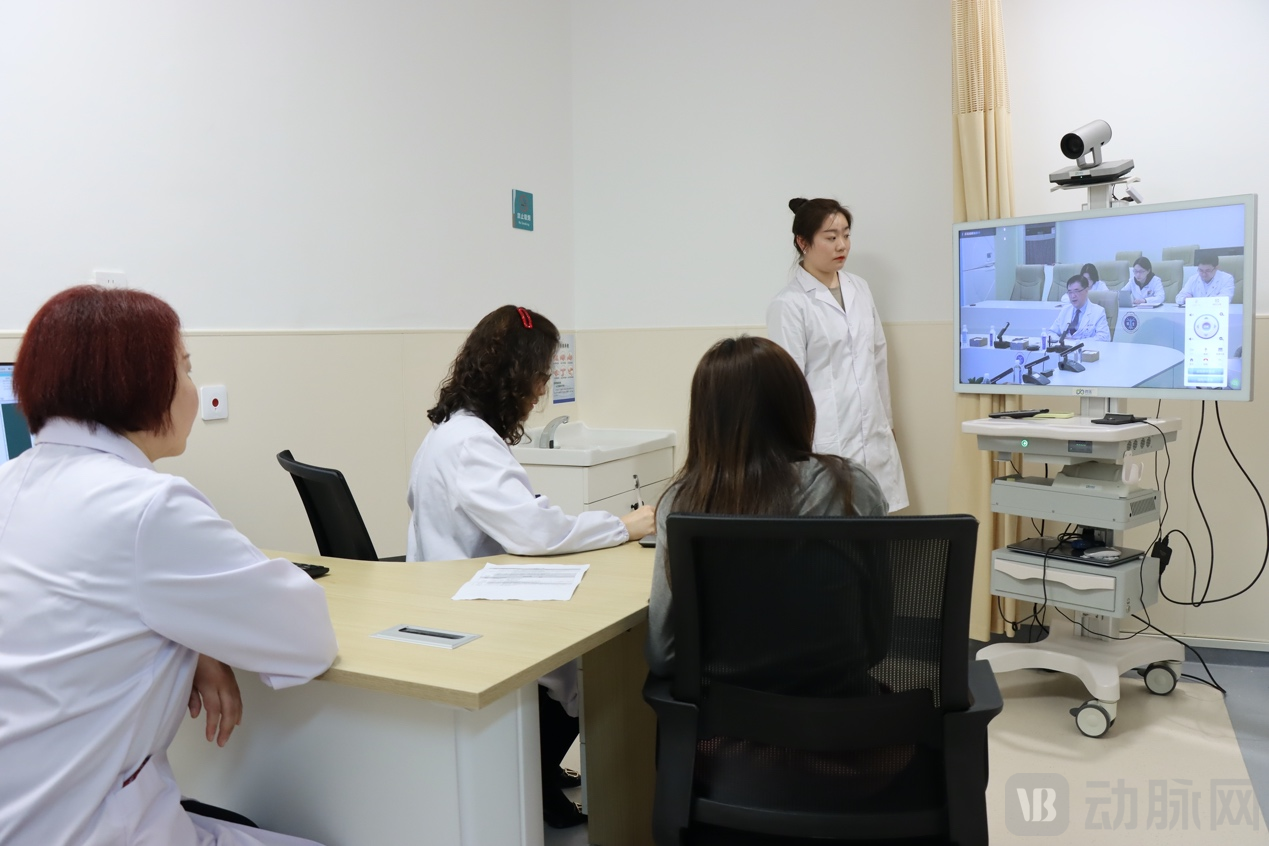
Figure | With AI support, Academician Ning Guang and doctors from Sanming First Hospital conduct a remote consultation for a patient
“Following the opening of the Center for Joint Management of Six Chronic Diseases, Ruijin Hospital and Sanming First Hospital will establish a routine outpatient consultation mechanism, which will be extended to the other 11 general hospitals in Sanming. Once this model is refined in Sanming, it will be promoted nationwide,” introduced Academician Ning Guang. As a key initiative for Ruijin Hospital to actively integrate into the construction of Sanming’s Healthcare Reform 3.0, the program will fully leverage digitalization and artificial intelligence technologies. It aims to create a joint management model for six chronic diseases in Sanming characterized by “Ruijin devises the protocols, hospitals implement them, the Health Commission oversees compliance, and individuals reap the benefits.” A “health chip” will be established for each resident, fostering a collaborative health governance framework involving the government, hospitals, medical insurance agencies, physicians, and individuals. The next step involves jointly establishing a disease-specific centralized procurement catalog with Sanming, thereby advancing the construction of the “Sanming Centralized Procurement Center for Six Chronic Diseases” and promoting the transition of China’s centralized procurement system from one based on drugs and consumables to one based on diseases.
Currently, the first phase of the Full Lifecycle Six-Disease Co-Management Center has completed the establishment of co-management service systems for cancer and metabolic diseases. Subsequently, co-management service systems for cardiovascular and cerebrovascular diseases, respiratory diseases, reproductive medicine, and geriatrics will be rolled out in stages. The management frameworks for all six disease categories are designed around full-lifecycle management, encompassing prevention, screening, diagnosis, treatment, management, and rehabilitation. For instance, the oncology outpatient department not only features facilities such as medical record creation rooms, genetic counseling and risk assessment rooms, screening rooms, specialty consultation rooms, and digital joint clinics, but has also established a Cancer Surveillance Data Center. By leveraging big data, AI, and other technologies to analyze tumor incidence data, the center generates visualizations such as the “Tumor Distribution Map” and “Annual Incidence Rate Curves by Gender” for Sanming City residents, providing an evidence-based foundation for formulating comprehensive full-lifecycle management measures.
In his address, Mayor Li Chun stated that Sanming City’s implementation of the transfer of specialized disease diagnosis and treatment technologies and the establishment of the “Six-Disease Co-Management” Center represent pragmatic measures to implement the principle of “putting people’s health at the center,” as well as a beneficial exploration into integrating Ruijin Hospital’s disciplinary and medical resource advantages with the institutional and mechanistic strengths of Sanming’s healthcare reform. He expressed hope that the cooperation would expand in an all-around, broad-ranging, and multi-level manner, yielding more tangible benefits for the public, better serving the people in the old revolutionary base areas, and jointly exploring more replicable and scalable experiences and practices for China’s national healthcare reform and the Healthy China initiative.
With the comprehensive rollout of the “AI Plus” policy, deepening the research, development, and application of big data and artificial intelligence in medical services has become a critical issue for the industry. It is reported that Shanghai Ruijin Hospital, the Shanghai Digital Medicine Innovation Center, and the WeDoctor platform began co-establishing the Six-Disease Co-Management Center for Full Lifecycle Care, the Intelligent Triage Center for Complex Diseases, and the Demonstration Center for Frontier Medical Technology Applications at the end of last year. In collaboration with partners such as Tencent, they have leveraged key digital technologies—including cloud computing, large language models, and digital humans—to upgrade and build the “Six-Disease Co-Management Platform.” This initiative aims to establish a full-lifecycle healthcare service system that shifts from “disease management” to “patient-centered care,” and to support the implementation and upgrading of tightly integrated county-level medical communities across China by delivering standardized intelligent products for the co-management of six specific diseases.
At the opening ceremony, Party Secretary Qu Jieming stated that the official launch of the “Integrated Management of Six Diseases” Center marks another milestone in advancing the reform of medical-prevention coordination and integration. Moving forward, Ruijin Hospital will leverage the “Integrated Management of Six Diseases” as a strategic pathway, drawing on the world’s most advanced experiences, applying Ruijin’s technical expertise, integrating Sanming’s strengths, and relying on an artificial intelligence platform to help Sanming establish a comprehensive care system encompassing prevention, screening, diagnosis, treatment, management, and rehabilitation, along with a multidisciplinary diagnostic and therapeutic model. The hospital aims to achieve population-wide, comprehensive, and lifecycle-based chronic disease management, harnessing new quality productive forces to rapidly enhance Sanming’s diagnostic and therapeutic capabilities, thereby providing its residents with all-around, full-cycle health services.