

Modesign Founder Luo Yi: Delivering Clinically-Driven Medical Device Design from the Perspectives of Product Managers and Systems Engineers
You may not be familiar with modesign, but those who follow the medical device industry may have already encountered their designs.
Shenzhen Modesign Product Design & Management Co., Ltd. (hereinafter referred to as “Modesign”), established in 2018, is a novel industrial design firm that provides product design and management services to medical device companies. Committed to bridging clinical practice and design, Modesign offers companion-style design management services covering the entire lifecycle of medical products, catering to medical device enterprises at various stages of development, with diverse professional backgrounds, and across different industry roles.
Xuhong Medical, Haier Home Healthcare, Ruilaipu Medical, Tupai Medical, Gongdao Fengxing, Pumen Technology, Tongtou Medical, Aoda Zhisheng, Fenglai, Rongjia,Southern University of Science and TechnologyThe medical device designs for companies and universities were all created by modesign.
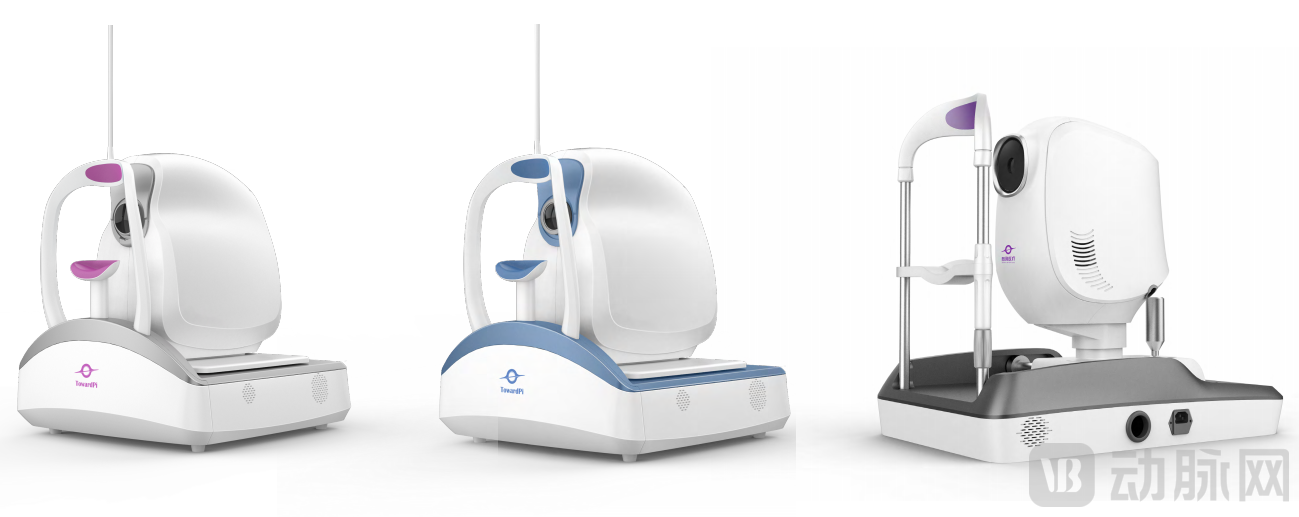
TopView Medical Ophthalmic Optical Coherence Tomography Scanner & Biometer | Designed by modesign
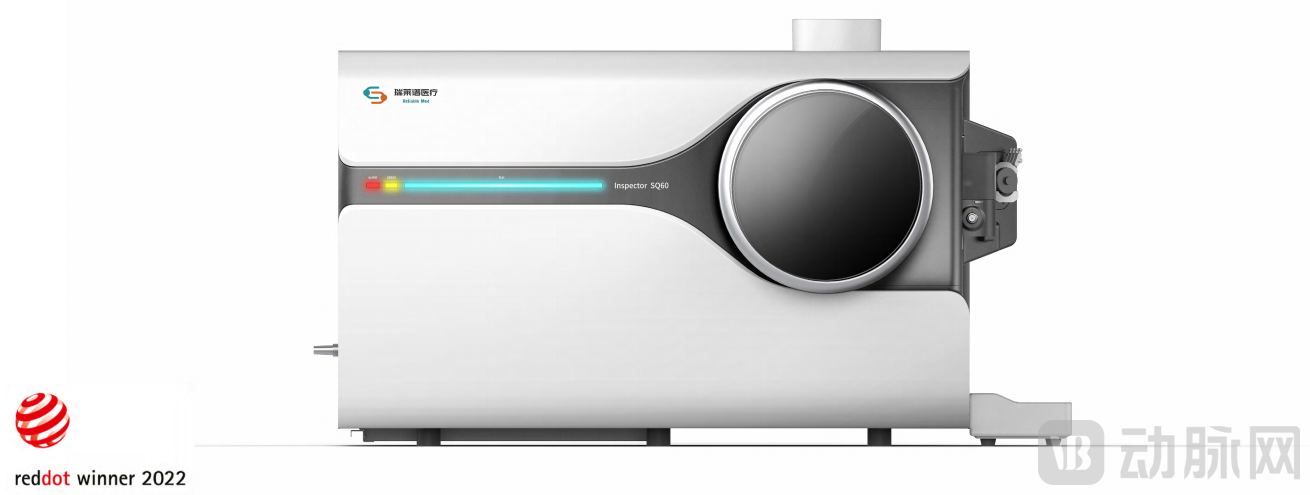
Relaipu Medical Fully Automated Inorganic Mass Spectrometry Detection System, Winner of the 2022 German Red Dot Product Design Award (Red Dot Winner 2022)
With its exceptional industrial design capabilities, modesign not only empowers medical device companies to develop solutions that are clinically relevant, user-friendly, and human-centric, but has also repeatedly won top domestic and international awards. Among the list of design firms with the most iF Design Awards in the medical sector from 2020 to 2024, modesign ranked third globally.
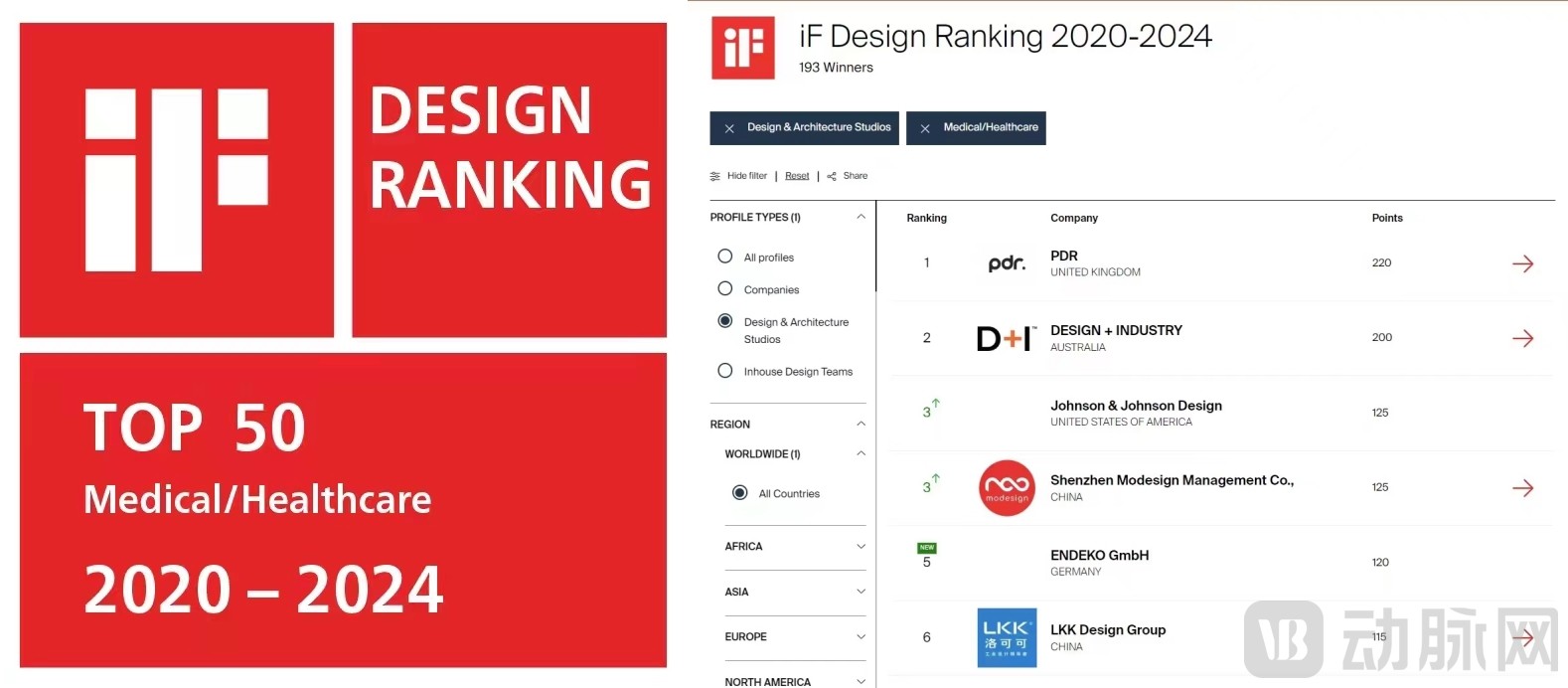
Modesign Ranks Third Globally in the List of Design Firms with the Most iF Awards in Medical Design from 2020 to 2024
How does industrial design drive the upgrading and repurposing of medical devices? How can accuracy in design direction be ensured for devices with diverse forms and functions? How are project goals and clinical needs translated into design requirements and ultimately realized as tangible, market-ready product forms? How should companies select a design firm that best fits their needs? Recently, VCBeat conducted an exclusive interview with Luo Yi, founder of modesign.
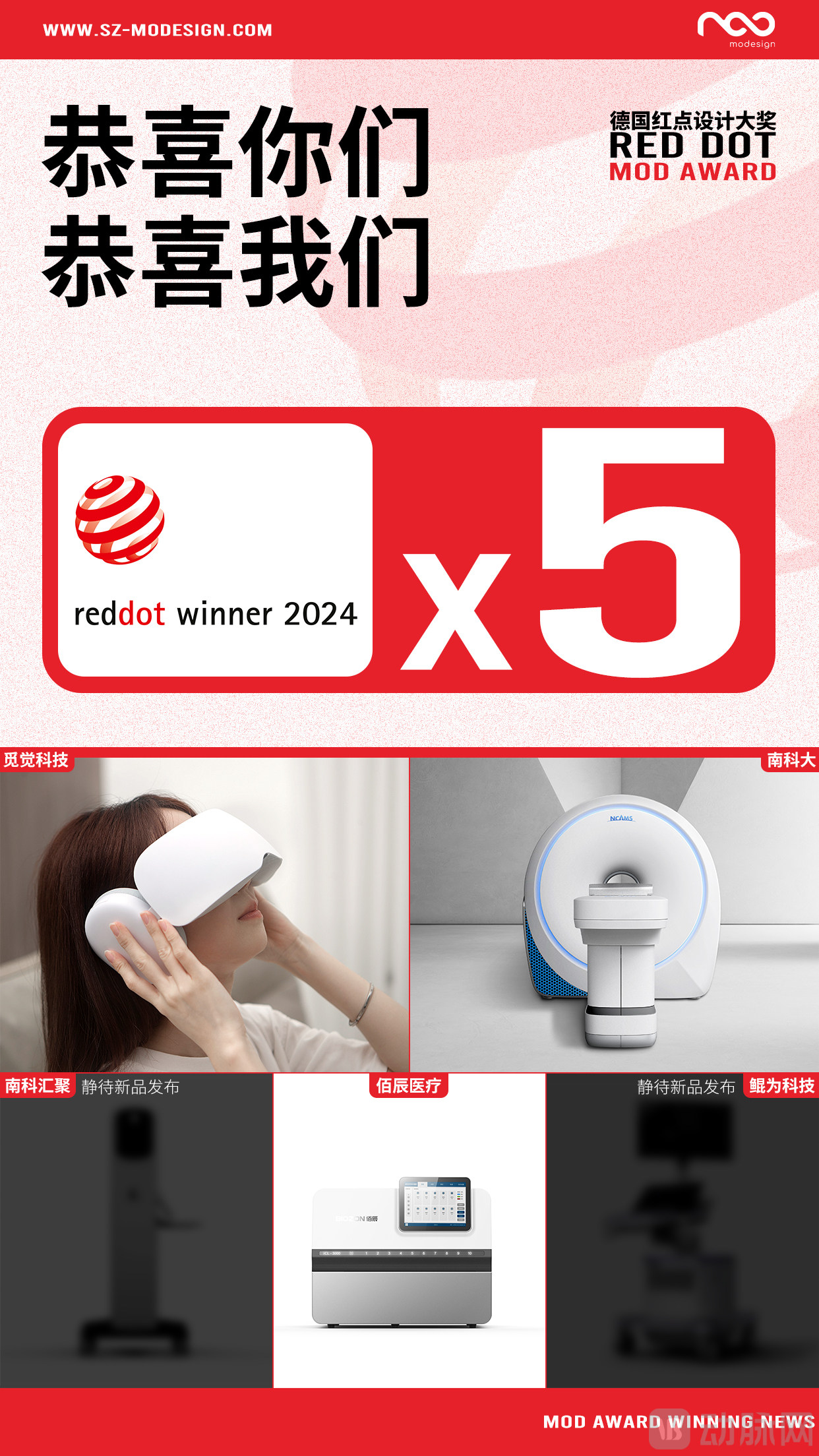
In an amusing side note, shortly after the interview with VCBeat concluded, modesign informed VCBeat that they had “just received notification of winning five more Red Dot Awards.”
Medical product design should focus on the experiences of doctors and patients,
and incorporating the genetic identity and emotional resonance of the corporate brand family
VCBeat:"Mr. Luo, you have a background in industrial design. Why did you choose to focus on medical devices among many specialized fields?"
Luo Yi:Focusing on medical devices was a combination of serendipity and personal choice. The serendipity lies in the fact that the company recommended by my mentor upon my graduation in 2006 specialized in the healthcare sector. My personal choice stemmed from my belief that medical products require designers to consider a broader range of factors and possess more extensive knowledge, thereby offering greater scope for design innovation and creating higher value.
Later, during project collaborations, I met my current partners. For instance, our co-founder He Jing holds a degree in Biomedical Engineering and has 16 years of experience in the medical device industry. She has previously held roles in R&D, project management, product management, strategic planning, and investment at various medical device companies, gaining extensive expertise in imaging, in vitro diagnostics (IVD), rehabilitation equipment, and gynecological products. We share common product values for medical devices, aiming to create high-quality medical products through evidence-based design grounded in clinical practice.
VCBeat:What areas does modesign's business cover?
Luo Yi:Modesign is an innovative company that provides systematic product design services to medical device enterprises. Its current business scope includes industrial design, mechanical design, UX design, product definition, market research, and product planning.
VCBeat:What is the design philosophy of modesign? Why was this philosophy proposed?
Luo Yi:Form Follows Function, Form Evokes Emotion.
The core philosophy of industrial design for medical devices lies in ensuring that clinical efficacy requirements are met, thereby enhancing physicians’ treatment efficiency and patients’ therapeutic experience. Whether it involves technical solutions, hardware layout, or software systems, all aspects should revolve around this central objective—namely, “form follows function.”
However, achieving functionality is merely the starting point of design. The usage scenarios for medical products are complex, involving two key groups: the users (physicians) and the recipients (patients). Physicians often endure high-intensity work pressure, while patients are frequently in a state of emotional tension and vulnerability. Therefore,The design of medical products must prioritize users' emotional experiences, embodying the principle that "form evokes emotion." This emotional dimension should also encompass the clear presentation of the product's medical attributes, alignment with contemporary aesthetic sensibilities, and the expression of the corporate brand family's identifying genes and emotional resonance.
VCBeat:What has modesign been busy with recently?
Luo Yi:Design firms are fundamentally client-project-centric. Recently, we have focused on surgical robot projects and home healthcare products. Meanwhile, we are strengthening our internal organizational structure, aiming to quantify our design standards and methodologies in phases.
From the perspectives of product managers and systems engineers,
Designing Protocols to Meet Clinical Efficacy Requirements
VCBeat:How to Understand modesign’s “Systematic Product Design Services for Medical Device Companies”?
Luo Yi:Systematic Product Design Services involve applying systems thinking to product design. Designers typically approach product design by focusing on its constituent elements, such as form, function, and CMF (color, material, and finish). However, a system comprises not only elements but also their interrelationships and overall function or purpose. Focusing solely on individual elements can result in solutions that lack holistic integration and coherence.
Therefore, modesign has always adhered to a systems-thinking approach in reviewing product design,Always approach product definition from the perspective of a product manager, evaluate the implementation path of product solutions from the standpoint of a systems engineer, and precisely control design costs with a focus on realizing commercial value.
The design objectives for medical products must first meet the requirements of clinical efficacy, while also helping enterprises achieve commercial success. In addition to focusing on innovative elements in product design, we place greater emphasis on the interrelationships conveyed by these constituent elements. Examples include usability design for medical products, cost considerations based on the product lifecycle, emotional expression of the product, controllability within the product design process, and the deliverability of outcomes.
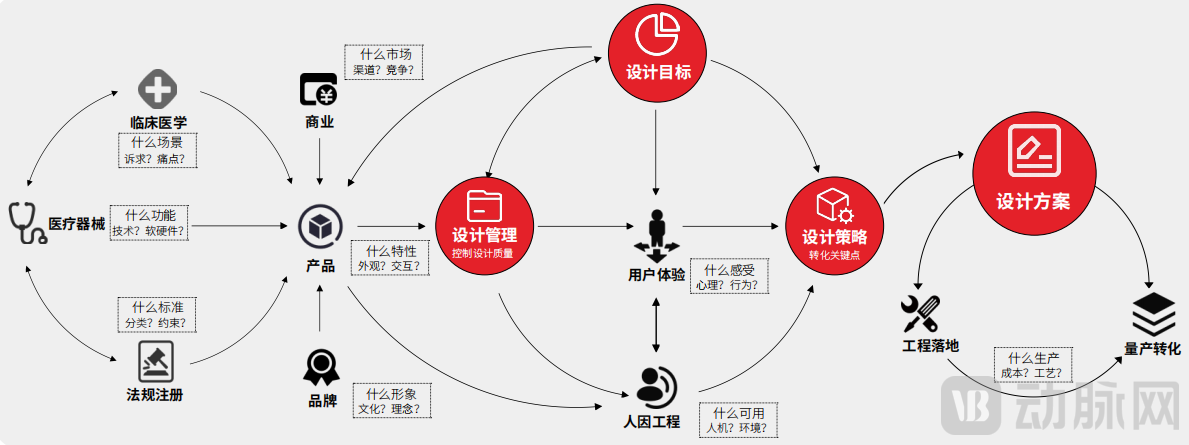
modesign Provides Systematic Product Design Services for Medical Device Enterprises
VCBeat:What Are the Characteristics of Industrial Design for Medical Devices? What Are the Challenges?
Luo Yi:The most significant characteristic of medical device product design should be meeting the requirements for clinical effectiveness, while also satisfying regulatory and registration obligations. The challenges lie in delivering high-quality physical products under commercial cost constraints, as well as in creating sustainable, personalized brand identity (PIS) designs.
VCBeat:With thousands of medical devices spanning a wide range of uses and sizes, from Class I to Class III, how does modesign ensure the accuracy of its product design direction?
Luo Yi:This requires us to delve into real-world clinical and commercial scenarios, while closely aligning with the enterprise’s personalized branding needs.
Take our recently award-winning Rongjia disposable laparoscopic trocar as an example. Trocars represent a highly mature market category characterized by severe product homogenization. At the outset of the project, we conducted an in-depth analysis of the competitive landscape and found that most competing products primarily focused on cost reduction and minor variations in form factor.
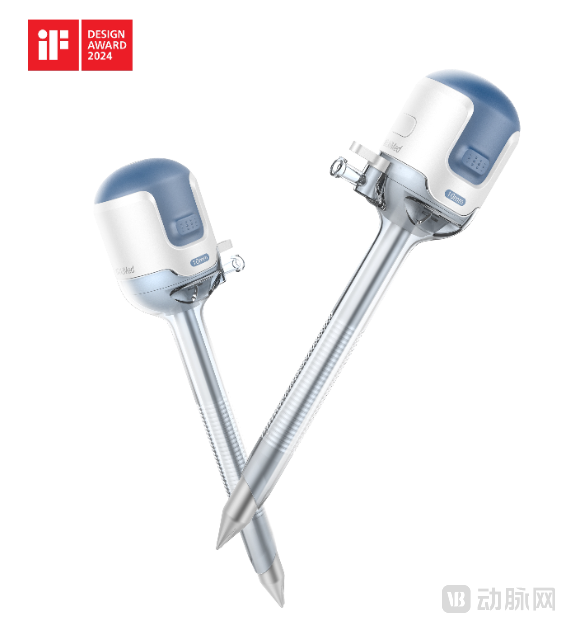
Rongjia’s Disposable Laparoscopic Trocar Wins German iF Design Award
If we stick to convention, the product will inevitably fall into the quagmire of homogenization. Therefore, our designers recreated real-world usage scenarios and simulated doctors’ actual operational procedures, seeking design entry points through role-based experiential insights. We ultimately decided to focus on guiding physicians to quickly grasp the device through its form and color as the primary design strategy. Functionally distinct buttons were rationally distributed across different color-coded zones to prevent accidental operation. Upon delivery, we also distilled brand semantics and developed proprietary brand colors. Only by selecting solutions from the perspectives of clinical practice and commercial differentiation can we ensure the accuracy and distinctiveness of the design direction.
VCBeat:As you just mentioned, many competing products look quite similar, with medical devices often having relatively fixed and mature appearances and forms. Besides the trocars you cited, CT scanners are another example. Nevertheless, Southern University of Science and Technology still commissioned modesign to develop a multi-functional color orthopedic CT scanner and a mobile cranial medical CT scanner. Since companies could easily replicate the designs of existing domestic and international products, why did they choose to engage modesign for the design?
Luo Yi:Whether to choose to follow suit hinges on the underlying innovation values upheld by the client’s decision-making team. Clients who prioritize stability typically mitigate risk and seek a sense of security by benchmarking against or directly adopting existing practices, with their market strategies largely following a follower approach. Among the myriad of client teams, there are certainly those imbued with an exploratory spirit, steadfastly adhering to and promoting their own innovation values while continuously striving for breakthroughs. The Southern University of Science and Technology (SUSTech) team serves as a prime example.
They hold a deep emotional attachment to their product, and their technology has already achieved global leadership. For them, simply following instructions would not only negate their team’s values but also demonstrate a disregard for their technical prowess. The Southern University of Science and Technology (SUSTech) team’s decision to collaborate with us underscores their confidence in their technological capabilities, while also recognizing our ability to innovate in the form factor of large-scale medical products and to deliver high-quality execution for major projects.
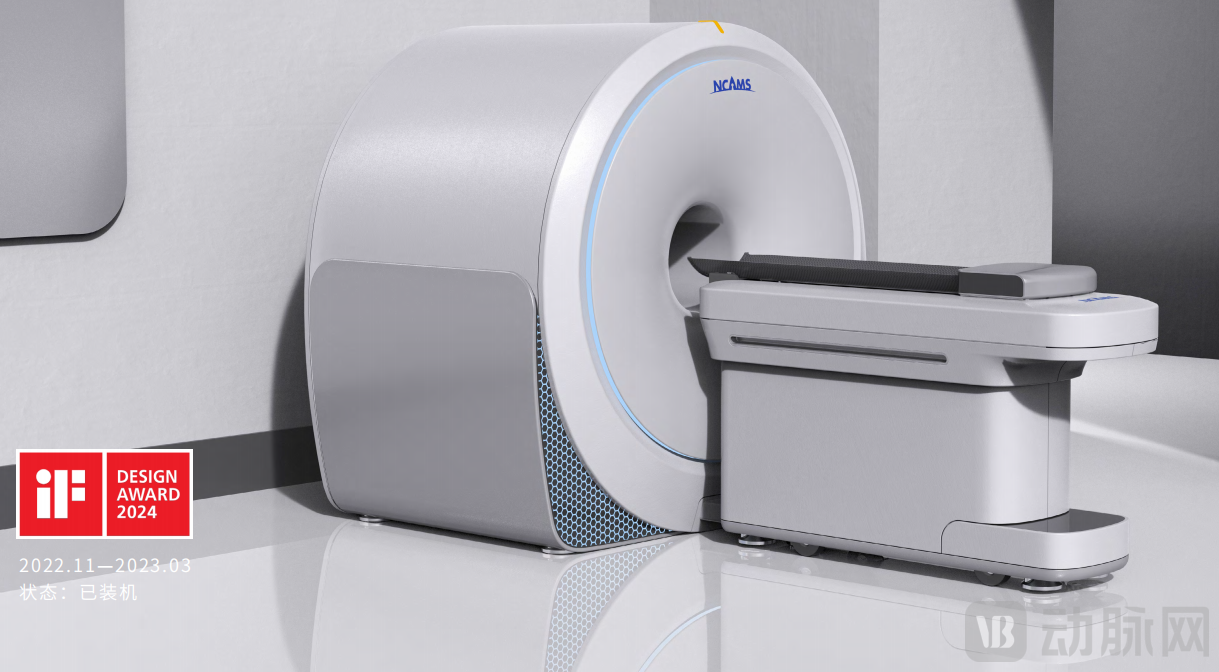
USTC’s Multifunctional Color Orthopedic CT Wins German iF Design Award
VCBeat:How to Ensure the Smooth Development and Final Implementation of Newly Designed Products?
Luo Yi:Our product implementation rate is nearly 100%. To begin with, it is essential to understand the overall development process of medical products. Currently, mainstream medical device companies widely adopt the Integrated Product Development (IPD) process. We use this as our foundation, meticulously breaking down design activities and combining them with systematic product design methodologies to establish our internal design management standards, thereby influencing a broader range of product teams.
From a higher-level perspective, the Integrated Product Development (IPD) process is highly suitable for design firms. Each enterprise can be viewed as an independent business unit, with the design firm serving as the central R&D resource. This naturally requires us to have a deep understanding and insight into the clinical applications of different products, which is precisely the core competency that our team excels in and continues to build upon.
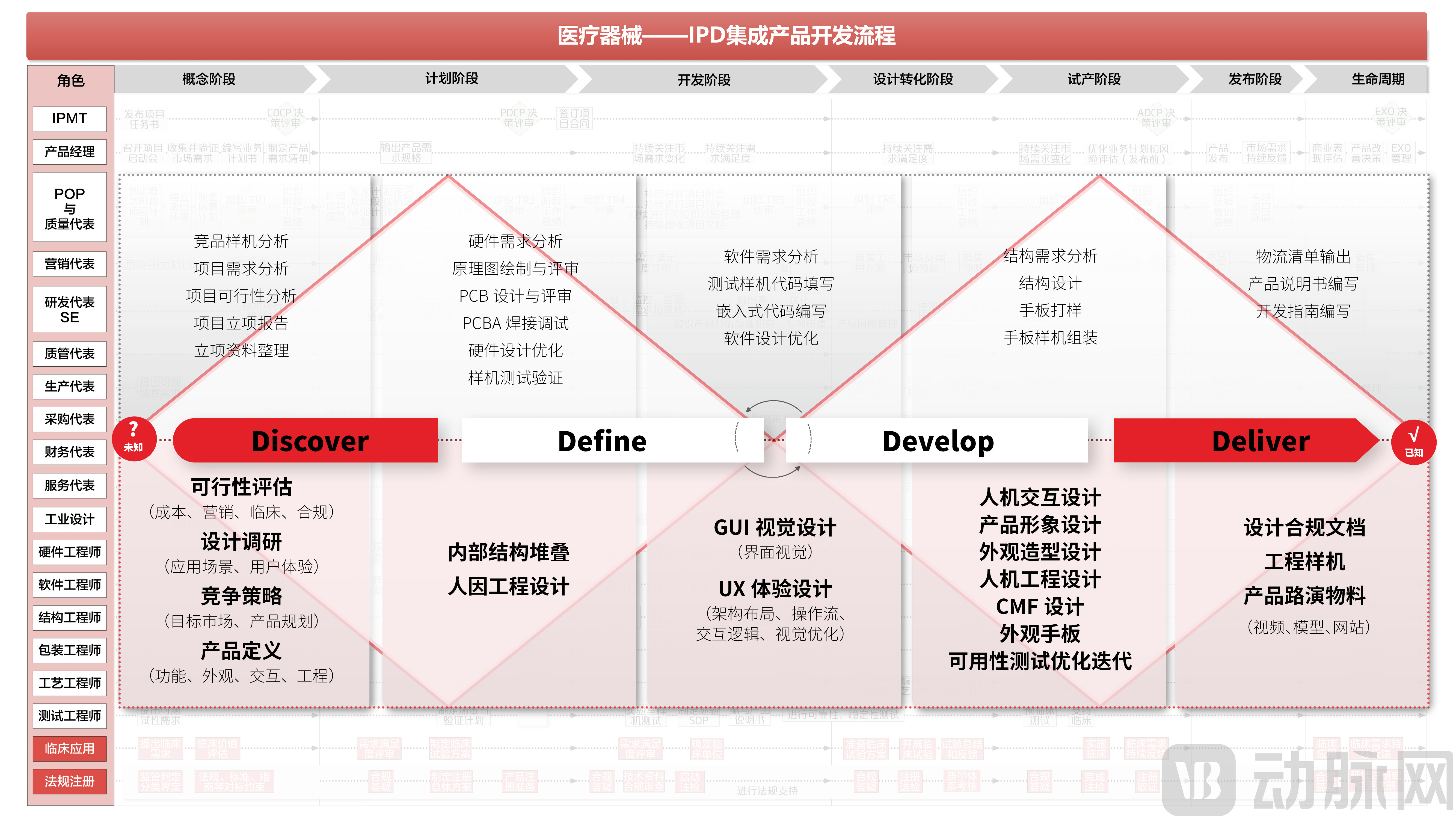
VCBeat:Aesthetic design is a highly subjective experience. How does modesign translate project requirements into design specifications and ultimately materialize them into tangible, implementable product forms?
Luo Yi:We facilitate this transformation through our proprietary "Product Design Brief," which decomposes the project into multiple detailed dimensions. These include fundamental hard requirements, such as product system architecture, functional specifications, and interaction design definitions; engineering and compliance design requirements; and, most importantly, subjective aesthetic judgments from the client. By guiding clients to evaluate benchmark products, quantifying key comparative attributes, and excluding disliked design elements, we strive to convert subjective preferences into quantifiable form requirements.
VCBeat:Among all the designs, which medical device left a deep impression on you?
Luo Yi:Two projects left a deep impression. One was the series of home healthcare products designed for Haier in 2019. At that time, I viewed this project as entrepreneurs supporting fellow entrepreneurs. The Haier Home Healthcare team in 2019, as an entrepreneurial force within Haier Group’s micro-ecosystem, had been on its startup journey for less than a year, just like us. It was precisely this project that instilled both our teams with the confidence and momentum to advance within the industry.
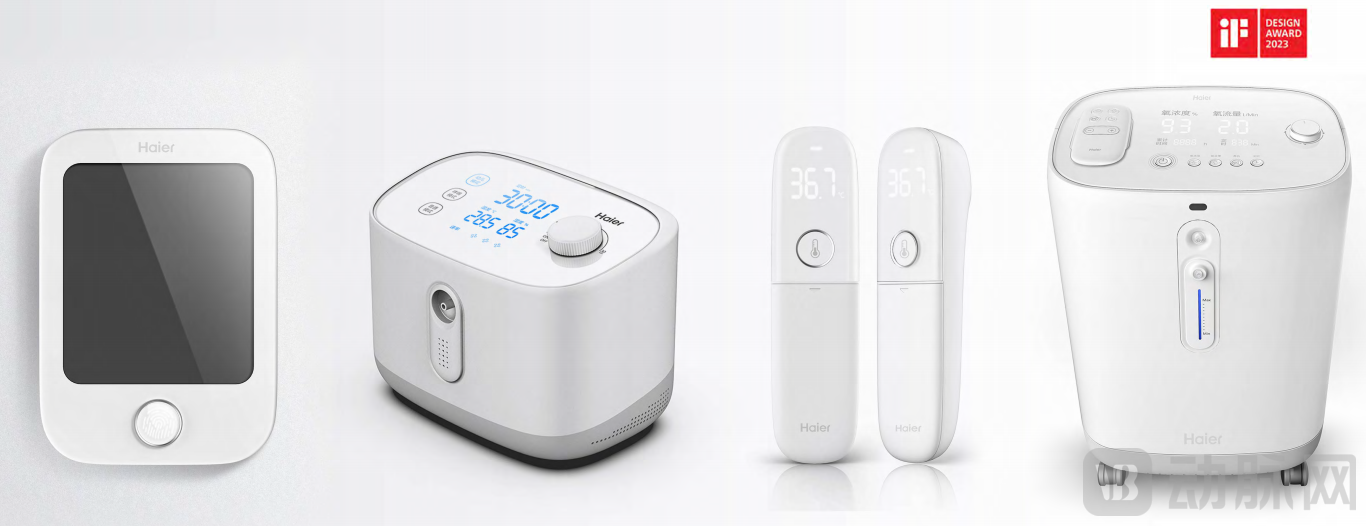
Haier Medical’s Haoyue Series of Home Medical Products, with Its Oxygen Concentrator Winning the German iF Design Award
Another project involved collaborating with Topsee Medical on the design of a surgical microscope. I was impressed not only by their profound understanding of the value of design but also by the full respect they showed for designers and their work. In this project, our design was driven entirely by the detailed clinical requirements outlined by Topsee’s product lead, free from any constraints imposed by hardware or software limitations. This approach, in turn, demanded a high degree of confidence in both clinical knowledge and engineering expertise from both teams.
Throughout this project, I have also gained a profound appreciation for the technical confidence and pride in national culture demonstrated by Chinese startup teams. Entrepreneurship is about setting ambitious goals, with the aim of achieving industry leadership. We are also pleased to note that the successful completion of this project indirectly contributed to TopEye’s C-round financing of RMB 300 million at the end of 2022, which was reported by media outlets such as VCBeat.
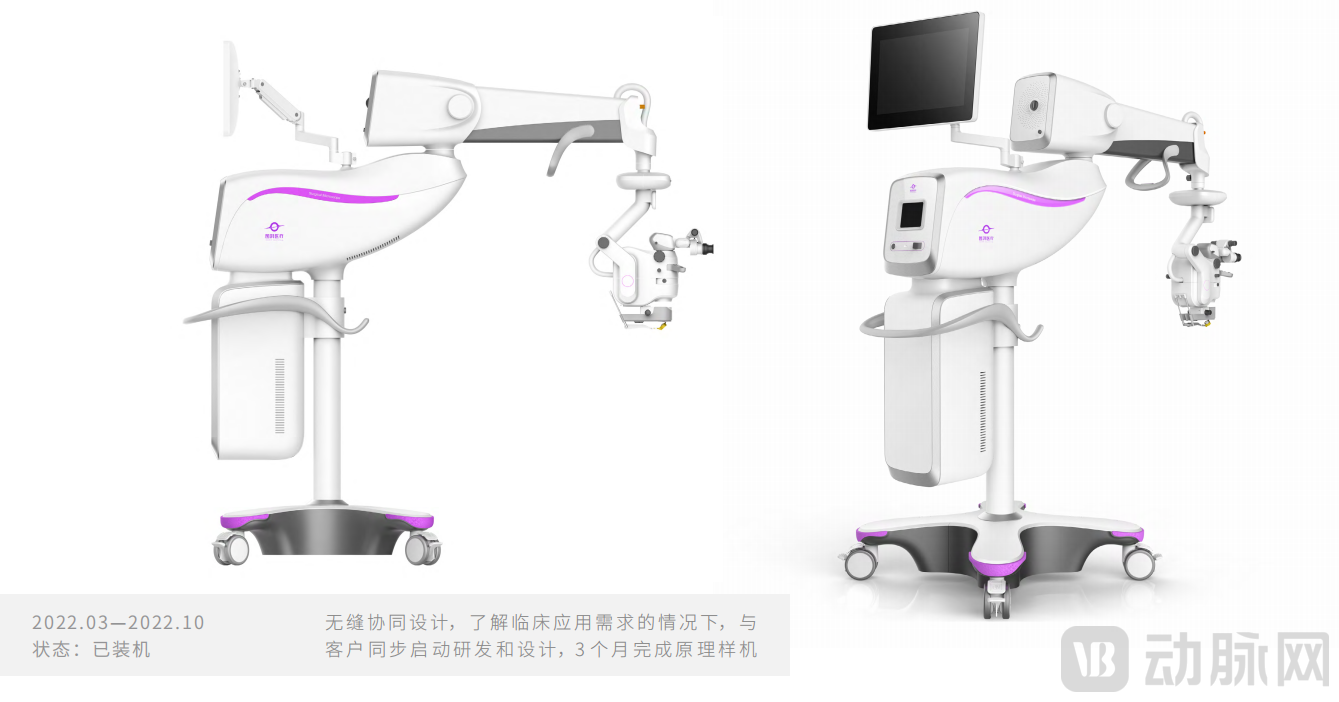
Surgical Microscope in Collaboration with Topview Medical
Of course, we have also undertaken highly challenging projects. In our ongoing service provision for Haier Home Healthcare, a key focus has been developing a sustainable brand identity design. As corporate decision-makers and users rapidly adapt, the semantic language of product design continues to evolve. For iterative products, designers must maintain the existing family design language while infusing new emotional and visual elements for both the team and users. This requires designers not only to possess strong semantic control capabilities but also to quickly absorb and integrate trending design elements. With Haier Home Healthcare’s rapid growth, we have consistently supported them in creating flagship blockbuster products within their product family.
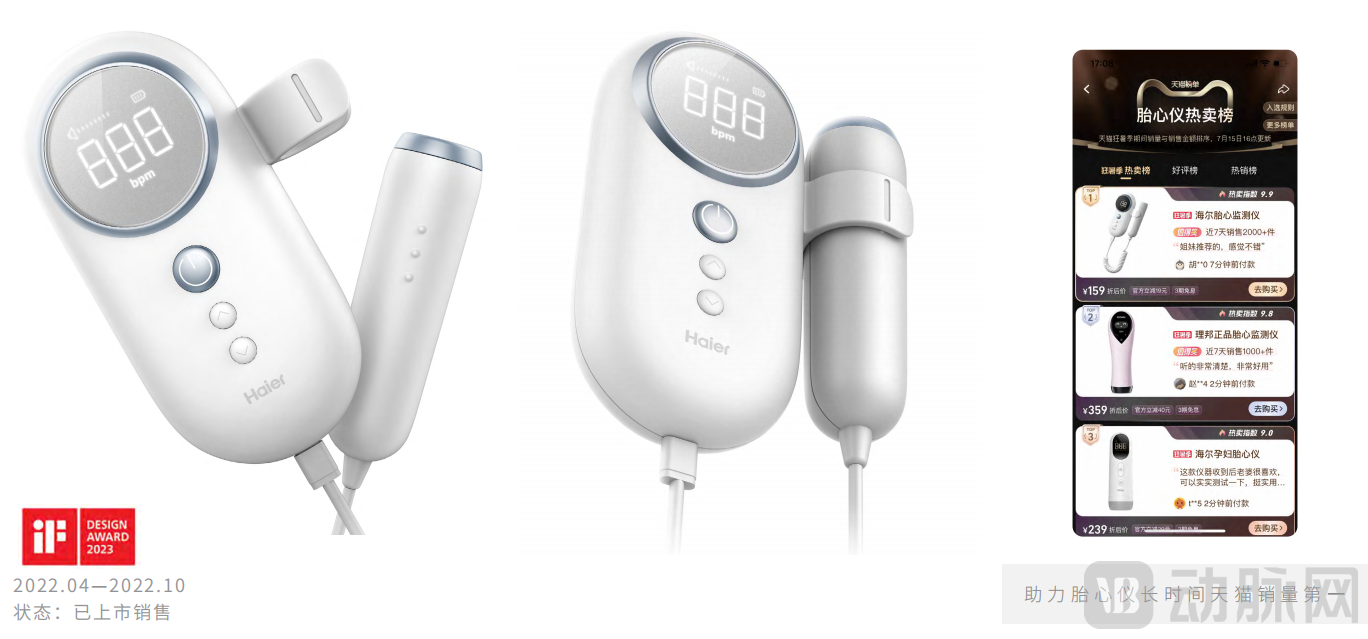
VCBeat:Which types of medical device companies has modesign served to date?
Luo Yi:Our client base is broadly categorized into three groups: industry leaders and publicly listed companies, startups, and entities focused on the commercialization of medical research achievements. As of March 2024, we have cumulatively served over 60 clients and completed more than 300 design projects. These products span various categories, including in vitro diagnostics (IVD), surgical robots, home healthcare devices, ultrasound imaging, large-scale medical imaging equipment, rehabilitation and medical aesthetics, and ophthalmology. Forty-eight of our service projects have received approval from the National Medical Products Administration (NMPA), comprising 48 Class II devices and 2 Class III devices.
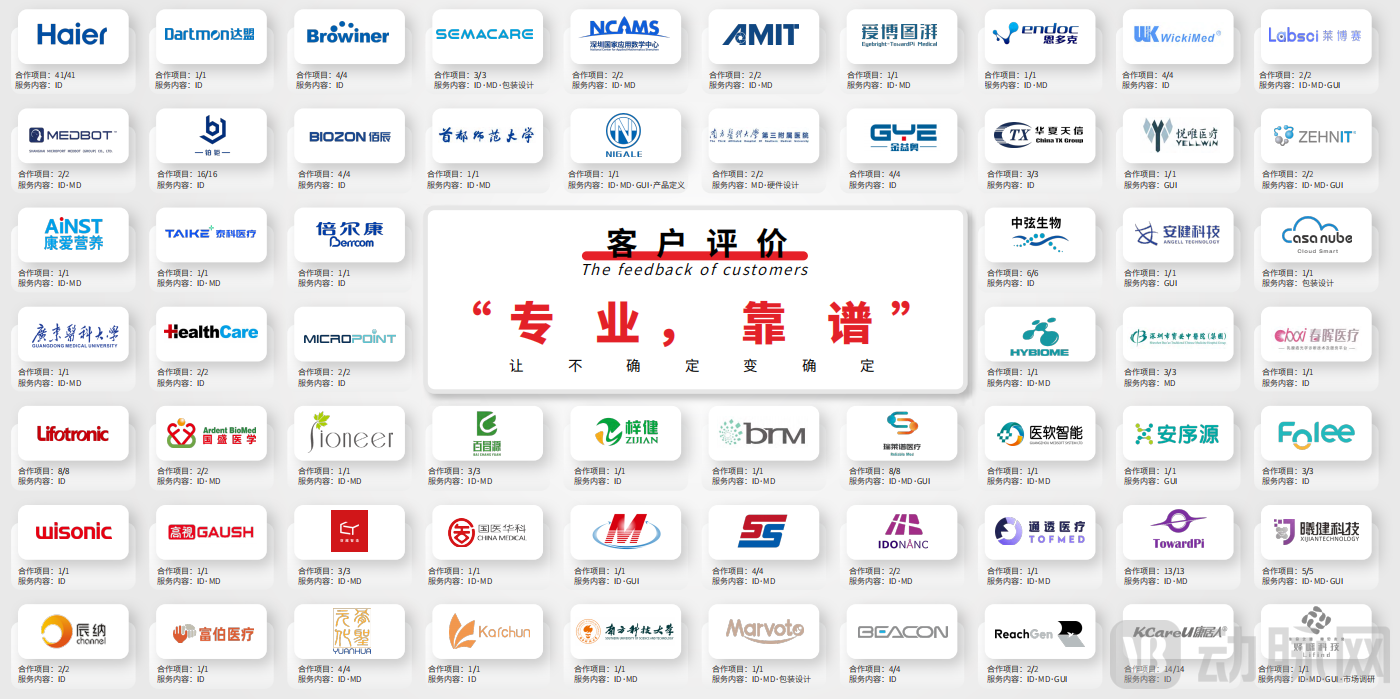
Selected Clients Served by modesign
VCBeat:What are the differentiated competitive advantages of modesign compared to other medical industrial design companies?
Luo Yi:A design firm’s core competitiveness lies in its cognitive frameworks and knowledge systems. Particularly in the field of medical industrial design, this requires a design team to possess multidimensional capabilities, including expertise in healthcare, an understanding of brand value and communication, a proven track record of successfully implemented designs, access to supporting supply chain resources for design execution, and strong project management skills.
Our team brings together professionals from biomedical engineering, clinical medicine, industrial design, and mold manufacturing and design. With extensive and diverse industry experience, we enable cross-disciplinary, multi-dimensional innovation driven by clinical needs. We emphasize collaborative engineering design to ensure high-quality product realization. Additionally, we provide companion-style design management to help clients develop products efficiently and in compliance with regulations, avoiding iterations and delays along the R&D journey.
VCBeat:What do you perceive as the most significant change brought about by the evolution of design over these years?
Luo Yi:Domestic companies are becoming increasingly mature and robust in their R&D of medical products. First, the hard-core R&D capabilities of corporate teams are strengthening, with a growing number of enterprises demonstrating such prowess. Second, companies are adopting a more rational approach to R&D processes and pacing, no longer rushing to meet deadlines or trade shows by rolling out patchwork, stopgap solutions. Third, there is a greater emphasis on clinical efficacy and physician experience.
VCBeat:Based on your observations, what trends emerged in medical product design in 2024?
Luo Yi:Stakeholders are increasingly cost-conscious, striving to balance innovation output with cost investment, and showing a stronger preference for clinically driven application innovations.
VCBeat:What advice do you have for medical device companies on how to select partners?
Luo Yi:First, assess whether the team possesses professional expertise in the medical field, which is the fundamental foundation. Second, review the company’s portfolio of case studies, focusing on projects that have successfully translated design intent into mass production, as this best demonstrates the company’s practical capabilities. Third, evaluate whether the designers exhibit brand emotional awareness, which is critical to effectively conveying brand value through the product. Fourth, examine whether the team includes experienced engineers proficient in various manufacturing processes, as they are key to transitioning products from design to mass production. Finally, determine whether the company has a robust design management system in place, which serves as an essential safeguard for maintaining orderly project progress and avoiding chaos.
*Special thanks to He Jing, co-founder of modesign, for her assistance with this interview.