

Embracing the Longevity Economy: How Industries Are Transforming Elder Care in China's Era of Moderate Aging
Now, an unprecedented era of longevity is arriving.
The World Health Organization’s “World Health Statistics 2022” shows that life expectancy in China has increased from 66.8 years in 2000 to 73.3 years in 2019, and continues to rise. Consequently, a new economic form has emerged—the longevity economy.
“This is a new economic paradigm, and any new paradigm inevitably brings challenges. To meet these challenges and turn the market’s vast potential into reality, all practitioners in the industry must work together and make concerted efforts,” said Chen Dongsheng, Founder, Chairman, and CEO of Taikang Insurance Group Inc.
To this end, on April 8, Taikang Insurance Group Inc., in collaboration with the Taikang Institute for Longevity Era, once again hosted the Longevity Era Summit. The event brought together representatives from government, industry, academia, and research institutions to share their insights, explore practical directions for the longevity economy, and discuss innovative solutions for the elderly care industry in the era of longevity.
A population of 200 million elderly individuals has spurred a vast longevity economy market, with issues such as living with chronic conditions and payment for elder care becoming increasingly prominent.
According to the latest data from the National Bureau of Statistics, by the end of 2023, China’s population aged 60 and above reached 296.97 million, accounting for 21.1% of the total national population. This figure clearly indicates that China is currently in a stage of moderate aging.
Moreover, there are signs that China’s aging trend is accelerating. It is projected that by around 2035, the population aged 60 and above in China will exceed 400 million, accounting for more than 30% of the total population, which means that China will enter a stage of severe aging at that time.
Meanwhile, elderly care issues in China, such as “having no one to rely on,” “having no financial support,” and “living with chronic illnesses,” remain prominent.
At the conference, Professor Zhao Yaohui from the Dong Fureng Institute of Economic and Social Development at Wuhan University disclosed a set of data: around 2018, the proportion of elderly people aged 60 and above living independently in China exceeded the proportion of those living with their children. Currently, there are approximately 160 million elderly people aged 60 and above living independently in China.
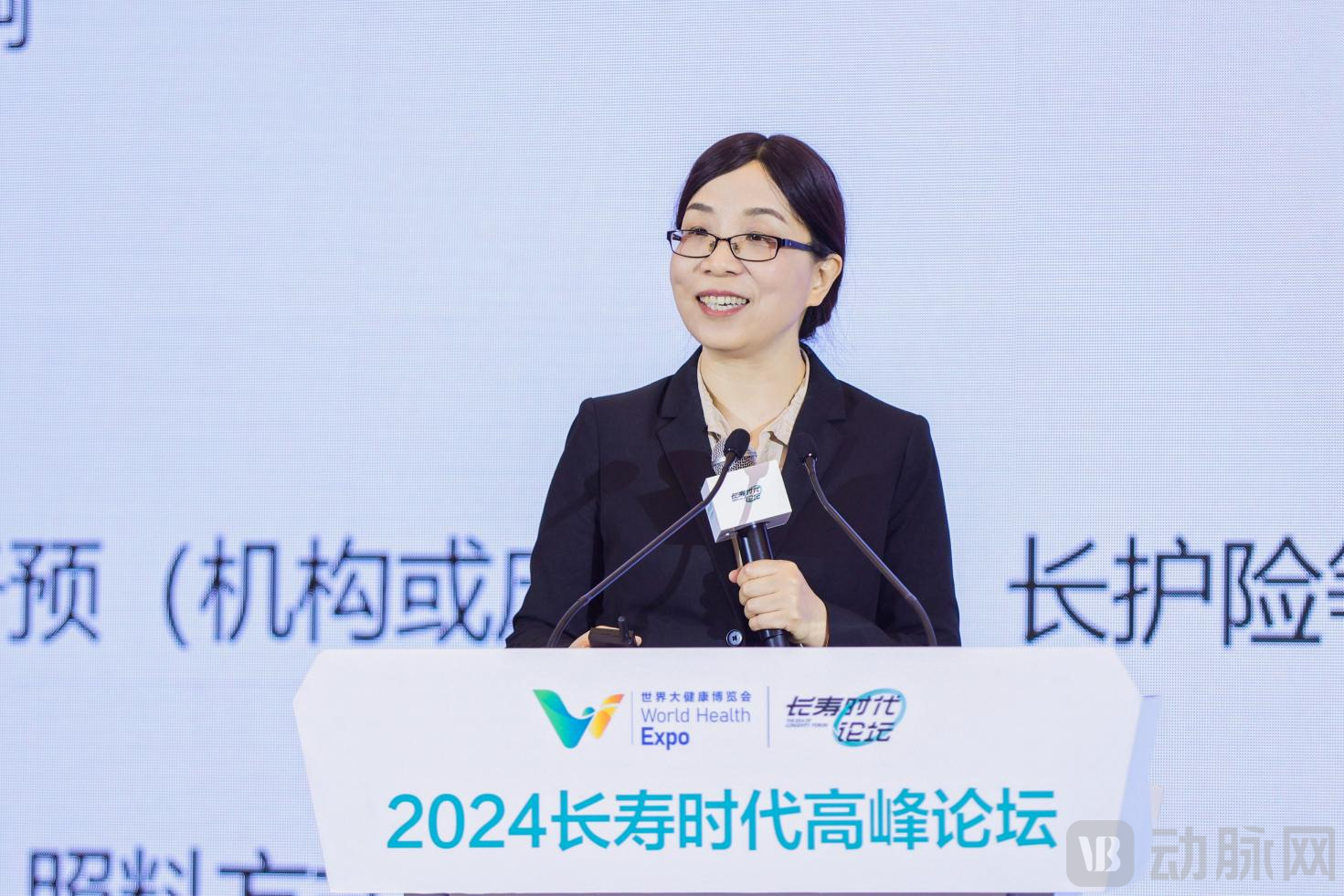
Professor Zhao Yaohui, Dong Furen Institute of Economic and Social Development, Wuhan University
Meanwhile, Professor Zhao Yaohui also pointed out that although living in close proximity to their children (e.g., in the same village) remains one of the primary living arrangements for the elderly population, the trend of children migrating away for work is evident and will continue to advance. Therefore, “future family caregiving may face greater challenges.”
Moreover, as the increasingly pronounced trend of declining birth rates converges with accelerating population aging, the elderly population may face an even greater risk of lacking adequate support in old age.
At the conference, a research report jointly released by Taikang Insurance Group Inc. and the China Household Finance Survey Center of Southwestern University of Finance and Economics highlighted another shifting trend: from 2011 to 2021, household incomes rose across all age groups, but for elderly households—particularly those in retirement—the income growth was primarily driven by pension benefits. Furthermore, the research team found that the higher a household’s income, the lower its propensity to bequeath wealth to children—in other words, both the ability and willingness of China’s elderly population to spend on their own consumption have increased.
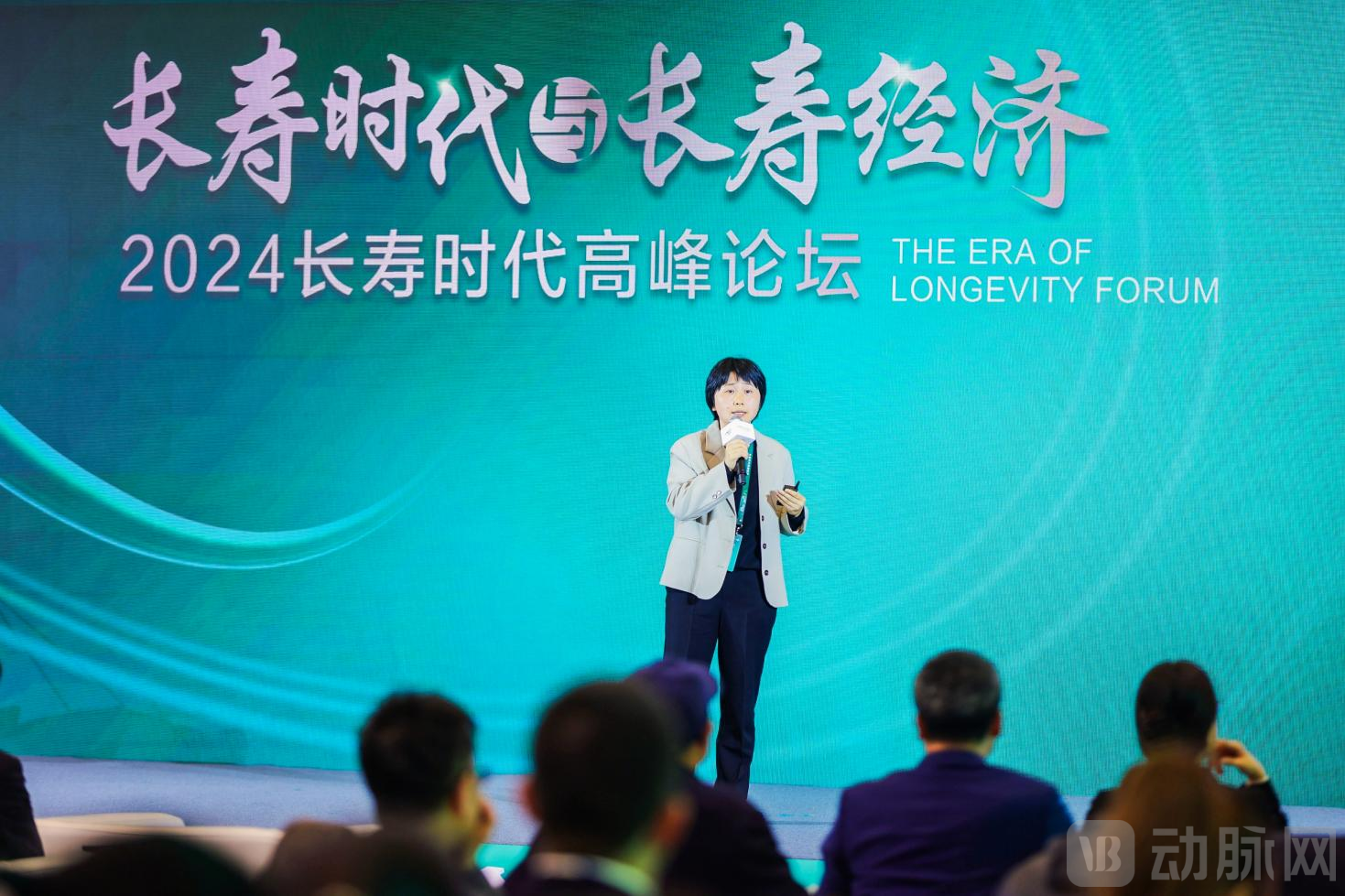
Yi Daichun, Deputy Director of the China Household Finance Survey and Research Center and Director of the Housing Survey and Research Center at Southwestern University of Finance and Economics, Presents Research Findings
All these factors send a clear signal: the shift from the traditional family-based elder care model to a market-oriented elder care model will become increasingly pronounced in the future. Wang Hui, a second-level inspector at the Elderly Care Services Department of the Ministry of Civil Affairs, also stated, “The elderly care industry boasts broad prospects and will emerge as a new driver of economic growth, stimulating investment and promoting employment. As the elderly population grows and their willingness and ability to consume gradually strengthen, the elderly care industry will continue to expand.”
However, researchers also point out that this improvement in both ability and willingness to pay is insufficient and uneven. In other words, elderly people in China may face a situation of “having no financial resources to rely on” for their old-age care.
Moreover, the advent of a moderately aging society and increased life expectancy do not equate to an improvement in the quality of life for the elderly. As Tan Huan, Co-Chief Technology Officer and General Manager of the Health Division at UBTECH Robotics, stated: “Being gray-haired is merely a physical state, while longevity implies an aspiration for a higher quality of life.”
Thus, how to enable the elderly to spend their later years in health and happiness, rather than merely surviving with illness, presents a formidable challenge to all sectors of the industry.
From disease prevention to recovery, and from payment to elderly care services, the “full-cycle management” model tackles the three major challenges of elderly care one by one
Therefore, it has been proposed that the longevity economy is inextricably linked to the big health industry. For instance, at this forum, Jiang Tianjiao, a partner at VCBeat and an expert on the National Health Commission’s Medical Big Data Expert Group, stated that the development of the health industry has contributed to increased human life expectancy. In turn, this increase in life expectancy has driven changes in disease patterns, stimulating new demands and thereby feeding back into the sustained development of the big health industry. This reciprocal reinforcement between the big health industry and human longevity constitutes a “double helix” of mutual promotion.
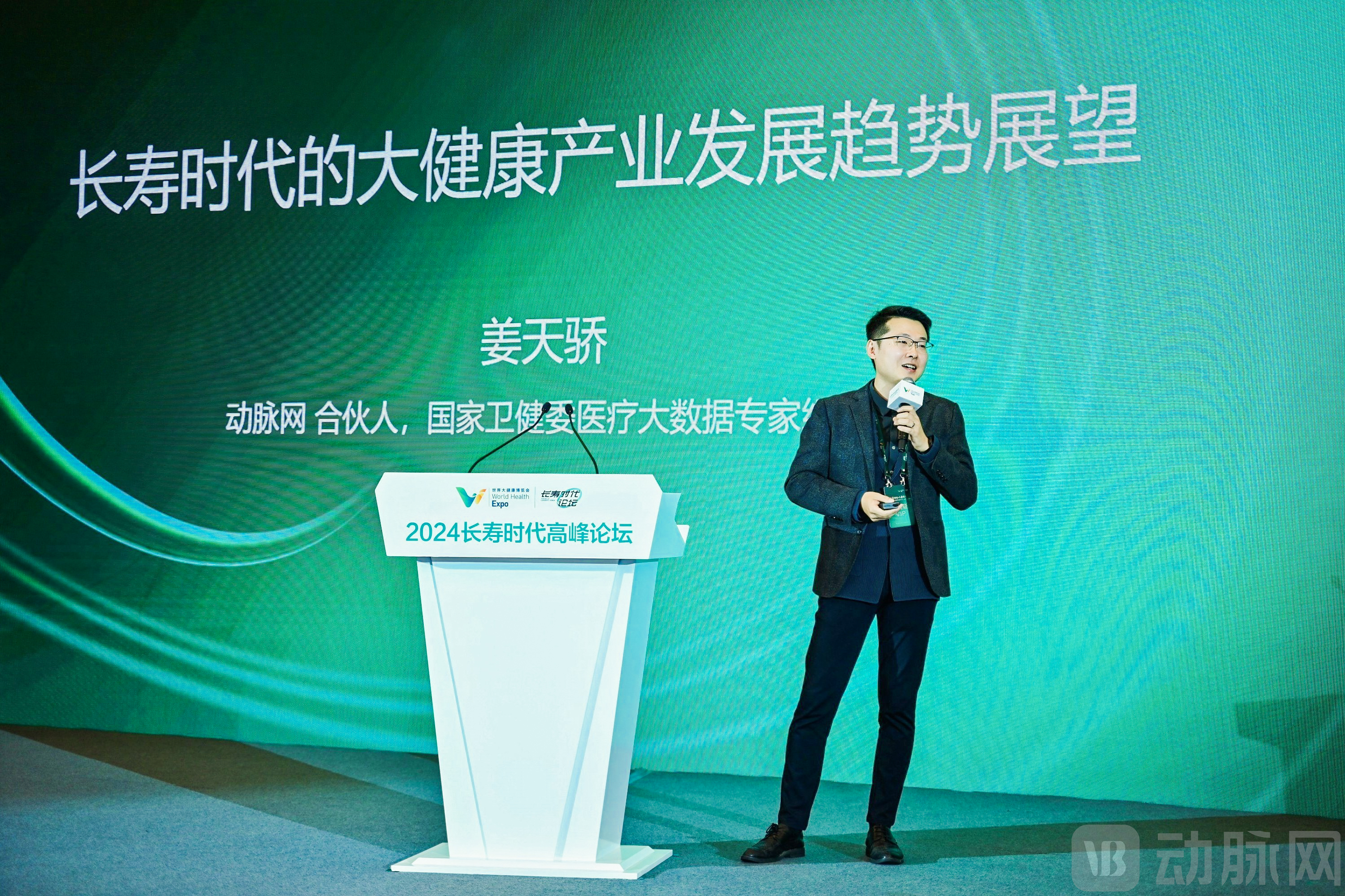
Jiang Tianjiao, Partner at VCBeat and Expert Member of the National Health Commission’s Medical Big Data Expert Group
Subsequently, Jiang Tianjiao stated that anticipating the challenges of diseases in the era of longevity, intervening in diseases, and judging the future development trends of the big health industry are three key questions that the big health industry needs to address at the current stage, and he shared his views.
First, Jiang Tianjiao stated that to better address the health challenges in the era of longevity, priority should be given to the prevention and intervention of malignant tumors, cardiovascular and cerebrovascular diseases, chronic metabolic diseases, and neurodegenerative diseases.
Secondly, given the significant financial pressure on China’s basic medical insurance fund in recent years and the substantial burden of medical expenditures, focusing disease intervention solely on the treatment phase would likely render the national medical insurance fund unsustainable in the long run due to treatment costs alone. Moreover, an intervention strategy limited to the treatment stage not only exhausts patients physically and mentally but may also allow the disease to progress to an irreversible state.
Therefore, Jiang Tianjiao believes that one of the major trends in the big health industry during the era of longevity will be to focus on full-cycle disease management, covering the entire process and all aspects of prevention, screening, treatment, and rehabilitation management.
Finally, Jiang Tianjiao presented the panoramic view of the big health industry developed by VCBeat Eggshell Research Institute on-site, pointing out that early screening and diagnosis, cell therapy, macromolecular drugs, nucleic acid therapies and other innovative drug treatments, as well as medical service robots and surgical robots, are the main development directions for the future big health industry.
From the insights shared by Chen Dongsheng, Founder, Chairman, and CEO of Taikang Insurance Group Inc., we learn that “full-cycle management” should not be confined to the health industry alone but should permeate every aspect of the longevity economy.
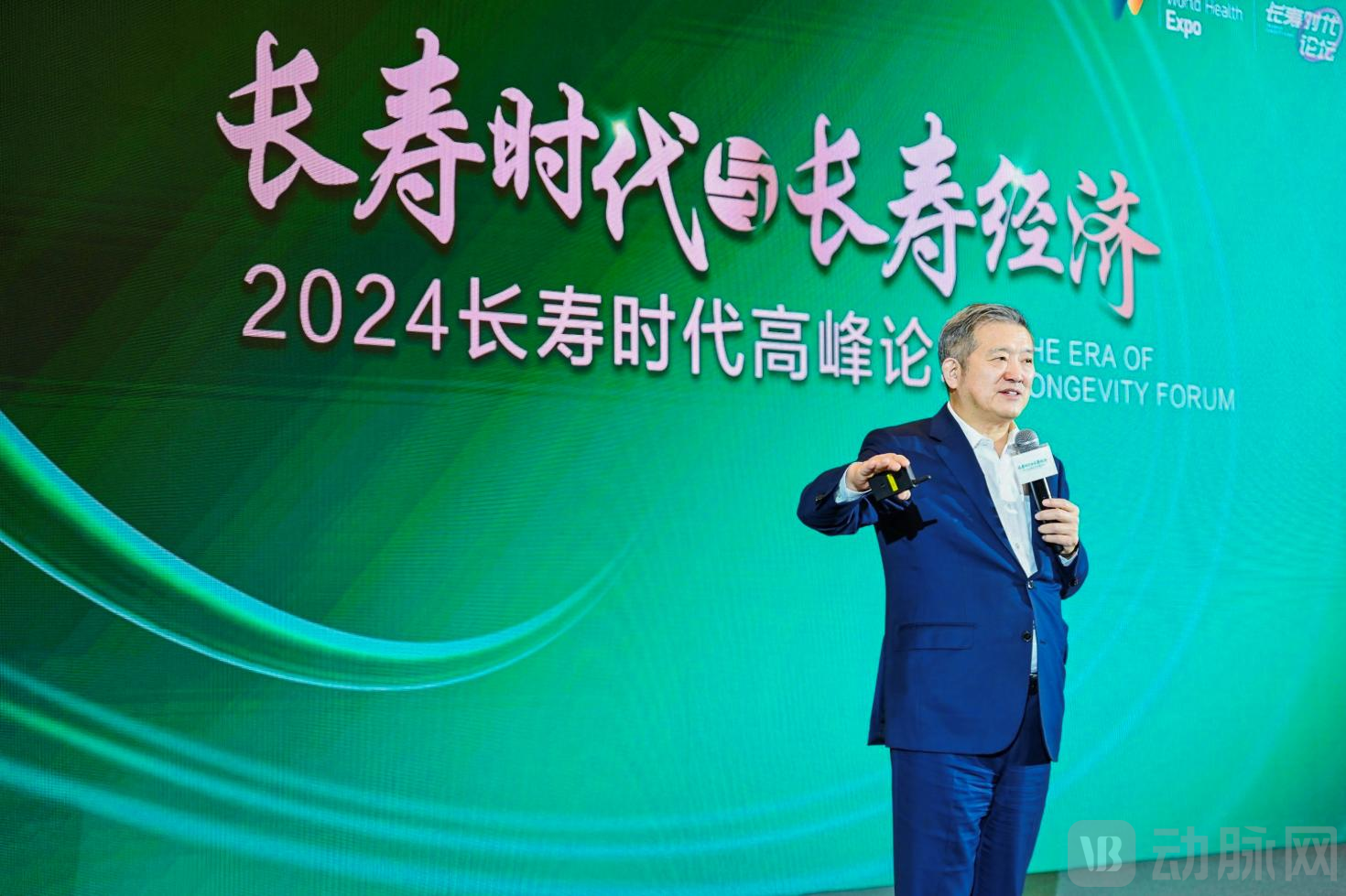
Chen Dongsheng, Founder, Chairman and CEO of Taikang Insurance Group
As previously mentioned, the era of longevity implies three major needs: adequate elderly care, financial security in old age, and healthy aging. These correspond precisely to Taikang’s “Big Health Industry Ecosystem,” which encompasses three closed loops: longevity, health, and wealth.
In 2007, Taikang began to lay out the elderly care industry, and completed the layout of 40 elderly care communities in 35 cities across China in 17 years, among which 20 have been put into operation, attracting more than 12,000 residents to move in.
In 2013, Taikang recognized the close interconnection between elderly care and the healthcare industry, and began to expand into the medical sector. It not only equipped each of its retirement communities with a secondary-level geriatric rehabilitation hospital, but also established five major medical centers in Nanjing, Wuhan, Chengdu, Shenzhen, and Ningbo. These centers integrate medical treatment, education, and research; combine elderly care with medical services; and link healthcare with insurance, thereby providing users with high-quality medical services throughout their entire life cycle.
Notably, through this forum, VCBeat also learned that Taikang Healthcare’s services are no longer limited to the elderly population but instead provide users with high-quality medical care across their entire life cycle.
As for payment, it is even more one of the main features of Taikang's layout in the longevity economy—combining insurance with elderly care services, and accumulating sufficient wealth resources for elderly care and medical health through purchasing insurance.
“Essentially, the elderly care solution provided by Taikang uses insurance to offer users an optimal model for retirement financing, while delivering high-quality, one-stop, full-lifecycle elderly care services integrating medical treatment, health management, rehabilitation, and hospice care,” summarized Chen Dongsheng.
When AI Meets the Longevity Economy, the Sparks Go Beyond Improved Medical Efficiency
If one were to detail the distinguishing features of this forum, artificial intelligence (AI) would undoubtedly be indispensable. This is evidenced not only by the presence of representatives from leading medical AI enterprises—UBTECH Robotics and United Imaging Healthcare—among the invited guests, but also by the forum’s deliberate inclusion of a roundtable discussion on AI development. These arrangements clearly underscore the forum’s emphasis on the role of AI in advancing the elderly care industry.
At this forum, Taikang also invited science fiction writer and Hugo Award winner Hao Jingfang to share her vision for the future of the AI-driven elderly care industry. In the solitary life of a centenarian, various AI-enabled home appliances could provide caregiving services. For instance, smart beds could monitor body temperature, pulse, and heart rate; nightstands could dispense medication as needed; service robots could prepare nutritious meals based on healthy dietary plans; and companion robots could engage in conversation, offering emotional support and companionship.
While all of this may seem like nothing more than an aspirational vision at the current stage, it is worth noting that surgical robots, telemedicine, and AI-driven drug discovery once sounded equally implausible. Yet they have ultimately become reality, even emerging as integral components of today’s broader health industry and the entire longevity sector.
What Is the Significance of AI Technology to the Longevity Economy? To illustrate this, we quote from a speech delivered by Xue Min, Chairman of United Imaging Healthcare Group: “A new era of health and longevity empowered by high-tech is rapidly approaching. Breakthrough advances in new technologies will inevitably drive profound transformations across all industries, including the longevity sector.”
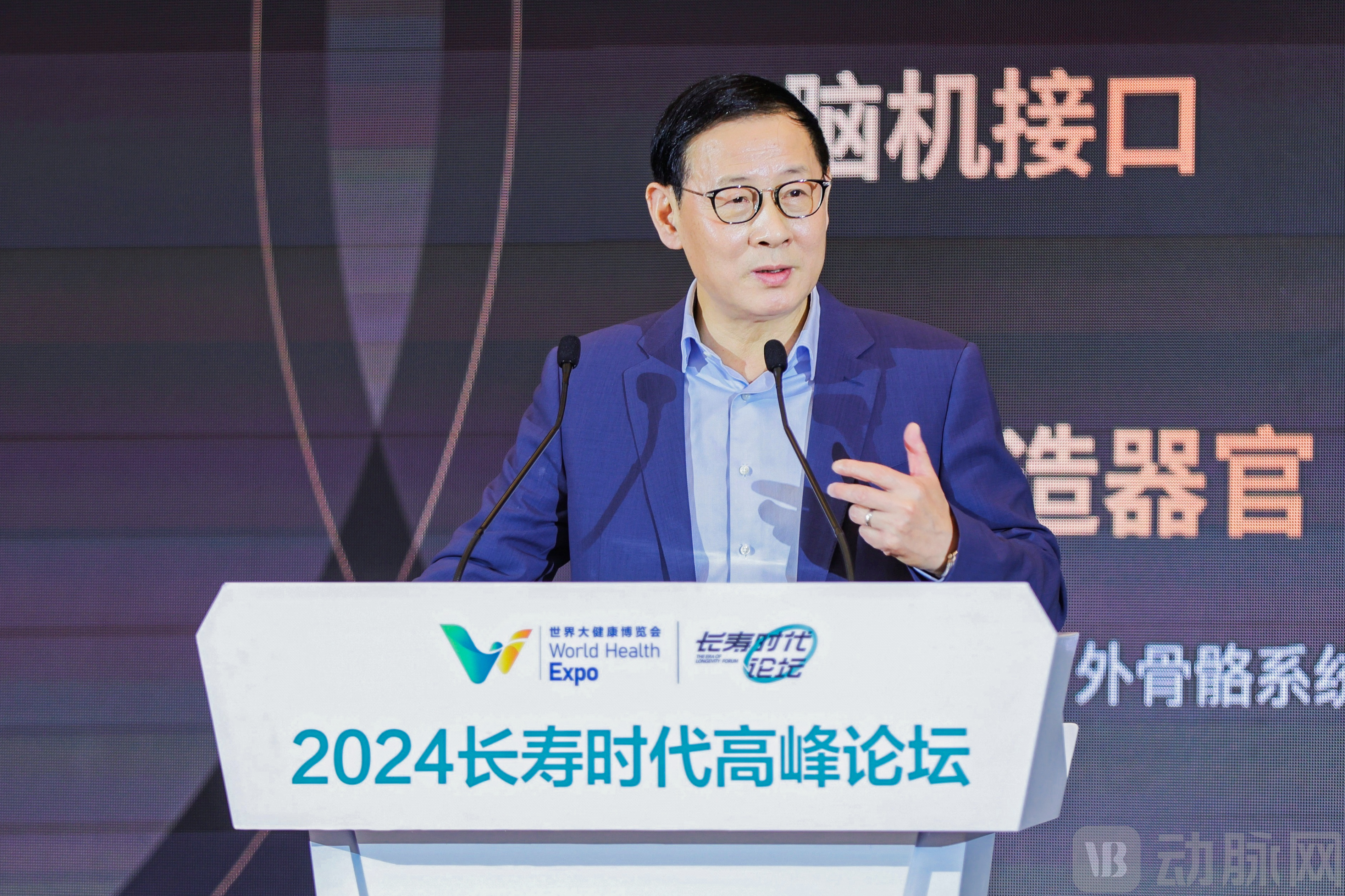
Xue Min, Chairman of United Imaging Group
Specifically, advancements in artificial intelligence have already bolstered the development of the pharmaceutical industry, electronic health records (EHR), the large language model (LLM) sector, and the medical metaverse. “The emergence of new quality productive forces has driven industry transformation, giving rise to many new modalities, new business models, and even new ways of working. It truly demonstrates how technological innovation serves as the driving force, leveraging next-generation advanced equipment and technologies to comprehensively elevate the quality and efficiency of healthcare.”
Therefore, in recent years, United Imaging Group has also intensified its strategic investments in the field of artificial intelligence, for example, by successively establishing United Imaging Intelligence (an AI enterprise), United Imaging Intelligent Robotics (a surgical robotics company), as well as a chip company and a metaverse-related company.
Tan Huan, Co-Chief Technology Officer and General Manager of the Health Division at UBTECH Robotics, stated in his keynote speech that driving the longevity economy with intelligent technology requires a top-down system design.
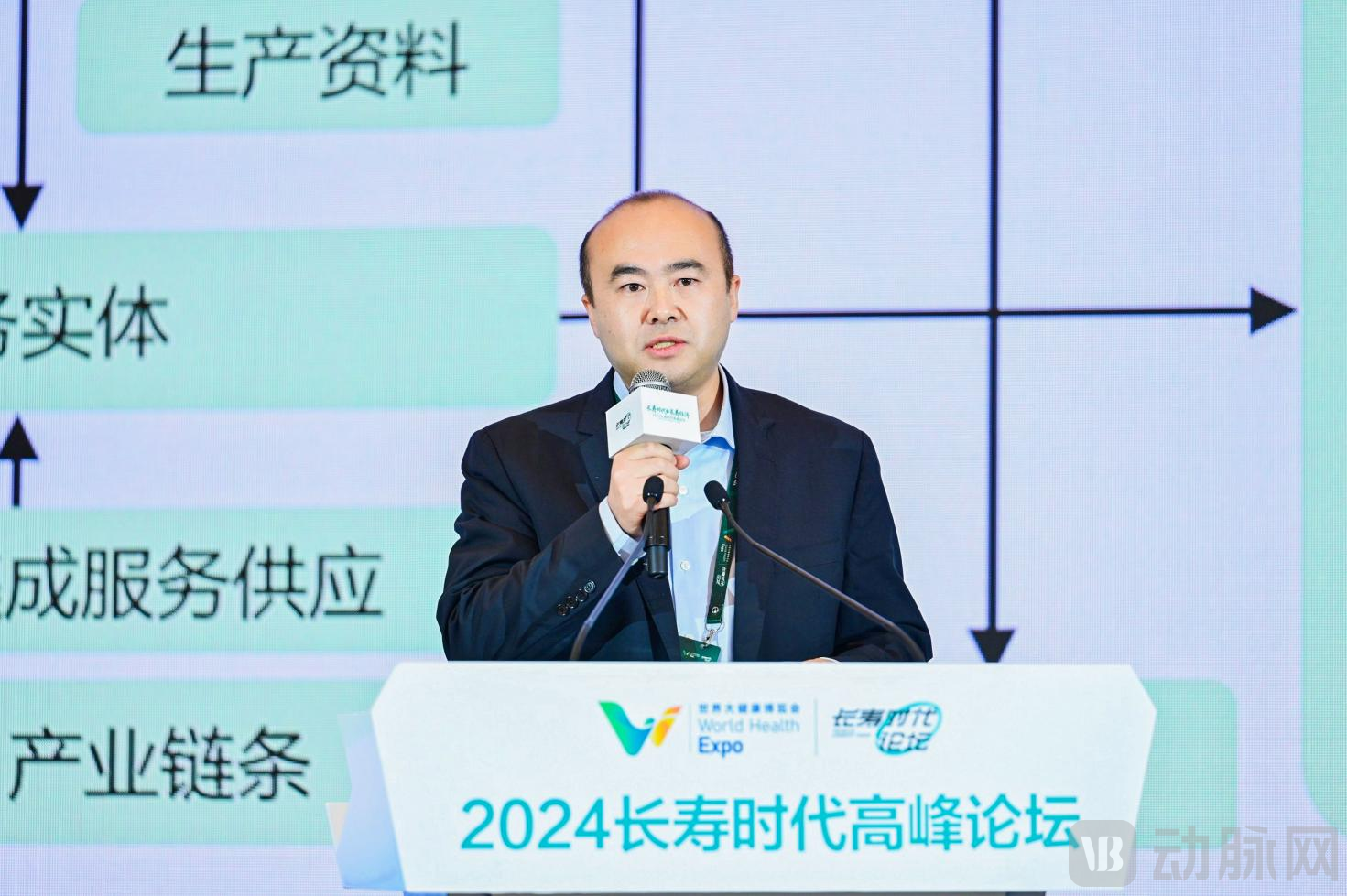
Tan Huan, Co-Chief Technology Officer and General Manager of the Health Division at UBTECH Robotics
Specifically, under the guidance of national strategy, a tiered smart elderly care service system is designed, with artificial intelligence technologies centered on robotics embedded within it. Leveraging community service centers as carriers and employing intelligent services, data-driven management, and automated operations as means, this approach ensures that robots equipped with these technologies and services truly integrate into people’s daily lives, thereby realizing new systems, new services, and new value.
The 6th Taikang Longevity Era Summit Forum 2024 has concluded, yet the narrative of humanity’s longevity era continues to unfold. We look forward to the continuous improvement of a multi-tiered elderly care system and the emergence of innovative eldercare solutions, while eagerly anticipating the synergies that will arise from the integration of frontier technologies, such as AI, with the elderly care industry.