

Haier Biomedical Unveils Life Science Strategy: Advancing Deeper to Drive High-Quality Industry Growth

Haier Biomedical
R&D and Manufacturer of Biomedical Cryogenic Storage Equipment
Advancing with Technological Innovation, Striving for Human Health and Well-being. On April 10, the Haier Biomedical Life Sciences Conference, themed “Empowering Discoveries in Life Sciences and Clinical Applications,” was held in Shanghai. The event brought together numerous industry experts to exchange insights on cutting-edge developments in cell and gene therapy, innovation in high-end life science equipment, and collaborative efforts among academia, industry, research institutions, and healthcare providers. At the conference, Haier Biomedical simultaneously unveiled its life sciences strategy, leveraging an integrated EPS (Equipment-Platform-Service) model to drive innovation in both life science research and clinical applications.
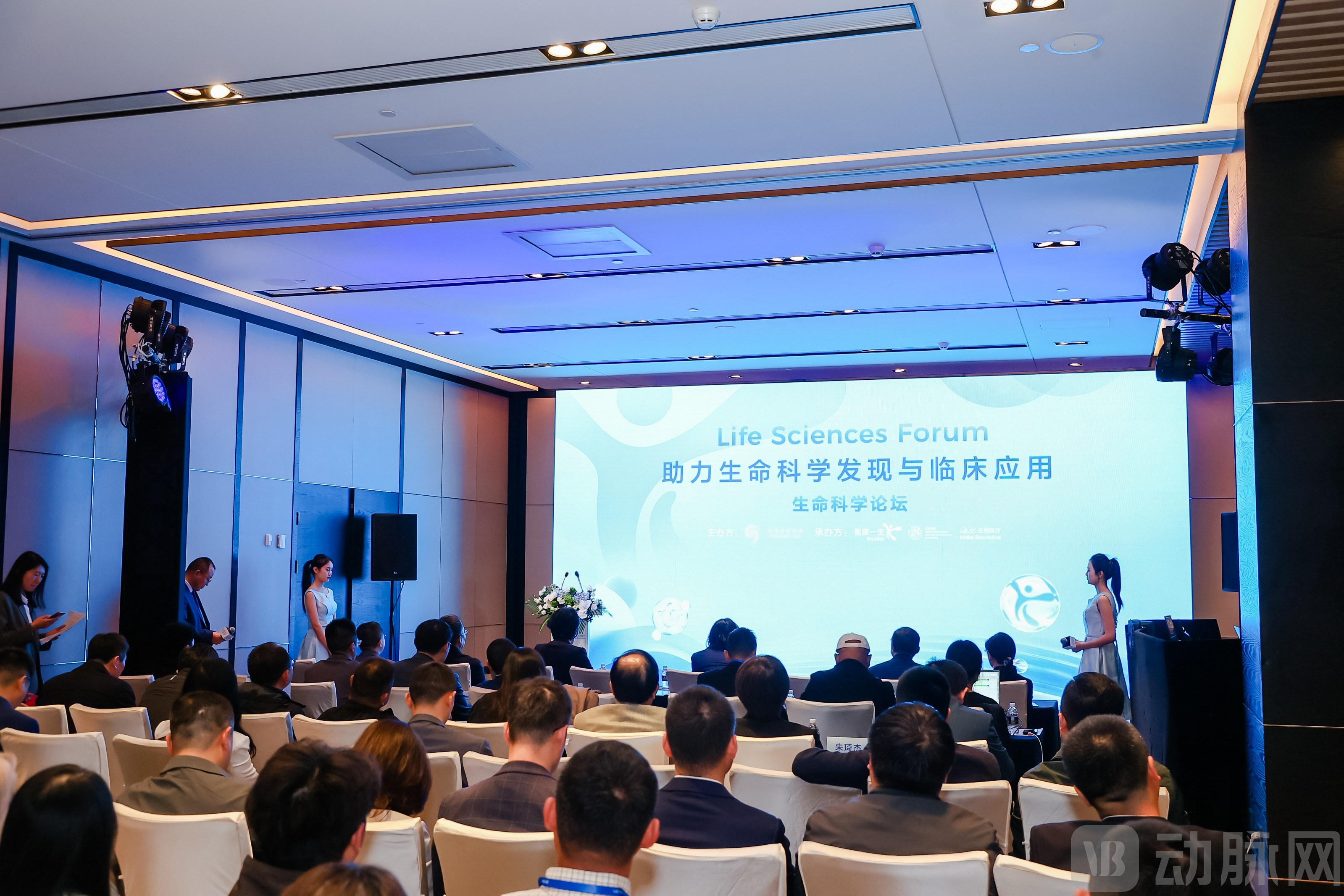
As a key development direction in the life sciences sector, cell and gene therapy (CGT) has witnessed rapid growth in recent years, offering new hope for conquering diseases and enhancing human health. Experts at the event shared in-depth insights into the opportunities and challenges facing the CGT field, and discussed the critical importance of accelerating industry-academia-research-clinical collaboration to drive innovation in new life science tools and promote the translation of basic research into clinical applications.
In his opening address, Dr. Liu Zhanjie, General Manager of Haier Biomedical, stated that with continuous breakthroughs in cutting-edge biotechnology and medical technology, as well as the vigorous development of emerging technologies such as artificial intelligence and big data, the life sciences industry is poised to embrace unprecedented opportunities for growth. Committed to being a trusted partner to scientists, Haier Biomedical actively assumes primary responsibility for technological innovation, consistently delivering high-tech, high-performance, and high-quality solutions to advance life sciences research and medical innovation.
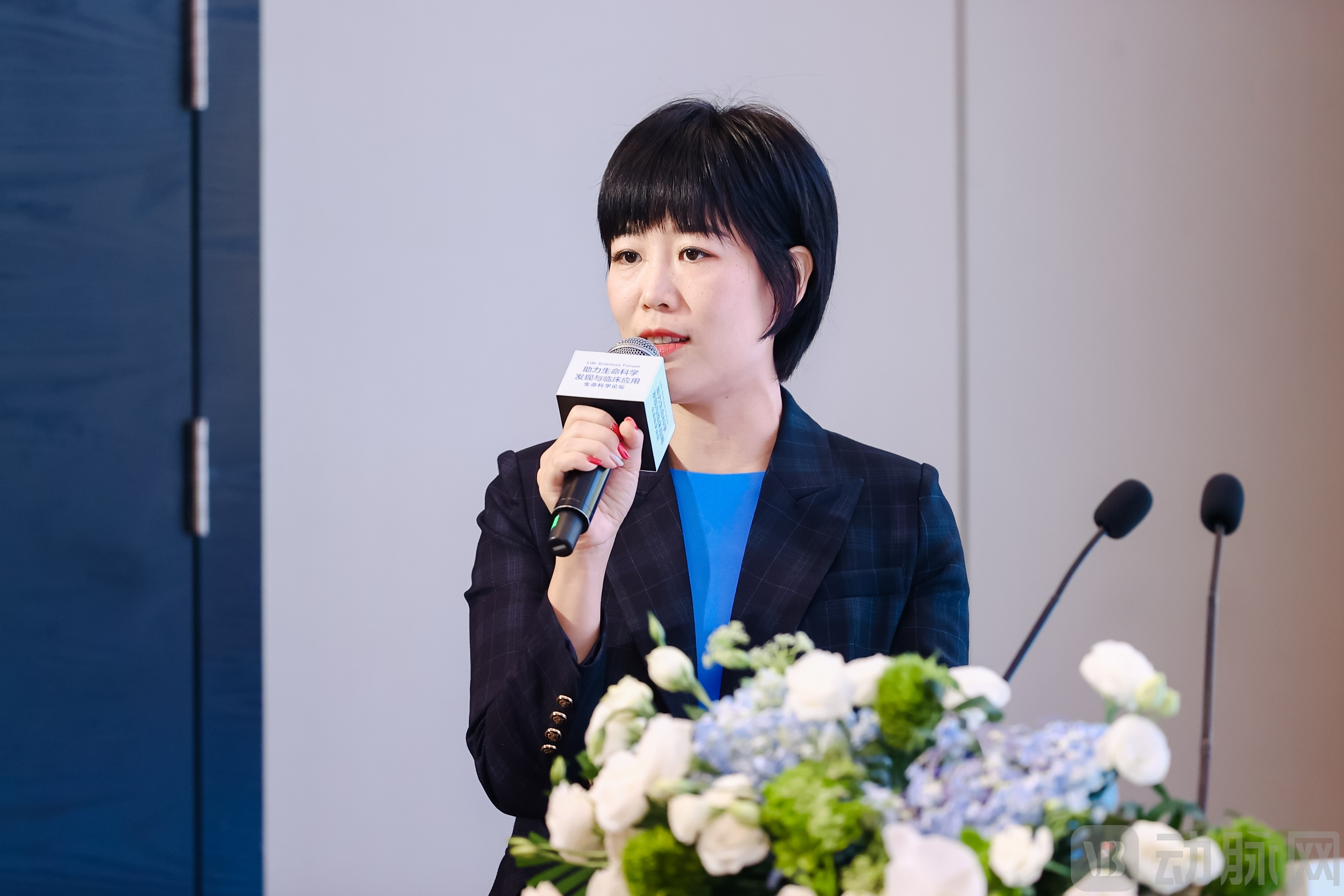
Mao Lili, Dean of the Huangpu College at the Guangzhou Laboratory (also known as the Bio-Island Laboratory), stated that to improve the conversion rate of scientific research achievements in China, there is a need for intermediaries who understand enterprises, scientists, and industry, and can facilitate in-depth matchmaking and communication. As one of the first provincial-level laboratories in China, the Guangzhou Laboratory focuses on “one medical device and two products” and has pioneered an “integrated body with two wings” development model. Its Huangpu College positions itself as a “super connector” and “super value creator” for scientists and entrepreneurs, establishing a hub linking scientists, entrepreneurs, and capital to effectively drive the commercialization of life science innovations.
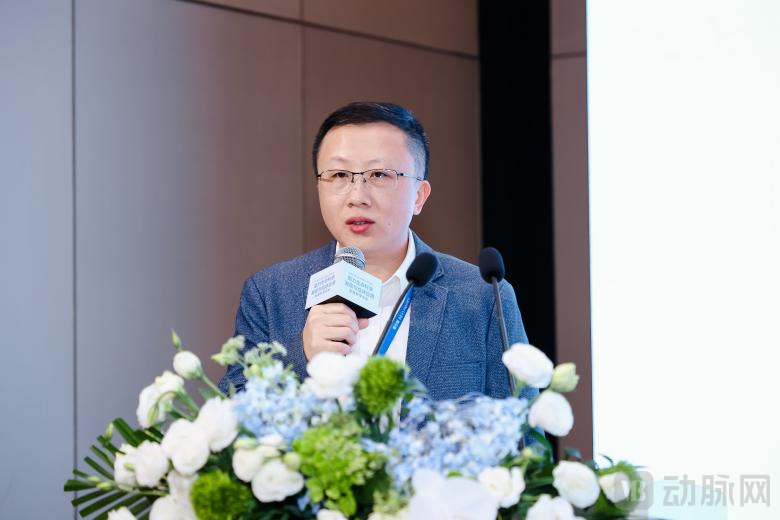
Qin Dajiang, Deputy Director of the Fifth Affiliated Hospital of Guangzhou Medical University (Affiliated Hospital of Bio-Island Laboratory), highlighted the milestone role of cell therapy as a strategic national resource in disease treatment and rehabilitative healthcare. He emphasized that the advancement of cell therapy relies on in-depth basic research and breakthroughs in core technologies, expressing his hope to synergize efforts across industry, academia, and research sectors to foster a diversified and vibrant industrial development landscape through innovation and integration.
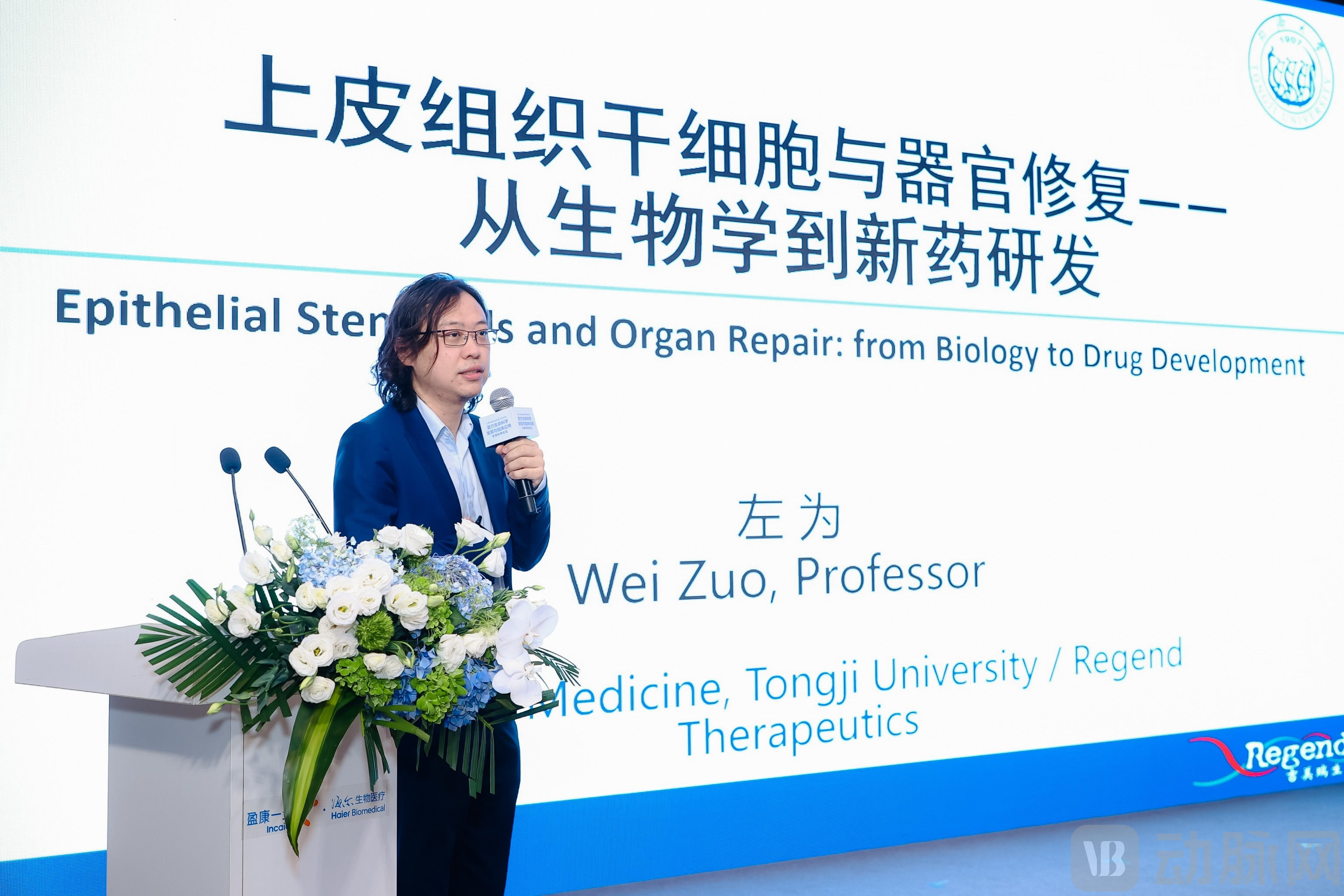
Professor Zuo Wei, Vice President and Secretary of the Party Committee of the Cell and Gene Therapy Branch of the Chinese Society for Cell Biology, Professor at Tongji University School of Medicine, and Chairman of Regend Therapeutics, discussed the emergence and development of stem cell technology as a novel medical approach, spanning from biology to new drug research and development. He highlighted that this technology offers new possibilities and imaginative horizons for tackling one of humanity’s ultimate challenges: organ regeneration and repair. Professor Zuo further emphasized that promoting the clinical translation and application of stem cell therapies requires collaborative efforts between enterprises and clinical institutions to advance the nationwide layout of the stem cell industry in China.
Theoretical research and clinical applications of cell and gene therapy (CGT) rely heavily on the abundant resources provided by biobanks. As critical infrastructure for clinical treatment and medical scientific research, biobanks are key drivers of innovation in clinical medicine and diagnostic and therapeutic technologies. At the conference, Zhang Xiaoyan, Secretary-General of the Organized Biobank Branch of the Chinese Association of Pharmaceutical Biotechnology and Executive Director of the Shanghai Biobank, stated that the establishment of biobanks has provided rich sample resources and data for prospective CGT clinical studies. She expressed hope that high-quality biobanks would bridge the gap between hospitals and corporate users of samples, ushering in a new era of new quality productive forces through the leveraging of biological sample resources and data assets.
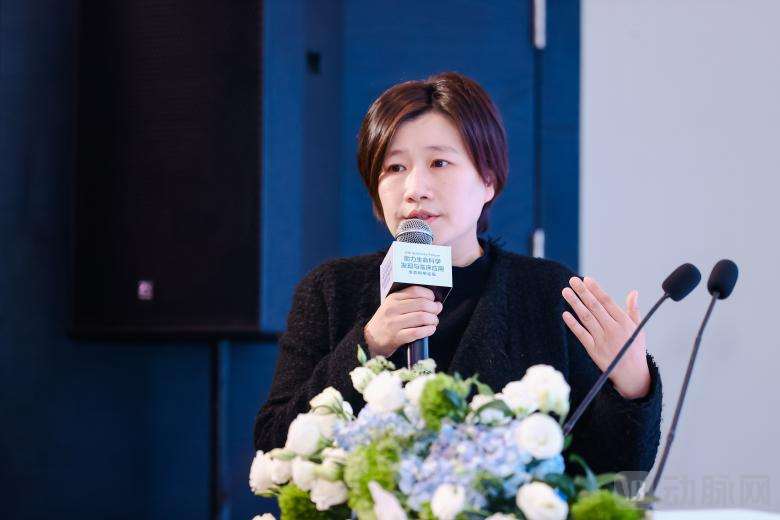
High-End Instruments Leading + Digital Intelligence as a Key Driver, Haier Biomedical Upgrades Its Integrated Service Capabilities
Advanced instrumentation serves as a foundational prerequisite for scientific research and technological innovation. Achieving the industrialization and large-scale development of life science instruments requires an innovation mechanism characterized by deep integration among industry, academia, and research institutions. At the conference, a roundtable forum was held on the theme of “Development and Application of Biobanks and Cell Therapy,” bringing together stakeholders from clinical practice, scientific research, and industry to exchange insights on frontier explorations and demands in cell therapy, as well as development trends in key equipment.
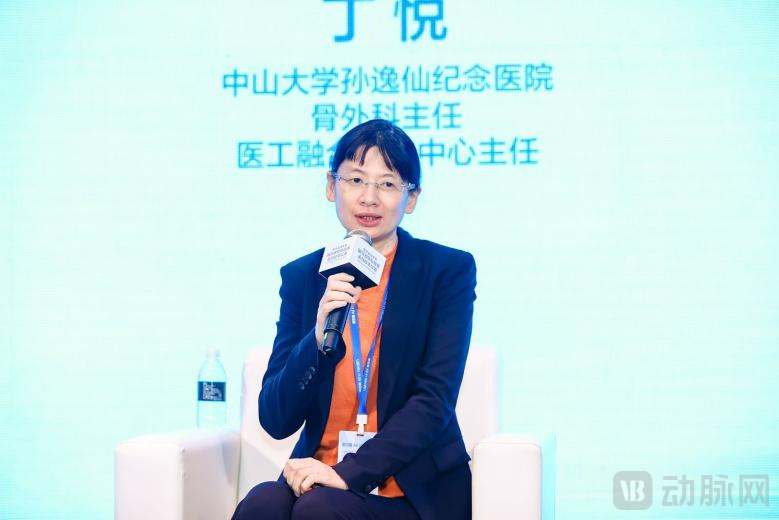
Ding Yue, Director of the Department of Orthopedic Surgery and Director of the Medical-Engineering Integration Research Center at Sun Yat-sen Memorial Hospital, Sun Yat-sen University, stated that China has begun discussions on clinical research involving somatic cells. She expressed confidence that the future prospects for cell therapy are very promising, spanning from stem cells to somatic cells. In cell therapy, cell quality is crucial, and regional standardized cell banks can provide insights into addressing this challenge.
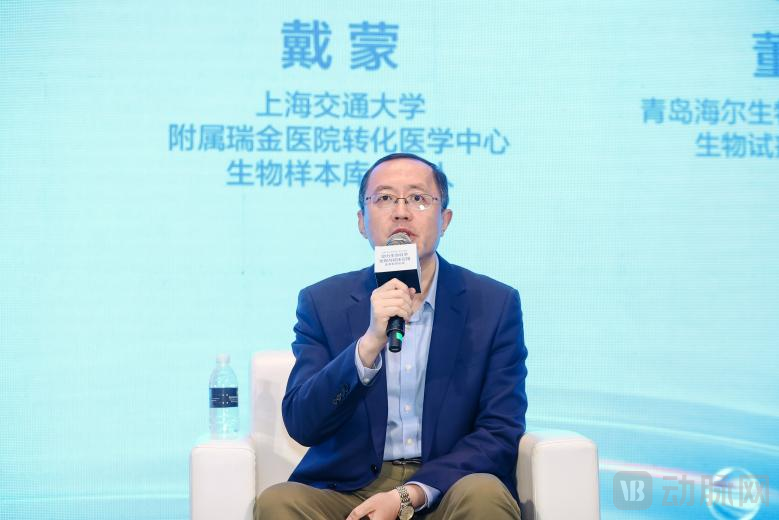
Dai Meng, head of the biobank at the Center for Translational Medicine of Ruijin Hospital, Shanghai Jiao Tong University School of Medicine, stated that by introducing a leading sample storage system, Ruijin Hospital has streamlined the process from sample collection to direct storage in the biobank, completely eliminating intermediate manual transport and quality control checkpoints. This demonstrates the explosive growth resulting from China’s industrial production capabilities and technological accumulation.
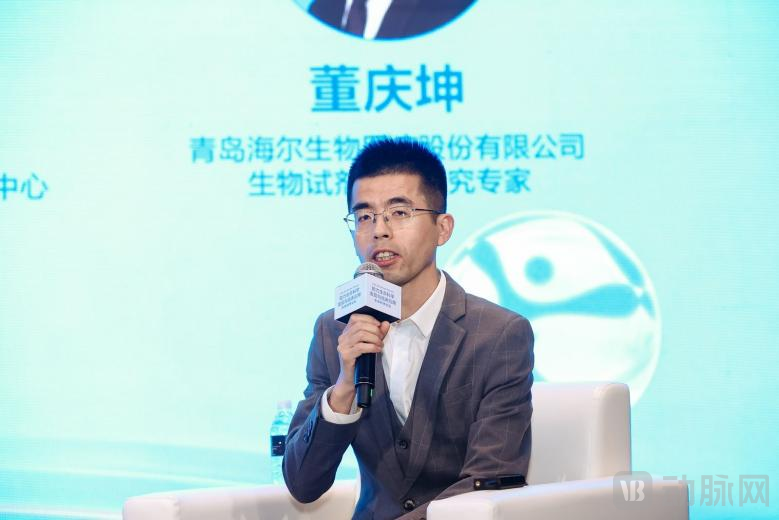
Dr. Dong Qingkun, an expert in advanced research on biological reagents at Haier Biomedical, proposed for the first time during the dialogue a comprehensive service solution covering the entire industry chain—from sample storage and testing to scientific research and clinical applications. He stated that Haier Biomedical would leverage its role as an innovation link to provide full-scenario support in equipment, software platforms, reagents, and consumables, spanning from biopharmaceutical R&D to clinical industrialization, thereby promoting the translation of cell therapy innovations into industrial applications.
From Chinese Products to Chinese Solutions: Haier Biomedical Is Painting a New Innovation Landscape and Expanding the Imagination Space for Life Sciences Development Through Its Concrete Actions. At this conference, Pan Zeyu, Chief Strategy Officer of Haier Biomedical, unveiled the company’s latest strategies and layout in the life sciences sector, stating that Haier Biomedical will continuously strengthen breakthroughs in high-end instruments and digital-intelligent innovation to create integrated hardware-software-service solutions for users, thereby promoting high-quality development of the life sciences industry.
This year’s Government Work Report explicitly states that life sciences, as a future-oriented industry, have become a new pillar and a new track leading industrial upgrading and future development. The report to the 20th National Congress of the Communist Party of China also emphasizes strengthening enterprise-led in-depth integration of industry, academia, and research, reinforcing goal orientation, and enhancing the level of technological achievement transformation and industrialization. As a sci-tech innovation enterprise, Qingdao Haier Biomedical Co., Ltd. will continue to deepen its engagement in the field of life sciences based on developmental needs, moving toward “newness” and improving quality through “intelligence,” thereby contributing to the advancement of life sciences and the cause of human health!