

In the Era of Smart Healthcare, Two Academicians and Over 100 Discipline Leaders Redefine Health Management
Against the backdrop of the national initiative to advance the "Healthy China" strategy, societal perspectives are gradually shifting from a disease-treatment-centric model to one focused on health promotion, making health management an essential need for the entire population. To better meet the growing demand for health management services among residents, innovators are beginning to break free from rigid mindsets in search of optimal medical solutions for health management.
In 2005, the Professional Committee on Physician Health Management and Physician Health Insurance of the Chinese Medical Doctor Association (hereinafter referred to as the “Professional Committee”) was established, with the aim of promoting high-quality development of health checkups and health management across China. The Professional Committee has continuously deepened its efforts in key areas such as quality control of health examinations, discipline construction, talent development, and training of chief examining physicians, thereby benefiting a vast number of health management practitioners and improving the well-being of an ever-growing population.
On the occasion of the fifth anniversary of the launch of the Healthy China Initiative by the State Council, and to better implement the spirit of the National "Two Sessions," the 2024 Annual Conference of the Committee on Physician Health Management and Physician Health Insurance of the Chinese Medical Doctor Association was successfully held in Nanchang, Jiangxi Province, on April 13-14, 2024. The conference was hosted by the Chinese Medical Doctor Association and its Committee on Physician Health Management and Physician Health Insurance, co-organized by the Jiangxi Medical Doctor Association and the Health Management Branch of the Jiangxi Integrative Medicine Society, and undertaken by the First Affiliated Hospital of Nanchang University.
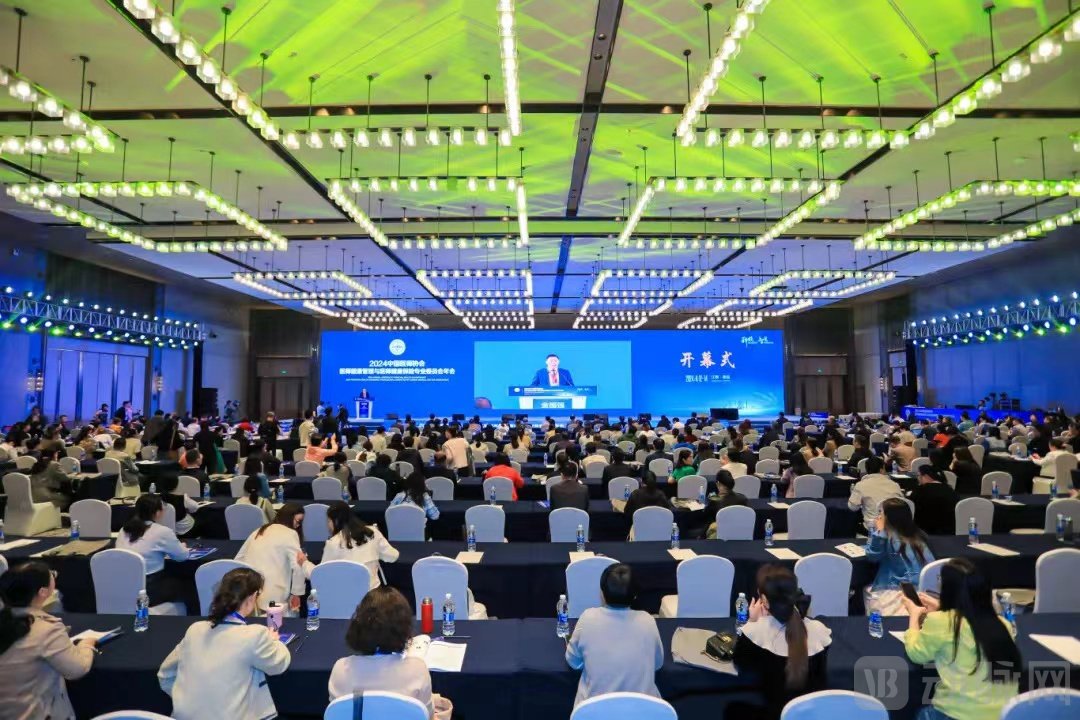
Themed “Technology Empowering Health Medicine, Intelligence Safeguarding Healthy China,” the conference brought together top international experts, academicians from the Chinese Academy of Sciences and the Chinese Academy of Engineering, and more than 100 leading figures in health management, attracting over 1,000 health management scholars and experts from across China to jointly explore new models of health management in the country.
Leveraging the conference as an opportunity, VCBeat conducted an in-depth interview with Dr. Han Xiaohong, Chair of the Professional Committee on Physician Health Management and Physician Health Insurance under the Chinese Medical Doctor Association, founder of the “Ciming Model” of health checkups in China and its group, and Chairman of Hans Boshi Medical Group.
At the main forum held on the morning of April 13, the former Minister of HealthGao QiangIn attendance, the speaker emphasized “the importance of health management for lifelong human health” from the perspective of China’s national health management needs, and stated, “We must ‘shift from a disease-centered approach to a health-centered one,’ conduct in-depth research into the field of health management, establish and improve health management systems, and promote high-quality, rapid development of China’s health management sector!”
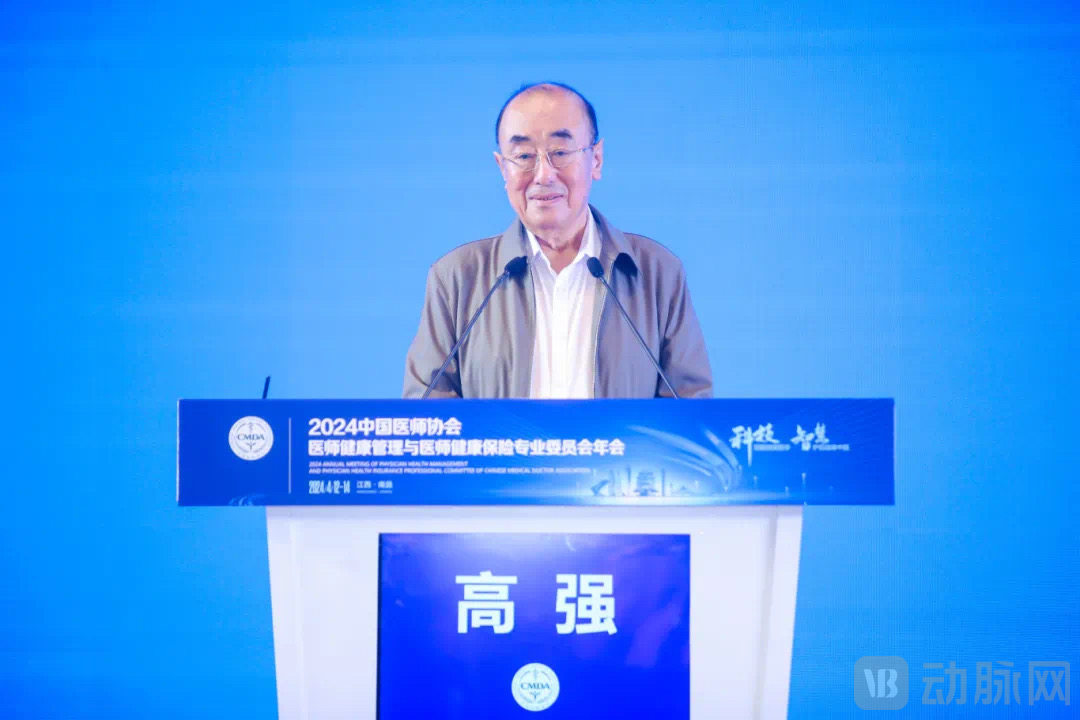
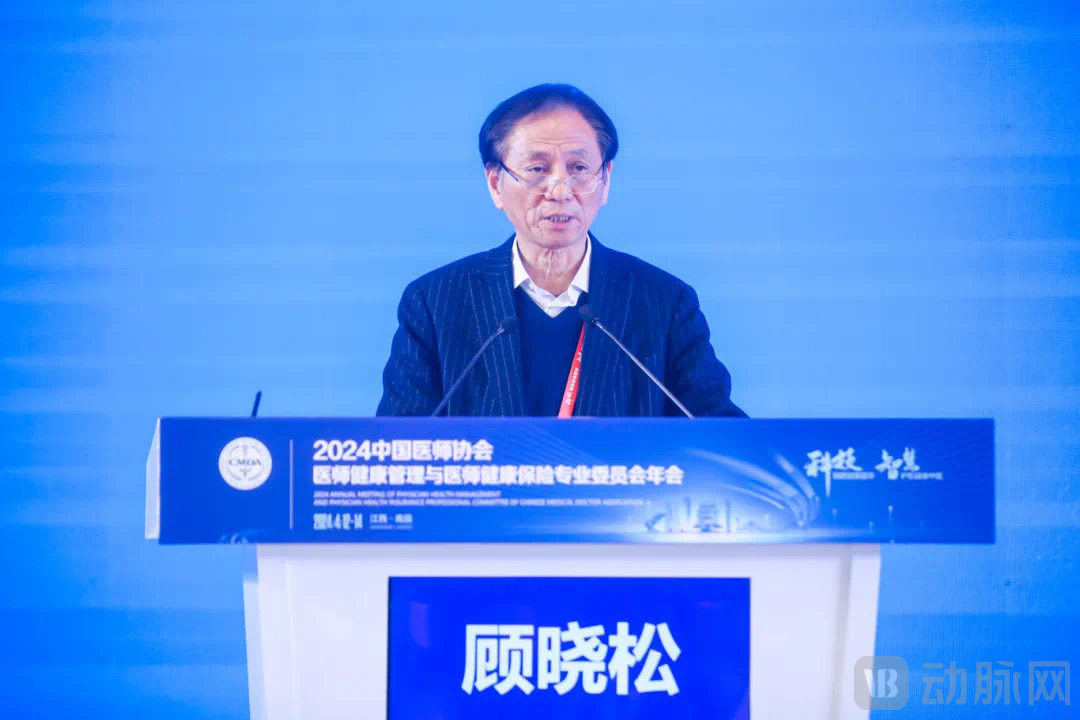
Academician of the Chinese Academy of Engineering, Director of the Key Laboratory for Research and Evaluation of Engineered Tissue Products Organized by the National Medical Products AdministrationGu XiaosongUnder the macro context of “Healthy China,” the academician shared insights on the high-quality development of the biopharmaceutical industry. Chinese Academy of Engineering AcademicianXie MingyongThe Academician delivered a keynote address on “Nutrition” from a professional academic perspective.
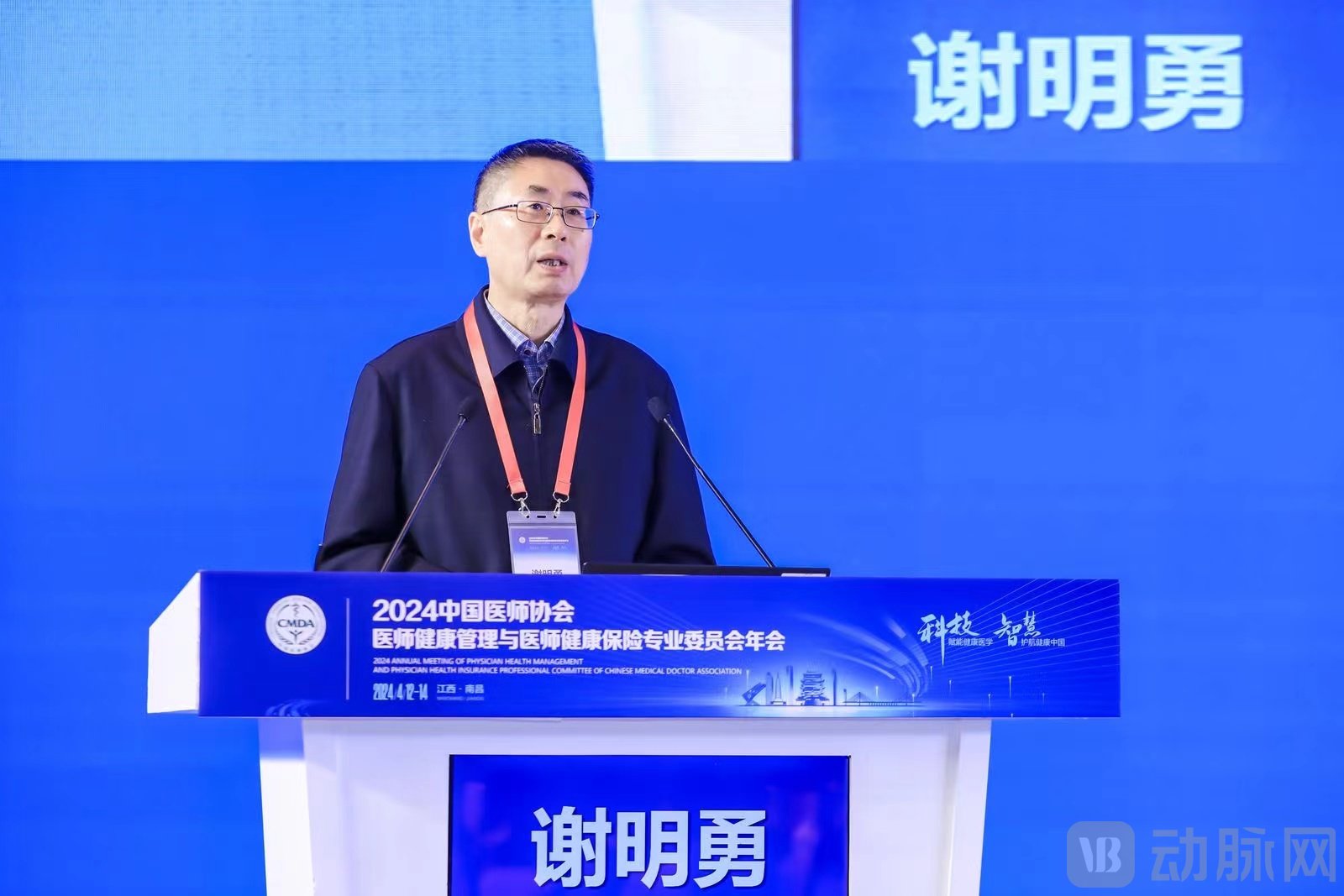
Furthermore, all chairpersons, vice-chairpersons, and standing committee members of the two major academic organizations in health management—the Chinese Medical Doctor Association and the Chinese Medical Association—attended the conference, with nearly 40 industry leaders delivering keynote addresses.DepthSharing enables attendees to gain firsthand insights into policy perspectives on the current health management industry landscape, understand the needs and pain points of clinical practice in clinical medicine, and learn from cutting-edge technology application cases pioneered by innovators in health management.
As the Chair of this conference, Han Xiaohong stated that the main forum served as the primary platform for showcasing the insights of health management experts. At the event, health management experts, scholars, and practitioners engaged in a “brainstorming” session focused on hot topics such as discipline development, quality control, technological innovation, and talent training in the field of health management.
Although their research focuses differ, they are all united in seeking the best health management solutions for patients. “We firmly believe that the efforts of today’s innovators in the healthcare industry will pave the way for more and better approaches to health management, thereby transforming the life trajectories of individuals,” said Chairperson Han Xiaohong.
At the main forum,Han XiaohongThe Chairperson also shared insights on the vast application potential of immunoassays in health management from the perspective of innovative technologies. Having begun her research in immunology during her master’s and doctoral studies, she has accumulated decades of expertise, enabling her to maintain a clear and precise grasp of the technical principles, clinical applications, and future trends in immunology.
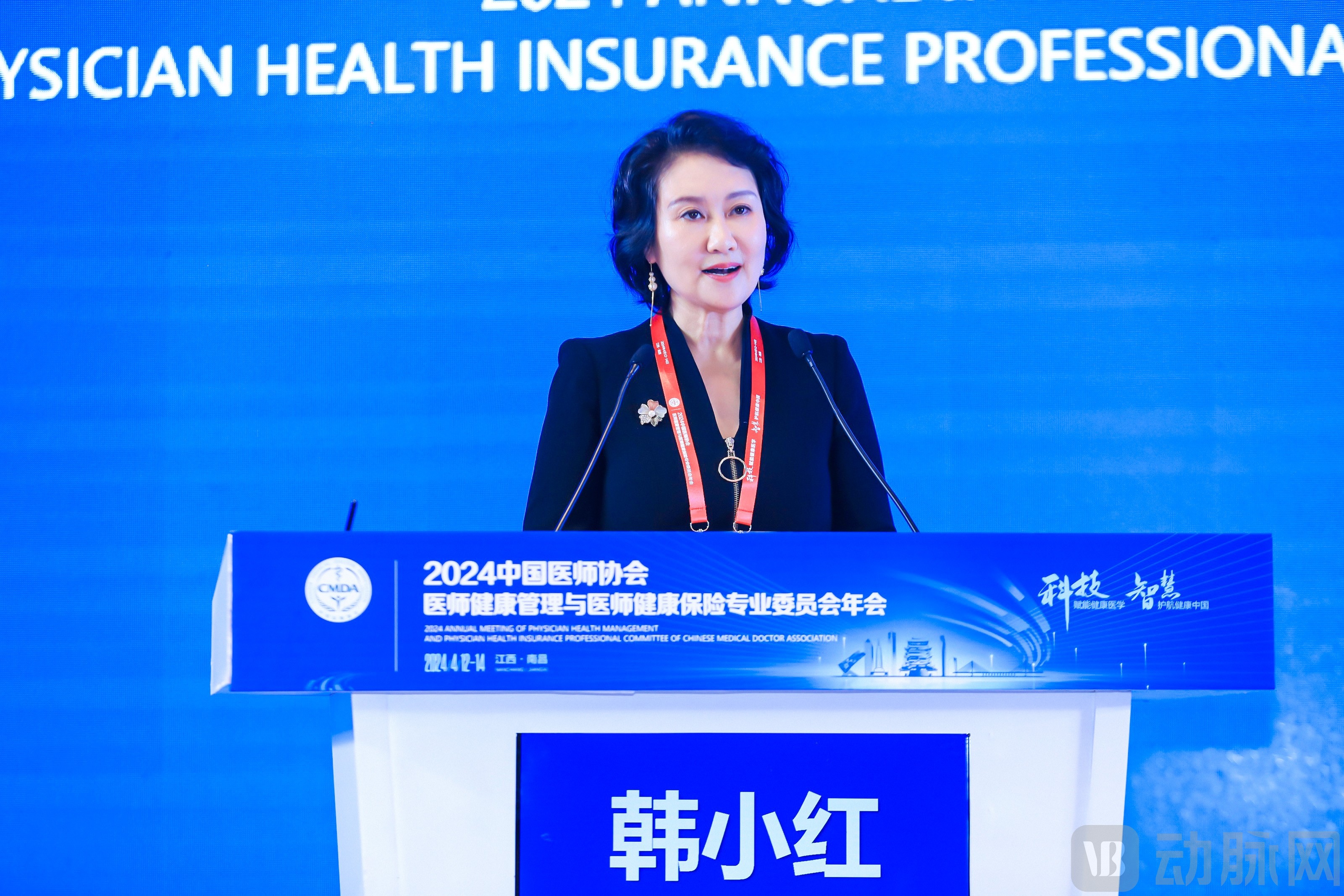
She noted that immune testing is a method for assessing an individual’s immune status by measuring immune markers in the body. It helps clinicians detect abnormal changes in the immune system, thereby predicting and providing early warnings of potential health risks, representing a true form of proactive health management.
Taking chronic disease health management as an example, immune testing can detect abnormalities in immune function-related indicators, such as imbalances in T-cell subsets and reduced NK cell activity. This helps physicians assess patients' immune status, monitor disease progression and treatment efficacy, and provide a scientific basis for adjusting treatment regimens.
Beyond health management, immune testing holds significant value in fields such as cancer treatment and anti-aging. Chairperson Han Xiaohong believes that with advancing scientific research, immune cell therapy may become a key medical technology of the future, serving as a core approach for disease prevention and management.
“Only by applying laboratory findings and innovative technologies to clinical practice can we truly benefit patients.” Chairperson Han Xiaohong emphasized in the interview that patient needs are the driving force behind her innovation-driven business development.
Advanced technologies have been rapidly implemented in the Boao Lecheng International Medical Tourism Pilot Zone in Hainan. Notably, the Health Testing and Assessment Center at Lecheng Hospital of the First Affiliated Hospital of Hainan Medical University, located within the pilot zone, offers genomic and immunological testing, as well as lifestyle assessments such as ultra-early cancer screening. These services provide precise data support for disease prevention and treatment, anti-aging interventions, and chronic disease management. During the conference, Lecheng Hospital performed the “first ovarian tissue cryopreservation retrieval surgery” in the pilot zone, marking a new milestone in the high-quality development of new quality productive forces in the Boao Lecheng International Medical Tourism Pilot Zone.
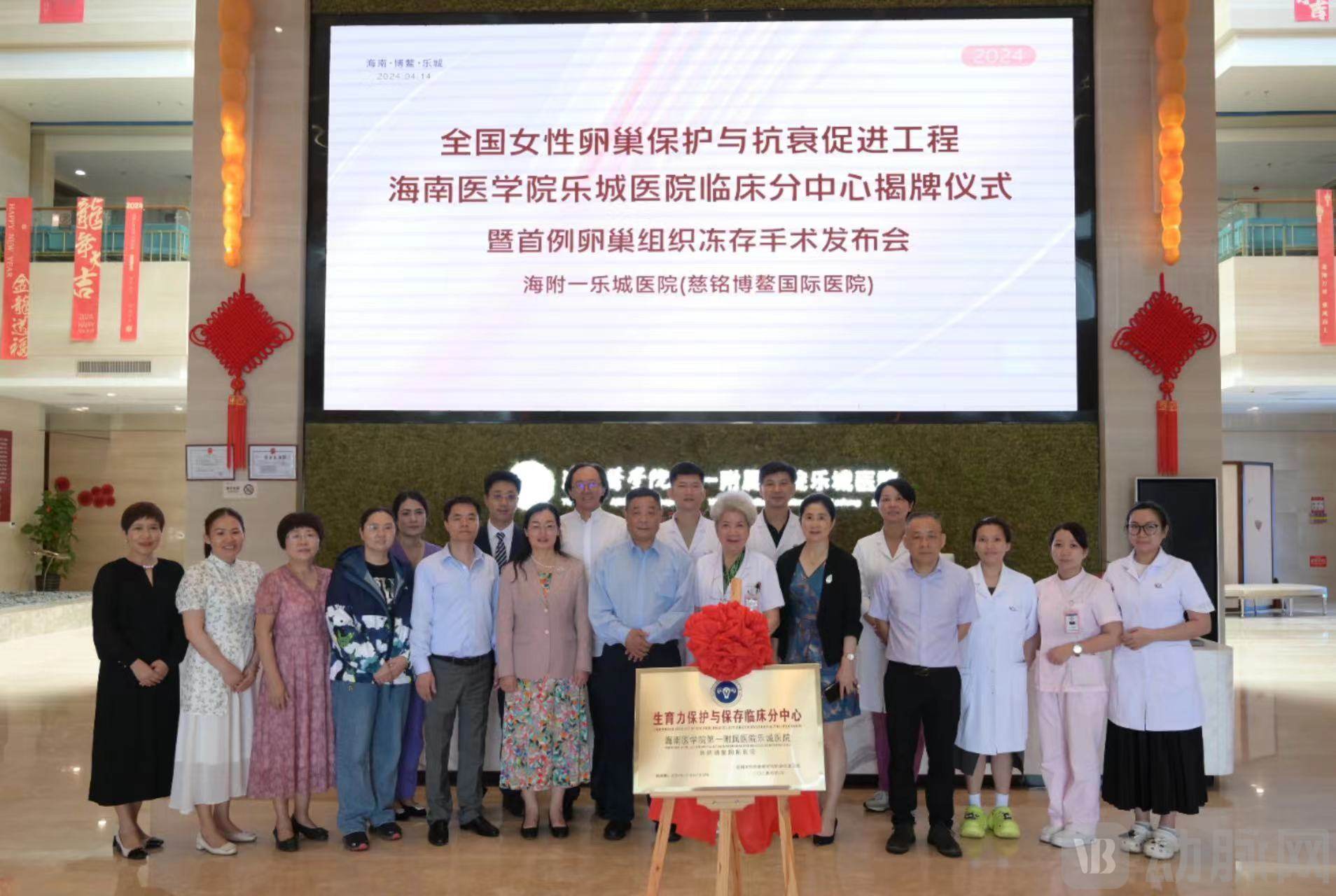
Chairman Han Xiaohong stated that innovative technological advancements will significantly enhance the precision, personalization, convenience, and accessibility of health management, bringing about an epoch-making transformation in clinical diagnosis and treatment.
The rapid deployment of new technologies is inseparable from the locational advantages, policy benefits, and pioneering institutional framework of the Hainan Boao Lecheng International Medical Tourism Pilot Zone.
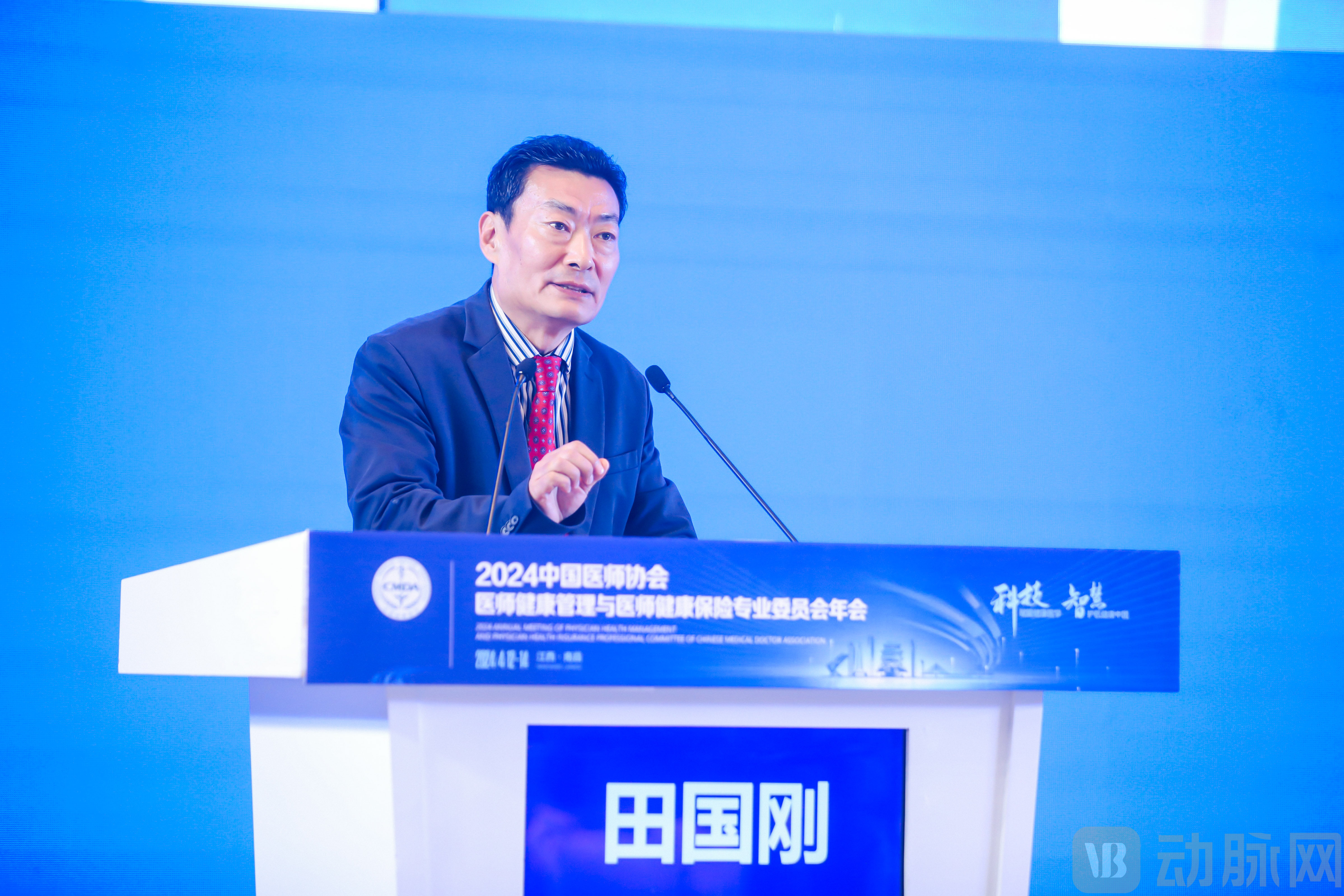
Medical Director, Hainan Boao Lecheng International Medical Tourism Pilot Zone AdministrationTian GuogangThe latest achievements of the Pilot Zone were also shared at the conference. Currently, the Boao Lecheng International Medical Tourism Pilot Zone has initially established seven specialized disciplines with distinctive features, namely rare diseases, oncology, ophthalmology, otolaryngology, reproductive medicine, health check-ups, and medical aesthetics, attracting medical experts and foreign physicians from around the world to practice there. Meanwhile, the Pilot Zone has introduced 391 types of specially approved drugs and medical devices, basically achieving the goal of “triple synchronization” with international advanced levels in medical technologies, equipment, and pharmaceuticals.
During the interview, Chair Han Xiaohong repeatedly emphasized the importance of quality control, discipline development, and talent cultivation in advancing the high-quality development of health management. Therefore, the Special Committee will enhance the level of health management and service quality by regularly hosting national summits and academic conferences across China, as well as conducting regional training programs in various provinces and municipalities nationwide.
This approach, which integrates a macro-level perspective with micro-level practice, was also reflected at the conference: industry consensuses and macro-level trends were discussed in the main forum, while key topics such as discipline construction in health management, quality control in health examinations, technological innovation, and talent development were thoroughly examined in the parallel sessions held on the afternoon of the 13th.
Focusing on the Development of Health Management Discipline, Stimulating Innovation Momentum
At the Forum on the Development of Health Management as a Discipline, the Deputy Chair of the Special Committee, the President-Elect of the Health Management Branch of the Chinese Medical Association, along with standing committee members and committee members from two major academic organizations, gathered together. Through keynote speeches and roundtable discussions, they collectively showcased the new pathways, achievements, and emerging landscape in the development of health management as a discipline in China.
Deputy Director of the Special Committee, Director of the Health Management Center, Sichuan Provincial People's HospitalLiu YupingDelivering a speech at the sub-forum, emphasizing the need to continuously strengthen research capabilities from the two dimensions of hard power and soft skills in discipline construction, establish research teams and research directions, and organically integrate discipline construction with core technologies.
Quality management is the lifeline of health management, while quality control is the competitive edge of health examinations.
The Health Checkup (Management) Quality Control Forum featured sessions on policy interpretation, grassroots quality control, system exploration, experience sharing, and interactive exchanges. It systematically refined “health checkup quality control” from the top down, helping attendees understand policy directions, clarify the focus of grassroots quality control efforts, broaden perspectives through case studies and lessons learned, and ultimately enhance the level of quality management.
Deputy Director of the Special Committee, Director of the Health Management Center, The First Affiliated Hospital of USTCHong HaiouIt is believed that health management is a comprehensive process of monitoring, analyzing, evaluating, and intervening in health risk factors for individuals and populations. True health management centers on controlling health risk factors, rather than merely drawing conclusions based on a single physical examination result.
Decoding Technological Innovation: An Effective Approach to Chronic Disease Health Management
The Forum on Chronic Disease Health Management and Technological Innovation cordially invites leading experts in the field of health management to provide a professional perspective on cutting-edge developments, directly address bottlenecks in chronic disease prevention and control, focus on overcoming key technologies for chronic disease prevention and treatment, strengthen technology leadership and support, actively leverage new quality productive forces, and enhance the quality and efficiency of health management services.
Deputy Director of the Special Committee, Health Management Center of Jiangsu Province People's HospitalZhang QunDelivered a speech. In her clinical and research work, she focused on chronic obstructive pulmonary disease (COPD) and established a comprehensive, full-cycle proactive health management service system through the “MDT + Health Management” model, providing valuable experience for the integration of health management with multidisciplinary approaches and the innovative application of technology.
Integration of Health Management and Health Insurance: Urgent Need for Cultivating Young Talents
The Youth Forum on Health Management is mainly divided into two parts: first, under the leadership of the Standing Committee Member and Secretary-General of the Specialized Committee, and Director of the Department of Health Medicine at the Hainan Hospital of the Chinese PLA General HospitalWu Qiangunder the auspices of the Honorary Chairman of the Special CommitteeHu BoDelivering a keynote lecture titled “Technology-Empowered Health Management, Insurance Safeguarding a Healthy China: New Models of Consumer Healthcare in China Driven by New Quality Productive Forces,” centered on the integrated development of health management and health insurance.
The lecture highlighted that the integrated development of health management and health insurance is a necessary pathway to achieving the Healthy China Strategy. Accordingly, he is actively promoting model innovation in the health management service sector and the commercial insurance service sector, putting into practice the vision of “Health for All, Insurance for Health,” and has already achieved certain results in the field of medically assisted reproduction.
Next is the Youth Forum, which centers on discussions about talent development mechanisms and growth pathways for young professionals in health management. It provides a platform and opportunity for these emerging leaders to broaden their horizons, enhance their knowledge, gain practical experience, showcase their talents, and build friendships.
At the conclusion of the forum, Chair Han Xiaohong delivered a concise summary. She noted that the addresses and speeches by ministers and academicians, the active participation of chairpersons, vice-chairpersons, and standing committee members from the Chinese Medical Doctor Association and the Chinese Medical Association, as well as the insightful presentations by over one hundred experts and scholars, contributed valuable experience and provided many thought-provoking ideas, perspectives, and suggestions for this annual conference. These new ideas, perspectives, and recommendations will significantly drive the in-depth development of health management and health examination management.
At the conclusion of the interview, Chair Han Xiaohong stated that the Special Committee would continue to build an integrated and open health management industry ecosystem characterized by the mutual sharing of achievements and the free flow of resources. By leveraging innovative technologies, the Committee aims to expand the boundaries of health management, achieve interconnectivity among all industry stakeholders, and ultimately establish a medical service system that covers health management throughout the patient’s entire lifecycle.