

AI-Powered Nanosecond Knife by Ruidi Biotech Unlocks New Possibilities for Pulsed Electric Field Technology Platform
From May 30 to 31, Geneva time, the 2024 UN “AI for Good Global Summit” was held at the International Conference Centre in Geneva, Switzerland. Attendees included UN Secretary-General António Guterres. Hangzhou Ruidi Biotechnology Co., Ltd. was invited to participate and delivered a themed presentation titled “Fusion of Nanosecond Knife and AI: Precision Medicine Innovation in the Field of Tumor Ablation.” Its proprietary nanosecond knife innovative medical technology received widespread acclaim from the international community and was awarded the Excellent Case Award.
The Summit is one of the key platforms for exchange and dialogue in the global artificial intelligence (AI) sector. It is co-convened with the Swiss Government and organized by the International Telecommunication Union (ITU) in collaboration with specialized agencies of the United Nations, including the United Nations Industrial Development Organization (UNIDO), the United Nations Educational, Scientific and Cultural Organization (UNESCO), and the World Health Organization (WHO). Hosted by the ITU, the Summit brought together top scientists, government officials, industry leaders, and social activists from 160 countries, including ministers and senior officials from 80 nations, to jointly explore how AI can be leveraged to address global challenges and benefit humanity. As one of the most influential events in the global AI landscape, the Summit holds broad international influence and significant strategic importance.
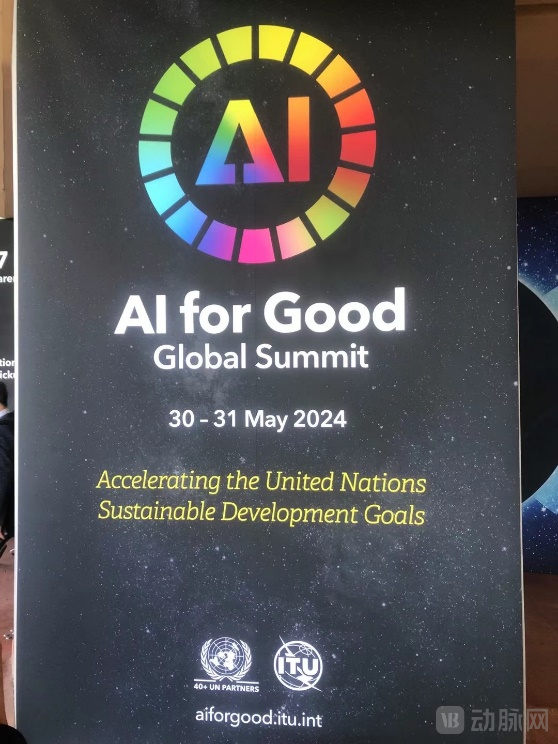 UN Summit Venue
 United Nations Summit Venue
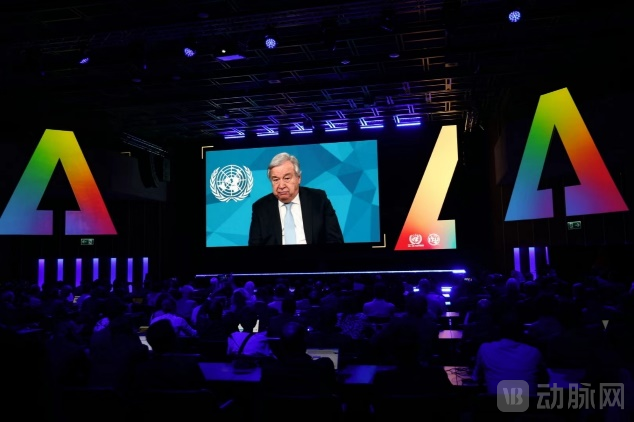 UN Summit Venue (UN Secretary-General Delivers Opening Remarks for the Conference)
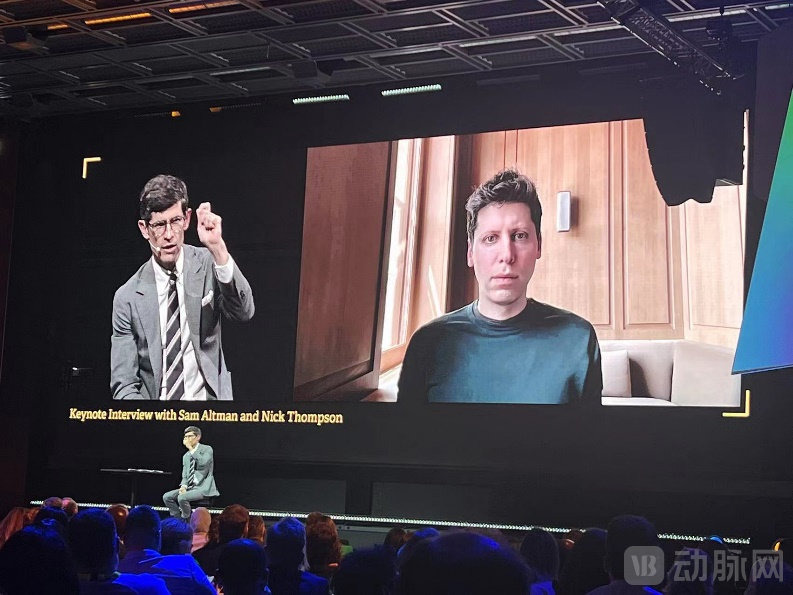 UN Summit Venue (Keynote Addresses Delivered by Prominent AI Figures Sam Altman and Nick Thompson)
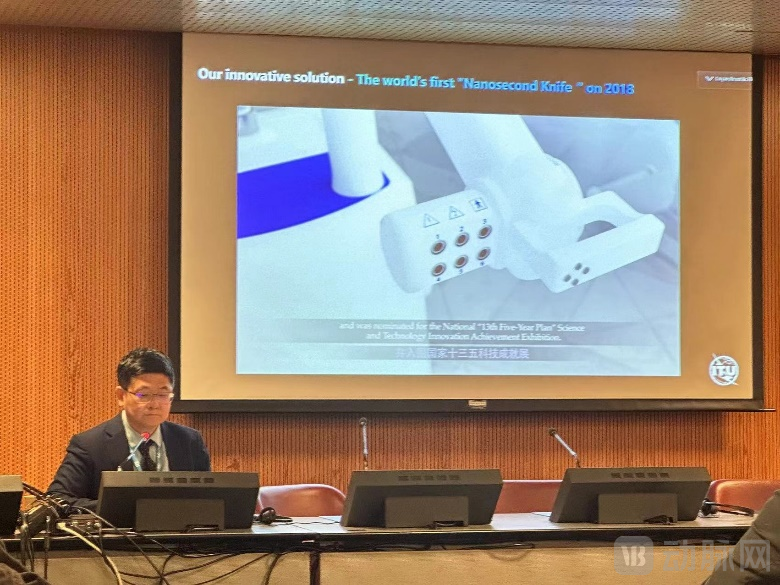 Ruidi Bio Reports on AI Application Solutions for Nanosecond Pulse Ablation
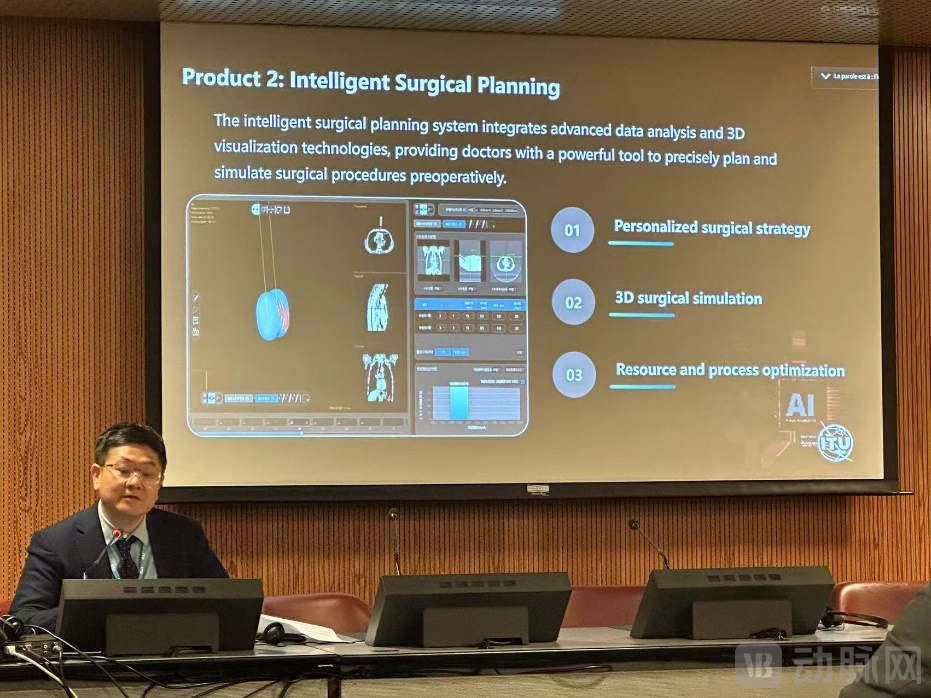 Ruidi Bio Demonstrates Nanosecond Knife AI Application Algorithm On-Site
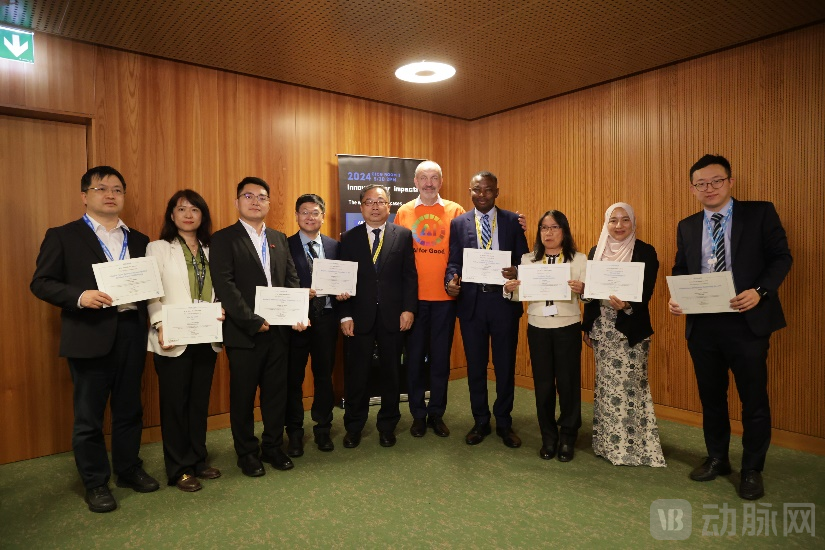 Global Collection of Outstanding “AI for Good” Case Studies
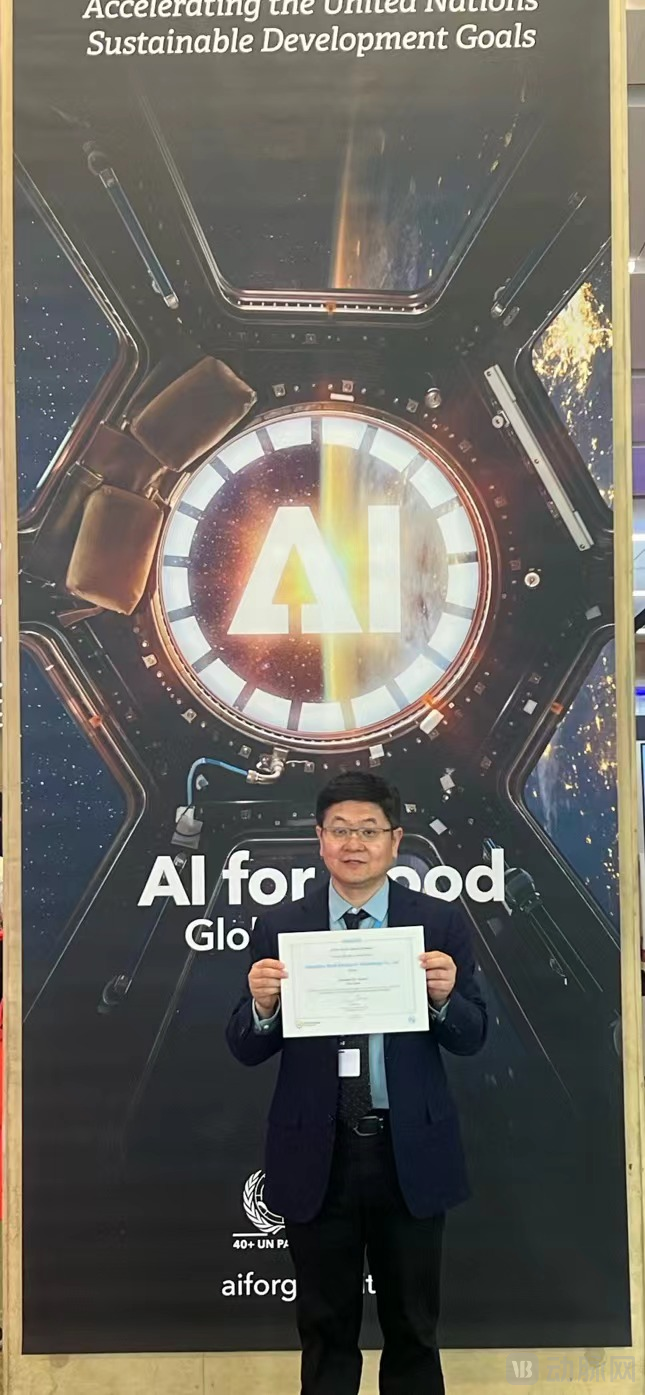 RuiDi Bio’s Nanosecond Knife Wins Award for Excellent Case in AI Application
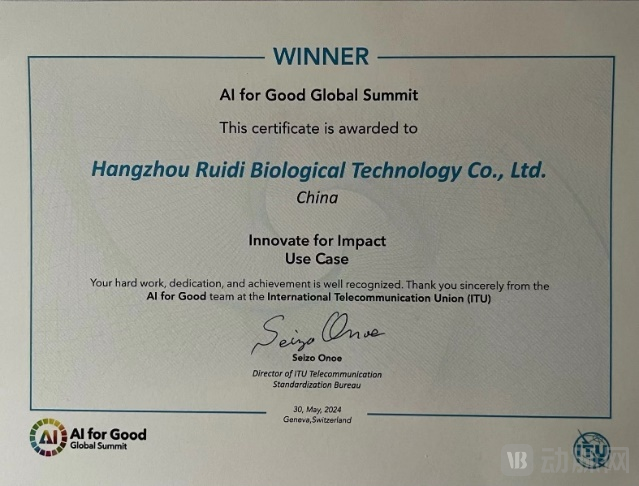 Ruidi Biotech’s Nanosecond Knife Wins Award for Excellent Case of AI Application
Incomplete tumor ablation and high postoperative recurrence rates have long been major factors limiting the widespread adoption of traditional ablation techniques. Unlike conventional ablation methods such as radiofrequency, cryoablation, and laser ablation, pulsed electric field (PEF) ablation offers high tissue selectivity, preserving normal human tissues and organs during the procedure while ensuring clear ablation boundaries. Furthermore, as a non-thermal ablation technique, PEF ablation does not generate heat, thereby enhancing safety and enabling treatment in “no-go zones” inaccessible to other thermal ablation methods.As the first company to apply nanosecond pulsed electric field technology to oncology, cardiovascular care, and brain-computer interfaces, Ruidi Bio has independently developed the Nanosecond Pulsed Tumor Ablation System (Nanosecond Knife). This system not only expands clinical applications to include lesion destruction, neuromodulation, and brain-computer control but also breaks through the limitations of traditional thermal ablation, allowing for the treatment of tumors in high-risk areas adjacent to critical structures such as major blood vessels, nerves, and bile ducts. By filling a domestic gap in this field, the system was approved for entry into China’s Special Approval Channel for Innovative Medical Devices. In February 2024, the Nanosecond Pulsed Tumor Ablation System (Nanosecond Knife) received further recognition from the U.S. FDA as a “Breakthrough Device,” becoming the first PEF ablation product in China to receive this designation and the only tumor PEF ablation system globally to achieve dual innovative certifications in both China and the United States.
Although the nanosecond knife has been recognized as a highly promising next-generation innovative product for tumor ablation, its adoption faces challenges due to multidisciplinary complexity and intricate mechanisms. These factors result in a steep learning curve and prolonged training periods for physicians, leading to a scarcity of expert resources and hindering further promotion and decentralization of the technology. By integrating with AI technology, valuable experience from senior experts can be transformed into standardized and规范化 product features. This allows junior physicians to perform surgeries under AI-assisted “guidance,” while entry-level physicians and even medical students can conduct virtual surgeries using the nanosecond knife’s digital twin training system. This approach eliminates the need to gain experience at the expense of patient safety. AI-enabled nanosecond knives can significantly increase the supply of expert resources and clinical services, facilitating their deployment from top-tier hospitals to general hospitals and improving accessibility in remote and underdeveloped regions. Only in this way can the original aspiration of Ruide’s founder, who is also the developer of the nanosecond knife, be truly realized: to make this advanced technology beneficial to all humanity.
Ruidi has mastered multiple potential technological pathways integrating nanosecond pulsed electric field (nsPEF) ablation with artificial intelligence (AI), and has filed numerous invention patents. These innovations span three key dimensions: the nsPEF device itself (hardware and software), the user (physician), and the clinical workflow or operational scenarios. From the perspective of the device itself, big data derived from theoretical/literature research, animal studies, and clinical trials can be utilized to train AI models characterizing the dose-response relationship of nsPEF ablation. This enables adaptive regulation of the high-voltage electric field generator and the electrode catheter energy delivery system, thereby ensuring optimal energy deposition for diverse lesions. From the physician’s perspective, AI-enabled digital twin training systems allow for virtual surgical simulations, enabling clinicians to accumulate experience without the ethical and practical costs associated with practicing on patients. Regarding clinical workflows, there are extensive AI application scenarios, including AI-assisted preoperative planning, intraoperative navigation, and postoperative evaluation.
As Reinhard Scholl, Chair of the Global Summit on AI for Humanity project, stated: “AI is ushering in a new era of digital health. We will spare no effort to unlock the potential of AI in digital health and ensure that people in all countries and regions have equitable access to cutting-edge medical AI technologies.” Readycare is taking action!
Related Background
AI for Good, jointly established and operated by the ITU in collaboration with 40 UN system agencies and the Swiss Government, is a year-round, global digital cooperation platform and a key channel for the United Nations to facilitate dialogue on artificial intelligence. The platform aims to connect all innovators in the field of AI and leaders of major events, develop highly practical AI solutions, expand their global impact, and advance the achievement of the UN Sustainable Development Goals.
The 2024 “Global Summit on Artificial Intelligence for the Benefit of Humanity” opened on May 30 in Geneva, Switzerland. The conference focused on issues such as global cooperation on artificial intelligence (AI), regulation and governance, standard development, and AI applications in education, health, communications, finance, and climate change. The summit brought together more than 25,000 professionals from national regulatory authorities, technology and innovation enterprises, non-governmental organizations, and international academic communities, who participated in the event both online and offline. As the host of the summit, the International Telecommunication Union (ITU) aims to explore the establishment of a safe, responsible, and inclusive AI governance framework through global dialogue and cooperation, ensuring that technological progress truly serves all humanity.
In a video address, UN Secretary-General António Guterres stated, “Artificial intelligence is transforming our world and our lives.” He noted that while AI can drive sustainable development and potentially change the “game rules” for achieving the Sustainable Development Goals, realizing its potential requires addressing biases, misinformation, and security threats. He emphasized the need for global coordination to build AI that is safe, inclusive, and accessible to all.
Just before the conference, the leaders of China and France jointly issued a Joint Statement on Artificial Intelligence and Global Governance. The Joint Statement noted that China and France have reached a ten-point consensus on artificial intelligence, covering adherence to the principle of “AI for good”; advocating that “artificial intelligence must provide inclusive access for all, offering accessible, visible, and discoverable content online, while respecting linguistic and cultural diversity, including within multilateral frameworks”; China’s willingness to participate in the AI Summit to be hosted by France in 2025 and its preparatory work; and China’s invitation to France to take part in the World Artificial Intelligence Conference and the High-Level Meeting on Global AI Governance to be held in 2024.
The principle of “AI for Good” aligns perfectly with the theme of this year’s UN Summit. AI governance has long been a key focus for regulators, academia, and industry. At the national governance level, China has put forward the Global Initiative on AI Governance, adhering to the people-centered philosophy in the development of artificial intelligence. The significance of the Joint Statement lies in strengthening cooperation between China and France, and even between China and the EU, in the field of artificial intelligence. It proposes solutions for AI safety and governance based on the common interests of both countries. In the future, this framework can also be applied to multilateral cooperation in the AI sector, thereby promoting the development of AI technologies and cross-border flow of data elements.