

Cytiva and PharmaRings Co-hosted Nucleic Acid Therapeutics Innovation Forum Concludes Successfully in Shanghai
Rigerna
Innovative Small Nucleic Acid Drug Developer
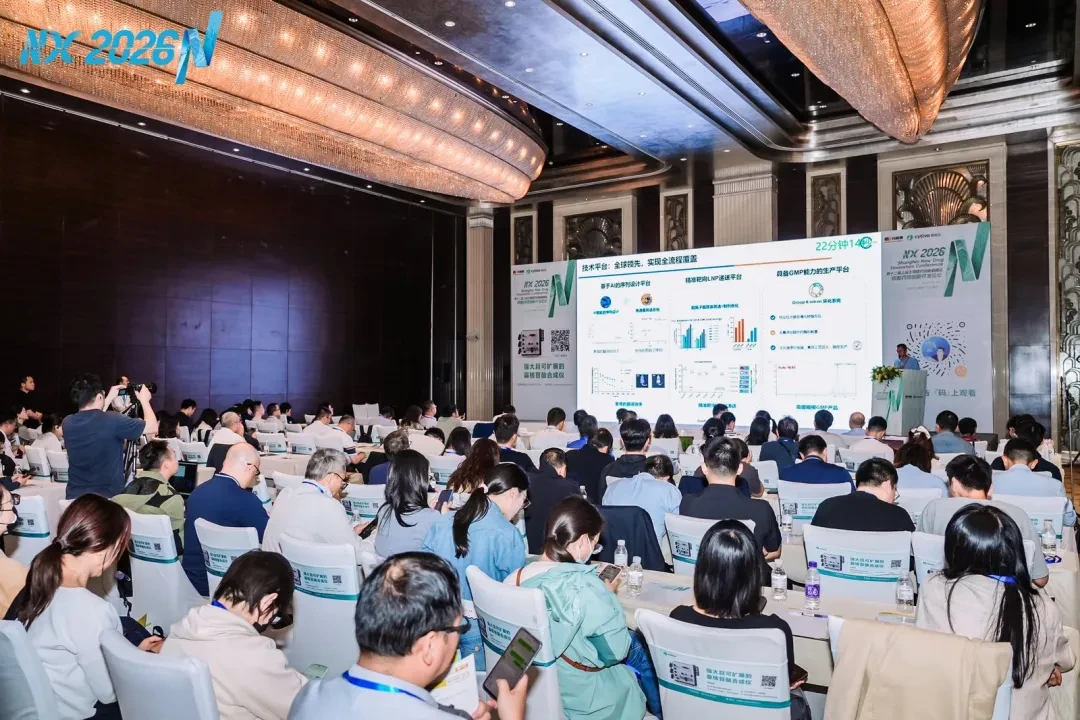
On May 14-15, 2026, the 12th Shanghai Biomedical Innovators Summit (NDC2026) was successfully held in Shanghai. During this summit, byGlobal Leader in the Life Sciences FieldCytiva & PharmaronCo-organized by "Nucleic Acid Drug Innovation Forum"Presented splendidly on May 14."
As a highly dynamic frontier track in the biopharmaceutical field, nucleic acid drugs are entering a critical window of rapid development thanks to their unique mechanisms of action and broad clinical prospects. The forum brought together numerous experts and scholars from academia, industry, and investment circles to deeply discuss breakthroughs in cutting-edge technologies such as small nucleic acids, mRNA, and circular RNA, as well as industrialization pain points like innovations in delivery systems, CMC process optimization, and international strategies, jointly exploring the full-chain collaborative path of nucleic acid drugs from R&D to commercialization.
*The content of this article has not been confirmed by the guest. Please refer to the sharing from the on-site guest. If you have any questions, please contact the backstage for modification.
AI Meets mRNA at enCureGen
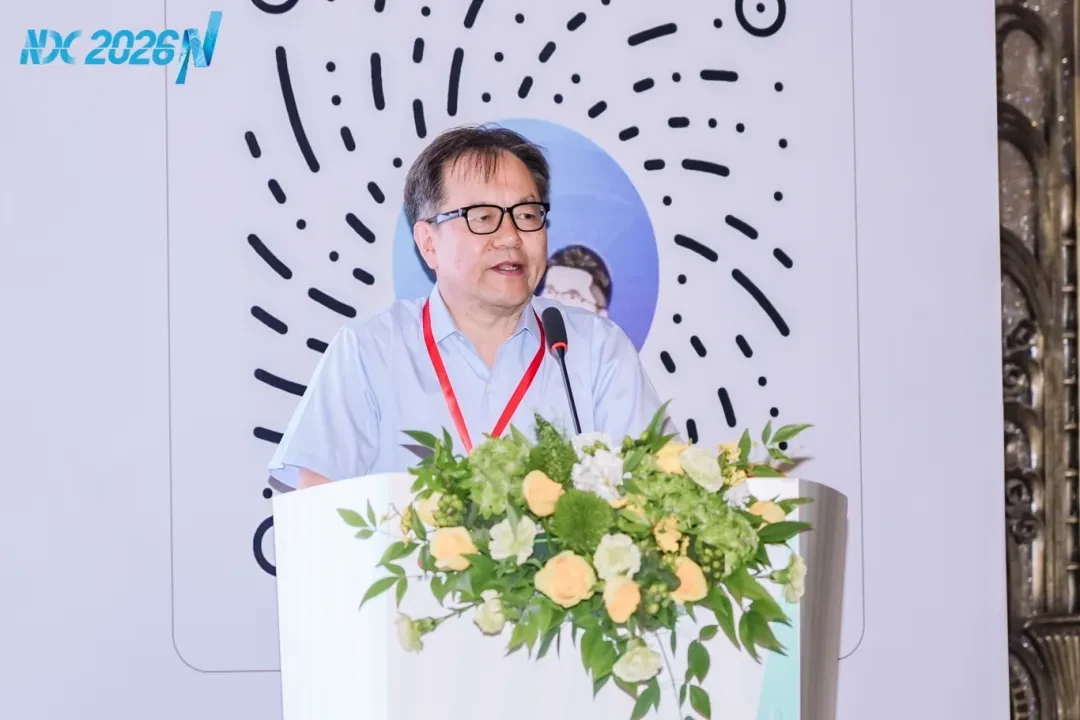
Hui AiminenCureGen, Founder & Chairman & CEO
The morning session of the forum kicked off the exploration of technological frontiers. Dr. Ai-Min Hui, founder and CEO of enCureGen, delivered a speech titled **"When AI Meets mRNA at enCureGen"**. He began by reflecting on his experience in the "light-speed" development of Comirnaty, the world’s first mRNA COVID-19 vaccine, and emphasized that, compared to small-molecule and antibody drugs, AI has transitioned from being an "optional" tool to a "must-have" in mRNA research and development. Dr. Hui provided a detailed introduction to enCureGen's five core technology platforms built on AI, covering antigen and sequence optimization (enCureVac), proprietary LNP delivery systems (enCureLip), neoantigen prediction for cancer (enCureNeo), end-to-end GMP manufacturing (enCurePro), and systematic quality control (enCureQua). He also showcased the company’s innovative pipeline in oncology and immunology. In conclusion, he noted that given China’s recent investments in the mRNA field far exceed those of Europe and the U.S., the wave of ADC and bispecific antibodies going global will likely be replicated in the mRNA sector within two to three years.
Innovative Technology-Driven Development of Next-Generation Small Nucleic Acid Drugs
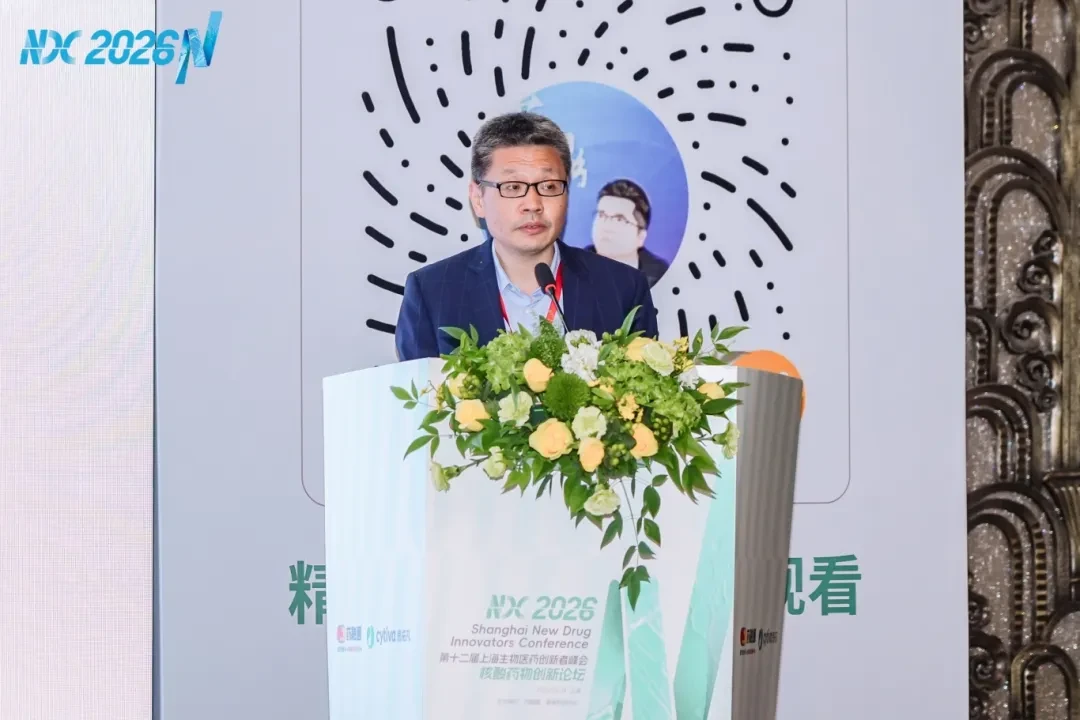
Du ZhiqiangRigerna, Chief Operating Officer
Rigerna's Chief Operating Officer, Dr. Du Zhiqiang, delivered a speech titled "Next-Generation Small Nucleic Acid Drug Development Driven by Innovative Technologies." He pointed out that small nucleic acid drugs are experiencing a golden window of explosive growth due to their high clinical certainty and long-lasting effects. Dr. Du highlighted three core technological barriers constructed by Rigerna: the RIHOST intelligent design platform based on machine learning.®, capable of achieving high-throughput sequence screening and off-target effect prediction; RICMO with novel chemical modification monomers and patterns®Technology, significantly enhancing the stability and safety of drugs; and the second-generation GalNAc conjugation technology LICOD with excellent in vivo delivery efficiency®`, achieving superior activity and a simpler synthesis process. Based on the aforementioned platform, the company has established a differentiated pipeline covering fields such as metabolism and renal.`
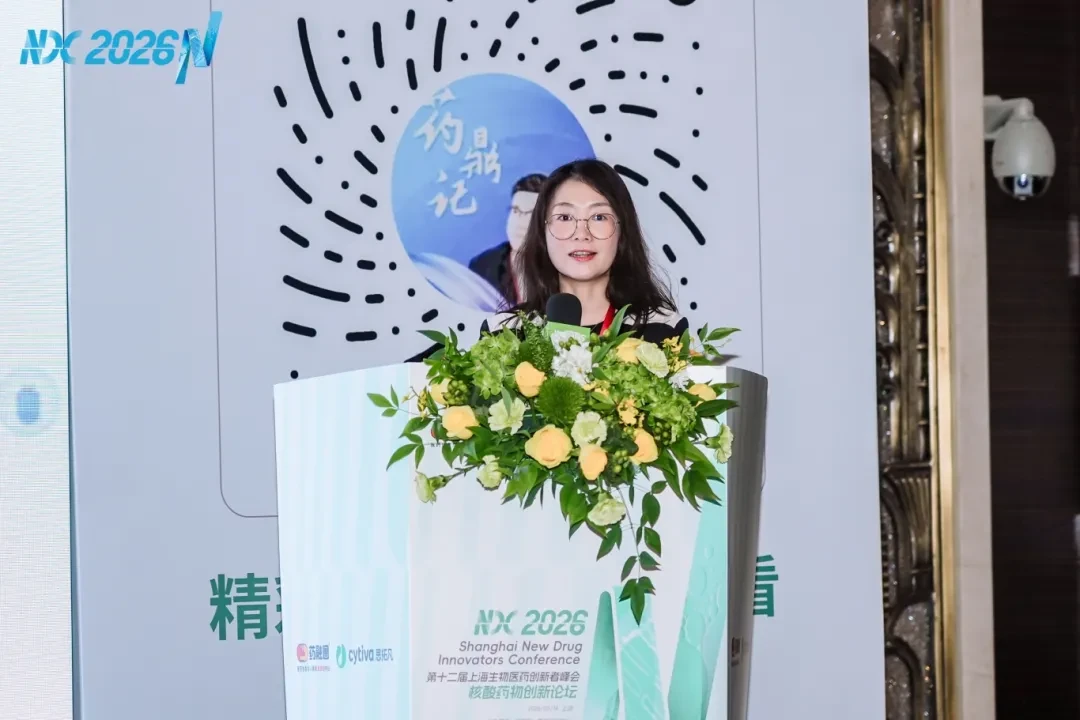
LNP-Delivered mRNA Innovative Drugs: Clinical Translation Practices from Tumor Vaccines to In Vivo CAR-T
Song XiangrongRigerna, Co-founder, Doctoral Supervisor at Sichuan University
Professor Song Xiangrong, doctoral supervisor at Sichuan University and co-founder of Rigerna, provided an in-depth analysis of LNP delivery-driven mRNA innovative drugs and shared clinical translation practices ranging from tumor vaccines to in vivo CAR-T.
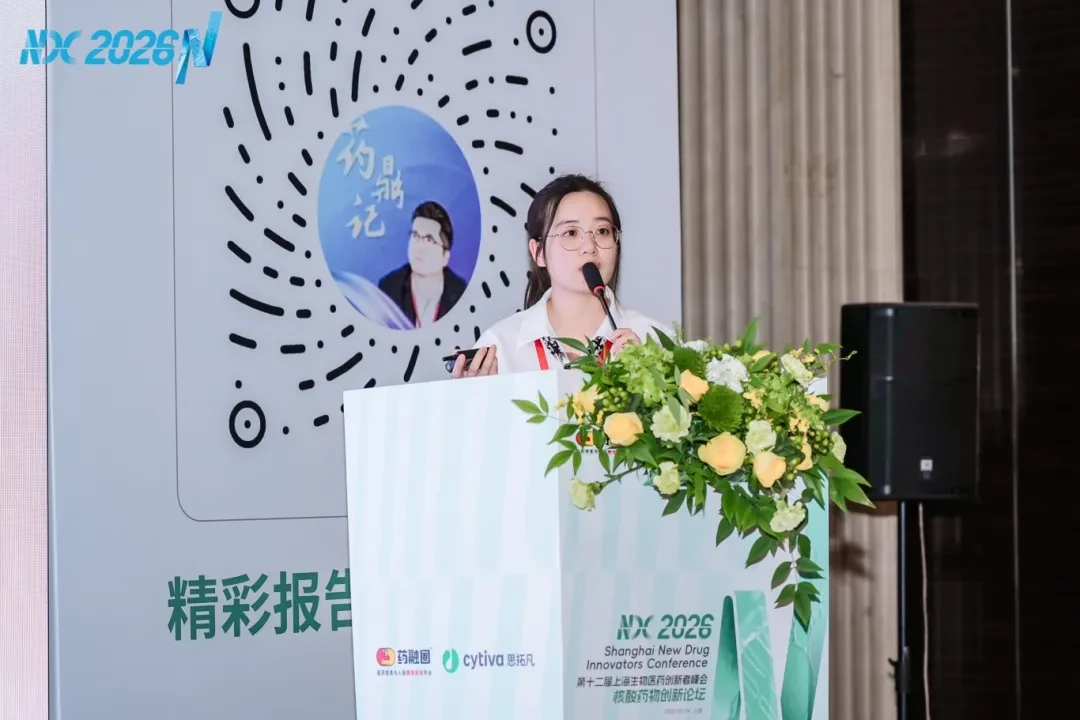
Application of Antibody Conjugation to Enhance Extrahepatic Targeted Delivery of Small Nucleic Acid Drugs
Kong HaoSenior Scientist in Nucleic Acid Chemistry, GenScript Nanjing
Dr. Hao Kong, Senior Scientist of Nanjing GenScript Nucleic Acid Chemistry, delivered a speech titled "Application of Antibody Conjugation to Facilitate Extrahepatic Targeted Delivery of Small Nucleic Acid Drugs." She pointed out that as the transaction volume of small nucleic acid drugs has exceeded 27 billion US dollars, breaking through liver limitations and advancing into extrahepatic targets such as cardiovascular and muscular systems have become core trends in industry development. Dr. Kong elaborated on the technical advantages of Antibody-Oligonucleotide Conjugates (AOC), with a particular focus on showcasing the comprehensive conjugation technology toolbox developed by Nanjing GenScript. Addressing the industry-wide concern regarding Drug-to-Antibody Ratio (DAR) uniformity, GenScript successfully achieved high-purity production of products with a DAR value of 1 through innovative strategies such as partial reduction, site-specific conjugation, and glycoengineering. Additionally, they established a multi-dimensional orthogonal analytical system encompassing SEC, SDS-PAGE, and mass spectrometry.
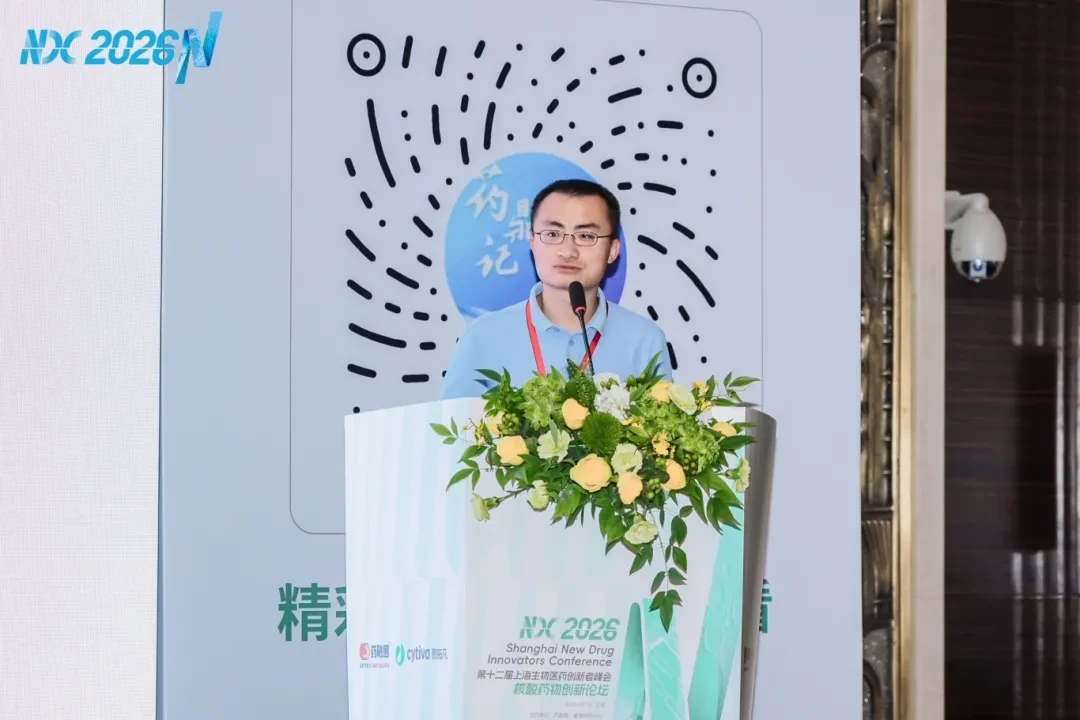
Advances in Circular RNA Drug Development
Tang ChenxiangRigerna, Chief Executive Officer
Dr. Chenxiang Tang, CEO of Rigerna, pointed out in a presentation titled "Advances in Circular RNA Drug Development" that, with its unique druggable window and superior safety profile, circular RNA is becoming an ideal technological pathway for treating chronic diseases and age-related conditions. Dr. Tang provided a detailed introduction to Rigerna's CirCode full technology platform, which is AI-driven, and showcased the company’s diversified pipeline in areas such as ischemic heart disease, autoimmune diseases, and cancer vaccines. He particularly highlighted the breakthrough progress of the core pipeline HM2002 (VEGF) in treating ischemic heart failure. Additionally, Dr. Tang discussed the promising application prospects of in vivo CAR-T/M therapy based on novel LNP delivery technology in solid tumors and autoimmune diseases.
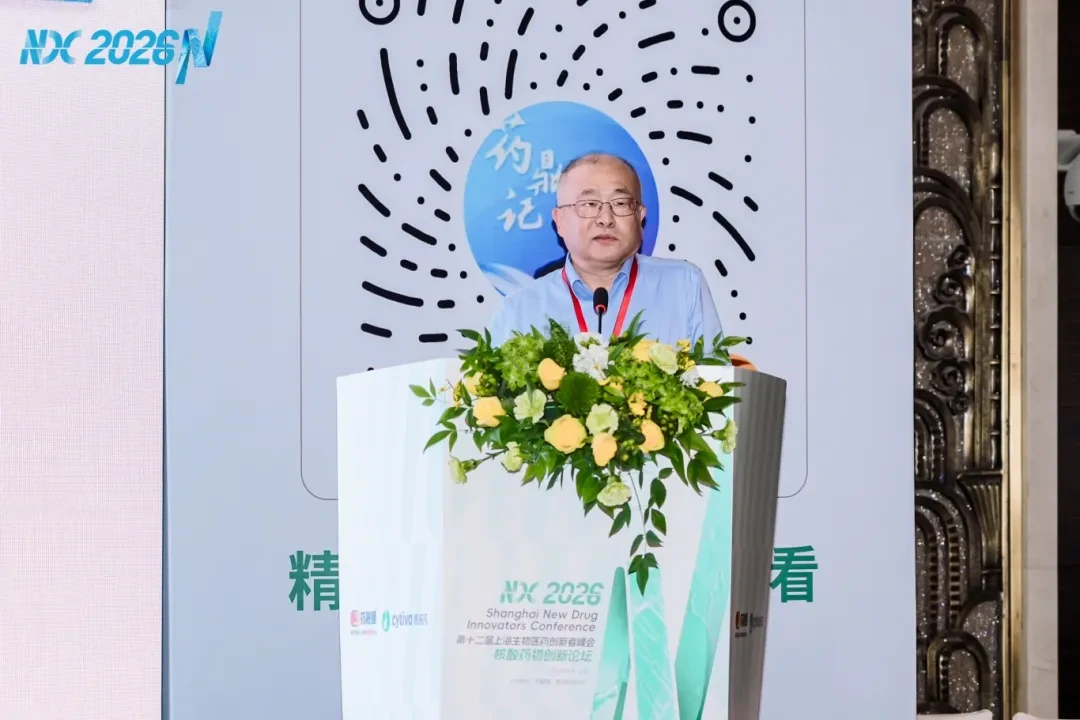
The Underlying Logic of Tumor Immunology and Personalized Tumor Vaccines
Chen ShuqingProfessor at the College of Pharmaceutical Sciences, Zhejiang University, and Founder of NeoImmune Biotech
Professor Chen Shuqing, Professor at the College of Pharmaceutical Sciences of Zhejiang University and founder of Neoantigen Biotech, delivered a speech titled "The Underlying Logic of Tumor Immunity and Personalized Tumor Vaccines." He pointed out that the core of tumor immunity lies in "distinguishing friend from foe," while traditional tumor-associated antigen vaccines have repeatedly failed due to difficulties in overcoming immune tolerance. In contrast, tumor neoantigens, as the "holy grail" for the immune system to recognize tumors, are key to breaking immune tolerance and activating T cells. Professor Chen emphasized that the technical challenge in developing personalized tumor vaccines lies in the precise identification and optimal selection of neoantigens. To address this, Neoantigen Biotech has integrated innovative mass spectrometry technology with artificial intelligence algorithms to build a high-throughput neoantigen capture and prediction platform, significantly enhancing the sensitivity and accuracy of antigen screening. Based on this underlying logic, the company has established a diversified personalized immunotherapy pipeline covering peptides, DNA, mRNA, and cell therapies.
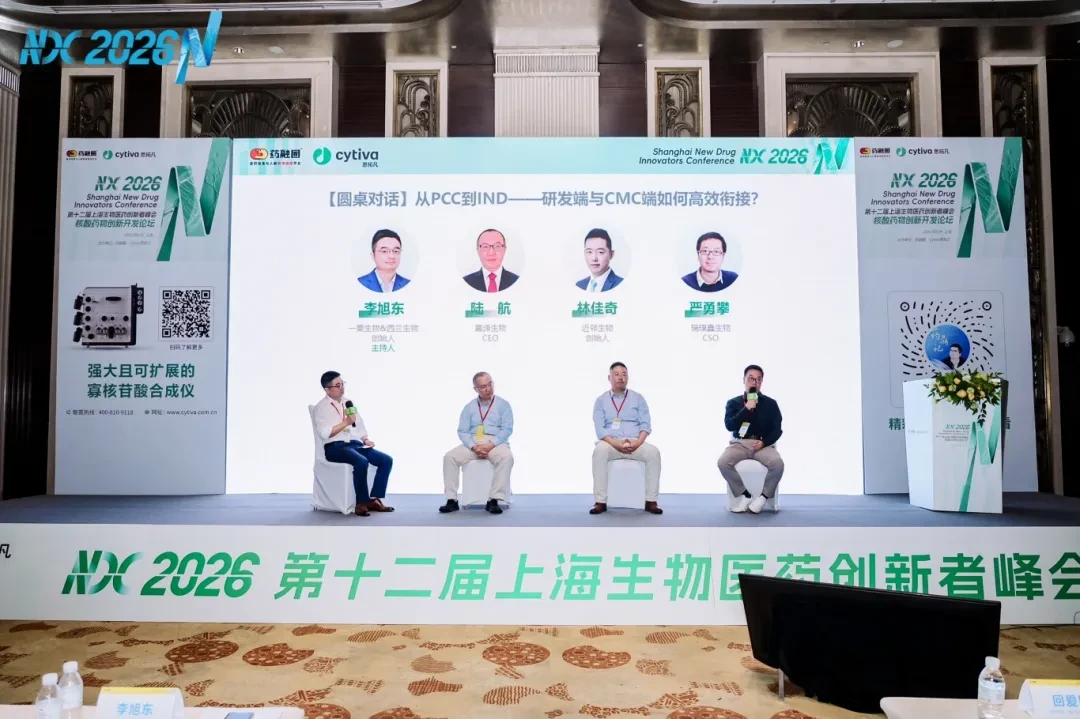
Roundtable: From PCC to IND — How to Efficiently Bridge the R&D and CMC Ends?
Li XudongYisu Bio & Xilan Bio, Founder (Host)
Lu HangRigerna CEO
Lin JiaqiRigerna, Founder
Yan YongpanRigerna Bio, CSO
The highlight of the morning session was a roundtable discussion focused on industrial transformation. Mr. Li Xudong, founder of Yisu Bio & Xilan Bio, joined Dr. Lu Hang, CEO of Jiayi Bio, Dr. Lin Jiaqi, founder of Jinlin Bio, and Dr. Yan Yongpan, CSO of Ruiprime Bio, to engage in a highly practical exchange of ideas around the core topic "From PCC to IND – How R&D and CMC Can Efficiently Connect." Their discussion provided valuable insights into breaking down the barriers between research and production.
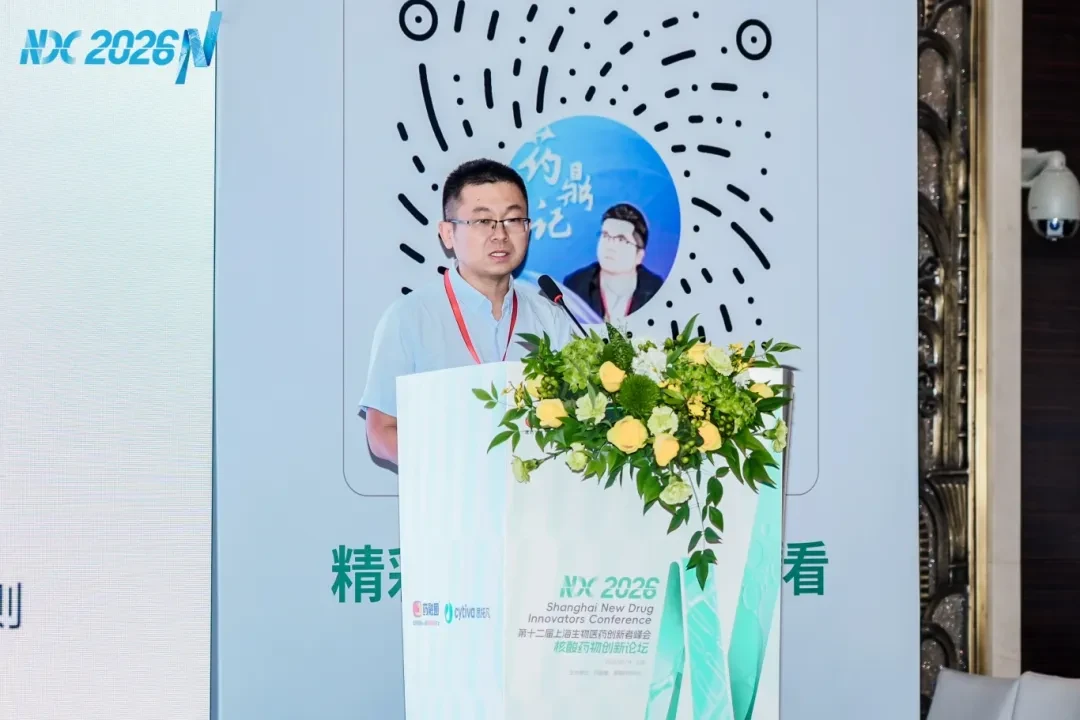
Key Process Challenges and Strategies in Oligonucleotide Drug CMC
Ruan QiankunCytiva China, Small Nucleic Acid Process Manager
The afternoon agenda further focused on CMC process challenges, quality control, and international strategies. Ruan Qiankun, Oligonucleotide Process Manager at Cytiva China, delivered a speech titled **"Key Process Challenges and Strategies in the CMC of Oligonucleotide Drugs."** He pointed out that oligonucleotide drugs (such as ASOs, siRNAs, etc.) face challenges in commercialization, including difficulties in impurity separation, analytical method development, and increasingly stringent regulatory requirements. Manager Ruan provided an in-depth analysis of the pain points and strategies across the entire process chain. In the synthesis stage, he emphasized the decisive role of solid-phase carrier loading capacity and stability on synthesis efficiency. In downstream purification, he highlighted strategies for removing N-x impurities using ion exchange and hydrophobic interaction chromatography, as well as DMT-On purification technology for long-chain and modified sequences. Additionally, he discussed key considerations in membrane pore size selection and process scaling during ultrafiltration. Finally, he showcased Cytiva's complete solutions from R&D to commercial production (e.g., OligoProcess Column, FlexFactory), aiming to help pharmaceutical companies build robust and scalable process platforms to accelerate product launches.
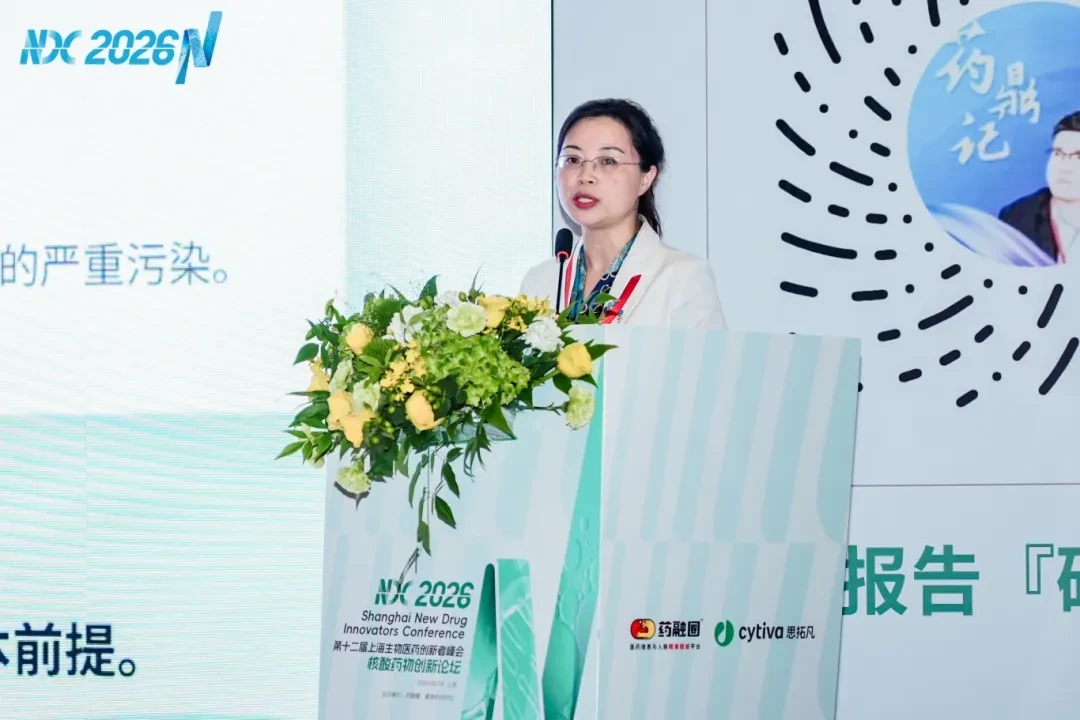
Quality Control, Impact, and Innovation of Key Raw Materials for Nucleic Acid Drugs
Cheng HuaBD Director, Paradigm Biotech
Biologix BD Director Ms. Cheng Hua shared insights on "Quality Control, Impact, and Innovation of Key Raw Materials for Nucleic Acid Drugs." She emphasized that high-quality monomer raw materials and solid-phase carriers are the foundation of oligonucleotide drug synthesis, directly determining the initial quality and final efficacy. Ms. Cheng provided a detailed analysis of the key control points throughout the synthesis lifecycle. She then systematically elaborated on efficiency control in the four-step cycle of solid-phase synthesis, noting that minor differences in single-step coupling efficiency significantly affect the purity of the final crude product through cumulative effects. Finally, she showcased Biologix's full-process service capabilities, from nmol-scale research to GMP-grade commercial production, along with its deep expertise in over 200 complex modification processes, aiming to help partners develop high-quality nucleic acid drug products through stringent raw material control and process innovation.
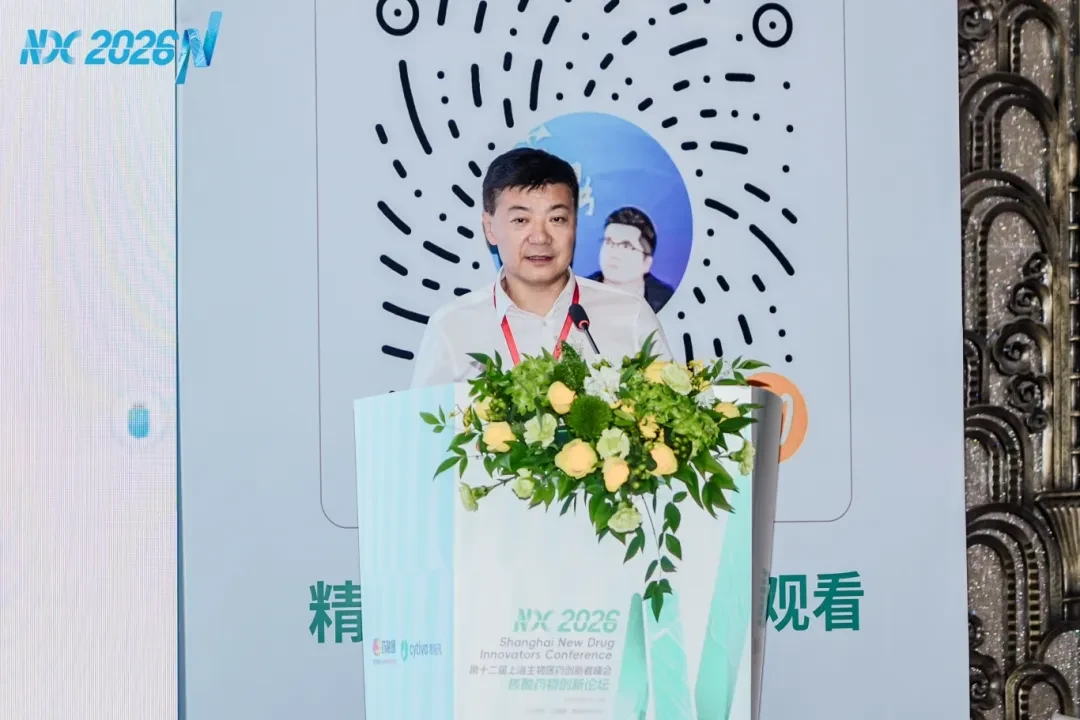
ALNYLAM Bioscience Small Nucleic Acid Drug Internationalization Strategy and Practice
Chunlin ZhaoFounder of Anlong Biotech
Dr. Chunlin Zhao, Founder of Anlong Biotech, Shares "Anlong Biotech's International Strategy and Practice for Small Nucleic Acid Drugs"
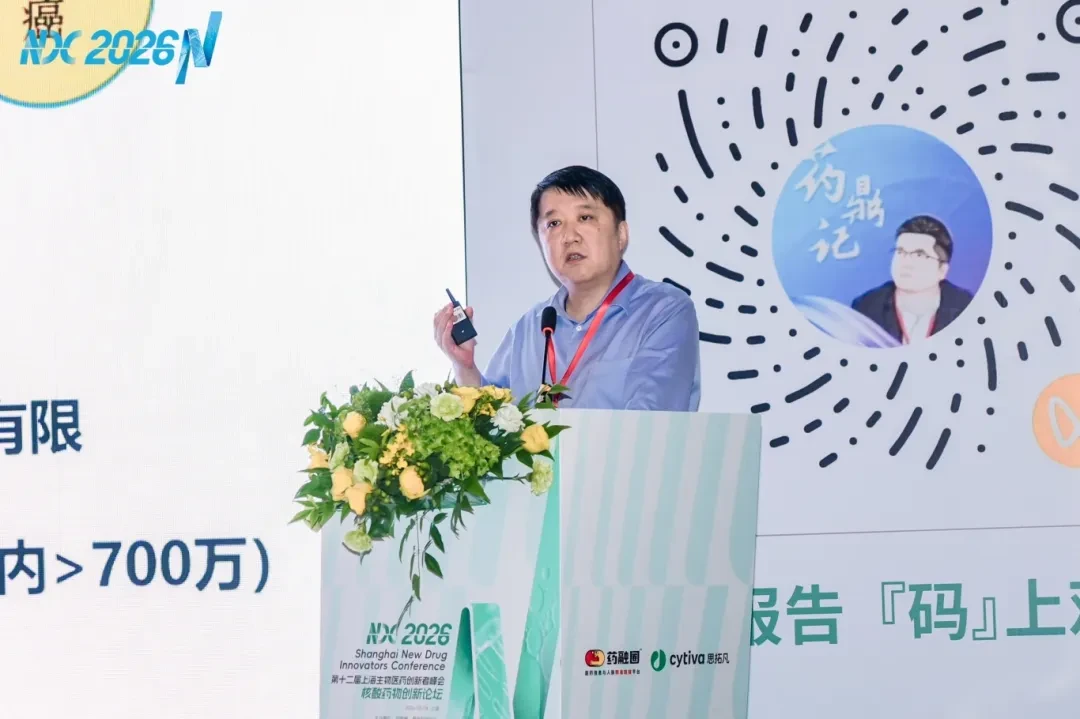
Application and Clinical Progress of mRNA Technology in the Development of Cancer Prevention and Treatment Drugs
Cen MountainRigerna, Co-founder & CSO
Rigerna's Co-founder and CSO, Professor Shan Cen, Shared "The Application and Clinical Progress of mRNA Technology in the Development of Cancer Prevention and Treatment Drugs"
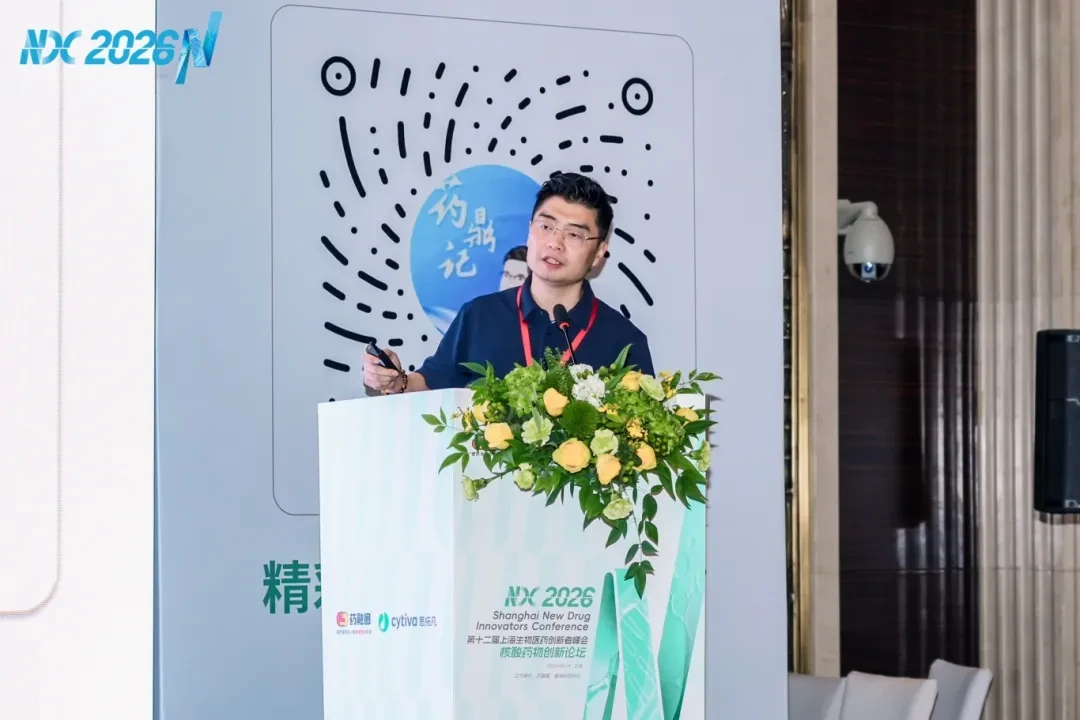
AI-Driven mRNA Tumor Vaccine Development
Caiyi FeiChengshi Biomedical, Vice President & Co-Founder
Dr. Caiyi Fei, Vice President and Co-founder of Rigerna, delivered a speech titled "AI-Driven Development of mRNA Tumor Vaccines." He pointed out that as mRNA technology crosses clinical thresholds, the focus of competition has shifted to achieving more durable and selective immune responses with each dose. To this end, Rigerna has built a unique technology platform, establishing three core pillars: antigen discovery, AI design, and vaccine construction. He mentioned that Rigerna captures transcript variants missed by traditional methods through full-length Iso-seq technology, combined with proprietary AI algorithms such as FIONA2, significantly enhancing the discovery of neoantigens and prediction of immunogenicity. Based on this, the company is advancing dual strategies in both personalized and universal approaches, striving to overcome the challenges of solid tumor treatment through technological innovation.
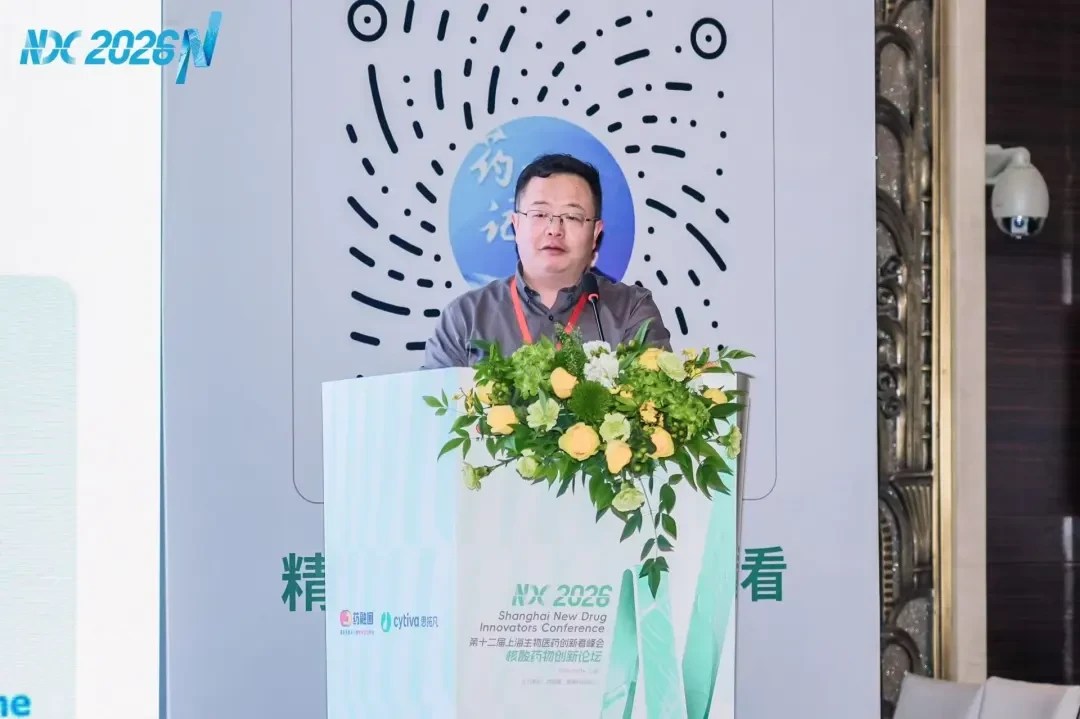
Sirnaomics GalAhead Delivery Platform: Technical Features and Progress
Tian WeiweiSirnaomics, Vice President of R&D
Dr. Weiwei Tian, Vice President of R&D at Sirnaomics Group, presented on "Technical Features and Progress of Sirnaomics’ GalAhead Delivery Platform." He highlighted that Sirnaomics has established a differentiated technology matrix in the nucleic acid drug field, encompassing Peptide Nanoparticles (PNP) and the next-generation GalNAc delivery technology (GalAhead). Dr. Tian emphasized the innovative nature of the GalAhead platform, which leverages micro-interfering RNA (mxRNA) and multi-targeting small RNA (muRNA) technologies to effectively address off-target effects and patent barriers associated with traditional double-stranded siRNA. Additionally, Dr. Tian provided detailed updates on the clinical progress of the core pipeline product, STP122G (targeting FXI). Dr. Tian stated that based on the excellent performance of the GalAhead platform, the company is accelerating the advancement of this product into Phase II clinical trials, aiming to provide a long-acting and safe new option for anticoagulant therapy.
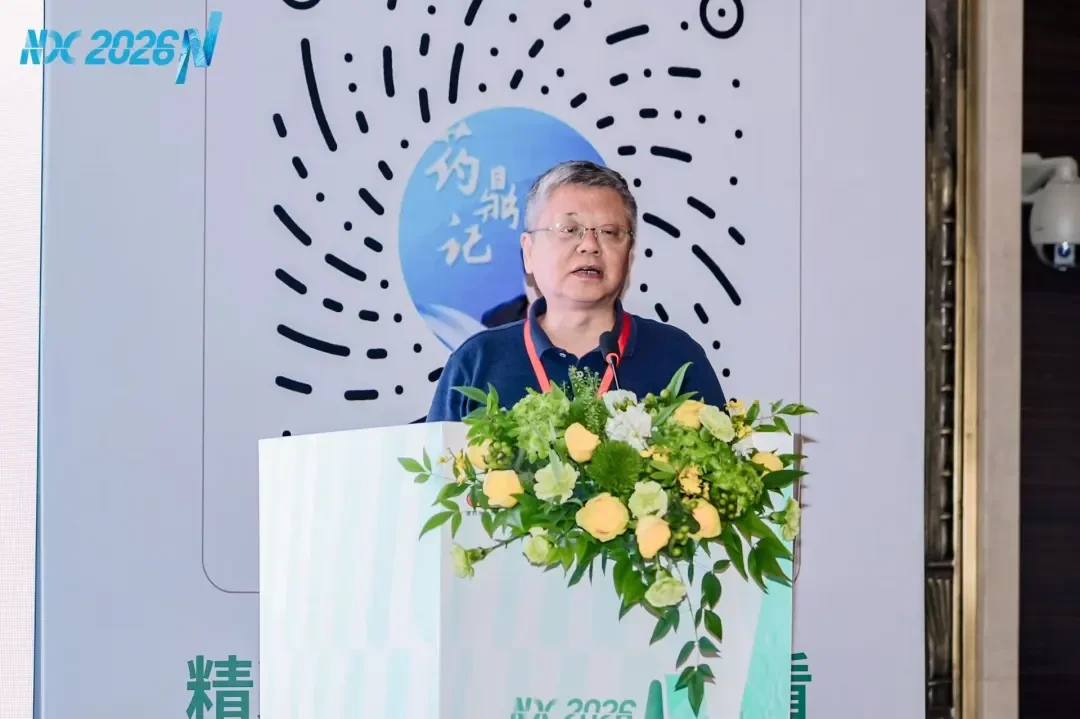
Research on In Vivo Targeted Delivery of Novel Nucleic Acid Lipid Nanoparticles
Yang ZhenjunPeking University, Professor
Professor Zhenjun Yang from the National Key Laboratory of Natural and Biomimetic Drugs, School of Pharmaceutical Sciences, Peking University Health Science Center, delivered a speech titled "Research on In Vivo Targeted Delivery of Novel Nucleic Acid Lipid Nanopreparations." He pointed out that although nucleic acid drugs are hailed as the "third wave" in the pharmaceutical field, the toxic side effects of LNPs and the challenge of non-liver targeted delivery remain core obstacles for industrialization. Professor Yang highlighted his team's newly developed delivery system, "Nucleoside (Acid) Lipid Materials/Cationic Lipid Materials (DNCA/CLD)," which not only effectively avoids lysosomal degradation but also demonstrates excellent long-term accumulation capabilities in animal experiments. Additionally, Professor Yang introduced the "GenShin" protein corona prediction model, constructed based on AI, aiming to optimize liposome design through computational simulation to further enhance the precision of in vivo targeting of nucleic acid drugs.
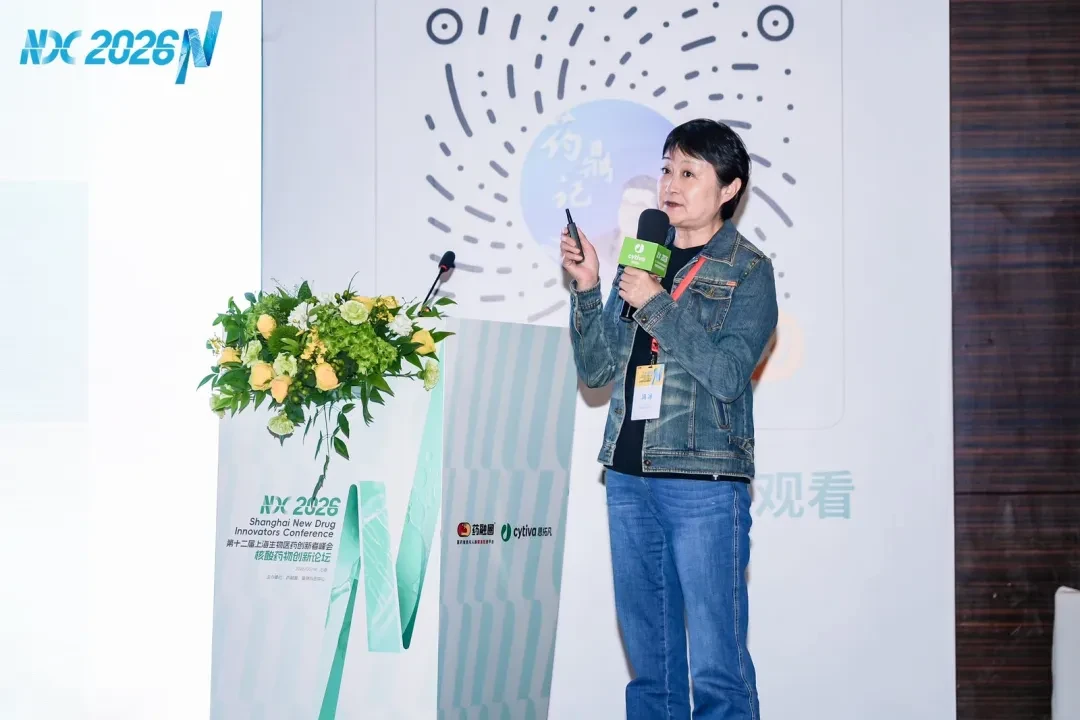
Chemical Reactions and Quality Control in Oligonucleotide Synthesis
Feng BingSenior Director of Oligonucleotide R&D at Zhong肽 Biochemical
Dr. Feng Bing, Senior Director of Oligonucleotide R&D at China Peptides, delivered a speech titled "Chemical Reactions and Quality Control in Oligonucleotide Synthesis." She provided an in-depth analysis of the key quality control points in solid-phase synthesis processes, emphasizing that active impurities in starting materials can accumulate through synthesis cycles and must be strictly controlled at the source. In the upstream synthesis phase, she explained the formation mechanisms of N-1 truncated sequences, deletion/insertion sequences, and branch impurities generated during deprotection, coupling, oxidation/thioation, and capping steps. In the downstream phase, she focused on high molecular weight impurities and degradation products formed during cleavage and deprotection. Referring to the Chinese Pharmacopoeia and CDE guidelines, Dr. Feng demonstrated how China Peptides employs precise analytical methods such as ion exchange/reversed-phase chromatography to establish a comprehensive impurity control strategy from crude products to finished goods.
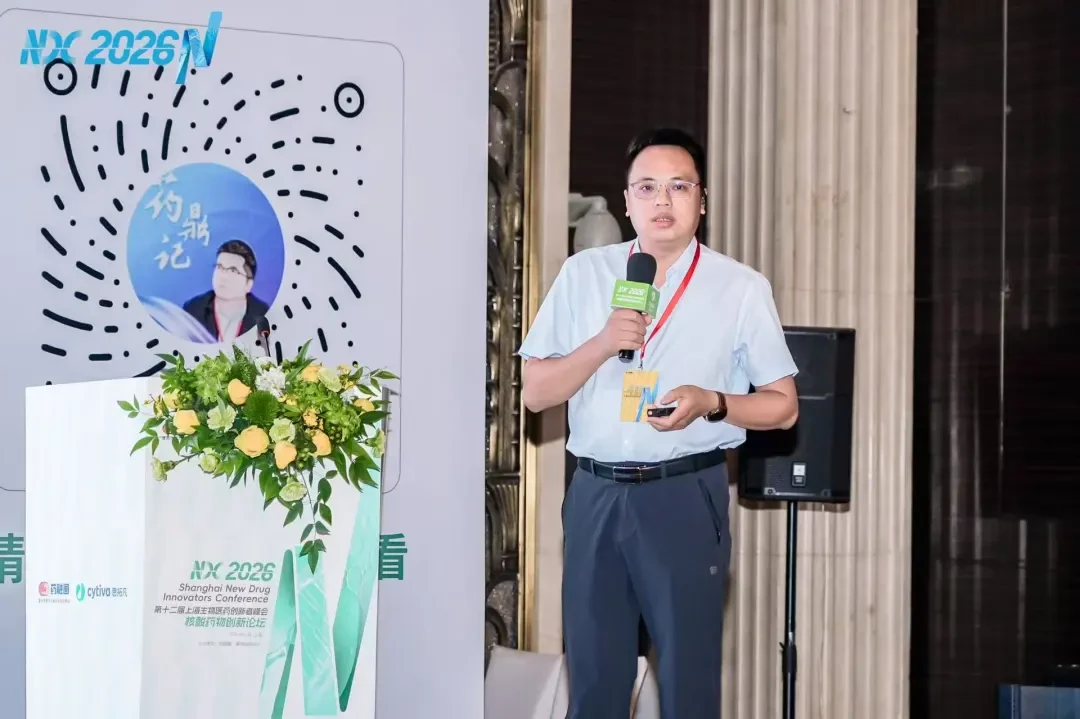
Application of Oligonucleotide Drugs in the Treatment of Chronic Diseases
Huang Zeao Yuekang Pharmaceuticals, Head of Oligonucleotide Therapy Research and Development
Yuekang PharmaceuticalsHead of Oligonucleotide Therapy DevelopmentDr. Huang Zeao Shared "The Application of Oligonucleotide Drugs in the Treatment of Chronic Diseases"
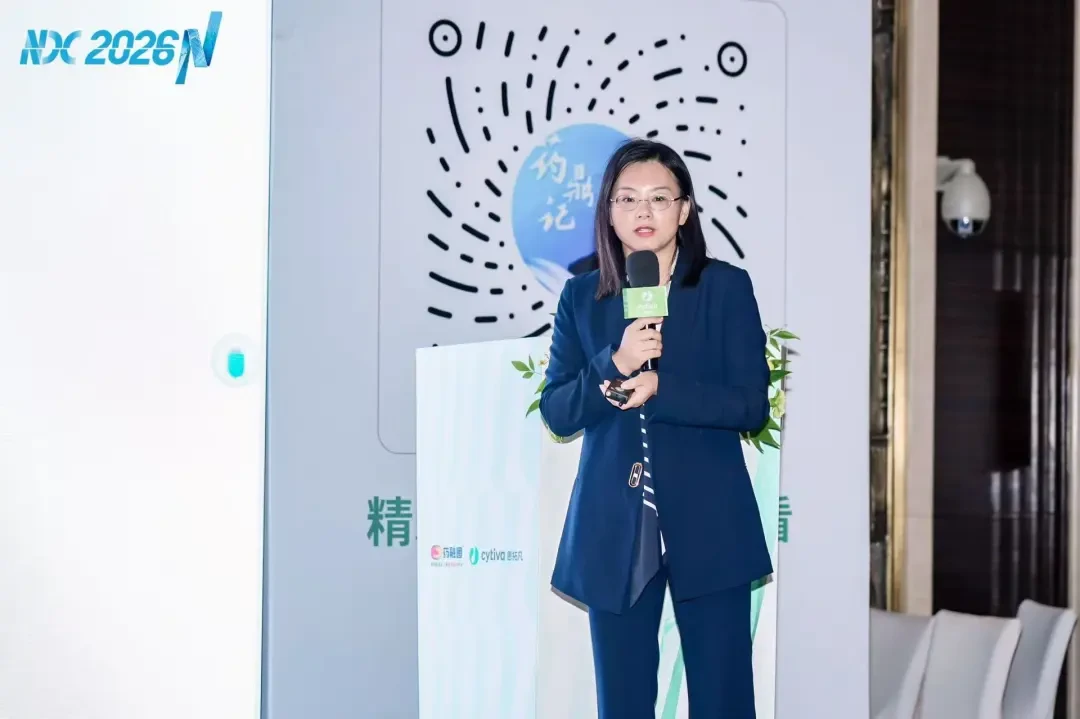
Establish a Small Nucleic Acid Drug Development Technology Platform Based on the Novel cLNA Carbon-Cyclic Nucleoside Modification
Zhu ZhilanRigerna, Vice President of BD
Rigerna's BD Vice President, Ms. Zhu Zhilan, shared "Establishing a Small Nucleic Acid Drug Development Technology Platform Based on the Novel Carbon-Cyclic Nucleoside Modification cLNA." She stated that small nucleic acid drugs have initiated the third wave of drug research and development, and Rigerna is committed to breaking international barriers through its self-developed core technology to build differentiated competitive advantages. Ms. Zhu highlighted the company’s proprietary carbon-cyclic nucleoside modification technology (cLNA). This technology not only significantly enhances the thermal stability and nuclease resistance of oligonucleotides but also greatly extends the drug's half-life. Based on this, Rigerna has established a dual-engine strategy of "in-depth focus on the liver and breakthroughs beyond the liver": on one hand, developing long-acting drugs for hypertension (RF1926 targeting AGT) and chronic hepatitis B (RF2011); on the other hand, striving to overcome the challenges of extrahepatic delivery, with a focus on high-barrier areas such as the central nervous system (CNS) and kidneys.
The successful hosting of this "Innovative Nucleic Acid Drugs Forum" not only built a high-level platform for exchange and cooperation within the industry but also injected strong momentum into solving the industrialization challenges of nucleic acid drugs and accelerating the clinical transformation of innovative achievements through in-depth dialogue across the entire industry chain. Looking ahead,Cytiva × PharmaCircleWill continue to join hands with industry partners, focus on breakthroughs, and jointly promote the high-quality development of China's nucleic acid drug industry.
Cytiva (思拓凡) is a pioneer in the global life sciences field, with approximately 15,000 employees across more than 40 countries and regions. It is committed to advancing unseen technologies and accelerating extraordinary therapies. As a trusted partner, Cytiva actively collaborates with researchers in academia and translational medicine, as well as biotechnology developers and manufacturers. Focusing on biopharmaceuticals, cell and gene therapies, and a series of innovative technologies represented by mRNA, Cytiva enhances the capability, speed, efficiency, and flexibility of drug discovery and bioprocessing. Its mission is to develop and manufacture transformative medicines and therapies for the benefit of patients worldwide.