

Kancare Medical Launches Digital Integrated Solution for Oncology Supportive Care and Full-Cycle Patient Management Amid Rising Malnutrition Crisis in Cancer Patients
AiNST
Provider of Oncology Rehabilitation Solutions
Malnutrition is a challenging and burdensome issue faced by tens of millions of cancer patients, yet it remains inadequately addressed.According to survey data from the China Anti-Cancer Association,Among hospitalized cancer patients in China, the incidence of moderate-to-severe malnutrition is as high as 57%, and the average hospitalization costs for malnourished patients are 29% higher.
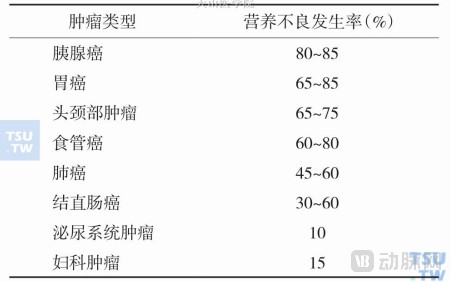
Image source: "Cachexia and Malnutrition"
From the perspective of pathogenesis, cancer is a metabolic disease. It not only increases systemic inflammation, suppresses appetite, and accelerates the catabolism of proteins and fats, but also slows down the synthesis of proteins and fats, leading to cachexia.
Furthermore, in terms of treatment modalities, cancer patients often undergo sequential combination therapies, including surgery, radiotherapy, chemotherapy, and immunotherapy. Surgical trauma, fasting, and the use of antibiotics can lead to impaired digestive function and delayed wound healing. Radiotherapy may cause oral mucositis, resulting in difficulty eating, while chemotherapy can induce nausea, vomiting, diarrhea, taste alterations, and loss of appetite. These effects contribute to inflammatory changes in the esophagus, reduced gastrointestinal intake and absorption, and deteriorating nutritional status. Targeted therapy and immunotherapy also produce similar side effects to varying degrees.According to statistics, approximately 20% of cancer patients die directly from malnutrition.
For cancer patients, nutritional status affects treatment efficacy and quality of life, directly impacting their survival. But how is “malnutrition” diagnosed, and how can nutritional support be strengthened, diet adjusted, and treatment-related adverse reactions alleviated?
In response, Beijing AiNST Medical Technology Co., Ltd. (hereinafter referred to as “AiNST”), a provider of clinical oncology supportive care solutions, has proposed an integrated “device + software + nutritional food” tripartite solution for oncology nutrition diagnosis and treatment, starting with in-hospital oncology nutrition.
As a successful serial entrepreneur, Ying Xitang, Founder and CEO of AiNST, previously worked at renowned domestic research institutions and large in vitro diagnostic companies before entering the field of oncology nutrition management.
In 1988, Ying Xitang joined the Beijing Beifang Institute of Biotechnology after graduating with a degree in Biochemistry from Sichuan University, where he served for ten years, rising from an ordinary employee to Deputy Director and Party Secretary.Subsequently, to promote the import substitution of chemiluminescence in China, Ying Xitang collaborated with professors from the 301 Hospital and others in 1999 to co-found Kemei Diagnostics, one of the earliest companies in China dedicated to the development of clinical chemiluminescent immunoassay diagnostic products.
Over the course of more than two decades in professional practice and entrepreneurship, Ying Xitang has not only accumulated extensive experience in product research and development and corporate management but also developed unique insights into the healthcare industry. When discussing his decision to enter the field of oncology nutrition management, Ying Xitang stated, “Five of my family members have passed away from cancer one after another. I am deeply aware of the suffering and substantial burden that cancer and its prolonged treatment impose on patients, their families, and society.”
Thus, in 2015, Ying Xitang traveled to the Dana-Farber Cancer Institute, an affiliate hospital of Harvard University in the United States, seeking answers, driven by his vision to “help 20 million cancer patients achieve scientific recovery and prolong their lives.”
Dana-Farber Cancer Institute is one of the top three cancer treatment institutions in the United States. The institute has been home to two Nobel laureates in Physiology or Medicine. During a visit, the President informed Mr. Xitang Xiang that the incidence of cancer among U.S. patients has been declining year by year, with 18.5 million cancer survivors currently living long-term. The five-year survival rate has reached 70% and continues to improve annually. To this end, the hospital established the Chayam Supportive Care Center, which specializes in providing supportive care for the side effects of cancer treatments.
At that time, the five-year survival rate for cancer patients in China was 40.5%, reaching only 43.7% by 2022, indicating a substantial gap.In 2015, Yingxitang provided a $1 million grant to Harvard University’s cancer hospital to establish the “Integrative Traditional Chinese and Western Medicine Oncology Research Program,” and over the years has sponsored numerous physicians for advanced training, including those from the Cancer Hospital of the Chinese Academy of Medical Sciences and Anhui Provincial Cancer Hospital.
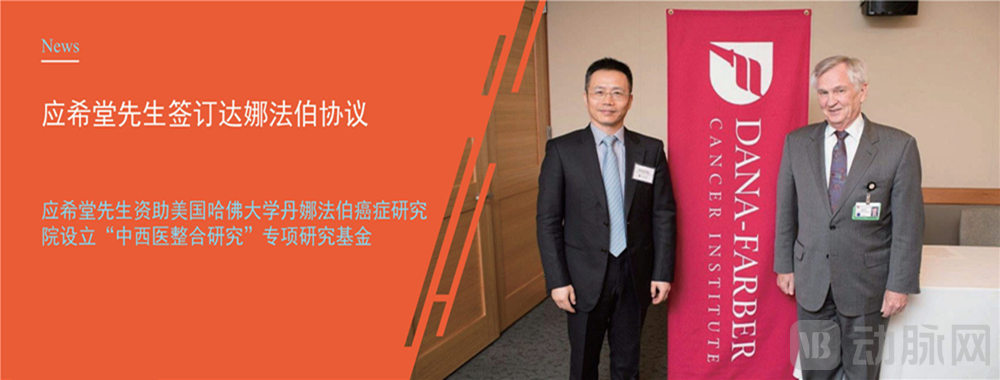
Meanwhile, AiNST has drawn on the supportive oncology care model of the Dana-Farber Cancer Institute’s Rehabilitation Center, adapting it to China’s context. By leveraging artificial intelligence technologies, AiNST has developed an intelligent, rapid, and cost-effective integrated solution for screening, assessment, diagnosis, and treatment to address side effects experienced by cancer patients during therapy and throughout their post-treatment rehabilitation.
Furthermore, AiNST supported Professor Shi Hanping, Director of the Tumor Nutrition Professional Committee of the China Anti-Cancer Association and affiliated with Beijing Shijitan Hospital, Capital Medical University, in conducting a series of clinical research collaborations. This effort provided clinical evidence for the publication of the “Guidelines for Tumor Nutrition Therapy in China (2020)” and the “Expert Consensus on Exercise Therapy for Patients with Malignant Tumors in China,” thereby promoting the development of the discipline of oncology supportive care.
“During my previous venture in medical diagnostics, I witnessed the full evolution of clinical laboratory testing in China, from manual sample loading to automated assembly-line systems. Automation has significantly enhanced both the efficiency and quality of the diagnostic industry.”“AiNST also aims to draw on the developmental trajectory of clinical laboratory testing by integrating artificial intelligence, automation, and digitalization to make nutritional therapy simpler, more efficient, and more cost-effective, thereby providing hospitals with a practical, integrated solution,” continued Ying Xitang.
After more than a decade of collaborative efforts, AiNST has developed an integrated solution for oncology nutrition diagnosis and treatment, encompassing “devices + software + nutritional foods.” This comprehensive system includes intelligent nutritional risk screening, automated assessment, and AI-assisted prescription generation.
Specifically, addressing the existing gaps in China regarding the development of the clinical nutrition discipline and the proportion of cancer patients receiving nutritional therapy,AiNST has developed a clinical nutrition testing analyzer, which holds China’s first tumor-specific registration certificate for this type of device. Integrating the functions of “nutrition risk screening, assessment, diagnosis, and treatment,” the equipment provides precise nutritional diagnostic results and recommended nutritional therapy plans for patients in the peri-treatment and recovery phases through automated collection and intelligent analysis of 128 data parameters.
“In clinical practice, it takes a dietitian 45 minutes to complete a patient assessment. In contrast, AiNST’s oncology nutrition testing system leverages artificial intelligence, automation, and digital applications,”Complete the assessment within 3 minutes and issue a supportive prescription simultaneously., nutritional therapy can be implemented after review by a dietitian or physician, which not only increases efficiency by more than tenfold but also makes nutritional therapy simpler, more efficient, standardized, and precise.”
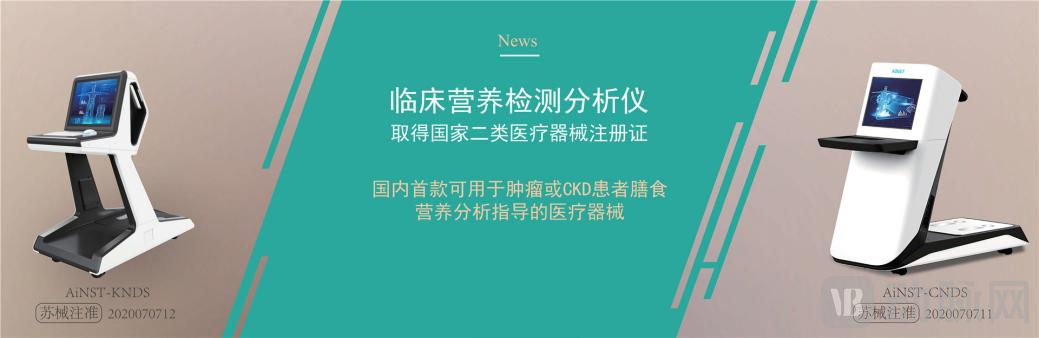
Tumor Nutrition Testing System (Left), Kidney Disease Nutrition Testing System (Right)
In addition, AiNST has also developedRenal Disease Nutrition Assessment System, to provide data support for clinicians in the nutritional assessment of patients with kidney disease during the peri-treatment and recovery periods.
“The National Health Commission requires that nutritional risk screening be completed for all admitted patients within 24 hours. However, there is a significant mismatch between the number of patients and available dietitians in China, resulting in a substantial supply-demand gap. In practice, most hospitals rely on nurses to manually complete the NRS-2002 screening forms, which fails to ensure efficiency, quality, or accuracy.”"In this regard, AiNST's Intelligent Nutritional Risk Screening Software can screen all patients in the hospital within one minute, with a clinical validation and manual matching rate of over 85%, greatly improving efficiency."
The oncology rehabilitation management platform developed by AiNST integrates clinical data, follow-up data, and daily activity records to provide patients with personalized nutrition and rehabilitation management plans, thereby improving treatment outcomes and quality of life. Meanwhile, the platform’s nutritional prescriptions can be directly linked to foods for special medical purposes (FSMP), ultimately forming an FSMP marketing platform.
China initiated the registration and approval process for foods for special medical purposes (FSMP) in 2016. As of April 2024, a total of 181 FSMP registration certificates had been issued domestically. Physicians or dietitians can provide patients with precise nutritional treatment plans after reviewing and signing off on the assisted personalized nutrition prescriptions provided by AiNST. The company has also established long-term collaborations with renowned industry partners, aiming to jointly promote the development of clinical nutrition, achieve precision nutritional diagnosis and treatment, and ultimately benefit patients.
As an industry pioneer, AiNST is also deeply engaged in the research initiatives of the National Key Laboratory for Special Medical Foods in Oncology. Collaborating with other industry stakeholders, it explores standards, application formulas, efficacy, and clinical application data for special medical foods, thereby providing evidence to support the development of industry-related standards and fostering a robust industrial ecosystem.
The company has continuously supported the Oncology Nutrition Professional Committee for over a decade in conducting clinical research on oncology nutrition, contributing to the publication of more than 100 papers on the subject.In 2023, AiNST was selected for the National Cancer Center’s “Initiative to Enhance Oncology Nutrition Diagnosis and Treatment Capabilities,” providing structured data collection and statistical analysis for multicenter clinical studies.
As of now, AiNST has applied forOver 60 intellectual property rights, with installations and applications in more than 200 hospitals across China., including the Cancer Hospital of the Chinese Academy of Medical Sciences, Peking University Cancer Hospital, Tianjin Medical University Cancer Institute and Hospital, Fudan University Shanghai Cancer Center, Sun Yat-sen University Cancer Center, as well as provincial-level cancer hospitals in Zhejiang Province, Jiangsu Province, and Anhui Province.
Meanwhile, the company also plans to use its in-hospital business as a foundational starting point to actively exploreDiversified business models, including out-of-hospital pharmacies, internet healthcare, e-commerce, and insurance. The company’s intelligent oncology nutrition workstations have launched out-of-hospital oncology nutrition collaborations with oncology DTP pharmacies operated by Sinopharm, Gaoji Health, and Simcere, among others.
Regarding the team, Shang Weihu, Head of R&D at AiNST, holds a bachelor’s degree in Pharmacy from Peking University and a Ph.D. in Nutrition from Beijing Normal University. Zheng Boning, the Chief Financial Officer, has previously worked at Huawei and Ernst & Young. The head of sales comes from companies such as Johnson & Johnson, Olympus, and Yiteng Pharmaceutical. Among the board members is a former senior executive from Nestlé China. According to AiNST’s employee stock ownership plan,More than half of AiNST’s employees have become shareholders of the company.
Reflecting on his experience with a second startup, Ying Xitang stated, “Although the success of Kemei Diagnostics helped AiNST avoid some pitfalls during its establishment and operation, the landscape for a second venture has changed dramatically in terms of industry dynamics, market conditions, technology, and healthcare insurance reforms. Therefore, entrepreneurs must start from scratch, avoid being trapped by the inertia of past entrepreneurial thinking, and adopt a low-cost, rapid, and lean approach to trial and error in order to achieve success in a highly competitive market.”
In early 2024, AiNST secured tens of millions of yuan in Series A+ financing, led by Yuanyi Capital.
“AiNST’s vision is to ‘help 20 million cancer patients achieve scientific rehabilitation and extend survival.’ Following this round of financing, the company will collaborate with leading hospitals in China to validate hospital-wide nutrition management models, refine its intelligent integrated diagnosis and treatment system, and expand its distribution channels across China, aiming to benefit more patients at an earlier stage. Meanwhile, disciplinary advancement and industry growth require coordinated development in medical insurance policies, academic research, clinical pathways, and supporting industries. Starting with nutritional diagnosis, AiNST seeks complementary collaborations with peers to strive to become a leading enterprise in oncology supportive care and whole-course disease management,” said Ying Xitang at the end of the interview.