

Kantar × Fuxi Lab | China Silver-Haired Population Research Phase I: Understanding 'Aging'
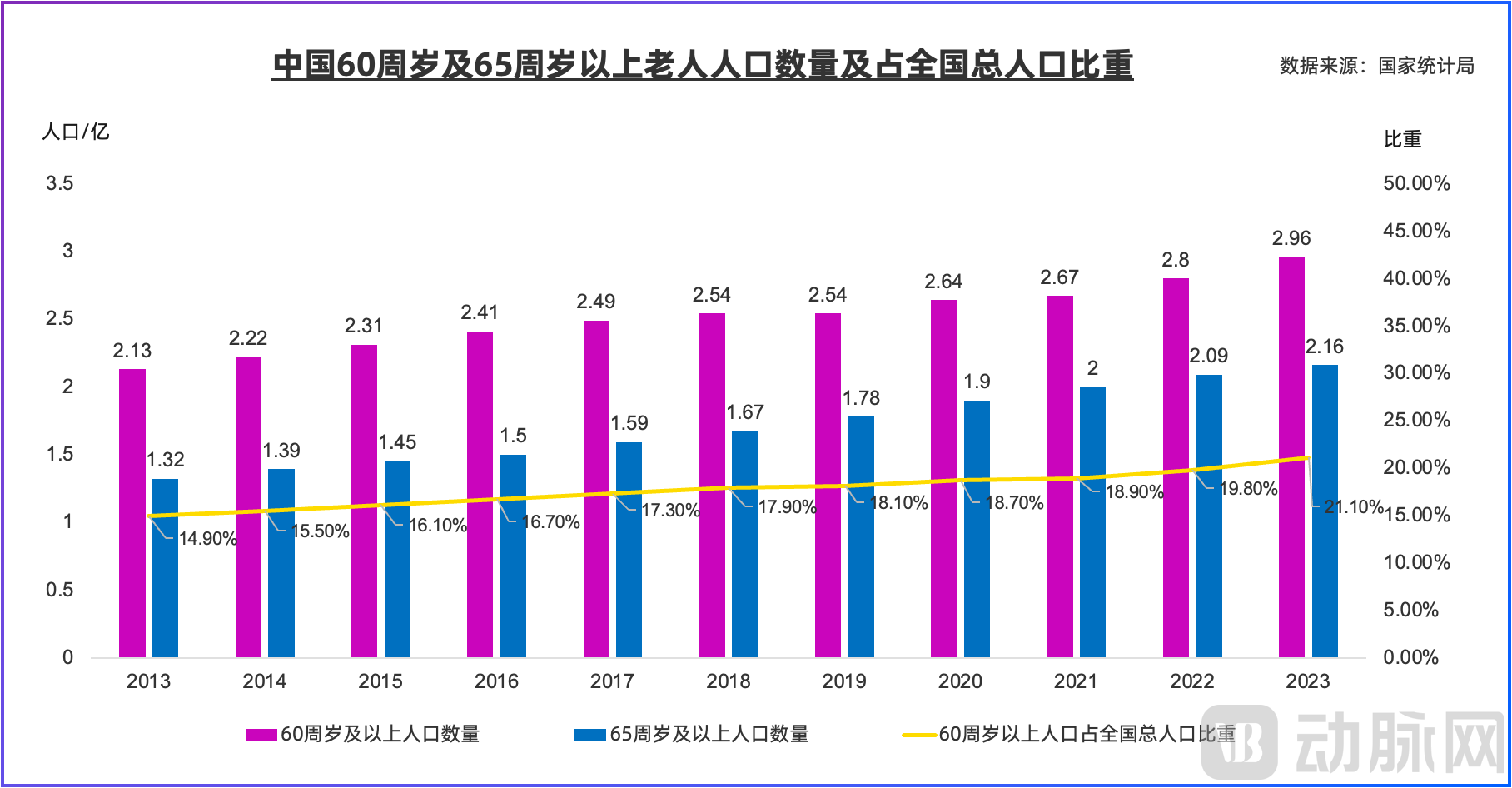
According to the latest data released by the National Bureau of Statistics, by the end of 2023, China's population aged 60 and above reached 296.97 million, accounting for 21.1% of the total national population; among them, the population aged 65 and above reached 216.76 million, representing 15.4% of the total national population. The data indicate that China is currently in a stage of moderate aging society.
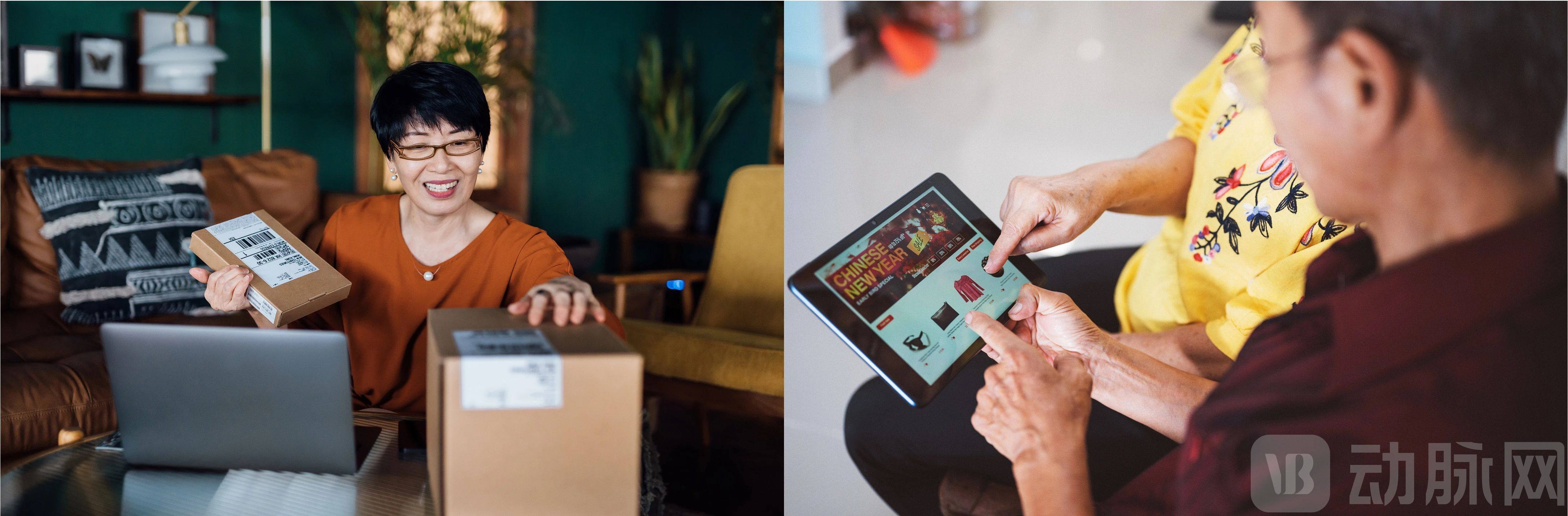
Interestingly, we have observed a phenomenon in the consumer market: as the economy gradually recovers, young people are more inclined toward rational consumption, such as opting for affordable 9.9-yuan coffee to refresh themselves or enjoying McDonald’s value-for-money “Budget Meal.”Elderly consumers have gradually adapted to the convenience of online shopping, placing greater emphasis on healthy living and wellness, thereby demonstrating market power comparable to that of the primary consumer demographic.。
For brands, population aging has given rise to the silver economy, with the elderly demographic presenting unprecedented business opportunities.
As living standards and healthy life expectancy rise, the silver-haired population’s willingness to consume and their purchasing power continue to strengthen, with consumption patterns becoming increasingly diversified. The growing maturity and widespread application of digital technologies have also enriched product choices and consumer experiences for older adults, further unlocking the growth potential of the silver economy.
Brands need to pay attention to the diversity and specificity of the silver-haired population, conducting in-depth exploration and identification of elderly consumers across different age groups and health levels. Understanding the psychological needs, lifestyle habits, and consumption behaviors of the silver-haired demographic is crucial for brand strategy adjustments and product line expansion.
In 2024, Kantar partnered with Fuxi Lab, a domestic senior health research platform, to jointly launch the “China’s Senior Population Research” series of reports, exploring the vast “silver economy” market where “the sunset is infinitely beautiful.”。
This study employed desk research,Consumer Home Visits、In-Depth Expert Interviewsconsumer insight methods,Focusing on Five Representative Cities in China(Silver-haired consumers in Shanghai, Qingdao, Guangzhou, Xi’an, and Chengdu), with in-depth one-on-one interviews conducted with seven industry experts to analyze the new trends, norms, and characteristics of China’s current silver-haired market.
《Kantar × Fuxi Lab | Research on China’s Silver-Haired Population》All insights will be released in four installments, This is the first installment of our series: The Silver-Haired Population in the Era of LongevityHow to View “Aging”, what should the brandHow to Understand the “Elderly”。
Older adults are not a homogeneous group.Taking into account the World Health Organization’s age classification standards, China’s statutory retirement age, the National Development and Reform Commission’s latest definition of the silver economy (which encompasses both the “elderly-stage elderly economy” and the “pre-elderly-stage preparatory economy”), as well as China’s national conditions, consumers aged 55 to 59 are also included in this study’s analysis of opportunities within the silver market.。
This articleWe will mainly focus on55-64 years oldand65-74 years oldanalysis of the two categories of silver-haired populations.
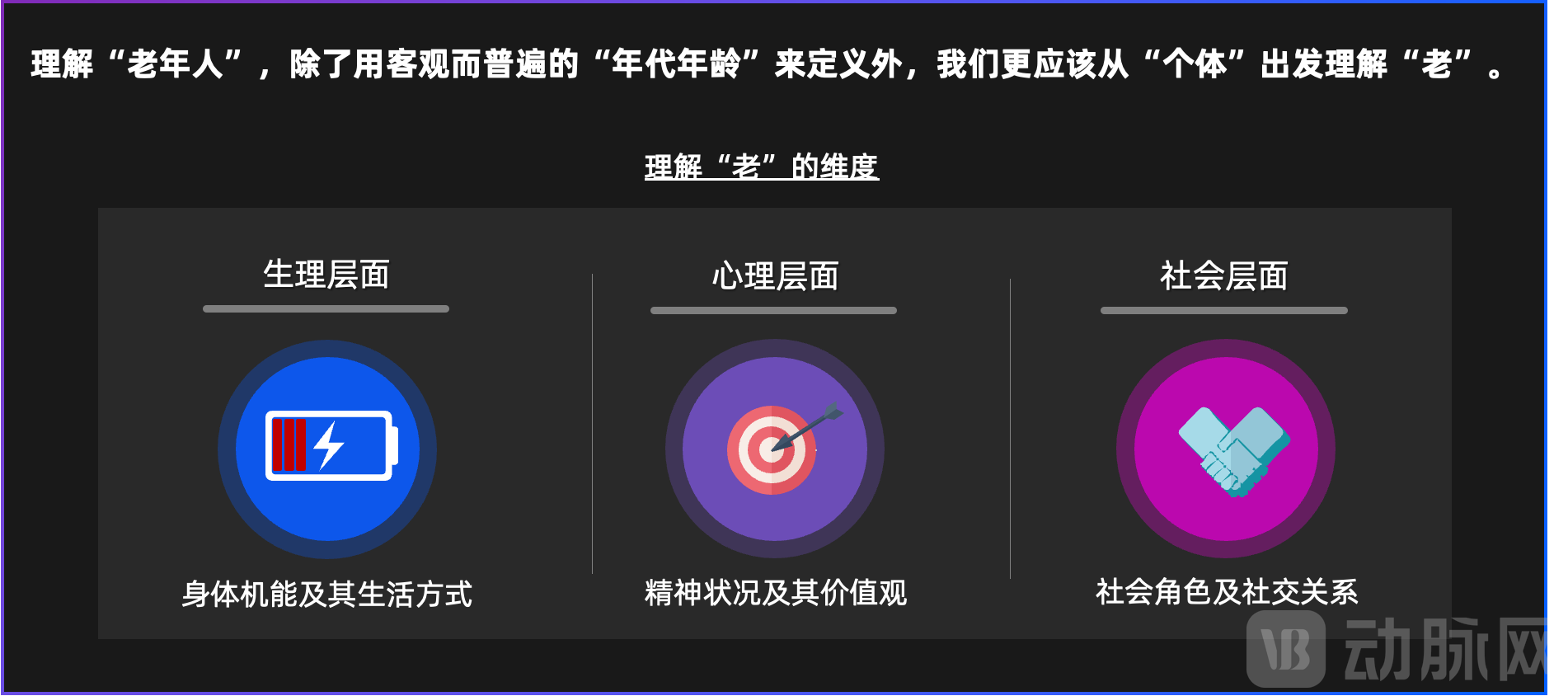
Beyond defining longevity by the objective and universal metric of “chronological age,” we should place greater emphasis on individual differences, gaining a multidimensional understanding of the silver-haired population in the era of longevity from physiological, psychological, and social perspectives.
1. Self-Perception at the Physiological Level—Physical Health Status as a Key Demarcation Line of Aging
The irreversible natural law is that physiological functions continuously decline with age. However, this process is gradually slowing down due to social stability, economic growth, and advancements in medical technology—life expectancy is increasing, while the period of health decline is being delayed.
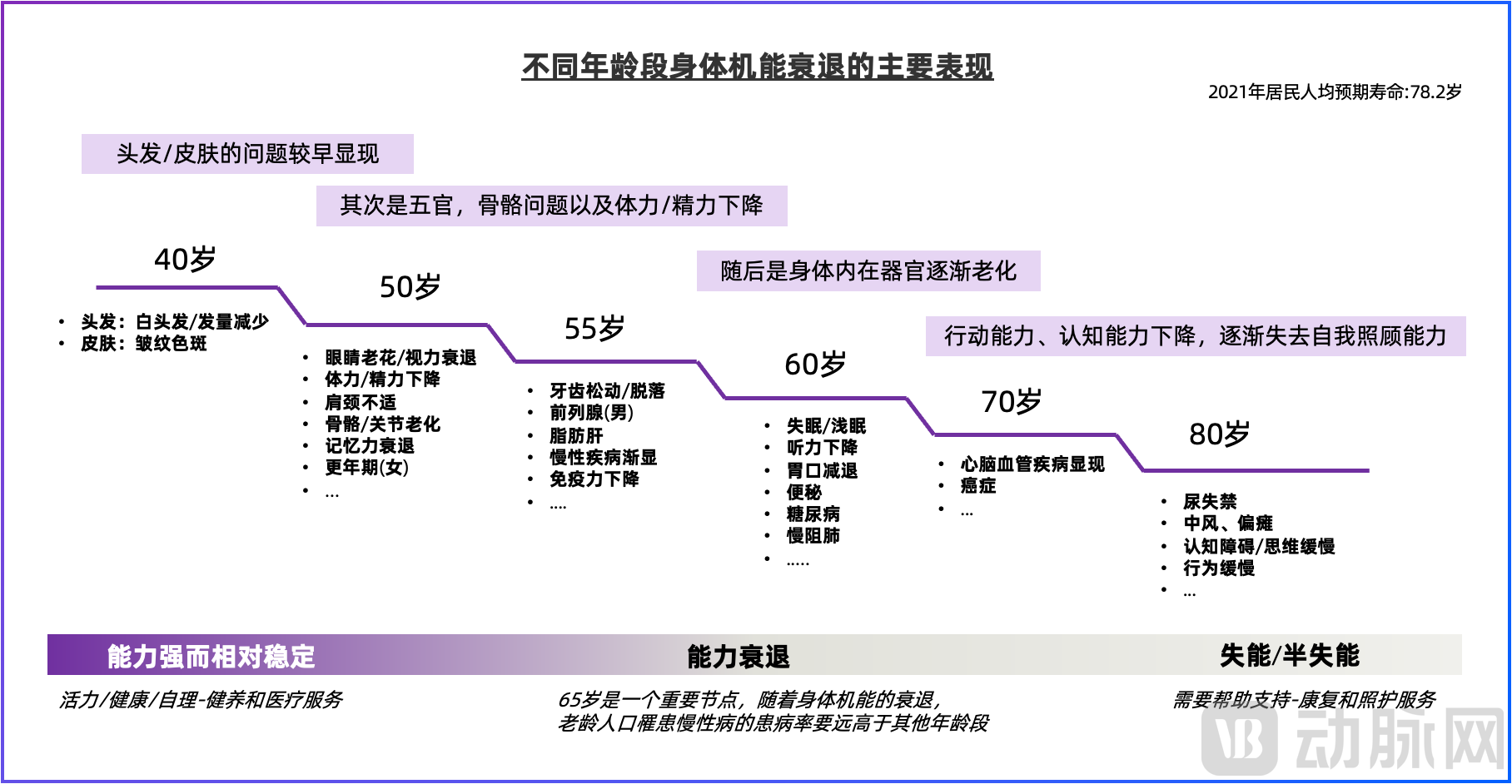
Physical Function Shapes the Lifestyle of Older Adults. While outward signs of aging are merely superficial criteria for identifying old age, physical health constitutes the substantive boundary of “being old.” Behind the lament “I am getting old” lie various discomforts stemming from the gradual decline in physiological functions.
Based on consumer interviews, the primary manifestations of physical decline across different age groups include:
2. Self-Awareness at the Psychological Level—Another Key Factor Determining AgingThe Key Lies in Mindset
Beyond perceiving aging through physical health, we should also examine it from a psychological perspective. Many older adults exhibit “procrastination in accepting old age,” maintaining a mindset that refuses to acknowledge their advancing years.
Due to changes in occupational roles, retired elderly individuals experience reduced daily interaction with former colleagues, disrupting their established life routines. Meanwhile, as China’s family structure evolves, trends toward smaller household sizes and lower fertility rates have made living alone and “empty-nest” situations increasingly common.
Older adults face reduced opportunities for intergenerational communication, unmet needs due to lack of understanding, and a decline in family closeness, which triggers loneliness and a range of other mental health issues.
To alleviate this psychological discomfort, newly retired seniors are actively shifting the focus of their lives beyond the household, seeking more positive interactions with the outside world.
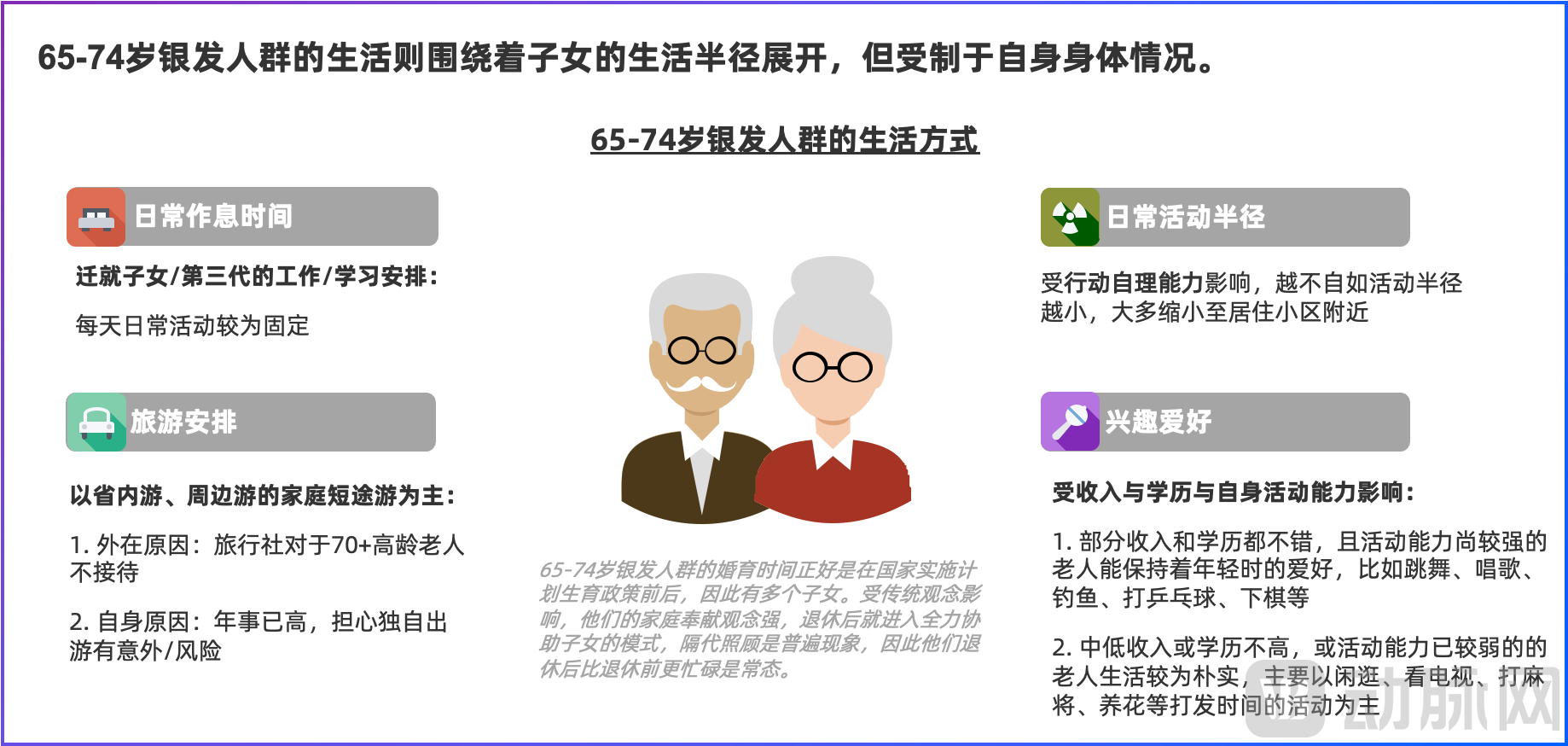
However, for the older segment of the silver-haired population, constrained by income, educational background, and physical mobility, their lives are more focused on revolving around their children’s life trajectories.
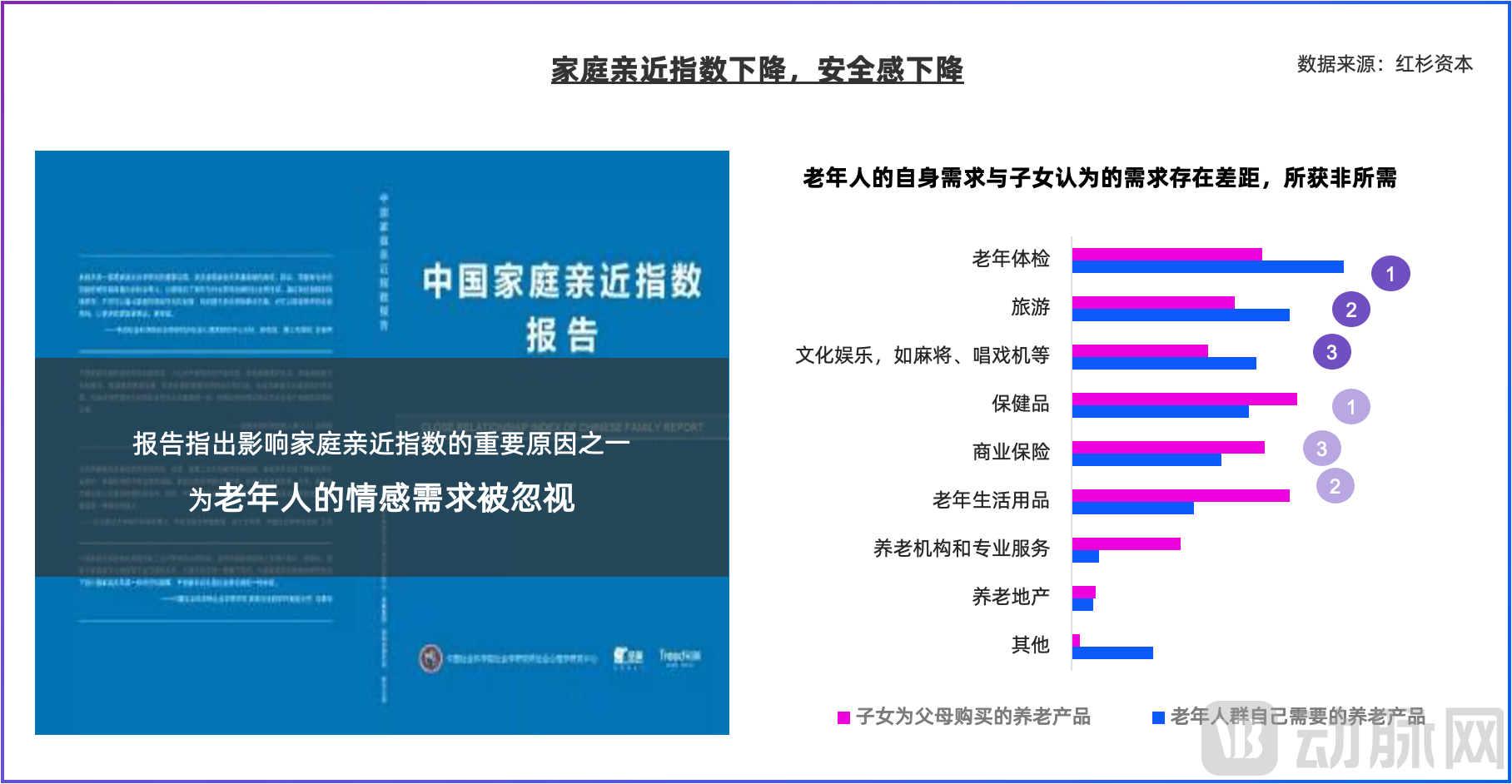
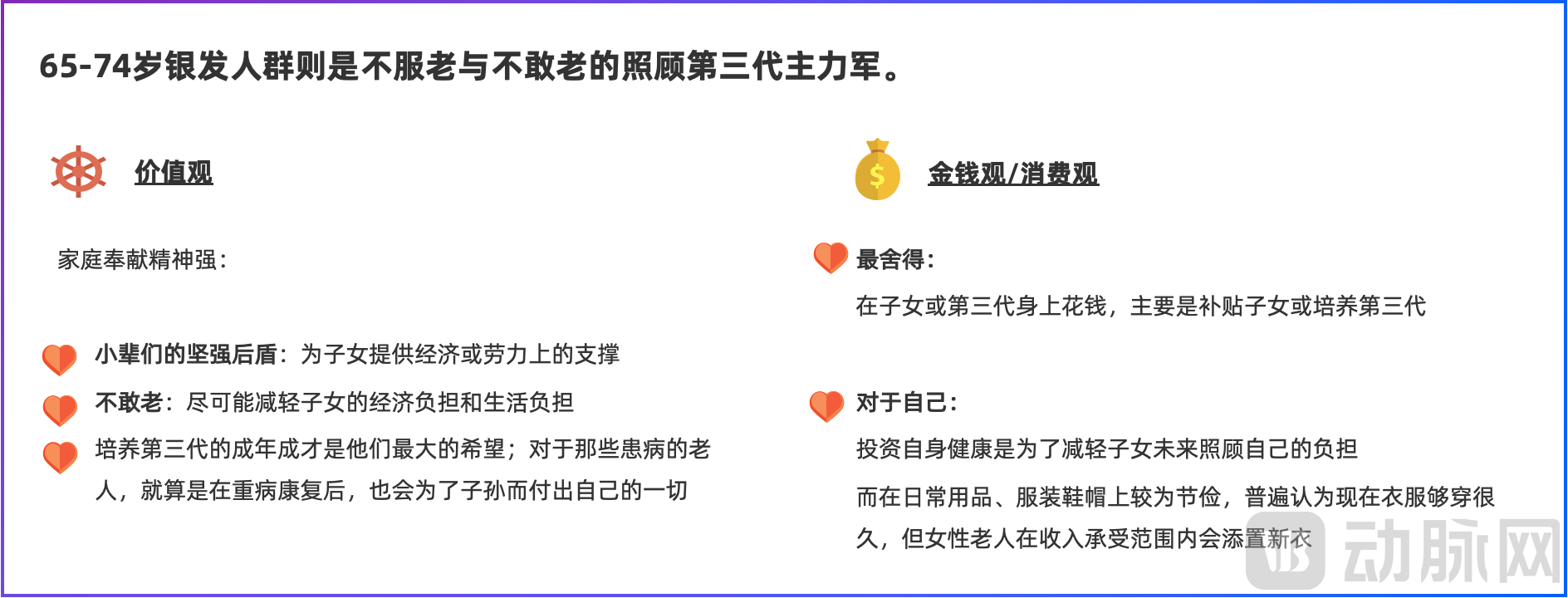
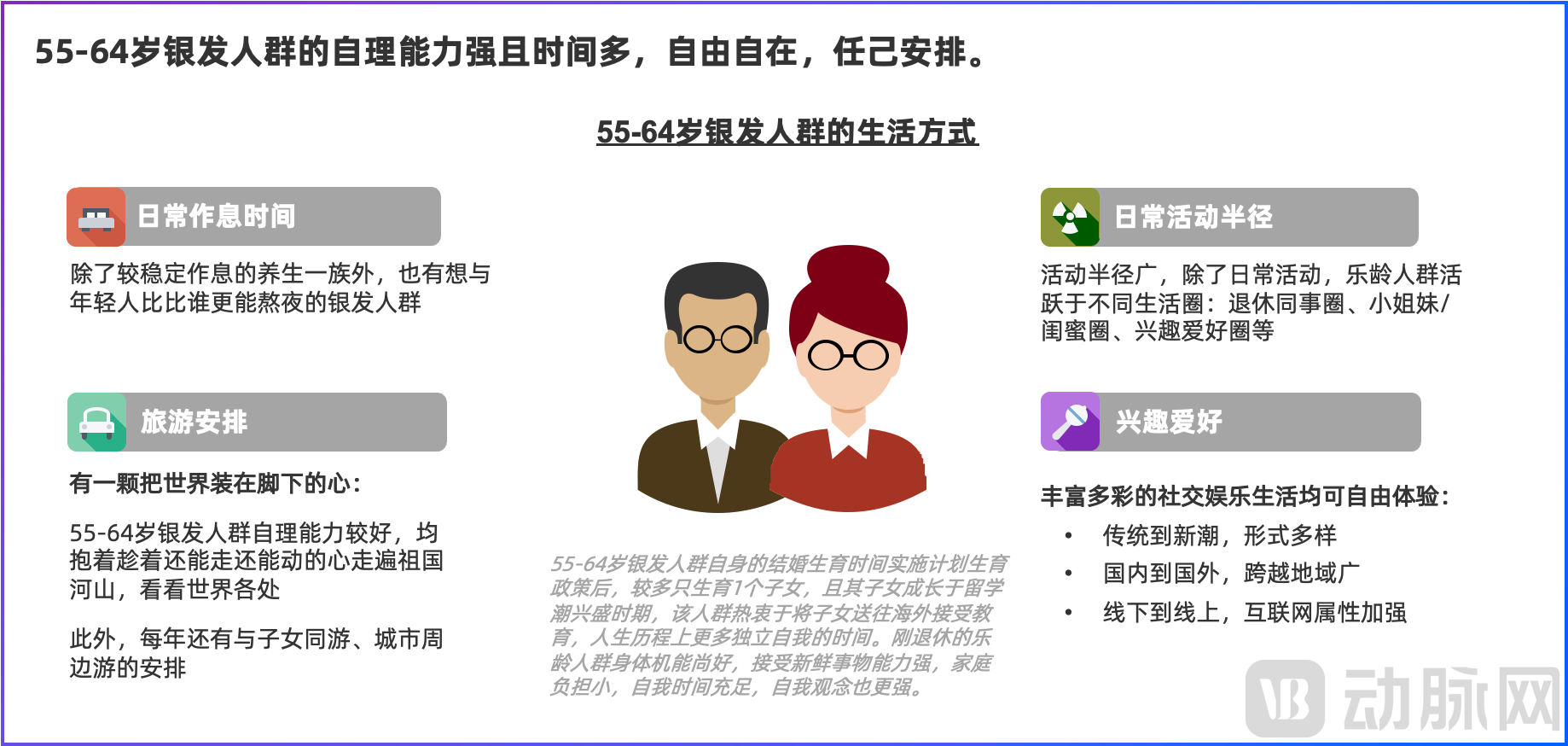
In terms of values, one of the most distinguishing characteristics of the 55–64 age group among the silver-haired population is their strong sense of autonomy. They tend to consume for themselves and pursue a high quality of life.
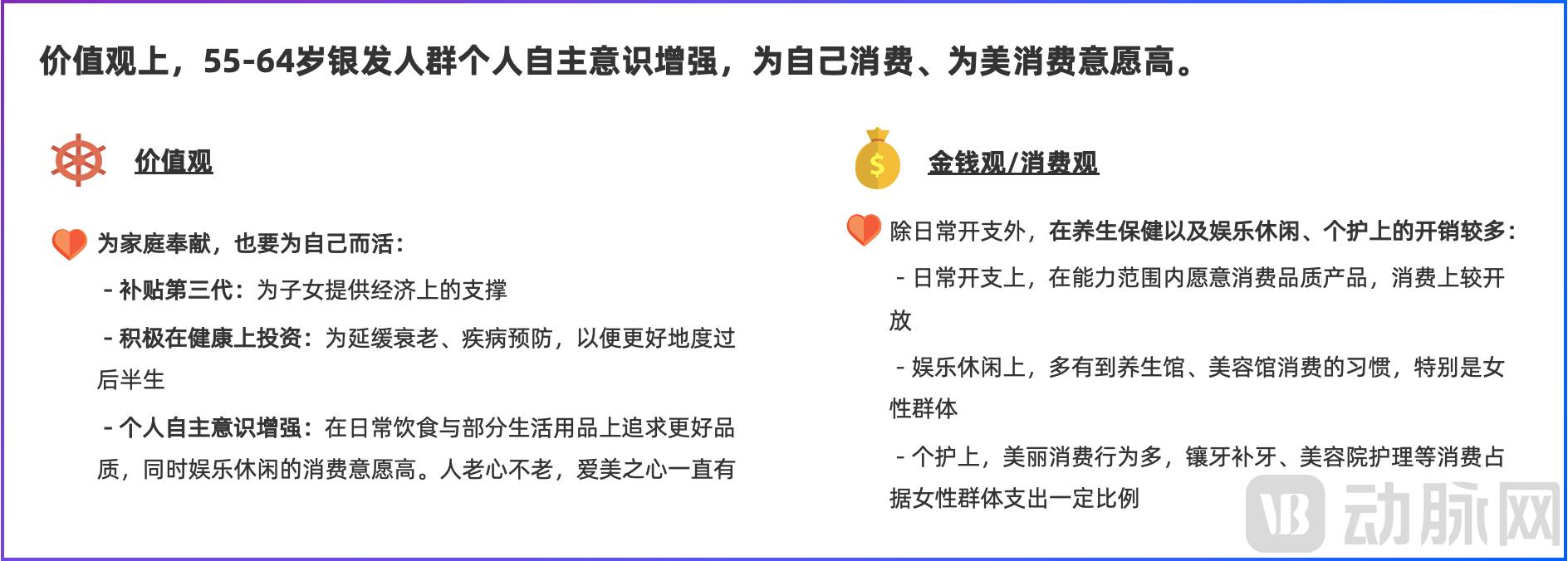
The silver-haired population aged 65–74 demonstrates strong dedication to their families, willingly providing financial and practical support to their children. They often assume the role of caregivers for their grandchildren, exhibiting traits that reflect a refusal to acknowledge or accept aging.
3. Self-Positioning at the Societal Level—Role Change Is Inevitable
The shift from professional roles to leisure roles, and from independent roles to dependent roles, is also a significant factor in how older adults perceive themselves. Consumers aged 55–64 have recently left the workforce and now have ample leisure time in retirement.
Thus, they have more opportunities to explore and realize the diverse possibilities of life: breaking free from familial “constraints,” returning to their “true selves,” and actively pursuing “relationship health” in their social interactions.
For the silver-haired population aged 65–74, their level of engagement with social developments is often a key factor in how they define whether they are “old.” Their social networks radiate outward from their immediate households, and social activities gradually decline due to limited mobility, with gatherings among friends and colleagues shifting progressively from offline to online platforms.
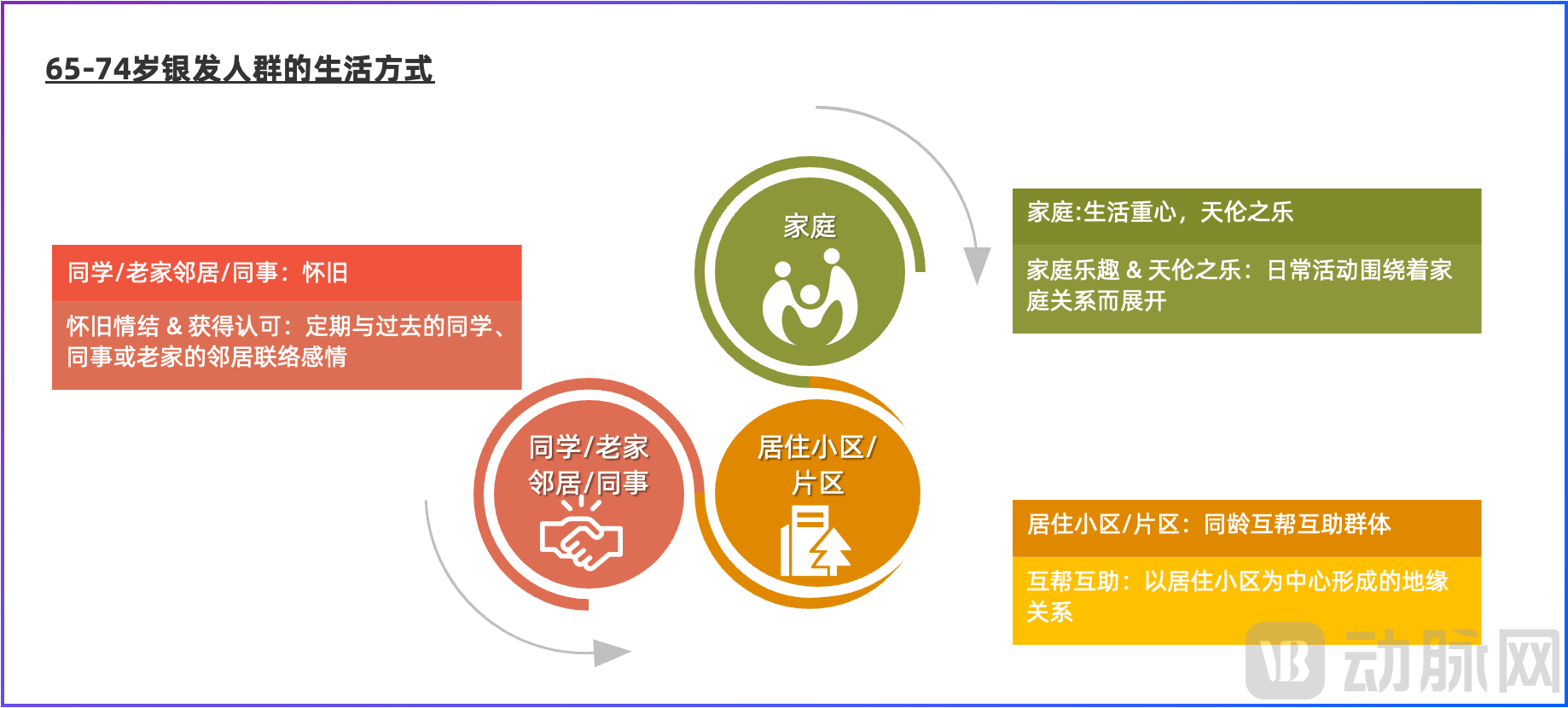
Overall, the assessment of “old age” should not rely solely on the traditional dimension of chronological age, but should instead integrate physiological, psychological, and social factors for a comprehensive evaluation. These assessments and perceptions, in turn, influence their daily behaviors, manifesting in the following four major behavioral trends.
In the era of longevity, the quality of life and social participation among China’s silver-haired population have improved significantly. They are breaking free from negative stereotypes about aging and continuously exploring and shaping their own “Silver Chapter.” Four major behavioral trends have emerged among China’s silver-haired population:
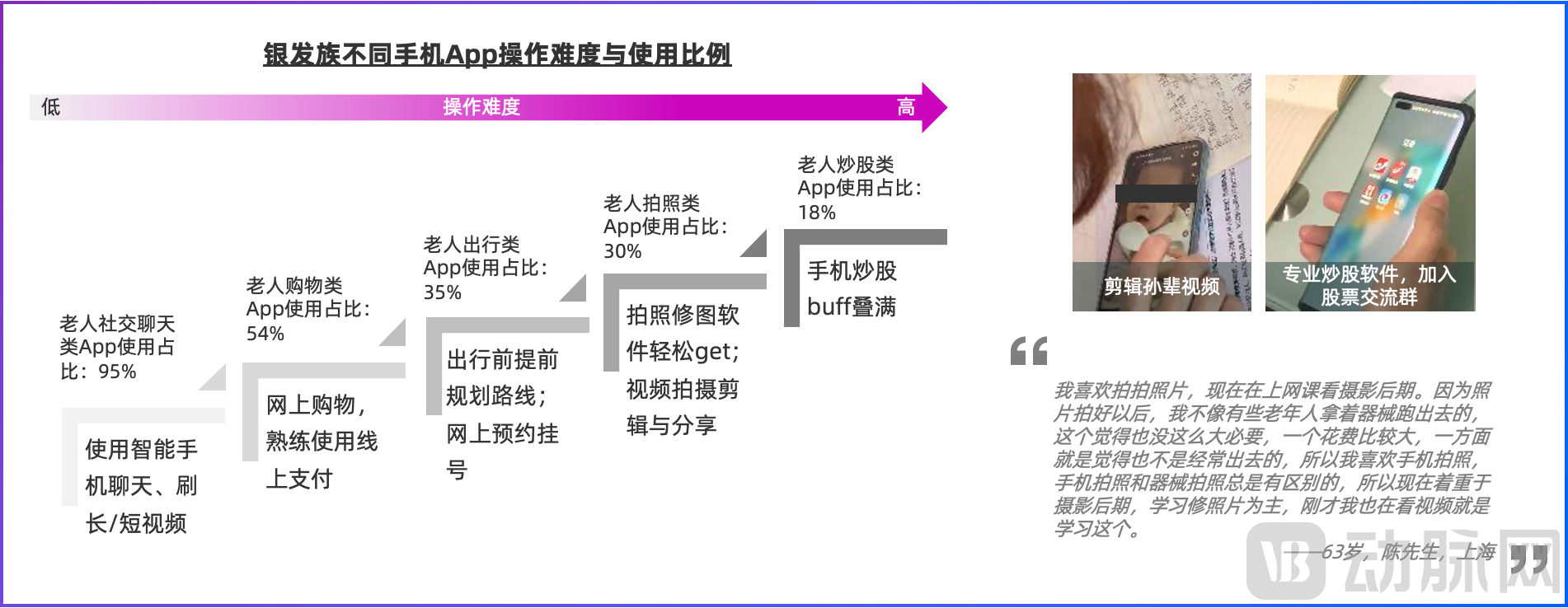
1. Increased Digital Engagement: From “Internet Illiterate” to “Internet Busy”
As internet penetration continues to deepen, older consumers have gradually learned to enjoy the conveniences brought by technology. Behaviors such as online shopping and digital appointment registration have become widespread among consumers in first-tier cities, and senior key opinion leaders (KOLs) have begun to emerge. Similar to younger generations, the “silver-haired” demographic is equally eager to share their fashion choices, culinary experiences, and daily life observations online.
2. The “Ageless Glamour” Trend Is Booming: Dressing Up Is No Longer the Exclusive Domain of the Young
The digitalization of society has expanded the social circles of the silver-haired population to include broader younger demographics. Older adults aspire to appear youthful and look younger than their chronological age. Grooming is no longer the exclusive domain of the young. Today, driven by personal preferences and social needs, a growing number of seniors are willing to dress up and groom themselves before going out. The silver-haired demographic pays particular attention to dental, hair, and skin health, actively adopting measures such as dietary adjustments, dietary supplements, cosmetics, exercise, and even medical aesthetic procedures to enhance their appearance.
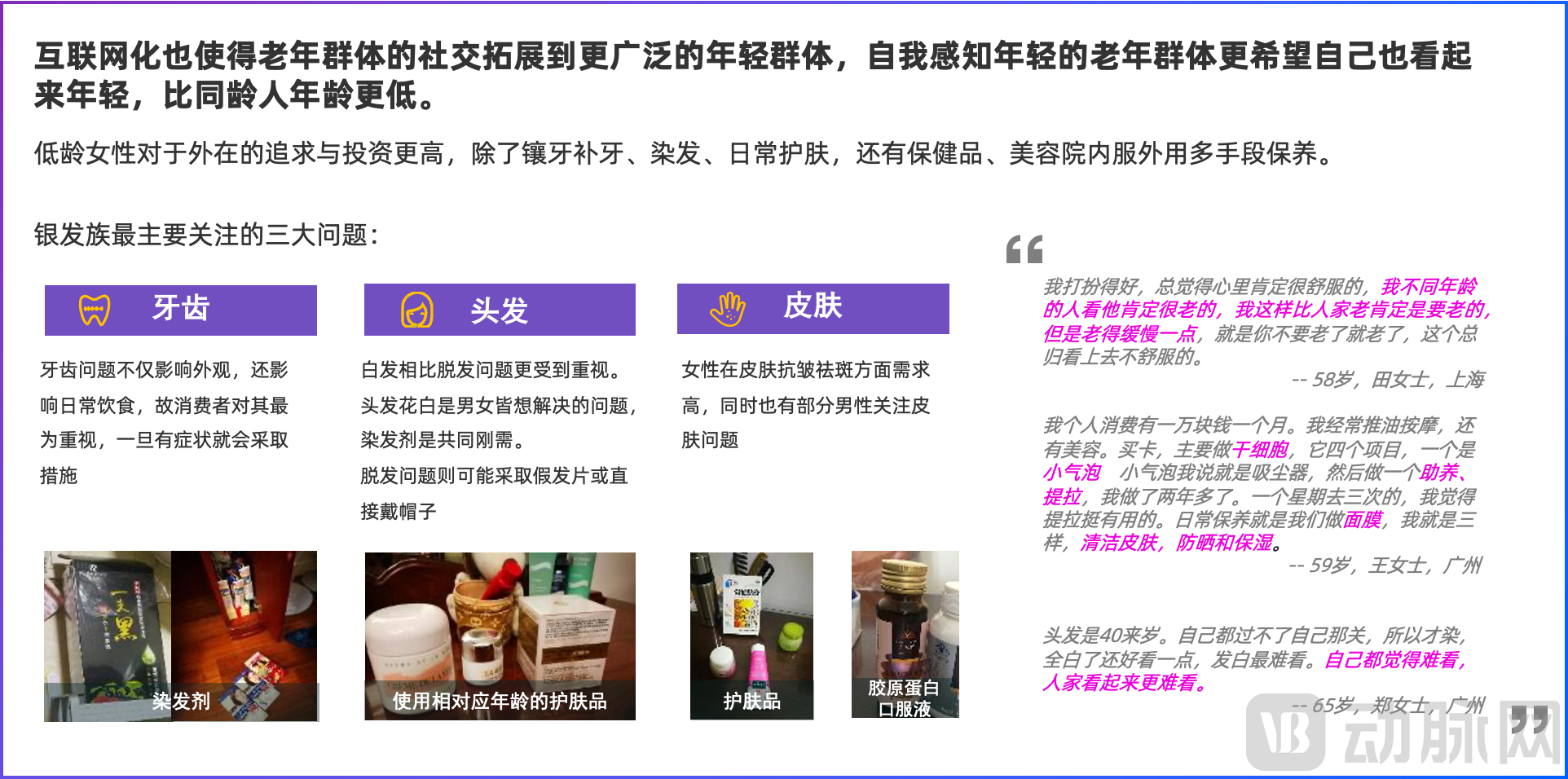
“(Eating aloe vera) is for beauty. As you age, wrinkles don’t look good either. I’m afraid my grandson will say, ‘Look how old your grandpa has become.’ (I hope) that when my grandson gets married in the future, (people will say), ‘Your grandpa still looks so young.’”
3. Enhanced Social Engagement: Elderly “Social Butterflies” Spreading Happiness
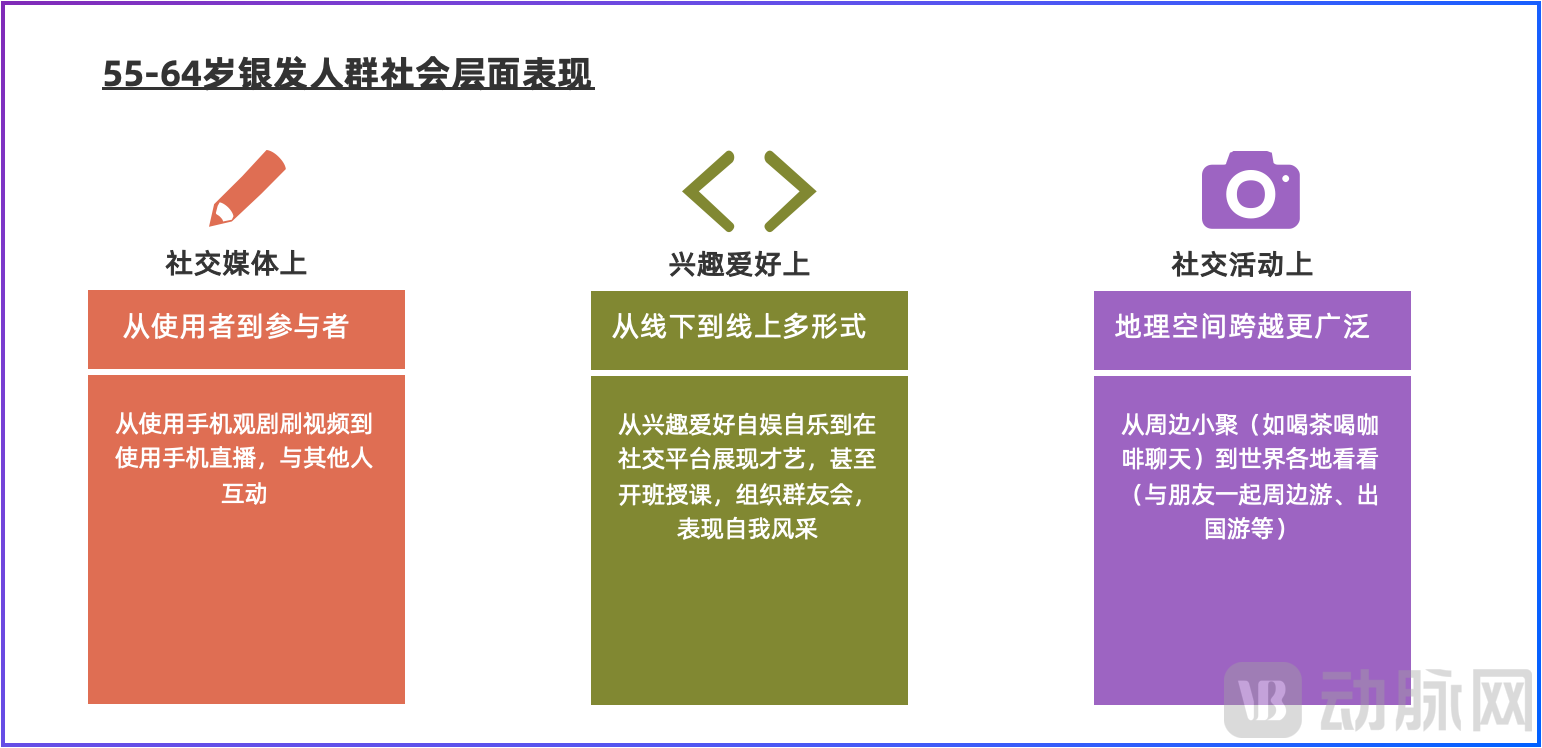
From “Individual Health” to “Relational Health,” the silver-haired population has not only learned how to navigate social media but has also become adept participants. They have progressed from pursuing hobbies for personal enjoyment to showcasing their talents on social platforms, even offering classes and organizing group meetups to express their individuality. Their geographical mobility has expanded significantly, ranging from local gatherings (such as meeting for tea or coffee) to traveling around the world (including short trips with friends and international travel).
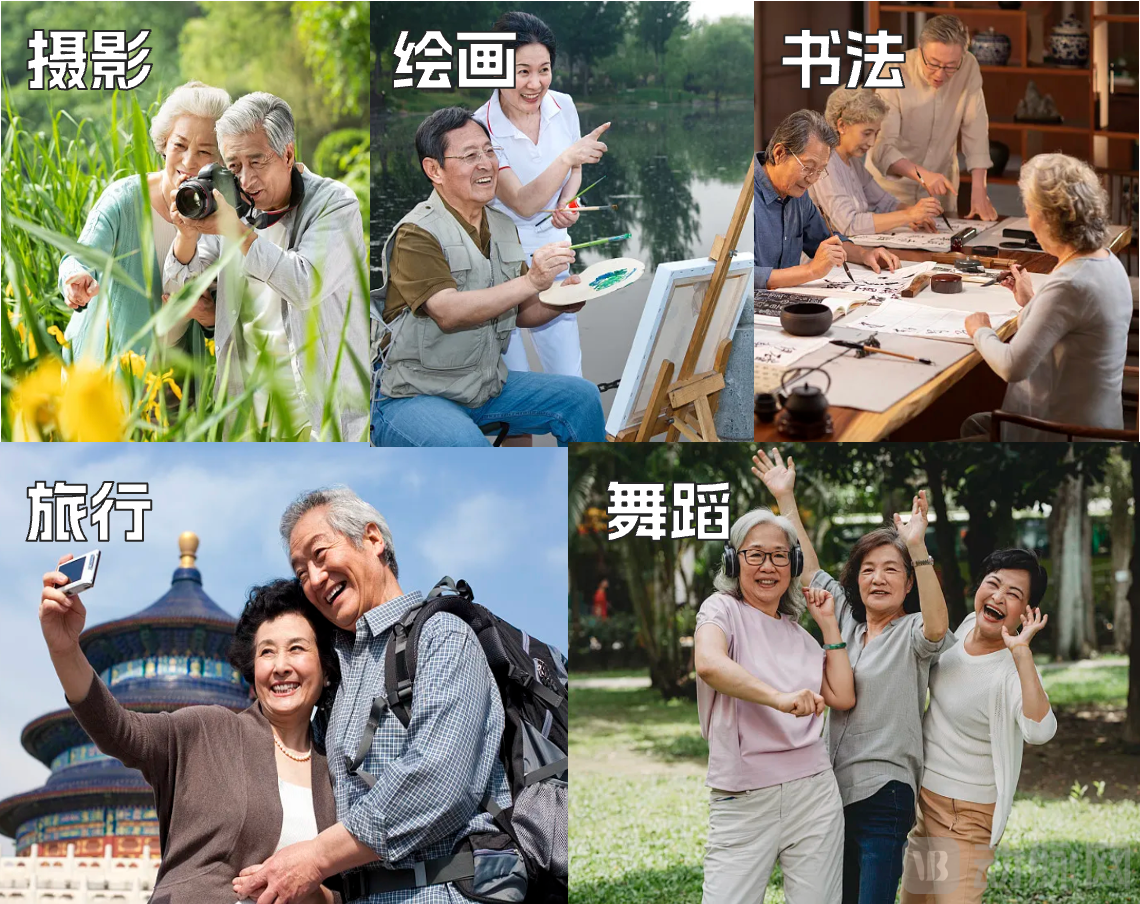
“It’s all good. I go out with friends to sing and dance; I basically sing every week. My son-in-law says I’ve forgotten my age. For me, traveling is the greatest joy. If I don’t go away for two or three weeks, I feel restless all over.”
4. Heightened Health Awareness: Striving to Be “High-Quality” Seniors
Under policy advocacy, health and wellness concepts among the silver-haired population have shifted, with heightened awareness of preventive healthcare and a strong willingness to invest in health. This demographic has transitioned from pursuing "longevity" to prioritizing "healthspan," with individuals adopting an average of four to five different health measures, primarily including physical exercise, dietary attention, proper sleep and daily routines, and regular medical check-ups.
Studies have shown that physical health status, economic level/income, intergenerational relationships, the health status of friends and relatives, and education level/learning ability are the five major factors influencing the health behaviors of the elderly. These five key factors also differentiate the individual levels of health engagement among older adults.
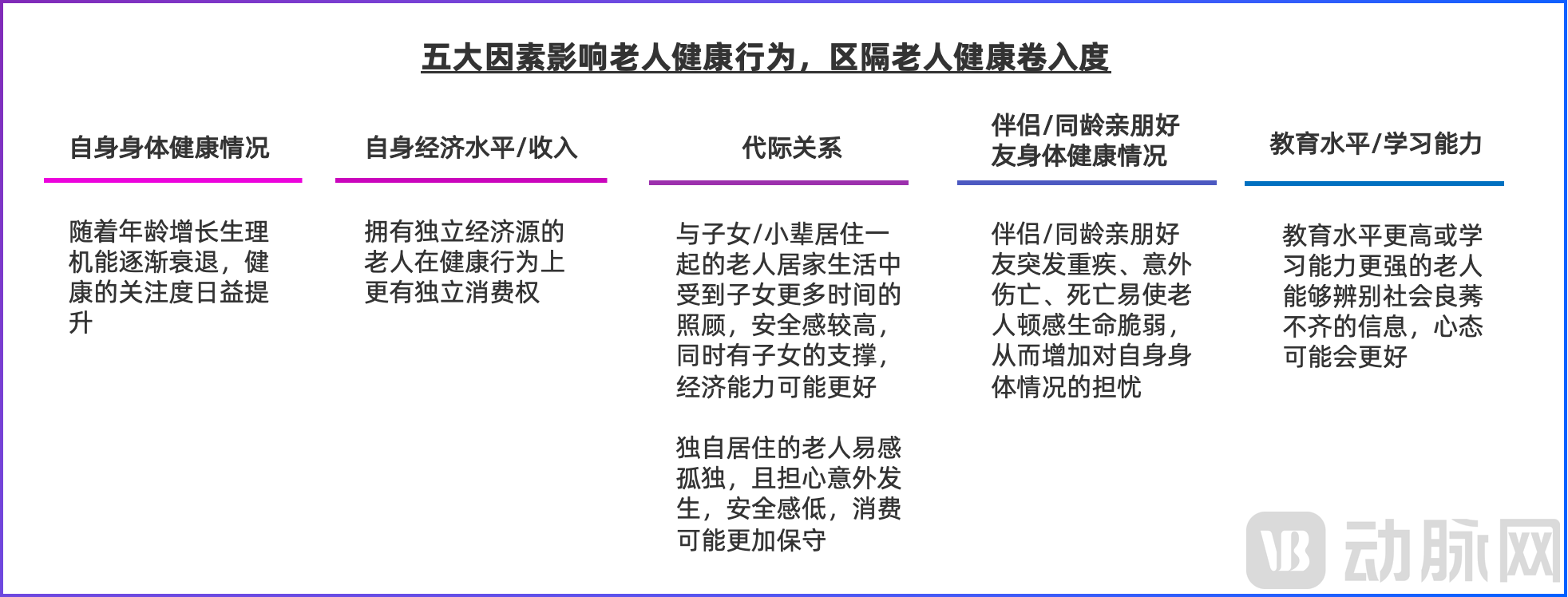
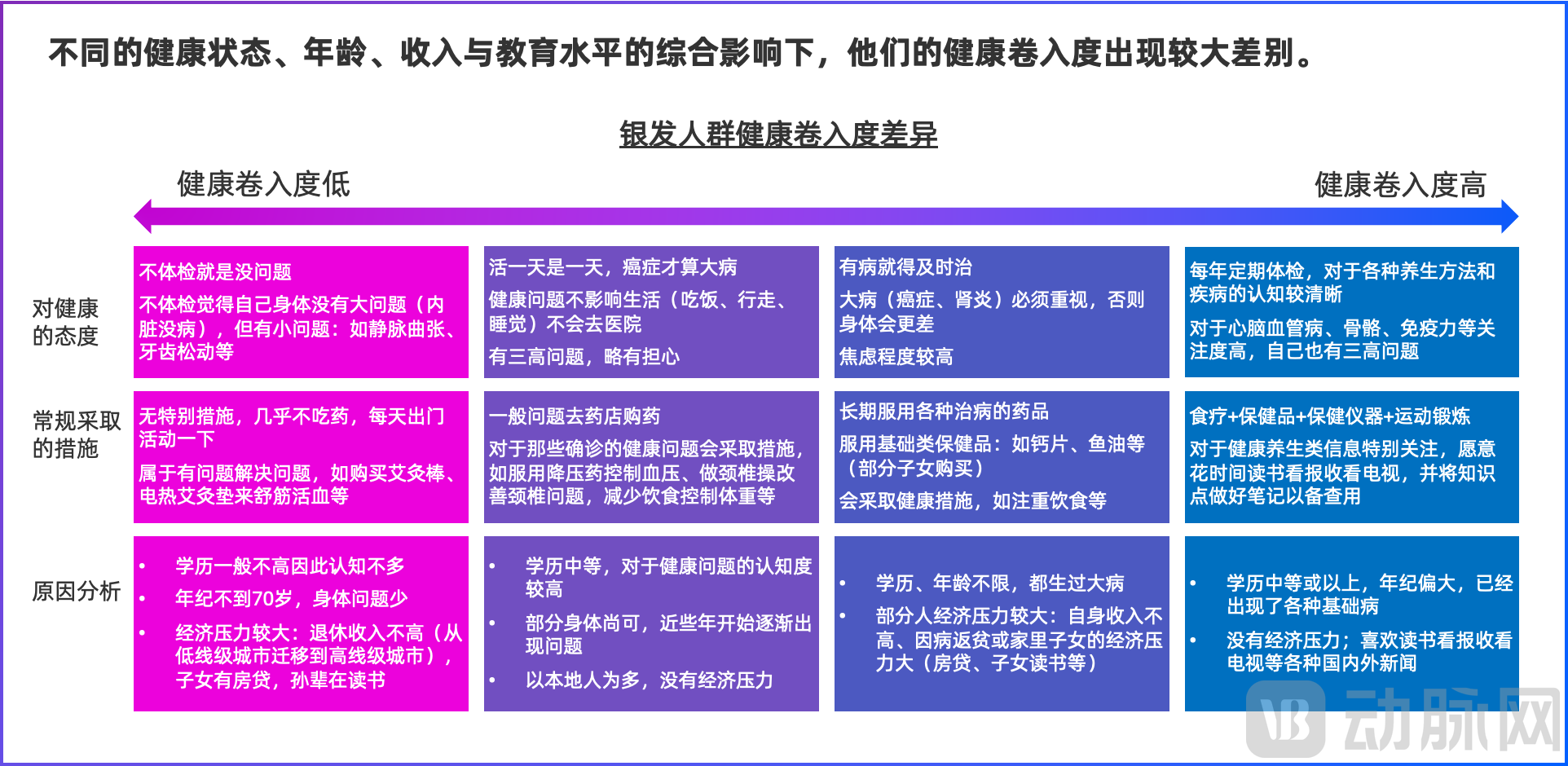
In our in-depth study of China’s silver-haired population, we have identified a series of complex and evolving challenges that brands currently face or may encounter in the future. These findings not only reveal the critical needs of older adults in terms of health, psychological well-being, and social engagement, but also underscore the diversified strategies brands must adopt to meet these needs.
Stay tuned for Kantar andFuxi LaboratoryFollow-up Updates to the Jointly Released "Study on China's Silver-Haired Population"Next, we will release the second installment of this series, focusing on population segmentation, to gain insights into the diverse "silver-haired" elderly demographic.
About Fuxi Lab

About Kantar
As a global leader in brand data and analytics, Kantar is an indispensable professional partner for world-class strong brands. We combine meaningful consumer attitude and behavior data, robust and reliable data resources and evaluation standard systems, and innovative data algorithms and technologies to reveal how people think, feel, and act. We help clients achieve holistic mindshare insights and shape the future of exceptional brands.